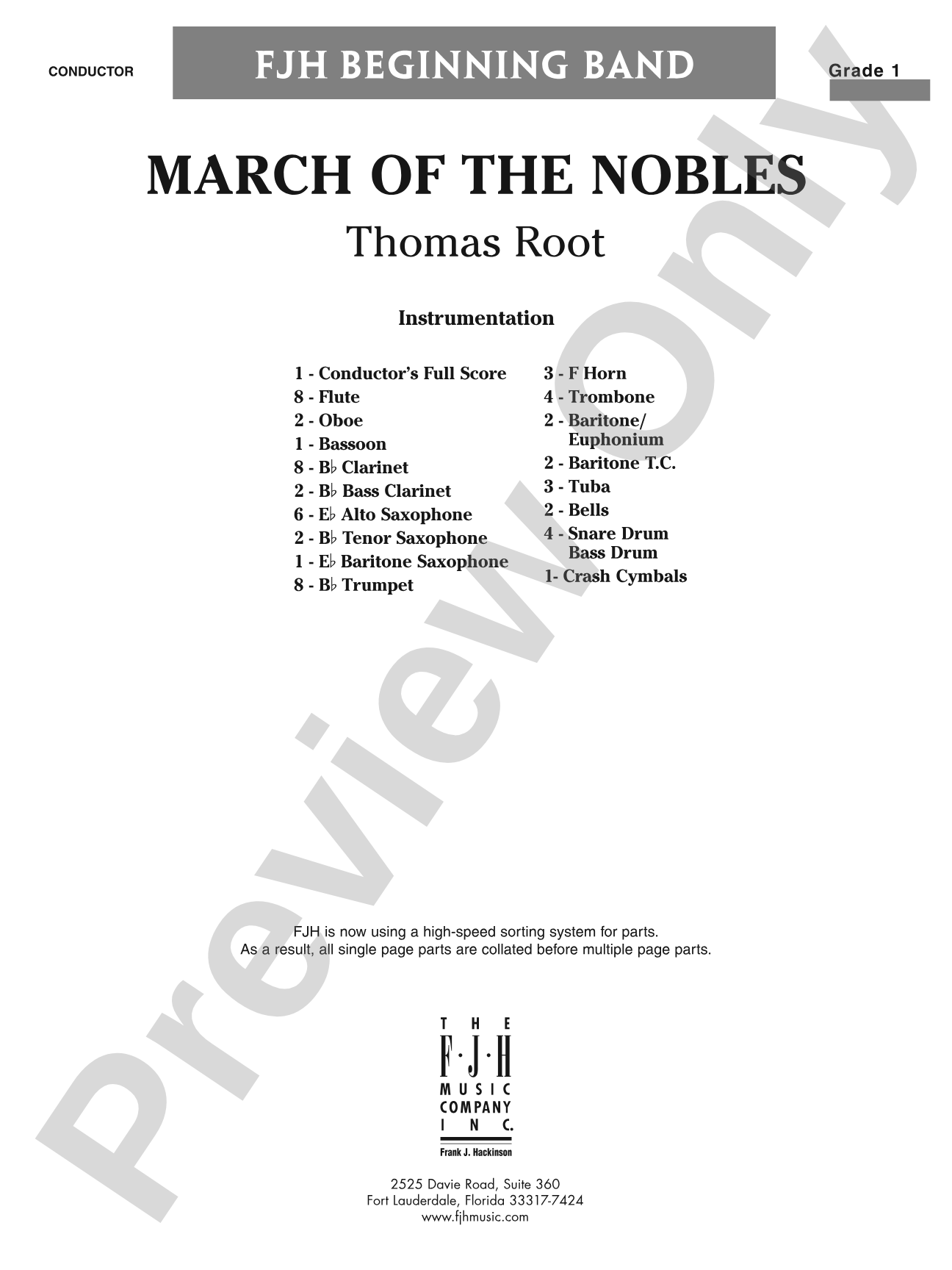
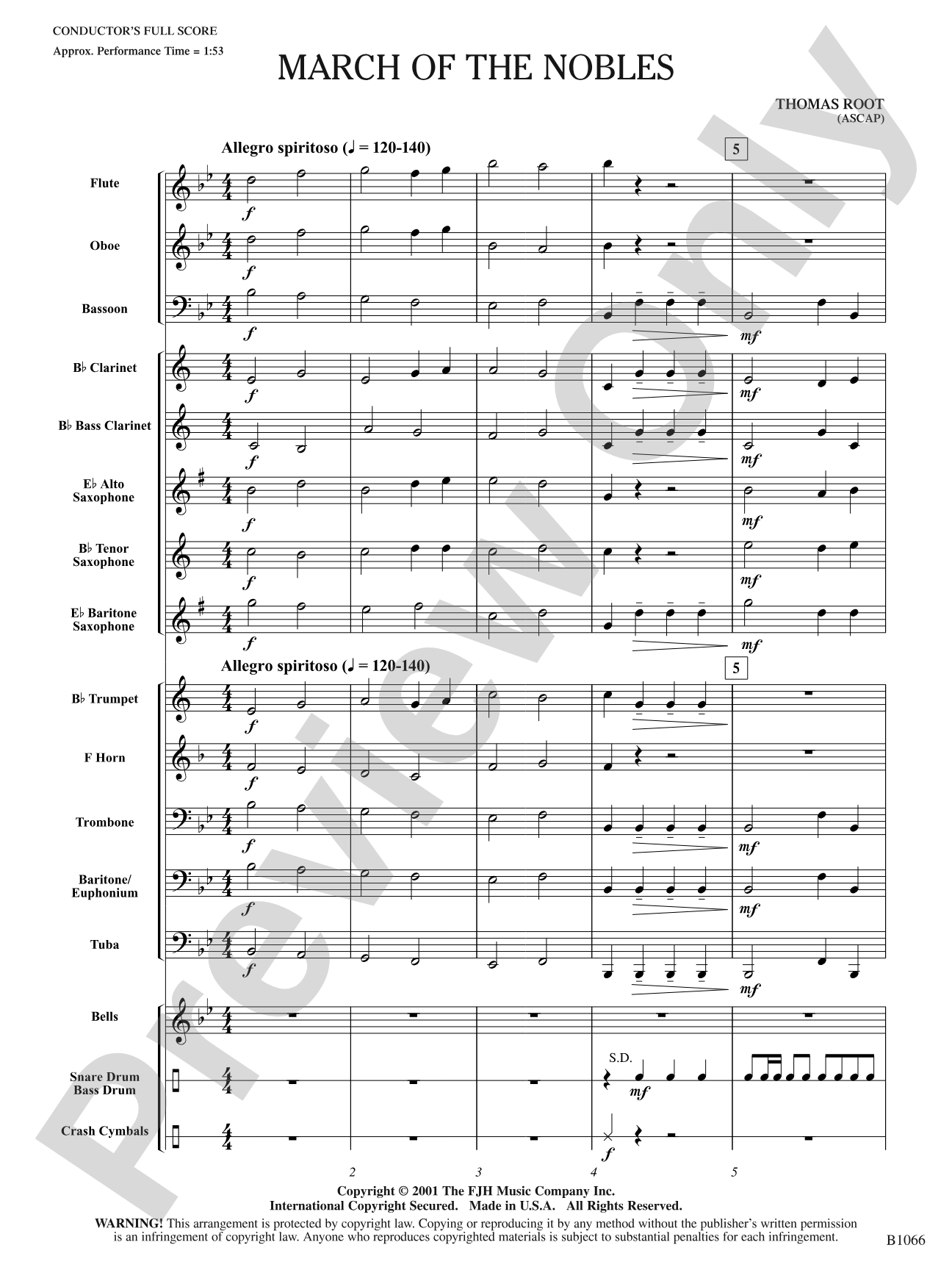
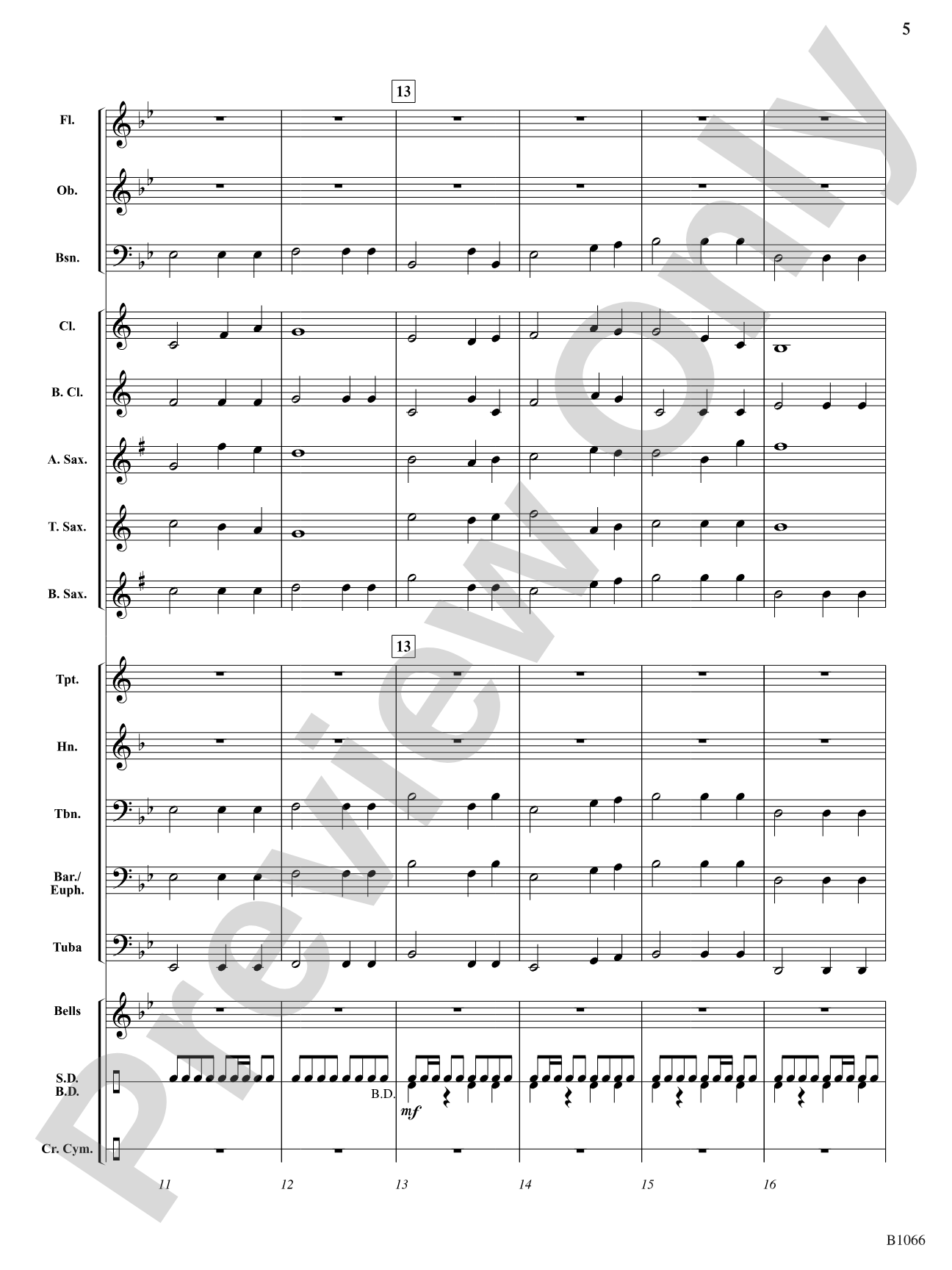
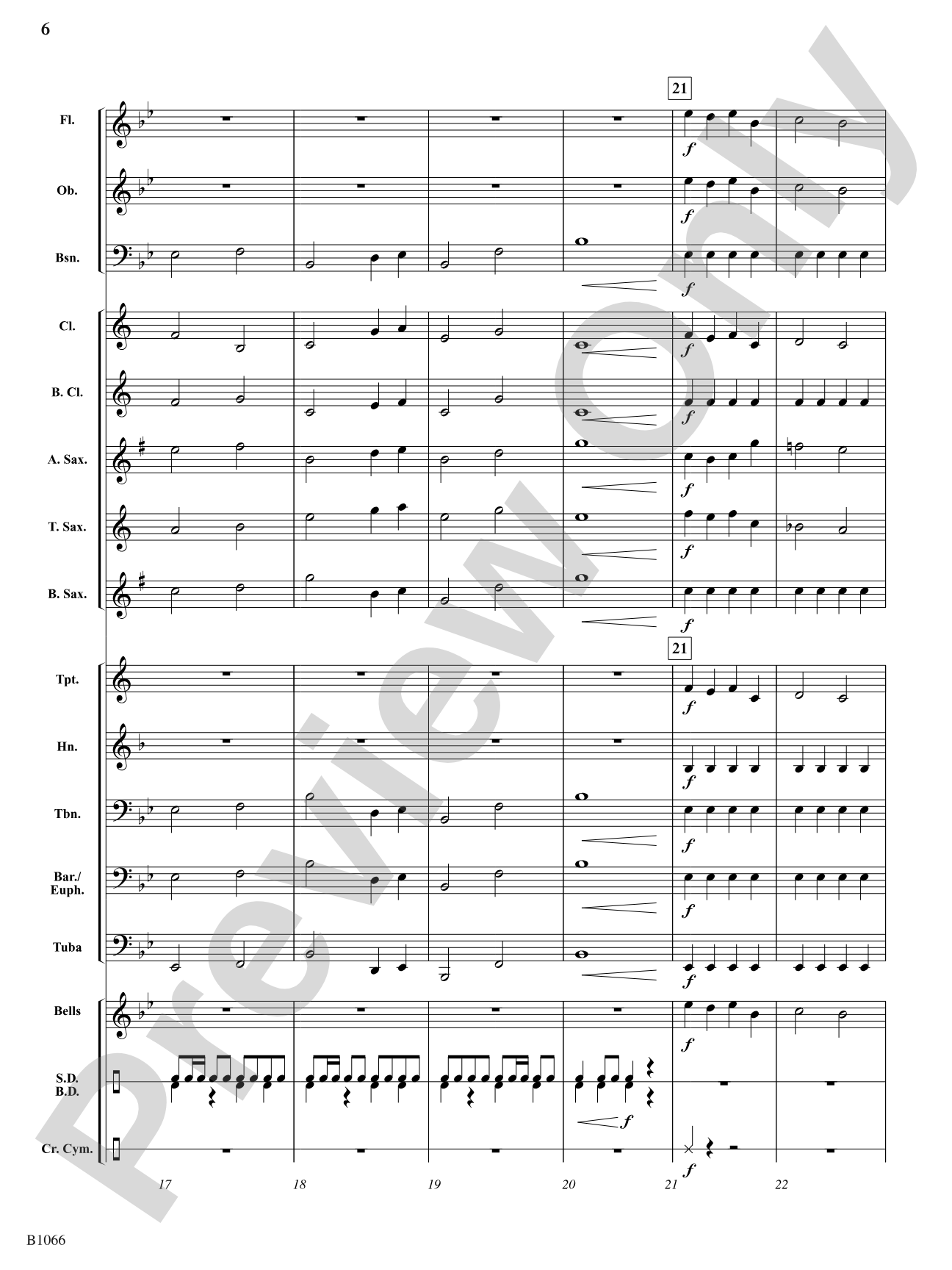
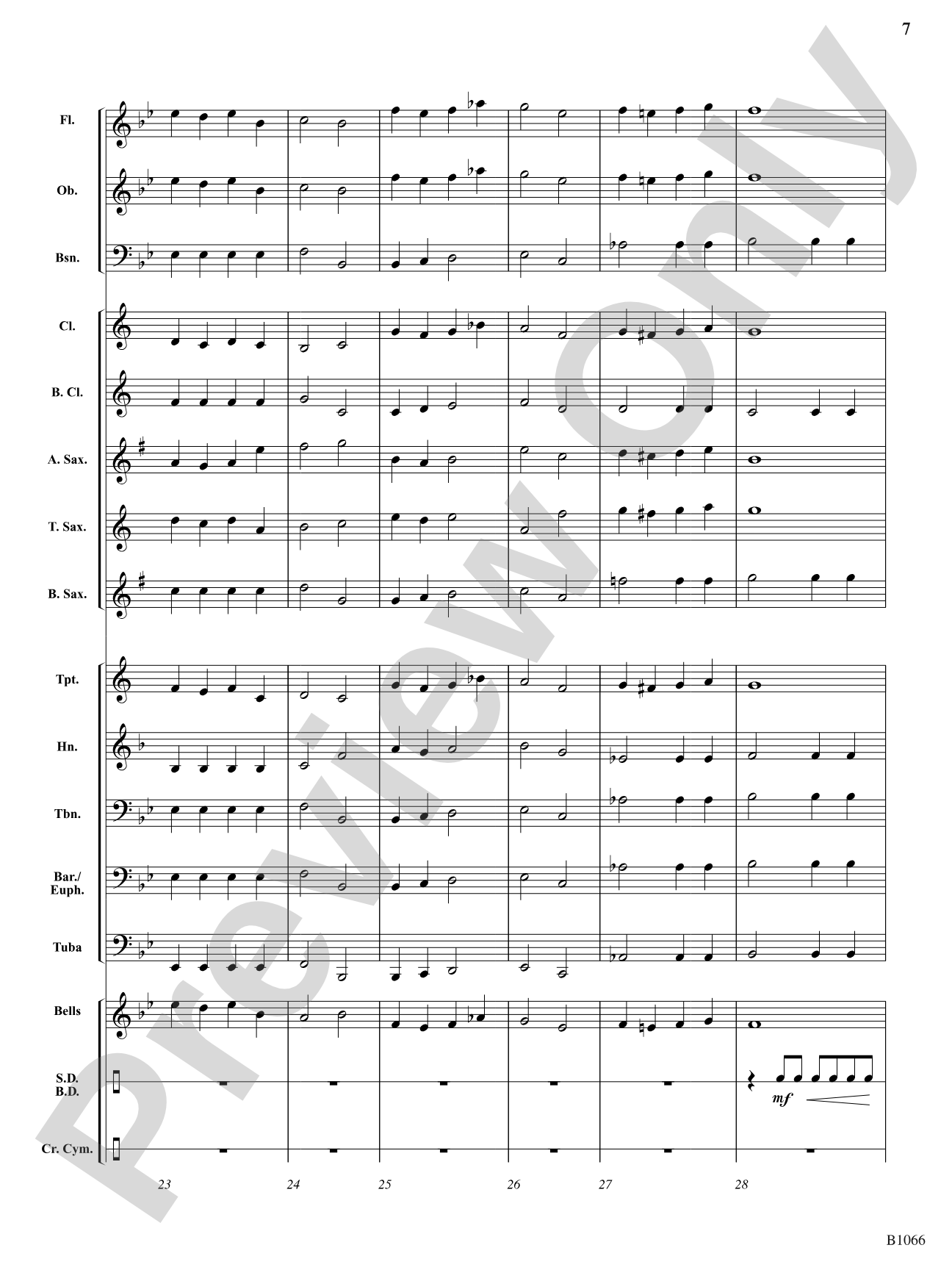
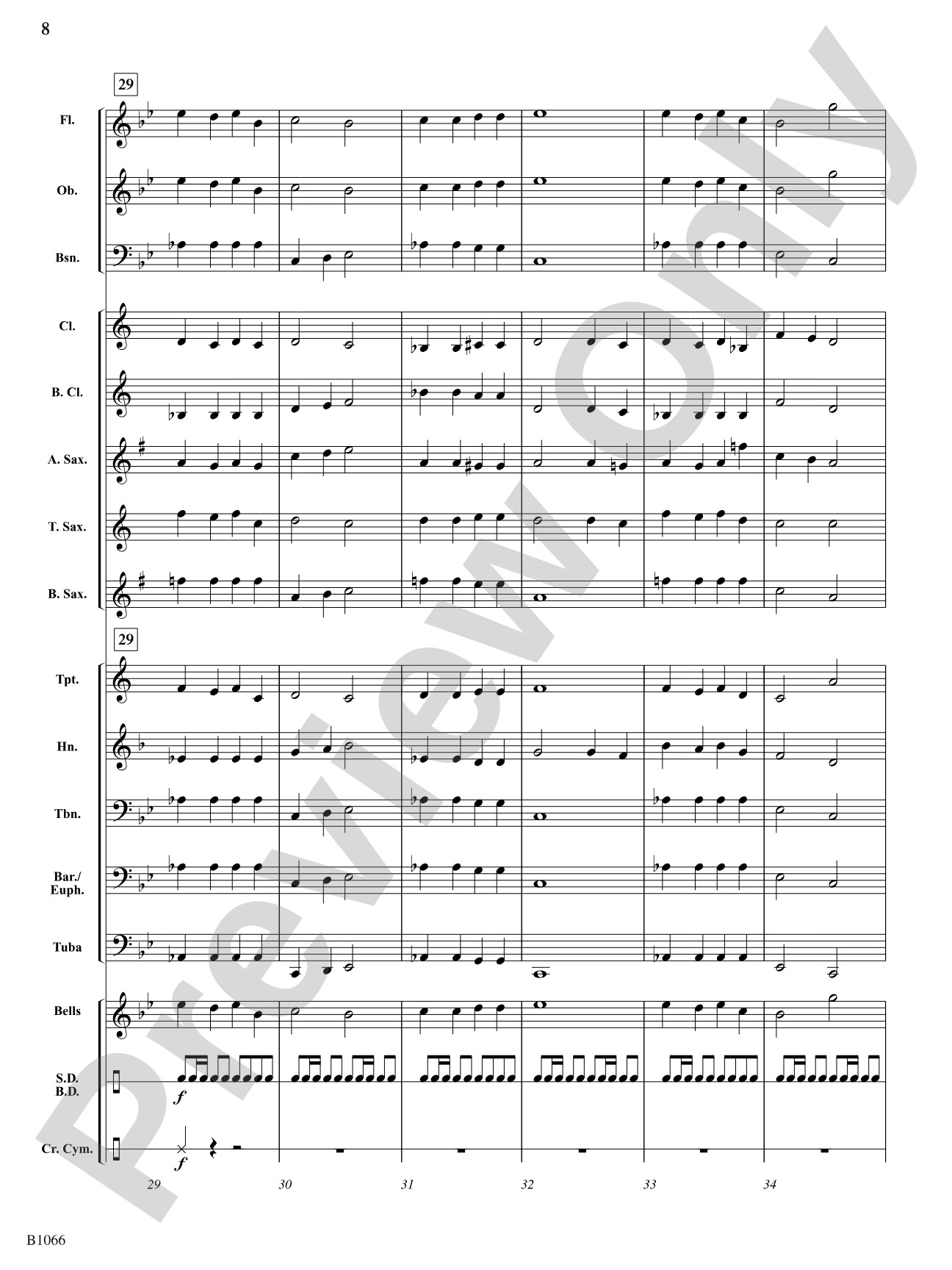
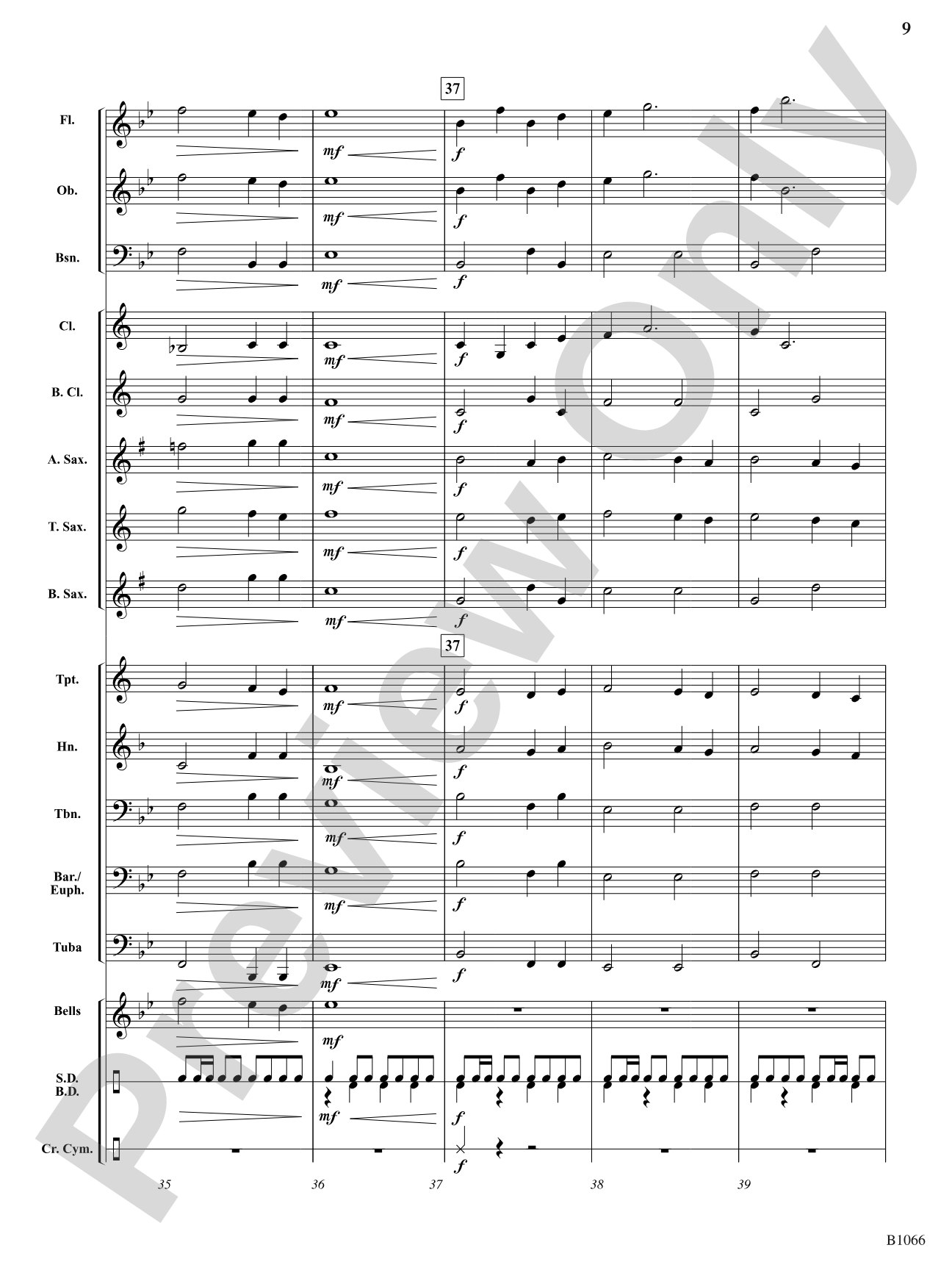
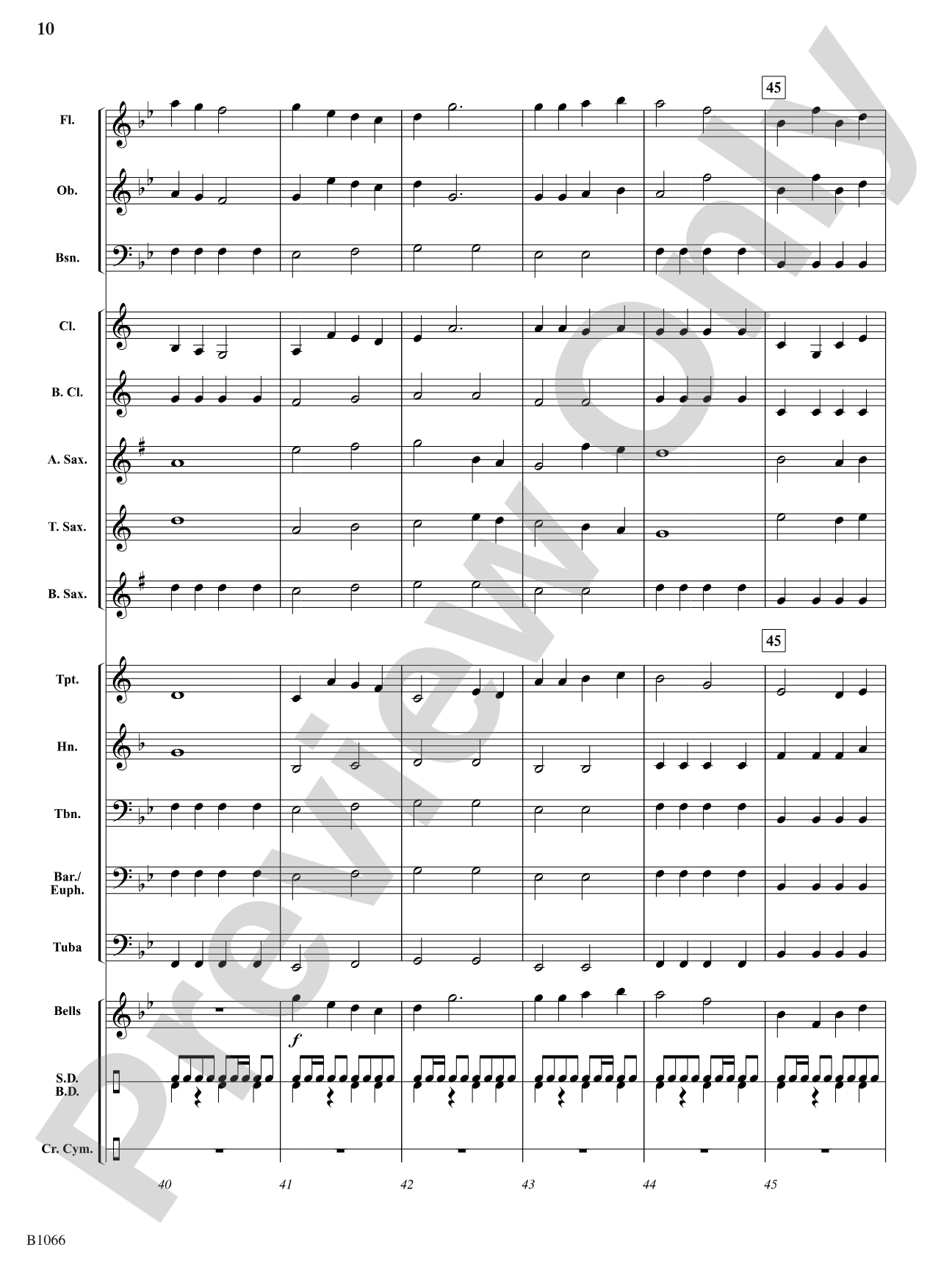
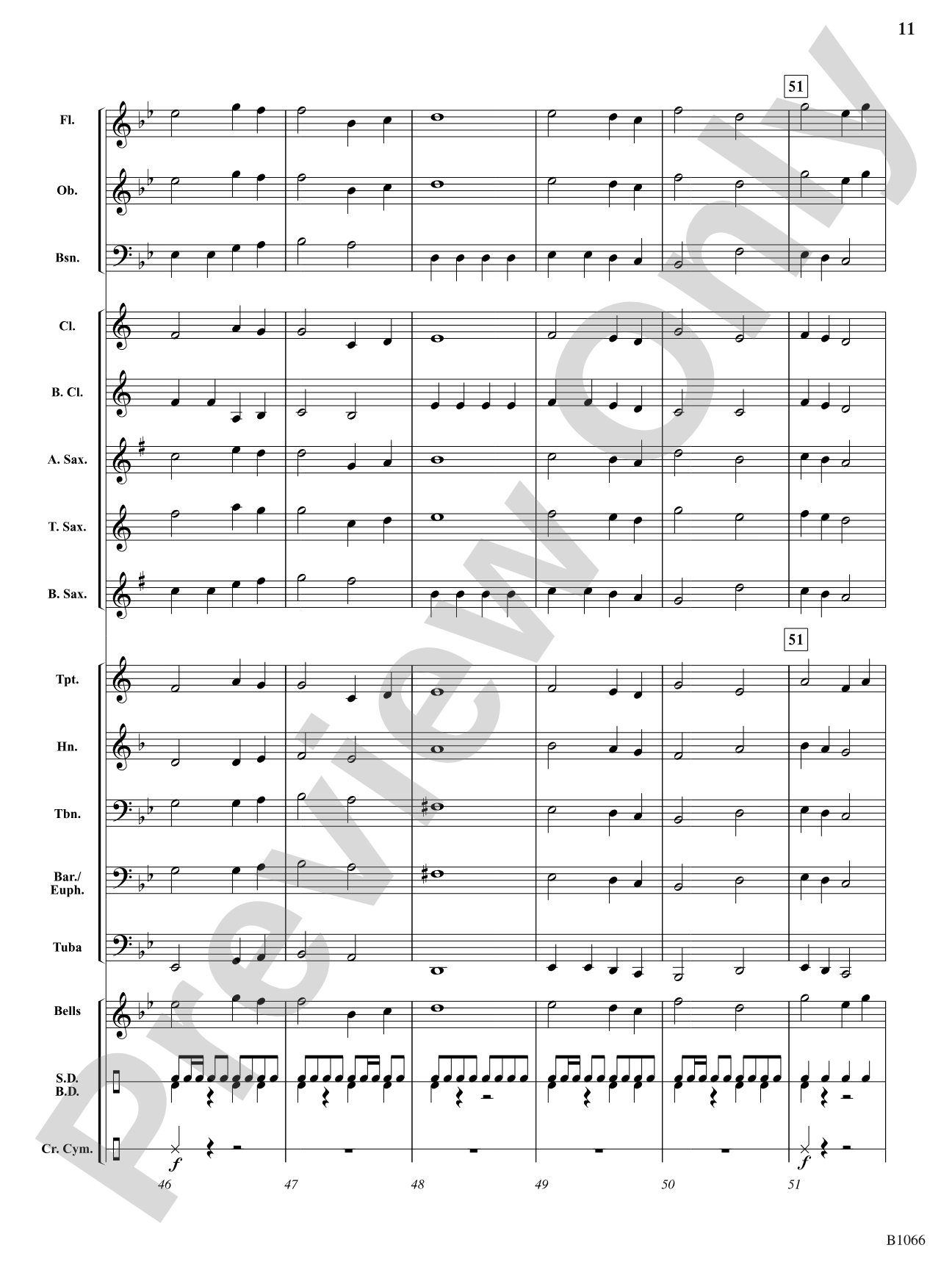
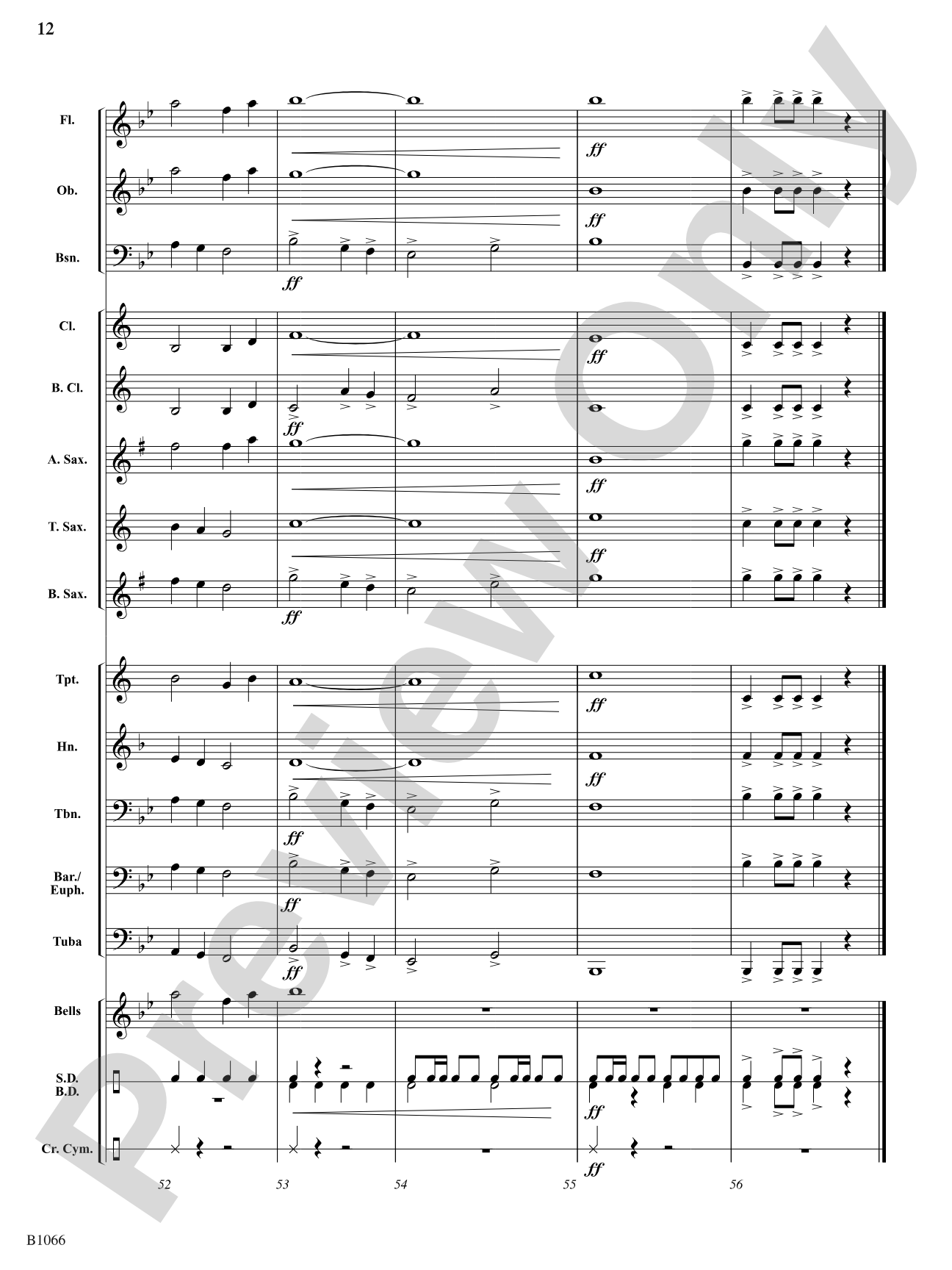
This bold march is scored simply and sounds much fuller than it appears. It utilizes one trumpet and clarinet part throughout. Perfect as an opener or closer, this piece should be strongly considered for your contest or festival march selection. (1:50)
Discover MakeMusic Cloud: thousands of interactive titles your students can play along with today.
Thomas Root has built a catalog of accessible band and orchestra arrangements that prioritize sound over complexity. His work in the FJH Beginning Band series demonstrates a clear understanding of what young ensembles can accomplish when the writing is intelligent and idiomatic.
Why we love this
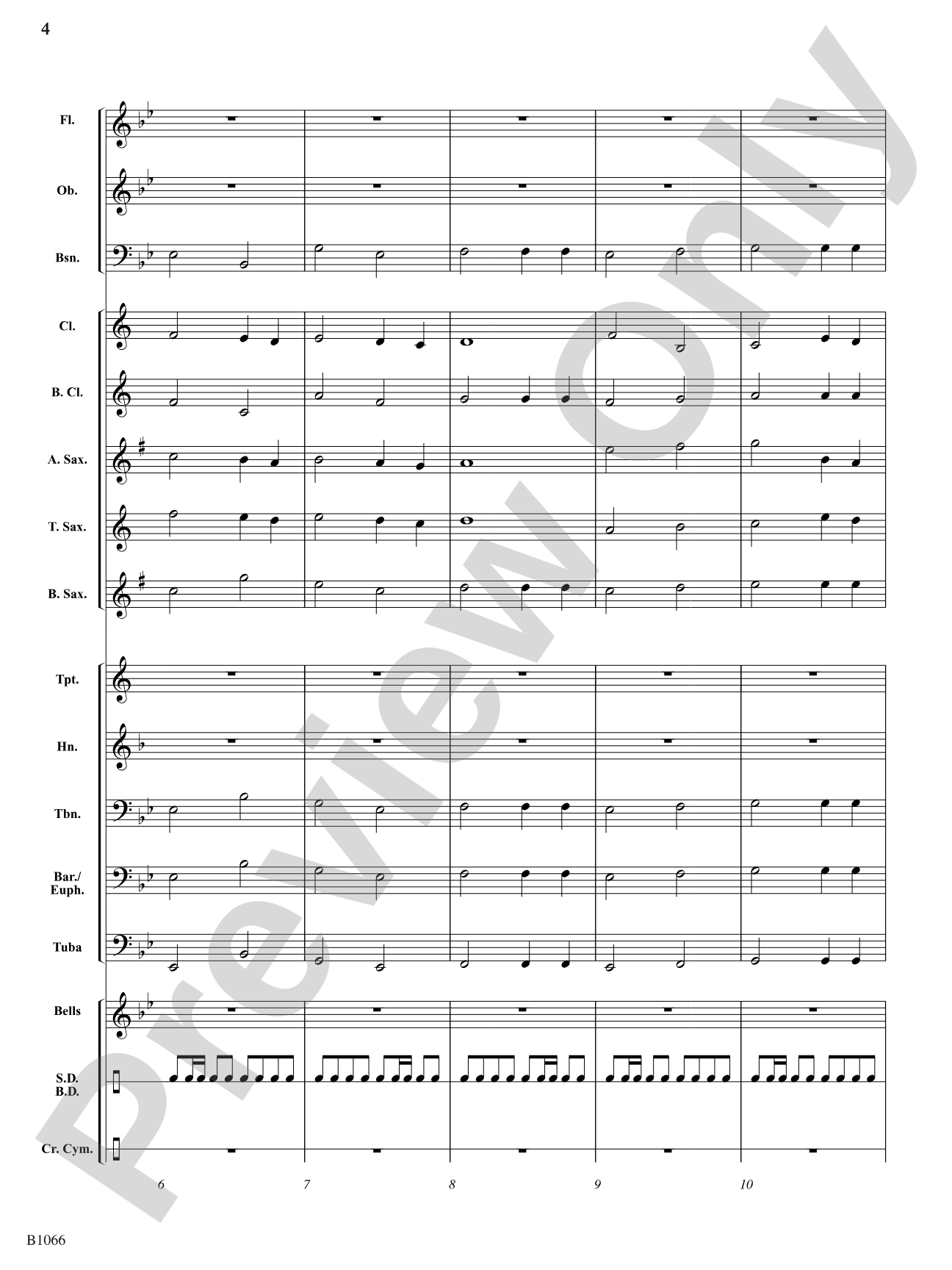
Root's orchestration here is genuinely clever: the single trumpet and clarinet line carries the march with surprising authority, while the rest of the band fills the harmonic and rhythmic landscape without clutter. At Grade 1, this teaches you something important about arranging efficiency, and it gives your students confidence that they're playing something that sounds polished.
What to expect
Purposeful and energetic. The march has forward momentum and dignity without pretense, moving with the kind of earnest confidence that defines good Grade 1 writing. It's the sound of a young band playing something that matters.
Who it's for
Beginning band programs looking for a march that builds confidence without overwhelming the ensemble. This works equally well for students encountering march form for the first time or as a concert opener that feels polished and complete.
How to get the most out of it
Anchor the march with a steady, articulate low brass foundation. Even at this level, the pulse lives in the tubas and trombones.
Let the single trumpet-clarinet melody cut through without forcing it. The scoring does the work if you maintain clear section balance.
Shape the march with subtle tempo flexibility at phrase endings. A breath between ideas signals form without disrupting the stride.
Emphasize the rhythmic character of the accompaniment figures. Crisp articulation on supporting lines makes the whole piece feel more substantial.
How to use it
Open a festival or concert with this to establish a professional tone from the first note. Its brevity (1:50) also makes it ideal for contest rotation or as a change-of-pace selection between longer concert works.
Skills your students will build
Maintaining steady pulse through repeated rhythmic figures
Listening for balance between a single melody line and full ensemble support
Understanding march form and phrasing conventions
Reading and executing articulation markings consistently across a section
You May Also Like
Scan to Complete Your Purchase
Use your phone's camera to scan the code below
You'll log in on your phone and the order will be added to your account