

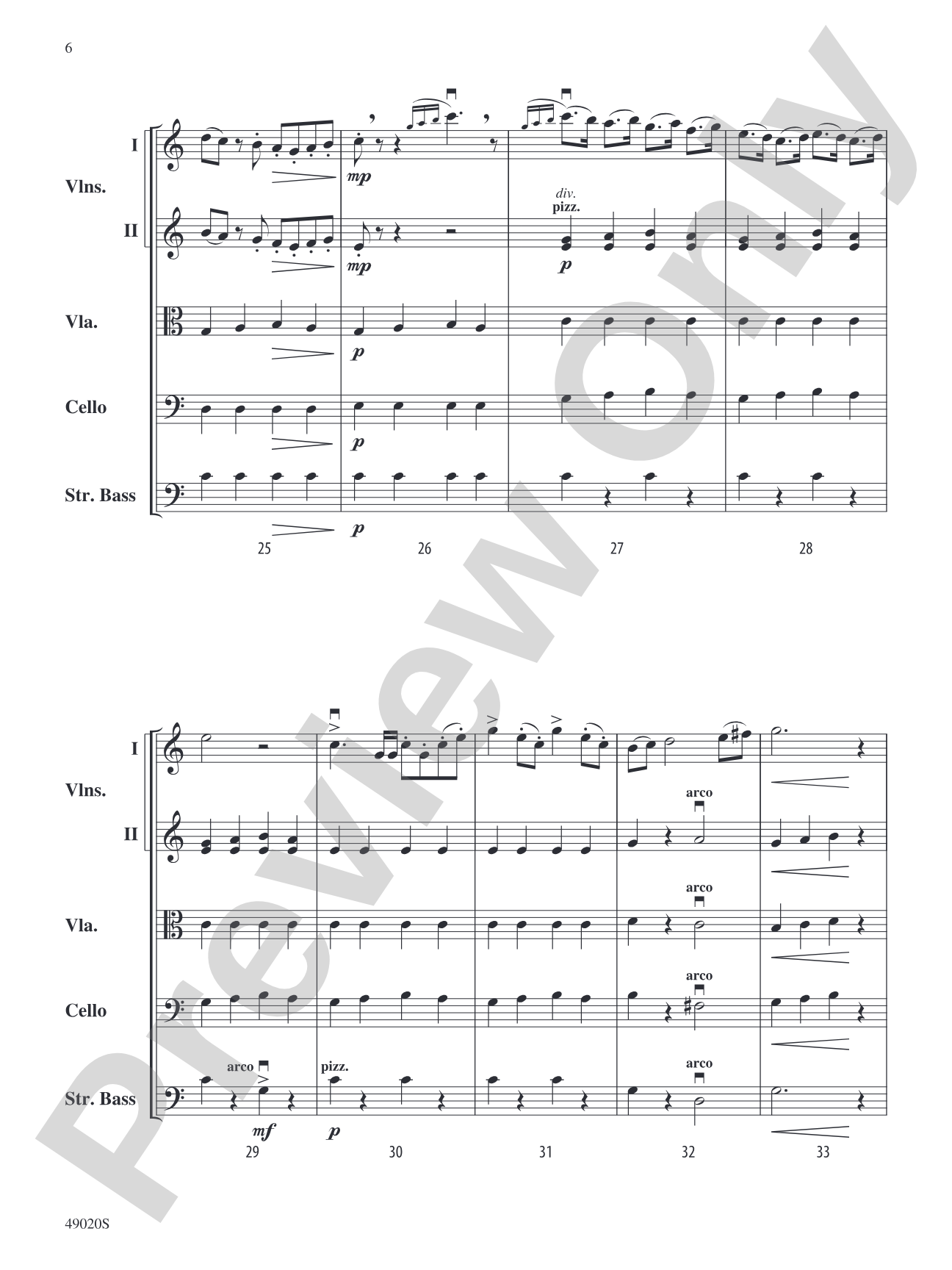
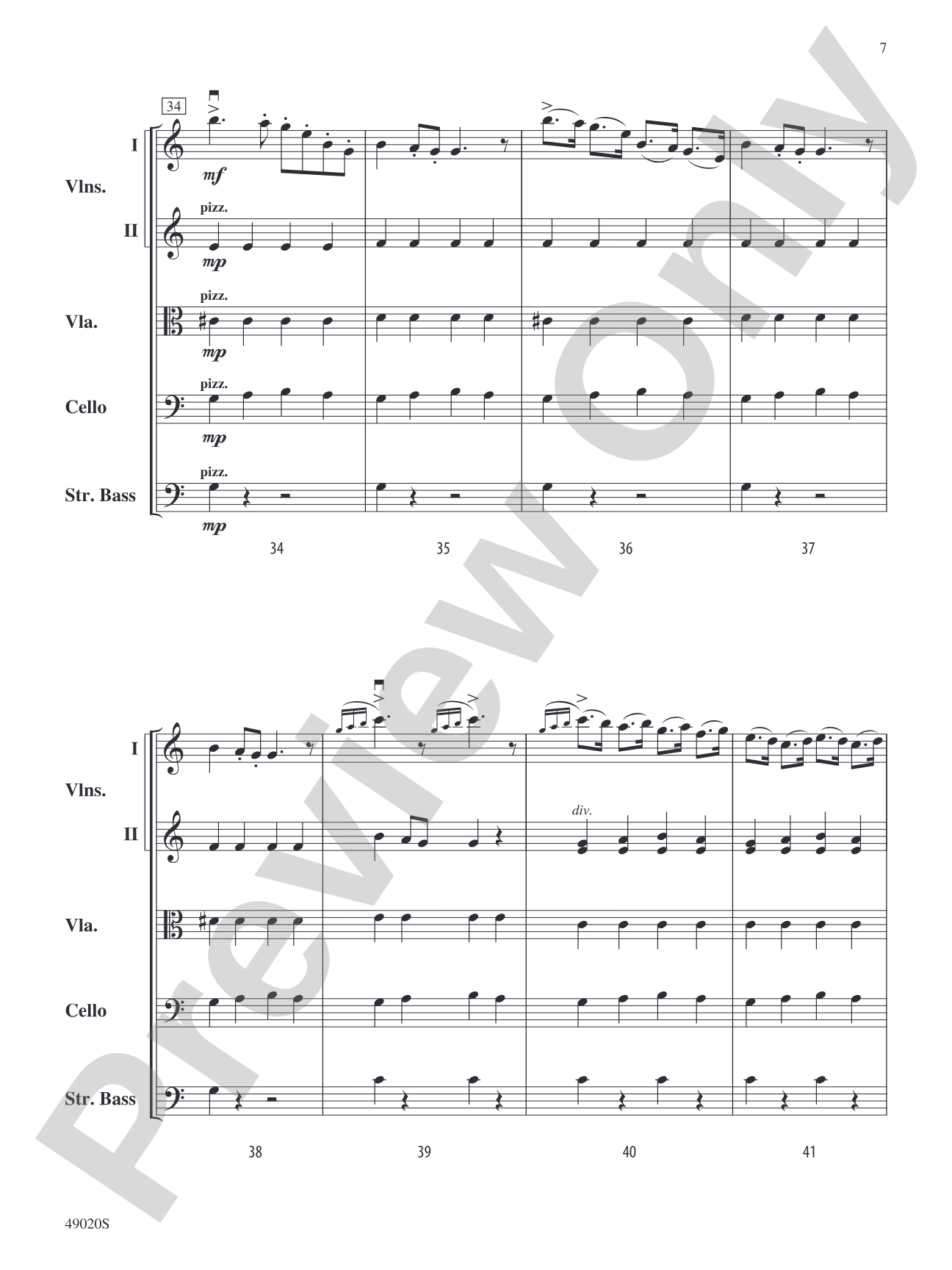
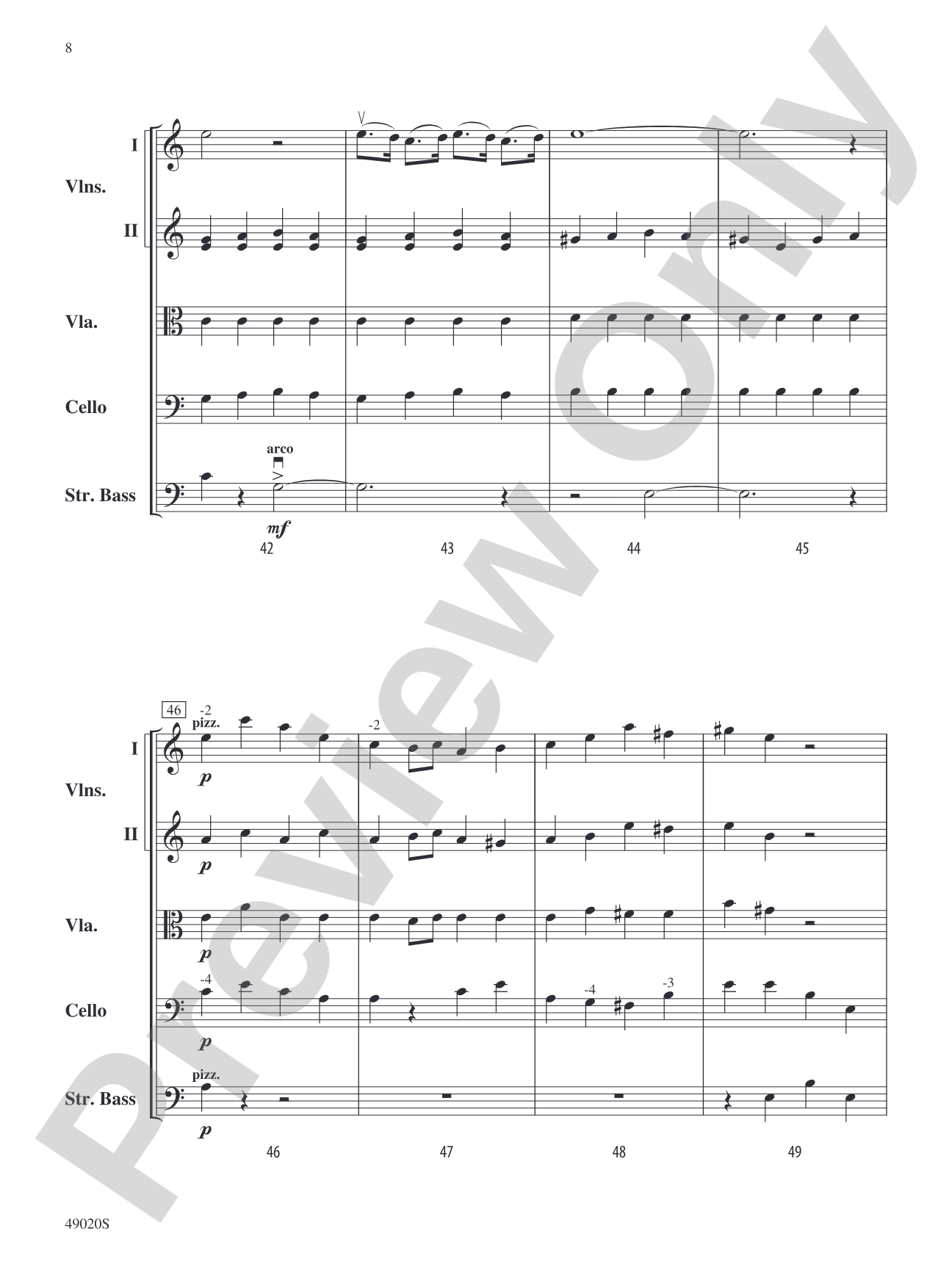
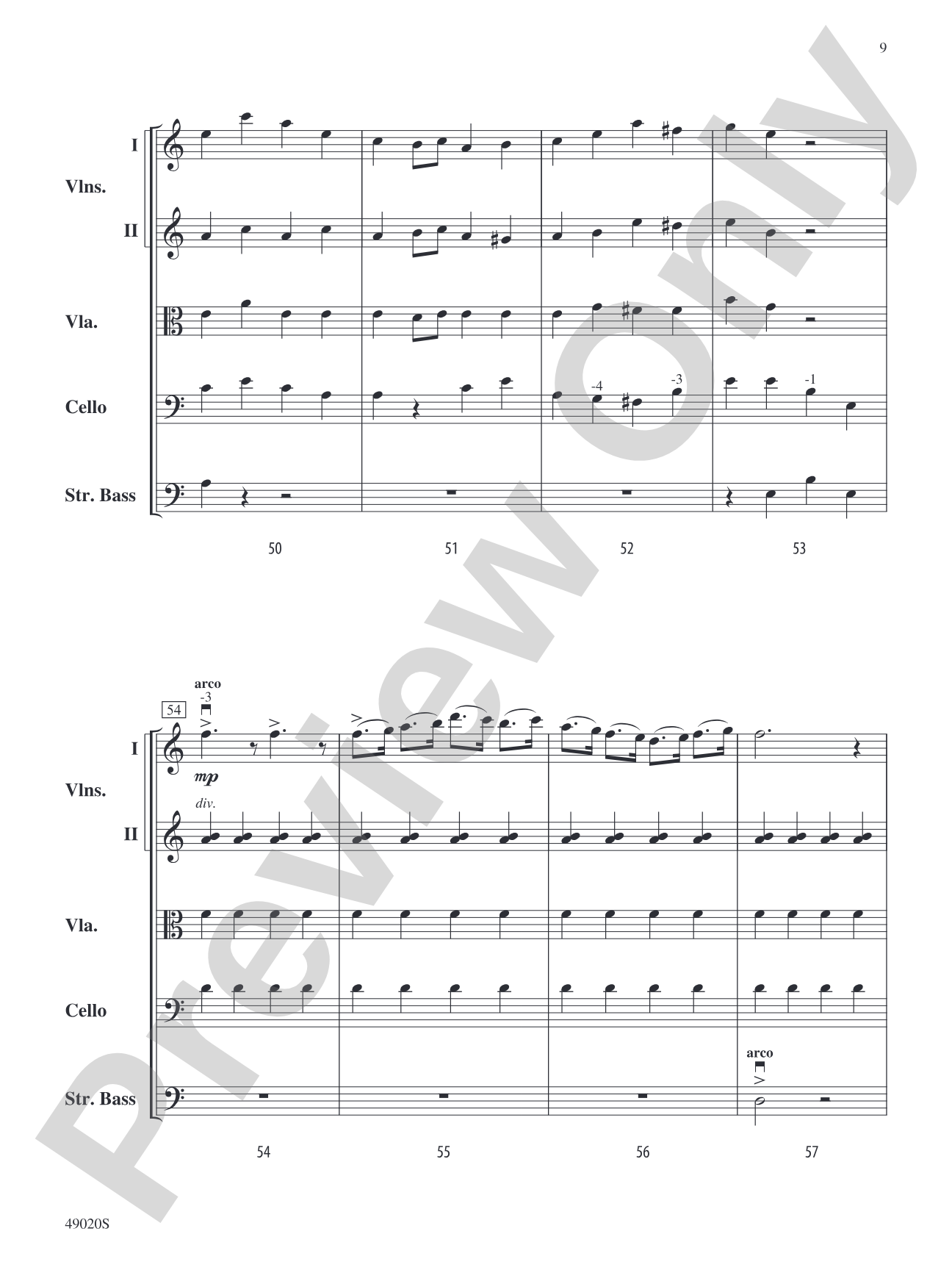
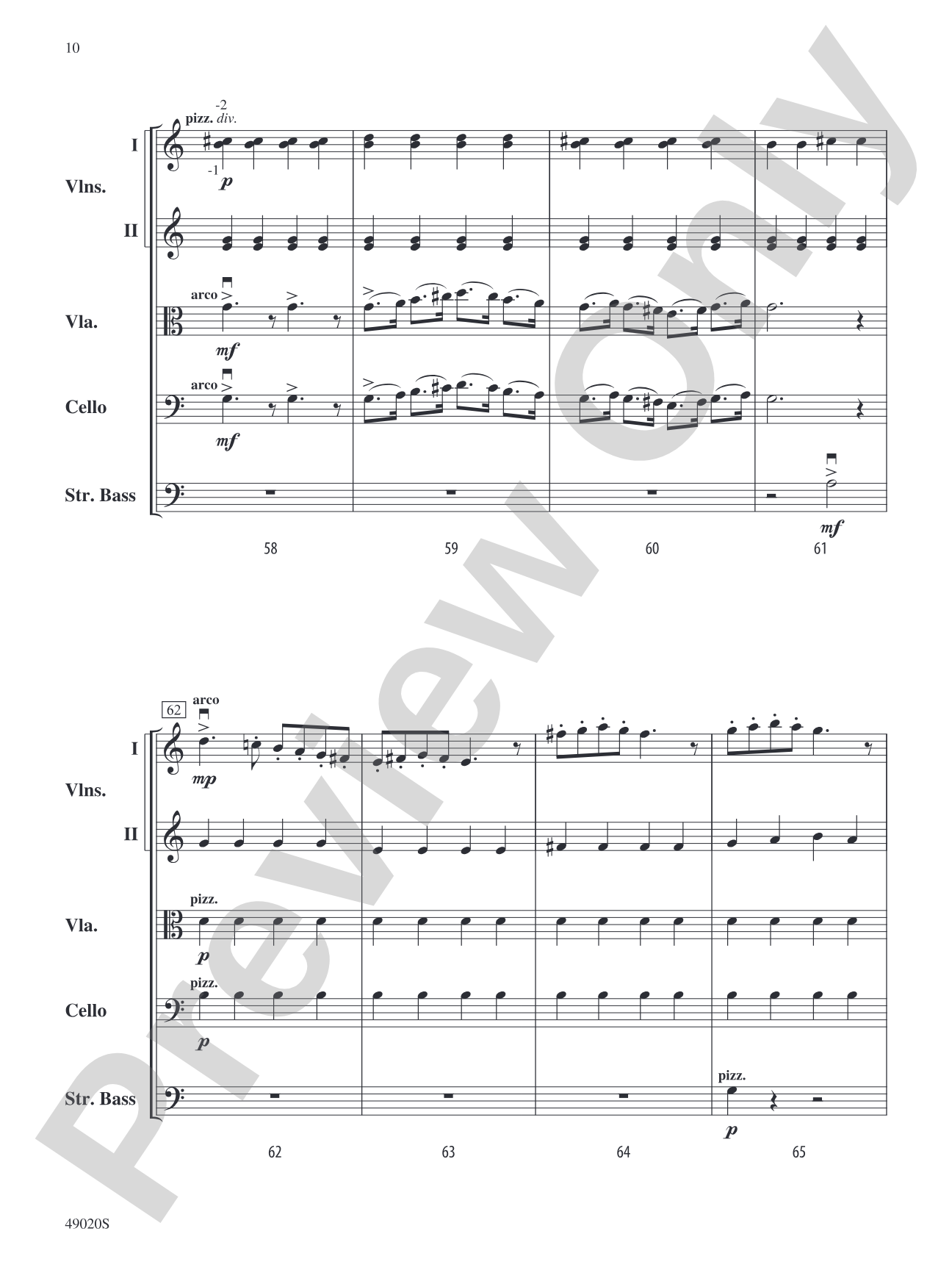
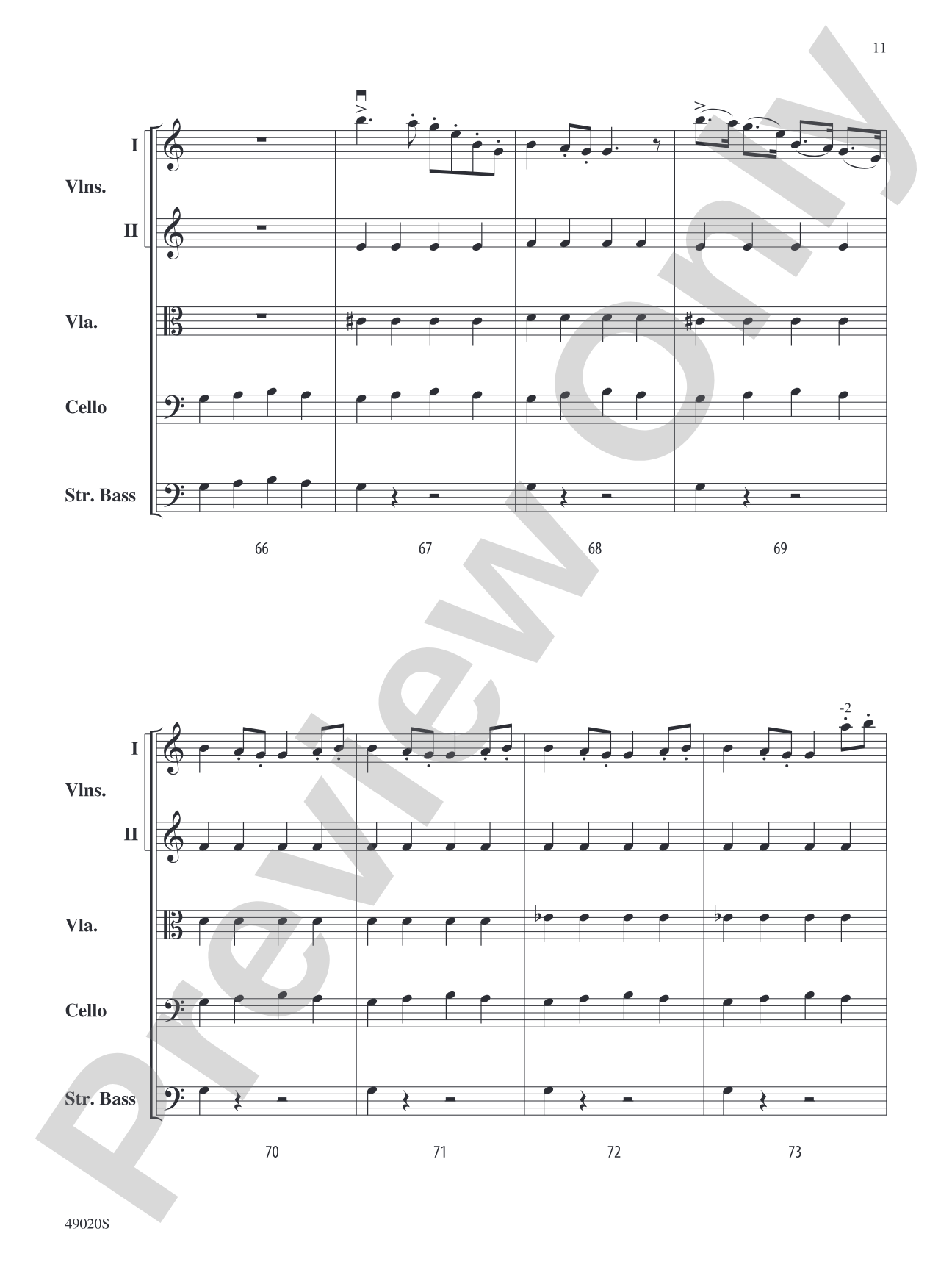
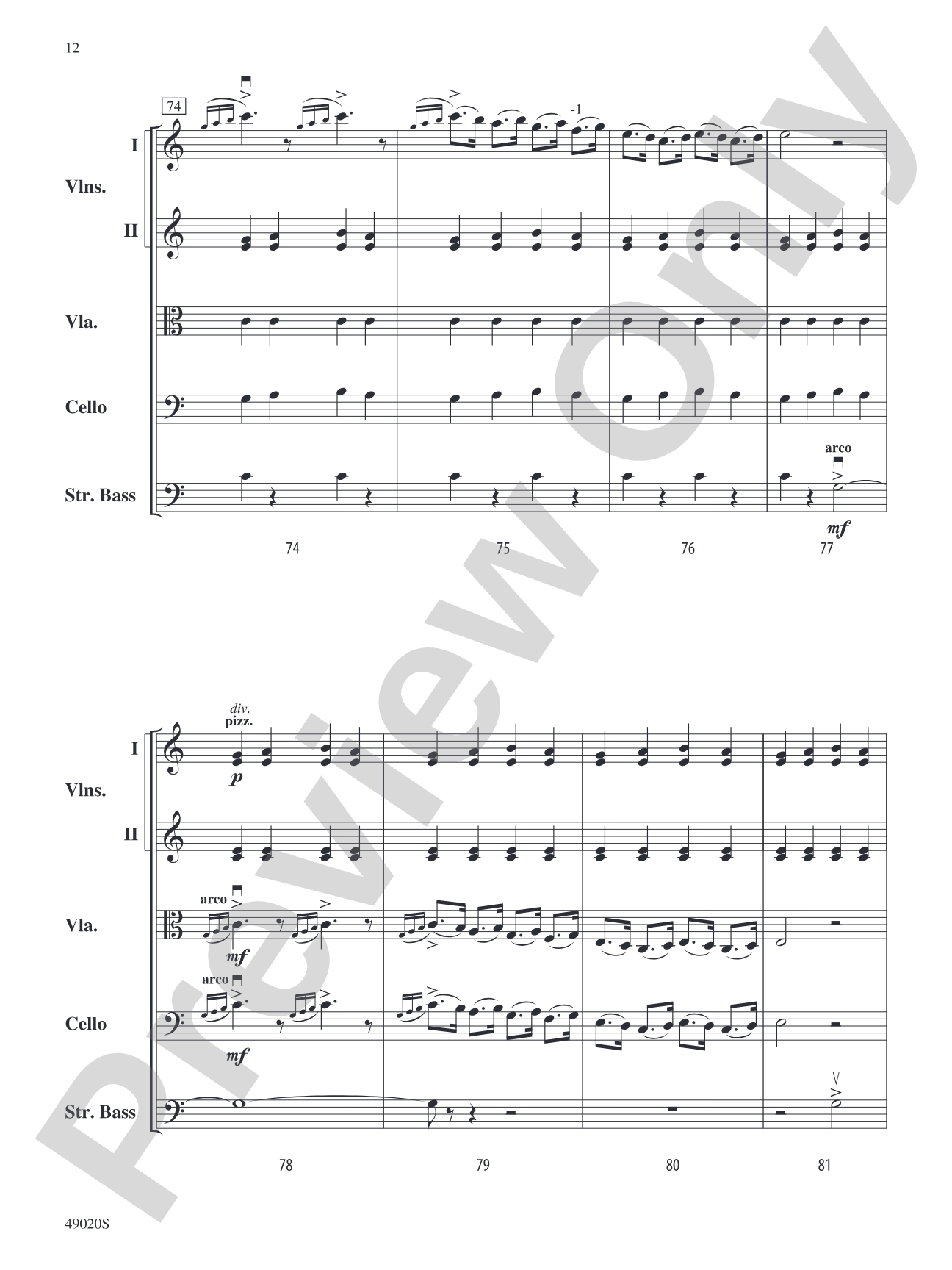
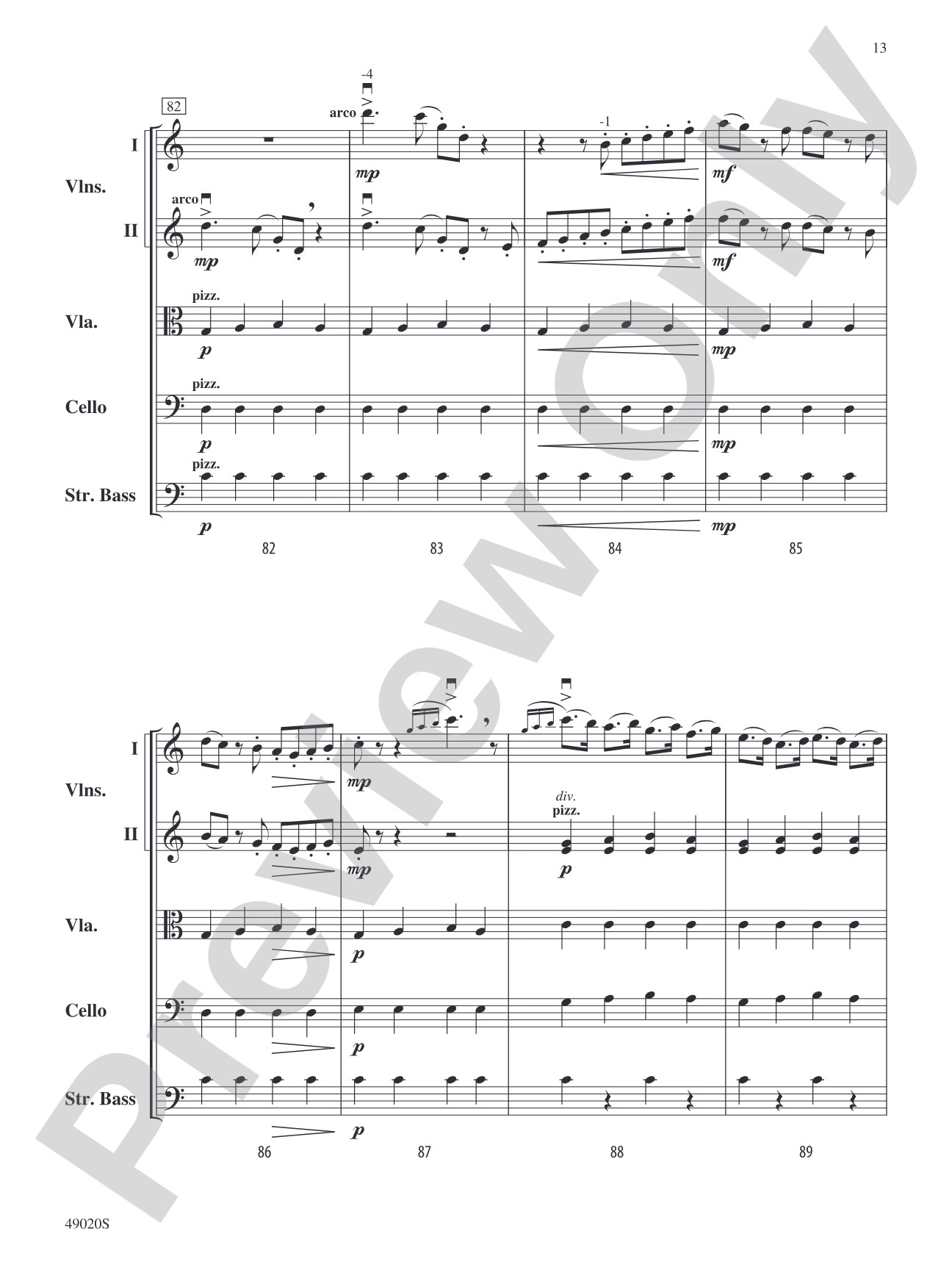

March of the Little Lead Soldiers: Score
From Album for My Little Friends
By Gabriel Pierné / arr. Douglas E. Wagner
Grade: 3
Item: 00-PR-0006838
$9.00
Pickup currently not available
Description
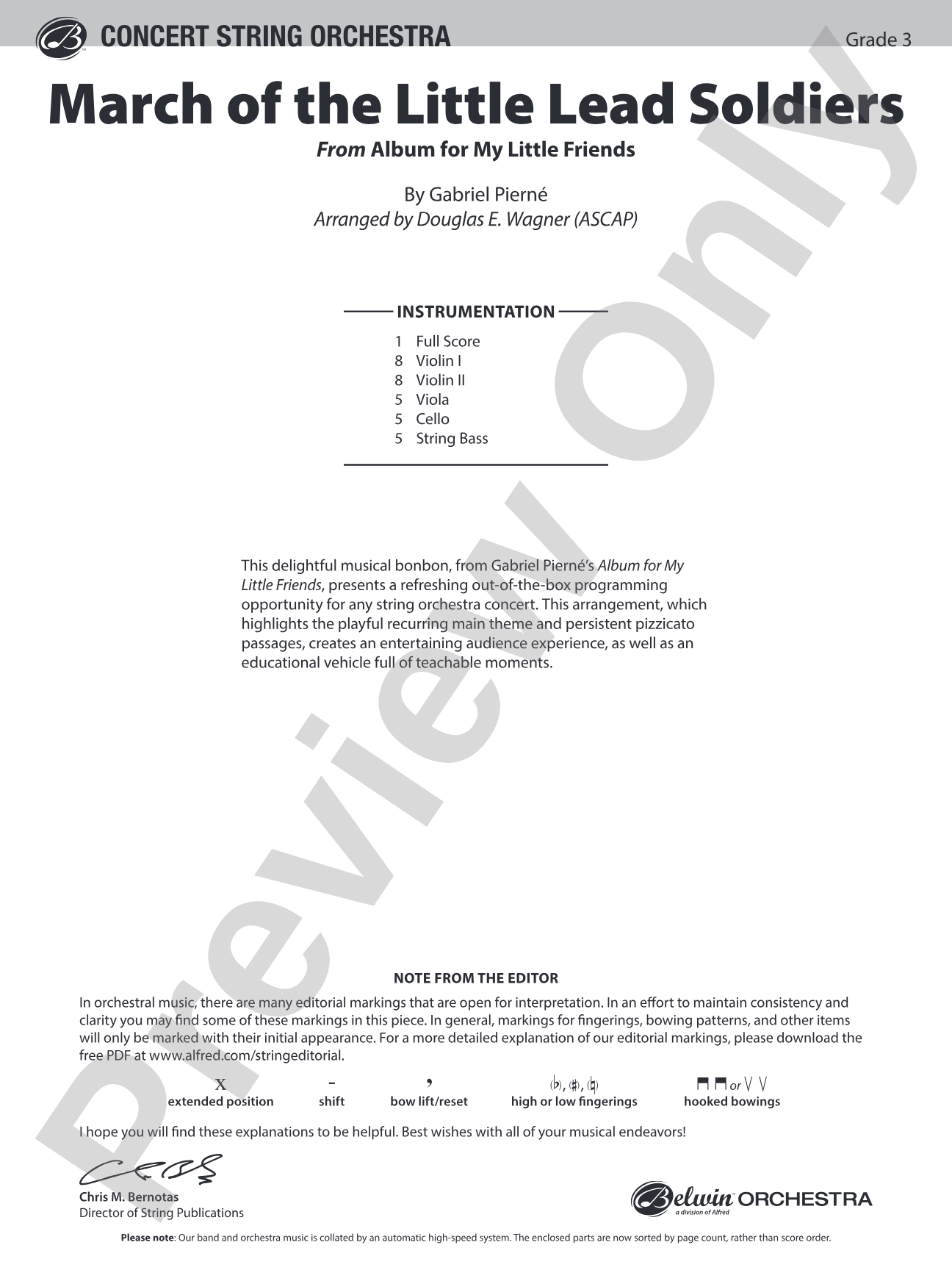
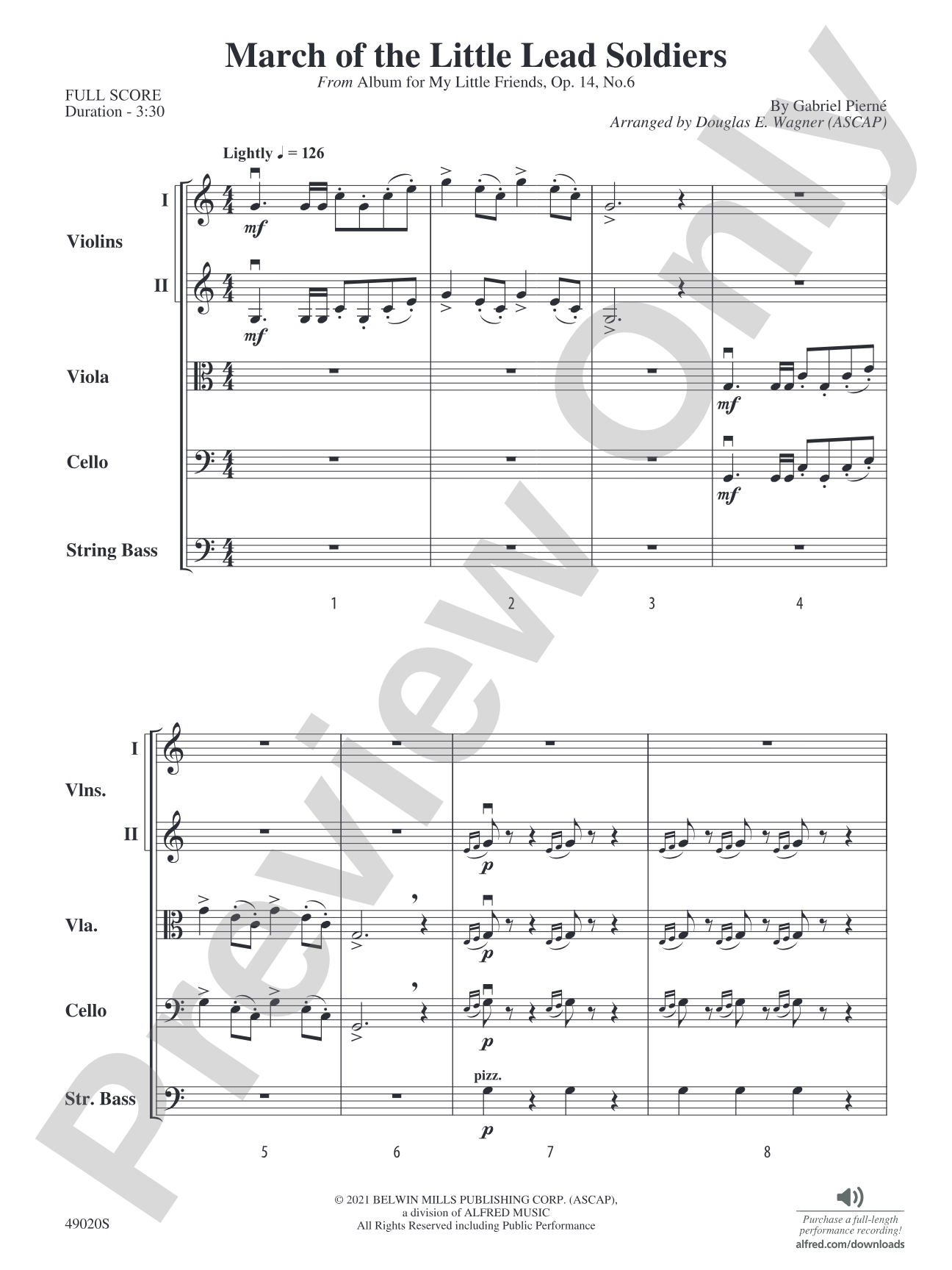
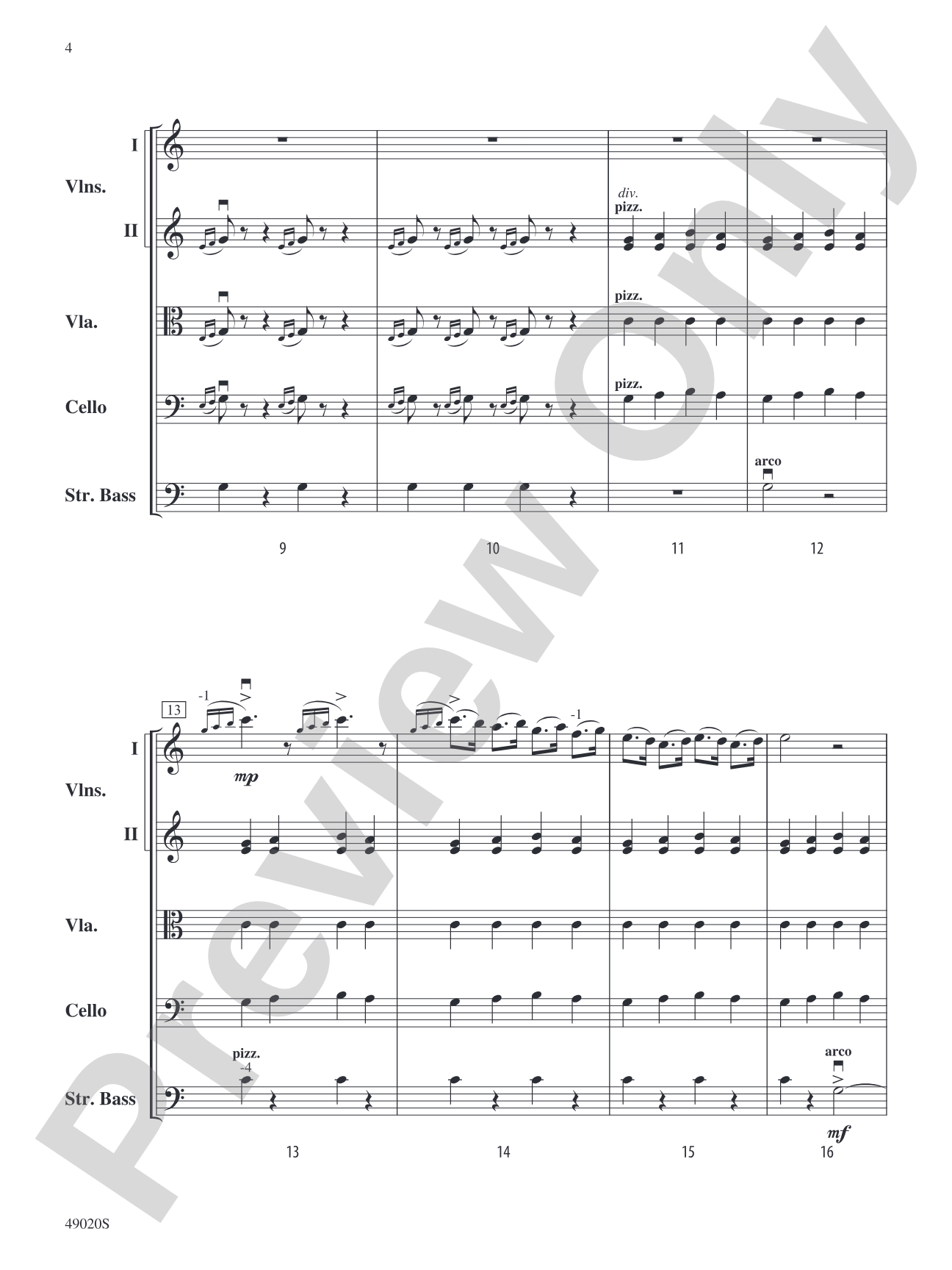
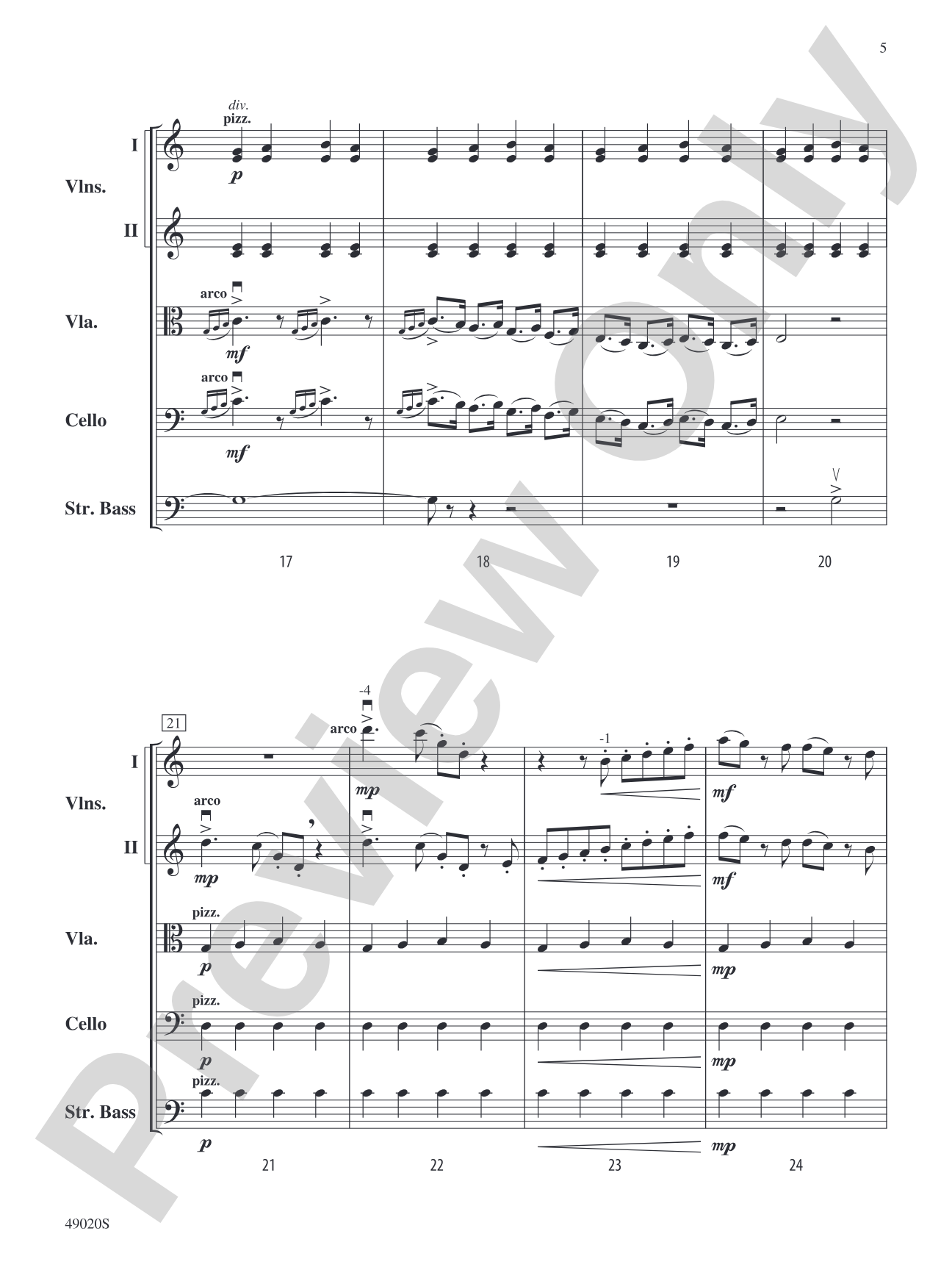
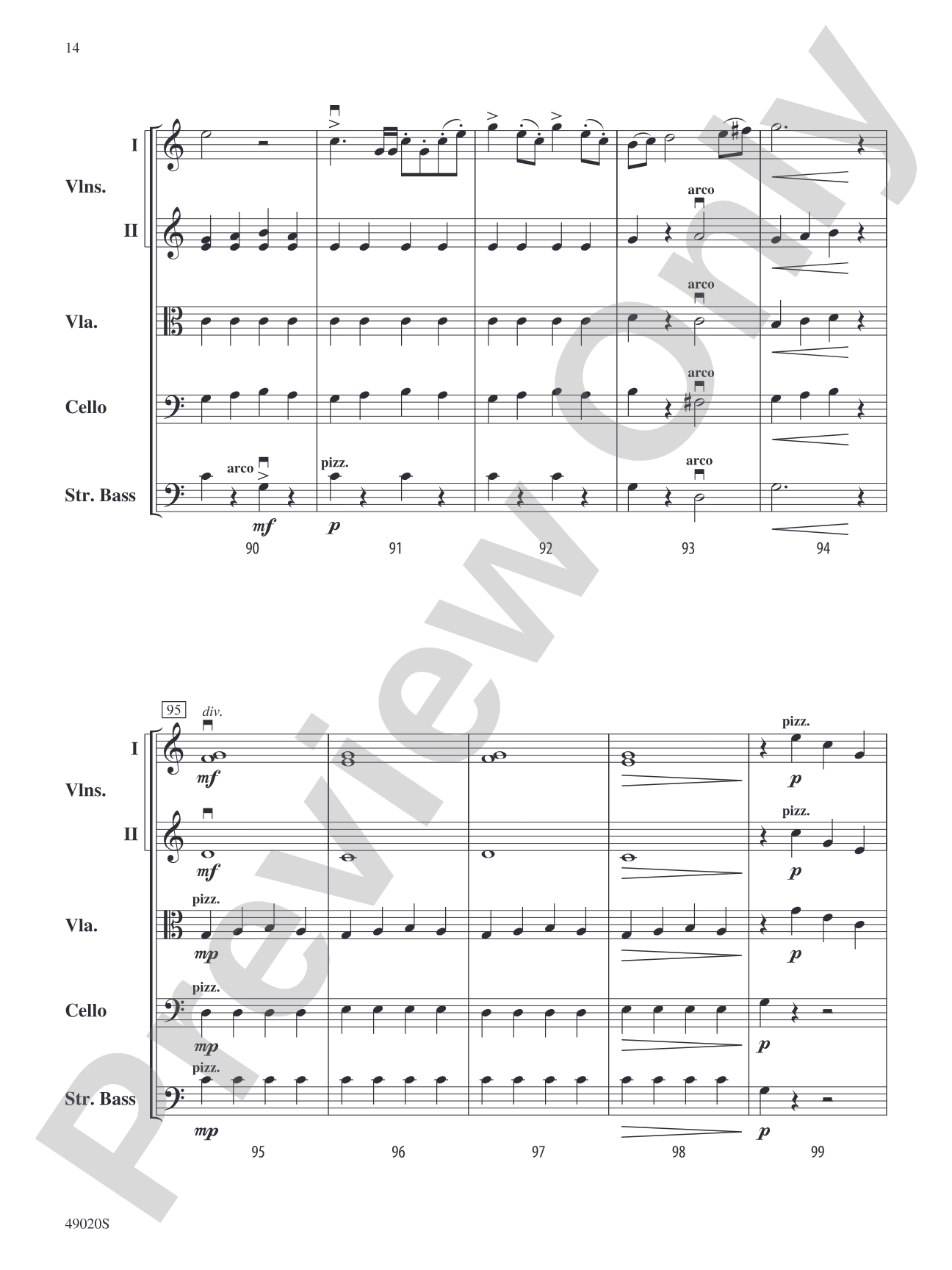
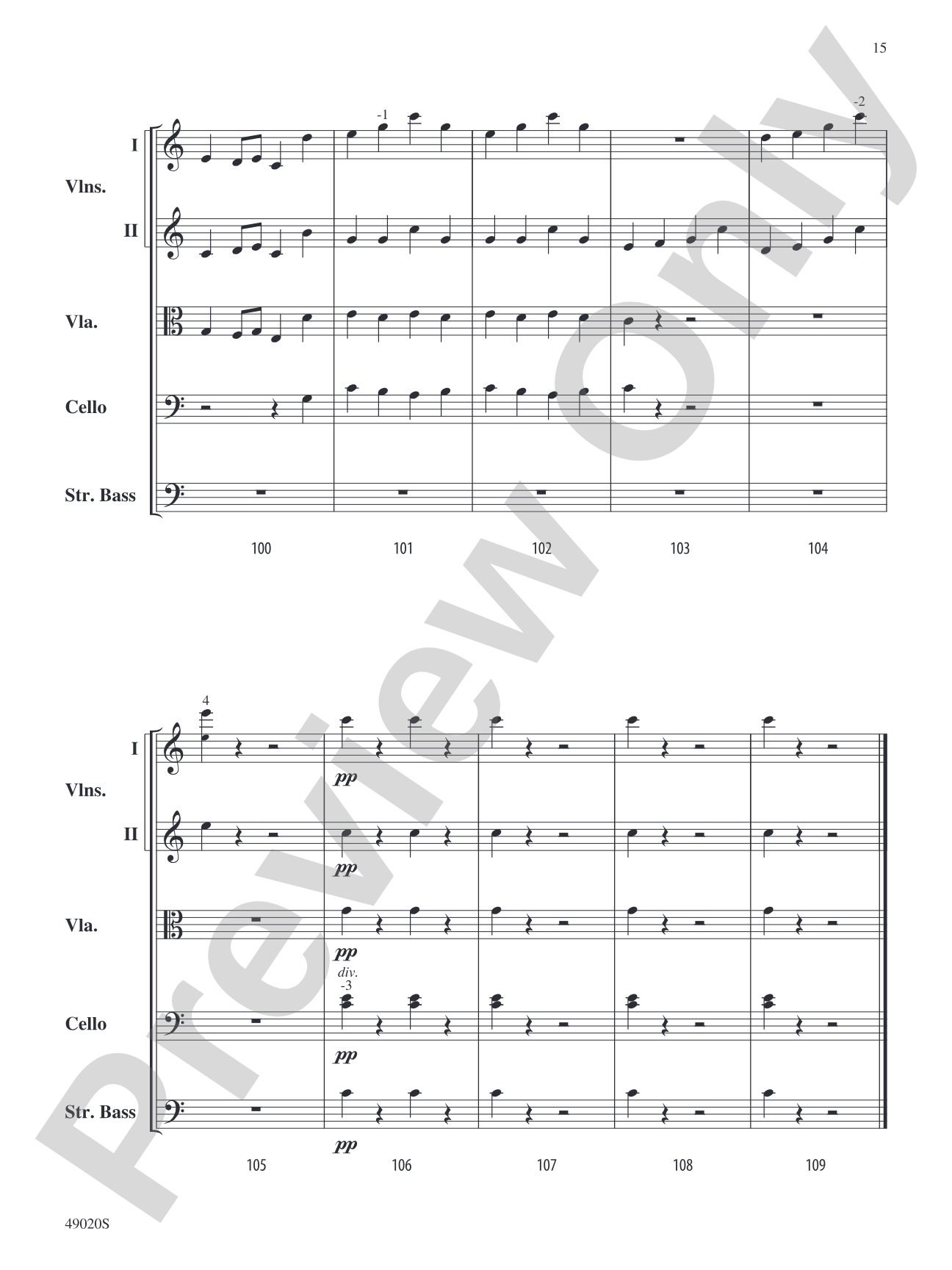
March of the Little Lead Soldiers, arranged by Douglas Wagner, is a delightful musical bonbon, from Gabriel Pierné's Album for My Little Friends. The piece presents a refreshing out-of-the-box programming opportunity for any string orchestra concert. This arrangement, which highlights the playful recurring main theme and persistent pizzicato passages, creates an entertaining audience experience, as well as an educational vehicle full of teachable moments. (3:30)


Don't just read it, hear it, play along with it, and watch your students grow with it. In MakeMusic Cloud, March of the Little Lead Soldiers: Score comes alive with professional accompaniment, adjustable tempo, and built-in practice tools that turn solo practice into real progress.
Open in the Player
Jump straight in and assign it today.
Start Your Free Trial
Open this title and explore the full library in minutes.
Sample Audio
1
Audio File
--:--
0:00
0:00
Sample Video
Additional Details
Series:
Belwin Concert String Orchestra
Publisher:
Alfred Music
Page Count:
78
SKU:
00-PR-0006838
More about this title
About the Composer: Gabriel Pierné
Gabriel Pierné (1863-1937) was a French composer, conductor, and organist whose gift for melody and orchestration made him a fixture in Parisian musical life. He composed prolifically across all genres, but his lighter works—particularly those written for young audiences—reveal his gift for charm and sophistication without condescension. His Album for My Little Friends demonstrates that music for children need not sacrifice musical substance or orchestral interest.
Why we love this
This arrangement offers genuine programming flexibility at Grade 3: it's substantial enough to showcase your orchestra's musicianship while the familiar character and short running time (3:30) make it accessible to audiences and players alike. Douglas Wagner's orchestration preserves Pierné's playful sensibility while creating clear teachable moments around ensemble balance, articulation, and the interplay between arco and pizzicato textures.
What to expect
A musical toy come to life; the quick, delicate main theme skips along with infectious energy while the persistent pizzicato underneath creates a mechanical, wind-up quality that mirrors the "little lead soldiers" of the title. The piece radiates good humor without sentimentality, with orchestral colors that feel fresh and imaginative at every turn.
Who it's for
String orchestras at the intermediate level seeking repertoire that is both musically engaging and approachable. This works equally well for festival appearances, school concerts, or chamber orchestra settings where you need a piece that entertains audiences while developing your ensemble's ensemble balance and articulation skills.
How to get the most out of it
- Balance the pizzicato accompaniment beneath the main melody so it remains clearly audible without overshadowing the lyrical lines; young players often underestimate how much sound a full section of pizzicato can produce.
- Shape the recurring main theme with consistent phrasing across all string sections, establishing it immediately so the audience recognizes it on each return and anticipates its familiar contours.
- Maintain rhythmic precision in the pizzicato passages by having players anchor their attacks to a steady beat; untidy articulation will muddy the playful character Pierné intended.
- Conduct with a clear, unhurried tempo that allows the melody to breathe naturally; rushing diminishes the charm and can make rhythmic coordination between arco and pizzicato sections more difficult.
How to use it
Program this early in a concert or as a palette cleanser between more substantial works; its brevity and instantly appealing character make it ideal for capturing audience attention at the start of a program or creating a moment of levity. It pairs naturally with other French Romantic repertoire or lighter character pieces in a mixed string orchestra program.
Skills your students will build
- Balancing pizzicato accompaniment against arco melody lines
- Sustaining clear articulation in repeated rhythmic figures
- Coordinating rhythmic precision across multiple string sections
- Shaping a memorable melodic line with consistent phrasing and direction
- Listening for ensemble blend in fast-moving passages