



March of the Czar: String Orchestra Conductor Score & Parts
By Susan H. Day
Grade: 1.5
Item: 00-PK-0001765

$46.00
Pickup currently not available
Buy Extra Parts (Digital PDF Download)
| Product | Price | Quantity |
|---|---|---|
| March of the Czar: Score | $9.00 | |
| March of the Czar: 1st Violin | $5.99 | |
| March of the Czar: 2nd Violin | $5.99 | |
| March of the Czar: Viola | $5.99 | |
| March of the Czar: Cello | $5.99 | |
| March of the Czar: String Bass | $5.99 |
Parts Added to Cart!
Description
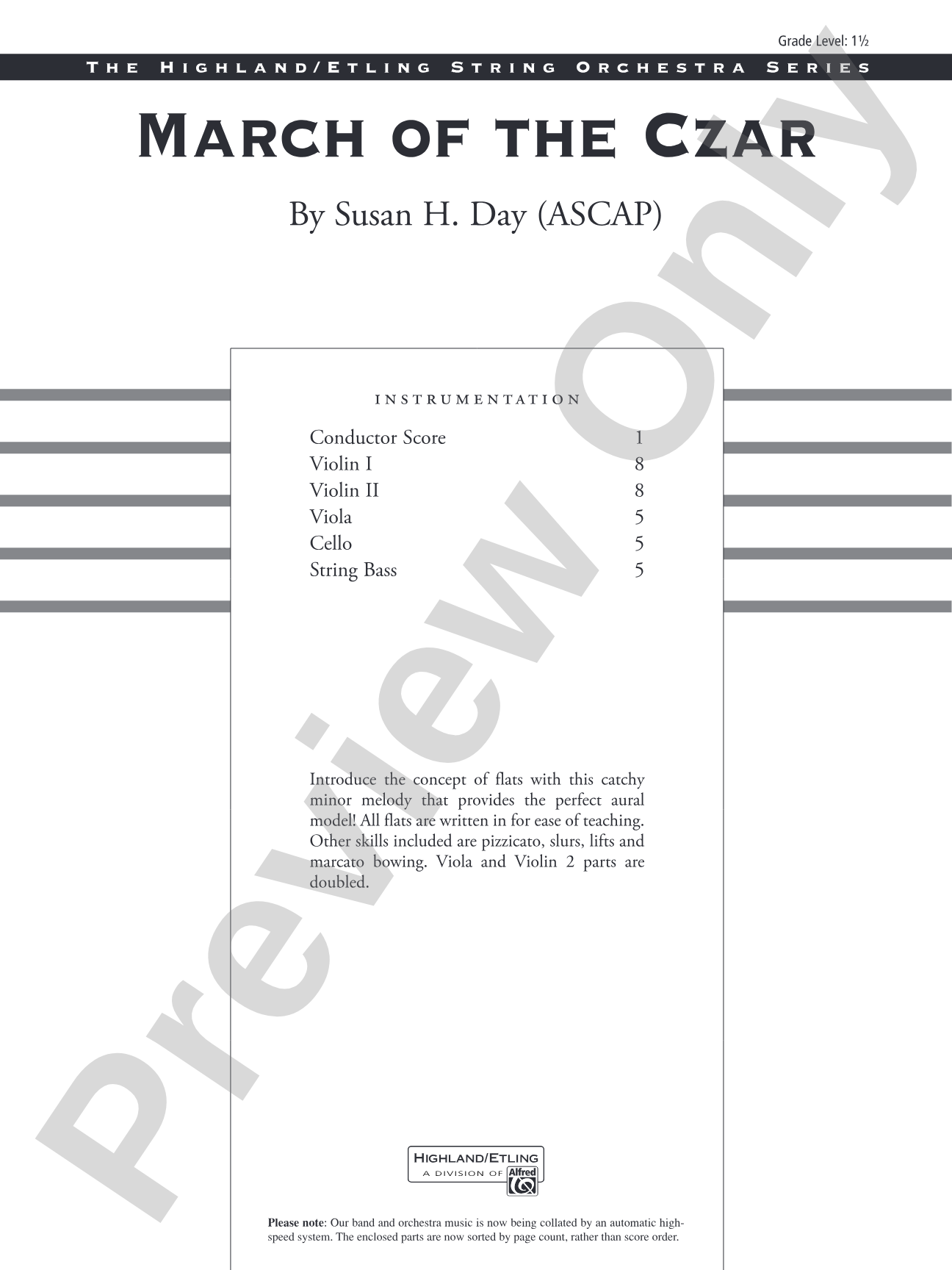
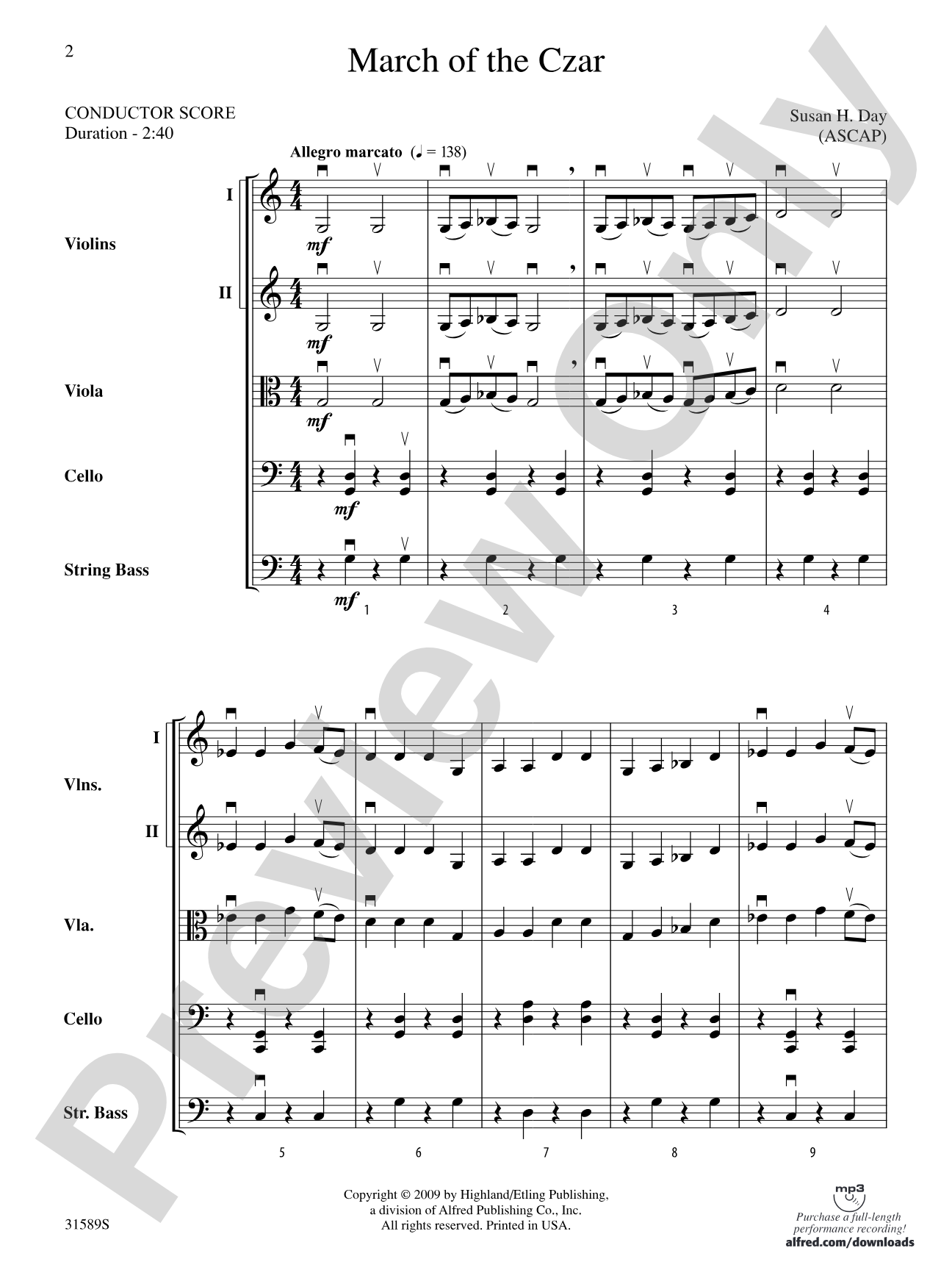
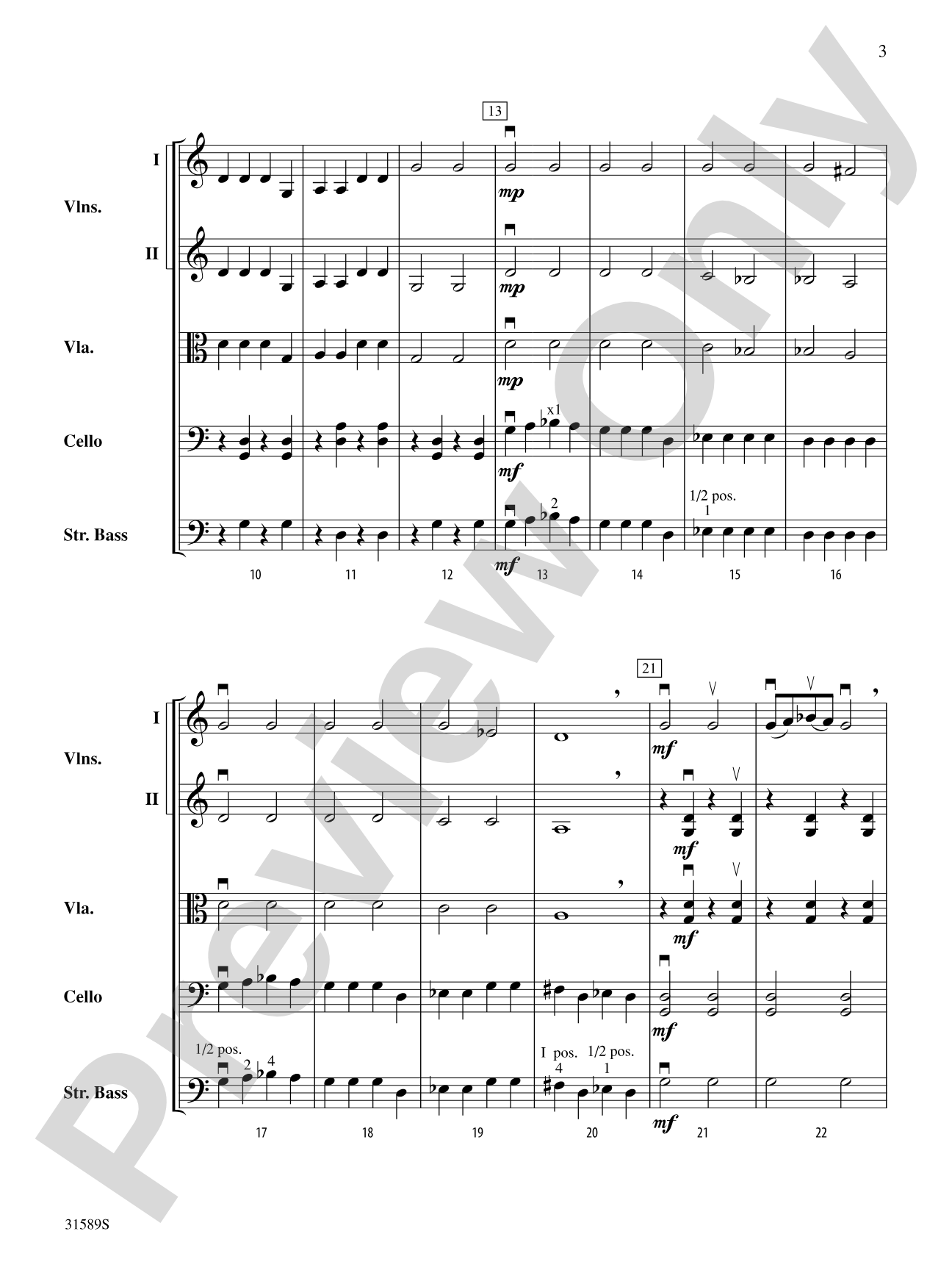
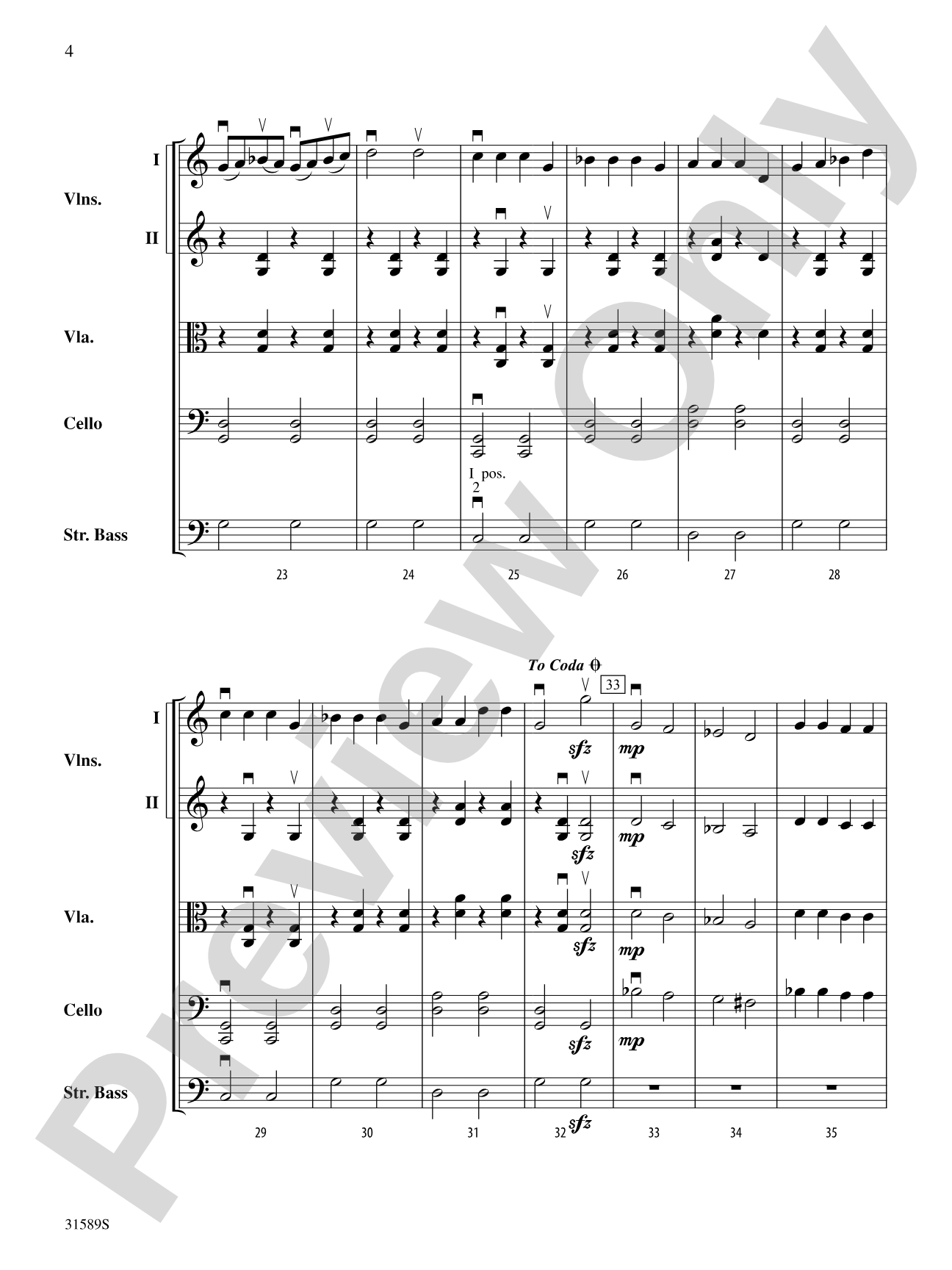
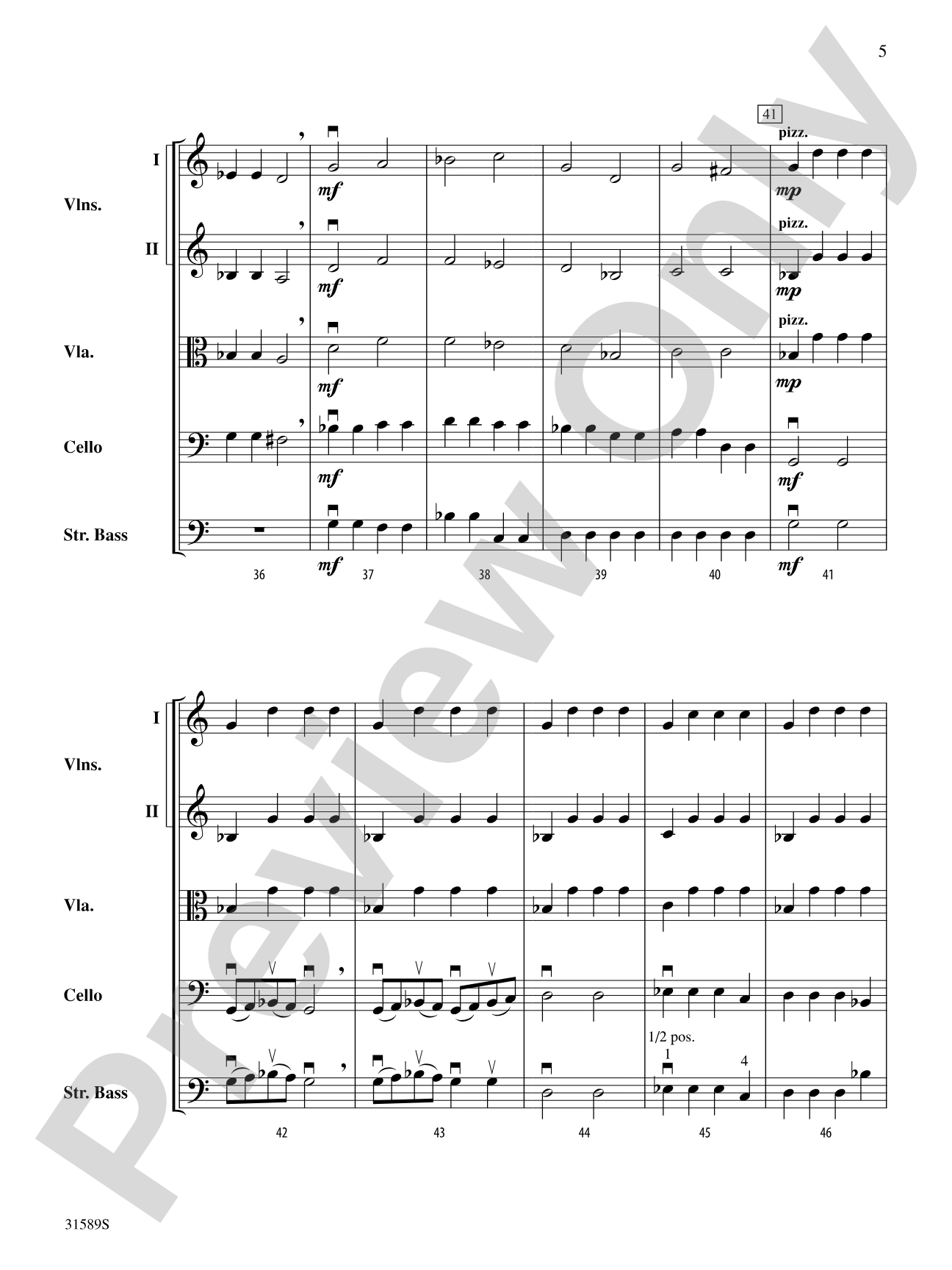
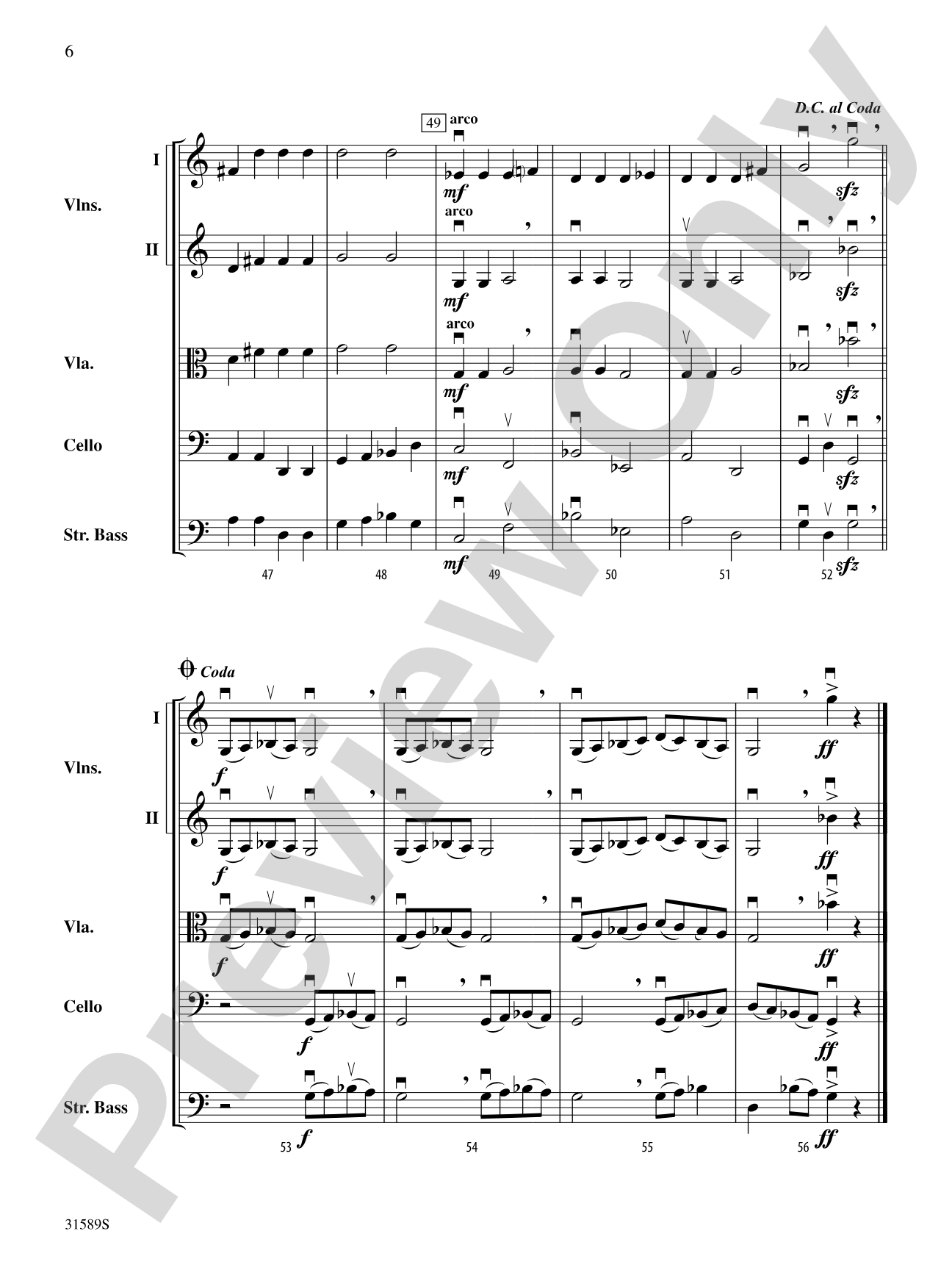
Introduce the concept of flats with this catchy minor melody that provides the perfect aural model! All flats are written in for ease of teaching. Other skills included are pizzicato, slurs, lifts and marcato bowing. Viola and Violin 2 parts are doubled. This title is available in MakeMusic Cloud.


Don't just read it, hear it, play along with it, and watch your students grow with it. In MakeMusic Cloud, March of the Czar: String Orchestra Conductor Score & Parts comes alive with professional accompaniment, adjustable tempo, and built-in practice tools that turn solo practice into real progress.
Open in the Player
Jump straight in and assign it today.
Start Your Free Trial
Open this title and explore the full library in minutes.
Sample Audio
1
Audio File
--:--
0:00
0:00
Sample Video
No sample videos found.
Additional Details
Series:
Highland/Etling String Orchestra
Publisher:
Alfred Music
Page Count:
62
SKU:
00-PK-0001765
More about this title
About the Composer: Susan H. Day
Susan H. Day has spent decades writing for young string orchestras with a teacher's instinct for what works in the classroom. Her compositions balance musical integrity with pedagogical clarity, introducing technical concepts through melodies that stick in students' ears rather than feeling like exercises.
Why we love this
Susan H. Day has designed this piece with clear pedagogical intent: the flats are written in throughout, removing a major barrier for young players learning accidentals. The minor key provides an excellent aural foundation, and the combination of bowing techniques (pizzicato, slurs, lifts, marcato) means you're teaching multiple skills within a single, engaging score rather than drilling them in isolation.
What to expect
The minor key gives this march a dignified, slightly mysterious character. The catchy melody catches students' ears immediately, while the variety of bowing textures keeps the energy fresh and prevents the piece from feeling one-dimensional.
Who it's for
Beginning string orchestra directors need approachable repertoire that teaches specific skills without overwhelming young players. This piece works for ensembles at the 1.5 grade level who are ready to tackle flats as a concept and want to experience multiple bowing techniques in a single, cohesive arrangement.
How to get the most out of it
- Establish a consistent tone in the marcato sections by having the section work through the articulation together before adding tempo. Young players often rush or flatten the articulation when they're learning this attack.
- Use the doubled viola and violin 2 parts strategically during rehearsal. Have them play in unison first, then gradually balance to hear how the lines support the melody.
- Keep the pizzicato passages rhythmically locked with a clear pulse. This style of pizzicato requires precision, so counting aloud during early rehearsals helps the ensemble stay together.
- Let the minor key breathe in slower passages. Resist the urge to rush; allowing space between phrases helps young players hear the melodic shape.
How to use it
Program this early in a concert to establish ensemble unity and demonstrate young players' growing technical range. It's also well suited for festival settings where adjudicators can hear clear evidence of bowing technique, intonation, and ensemble balance without excessive difficulty.
Skills your students will build
- Reading and playing in minor keys with flats
- Pizzicato technique and tone quality
- Marcato articulation with clear attack
- Slurs and legato phrasing
- Lift technique and phrase separation
- Ensemble balance with doubled parts