

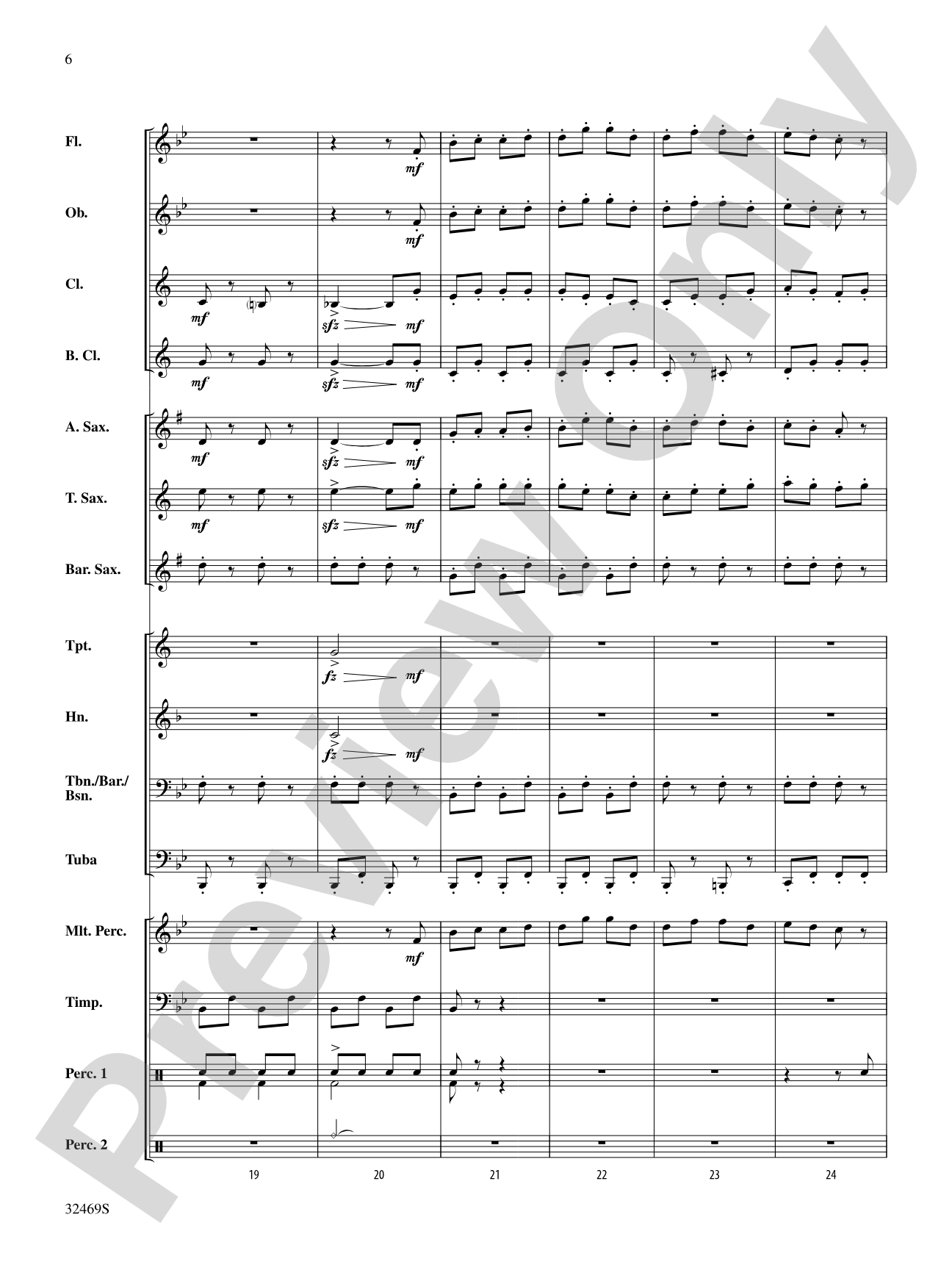
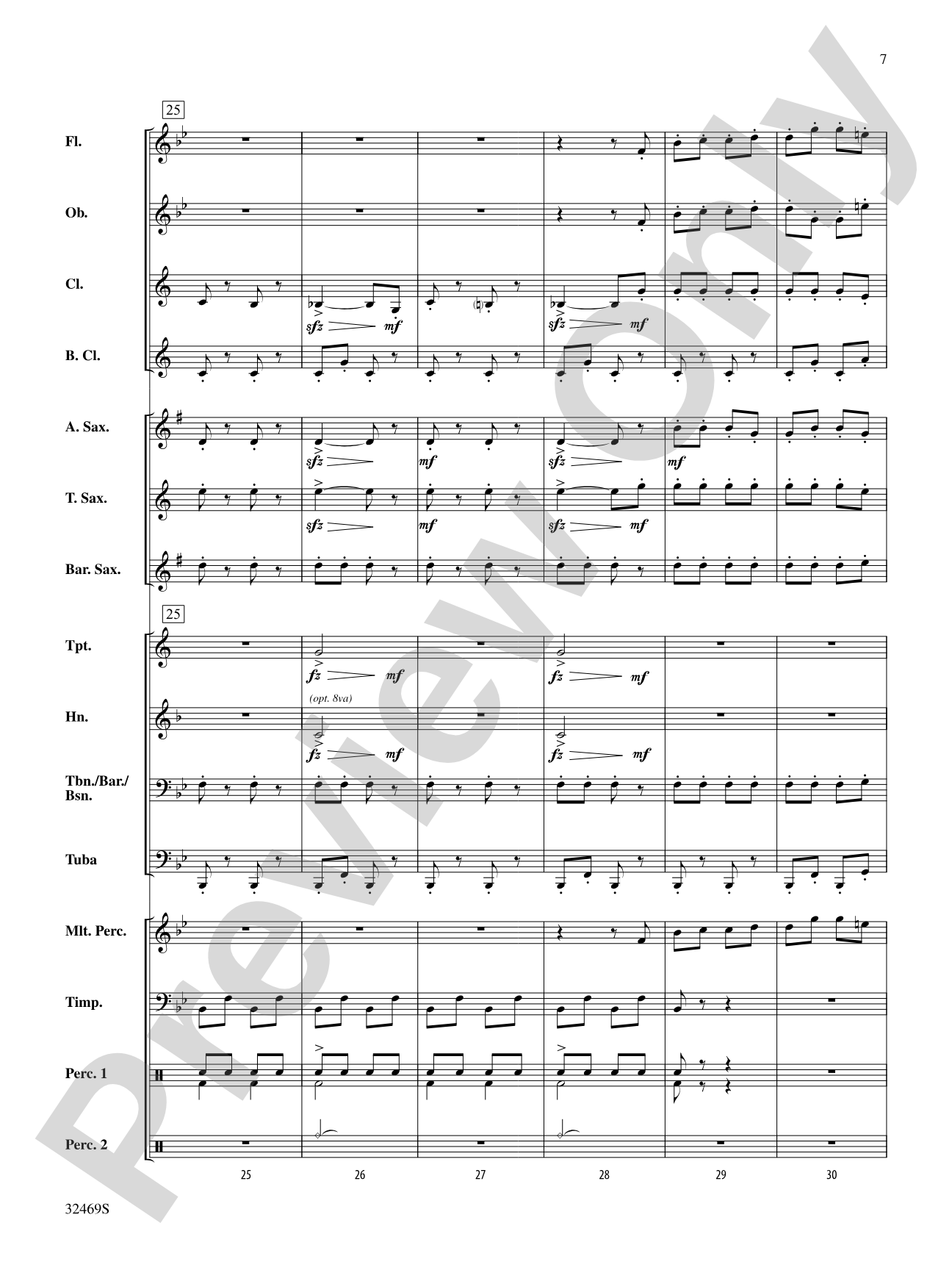
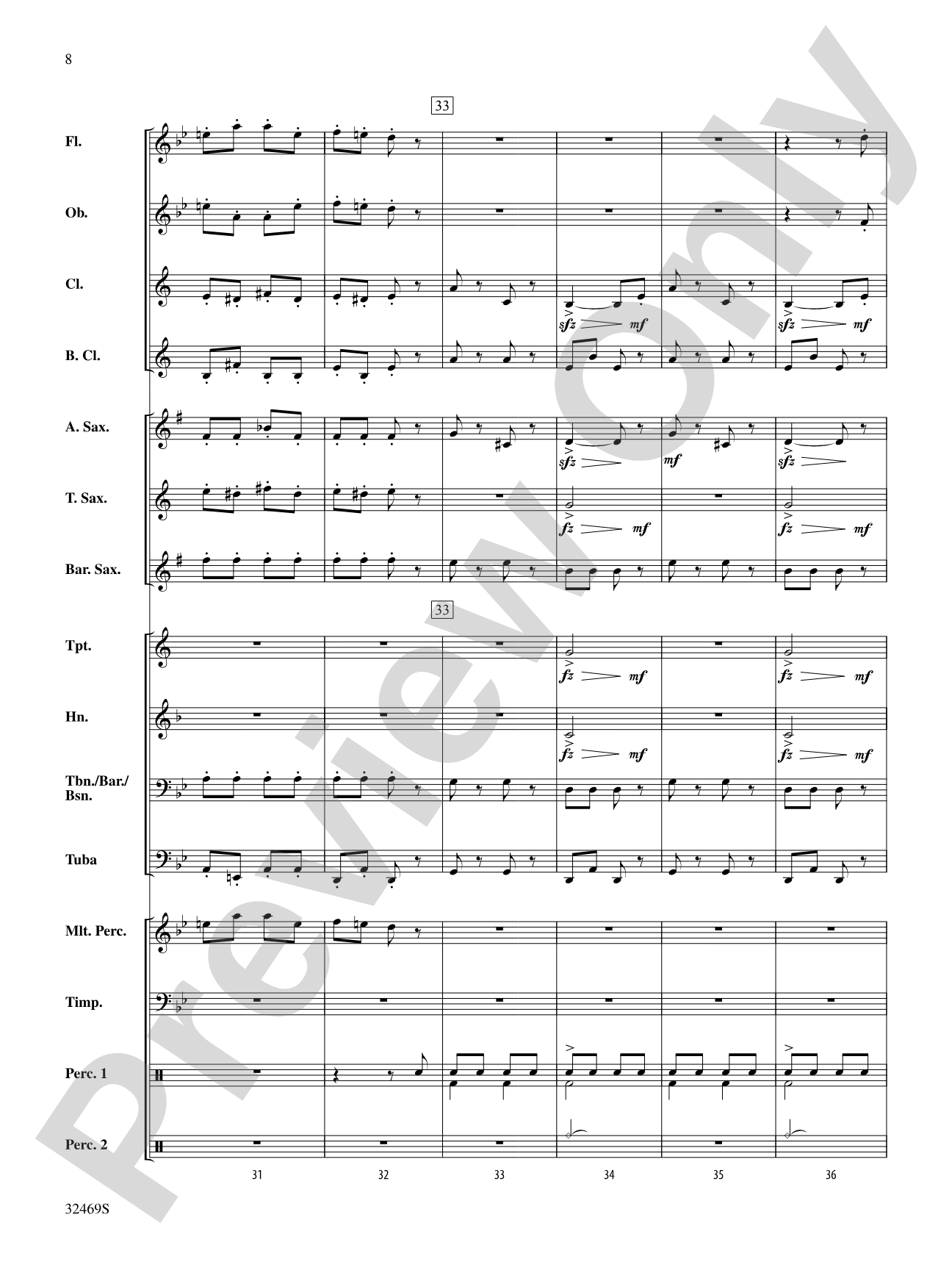
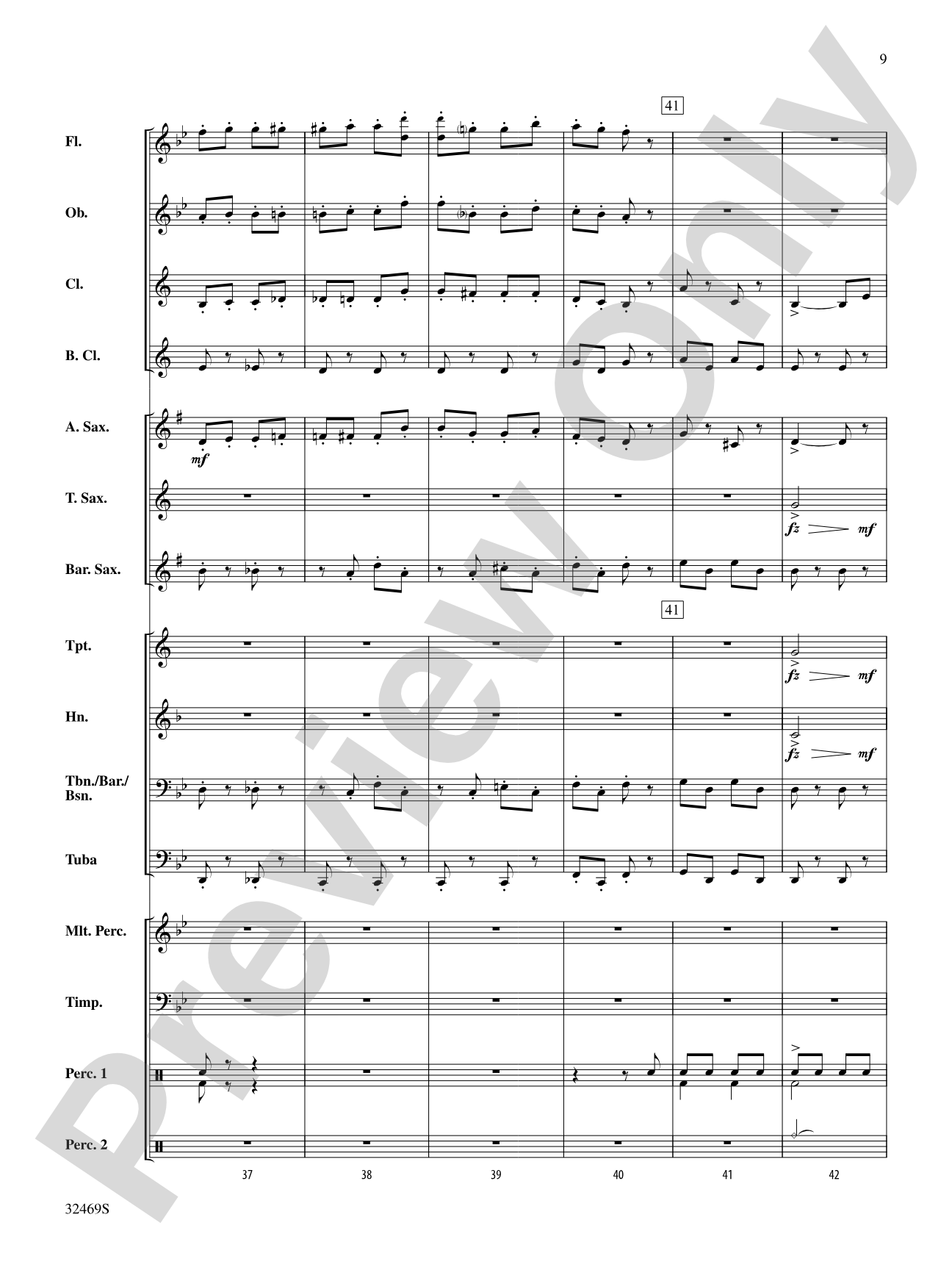
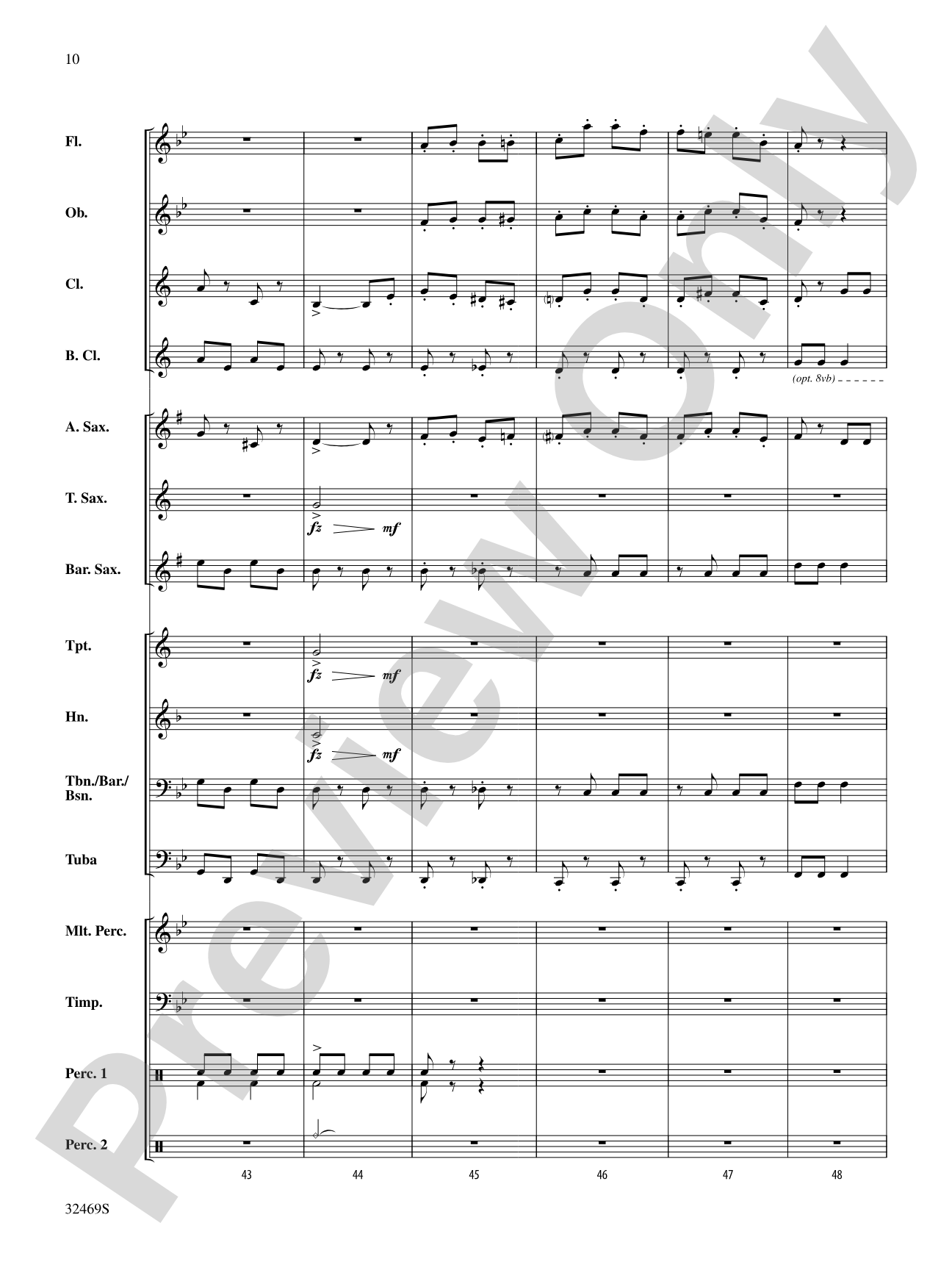
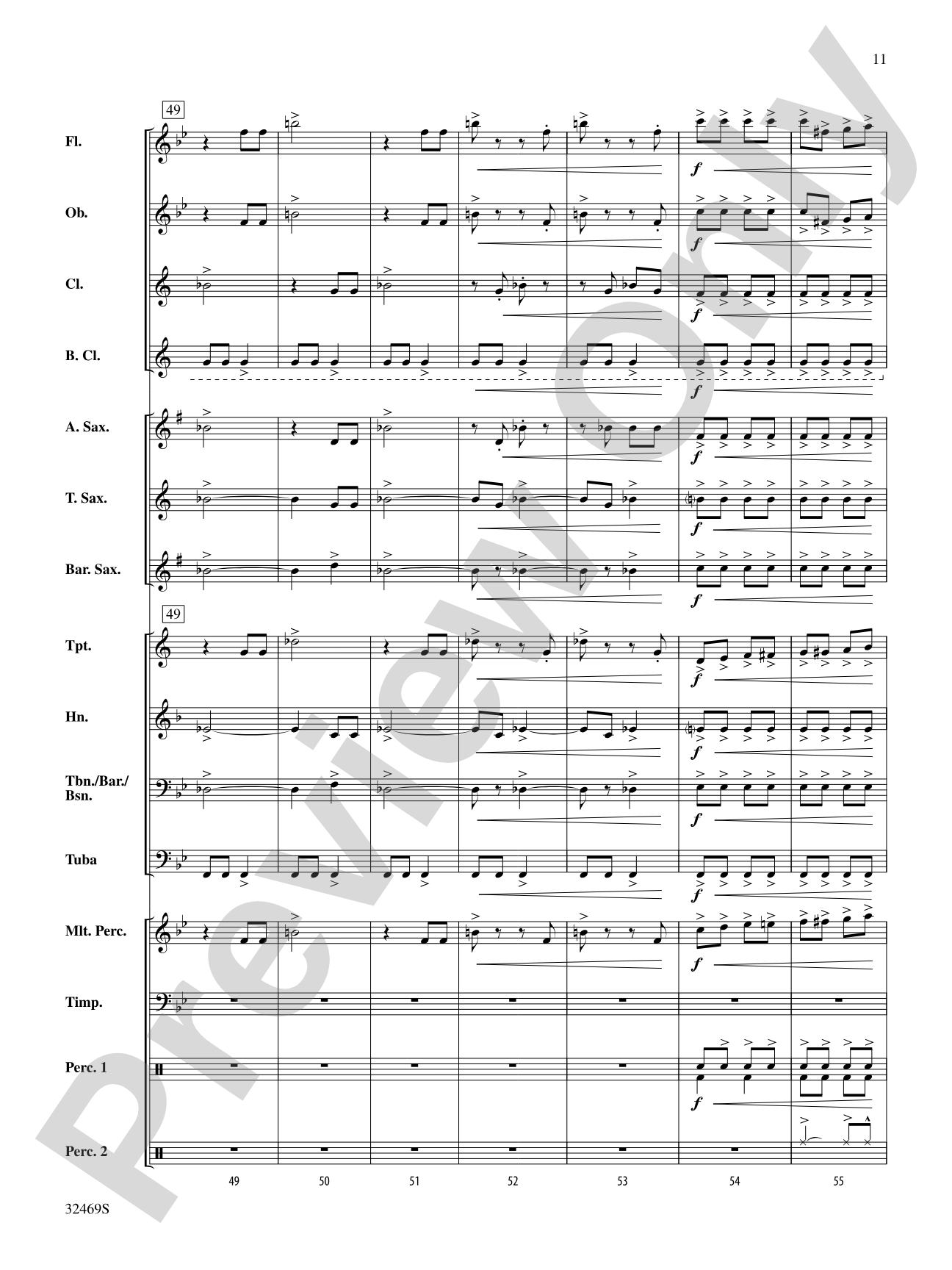
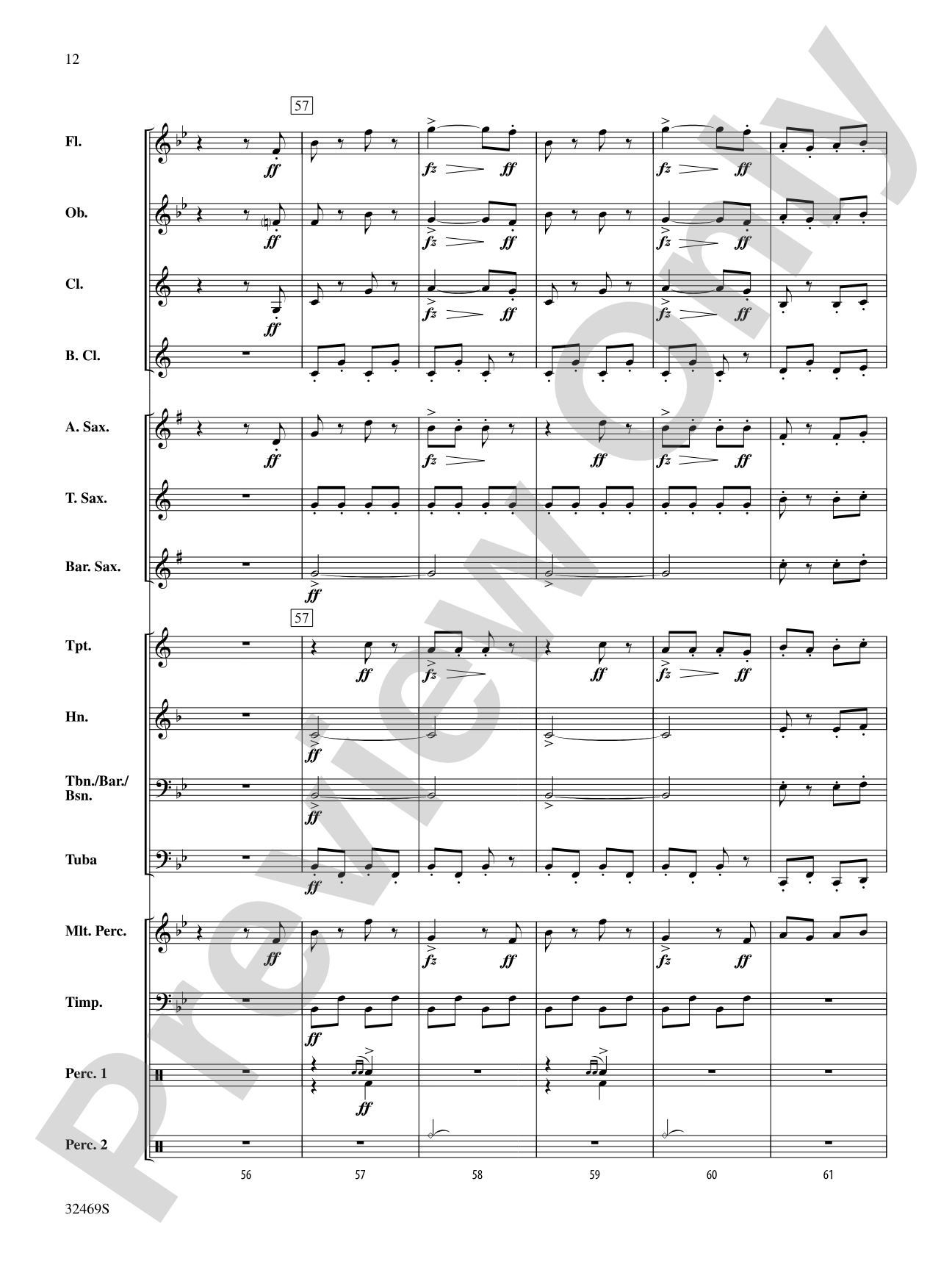
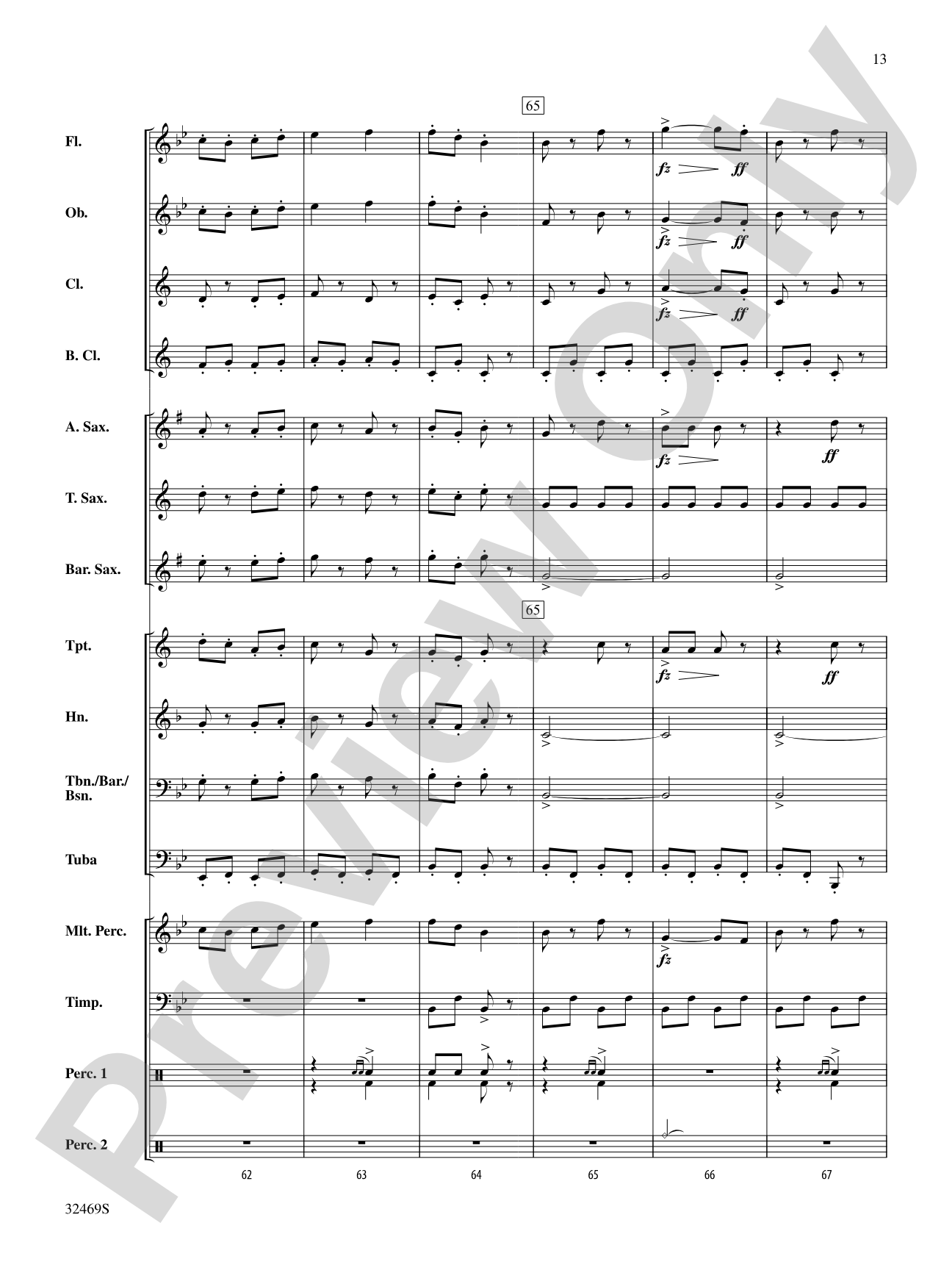
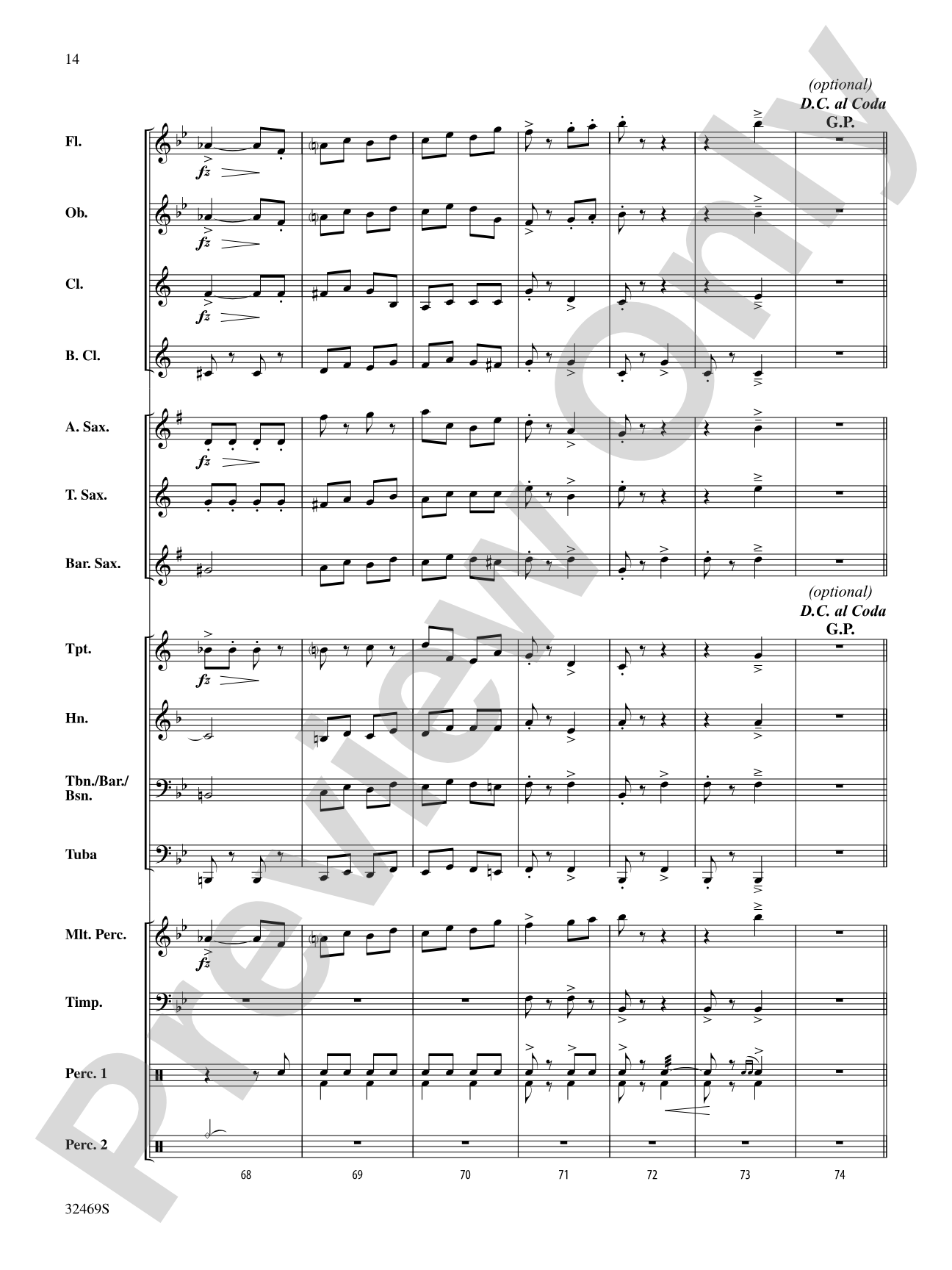
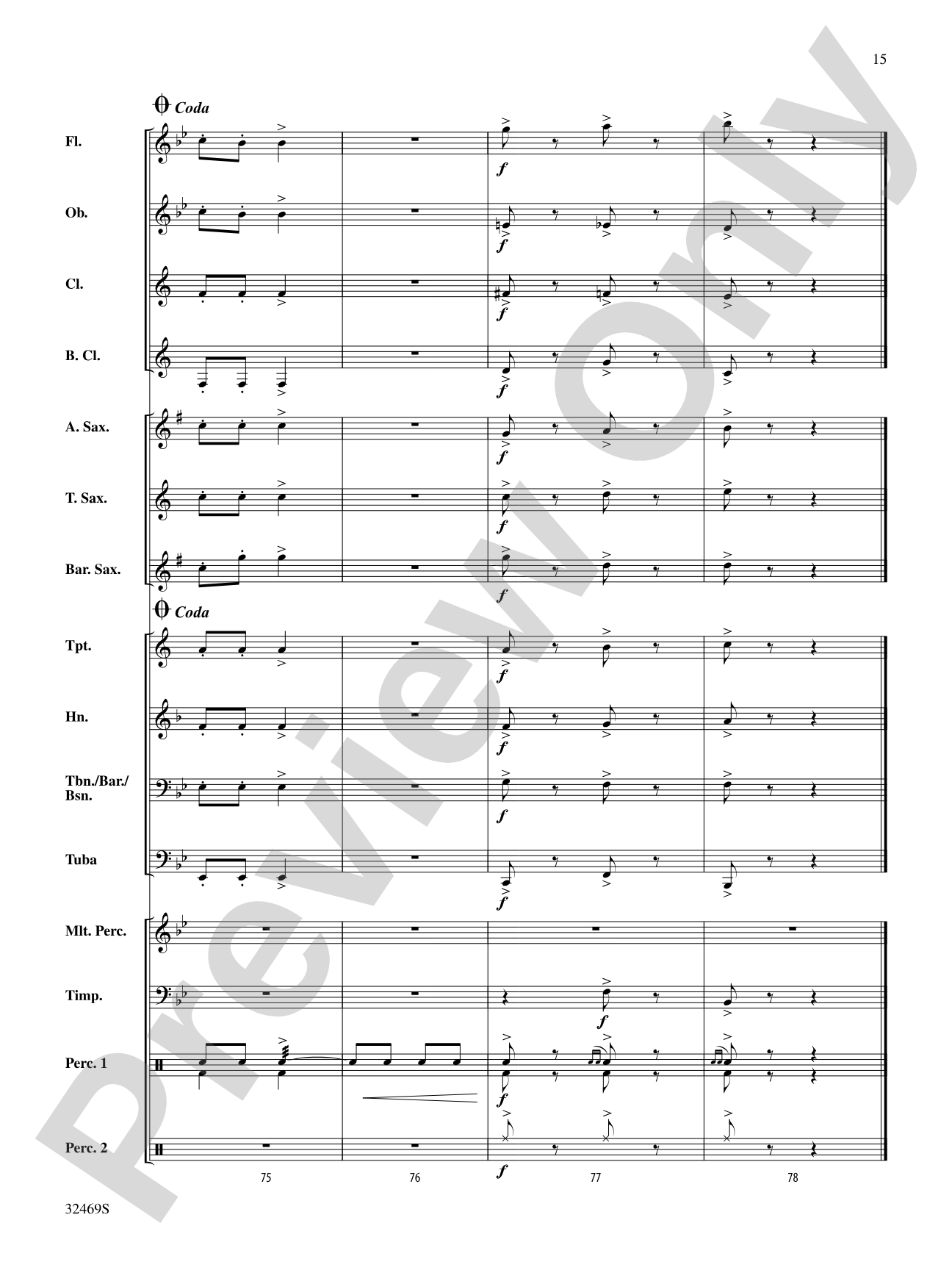


March of Bacchus: Score
By Léo Delibes / arr. Ralph Ford
Grade: 1 (Very Easy)
Item: 00-PR-0002674
$9.00
Pickup currently not available
Description
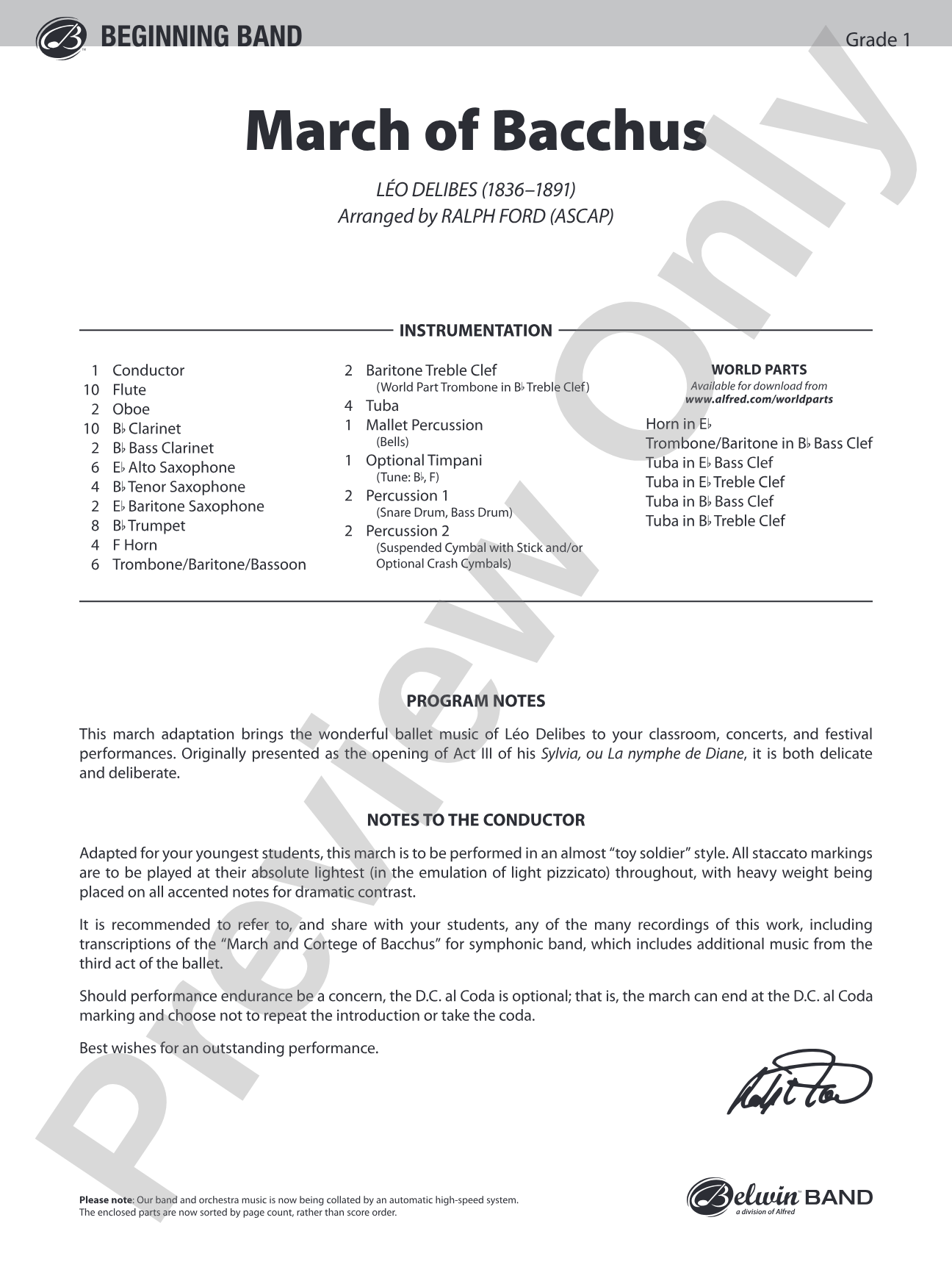
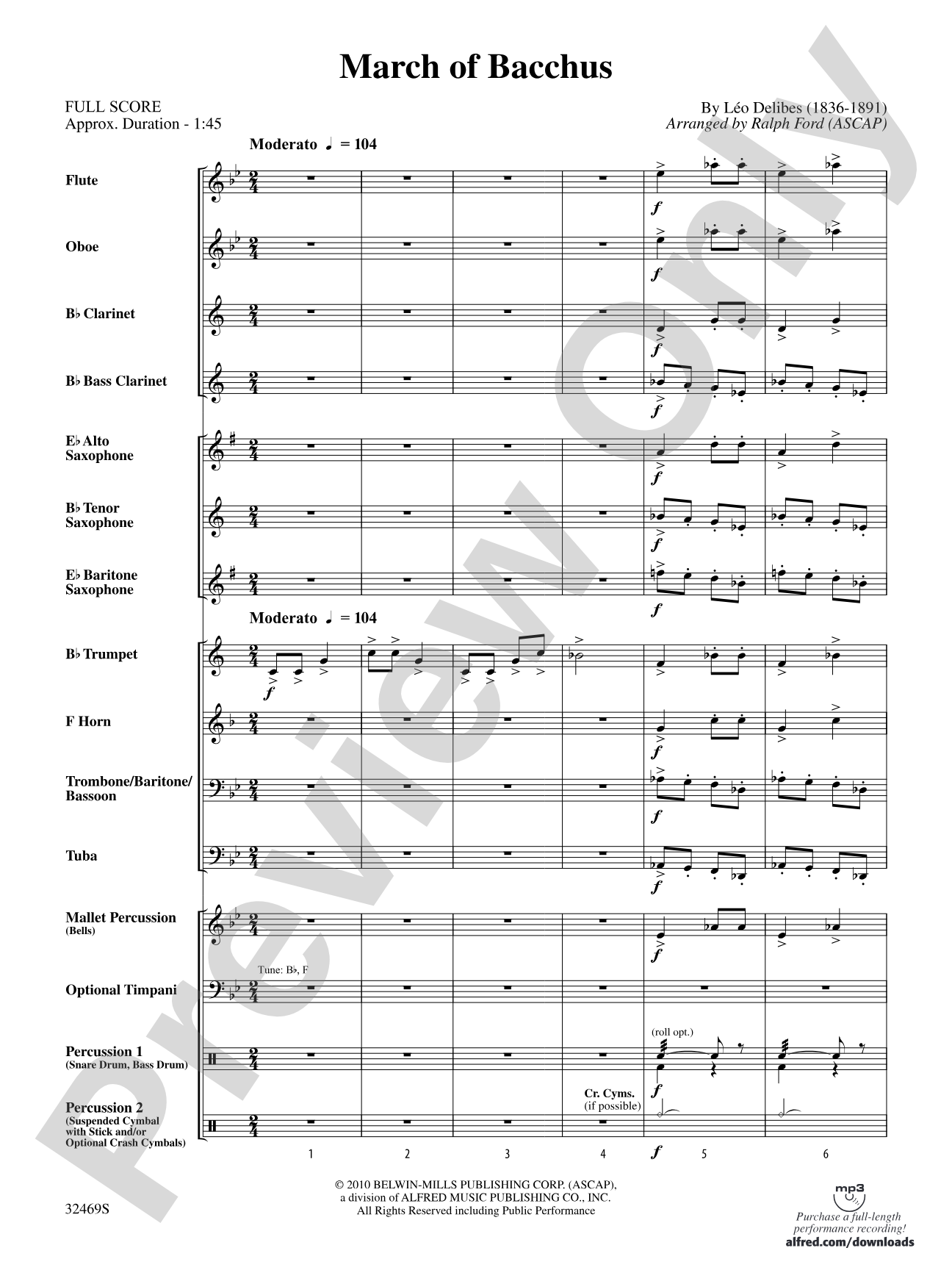
This march adaptation brings the wonderful ballet music of Léo Delibes to your classroom, concerts, and festival performances. Originally presented as the opening of Act III from his Sylvia, ou La nymphe de Diane, it is both delicate and deliberate.


Don't just read it, hear it, play along with it, and watch your students grow with it. In MakeMusic Cloud, March of Bacchus: Score comes alive with professional accompaniment, adjustable tempo, and built-in practice tools that turn solo practice into real progress.
Open in the Player
Jump straight in and assign it today.
Start Your Free Trial
Open this title and explore the full library in minutes.
Sample Audio
1
Audio File
--:--
0:00
0:00
Sample Video
No sample videos found.
Additional Details
Series:
Belwin Beginning Band
Publisher:
Alfred Music
Page Count:
252
SKU:
00-PR-0002674
More about this title
About the Composer: Léo Delibes
Léo Delibes (1836-1891) composed some of the most enduring ballet scores in the repertoire, establishing himself as a master of orchestral color and melodic grace. His works like Coppélia and Sylvia defined the Romantic ballet aesthetic and remain staples of concert programming because of their craftsmanship, tuneful themes, and orchestral brilliance.
Why we love this
This arrangement captures the elegance and forward momentum of Delibes's original without overwhelming a developing band. Ralph Ford's Grade 1 setting gives you a genuine masterwork that sounds polished and complete, not simplified or thin. It's the kind of piece that teaches students what real composition sounds like while keeping the technical demands accessible.
What to expect
Stately and graceful, with an underlying energy that moves the piece forward. The melodies have the hallmark sweetness of Romantic ballet music, and the orchestration sparkles with the kind of color that makes an audience lean in and listen.
Who it's for
Beginning band students and developing concert bands that are ready for literature with genuine artistic depth. Directors seeking Grade 1 repertoire that feels substantial and concert-ready will find this an excellent choice for fall festivals or winter concerts.
How to get the most out of it
- Balance the melody carefully between sections; this march relies on lyrical phrasing rather than bombastic power, so resist the urge to overblend the solo lines.
- Pay attention to the articulation markings. The 'delicate and deliberate' quality Delibes wrote comes through when staccato and legato are distinguished clearly.
- Let the woodwinds breathe naturally through the opening phrases; they carry the character of the piece and will sound thin if rushed.
- Maintain steady pulse in the rhythm section but keep the dynamics controlled; this isn't a military march, so the accompaniment should support rather than dominate.
How to use it
Open a concert with this march to set an elegant tone, or pair it with other light Romantic-era selections for a cohesive first half. It also works well as the centerpiece of a piece exploring ballet music in the concert band tradition.
Skills your students will build
- Balancing melody and accompaniment in a structured march form
- Executing contrasting articulations (staccato and legato) within a single phrase
- Sustaining lyrical phrasing without sacrificing rhythmic precision
- Reading and responding to dynamic nuance in Grade 1 literature