
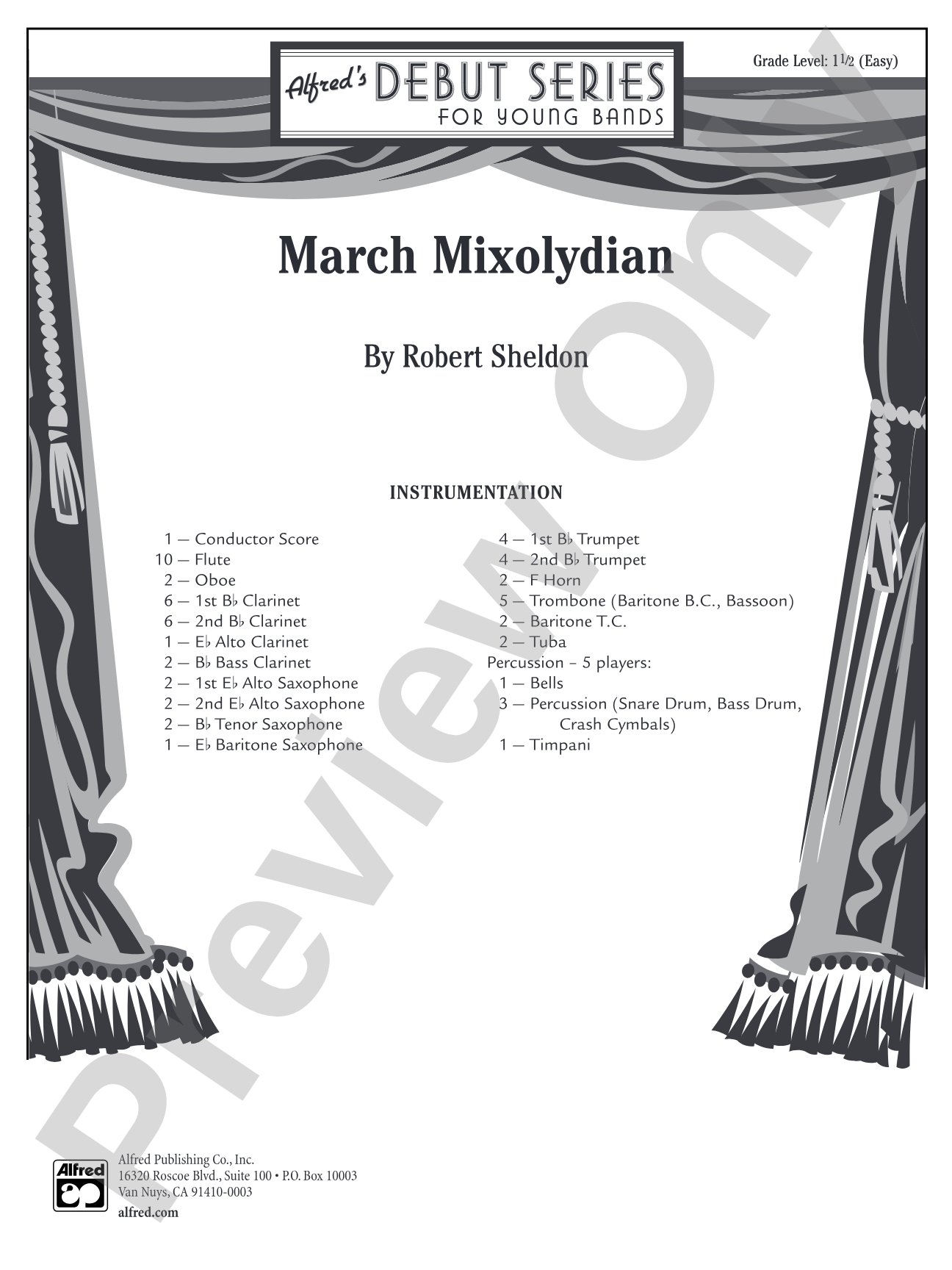

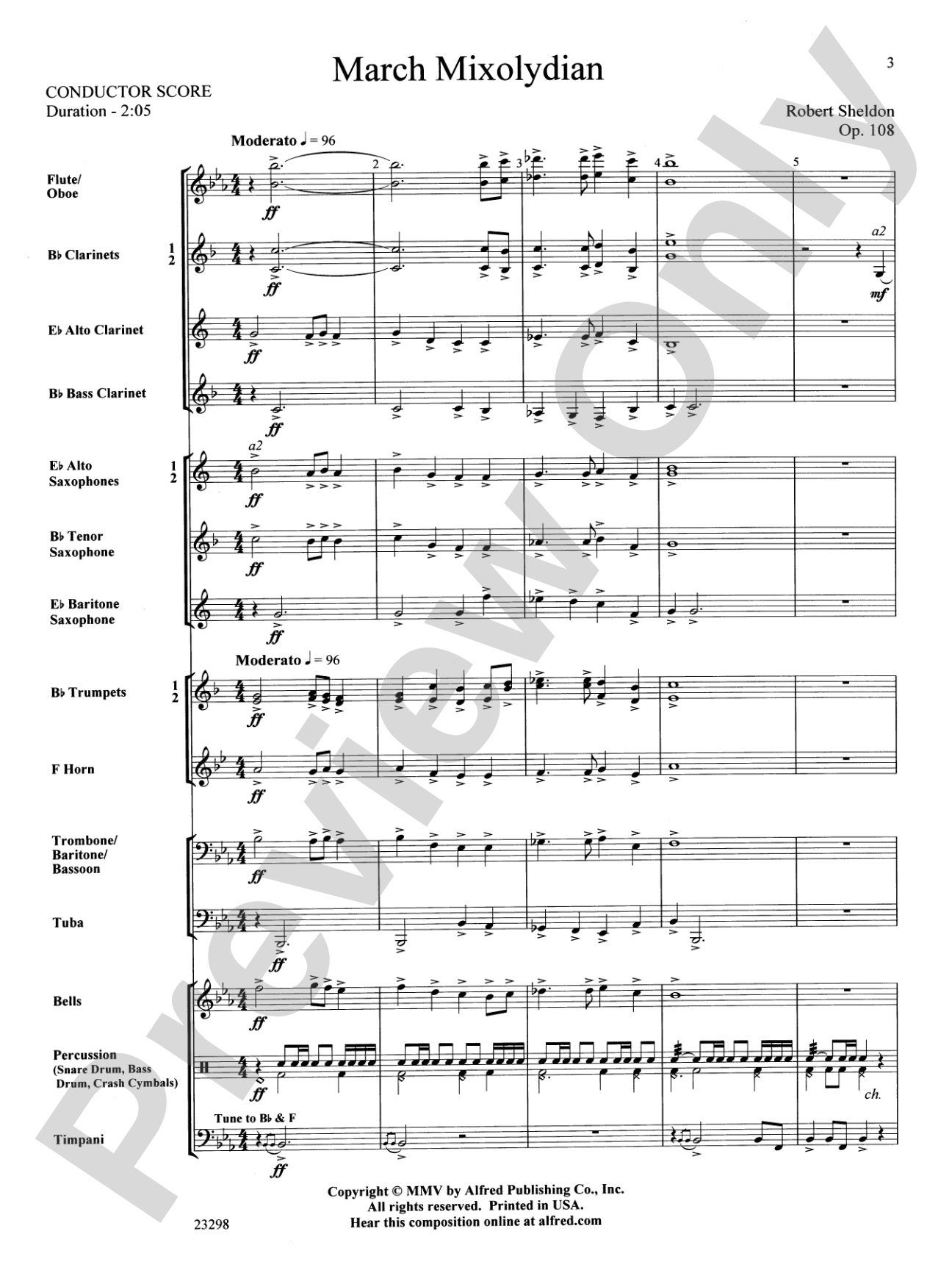
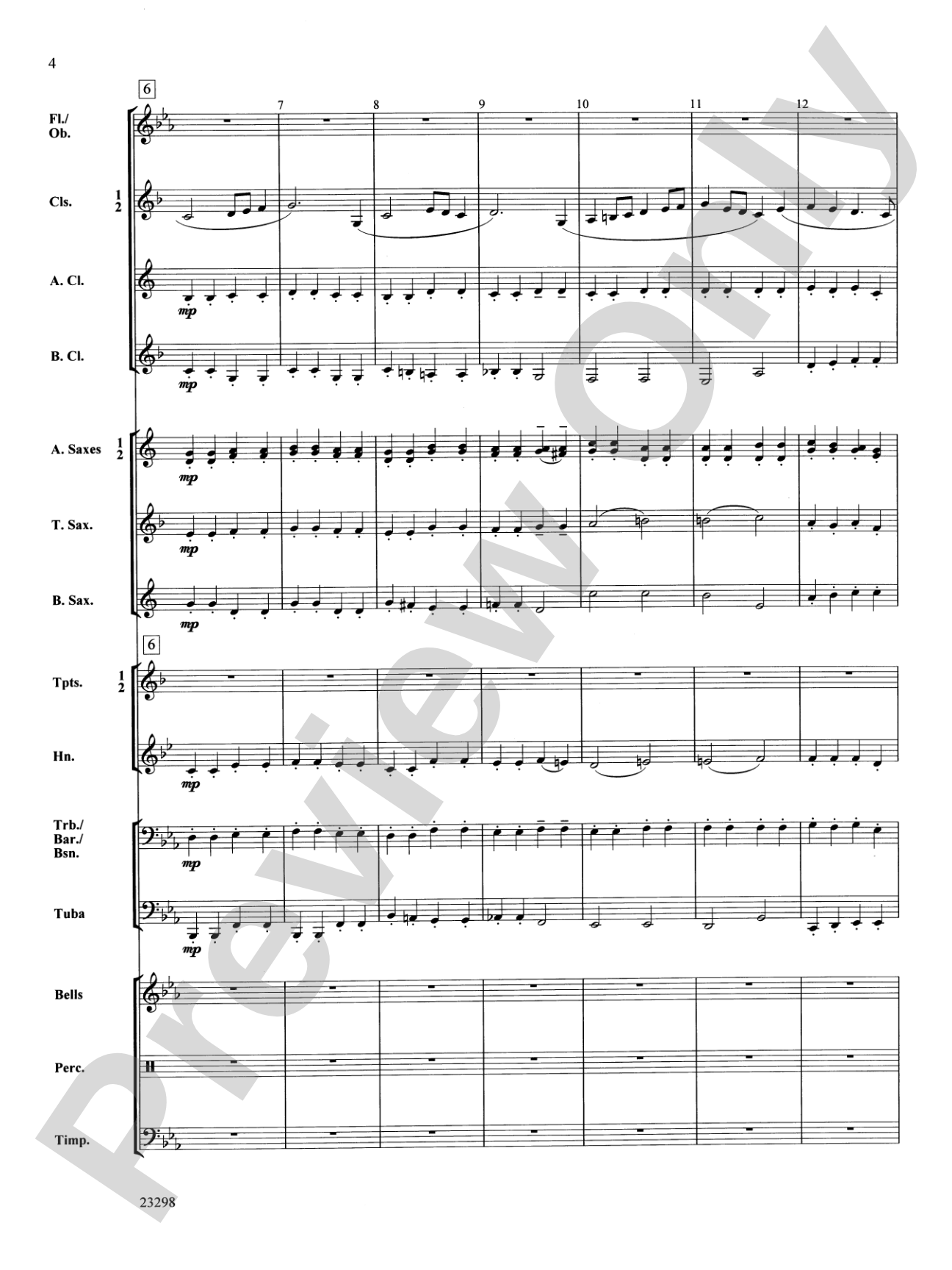
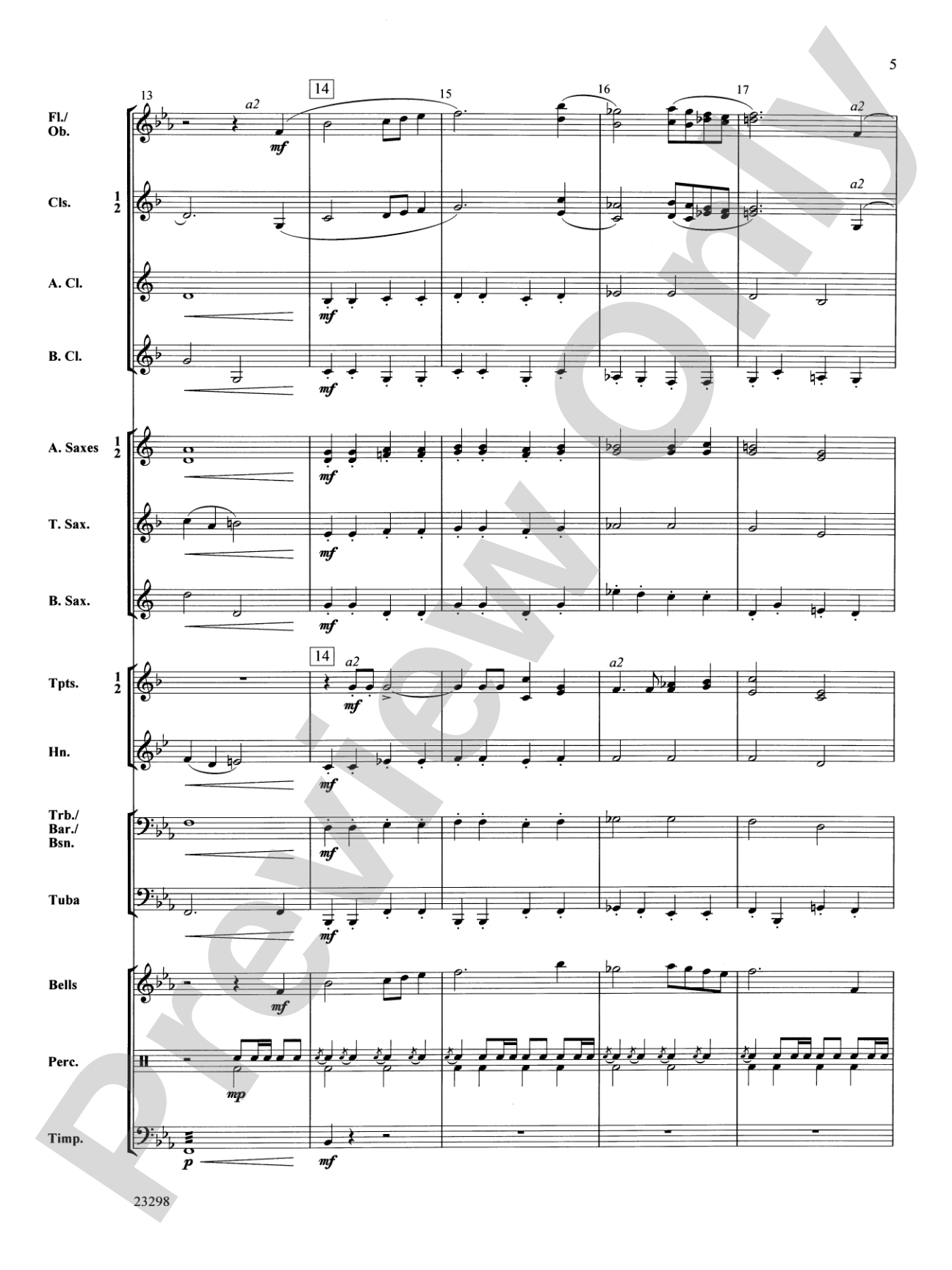
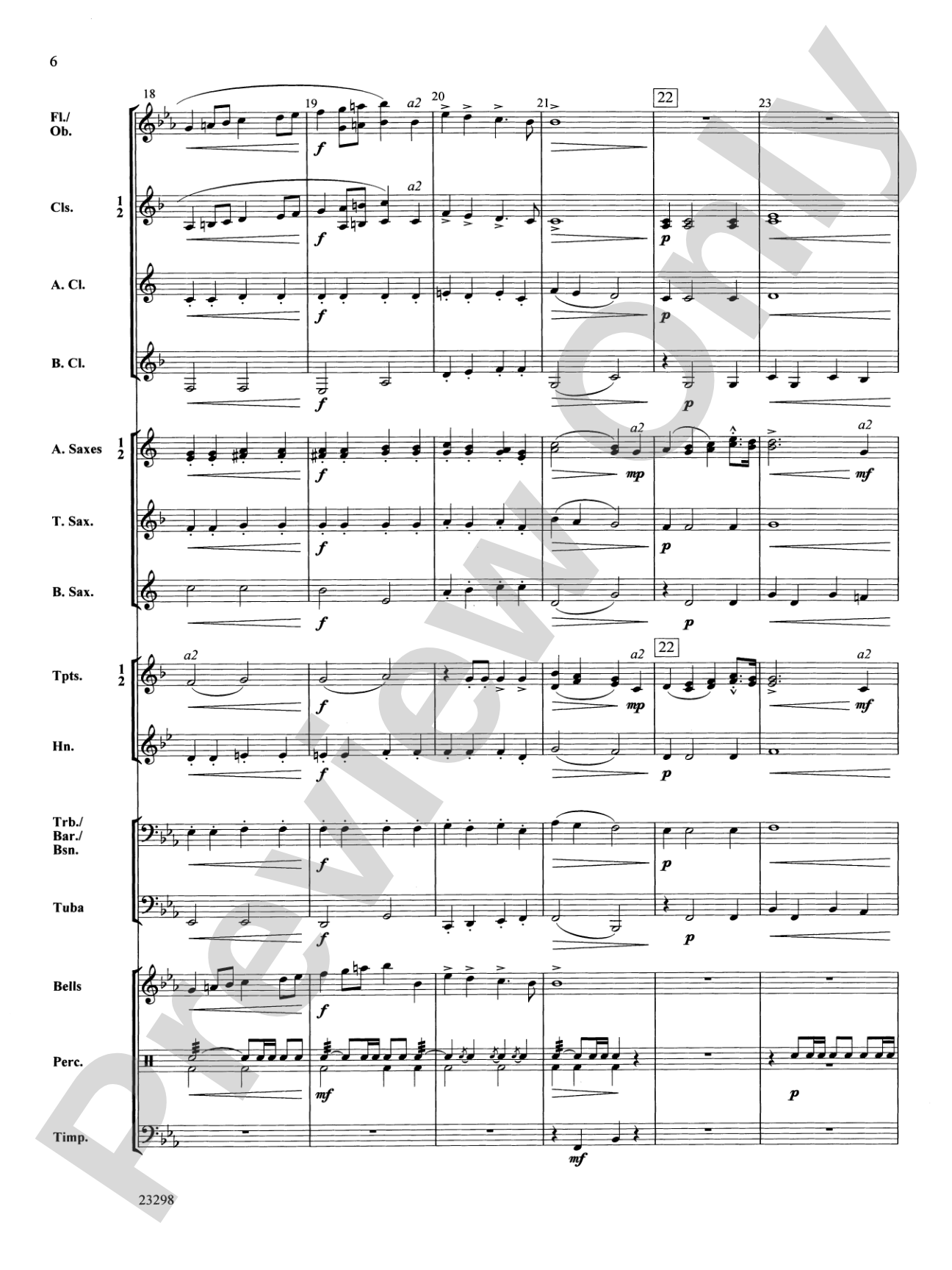
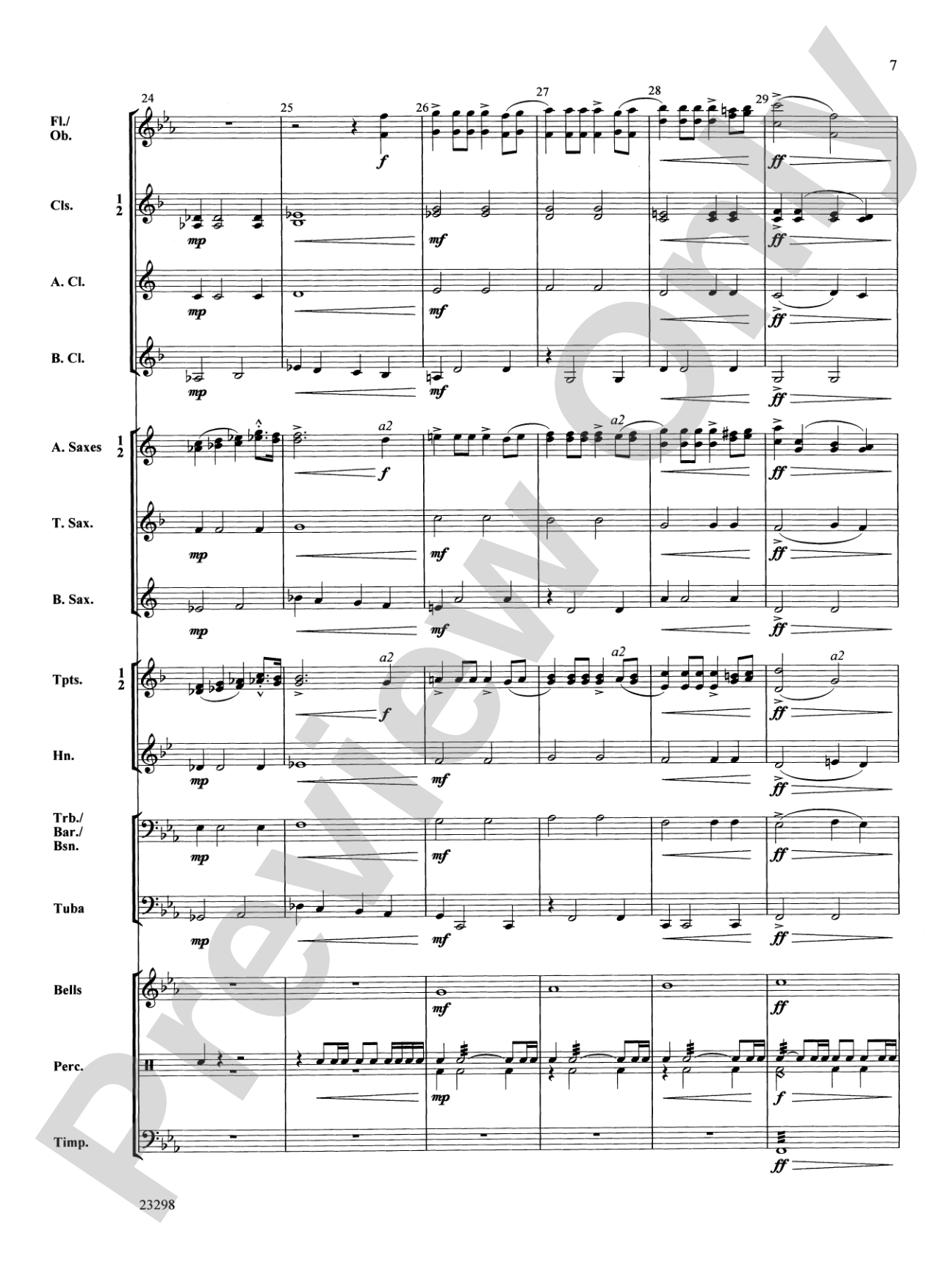
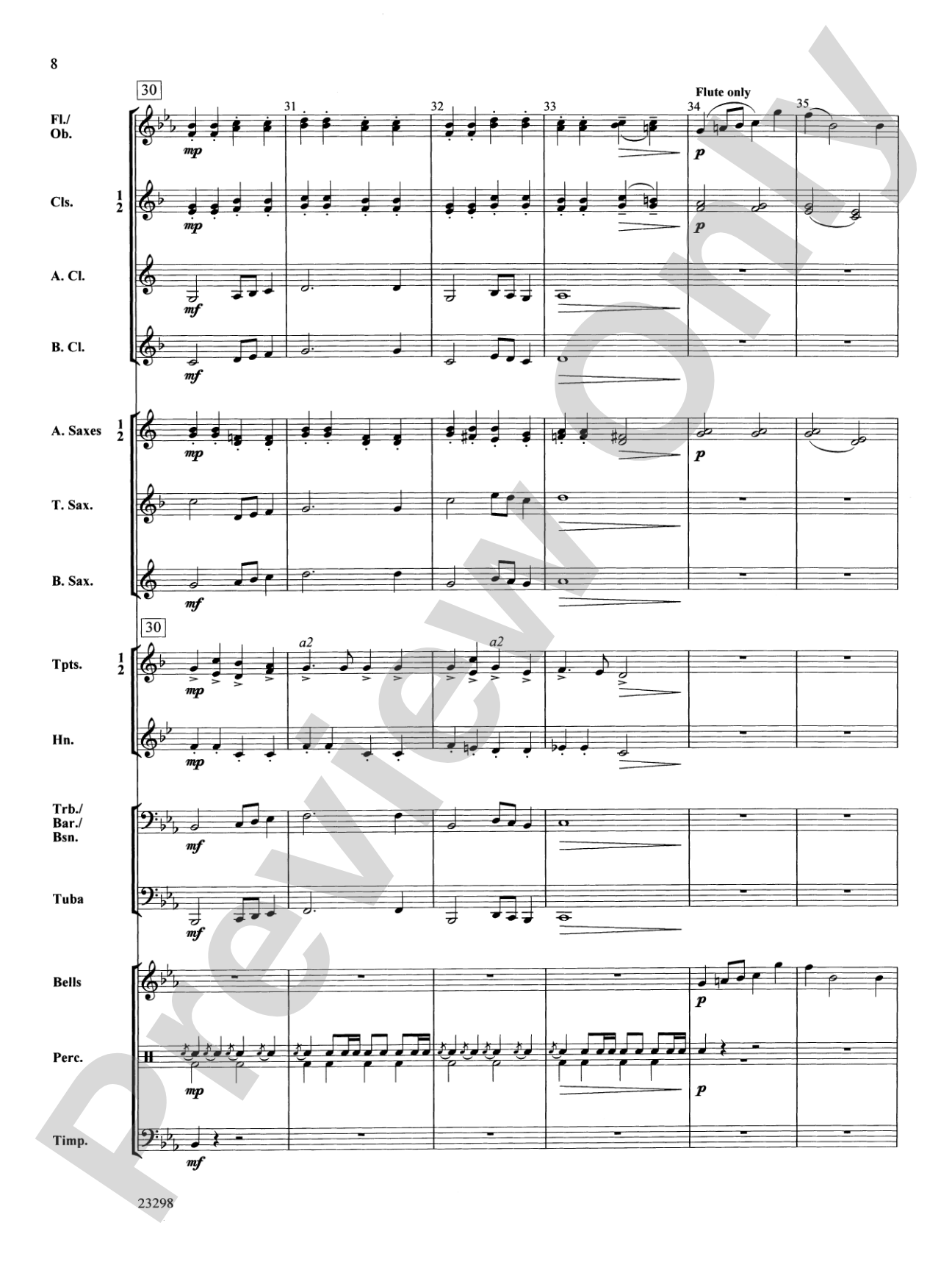
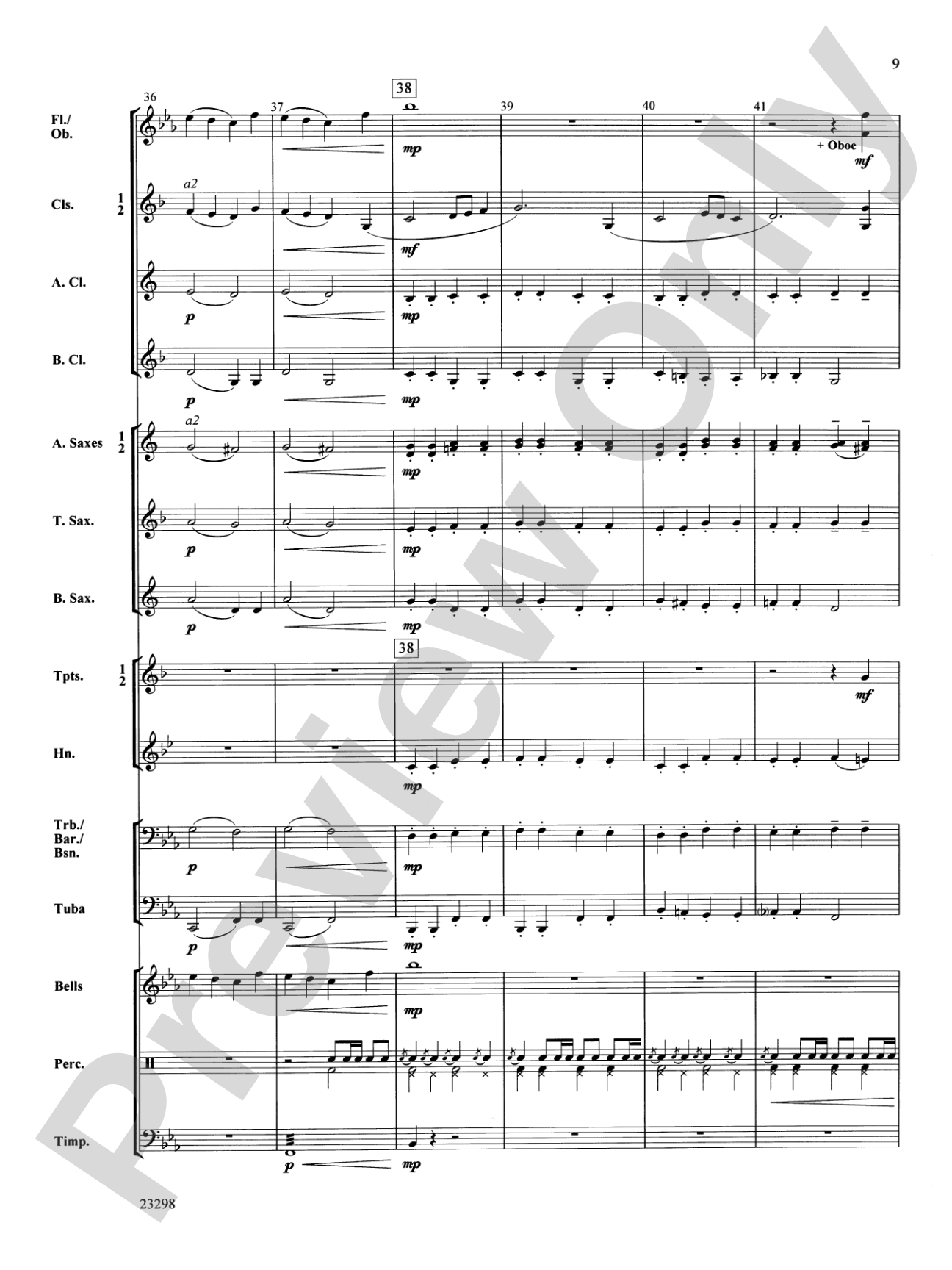


March Mixolydian: Concert Band Conductor Score & Parts
By Robert Sheldon
Grade: 1.5 (Easy)
Item: 00-PK-0000656

$42.00
Pickup currently not available
Buy Extra Parts (Digital PDF Download)
| Product | Price | Quantity |
|---|---|---|
| March Mixolydian: Score | $6.00 | |
| March Mixolydian: Flute | $3.00 | |
| March Mixolydian: Oboe | $3.00 | |
| March Mixolydian: 1st B-flat Clarinet | $3.00 | |
| March Mixolydian: 2nd B-flat Clarinet | $3.00 | |
| March Mixolydian: E-flat Alto Clarinet | $3.00 | |
| March Mixolydian: B-flat Bass Clarinet | $3.00 | |
| March Mixolydian: E-flat Alto Saxophone | $3.00 | |
| March Mixolydian: 2nd E-flat Alto Saxophone | $3.00 | |
| March Mixolydian: B-flat Tenor Saxophone | $3.00 | |
| March Mixolydian: E-flat Baritone Saxophone | $3.00 | |
| March Mixolydian: 1st B-flat Trumpet | $3.00 | |
| March Mixolydian: 2nd B-flat Trumpet | $3.00 | |
| March Mixolydian: 1st F Horn | $3.00 | |
| March Mixolydian: 1st Trombone | $3.00 | |
| March Mixolydian: Baritone T.C. | $3.00 | |
| March Mixolydian: Tuba | $3.00 | |
| March Mixolydian: Bells | $3.00 | |
| March Mixolydian: 1st Percussion | $3.00 | |
| March Mixolydian: Timpani | $3.00 |
Parts Added to Cart!
Description
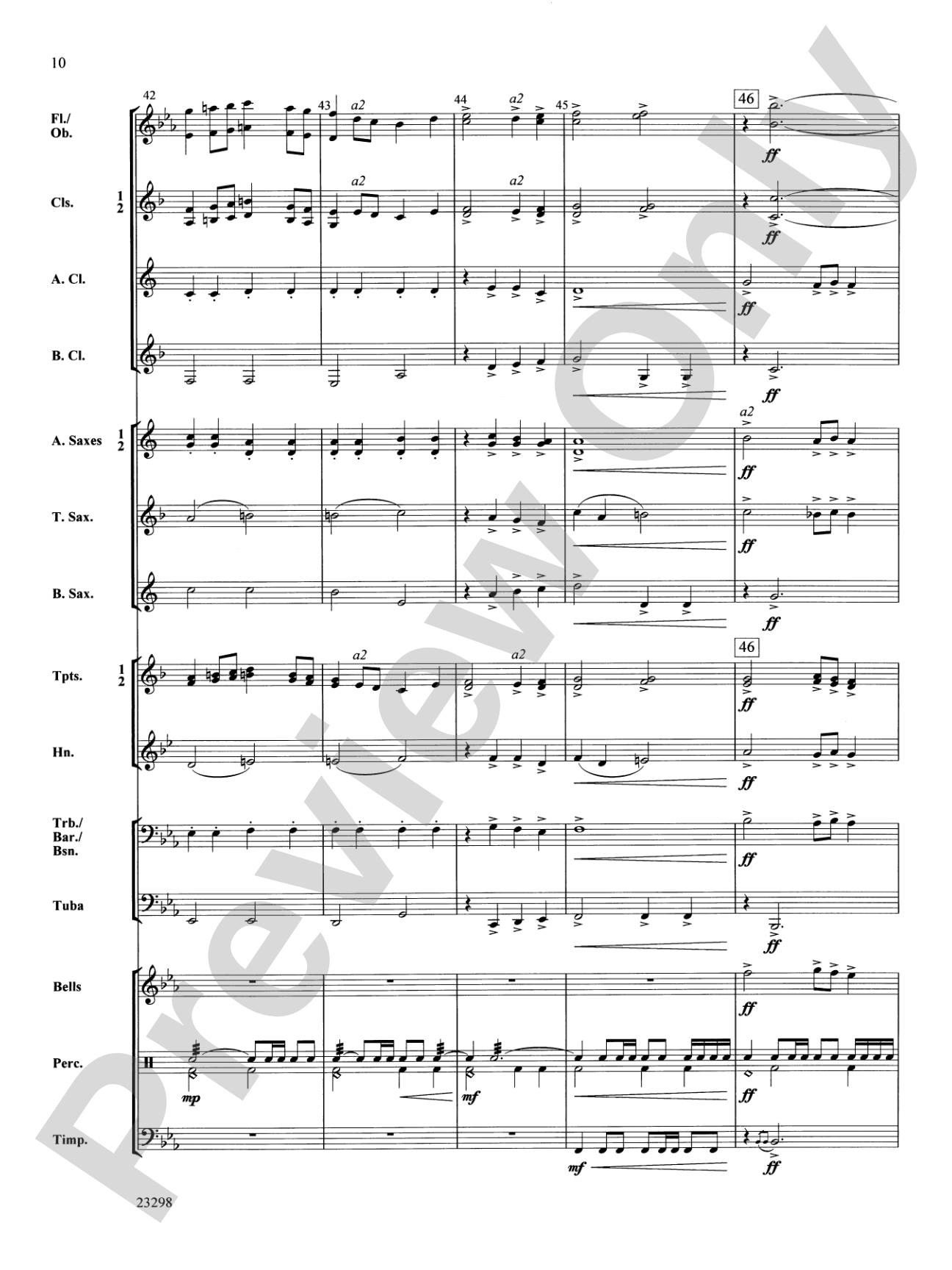
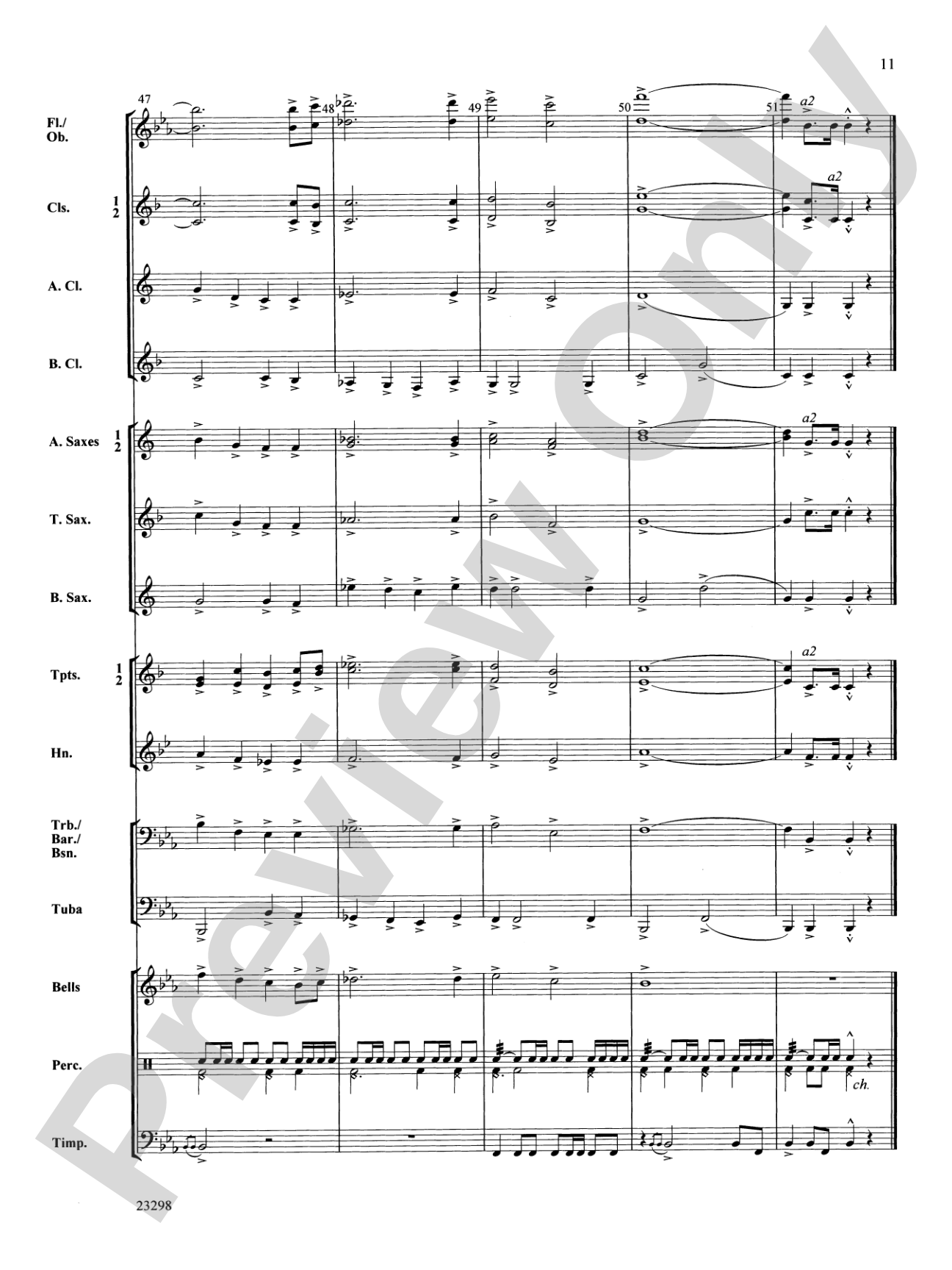
Written to introduce young musicians to the mixolydian mode, Robert Sheldon has created this stately march. An excellent choice for concerts, contest or graduations, March Mixolydian is a lyrical and majestic march, and is a companion piece to the popular Phrygian Phantasy and Dorian Dreamscape, also written in Alfred's Debut Series.


Don't just read it, hear it, play along with it, and watch your students grow with it. In MakeMusic Cloud, March Mixolydian: Concert Band Conductor Score & Parts comes alive with professional accompaniment, adjustable tempo, and built-in practice tools that turn solo practice into real progress.
Open in the Player
Jump straight in and assign it today.
Start Your Free Trial
Open this title and explore the full library in minutes.
Sample Audio
1
Audio File
--:--
0:00
0:00
Sample Video
No sample videos found.
Additional Details
Series:
Alfred Debut Series
Publisher:
Alfred Music
Page Count:
116
SKU:
00-PK-0000656
More about this title
About the Composer: Robert Sheldon

Robert Sheldon's wind band compositions are performed by ensembles across the globe and appear regularly on contest and concert programs at every level. His work as lead author of Sound Innovations for Concert Band has shaped instrumental music education for thousands of students, while his catalog of original compositions and arrangements continues to grow through regular commissions and annual publications.
Sheldon's influence extends beyond the page. He has guest conducted All-State and Regional Honor Bands throughout his career, presented clinics at universities and state music education conferences, and led performances of his own works in some of the world's most prestigious venues, including Carnegie Hall, the Kennedy Center, and the Sydney Opera House. His contributions to music education have earned him recognition from the American School Band Director's Association, Phi Beta Mu, and the American Society of Composers, Authors and Publishers, culminating in an honorary doctorate from VanderCook College of Music in 2020.
Why we love this
Sheldon meets young ensembles where they are with music that sounds sophisticated without overreaching technically. The mixolydian mode gives the band something genuinely new to explore without requiring advanced harmonic literacy, and the march form keeps the focus on clean ensemble execution and musical expression rather than technical display.
What to expect
Dignified and lyrical, with the stateliness of a formal processional. The mixolydian mode gives the piece a character that feels neither major nor minor, creating an atmosphere that is both approachable and subtly sophisticated.
Who it's for
Beginning to early intermediate concert bands preparing music for winter or spring concerts, graduation ceremonies, or first-time festival entries. Directors looking for Grade 1.5 repertoire that introduces genuine compositional concepts rather than simplified versions of standard fare will find this piece a genuine asset.
How to get the most out of it
- Balance the melody across voices so the mixolydian character comes through clearly. This modality can sound uncertain if inner parts overwhelm the main line.
- Shape phrases with subtle dynamic swells rather than dramatic shifts. The stately character depends on restraint and control.
- Let the march rhythm sit solidly without rushing. Young ensembles often push the tempo when they gain confidence; steady conducting will anchor the pulse.
- Use the recorded accompaniment to help sections internalize their parts independently before full ensemble rehearsals begin.
How to use it
Program this as an opening number to set a serious, ceremonial tone for a graduation concert, or anchor a classical programming block alongside other concert band standards. It pairs naturally with its companion pieces, Phrygian Phantasy and Dorian Dreamscape, if your ensemble is exploring modal concepts across a season.
Skills your students will build
- Reading and performing in the mixolydian mode
- Maintaining steady tempo in march form
- Balancing ensemble texture to highlight the primary melodic voice
- Interpreting stately articulation and phrasing
- Sight-reading at Grade 1.5 difficulty across all parts