
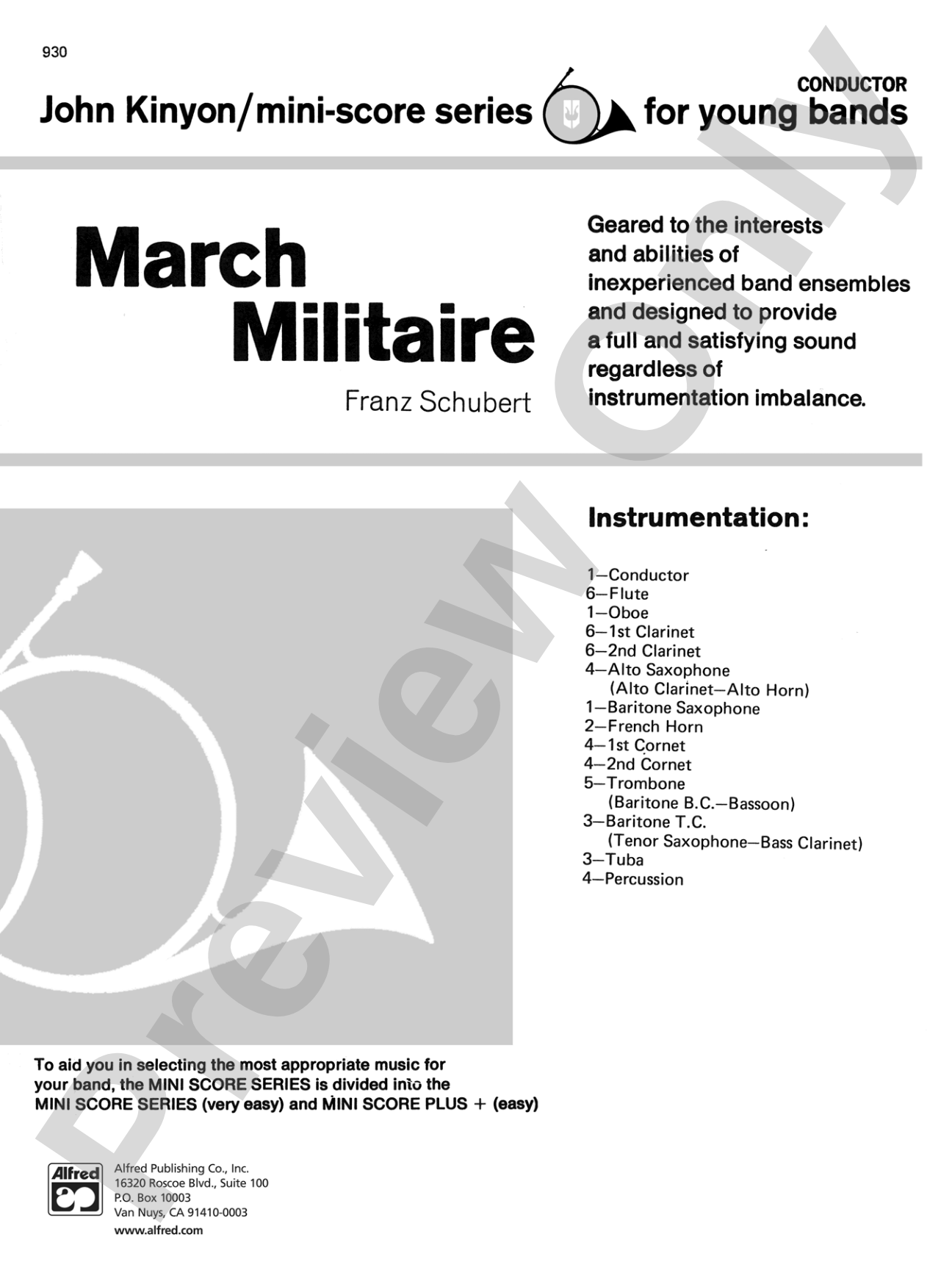
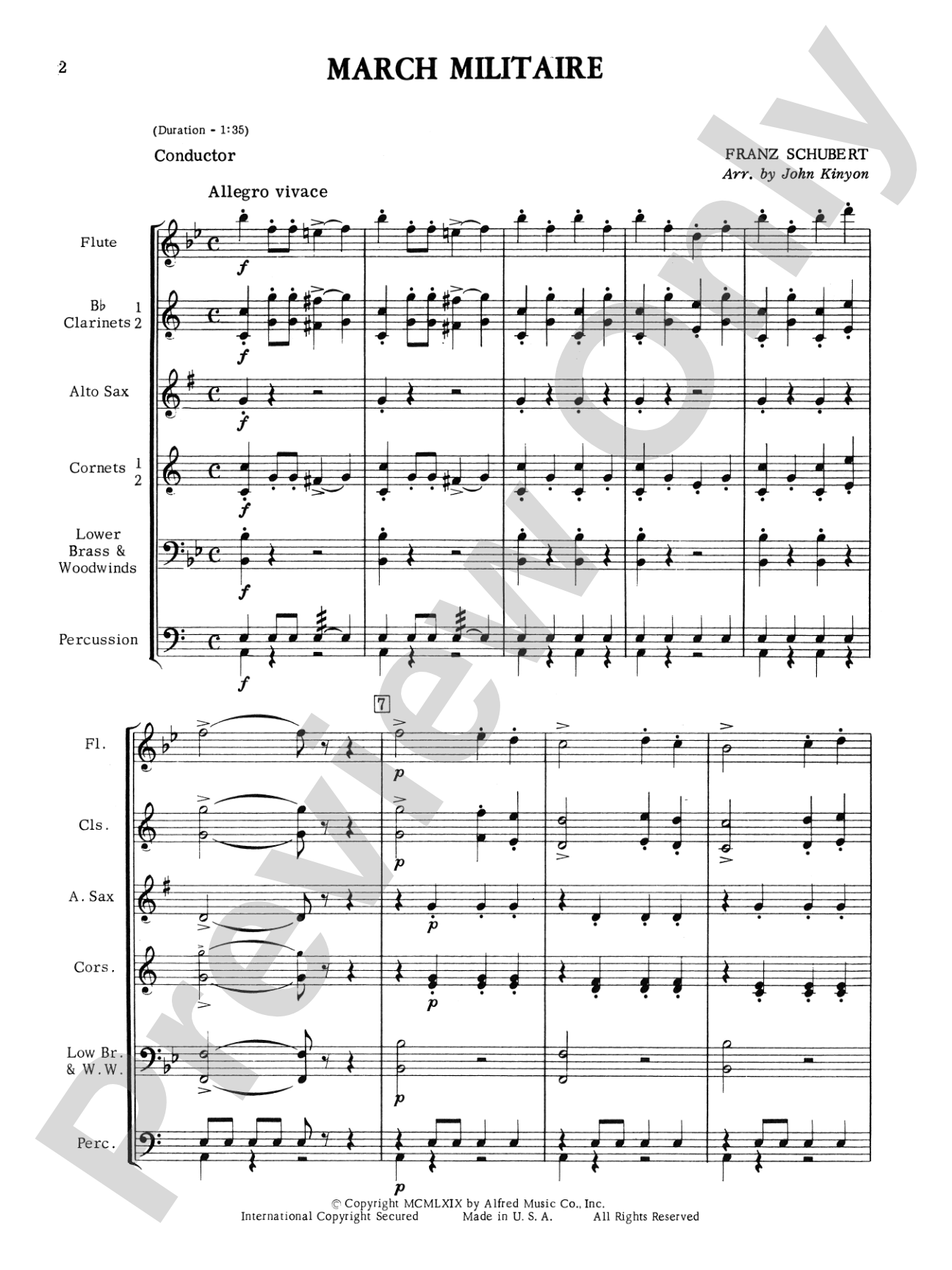
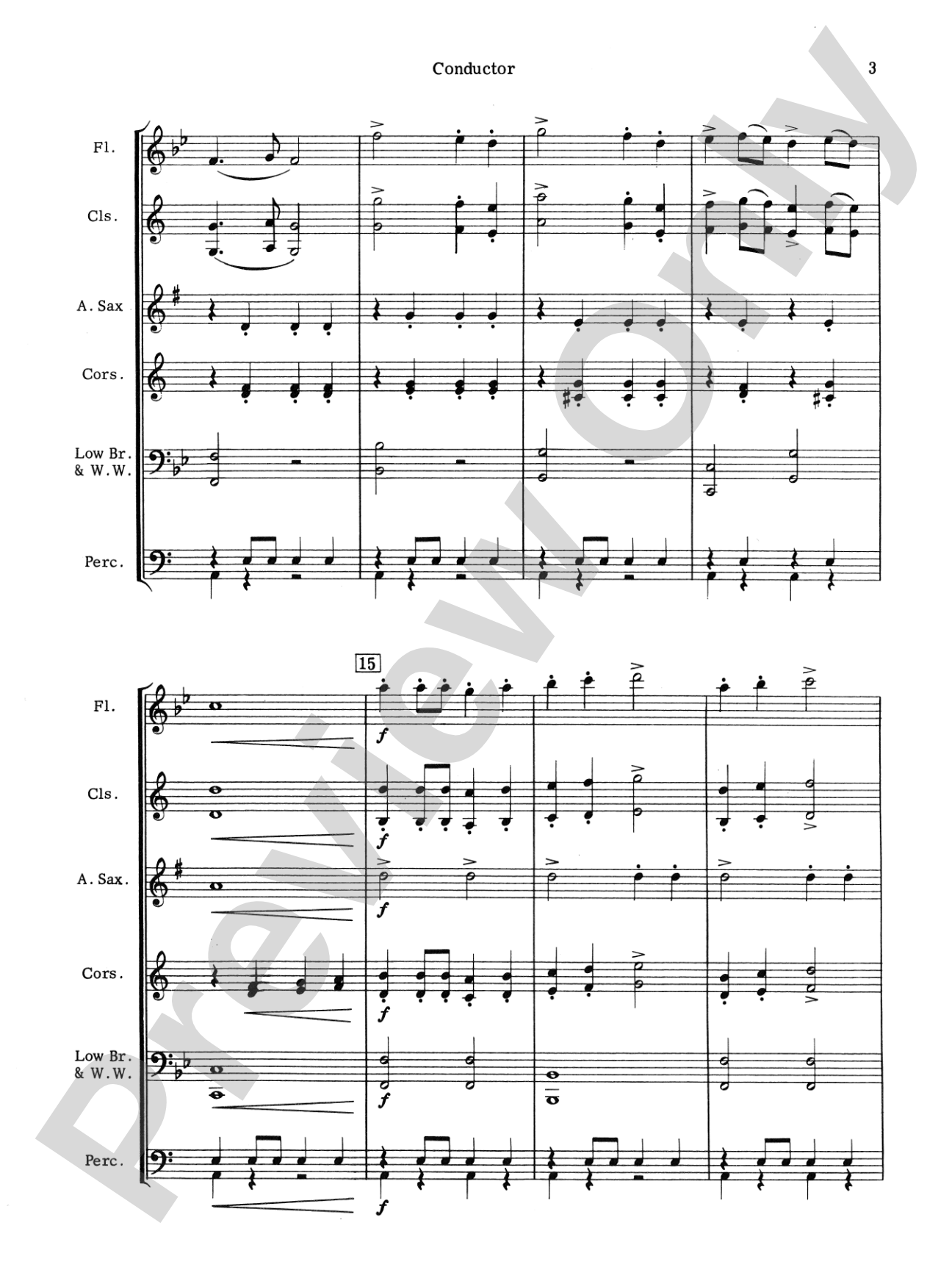
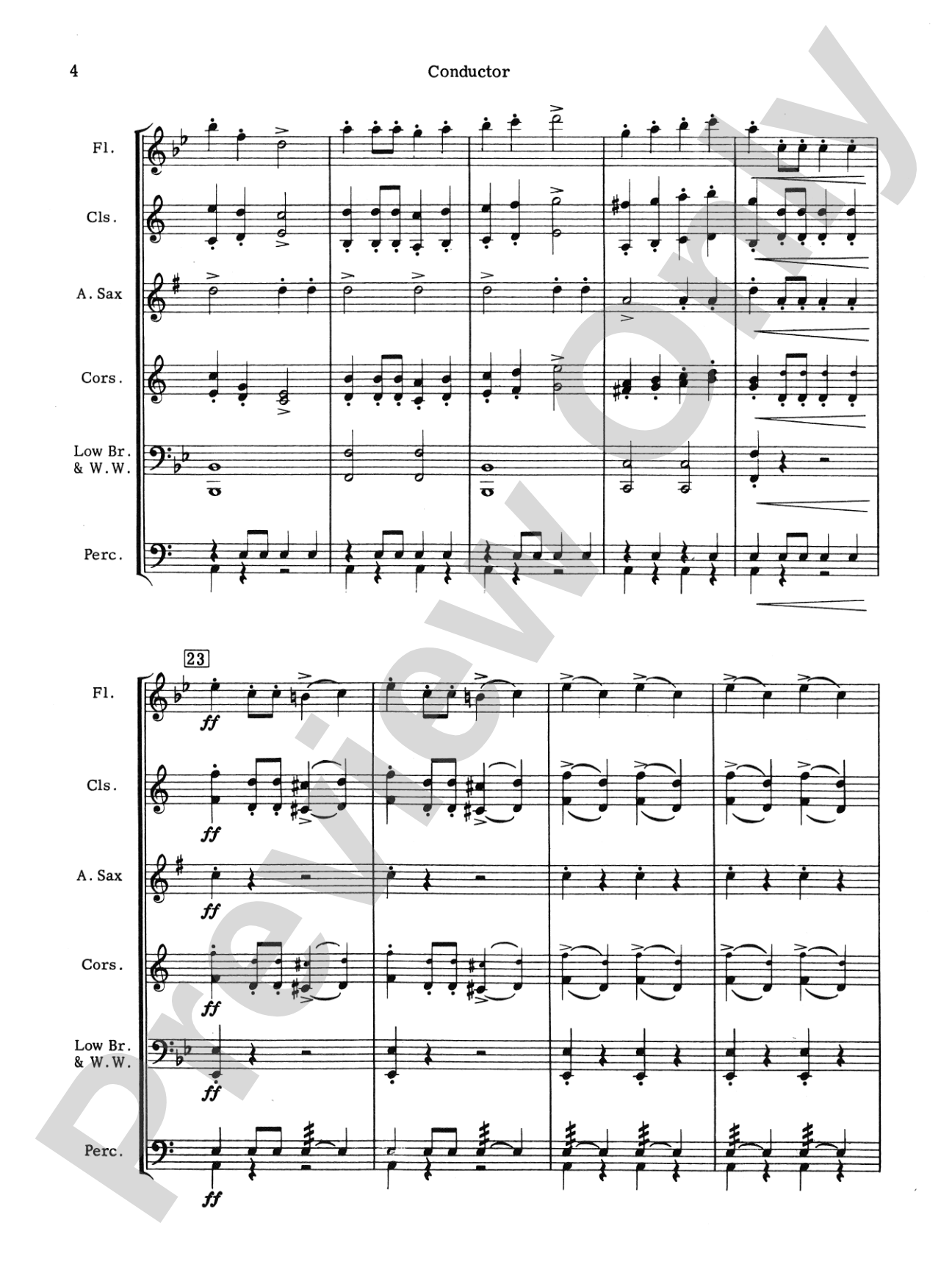
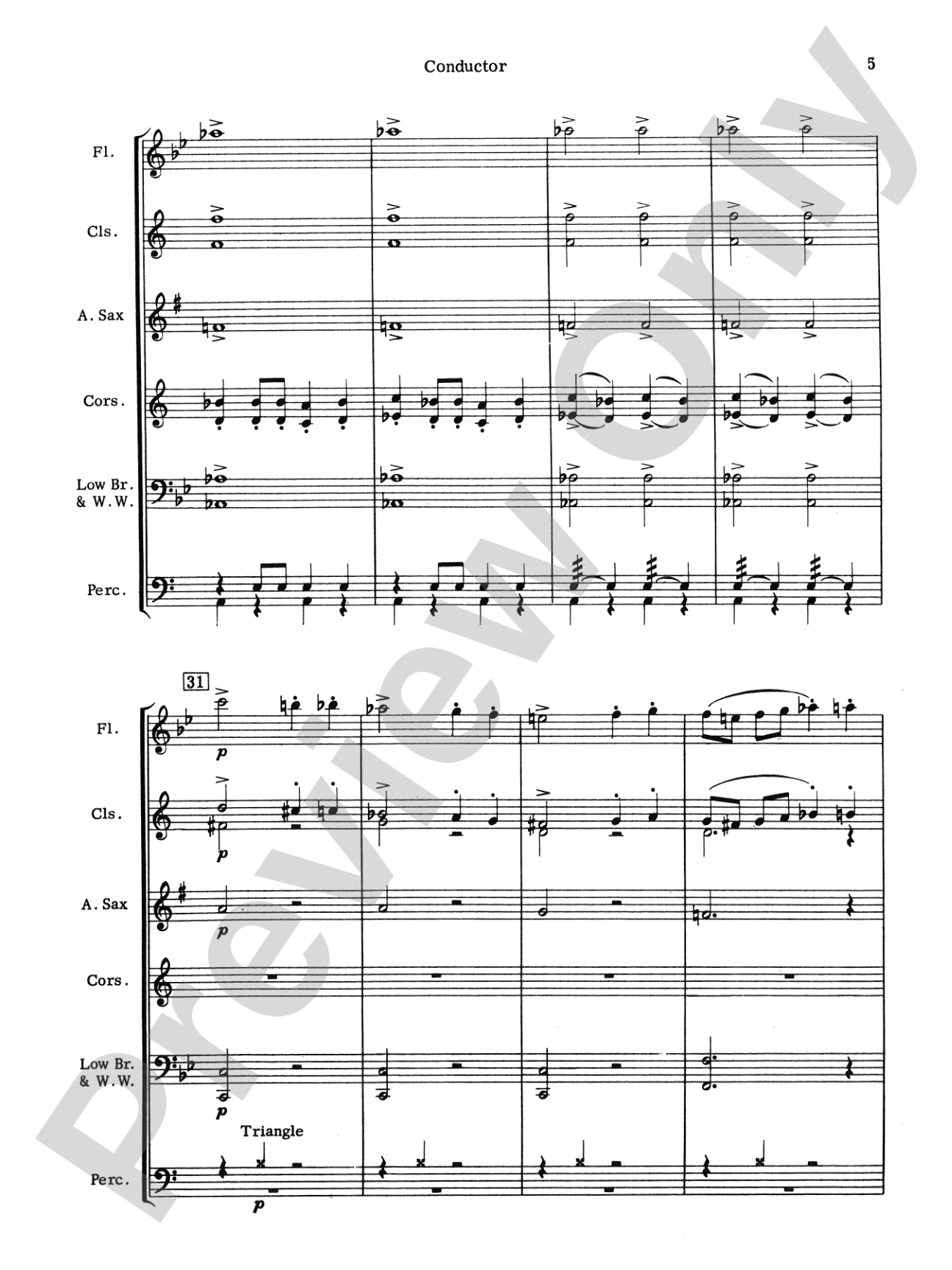
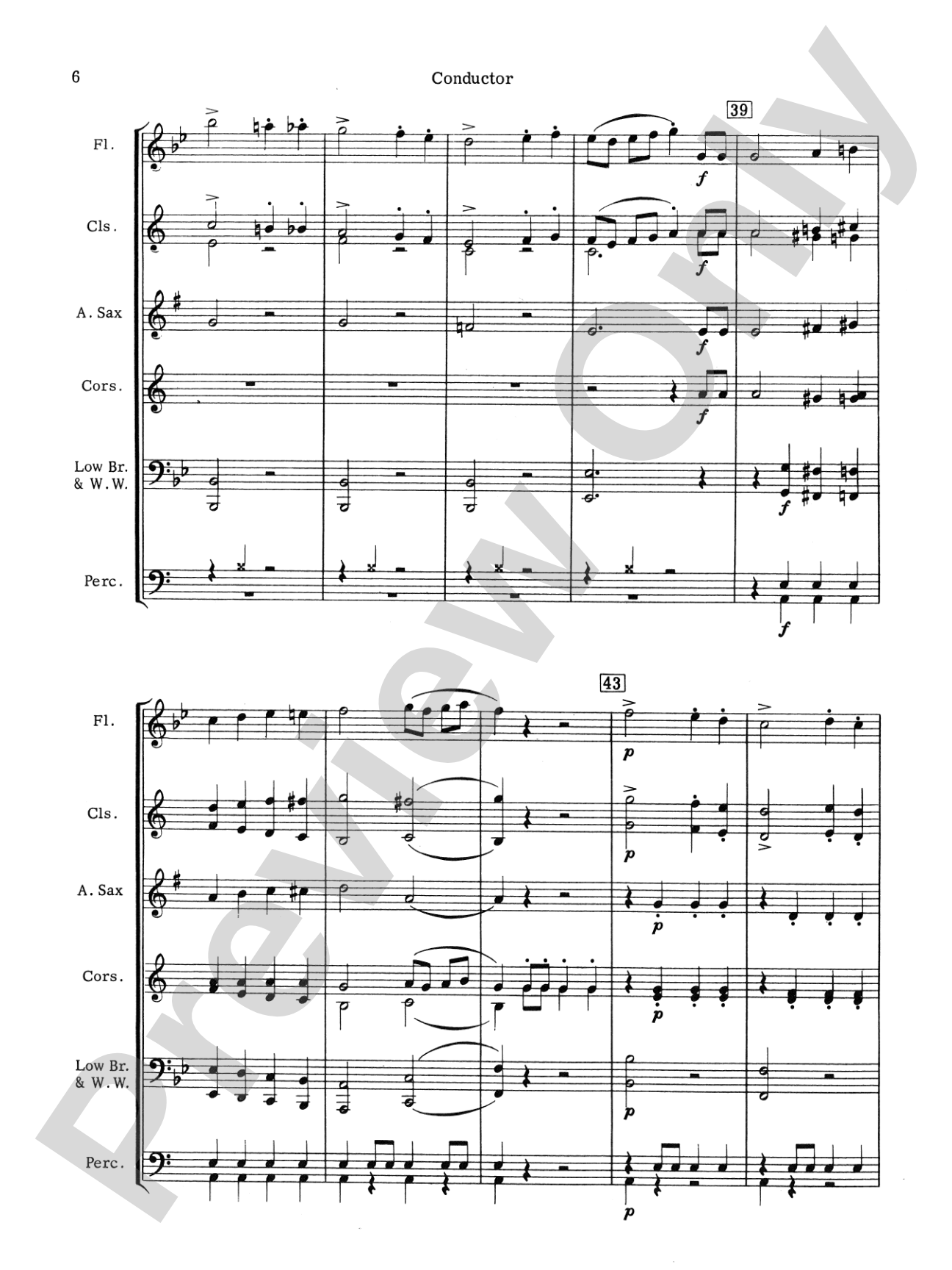
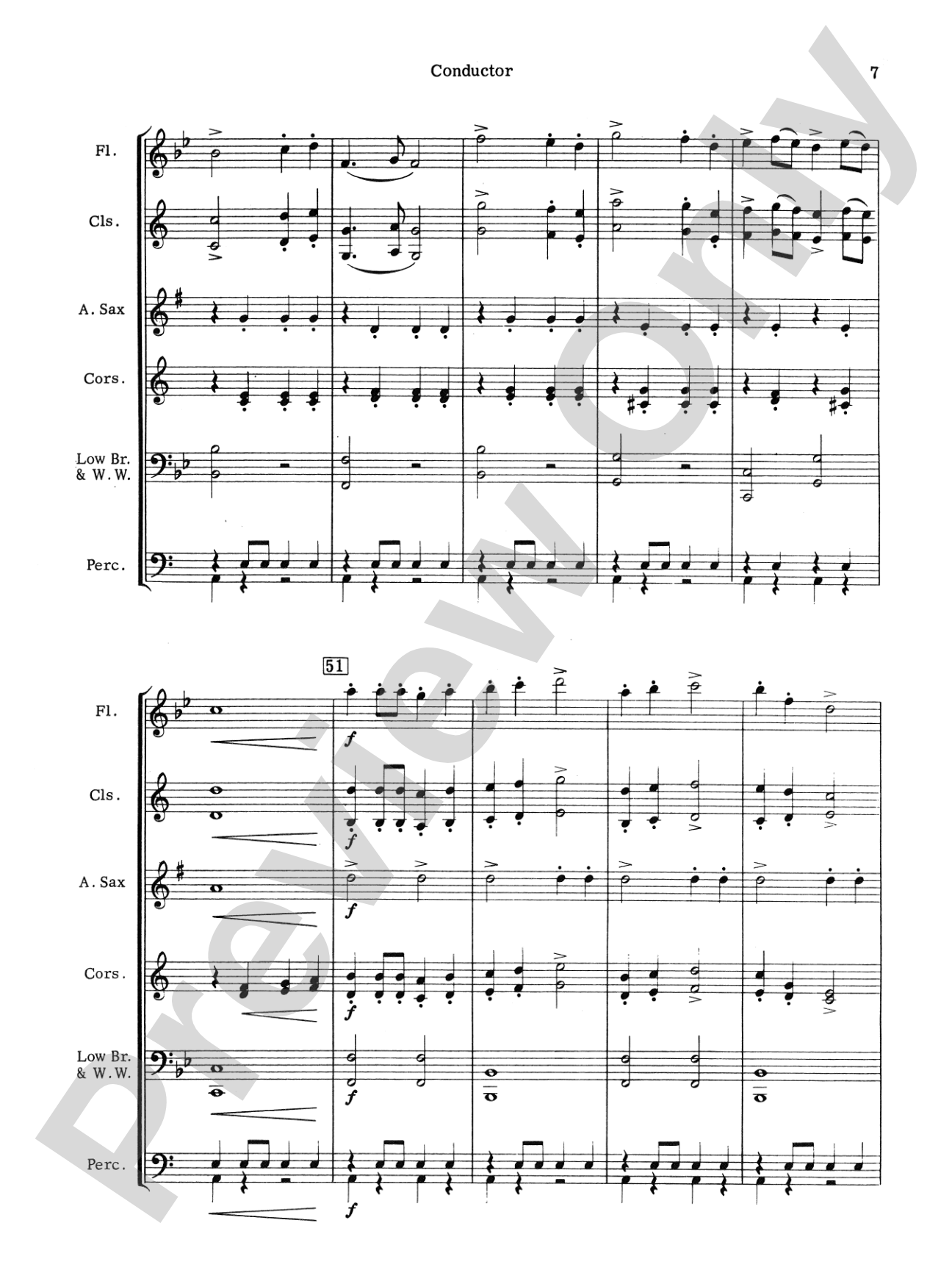
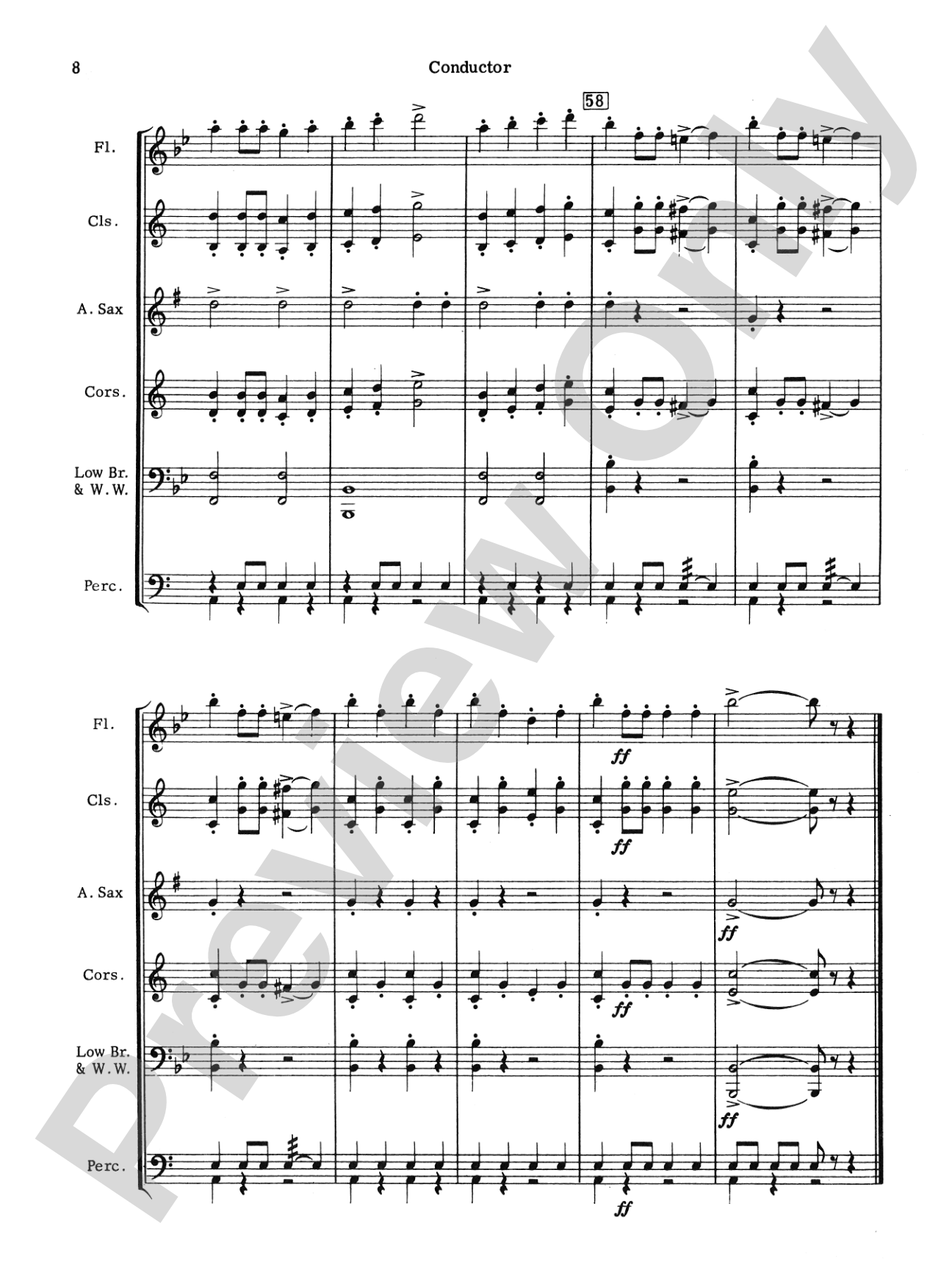

March Militaire: Concert Band Conductor Score & Parts
By Franz Schubert / arr. John Kinyon
Grade: 1 (Very Easy)
Item: 00-PK-0001975

$40.00
Pickup currently not available
Buy Extra Parts (Digital PDF Download)
| Product | Price | Quantity |
|---|---|---|
| March Militaire: Score | $7.00 | |
| March Militaire: Flute | $3.00 | |
| March Militaire: Oboe | $3.00 | |
| March Militaire: 1st B-flat Clarinet | $3.00 | |
| March Militaire: 2nd B-flat Clarinet | $3.00 | |
| March Militaire: E-flat Alto Saxophone | $3.00 | |
| March Militaire: E-flat Baritone Saxophone | $3.00 | |
| March Militaire: 1st B-flat Cornet | $3.00 | |
| March Militaire: 2nd B-flat Cornet | $3.00 | |
| March Militaire: 1st F Horn | $3.00 | |
| March Militaire: 1st Trombone | $3.00 | |
| March Militaire: Baritone T.C. | $3.00 | |
| March Militaire: Tuba | $3.00 | |
| March Militaire: 1st Percussion | $3.00 |
Parts Added to Cart!
Description


Don't just read it, hear it, play along with it, and watch your students grow with it. In MakeMusic Cloud, March Militaire: Concert Band Conductor Score & Parts comes alive with professional accompaniment, adjustable tempo, and built-in practice tools that turn solo practice into real progress.
Open in the Player
Jump straight in and assign it today.
Start Your Free Trial
Open this title and explore the full library in minutes.
Sample Audio
No sample audio found.
Sample Video
No sample videos found.
Additional Details
Series:
Mini Score Series
Publisher:
Alfred Music
Page Count:
98
SKU:
00-PK-0001975
More about this title
About the Composer: Franz Schubert
Franz Schubert (1797–1828) was an Austrian composer whose gift for melody shaped the Romantic era. Though he died at 31, he wrote over 600 works across every genre, from symphonies and string quartets to intimate songs and dances. His marches remain staples of concert band repertoire, combining the ceremonial grandeur of military tradition with the lyrical warmth that defines his musical voice.
Schubert's marches occupy a unique space in music history. Written both for orchestra and for military band, they bridge Classical structure with Romantic expression, making them endlessly adaptable to different ensembles and skill levels. Conductors have long recognized that his marches engage young players immediately while teaching them about phrasing, balance, and the architecture of form.
Why we love this
John Kinyon's Grade 1 arrangement opens this Schubert masterwork to ensembles that might otherwise lack access to it. The orchestration respects Schubert's melodic integrity while keeping technical demands manageable, so students hear the unmistakable architecture of a professional composition from day one. It's the kind of piece that builds ensemble pride quickly.
What to expect
A spirited procession with dignity. The opening announces itself with brass fanfare and steady rhythmic purpose, while the trio section allows the ensemble to show off with a singing melody that feels both noble and approachable. There's pageantry here, but it's never pompous.
Who it's for
Beginning and early intermediate concert bands, middle school ensembles, and emerging high school groups will find genuine music here without frustration. This arrangement also works for mixed-ability ensembles where you need a piece that challenges developing players while remaining accessible to less experienced sections.
How to get the most out of it
- Maintain steady pulse throughout the opening fanfare section; young ensembles often accelerate when energy levels rise. A clear beat and consistent tempo anchor the other parts.
- Balance the melody against accompaniment in the trio section. The tune belongs in the upper voices, but supporting parts need enough voice to create harmonic texture without muddying the line.
- Shape longer phrase arcs rather than stopping at bar lines. This march comes alive when conductors invite students to breathe as musical phrases breathe, not just at written pauses.
- Articulation clarity matters. Crisp attacks on march rhythms (especially the characteristic dotted figures) distinguish a polished performance from a merely competent one.
How to use it
This works beautifully as a concert opener, setting an energetic, accomplished tone for the program. It also pairs naturally with other Schubert arrangements or light classical repertoire, creating a coherent first half that builds ensemble confidence before attempting more demanding works.
Skills your students will build
- Reading and executing dotted rhythms in a tempo-driven context
- Balancing melody and accompaniment across multiple instrumental choirs
- Phrase shaping within march form (opening section, trio, return)
- Articulation consistency in rhythmically driven passages
- Ensemble listening for intonation and blend in sustained chords