
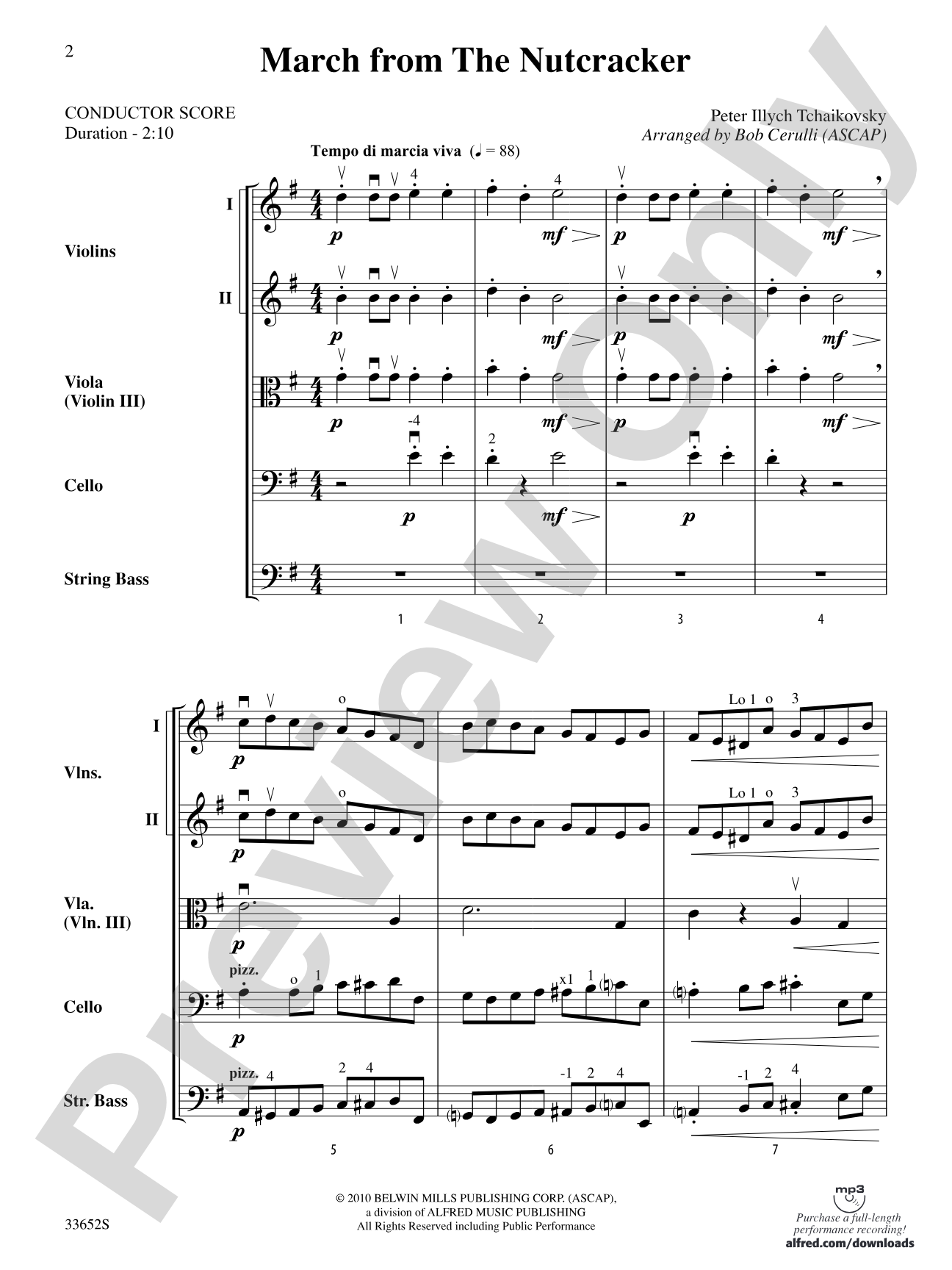
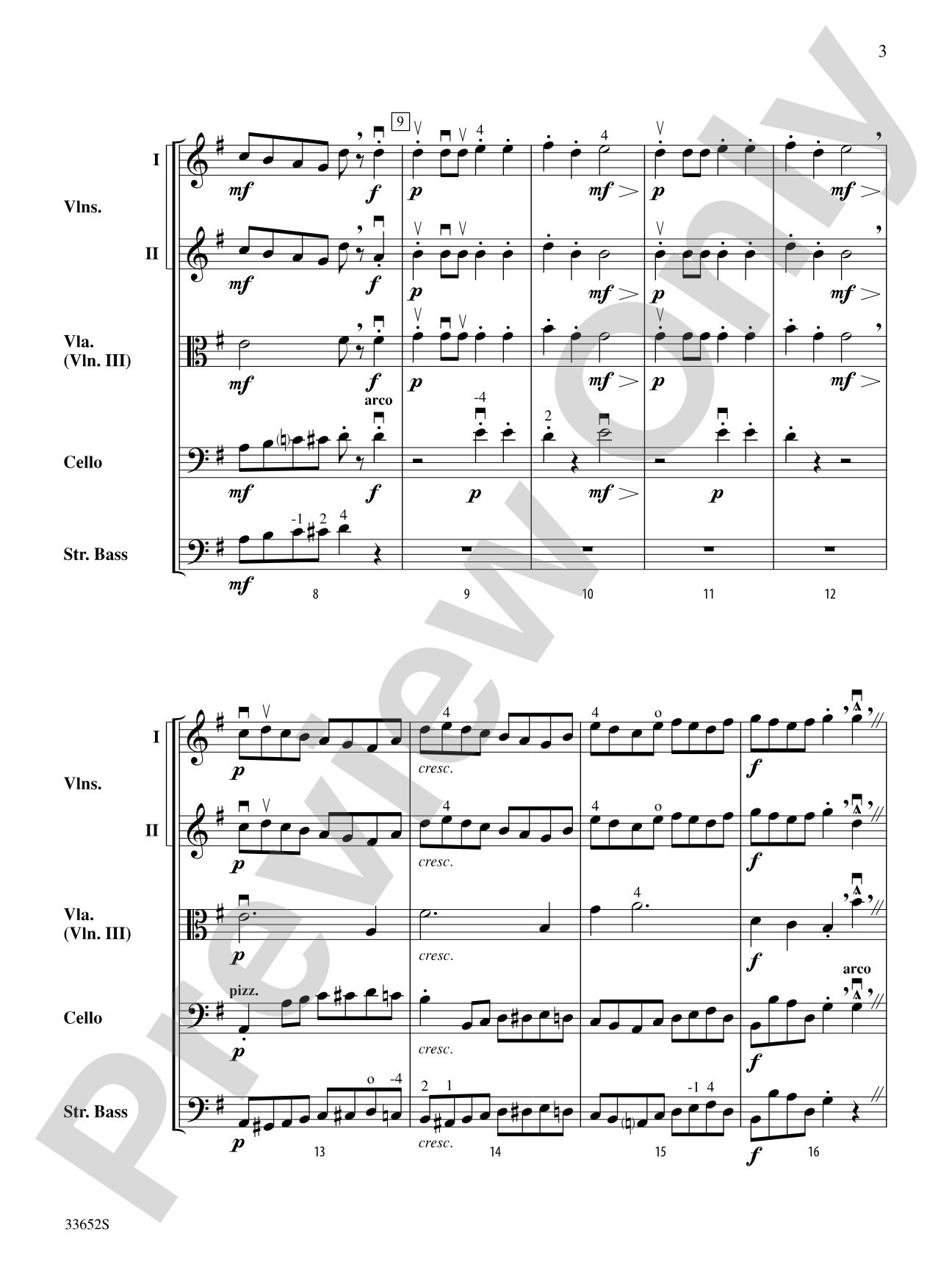
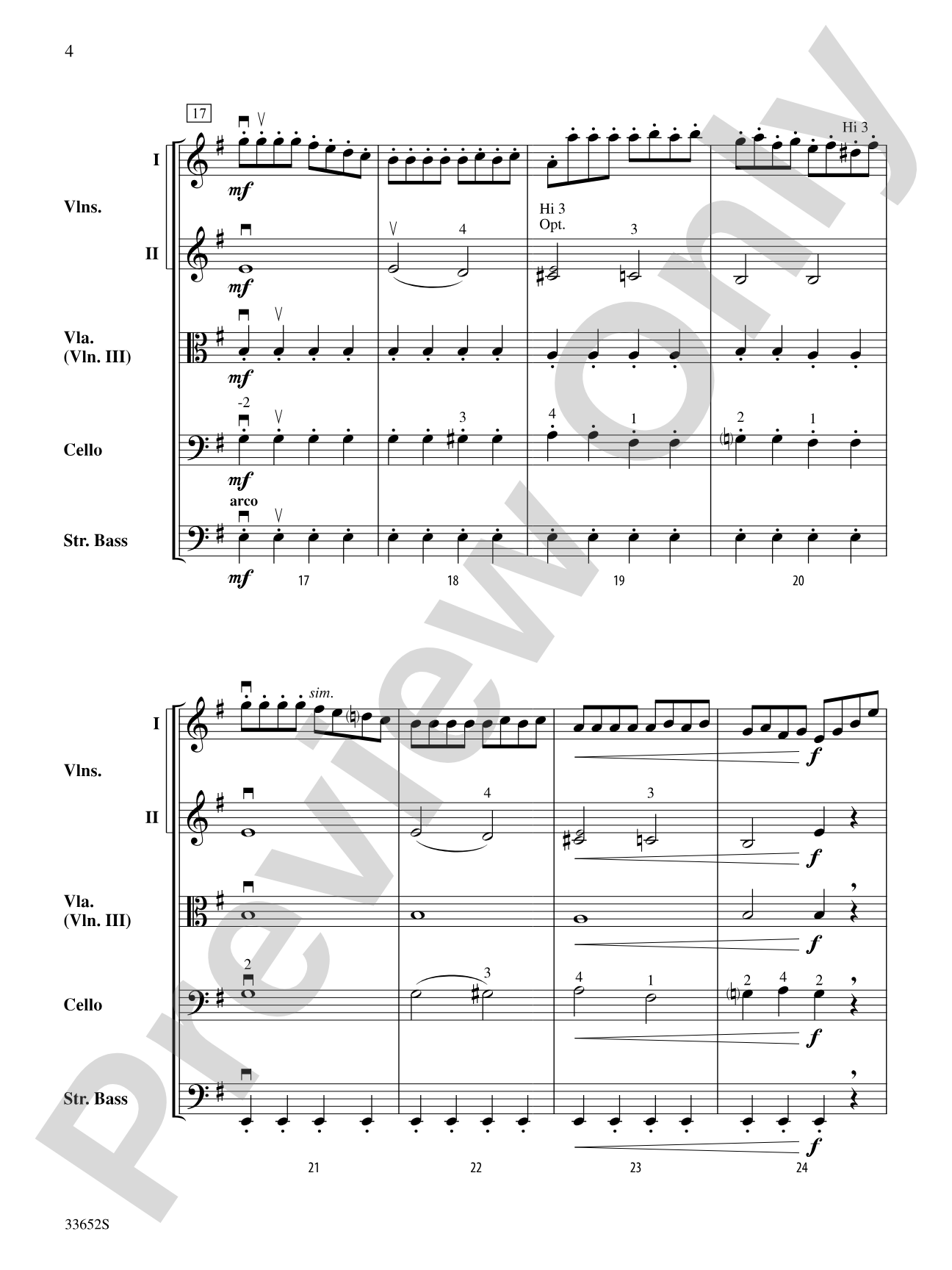
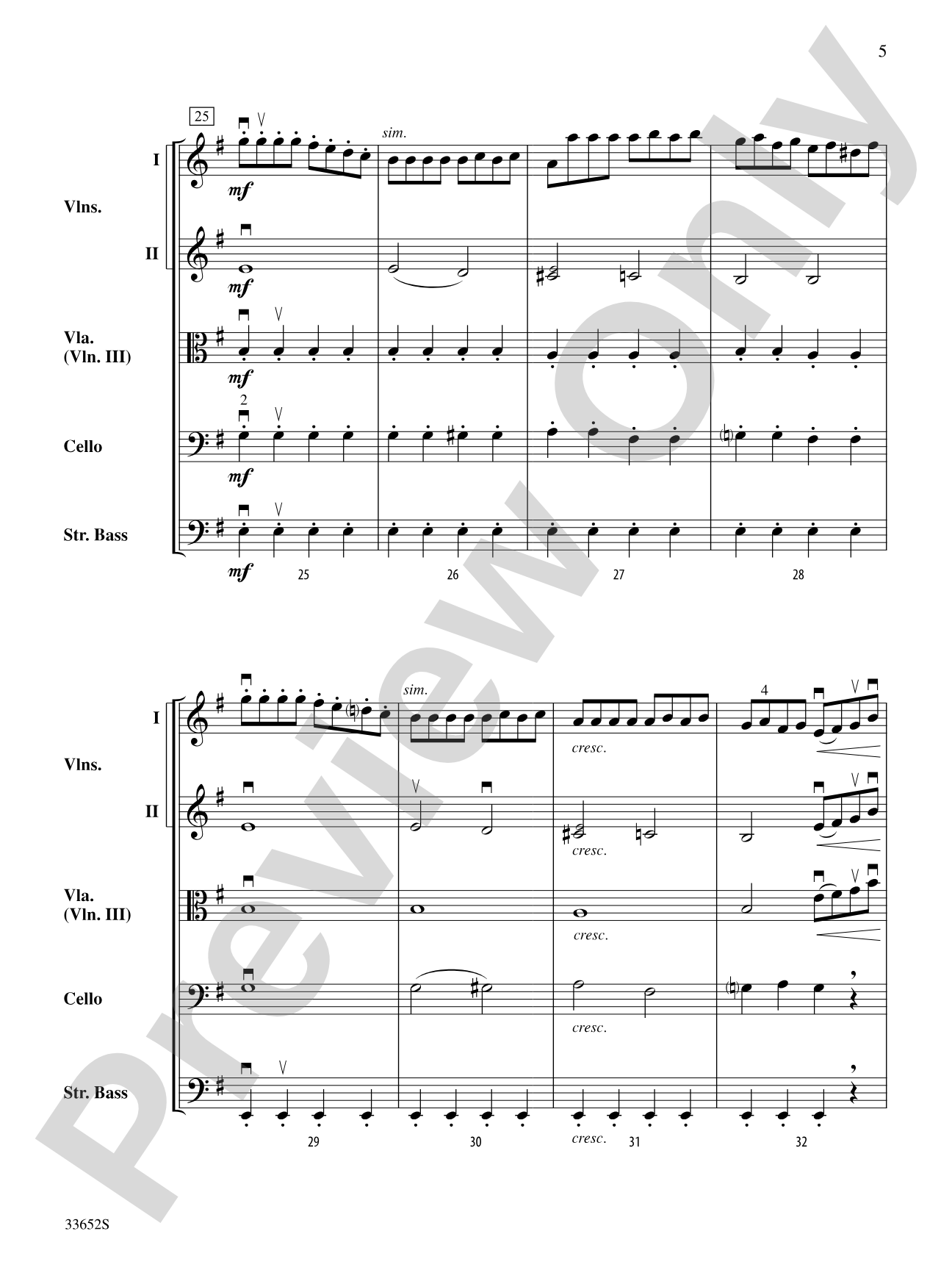
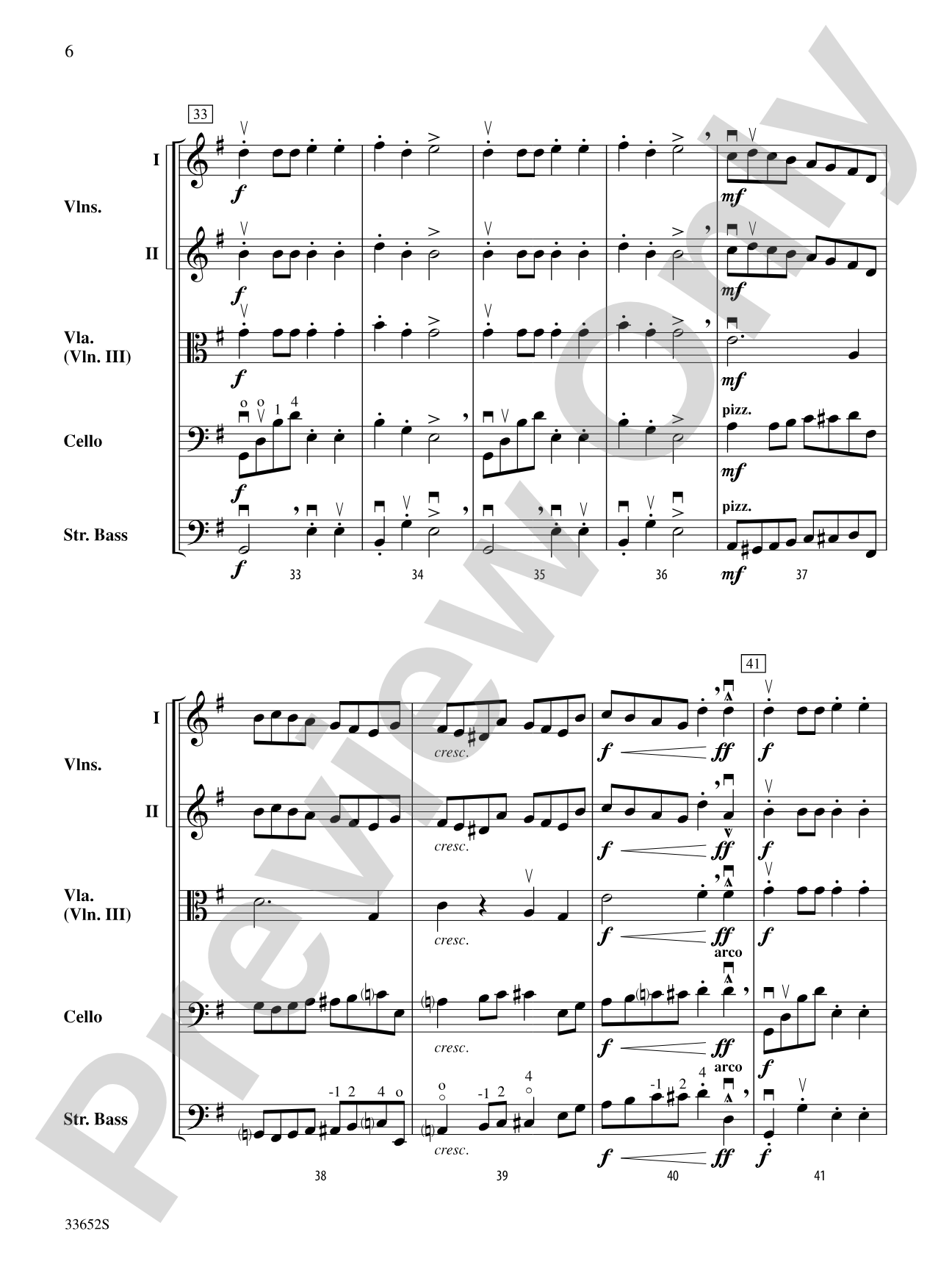
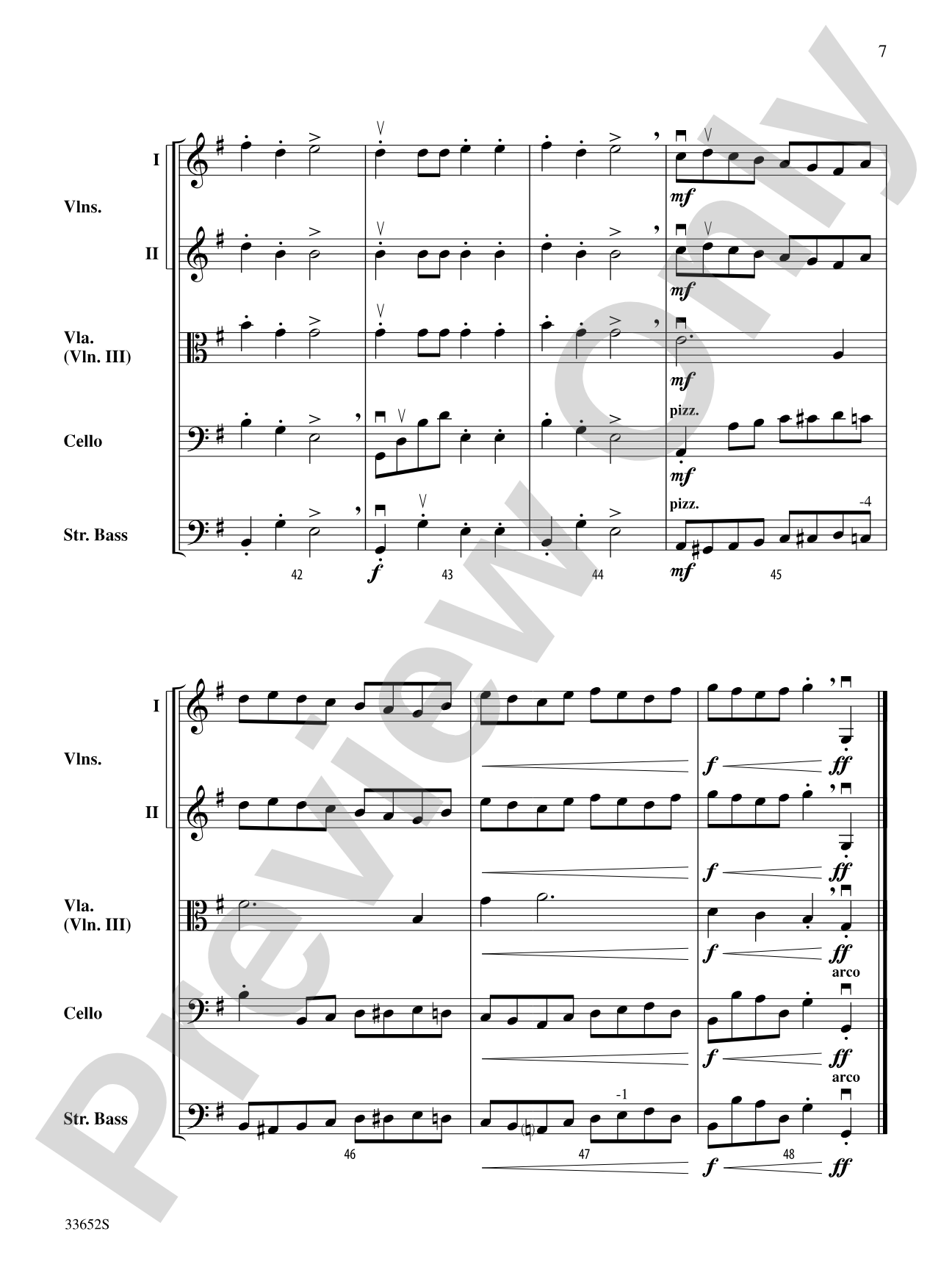


March from The Nutcracker: Score
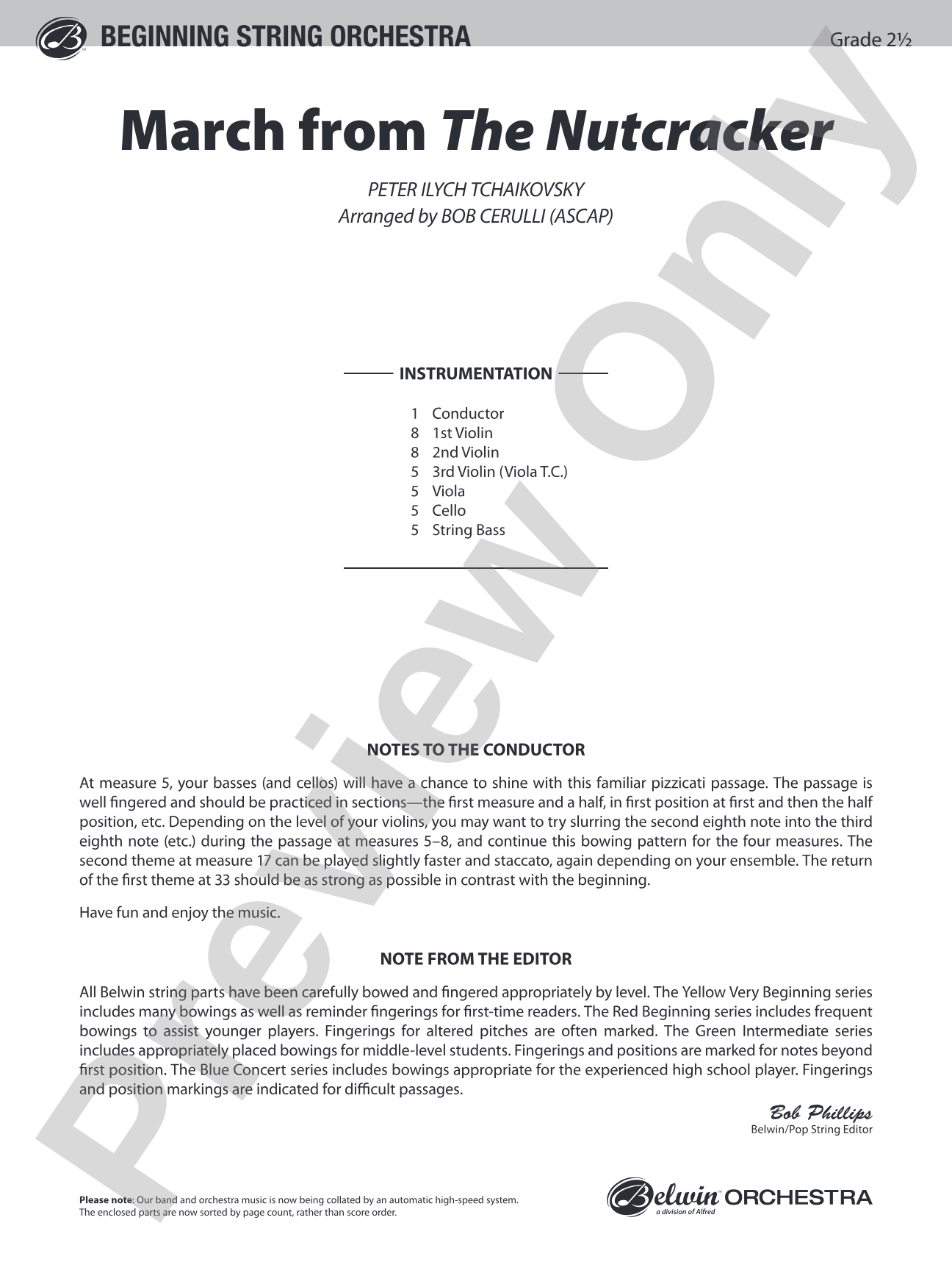
By Peter Ilyich Tchaikovsky / arr. Bob Cerulli
Grade: 2.5
Item: 00-PR-0002765
$6.00
Pickup currently not available
Description
Such a beloved tune! Perfect for a young ensemble providing fantastic technical practice in a setting that everyone enjoys.


Don't just read it, hear it, play along with it, and watch your students grow with it. In MakeMusic Cloud, March from The Nutcracker: Score comes alive with professional accompaniment, adjustable tempo, and built-in practice tools that turn solo practice into real progress.
Open in the Player
Jump straight in and assign it today.
Start Your Free Trial
Open this title and explore the full library in minutes.
Sample Audio
1
Audio File
--:--
0:00
0:00
Sample Video
No sample videos found.
Additional Details
Series:
Belwin Beginning String Orchestra
Publisher:
Alfred Music
Page Count:
72
SKU:
00-PR-0002765
More about this title
About the Composer: Peter Ilyich Tchaikovsky
Peter Ilyich Tchaikovsky (1840-1893) was a Russian Romantic composer whose gift for melody and orchestral color made him one of the most performed composers in concert halls worldwide. His ballets, symphonies, and concertos demonstrate a mastery of form paired with direct emotional expression, qualities that have secured his place in the standard repertoire across all levels of music education.
Tchaikovsky's music resonates with young musicians because it balances technical demands with immediate melodic gratification. Teachers at every level return to his works repeatedly; they reward careful practice and ensemble attention while offering the satisfaction of playing something unmistakably beautiful.
Why we love this
Bob Cerulli's arrangement captures the pristine elegance of Tchaikovsky's march without sacrificing the character that makes this tune instantly recognizable. At Grade 2.5, the writing sits comfortably in young orchestras' developing ranges while preserving the formal structure and harmonic clarity that made the original memorable. You'll find your ensemble naturally engaged; even less motivated players want to play something this well-known and satisfying.
What to expect
The march projects stately confidence and holiday brightness. Tchaikovsky's melodic gift shines through Cerulli's transparent scoring; listeners hear a piece of consequence while players experience the joy of executing something their friends and families actually know and love.
Who it's for
Young string orchestras in their second or third year of ensemble experience will find this at an ideal level. Directors building confidence in intermediate groups will appreciate that students encounter a work of genuine artistic substance without technical obstacles becoming the focus.
How to get the most out of it
- Establish a steady, confident tempo early in rehearsals. The march's strength depends on rhythmic precision, so lock the pulse before adding expressive details.
- Balance the melody across your first violin section rather than concentrating it in one stand. This spreads responsibility and fills the sound, especially important in younger orchestras where individual players may have inconsistent projection.
- Listen carefully for balance between upper and lower strings. Tchaikovsky's orchestration often relies on inner voices to support harmonic color; ask violas and cellos to shape their lines with intention.
- Mark clear articulation in your parts. Young players respond well to explicit guidance about where notes tongue together versus sustain, particularly in rhythmic figures that drive the march forward.
How to use it
This works naturally on winter or holiday concerts, but consider it equally for spring programming when you want to remind audiences of your orchestra's musicality. Pair it with contrasting repertoire; the march's formal clarity makes it an excellent anchor piece near the center of a program.
Skills your students will build
- Sustaining tone quality through longer phrases at moderate tempo
- Maintaining rhythmic precision in march-like figures with repeated note patterns
- Balancing melody and accompaniment within a four-part harmonic texture
- Responding to conductor cues for unified articulation and dynamic shaping
- Reading and executing dotted rhythms accurately in ensemble context