
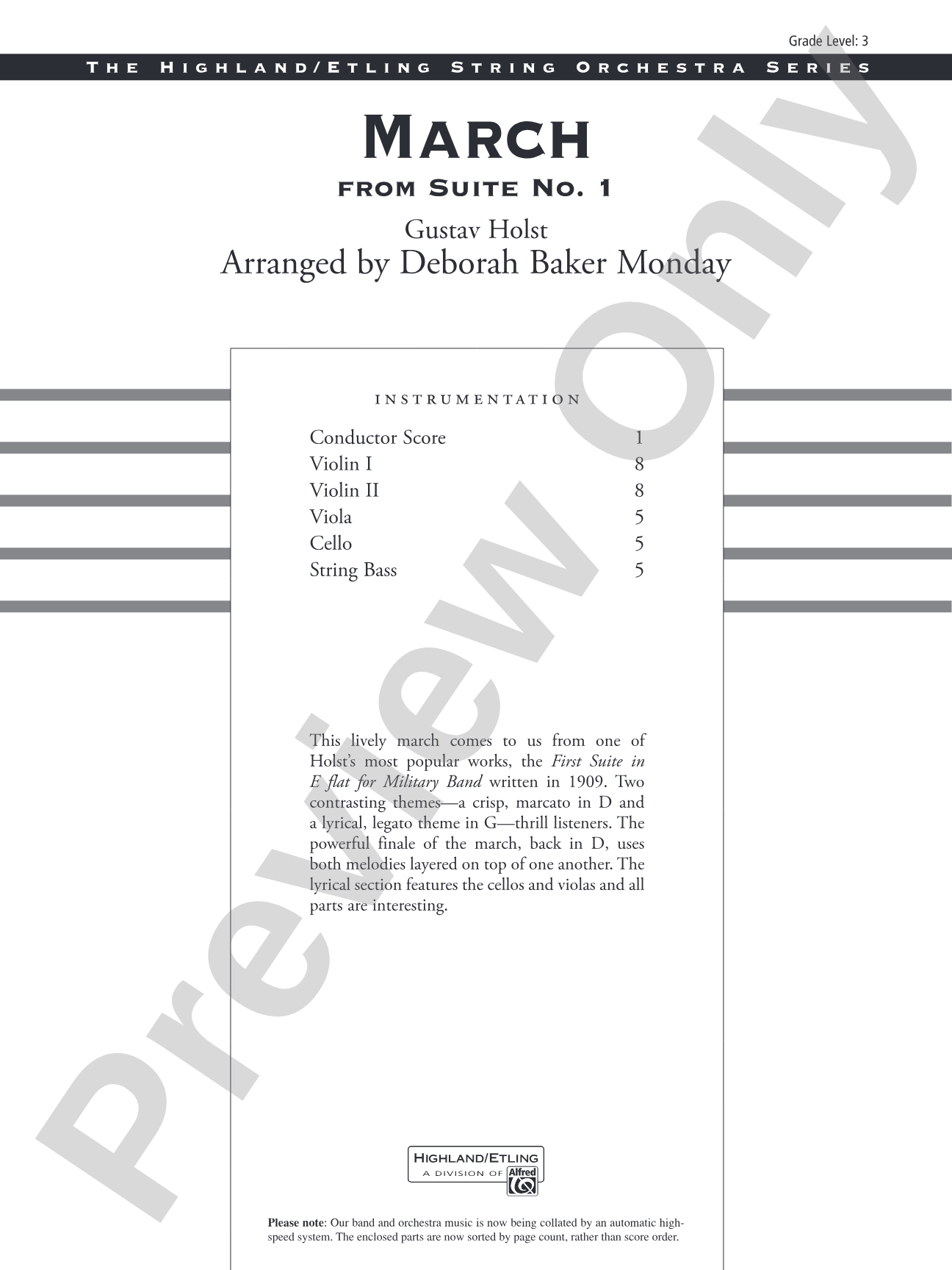
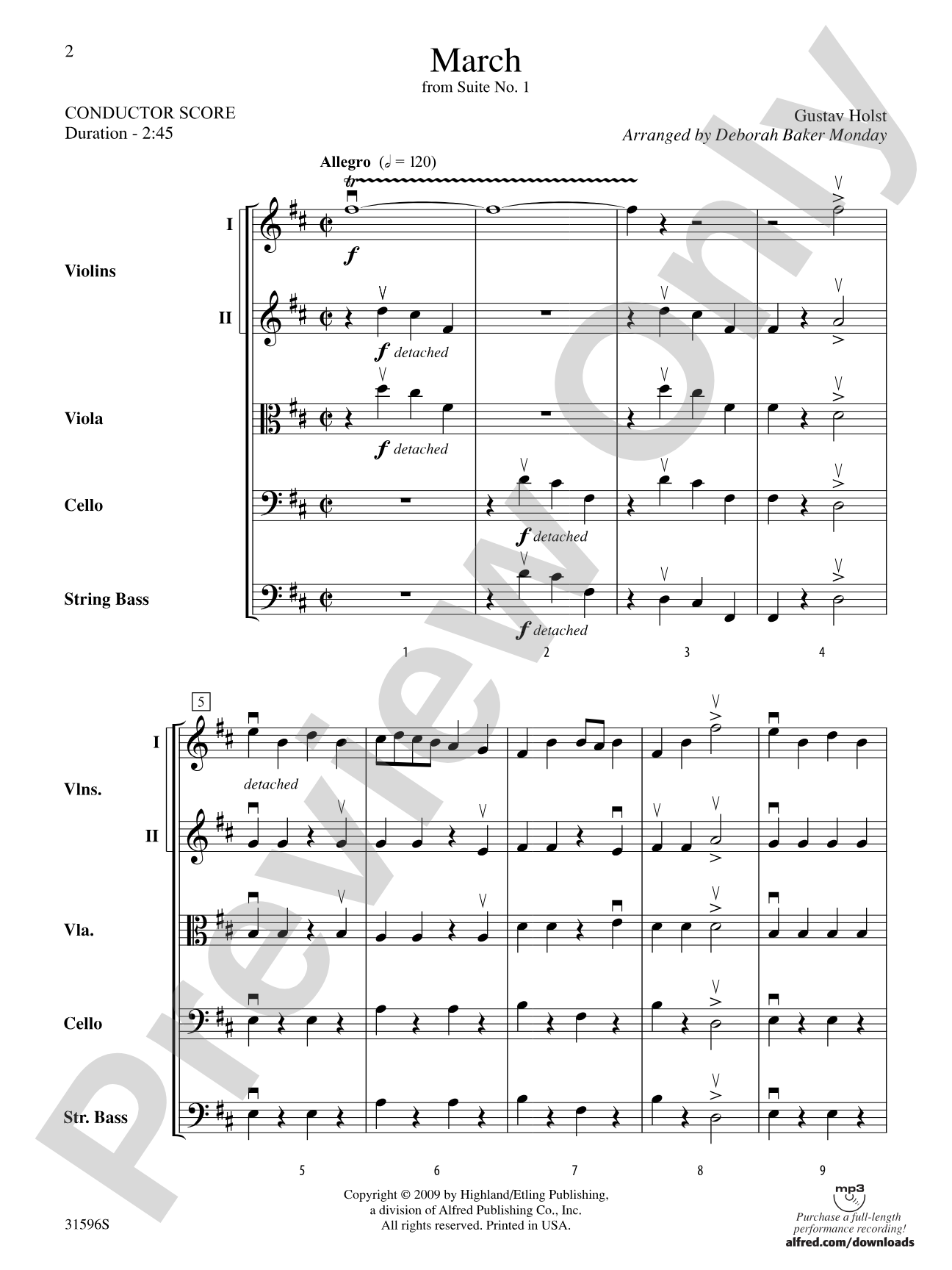
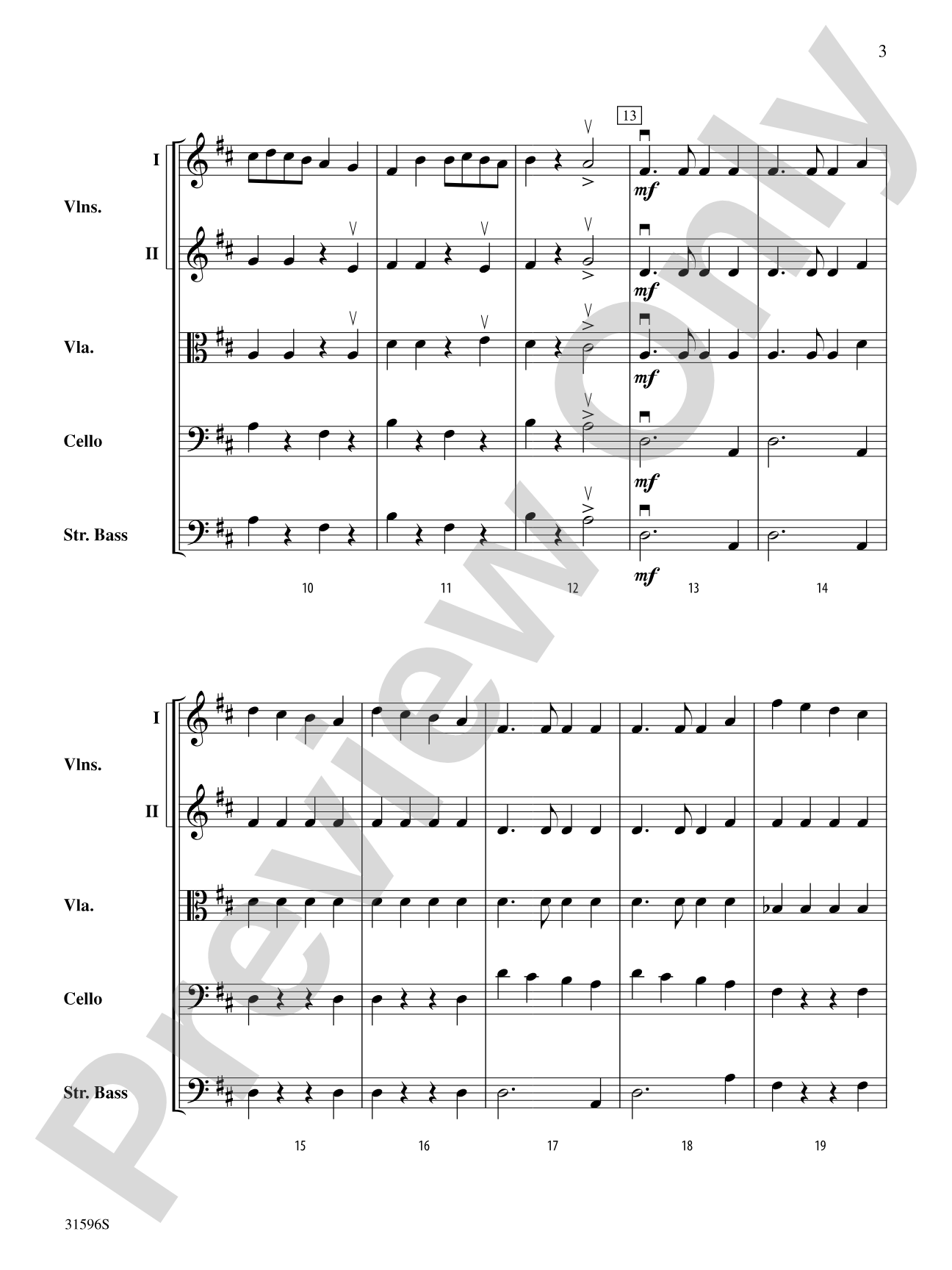
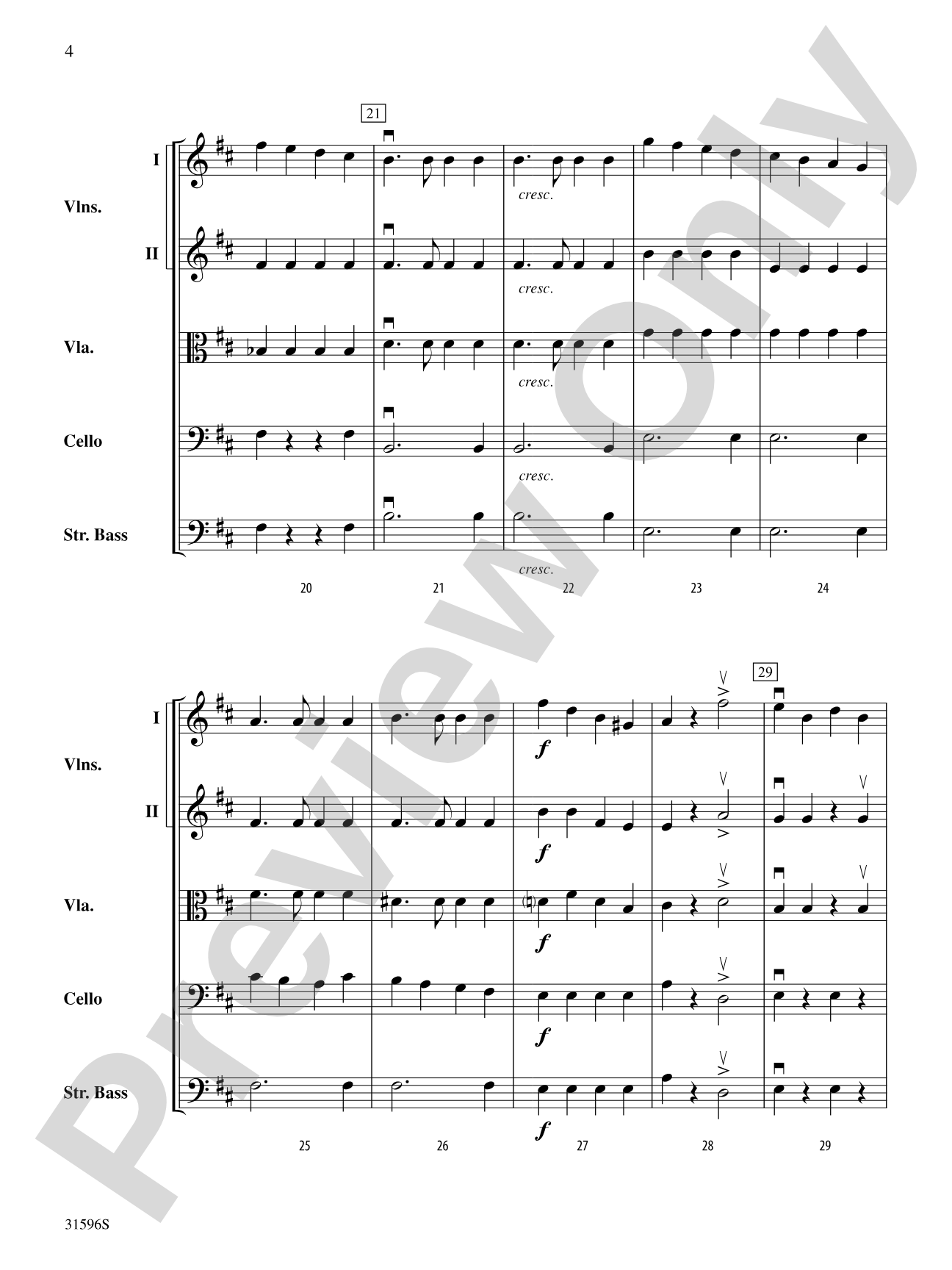
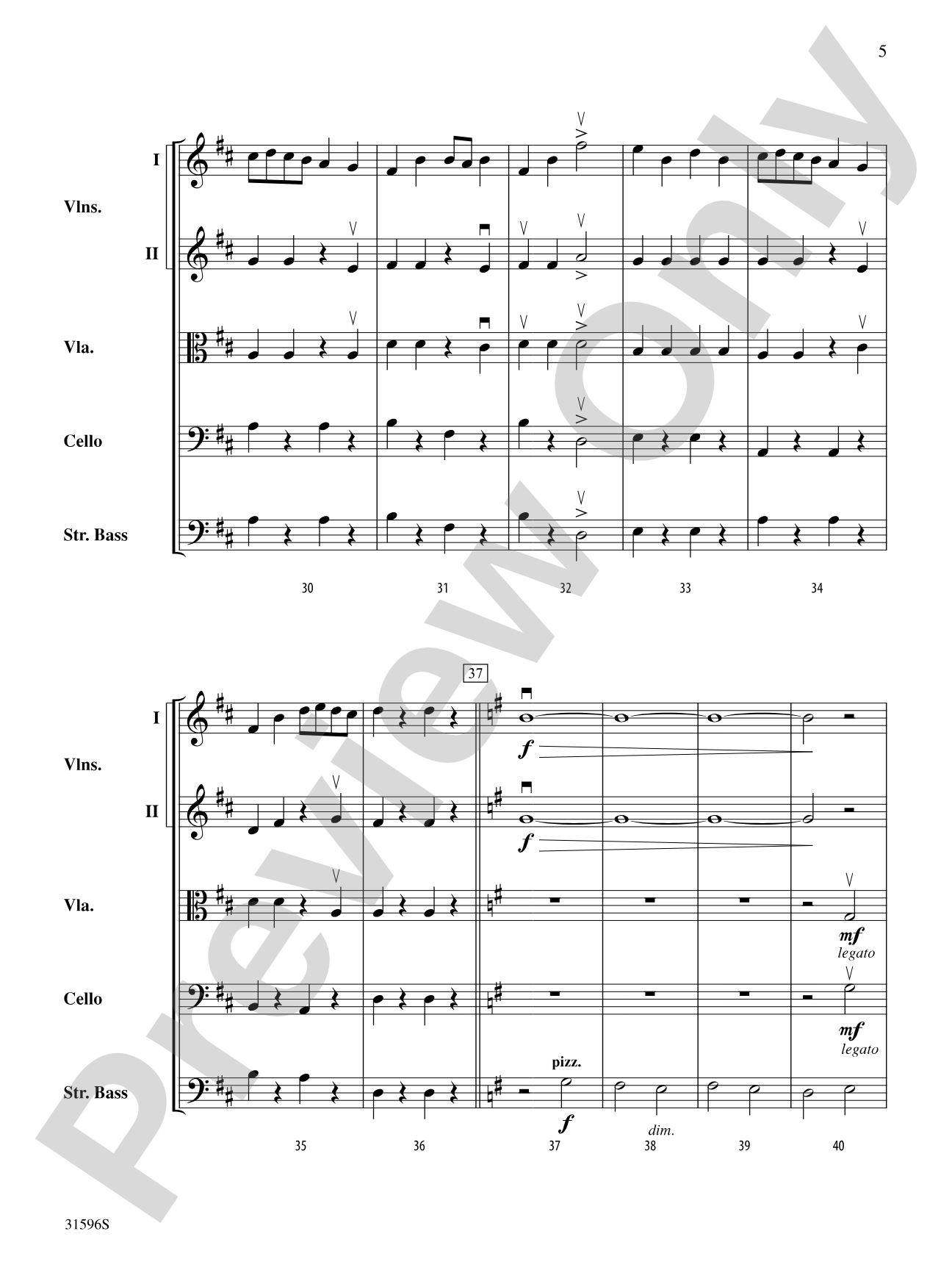
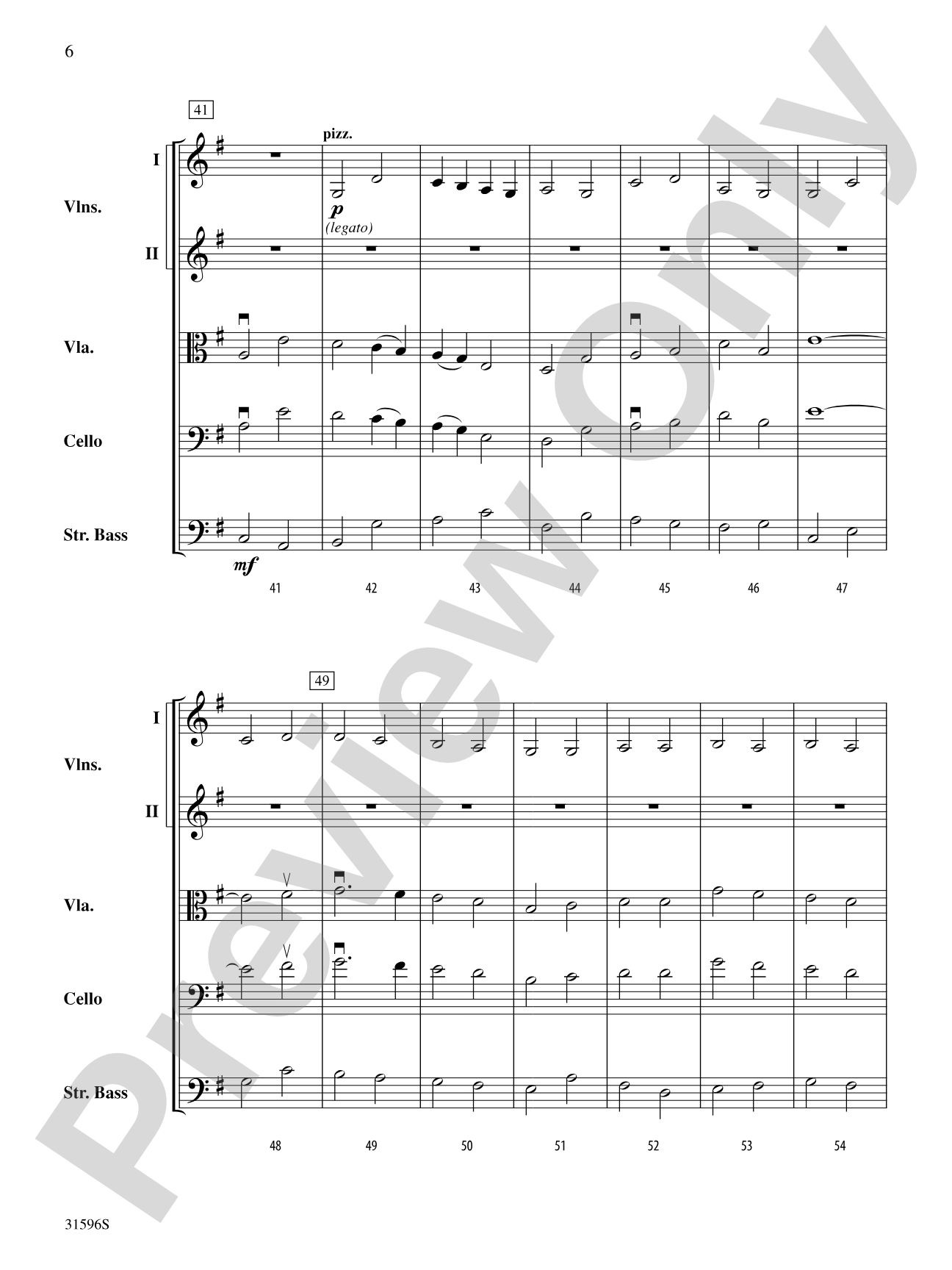
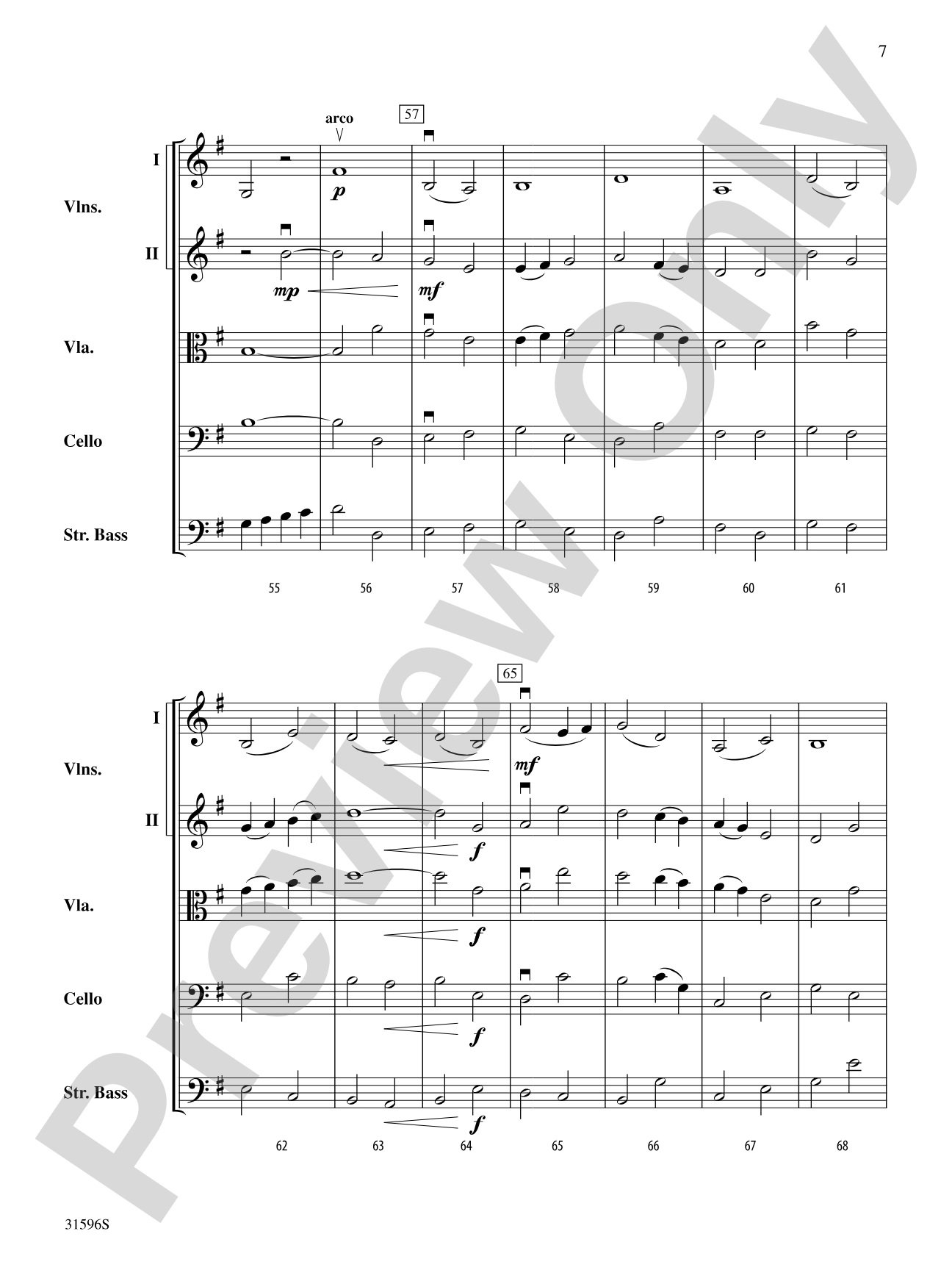
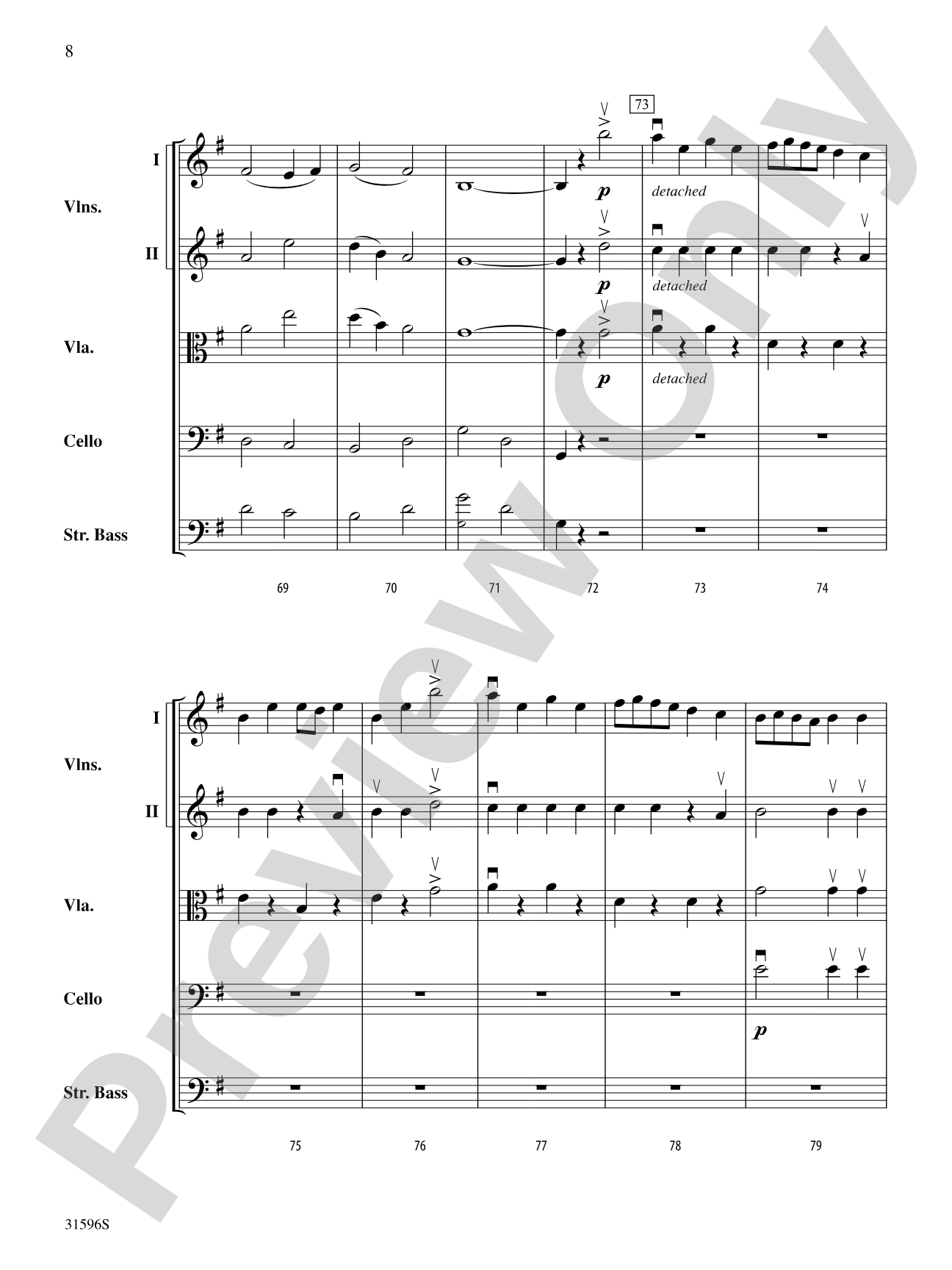
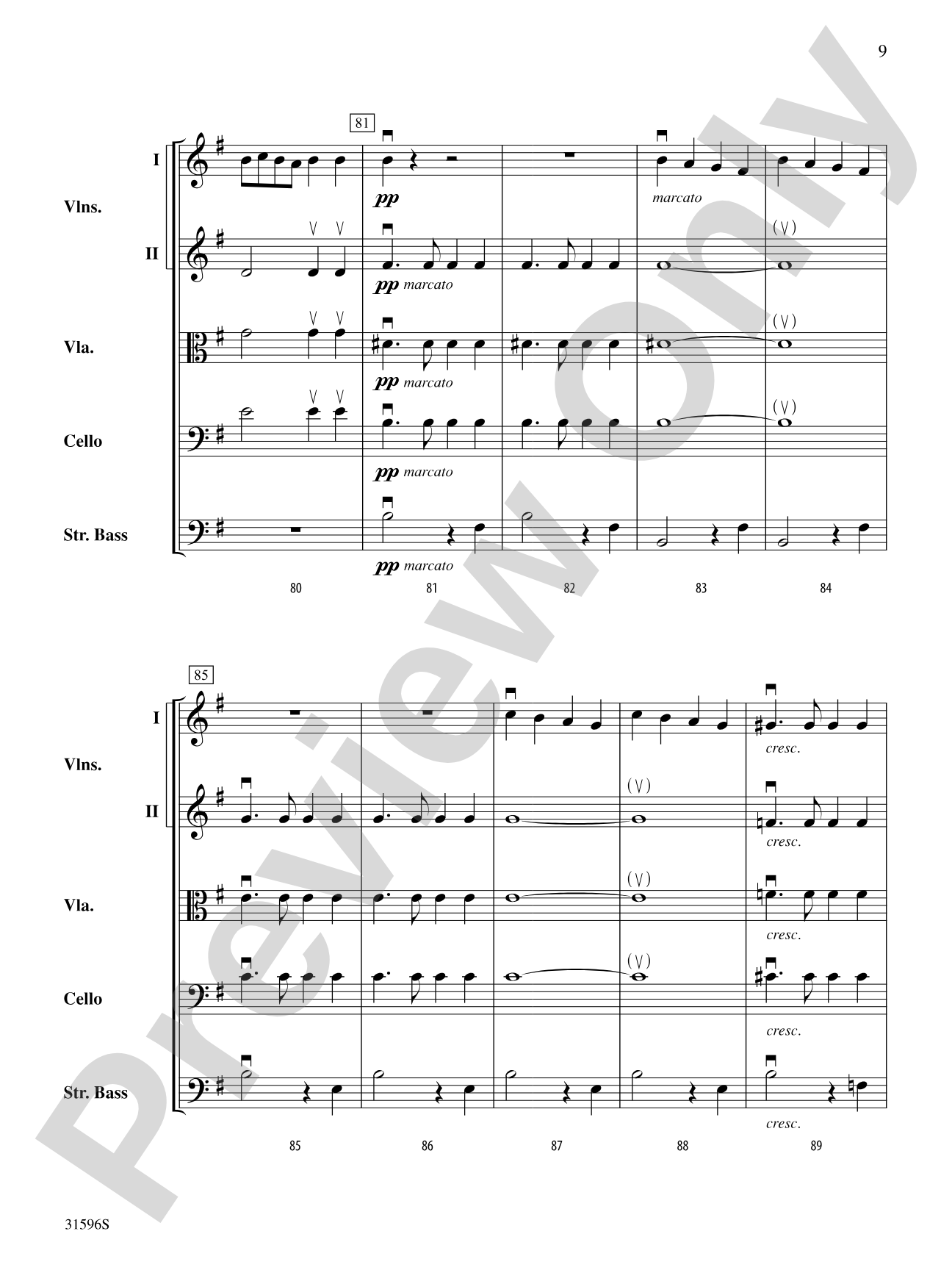
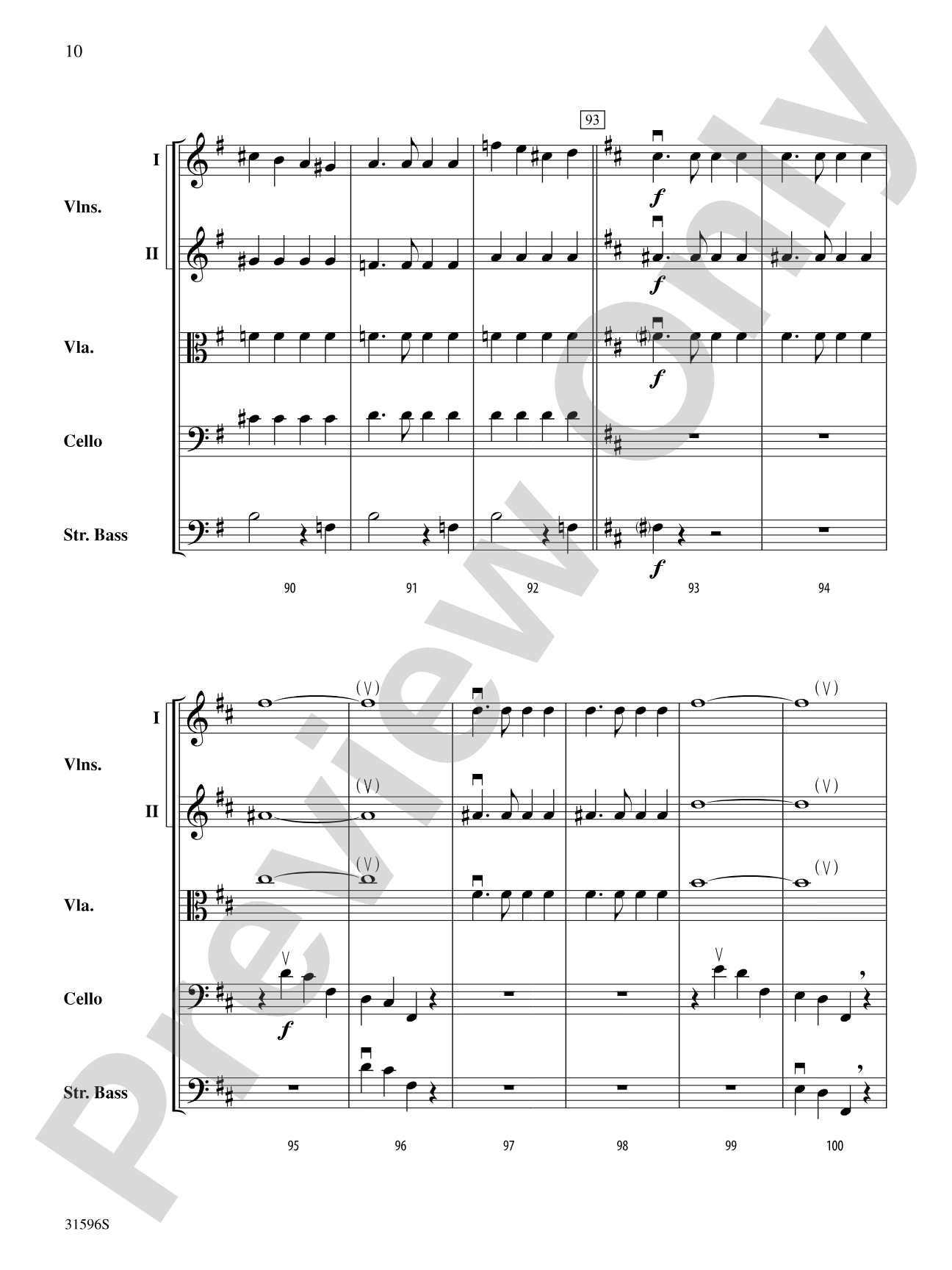
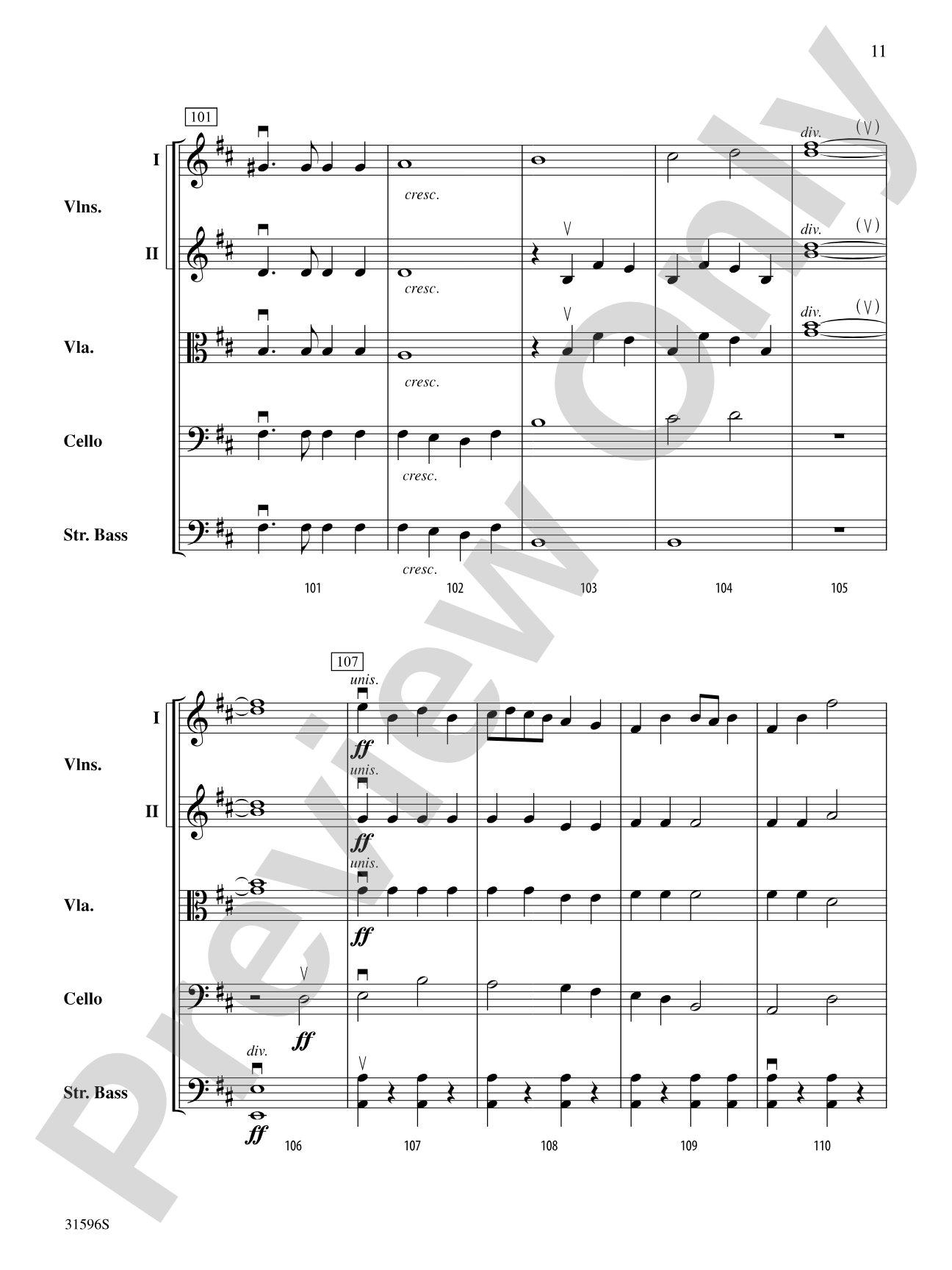
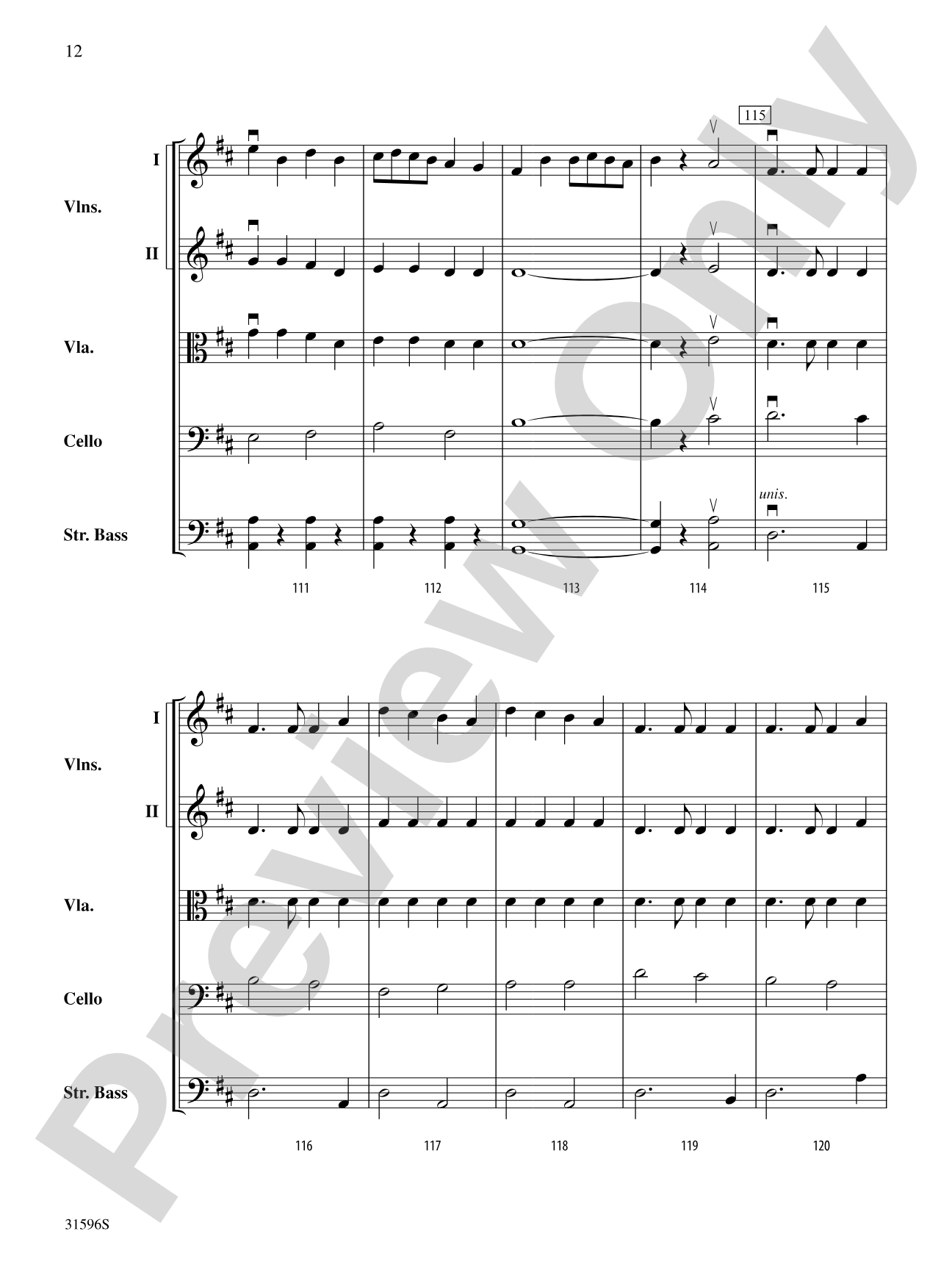
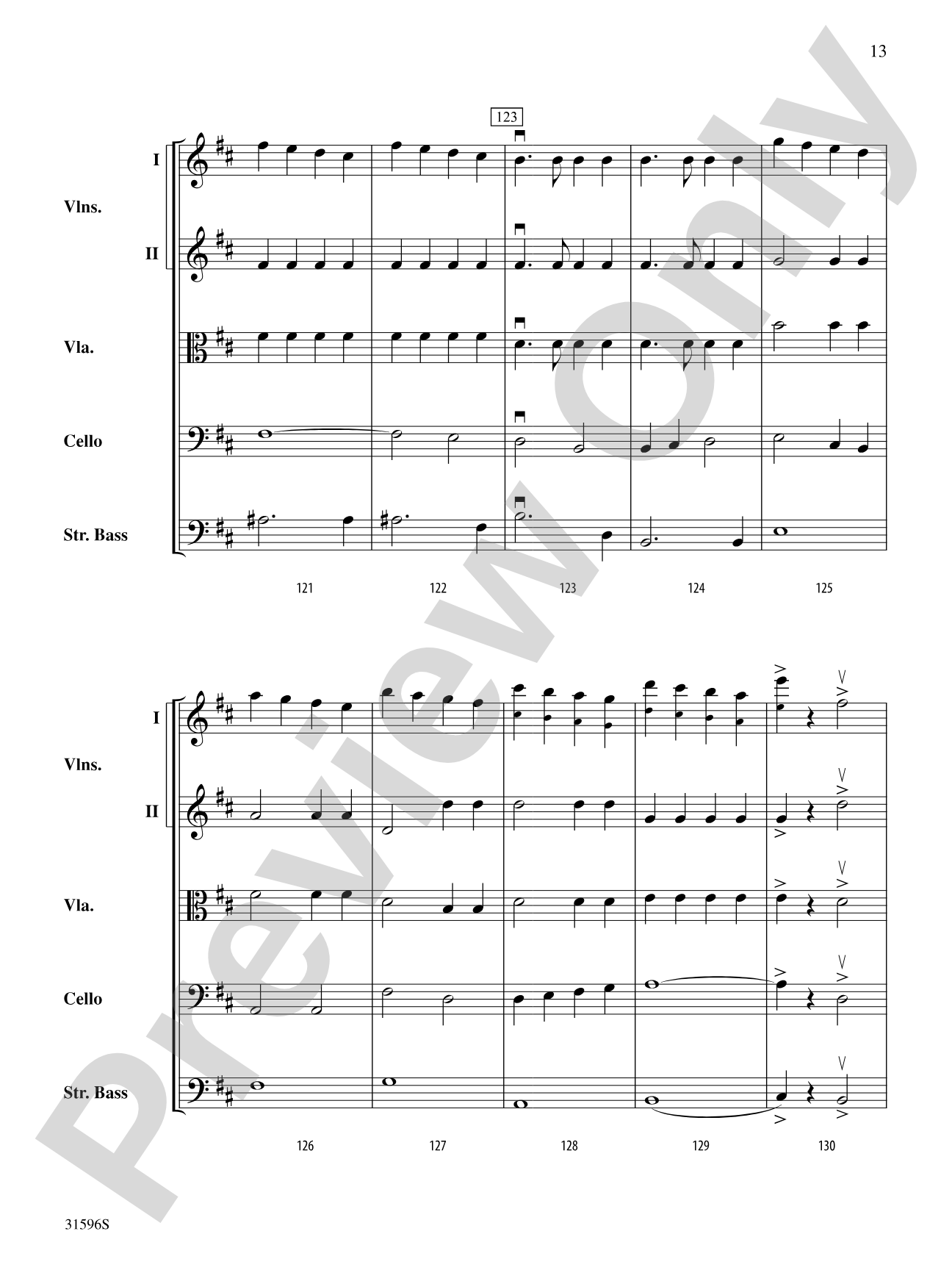
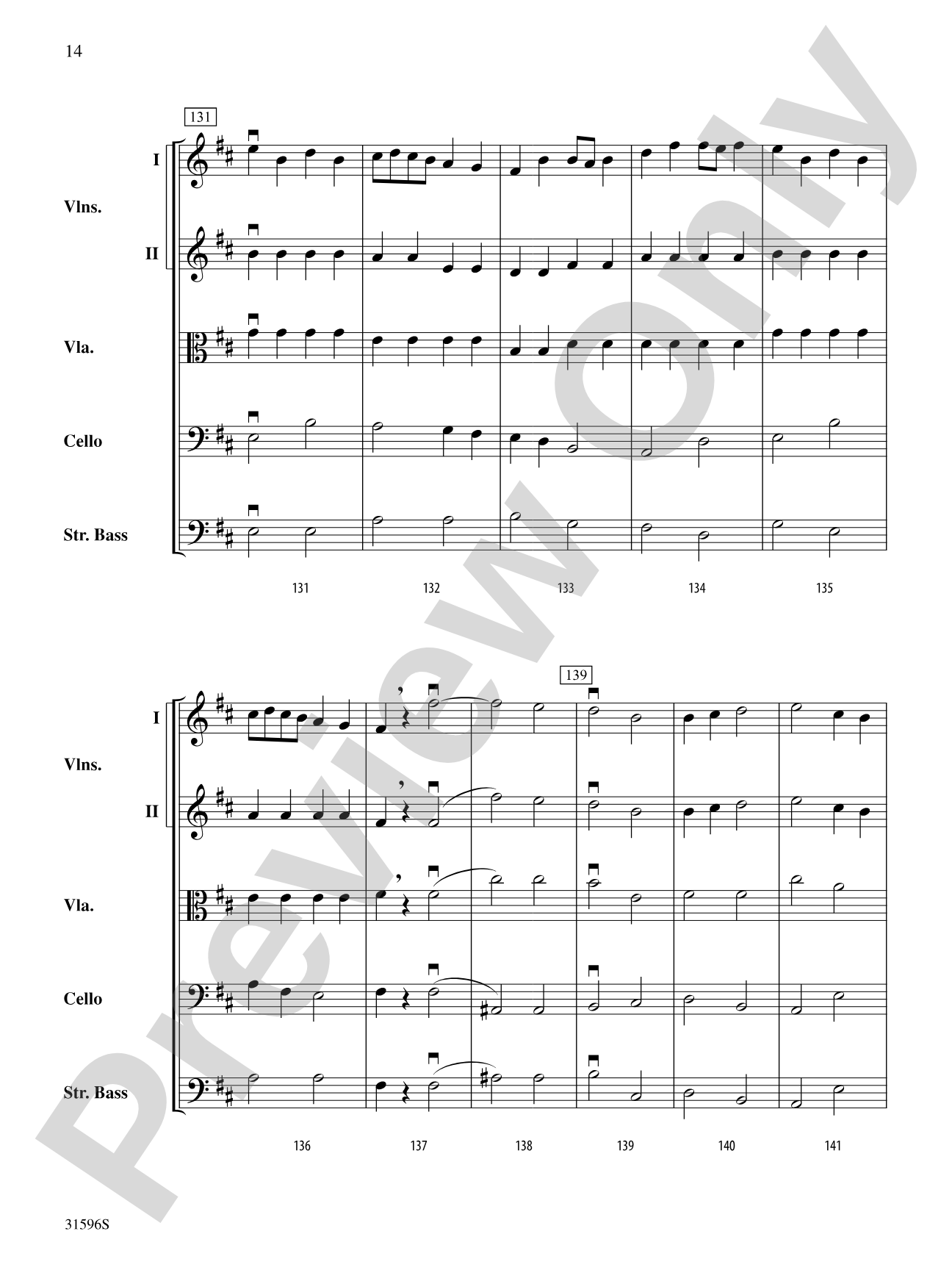
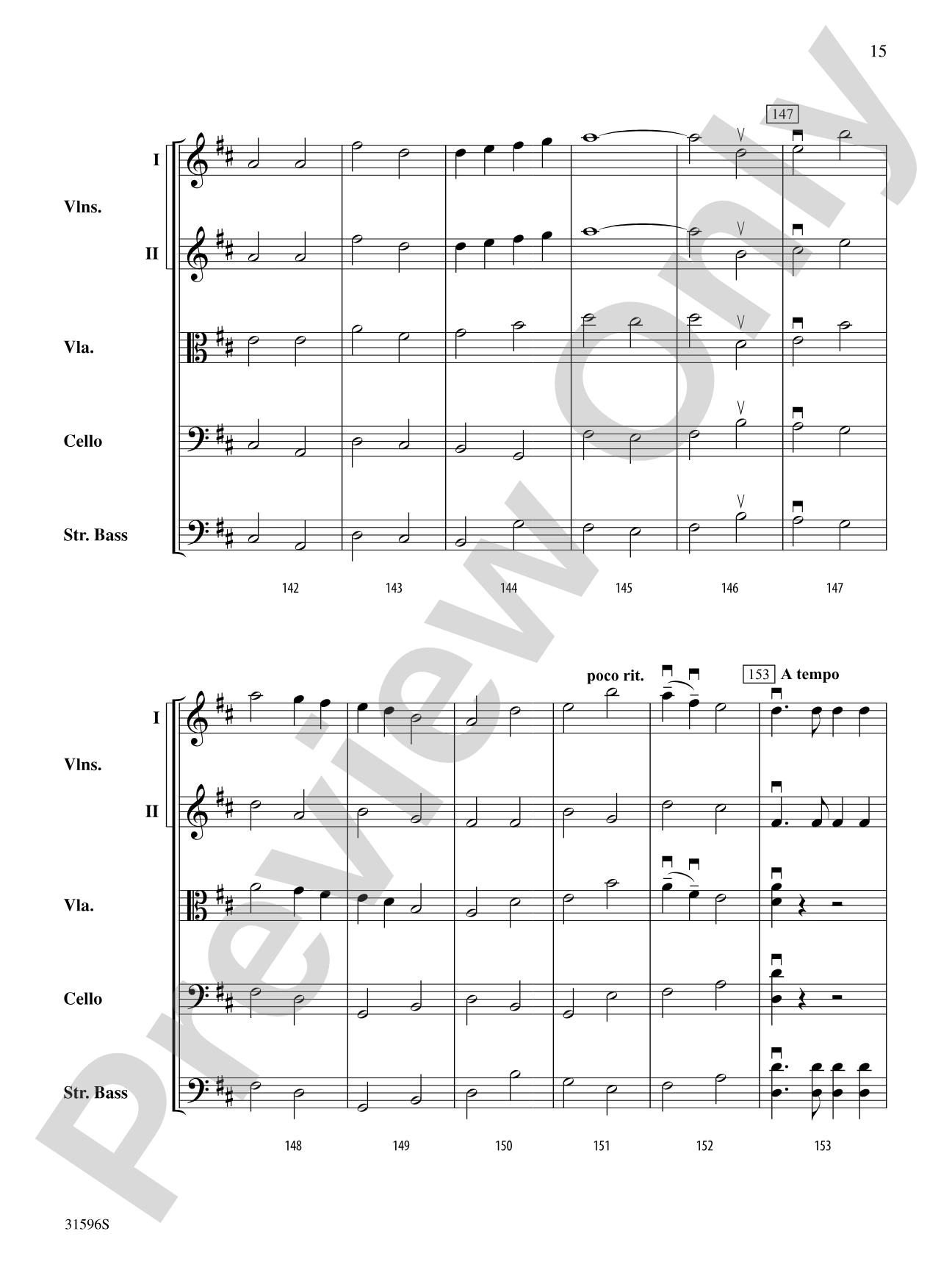
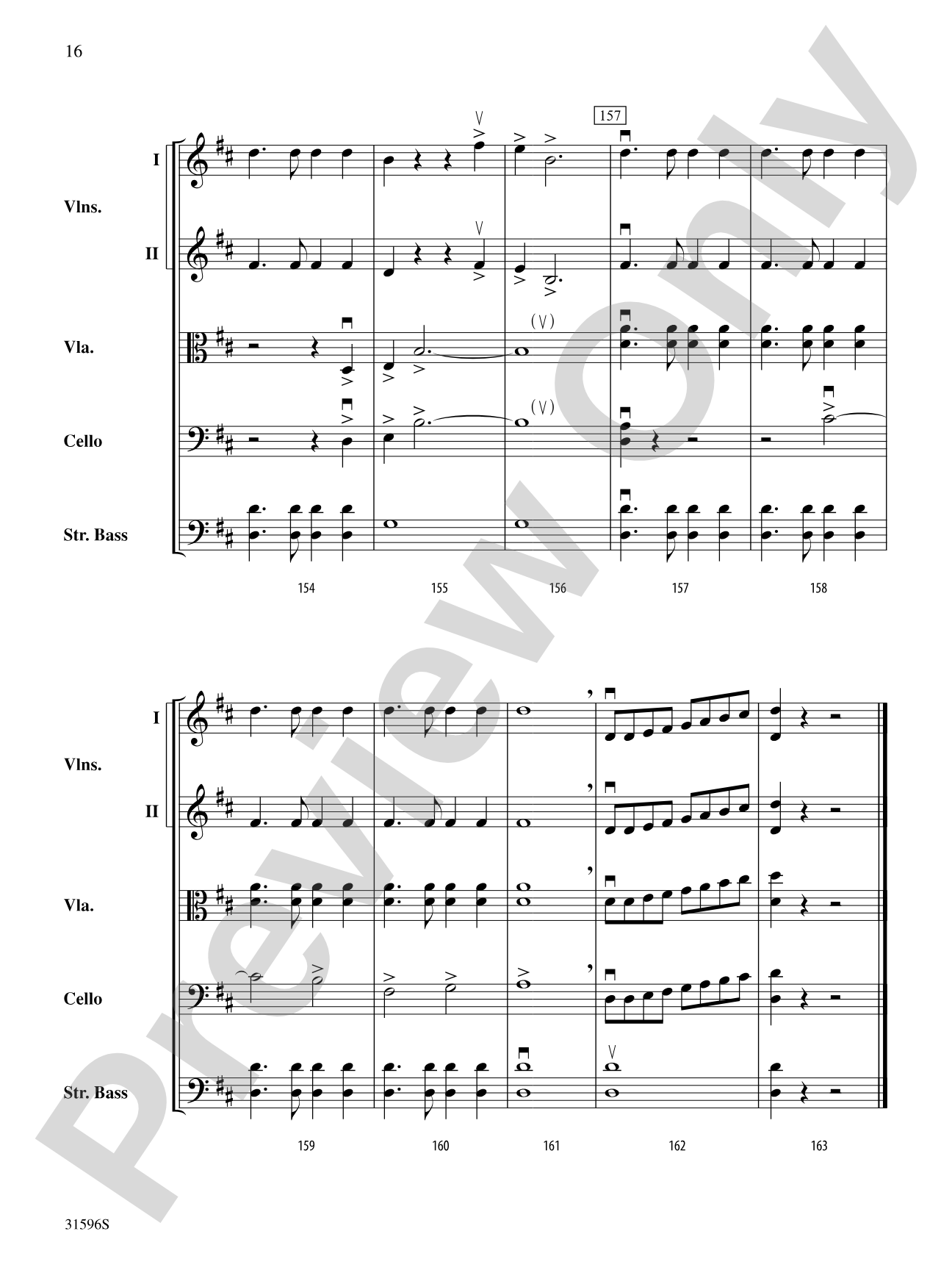

March from Suite No. 1: Score
By Gustav Holst / arr. Deborah Baker Monday
Grade: 3
Item: 00-PR-0001741
$9.00
Pickup currently not available
Description
This lively march comes to us from one of Holst's most popular works, the First Suite in E-flat for Military Band written in 1909. Two contrasting themes---a crisp, marcato in D and a lyrical, legato theme in G---thrill listeners. The powerful finale of the march, back in D, uses both melodies layered on top of one another. The lyrical section features the cellos and violas and all parts are interesting. This title is available in MakeMusic Cloud.


Don't just read it, hear it, play along with it, and watch your students grow with it. In MakeMusic Cloud, March from Suite No. 1: Score comes alive with professional accompaniment, adjustable tempo, and built-in practice tools that turn solo practice into real progress.
Open in the Player
Jump straight in and assign it today.
Start Your Free Trial
Open this title and explore the full library in minutes.
Sample Audio
1
Audio File
--:--
0:00
0:00
Sample Video
No sample videos found.
Additional Details
Series:
Highland/Etling String Orchestra
Publisher:
Alfred Music
Page Count:
124
SKU:
00-PR-0001741
More about this title
About the Composer: Gustav Holst
Gustav Holst (1874-1934) shaped British musical identity through works that blended folk traditions, modal harmony, and orchestral color. His compositional output spanned operas, ballets, and choral works, but his band and orchestral suites remain staples of education and concert life worldwide. Holst's gift for memorable melody and his ability to write idiomatically for every instrument made him beloved by student musicians and audiences alike.
Why we love this
Deborah Baker Monday's arrangement preserves everything that makes the original march irresistible while giving string players a work that sits squarely in their wheelhouse. The contrasting themes (crisp marcato against singing legato) provide genuine musical drama without requiring military band instrumentation, and the layering in the finale rewards careful ensemble balance. At Grade 3, this is repertoire with real substance that holds up on any concert program.
What to expect
A march that moves with purpose and joy, energized by crisp rhythms and clear harmonic motion. The contrast between the two themes gives the piece genuine emotional breadth; the lyrical G major section offers respite and warmth before the rousing finale brings both ideas together in triumphant counterpoint.
Who it's for
String orchestra programs at the intermediate level that want to program a recognized, high-quality work with immediate appeal. This arrangement works for directors who teach students accustomed to band repertoire and want to build string-specific technique and ensemble awareness without sacrificing musical integrity.
How to get the most out of it
- Separate the marcato and legato themes clearly through articulation and tone color; the D major marcato section should feel snappy and athletic, while the G major legato invites a warm, sustained approach from the cellos and violas.
- In the finale, resist the temptation to rush as both themes combine. Lock the rhythmic foundation in the lower strings first, then layer the upper voices with clarity so listeners can track both melodies.
- Shape the phrases within each theme rather than playing it straight through. The marcato theme gains energy from subtle dynamic shaping; the legato section benefits from gentle crescendos and releases that highlight its songfulness.
- Balance the violas and cellos in their featured moments (the lyrical G major section). These inner voices often get buried; bring them forward so the arrangement's fullness comes through.
How to use it
Open a concert with this march to establish ensemble confidence and audience engagement right away. Its Grade 3 accessibility and concert-tested appeal make it a natural fit alongside other Holst works or as an anchor piece in a program mixing classics with contemporary repertoire.
Skills your students will build
- Articulation control (marcato versus legato in contrasting sections)
- Balance and blend in four-part string writing with active inner voices
- Reading layered thematic material (both themes present simultaneously in the finale)
- Tempo and rhythm control in a march context
- Dynamic shaping within sustained lines