
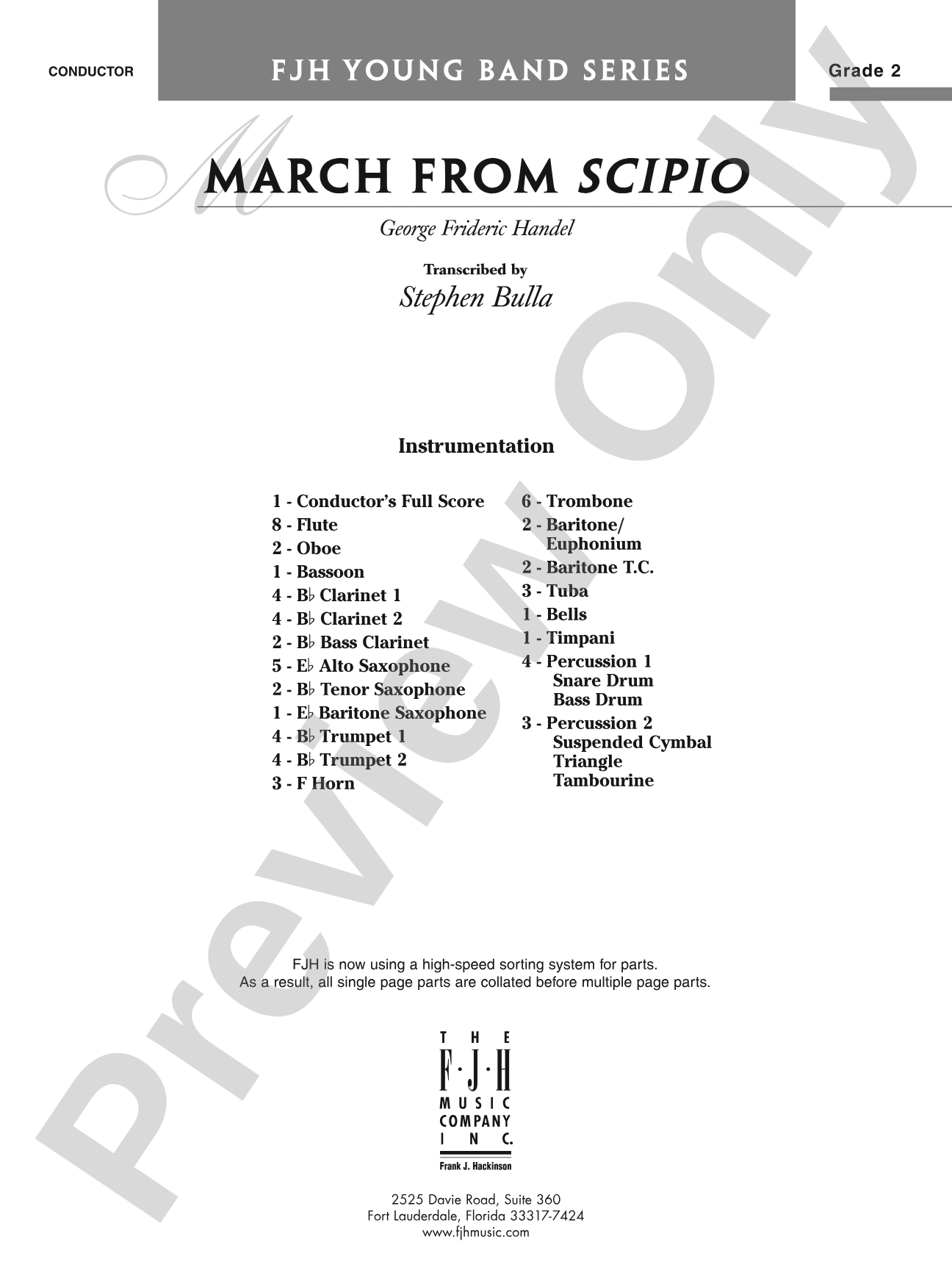
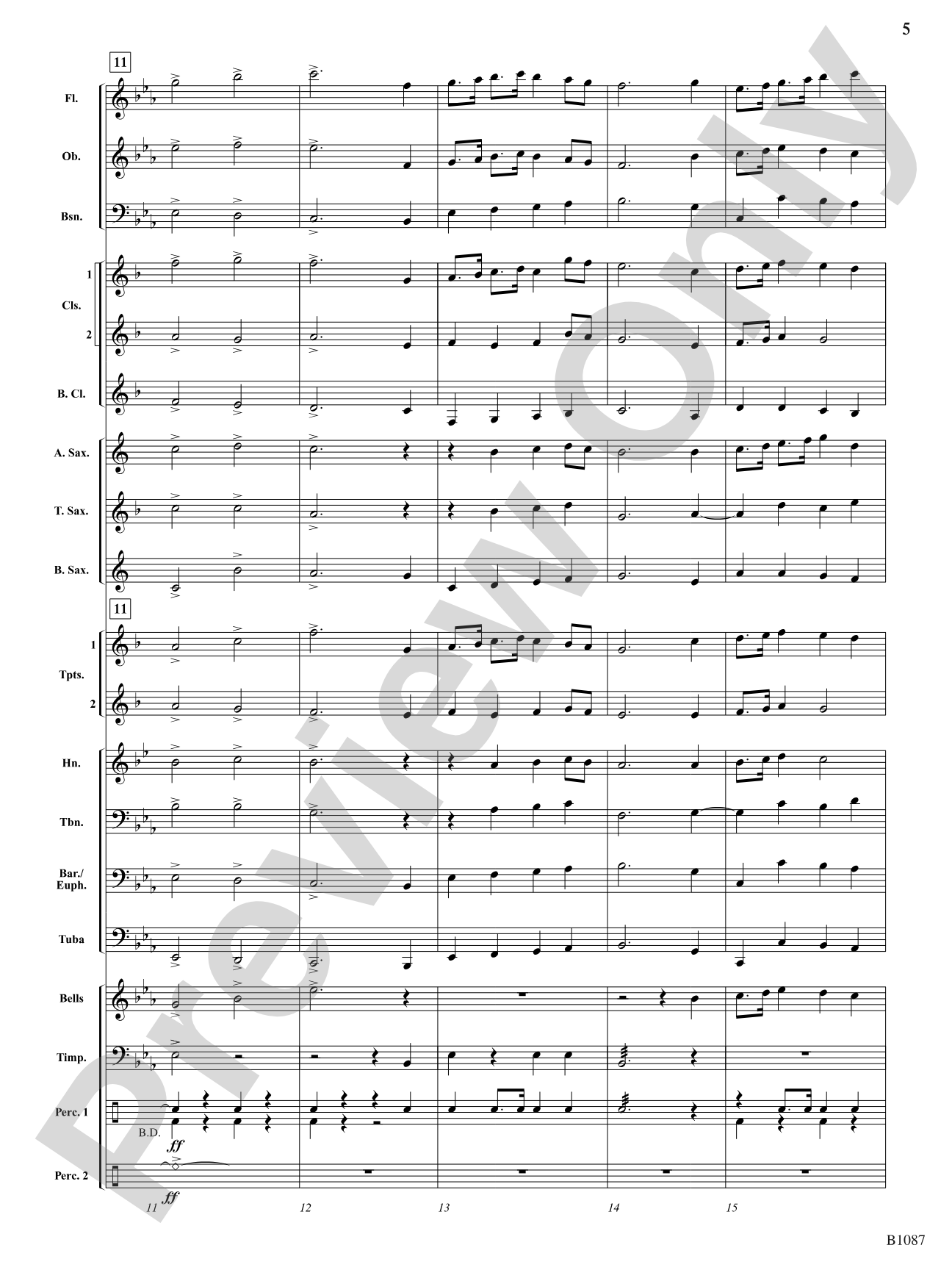
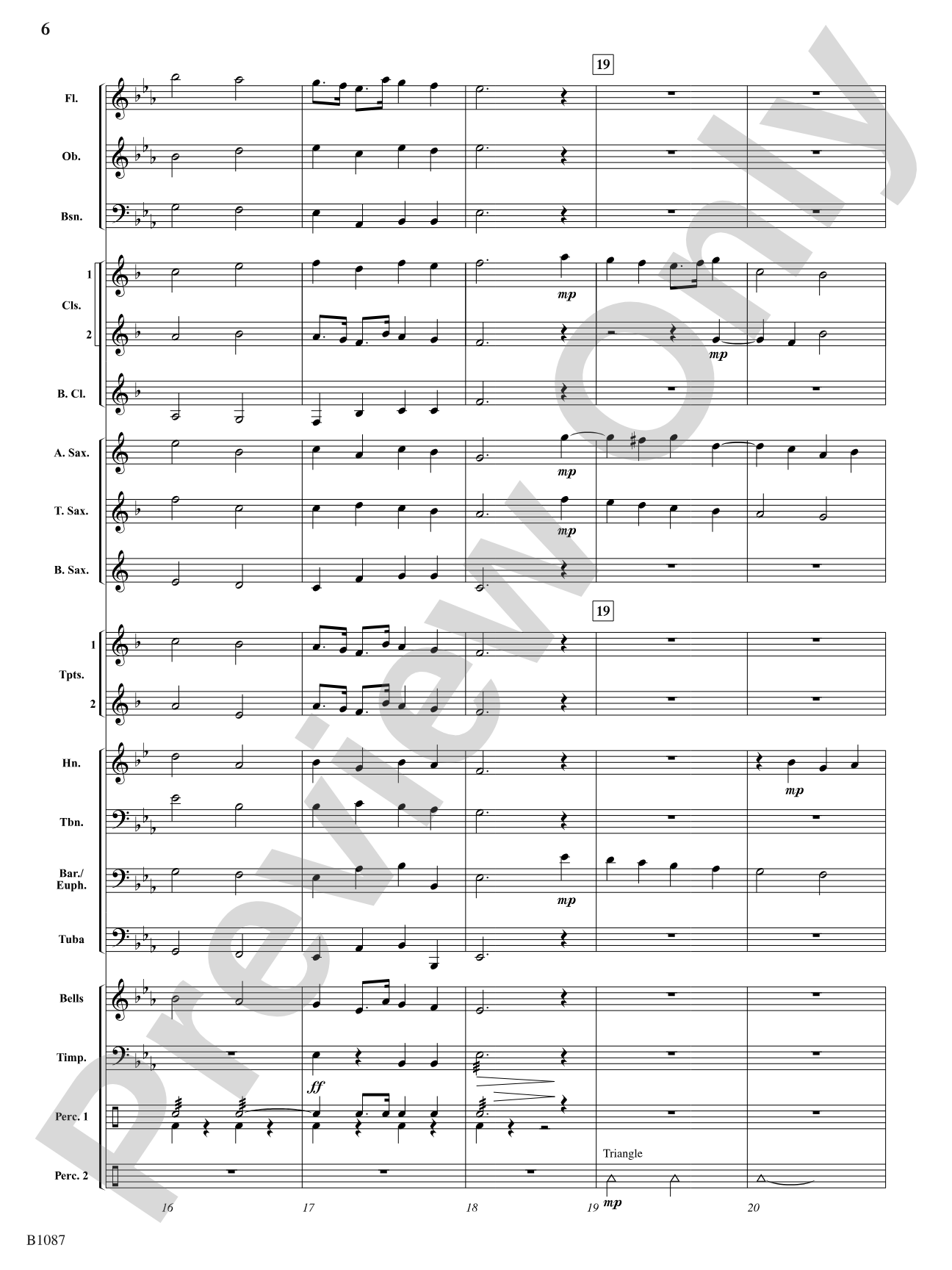
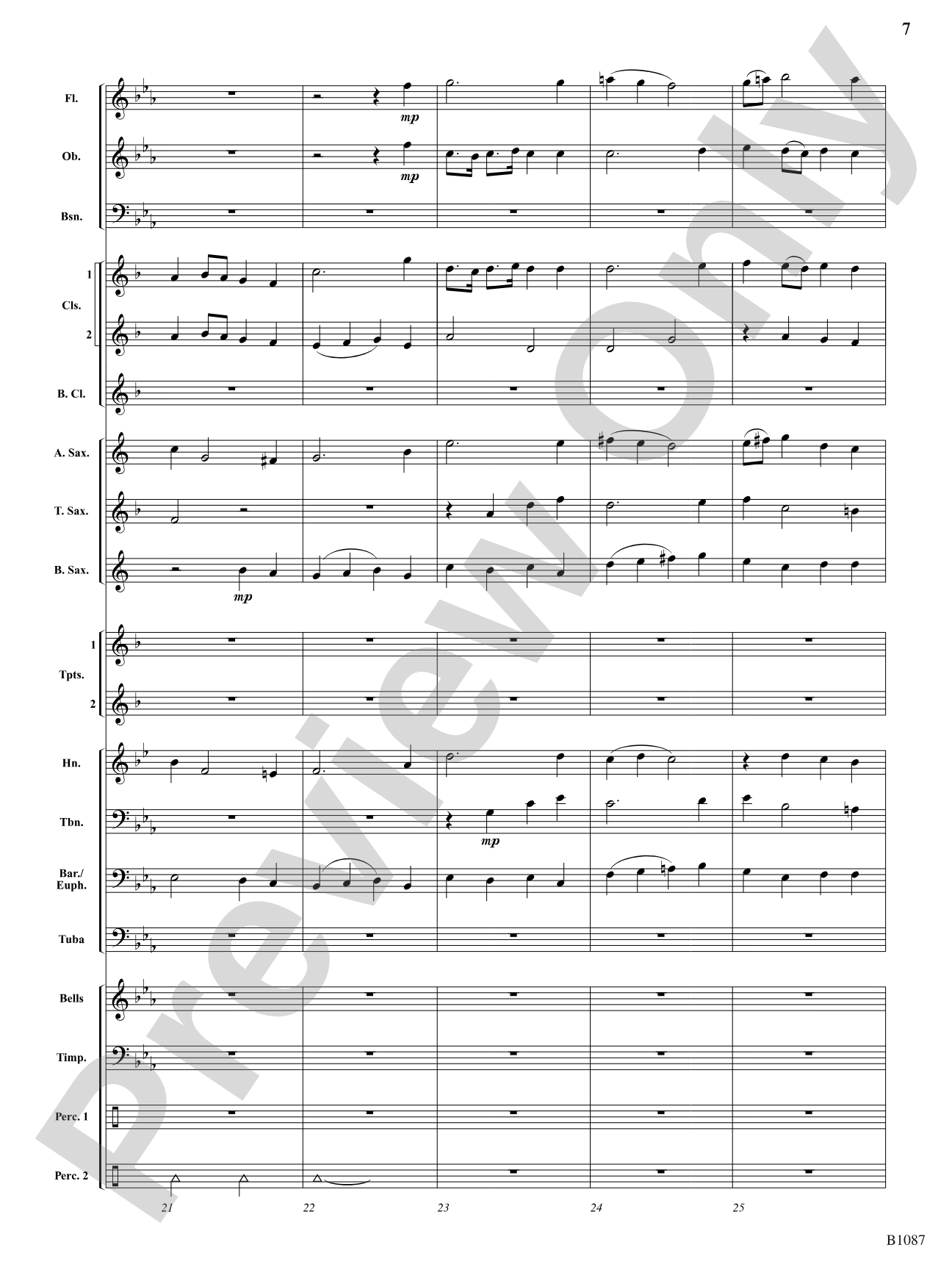
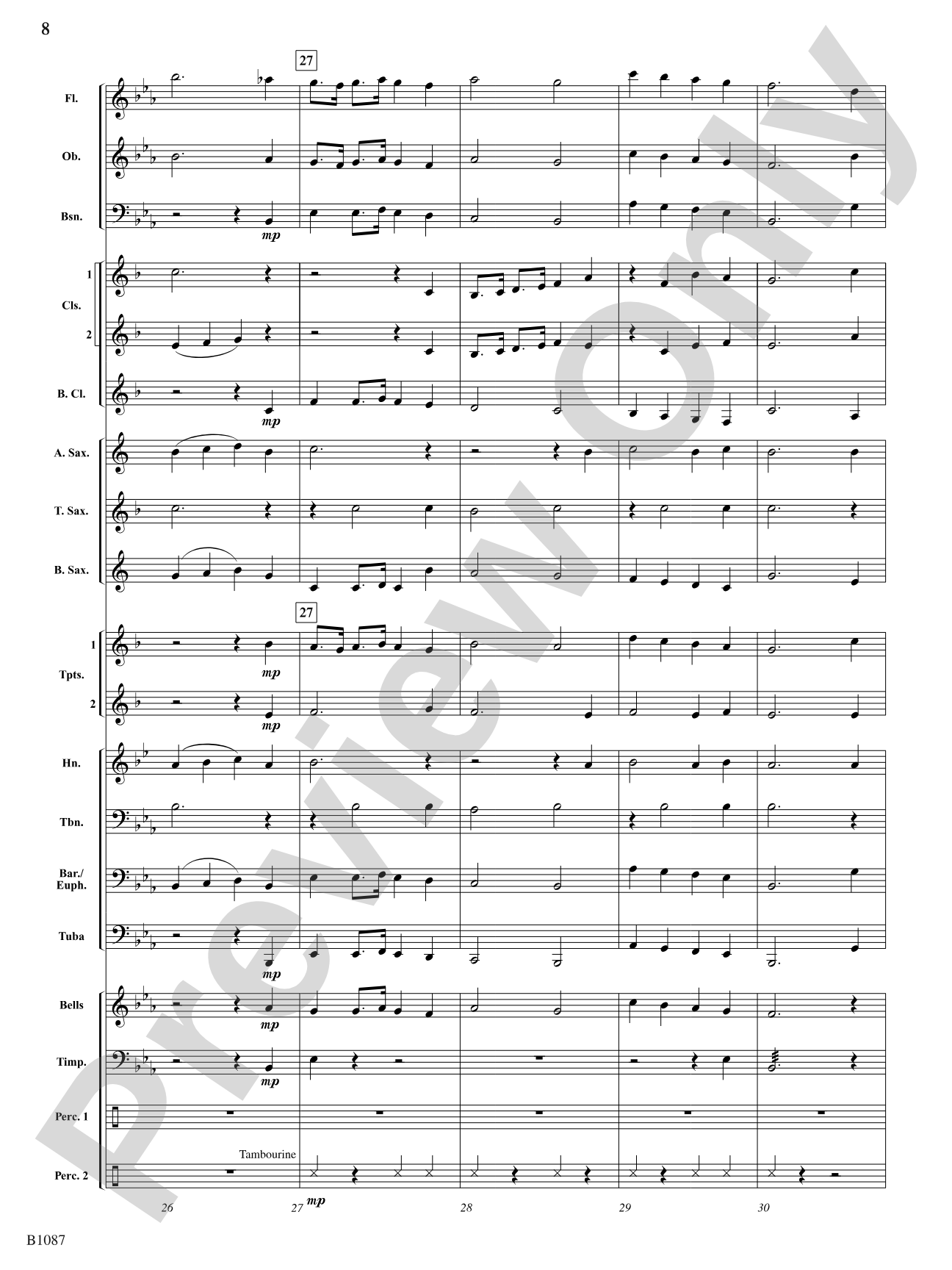
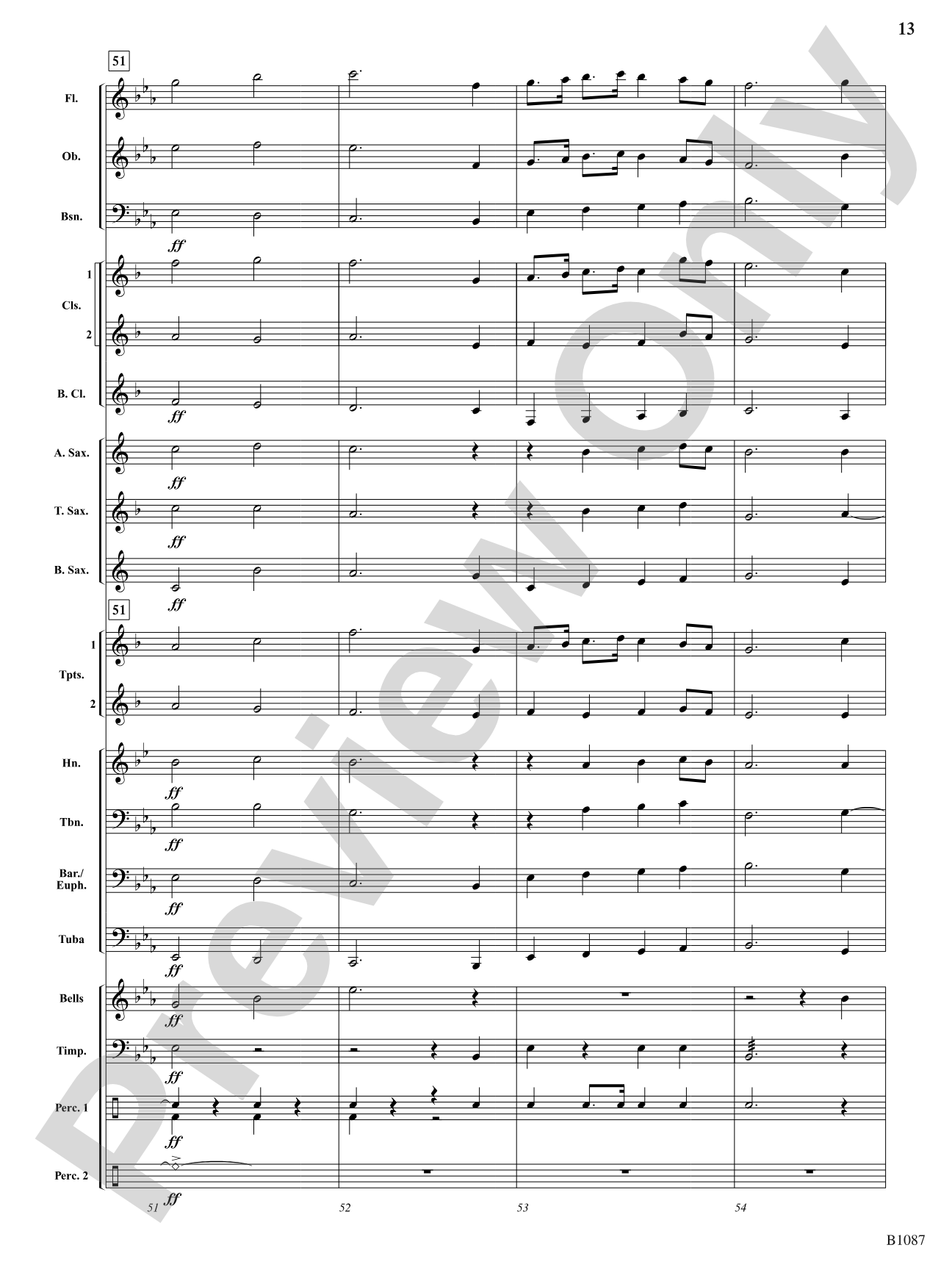
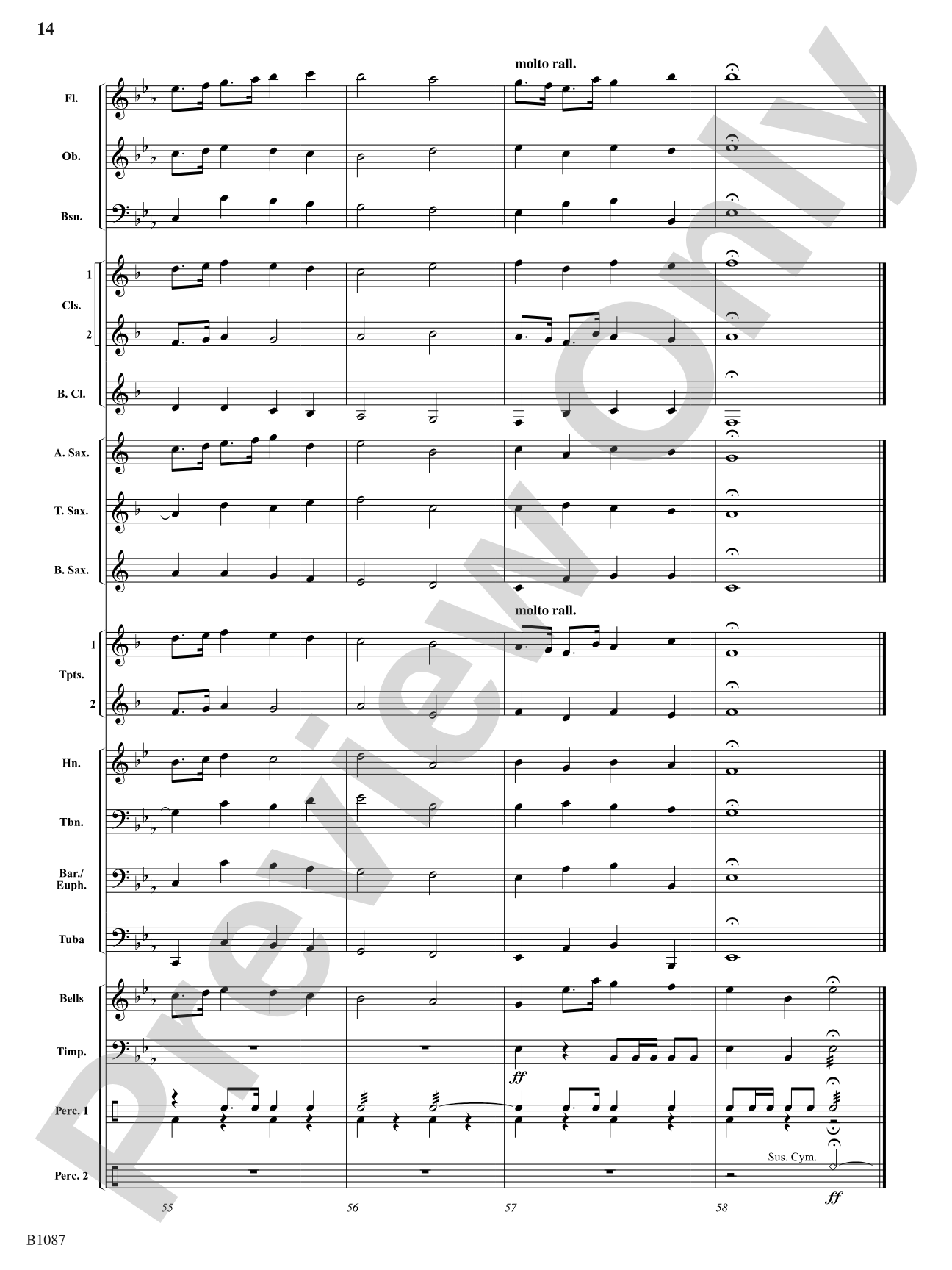

March from Scipio: Concert Band Conductor Score & Parts
By George Frideric Handel / arr. Stephen Bulla
Grade: 2
Item: 98-DB1087
$45.00
Pickup currently not available
Buy Extra Parts (Digital PDF Download)
| Product | Price | Quantity |
|---|---|---|
| March from Scipio: Score | $5.00 | |
| March from Scipio: Flute | $7.00 | |
| March from Scipio: Oboe | $7.00 | |
| March from Scipio: Bassoon | $7.00 | |
| March from Scipio: B-flat Clarinet 1 | $7.00 | |
| March from Scipio: B-flat Clarinet 2 | $7.00 | |
| March from Scipio: B-flat Bass Clarinet | $7.00 | |
| March from Scipio: E-flat Alto Saxophone | $7.00 | |
| March from Scipio: B-flat Tenor Saxophone | $7.00 | |
| March from Scipio: E-flat Baritone Saxophone | $7.00 | |
| March from Scipio: B-flat Trumpet 1 | $7.00 | |
| March from Scipio: B-flat Trumpet 2 | $7.00 | |
| March from Scipio: F Horn | $7.00 | |
| March from Scipio: Trombone | $7.00 | |
| March from Scipio: Baritone/Euphonium | $7.00 | |
| March from Scipio: Baritone T.C. | $7.00 | |
| March from Scipio: Tuba | $7.00 | |
| March from Scipio: Bells | $7.00 | |
| March from Scipio: Timpani | $7.00 | |
| March from Scipio: Percussion 1 | $7.00 | |
| March from Scipio: Percussion 2 | $7.00 |
Parts Added to Cart!
Description
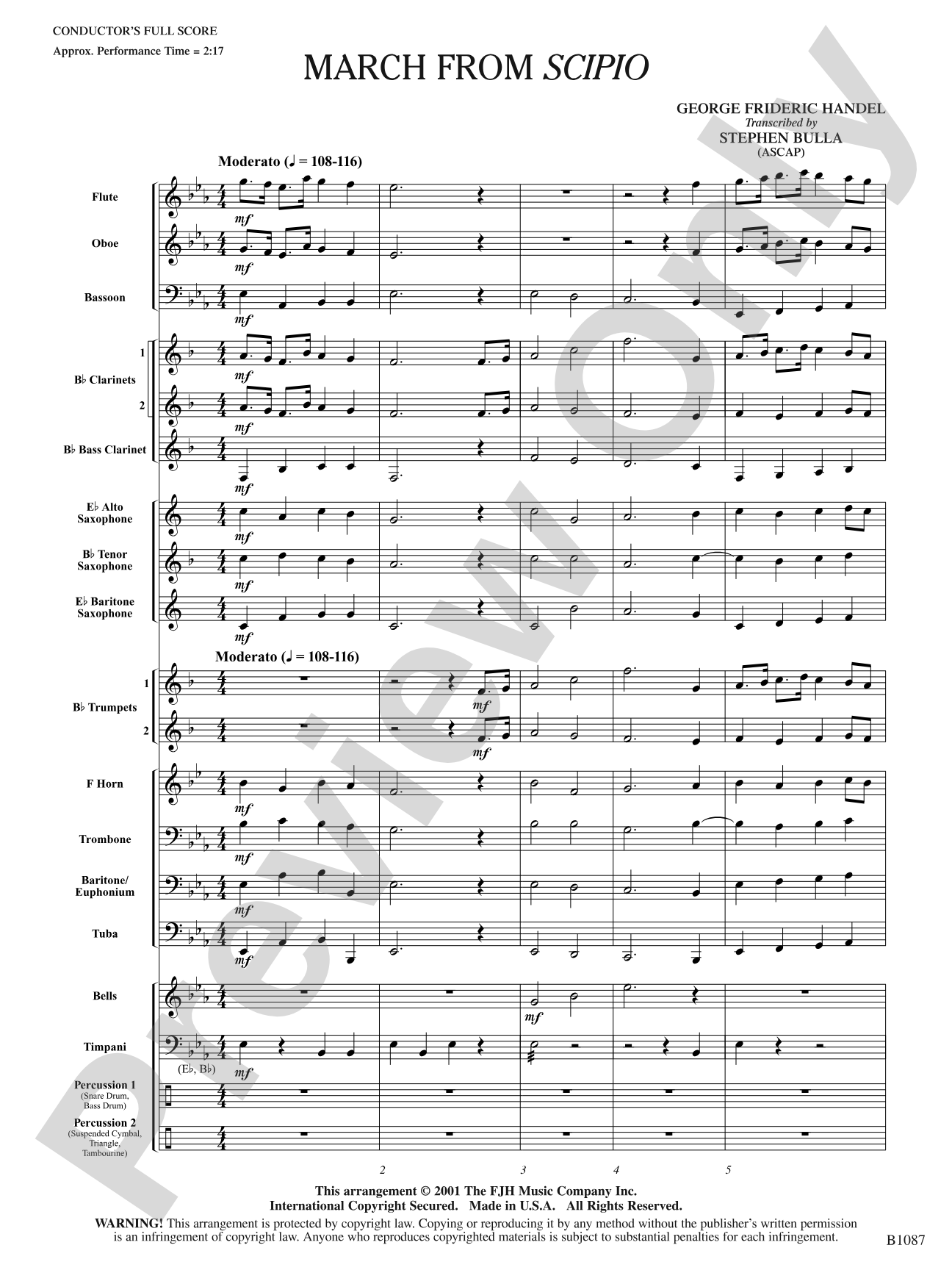
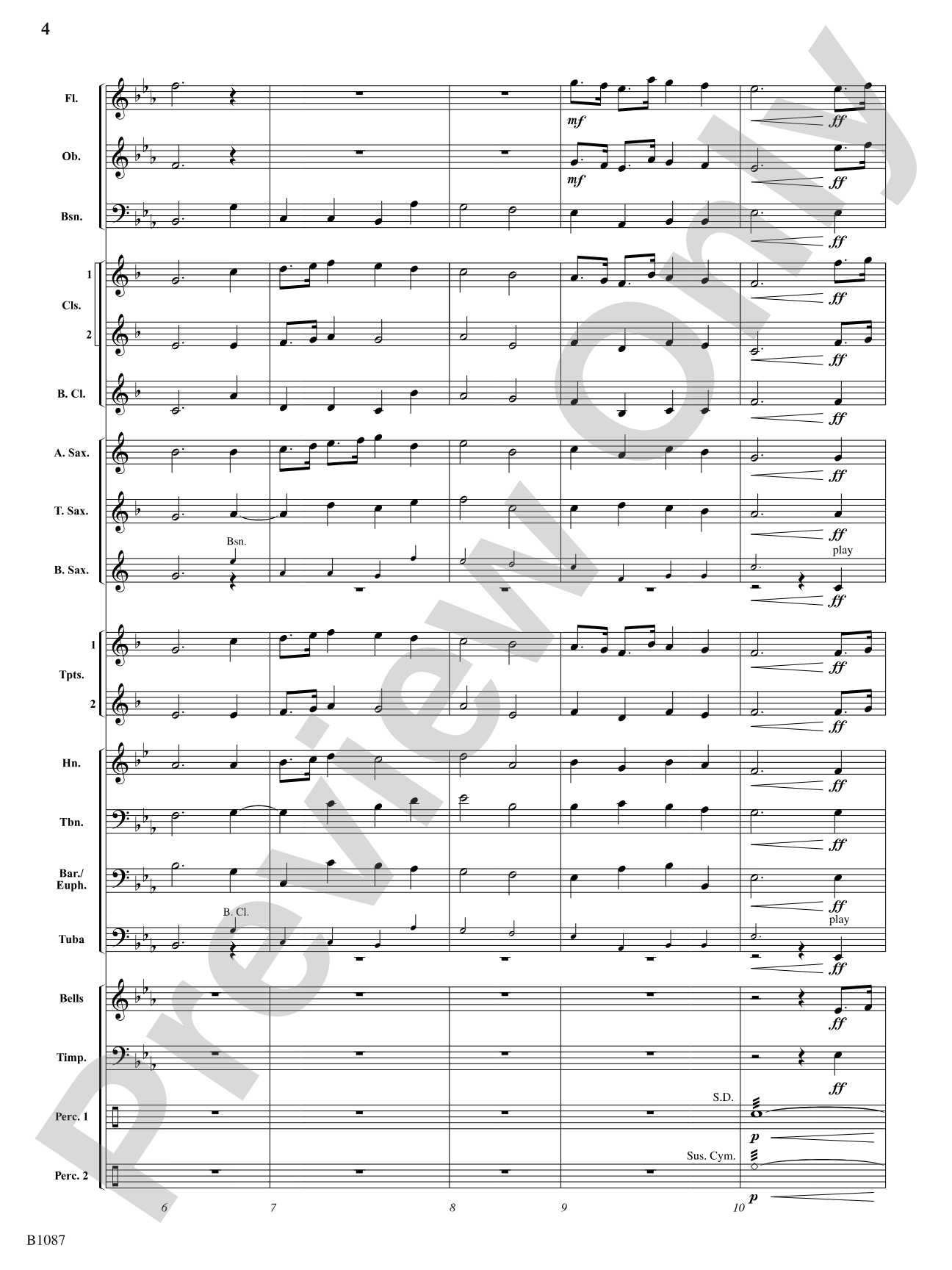
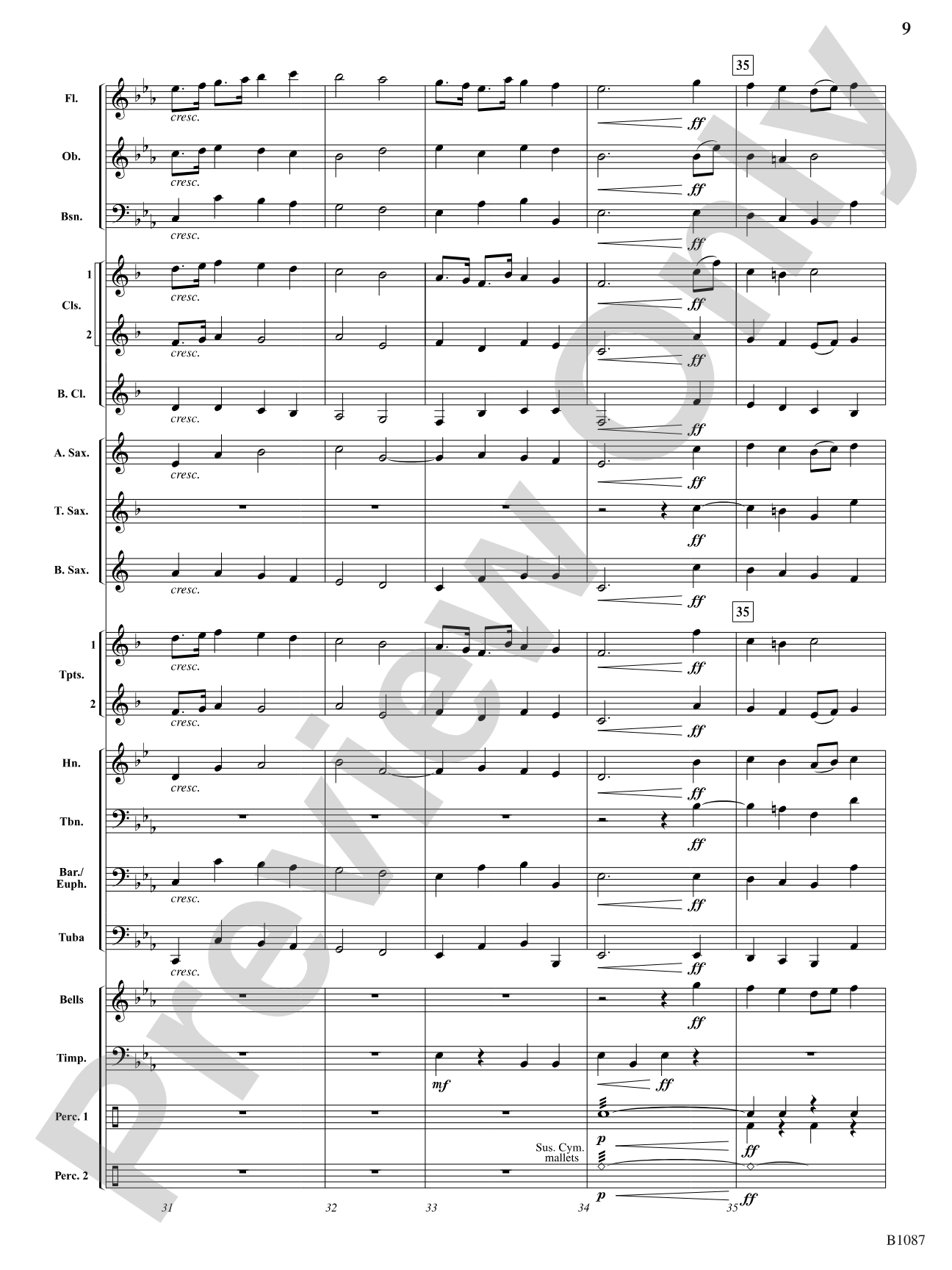
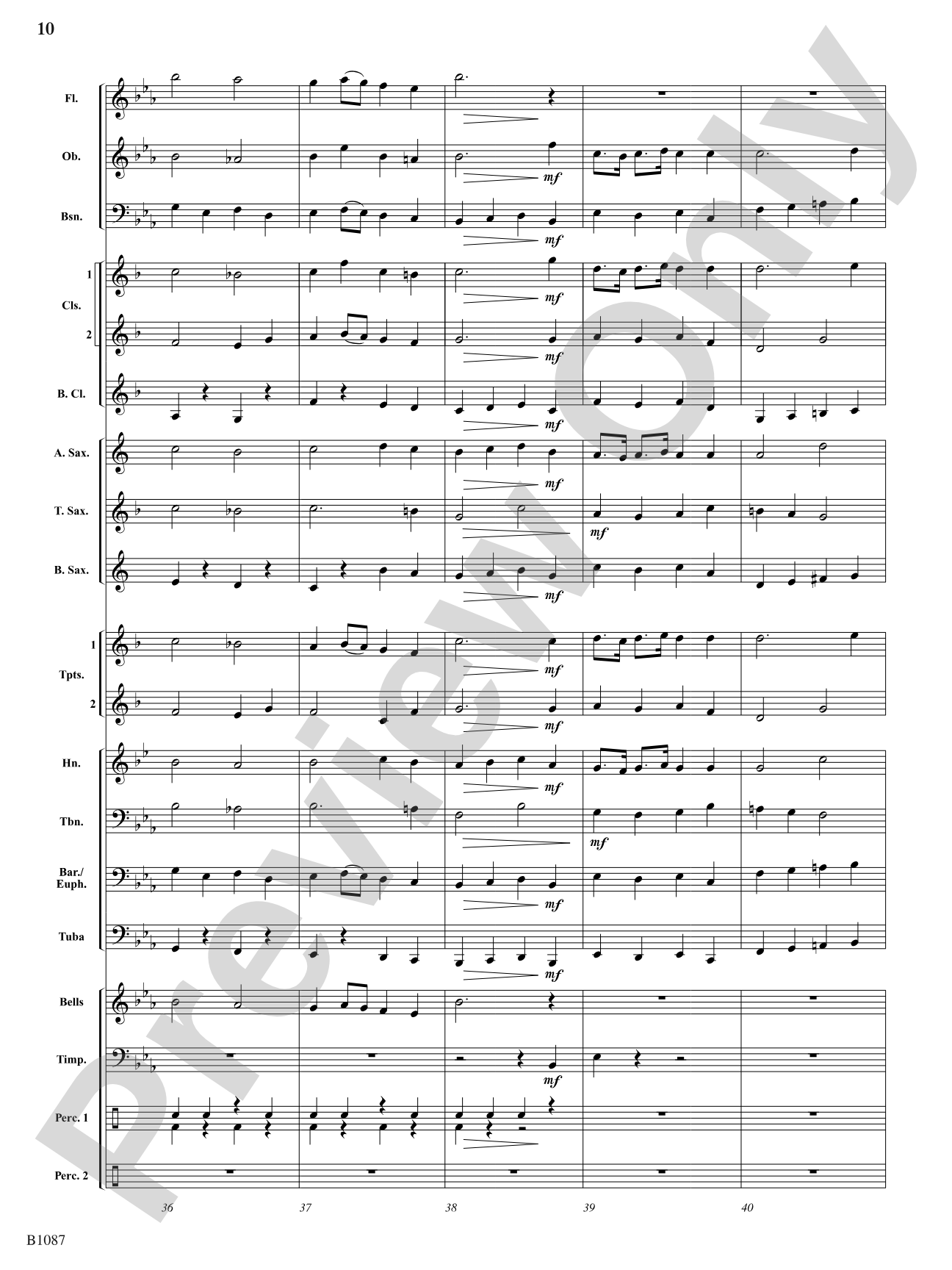
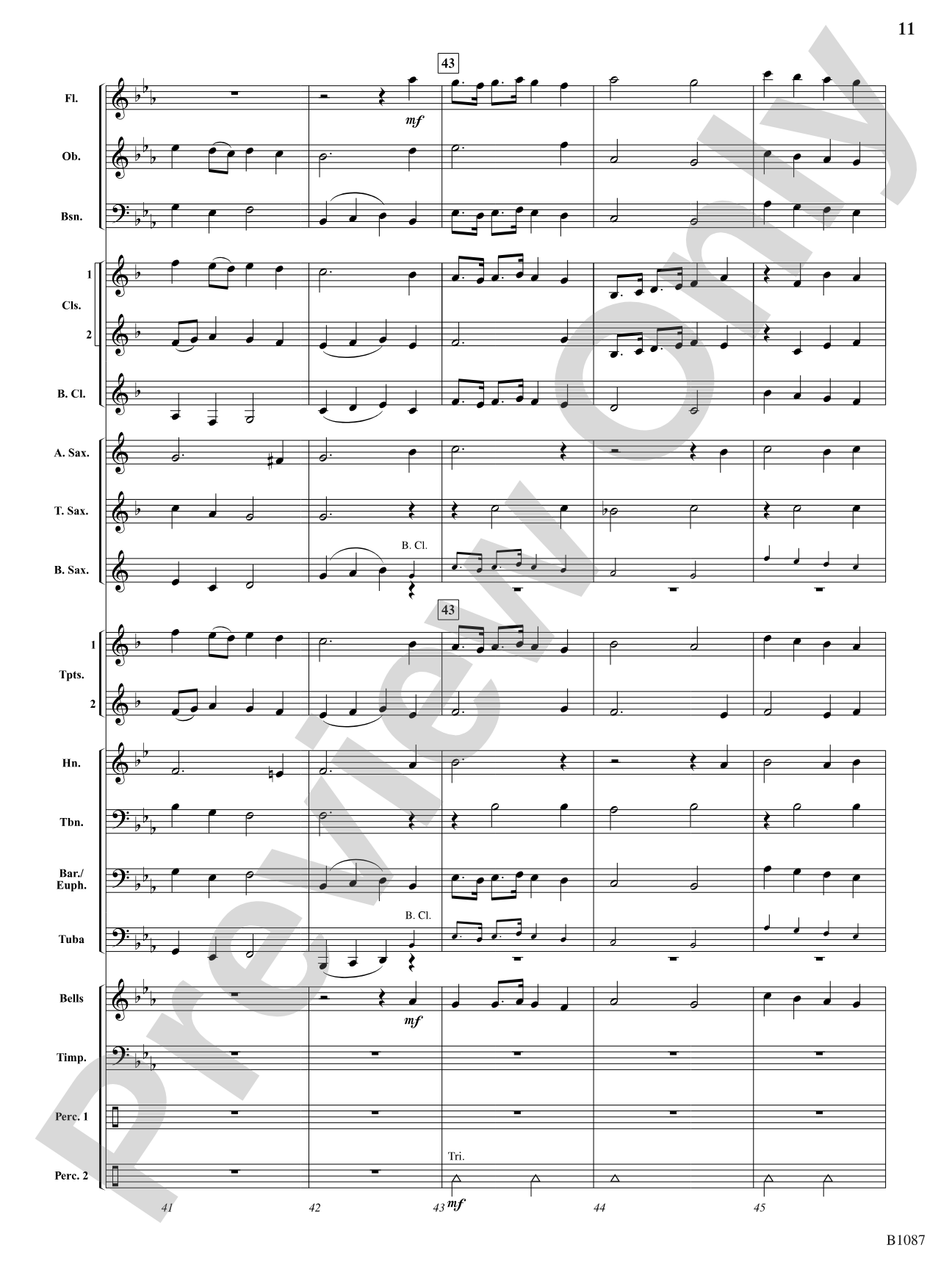
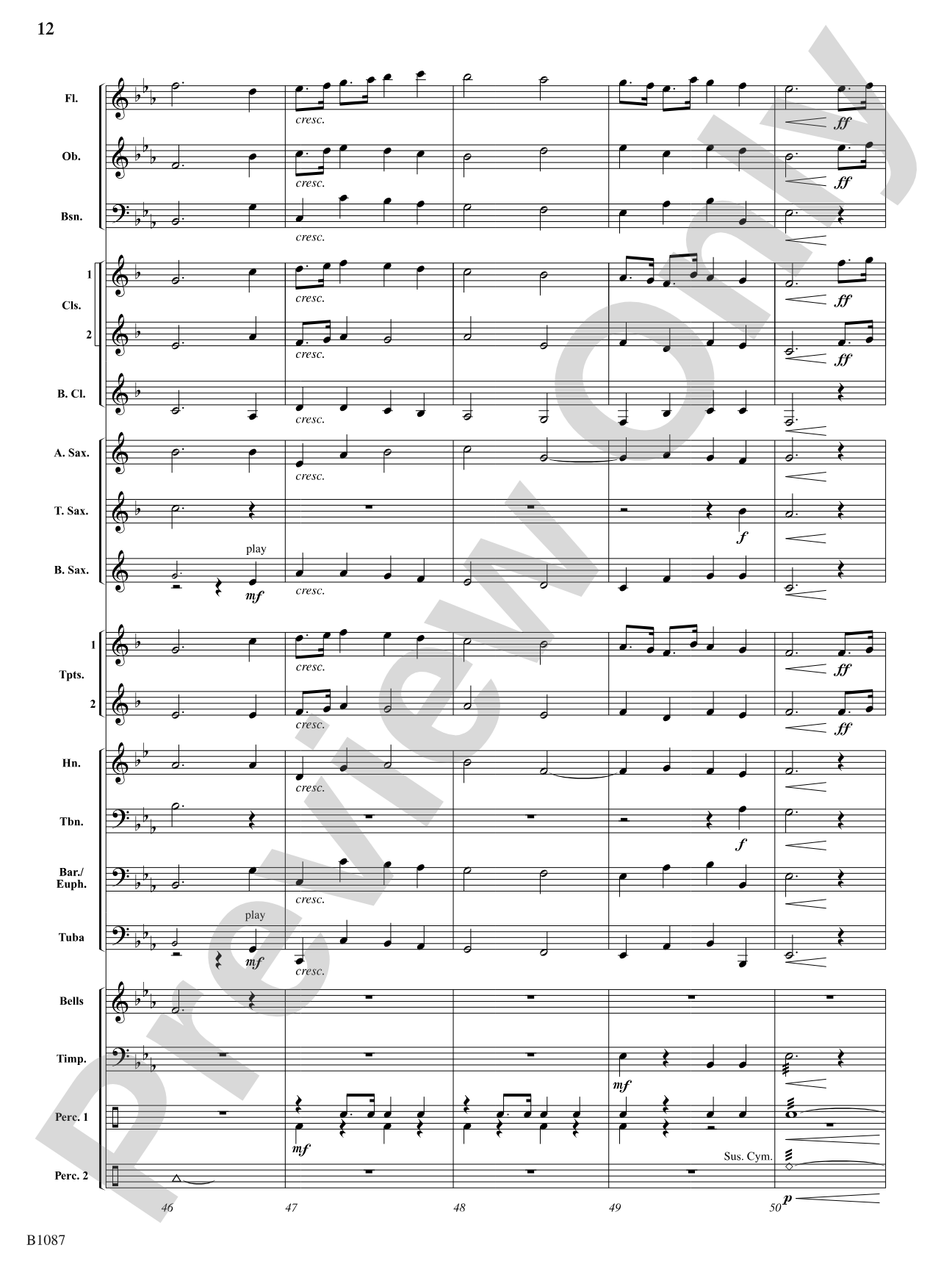
This perfect march transcription is penned by the Marine Band's own arranger, Stephen Bulla. Scored to sound full and complete with any size musical group. (2:15)


March from Scipio: Concert Band Conductor Score & Parts isn't in MakeMusic Cloud just yet...but it could be. Let us know you'd like to see it, and you'll help shape what comes next. In the meantime, start a free trial and dive into thousands of interactive titles your students can play along with today.
Request This Title
Tell us you want it.
Start Your Free Trial
Explore everything that's ready to play right now.
Sample Audio
1
Audio File
--:--
0:00
0:00
Sample Video
No sample videos found.
Additional Details
Series:
FJH Young Band
Publisher:
The FJH Music Company, Inc.
SKU:
98-DB1087
More about this title
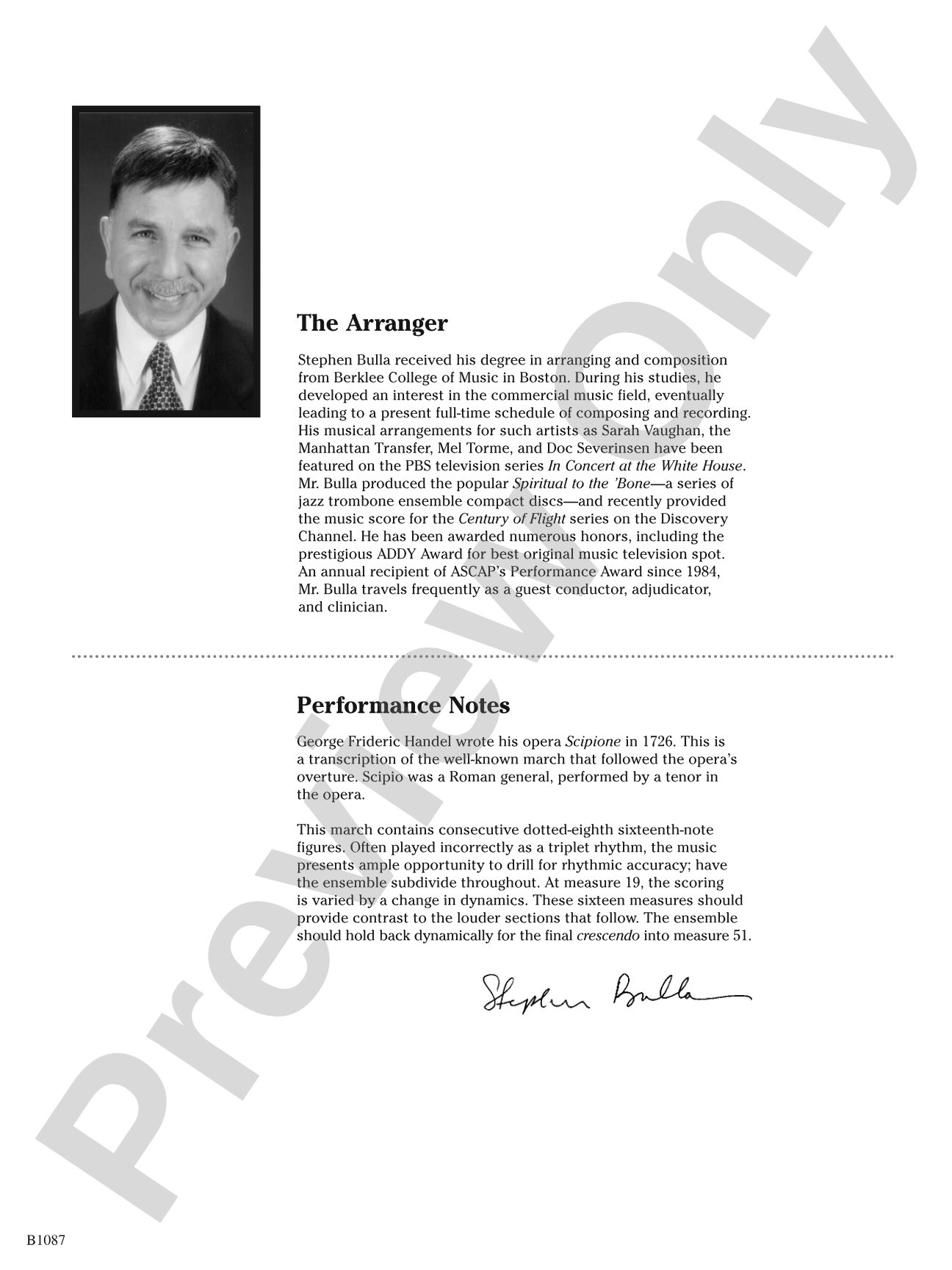
About the Composer: George Frideric Handel
George Frideric Handel (1685, 1759) mastered nearly every musical form of the Baroque era, from operas and oratorios to instrumental works that shaped the concert hall itself. His gift for melody and structural clarity made his music immediately accessible to performers and audiences alike, which is precisely why his works remain staples of music education centuries later.
Handel's marches and dances were written for occasions ranging from royal celebrations to theatrical productions. They showcase his ability to craft memorable, singable lines that sit naturally on instruments while maintaining harmonic sophistication. Band directors and wind musicians have long recognized that Handel's writing translates beautifully to concert band scoring.
Why we love this
Stephen Bulla's transcription honors Handel's original voice while giving young bands genuine muscularity and presence. The scoring flexes to accommodate your ensemble size without sacrificing the march's character, so whether you're conducting twelve players or forty, the piece lands with equal impact.
What to expect
Stately and ceremonial, with the kind of natural dignity that only Baroque melody can deliver. There's forward momentum and purpose throughout, yet the piece never rushes or demands frantic energy from young players.
Who it's for
Young bands ready to move beyond simple march patterns into something with genuine musical substance. Grade 2 ensembles will find the part-writing straightforward and the arrangement thoroughly playable, while directors get a piece that sounds polished without demanding virtuosity.
How to get the most out of it
- Let the melody sing through the middle voices. Many young players focus on the bass line in a march; make sure your woodwinds and upper brass understand they're carrying the emotional weight.
- Lock the rhythmic precision of any accompaniment figures early. Baroque march style depends on crisp articulation and steady pulse, not rubato.
- Shape the phrases with subtle dynamic swells rather than sharp accents. Handel's lines breathe naturally if you give them room to expand and recede.
- Balance the trumpet or cornet section carefully if it doubles the melody. The goal is support, not dominance.
How to use it
Open a concert with this to establish a formal tone, or place it mid-program as a palate cleanser between contemporary works and lighter fare. It works especially well when you're programming across musical periods and need something that reminds audiences of the concert band's orchestral heritage.
Skills your students will build
- Baroque phrasing and articulation style
- Maintaining steady march tempo without metallic rigidity
- Balancing melody across multiple instrumental lines
- Dynamic control in the accompaniment figures
- Reading and executing a well-crafted concert band score at Grade 2 level