
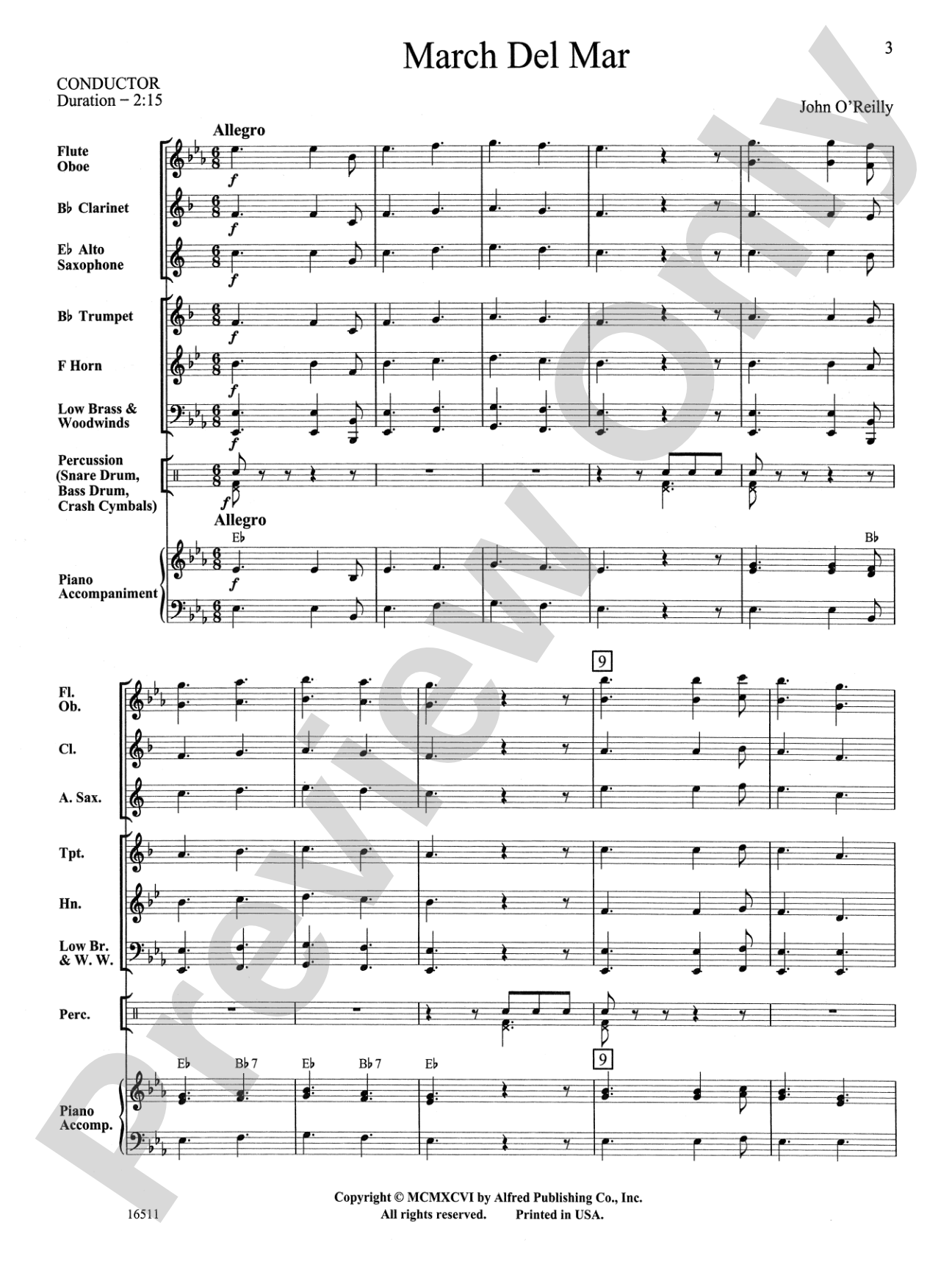
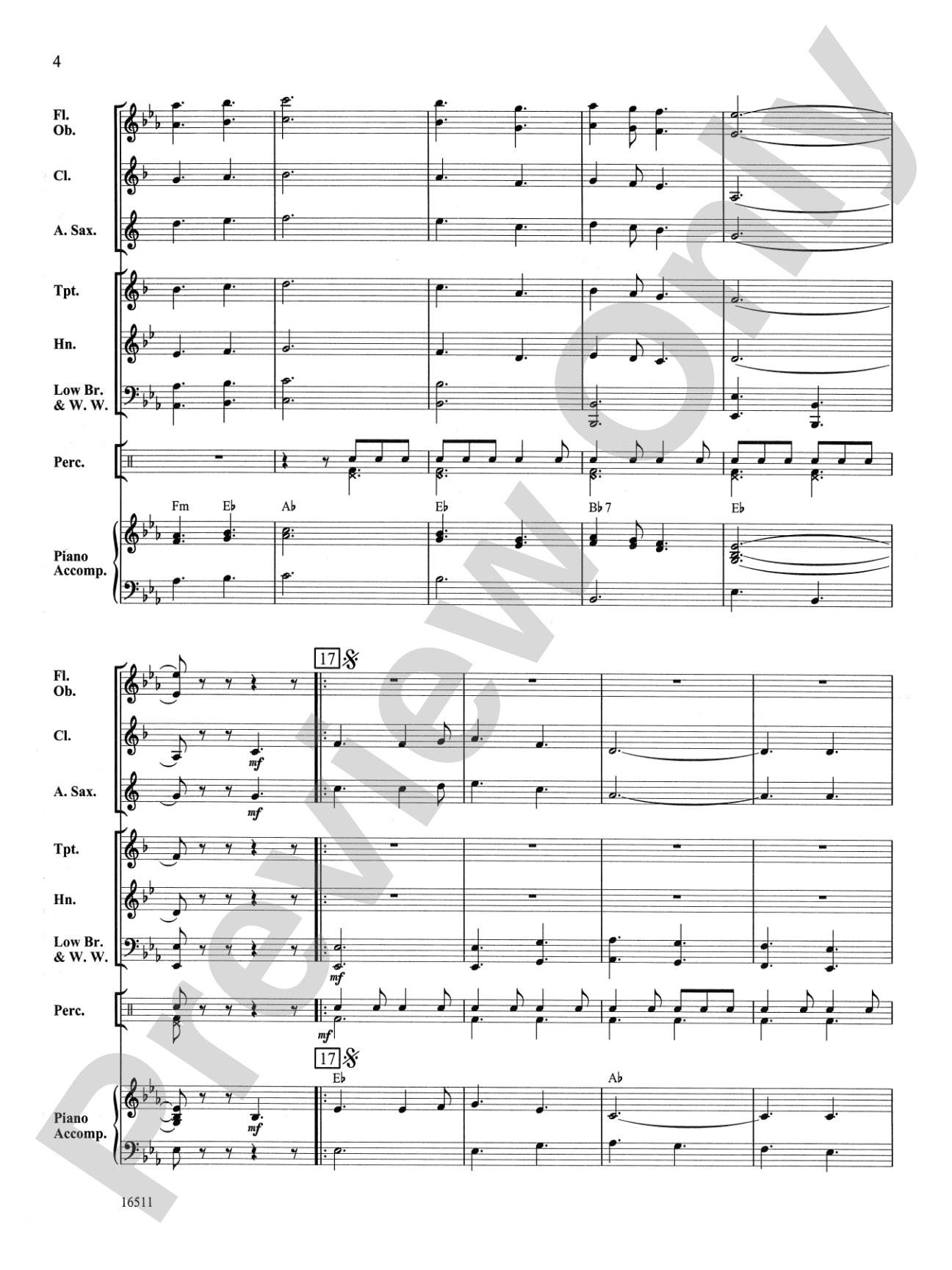
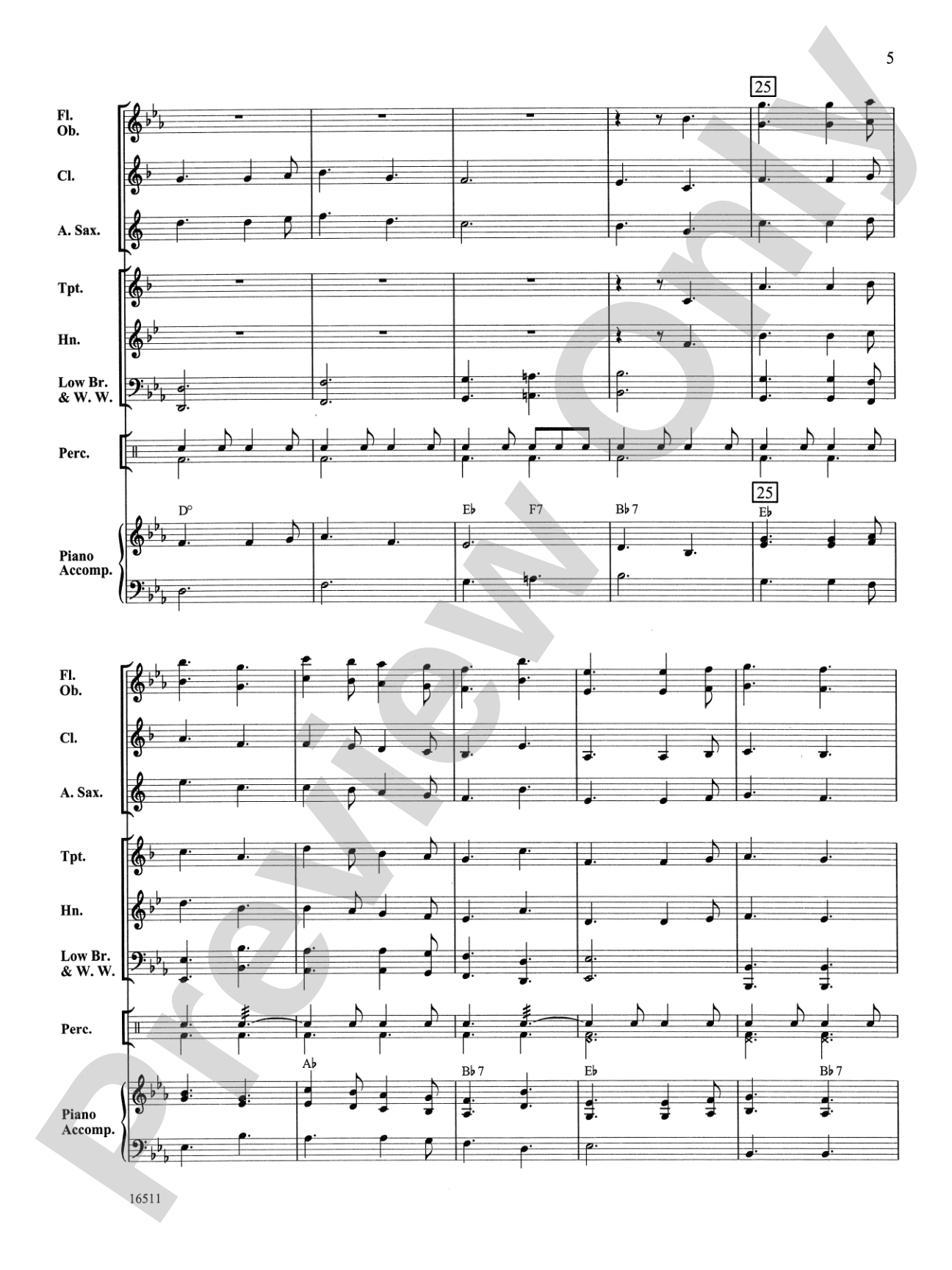
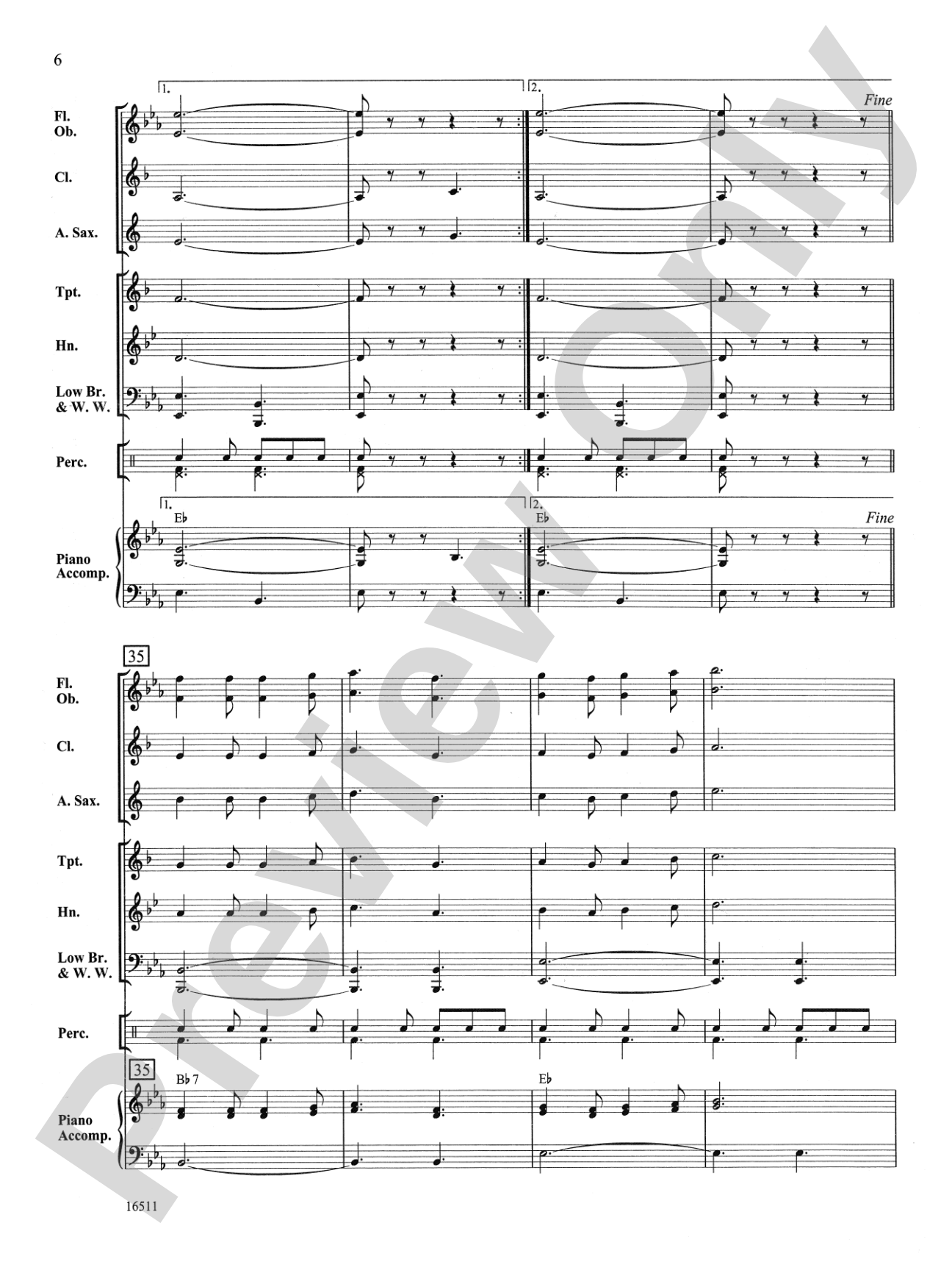
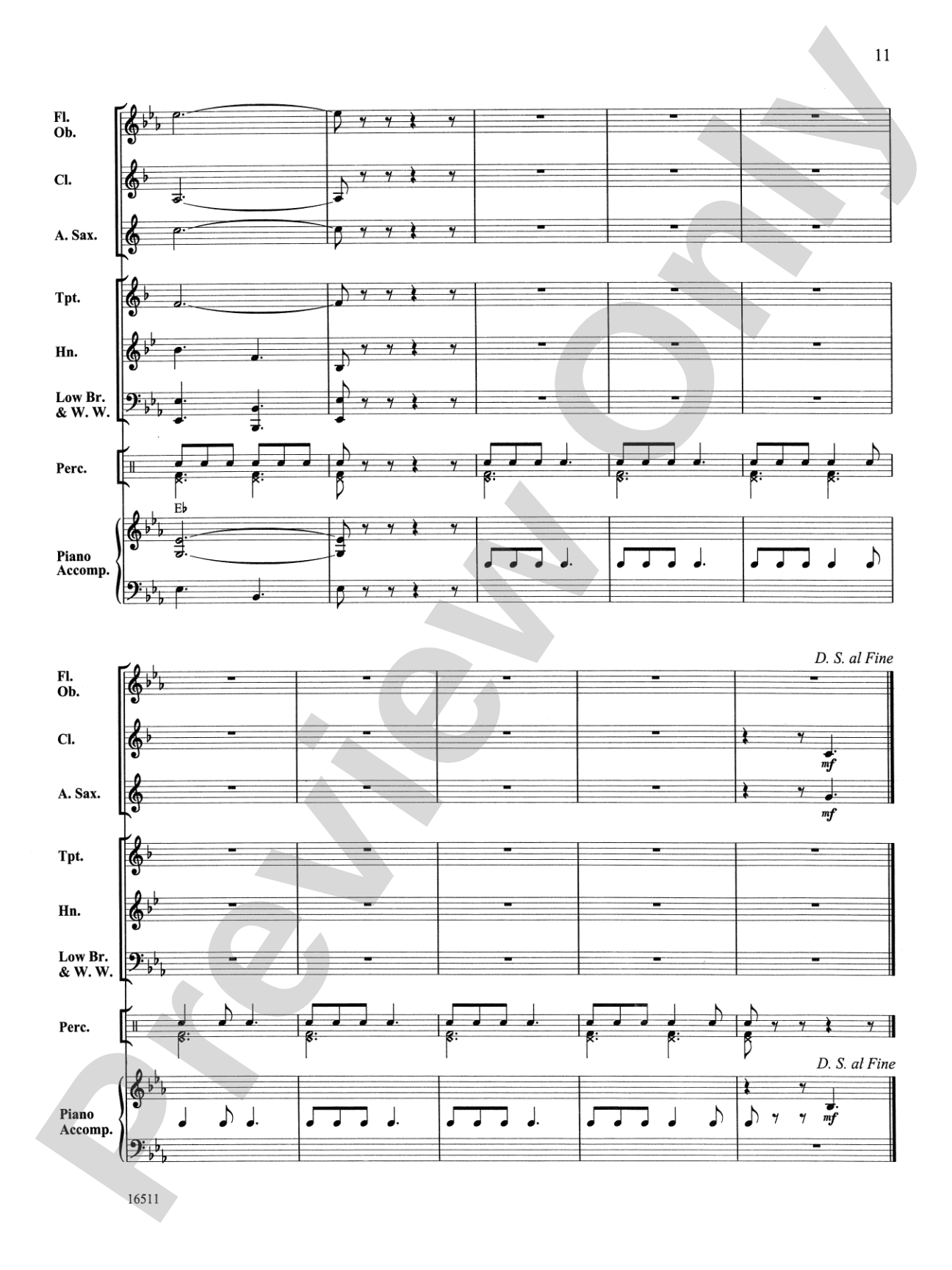

March Del Mar
Music by John O'Reilly
Grade: 1 (Very Easy)
Item: 00-PK-0000178

$40.00
Pickup currently not available
Buy Extra Parts (Digital PDF Download)
| Product | Price | Quantity |
|---|---|---|
| March Del Mar: Score | $5.00 | |
| March Del Mar: Flute | $3.00 | |
| March Del Mar: Oboe | $3.00 | |
| March Del Mar: 1st B-flat Clarinet | $3.00 | |
| March Del Mar: E-flat Alto Clarinet | $3.00 | |
| March Del Mar: B-flat Bass Clarinet | $3.00 | |
| March Del Mar: E-flat Alto Saxophone | $3.00 | |
| March Del Mar: B-flat Tenor Saxophone | $3.00 | |
| March Del Mar: E-flat Baritone Saxophone | $3.00 | |
| March Del Mar: 1st B-flat Trumpet | $3.00 | |
| March Del Mar: 1st F Horn | $3.00 | |
| March Del Mar: 1st Trombone | $3.00 | |
| March Del Mar: Baritone T.C. | $3.00 | |
| March Del Mar: Tuba | $3.00 | |
| March Del Mar: 1st Percussion | $3.00 | |
| March Del Mar: Piano Accompaniment | $3.00 |
Parts Added to Cart!
Description
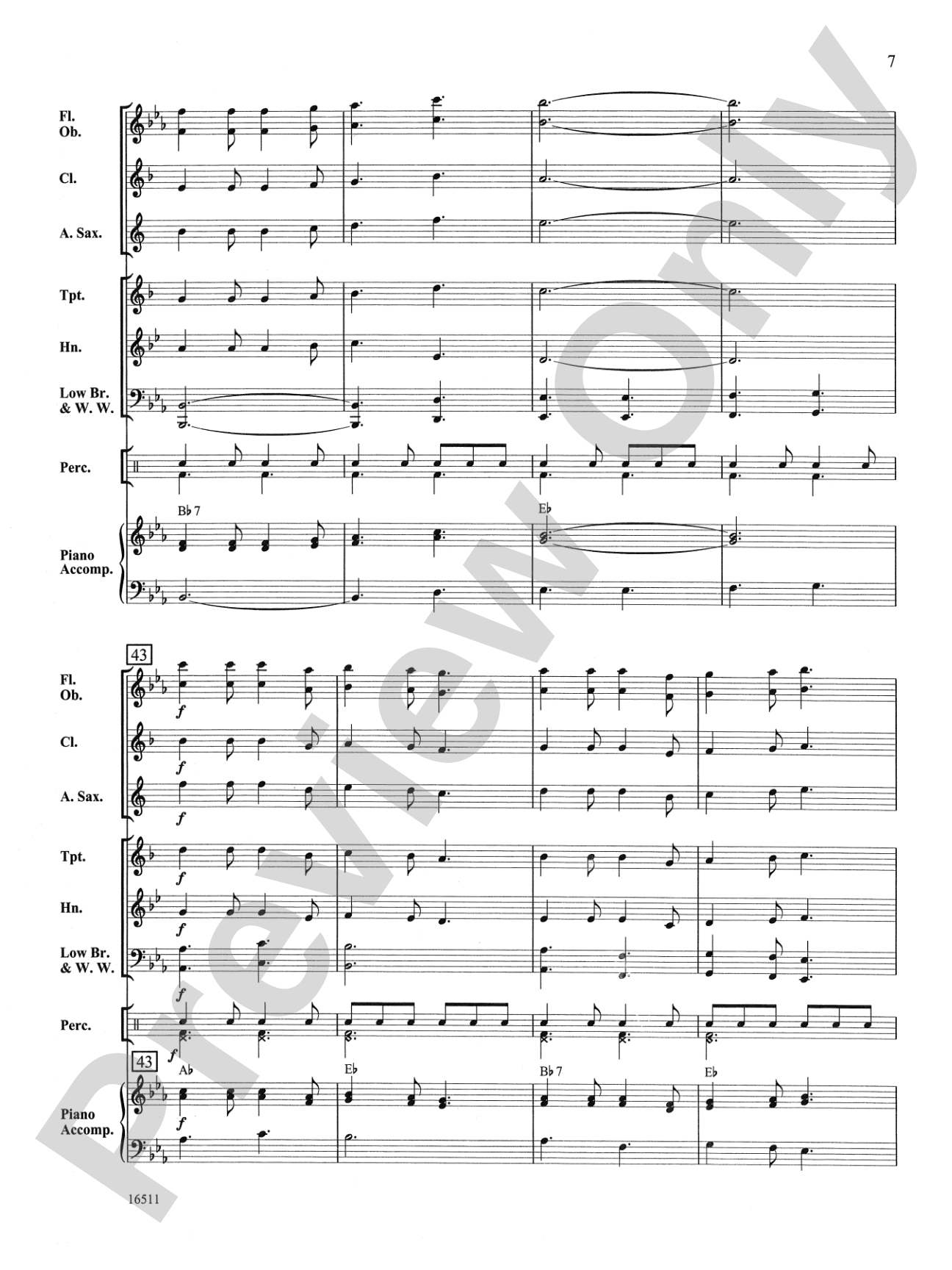
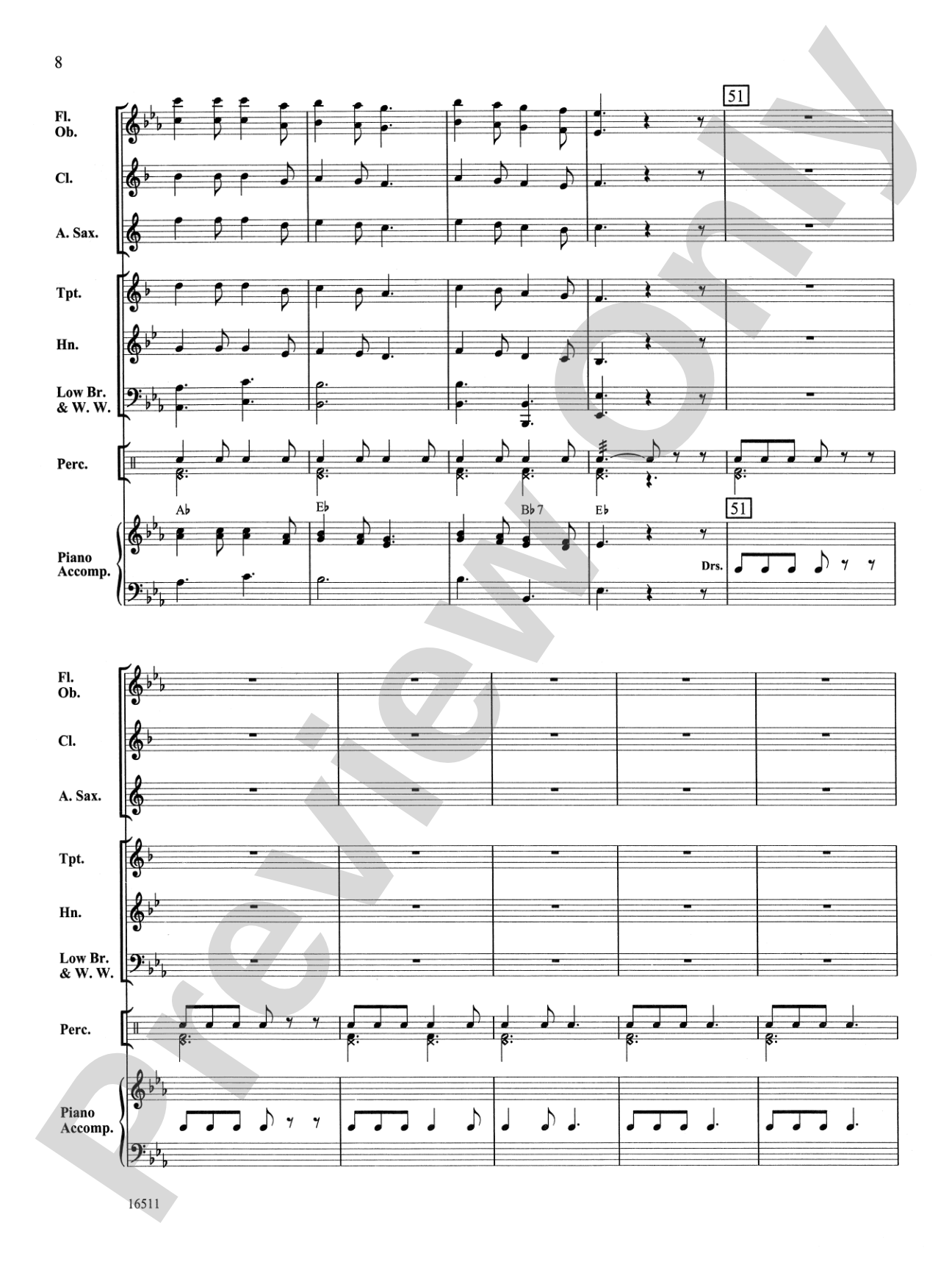
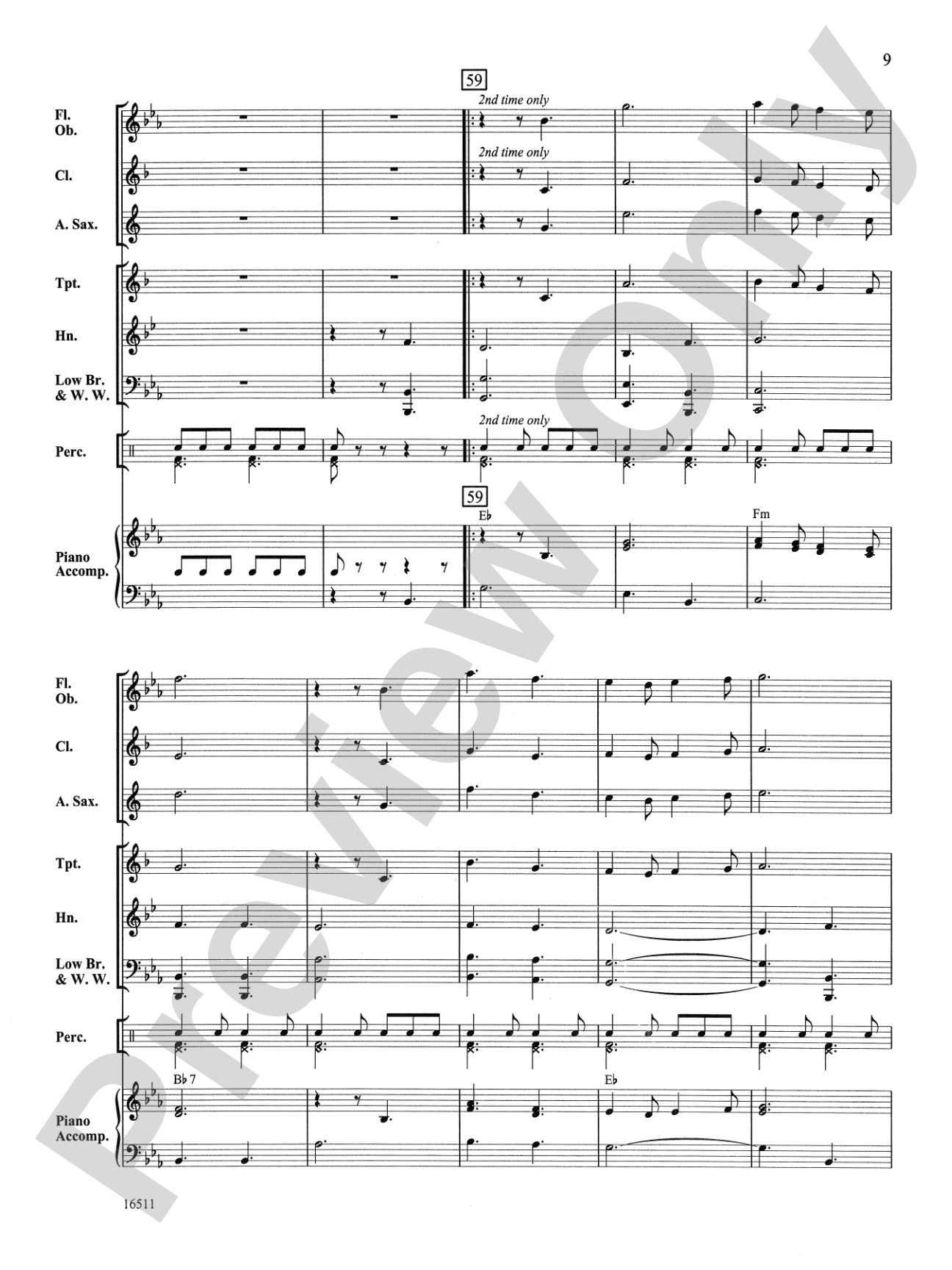
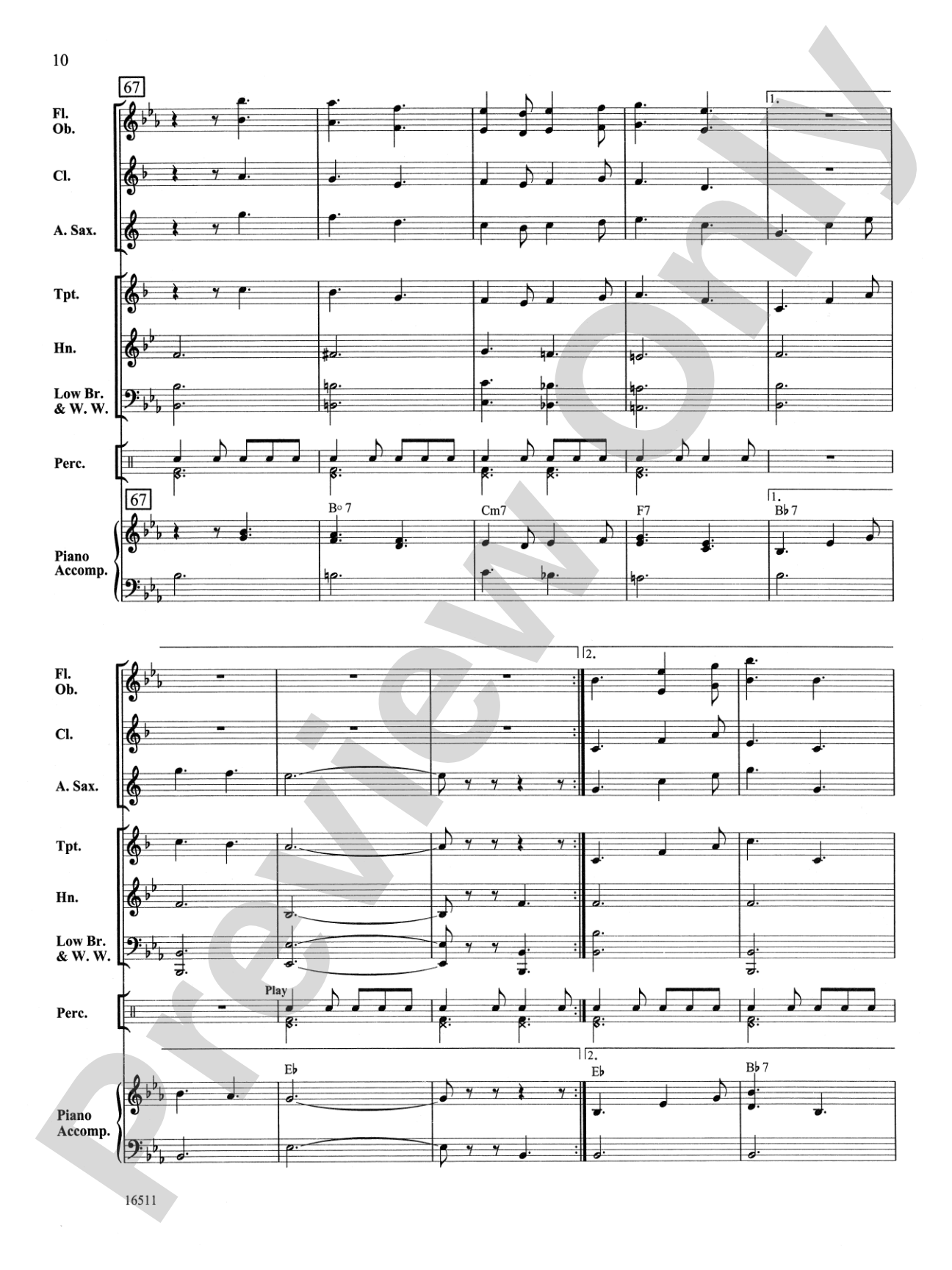
This is a wonderful vehicle for the first introduction of 6/8 time to your ensemble. Using only a few basic 6/8 rhythms, the composer has created a tuneful, well-constructed march that your kids will end up singing as they leave the rehearsal!


Don't just read it, hear it, play along with it, and watch your students grow with it. In MakeMusic Cloud, March Del Mar comes alive with professional accompaniment, adjustable tempo, and built-in practice tools that turn solo practice into real progress.
Open in the Player
Jump straight in and assign it today.
Start Your Free Trial
Open this title and explore the full library in minutes.
Sample Audio
1
Audio File
--:--
0:00
0:00
Sample Video
No sample videos found.
Additional Details
Series:
Yamaha Band Series
Publisher:
Alfred Music
Page Count:
1
SKU:
00-PK-0000178
More about this title
About the Composer: John O'Reilly
John O'Reilly has built a reputation for writing accessible, musically sound literature for young bands. His work in the Yamaha Band Series demonstrates a deep understanding of how to introduce new concepts without sacrificing melodic interest or structural integrity.
Why we love this
O'Reilly nails the balance between pedagogical clarity and genuine musicality here. The march form gives students a familiar shape to follow while they're absorbing 6/8 for the first time, and the melodic content is strong enough that it sticks with them long after rehearsal ends. This is the kind of piece that introduces a new concept without feeling like a concept piece.
What to expect
The march character gives the piece forward momentum and clarity, while the 6/8 meter brings a lilting, almost dance-like quality underneath. Students will find the melody accessible and the overall feel uplifting, which is why it tends to stay in their heads.
Who it's for
Directors introducing 6/8 time to Grade 1 bands will find this piece ideally suited to that moment. The limited rhythmic vocabulary and single-page format make it manageable for students still building fluency with time signatures. It works equally well as a concert opener or as a teaching piece within a rehearsal focused on rhythmic concepts.
How to get the most out of it
- Establish the dotted-quarter, eighth-note rhythmic pattern in isolation before playing the full piece. Have sections speak the rhythm aloud together to internalize the 6/8 pulse.
- Conduct in two (feeling the dotted quarter as your beat) rather than in six to help the ensemble understand how 6/8 sits within a larger phrase structure.
- Keep the tempo steady and march-like without dragging. A crisp forward motion makes the 6/8 rhythm feel natural rather than mechanical.
- Highlight the melody so its tuneful quality comes through. Lighter accompaniment textures will let the main line sing.
How to use it
Open a concert with this piece to set an energetic, welcoming tone while making a clear pedagogical statement about rhythmic growth. Pair it with another Grade 1 march or processional number to create a cohesive opening that showcases your band's command of meter and articulation.
Skills your students will build
- Reading 6/8 time signature and dotted-quarter, eighth-note rhythmic figures
- Understanding and performing march articulation and phrasing
- Maintaining steady pulse in a compound meter
- Balancing melodic line with accompaniment texture