
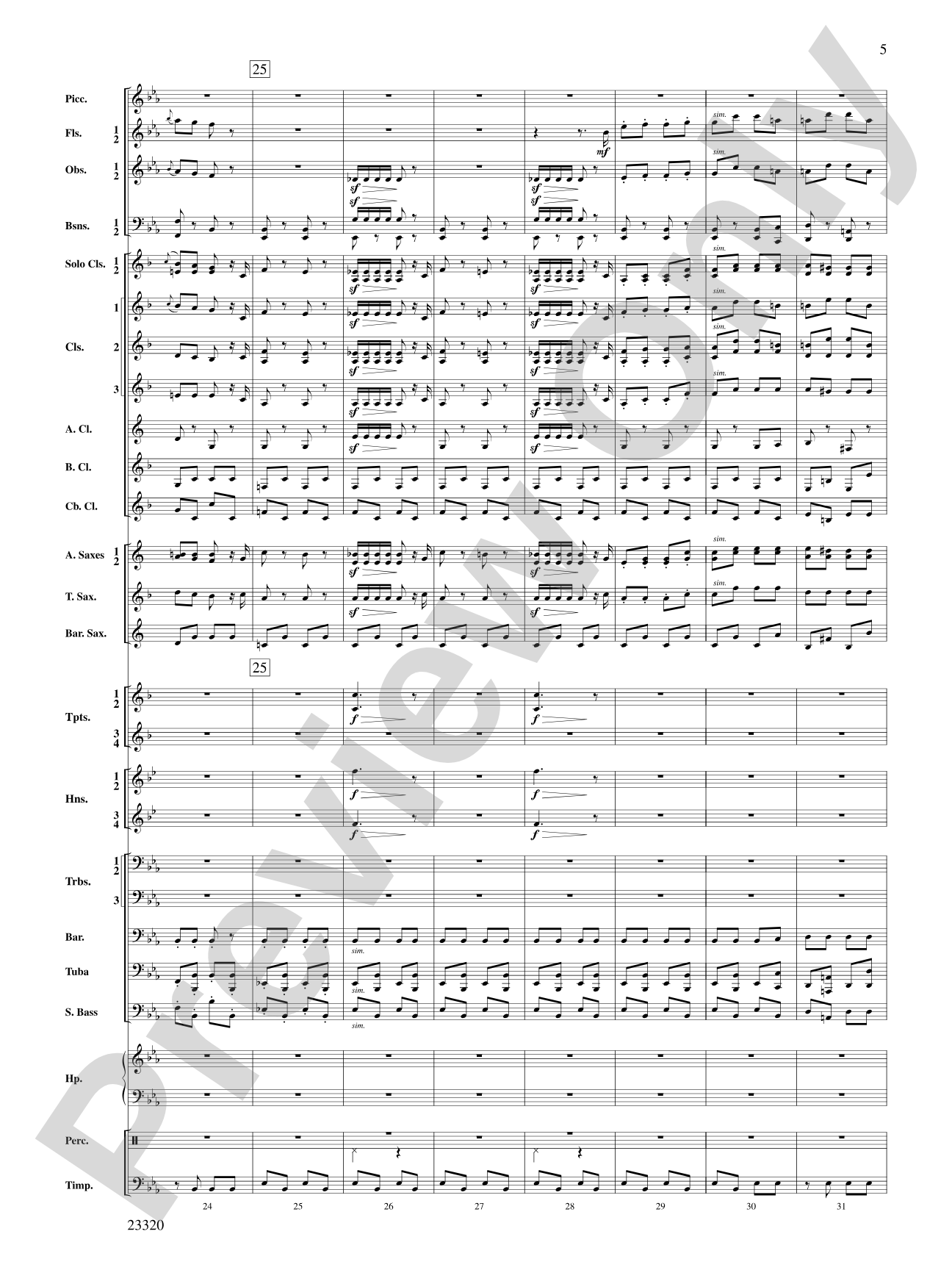
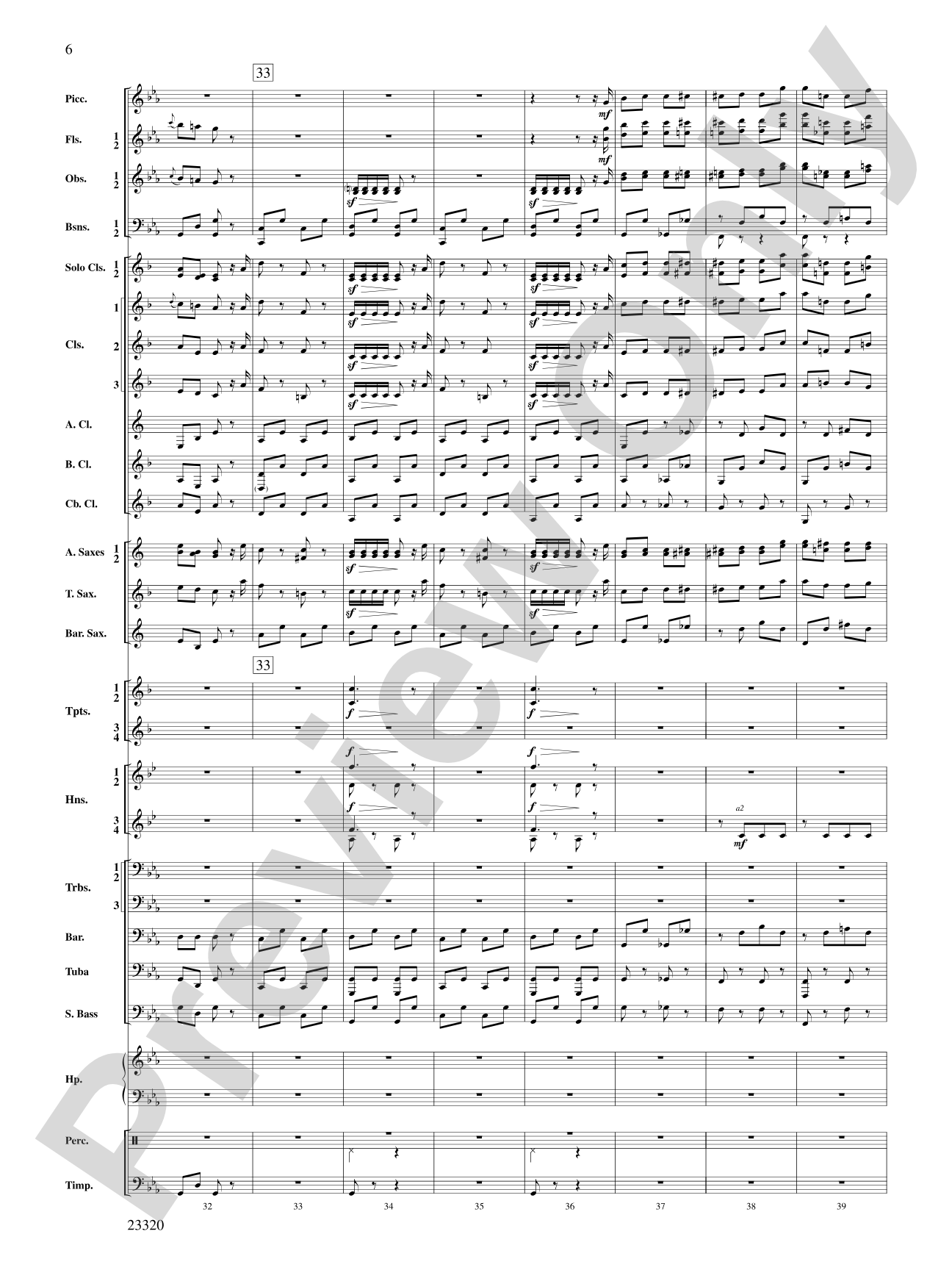
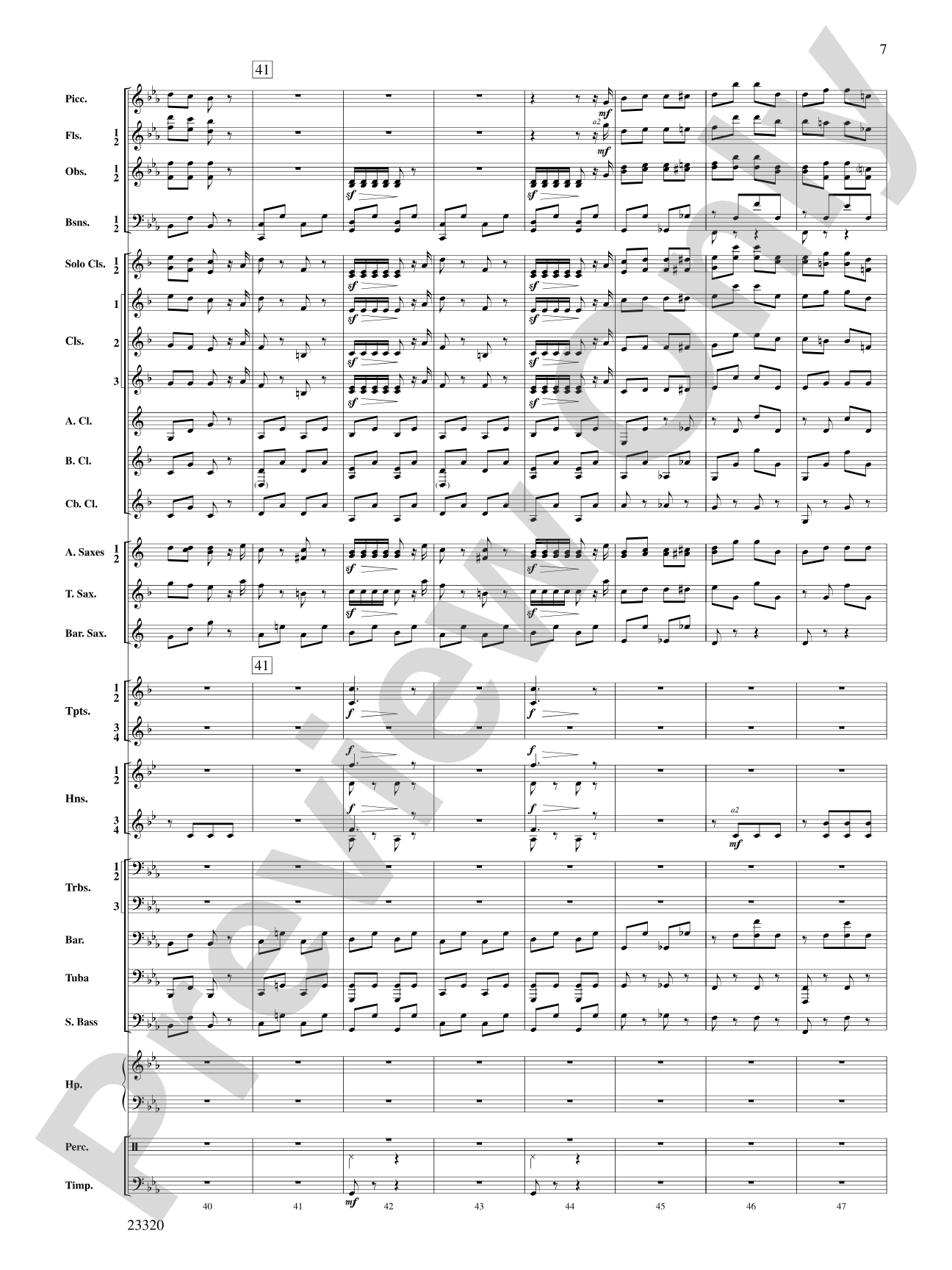
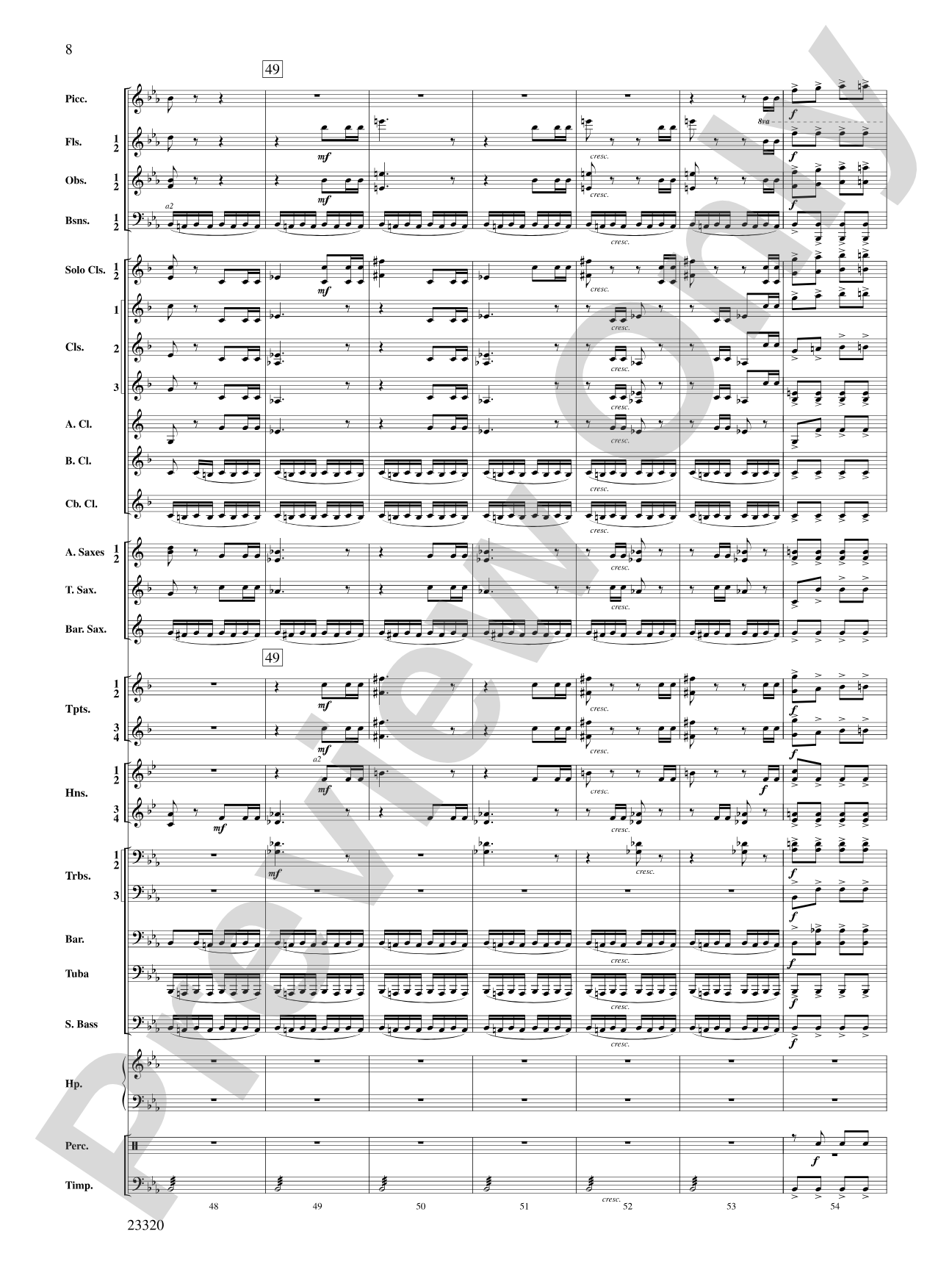
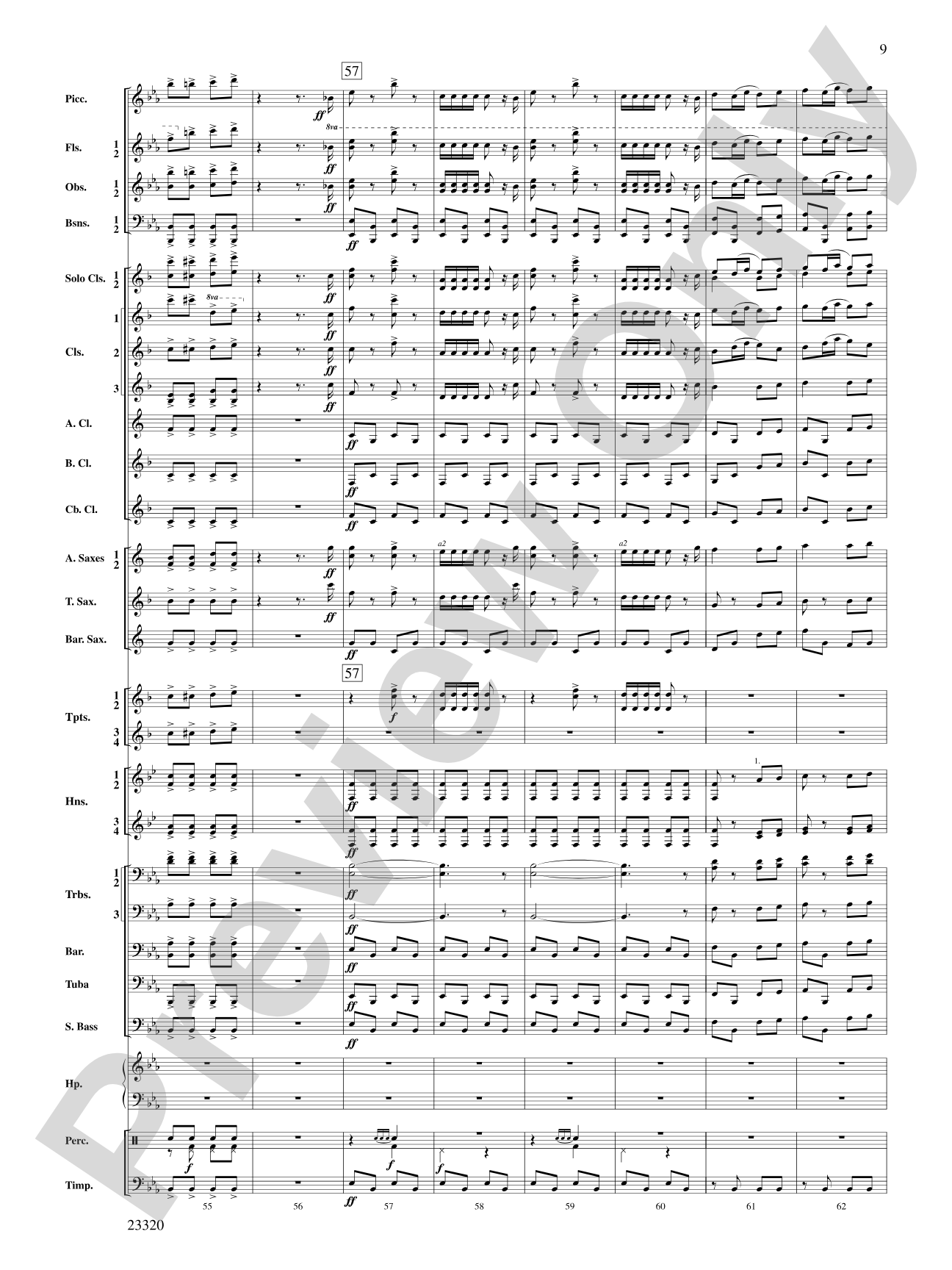
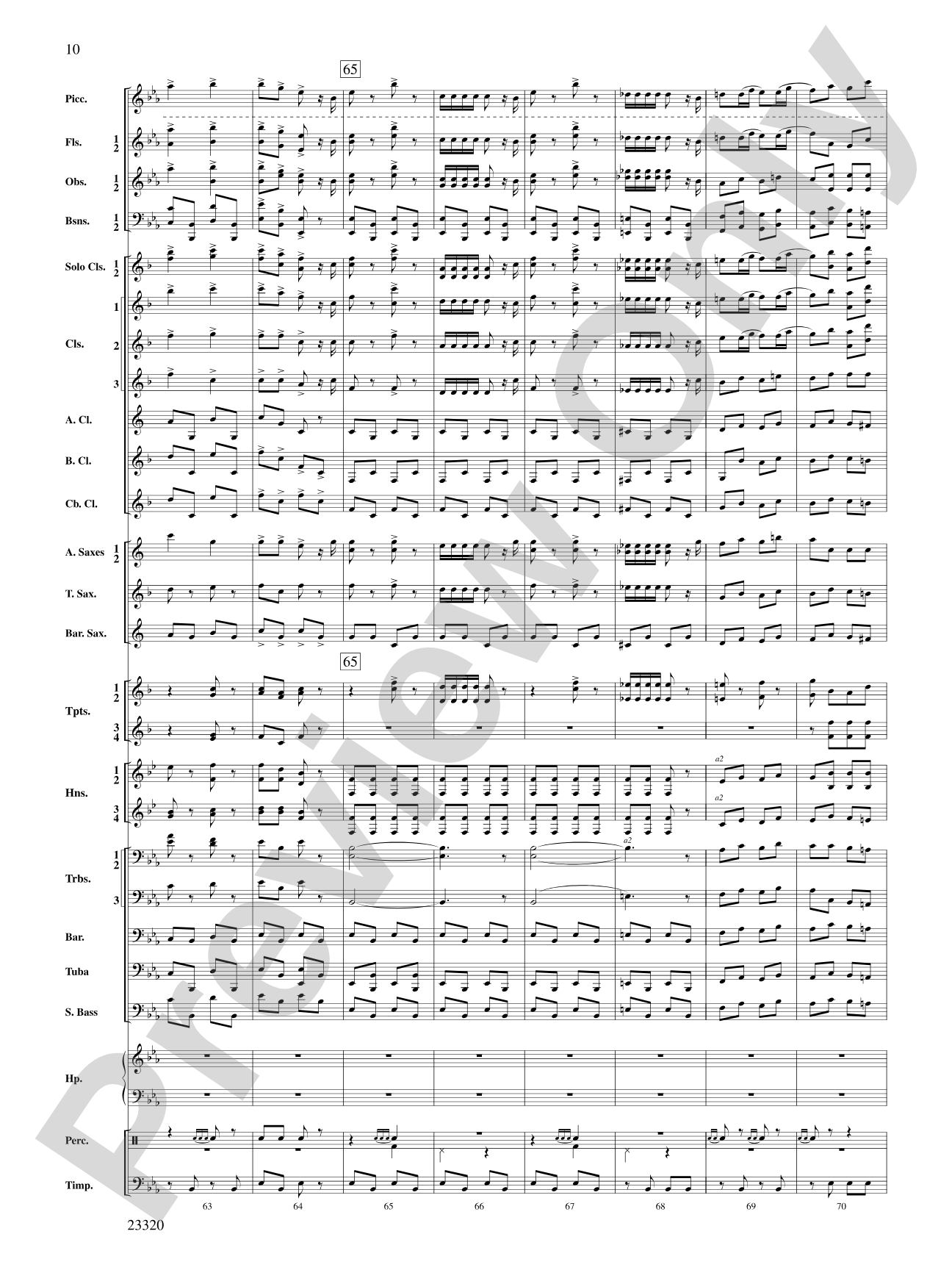
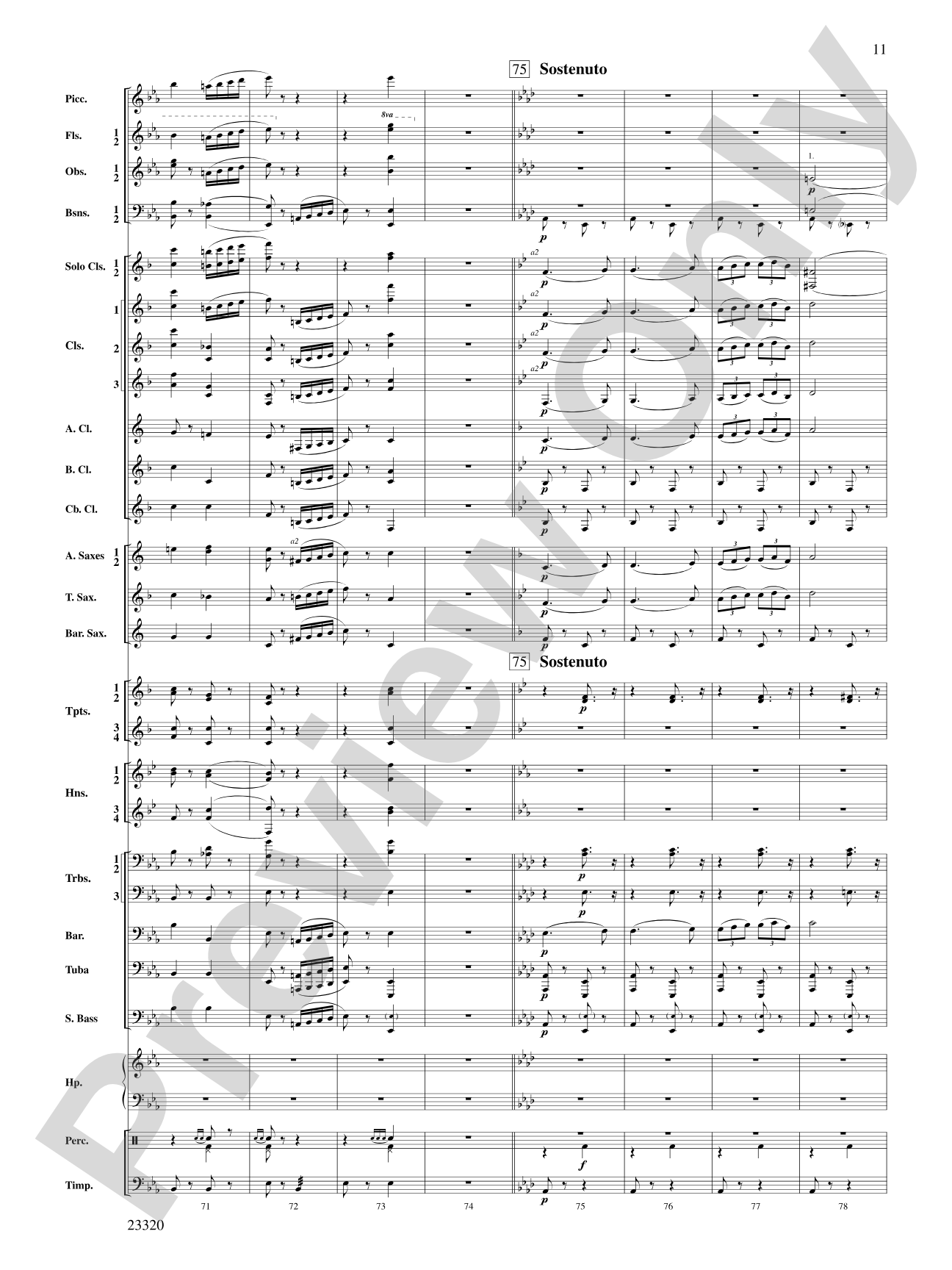
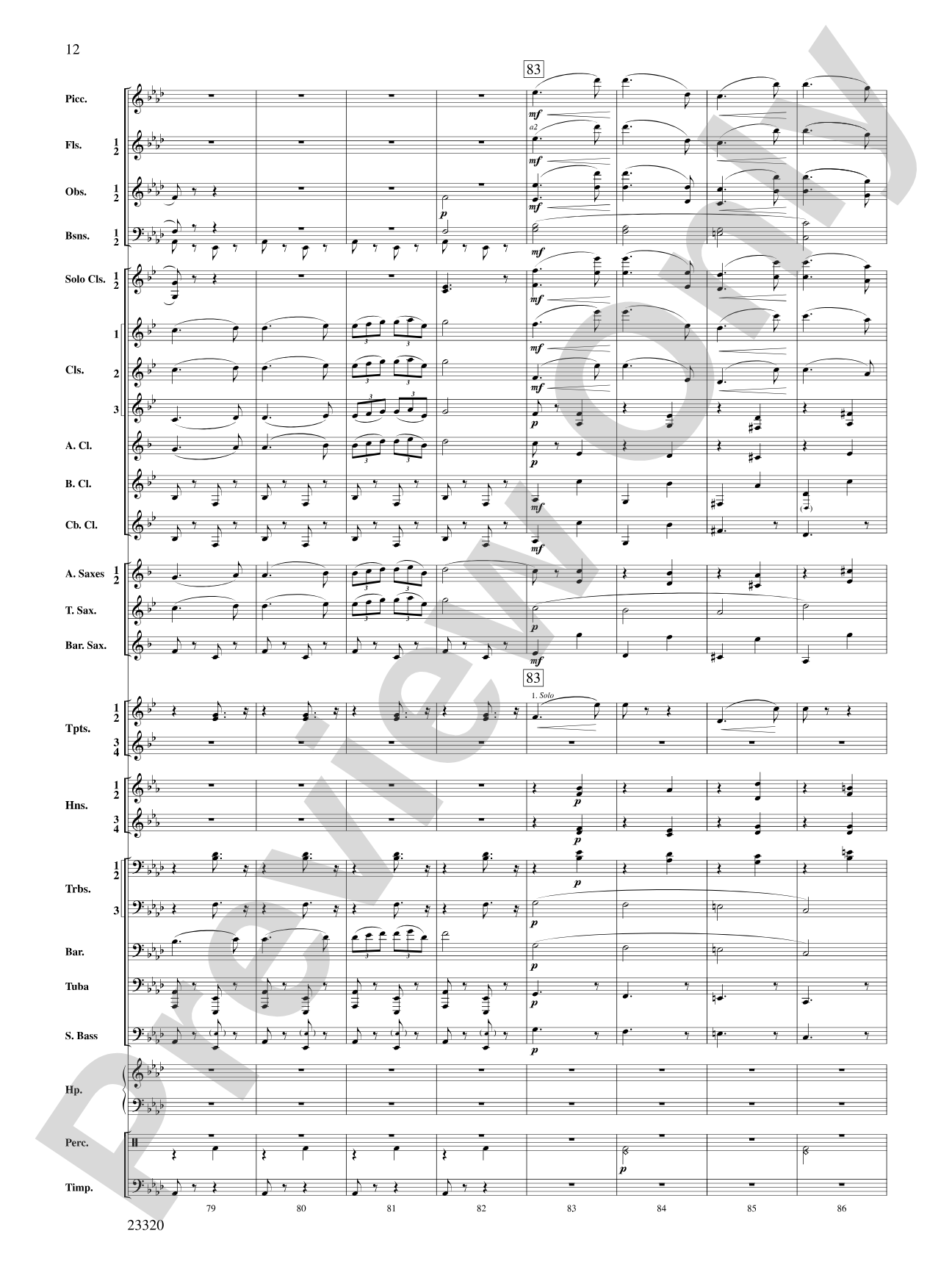
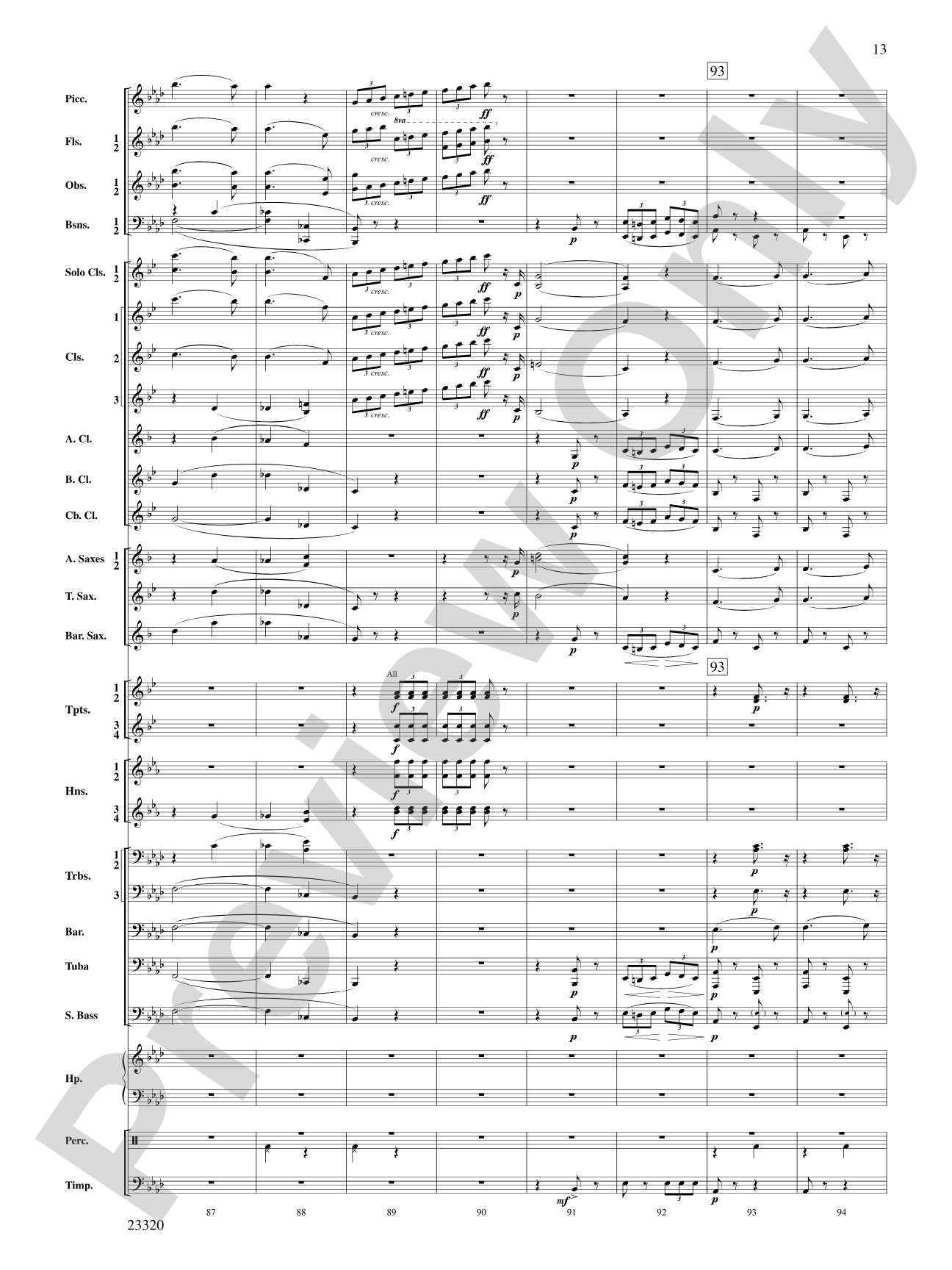
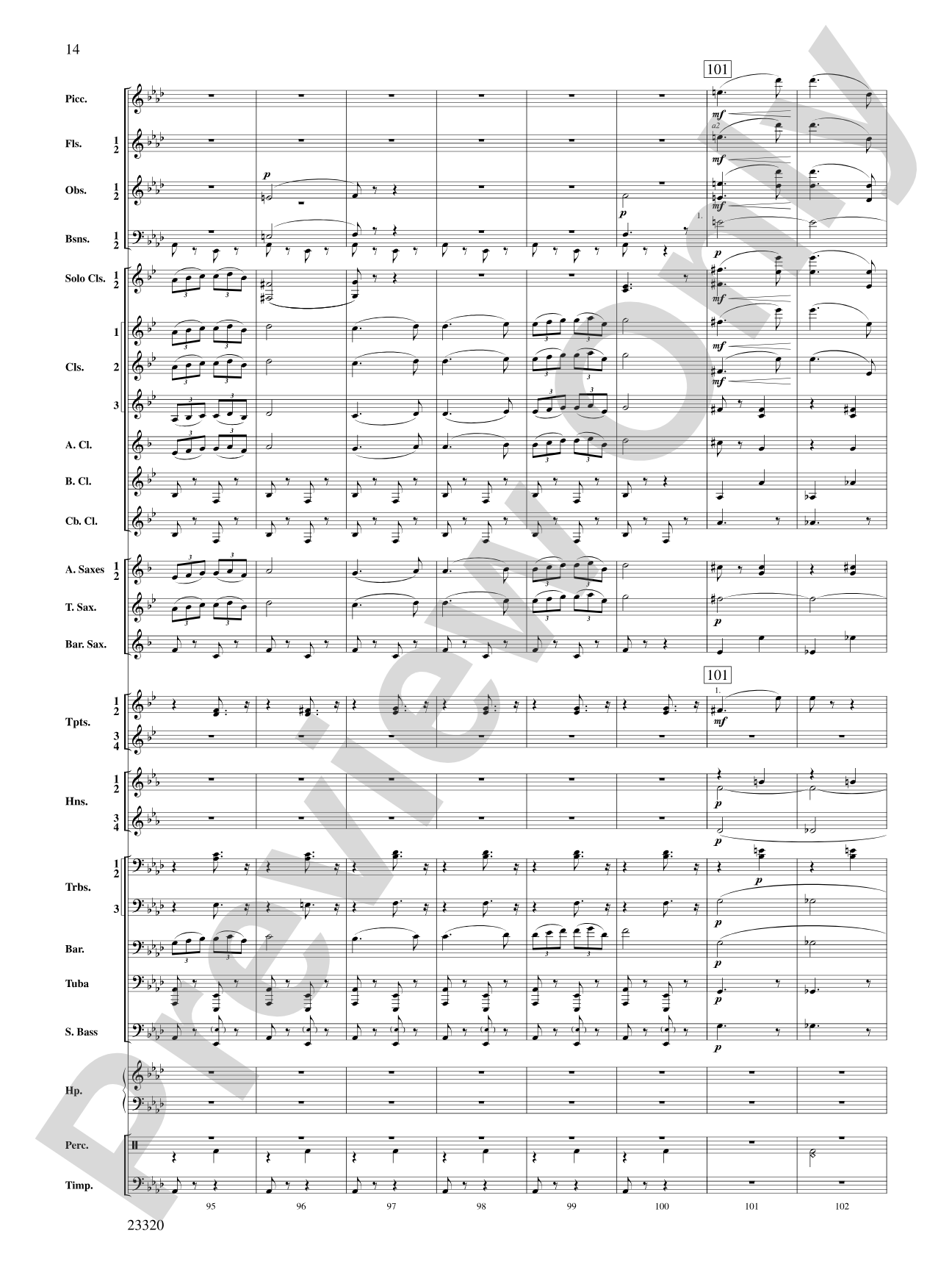
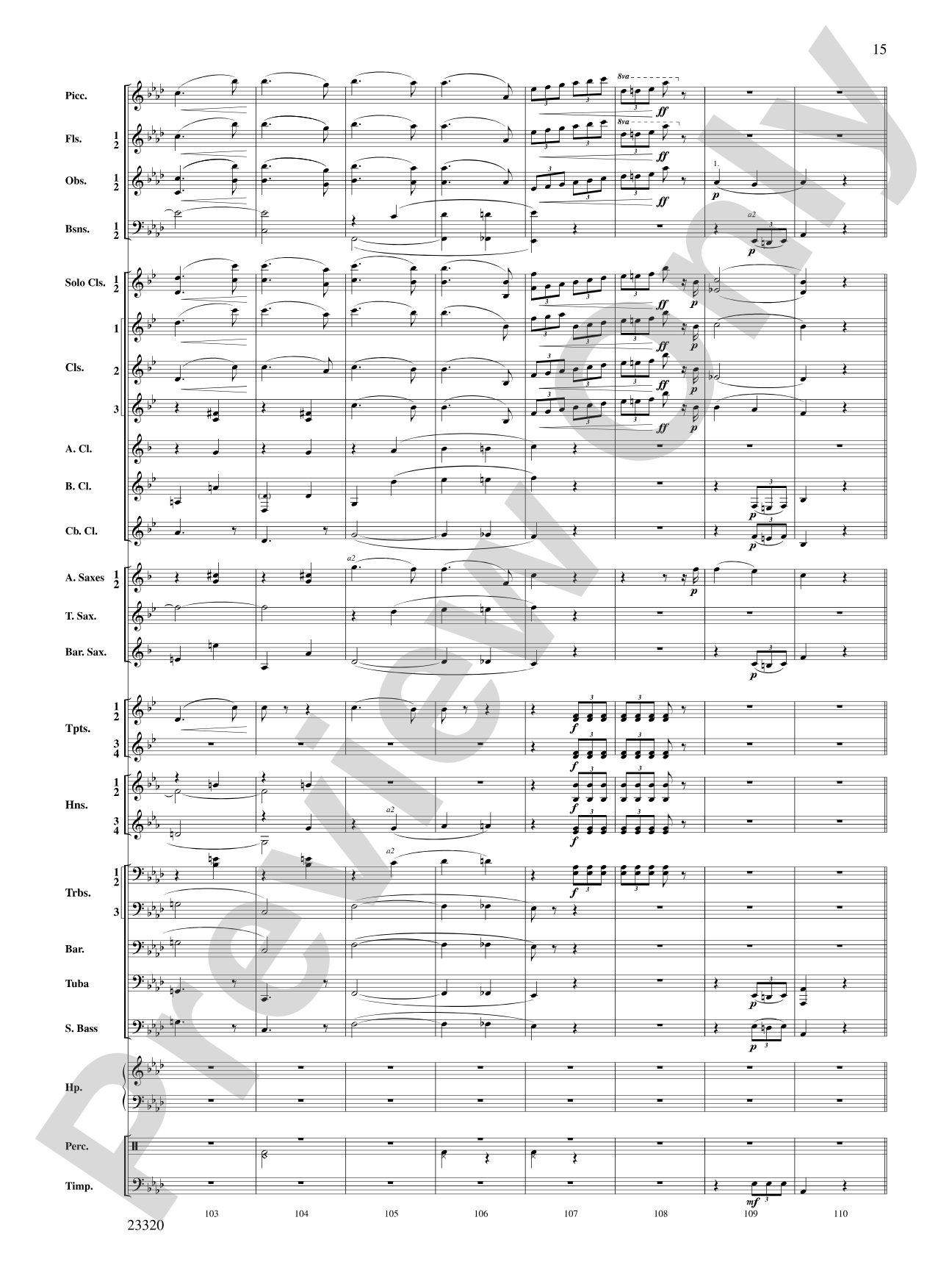
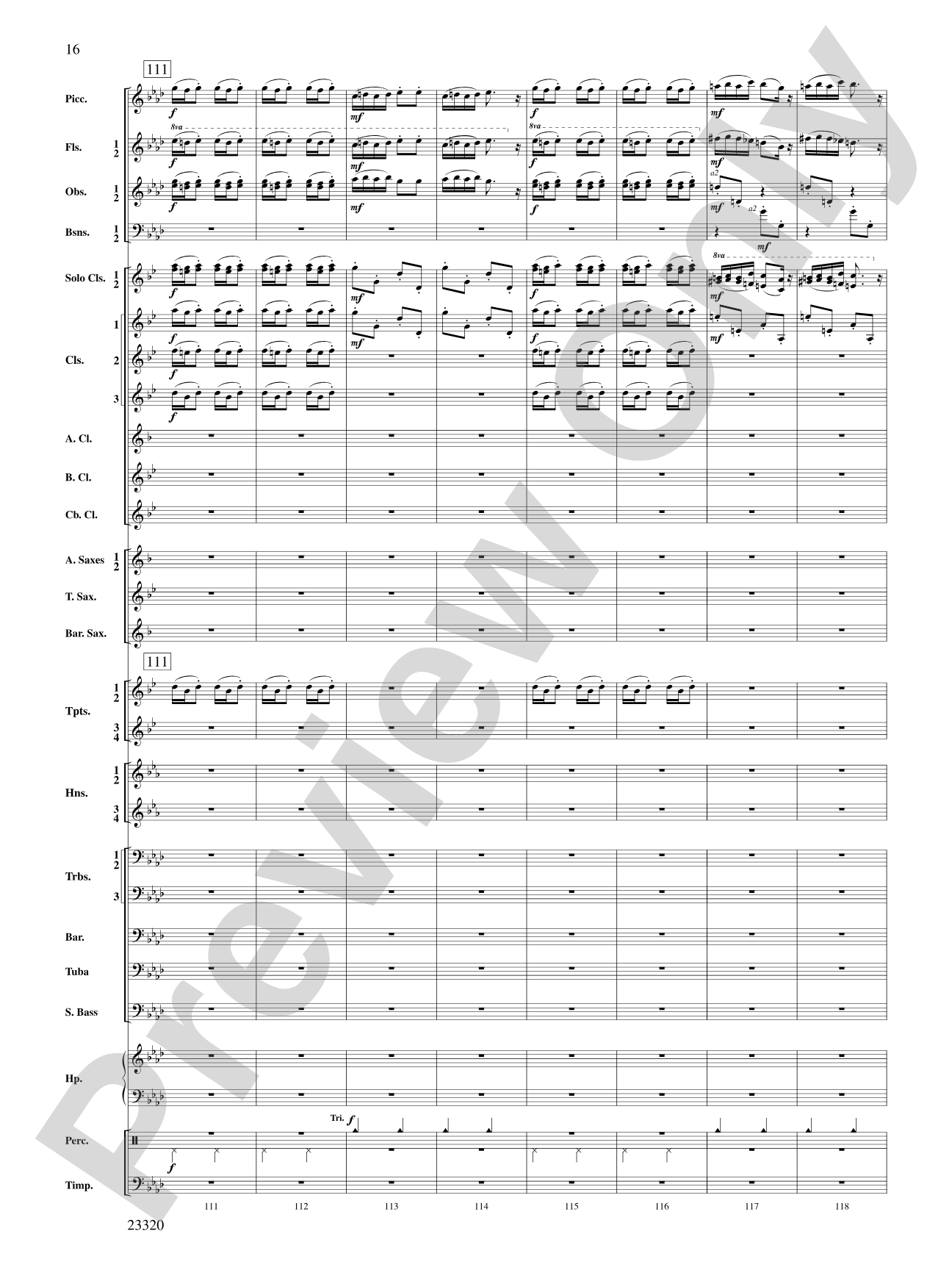
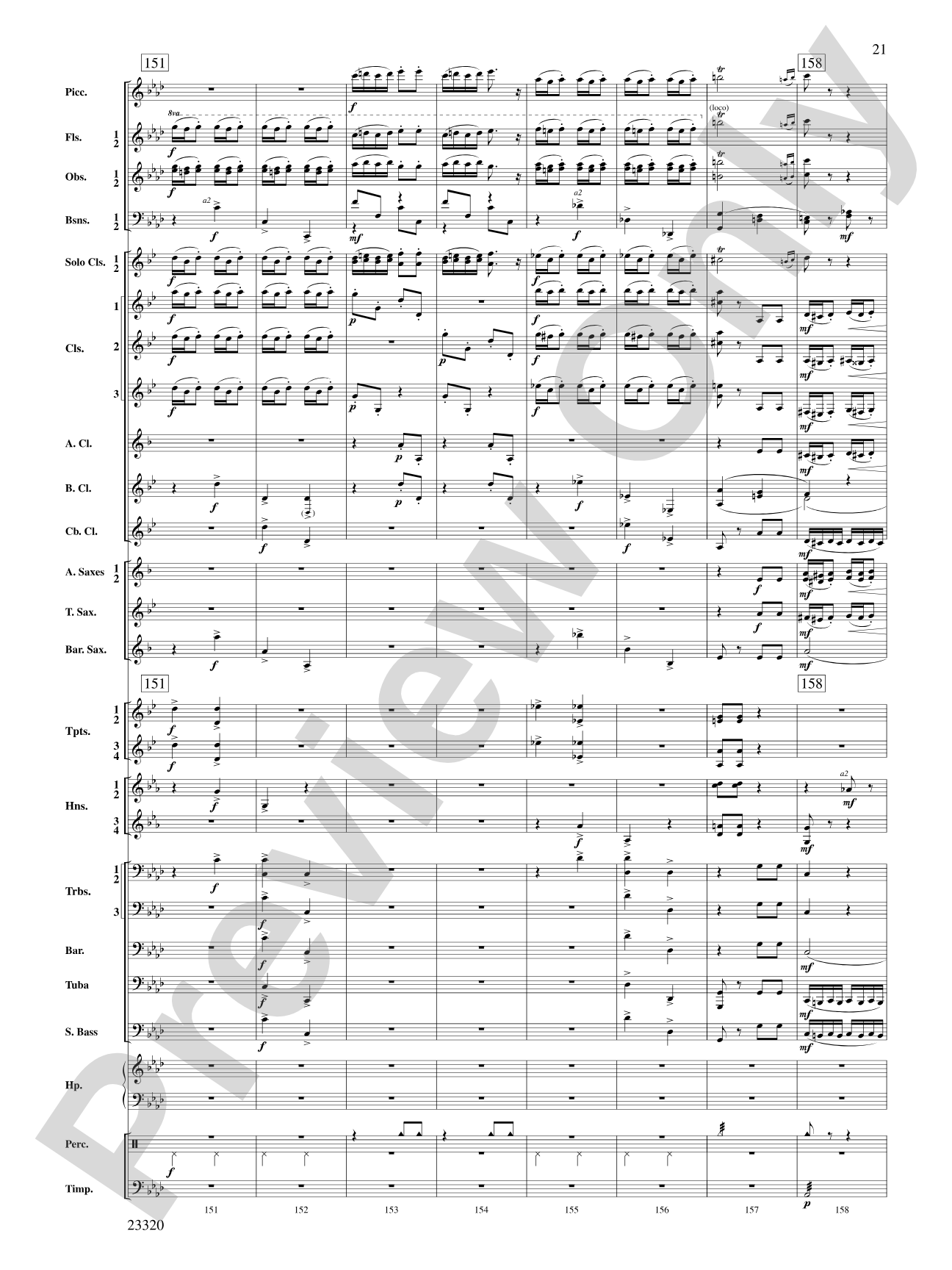
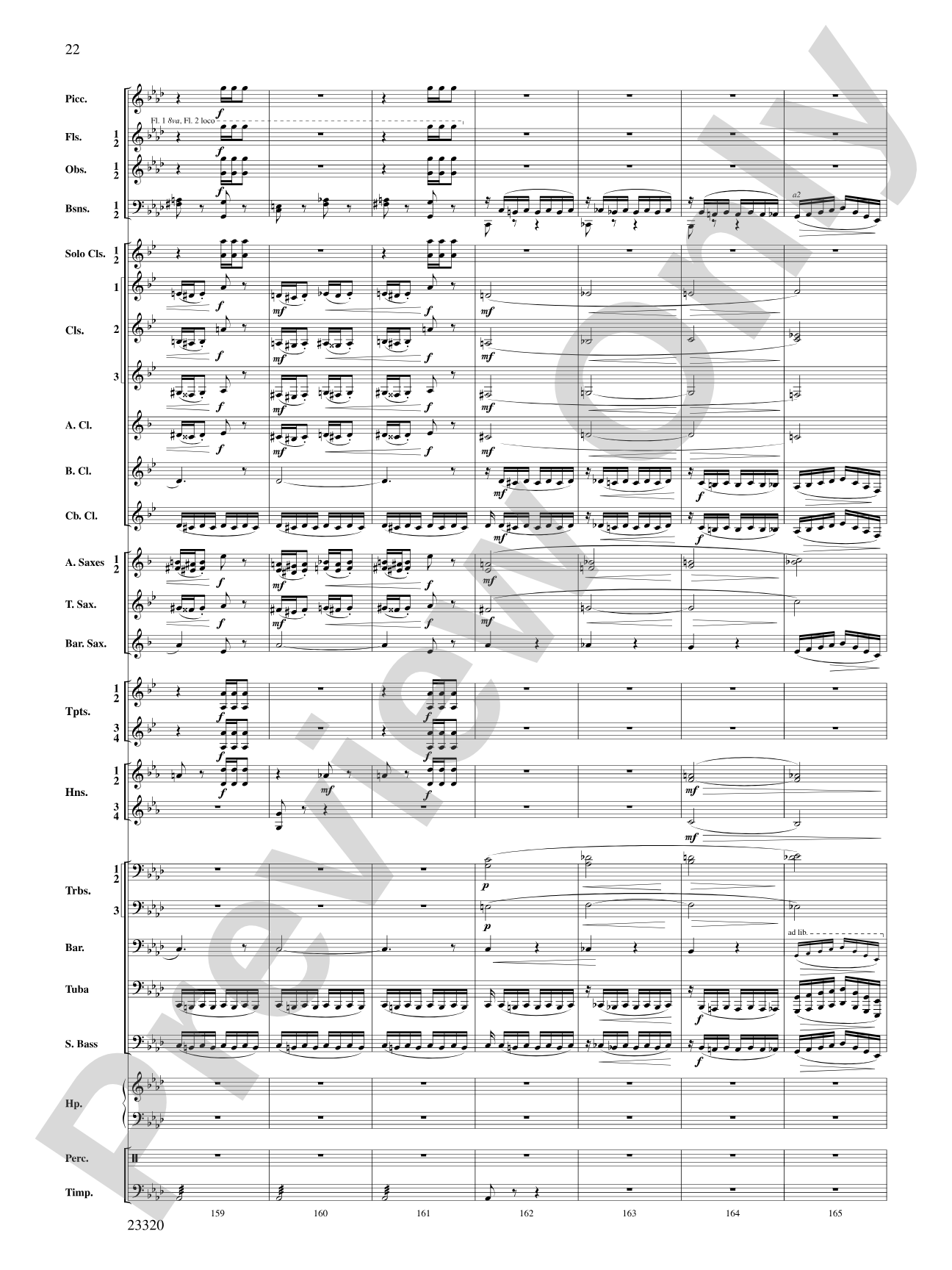
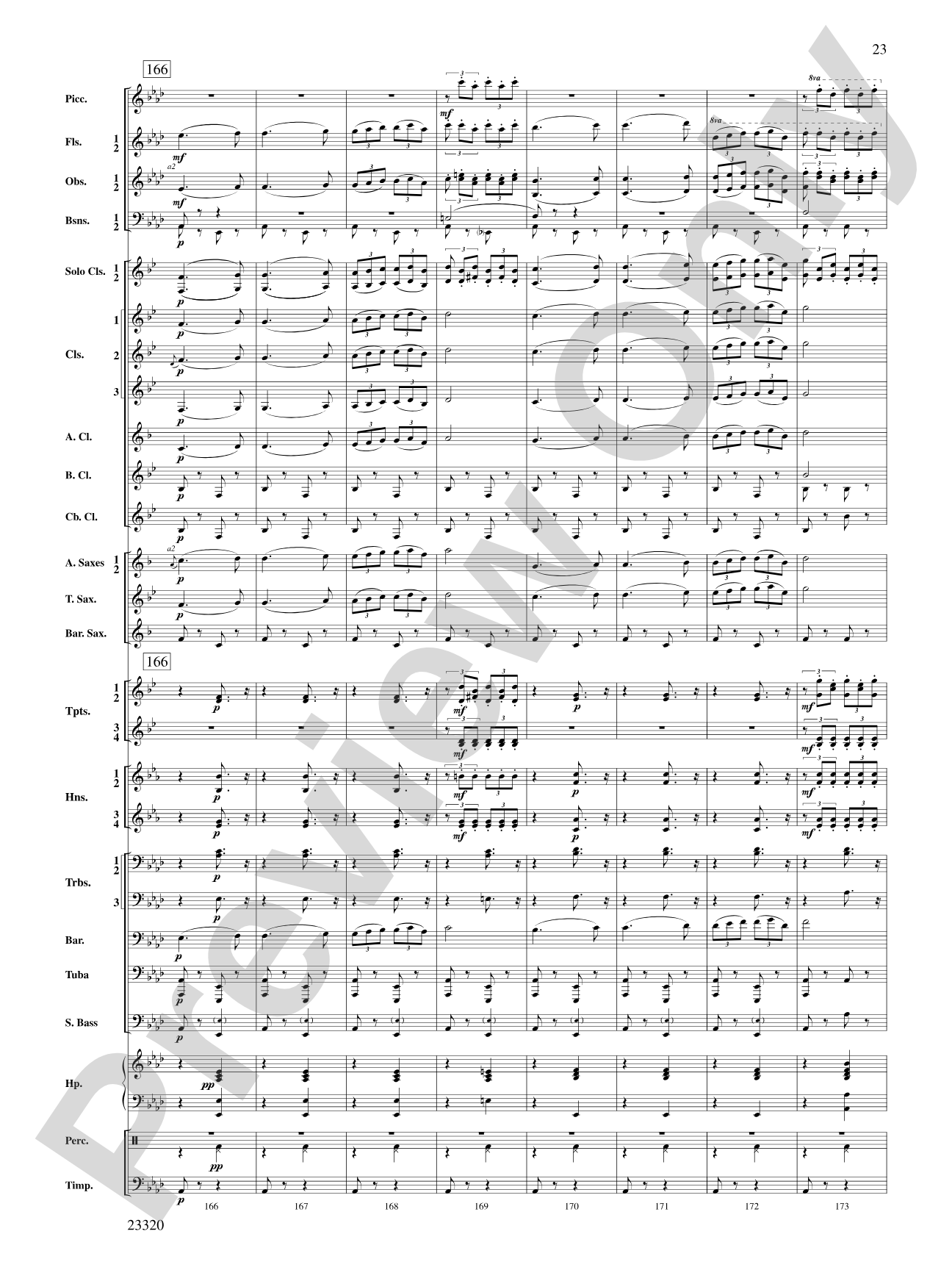
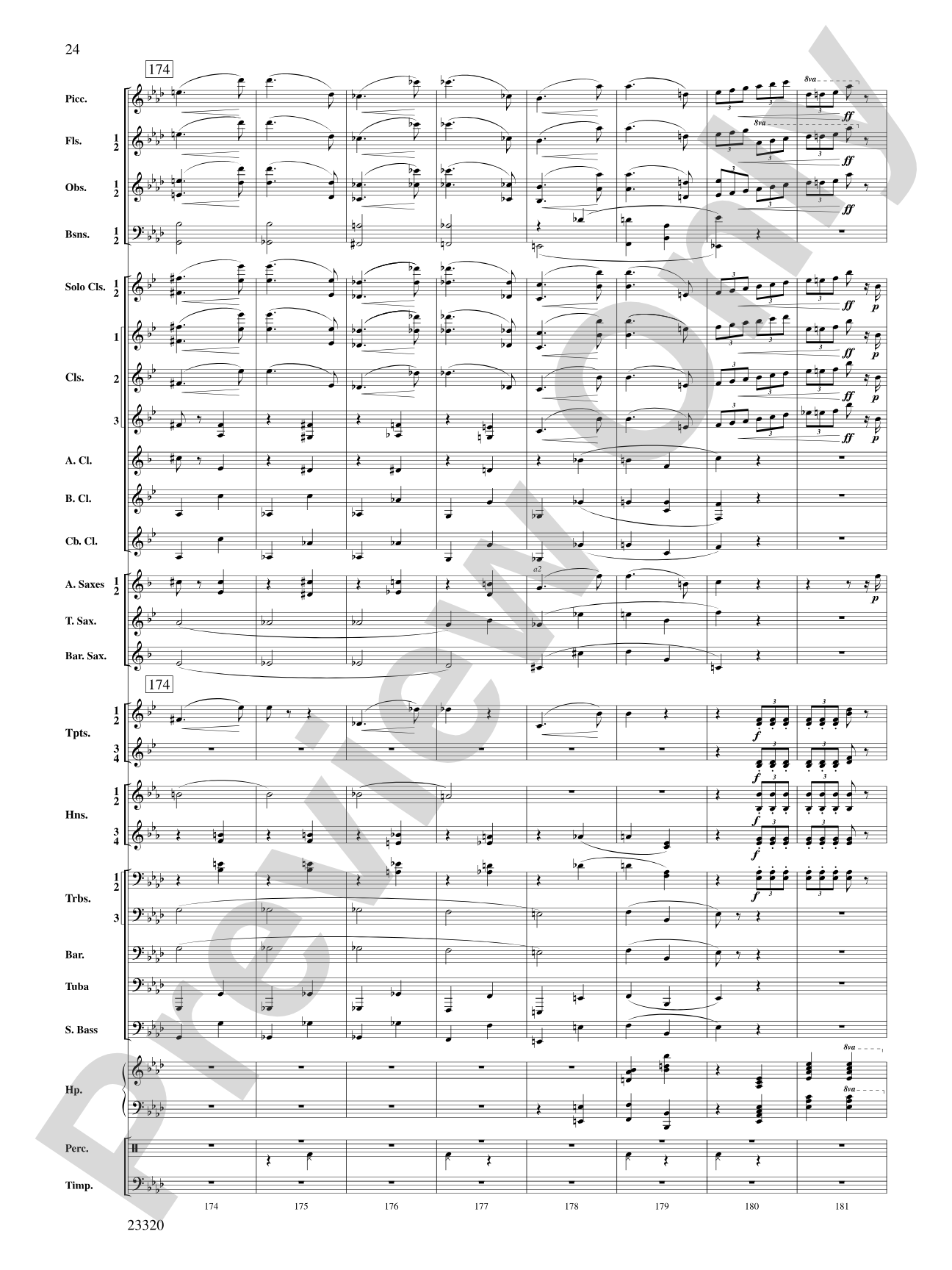
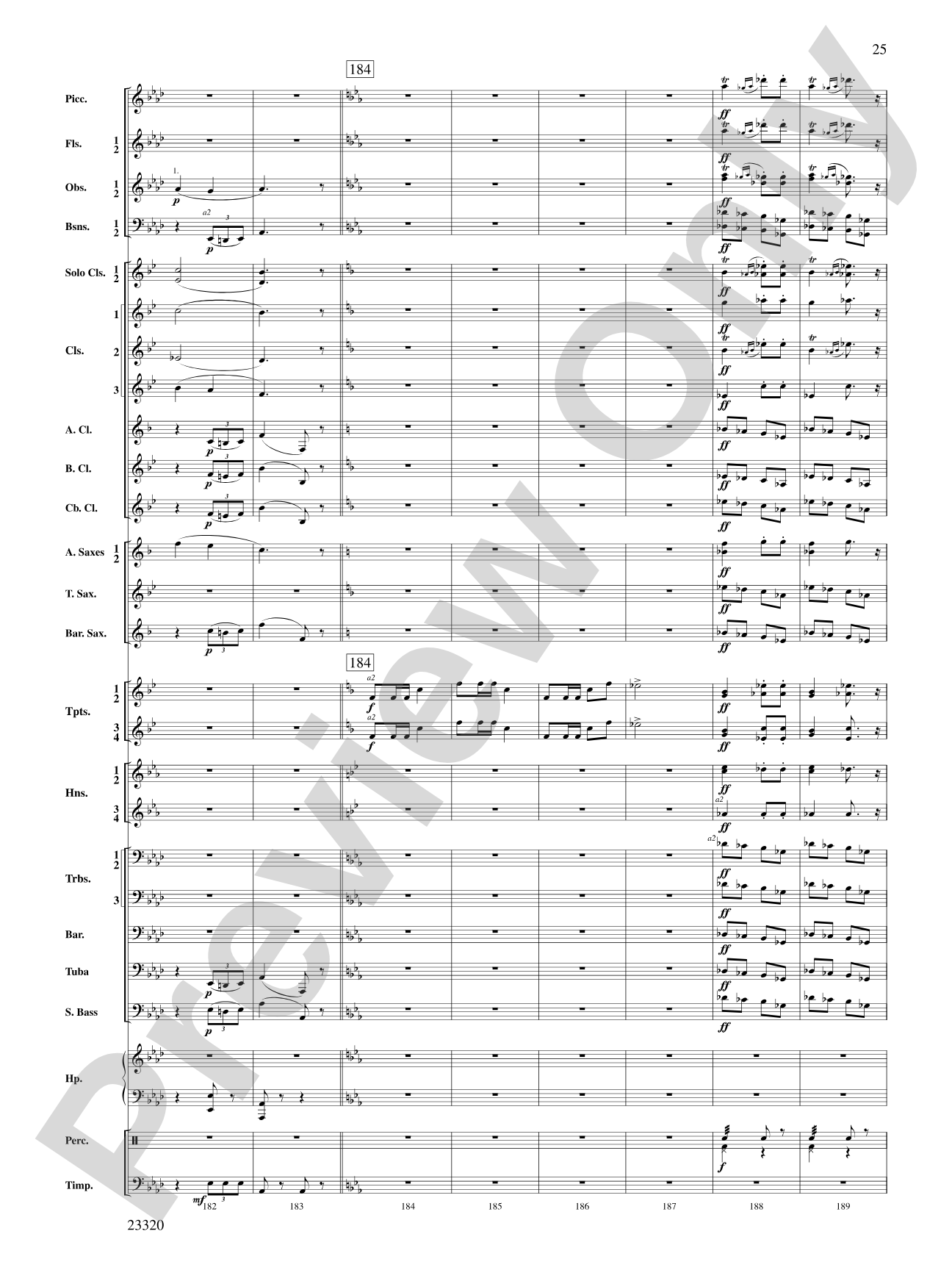
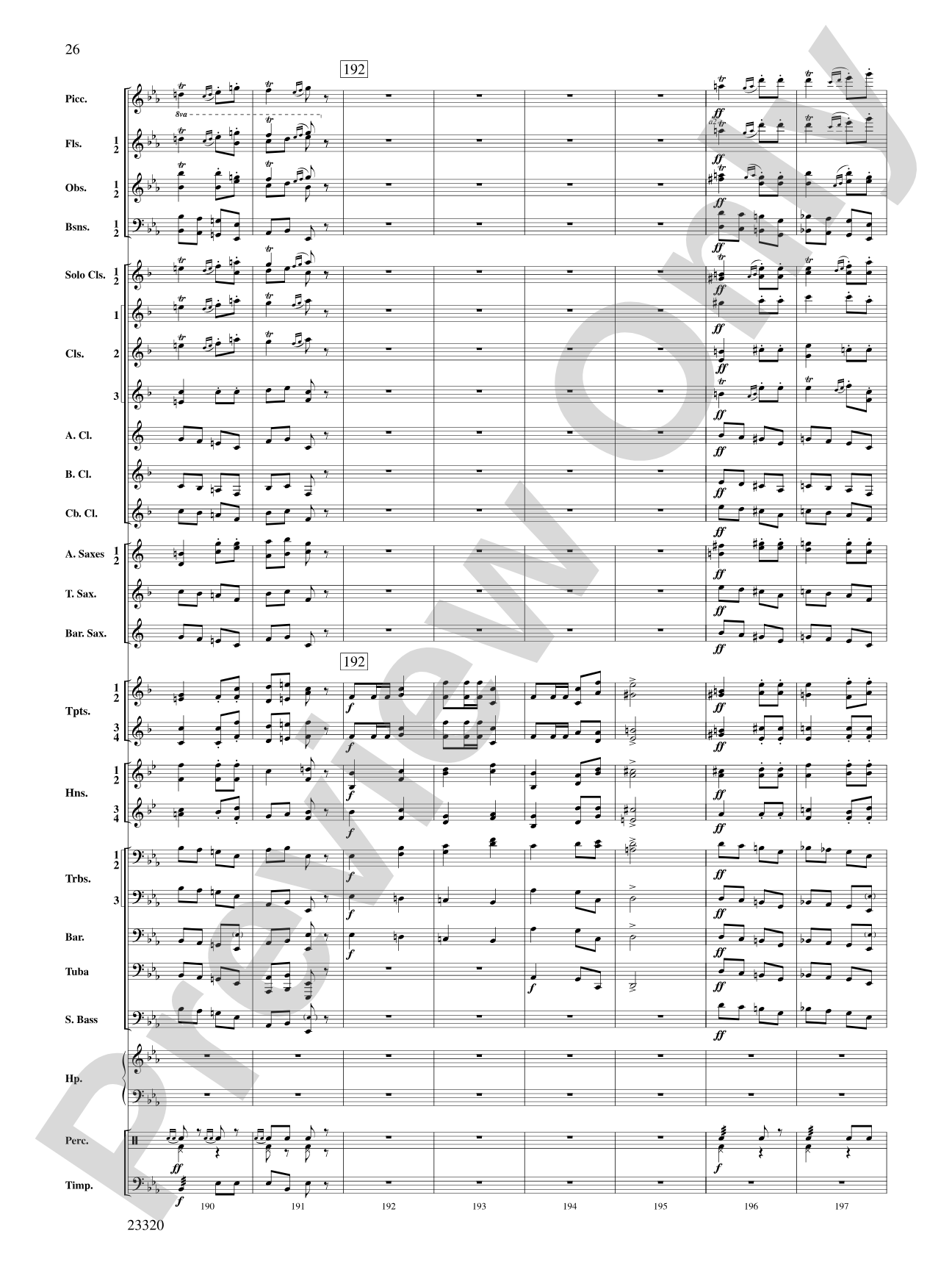
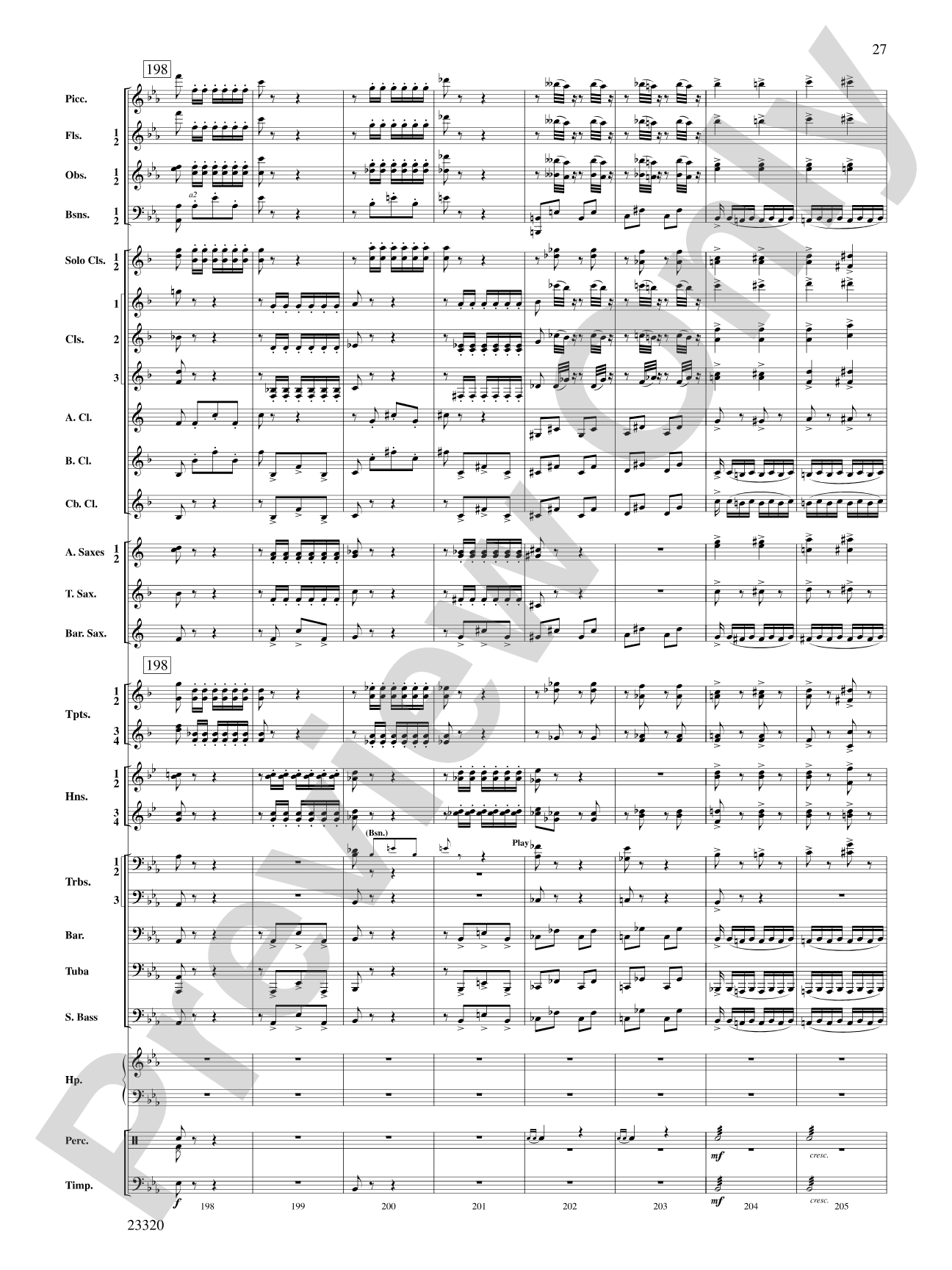
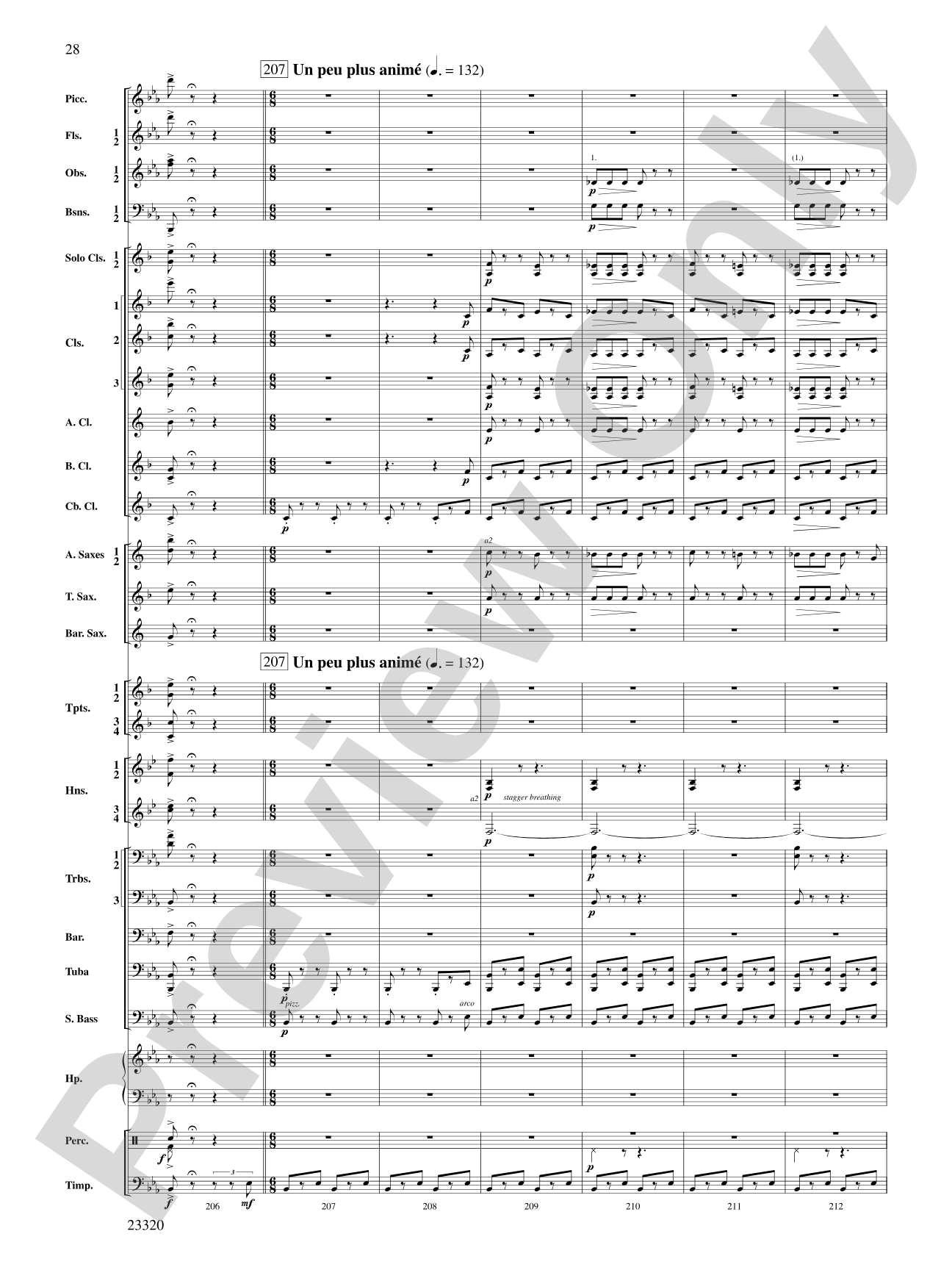
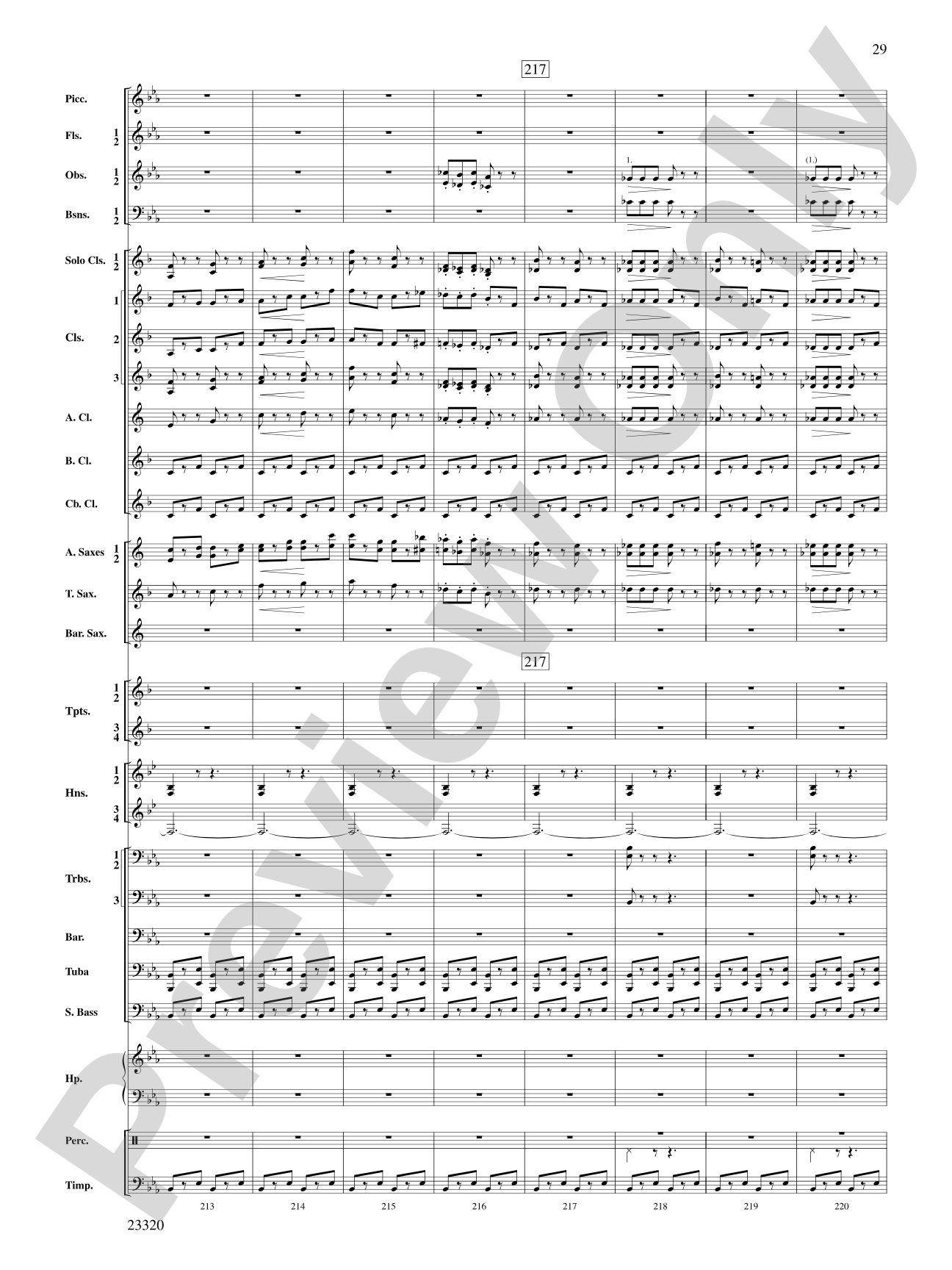
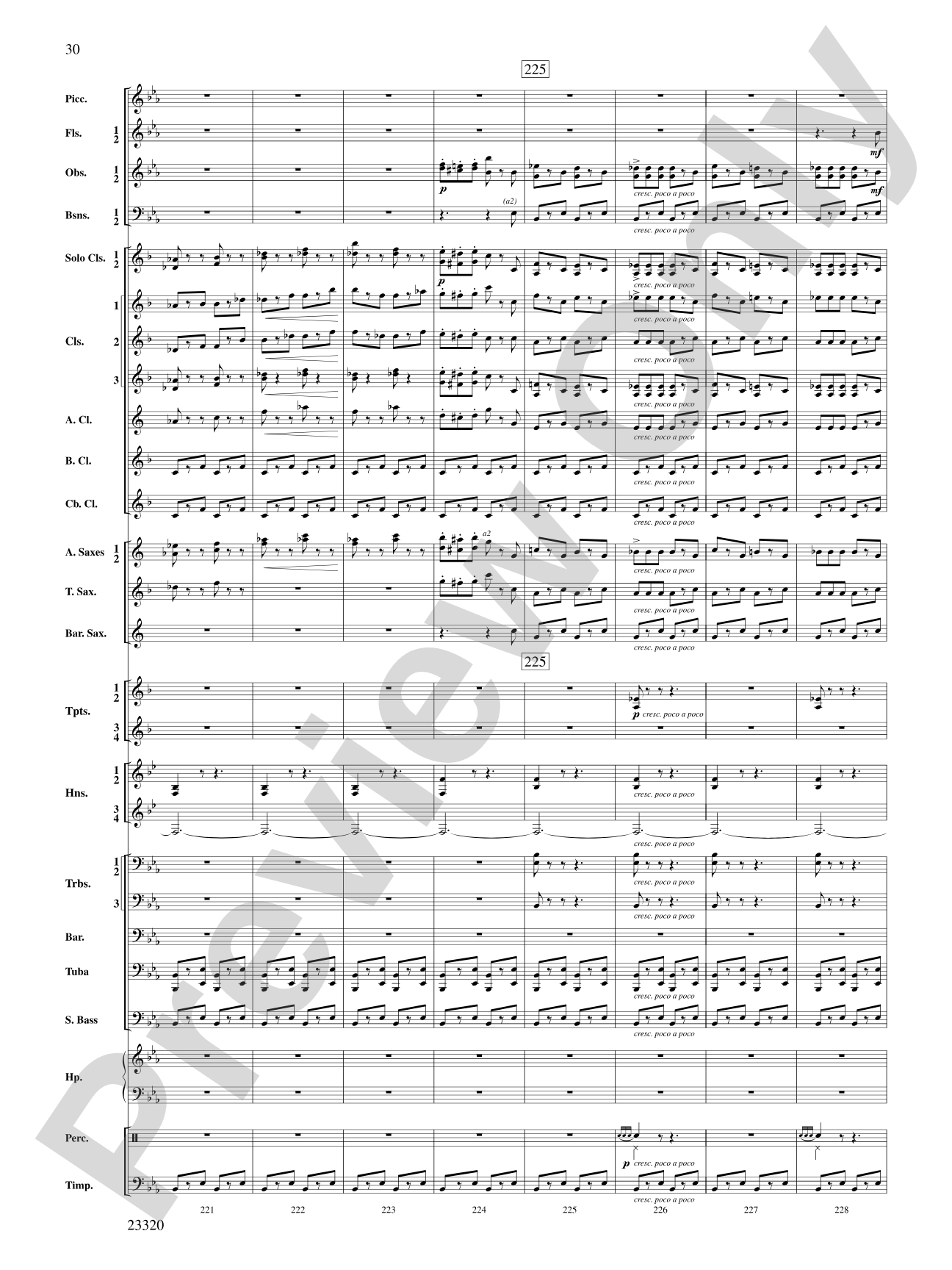
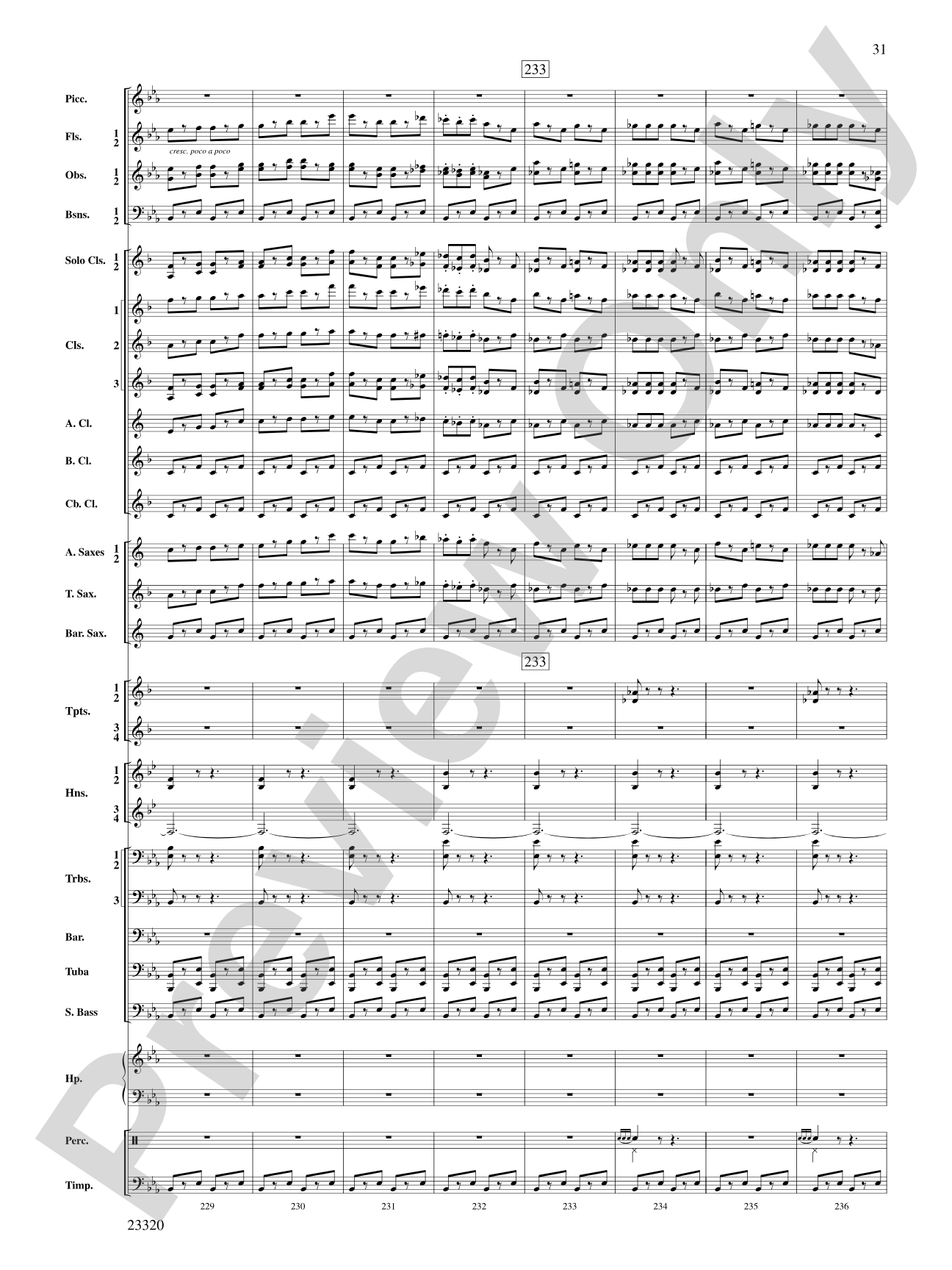
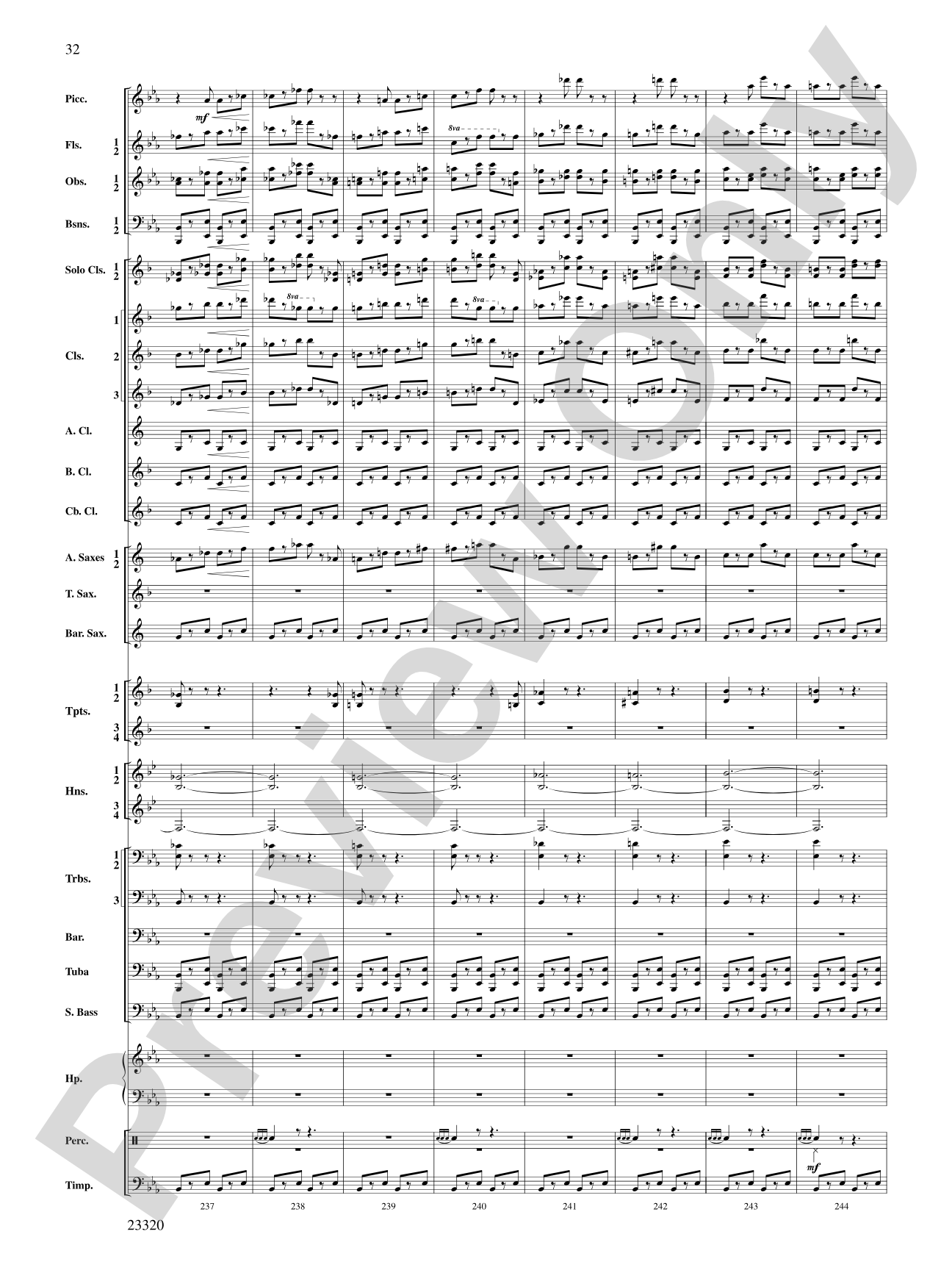
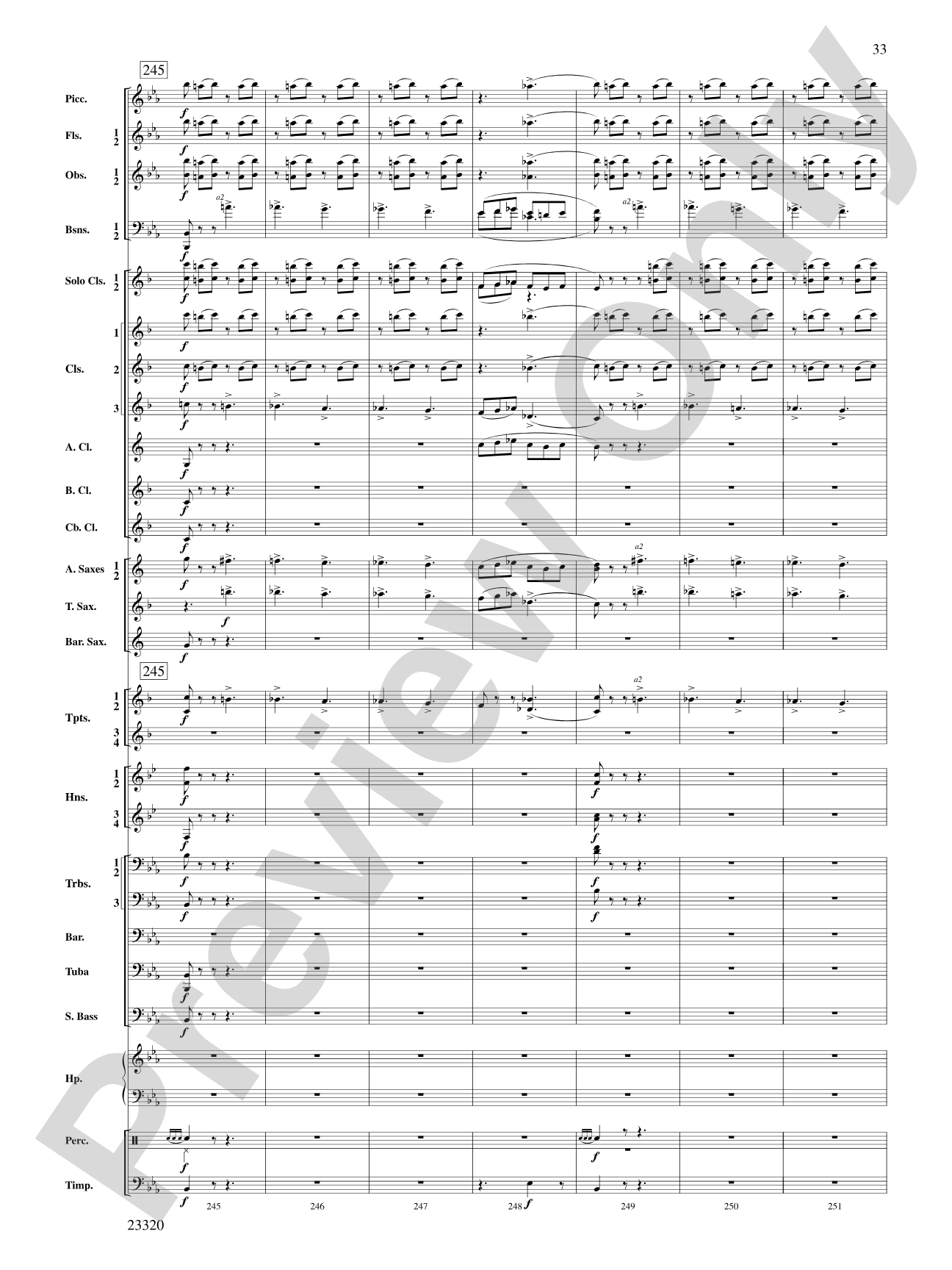
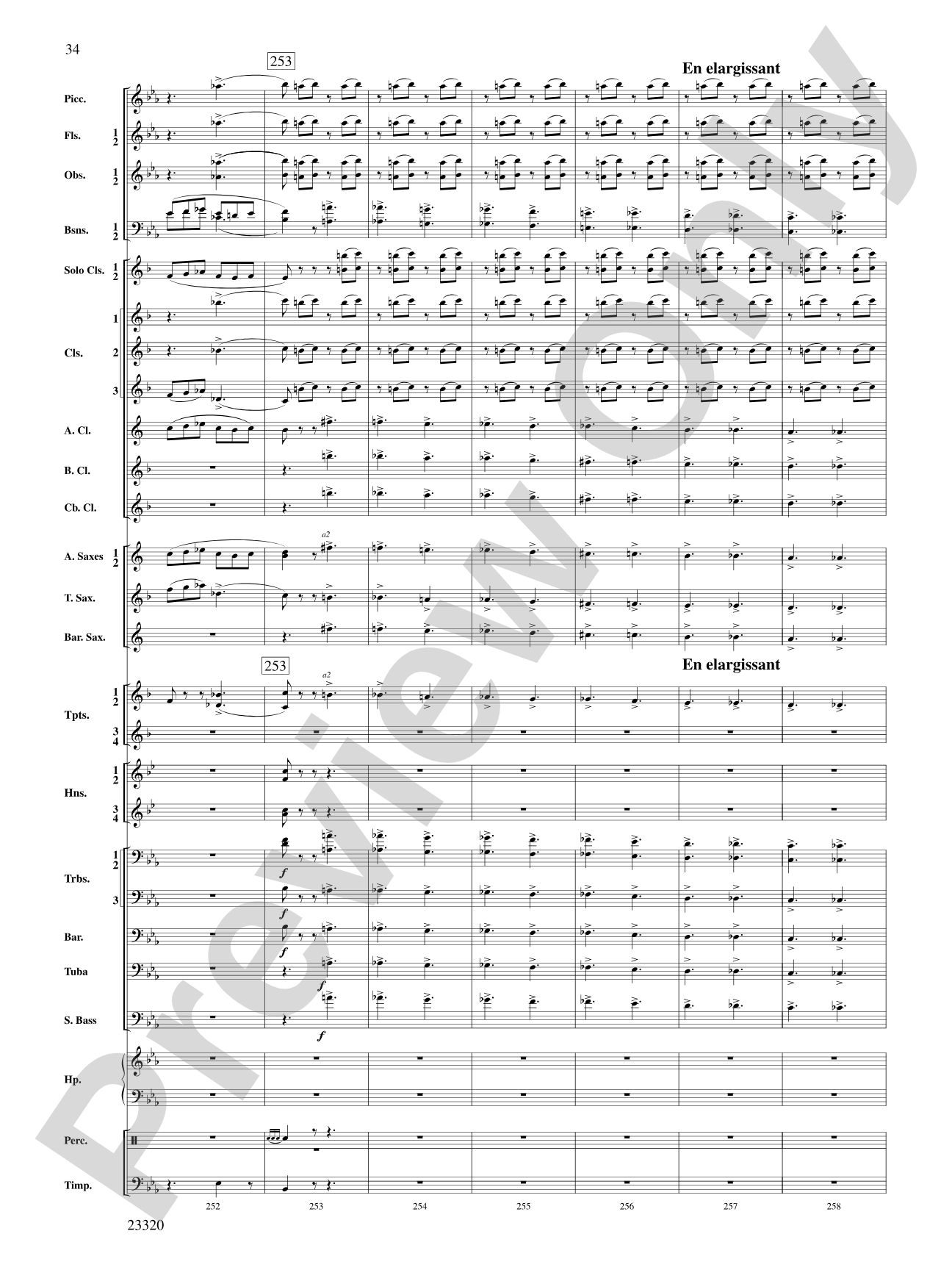
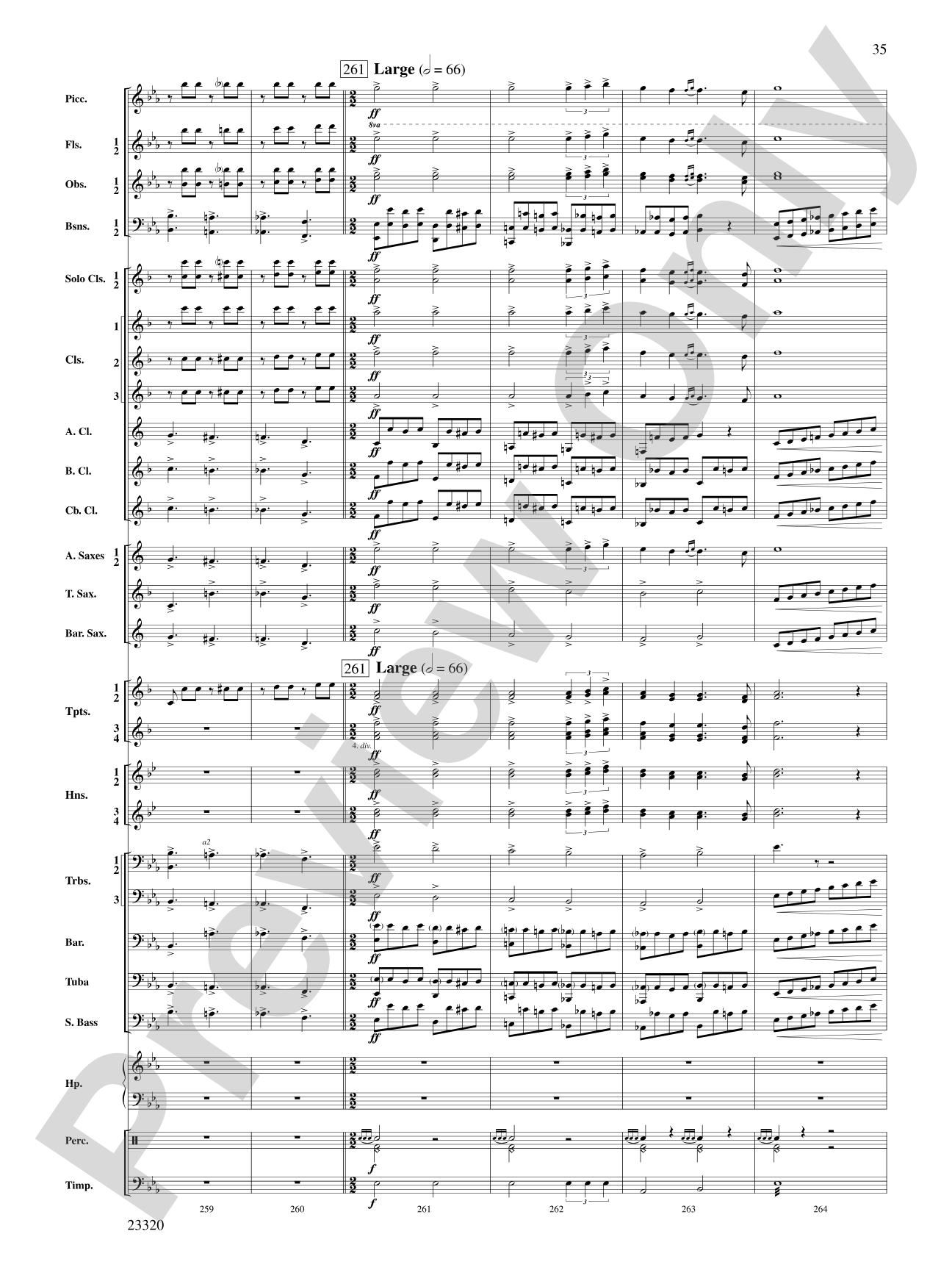
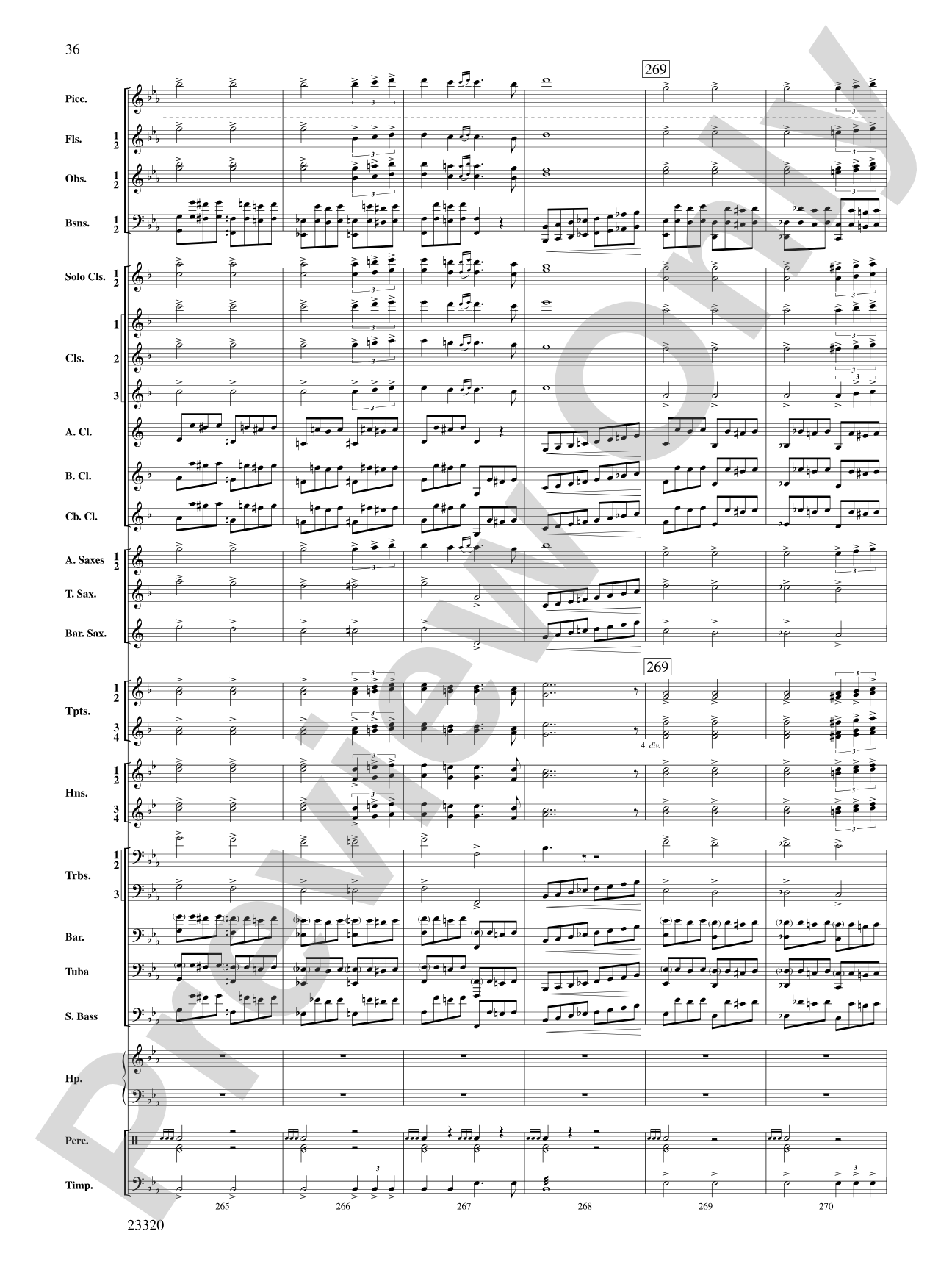
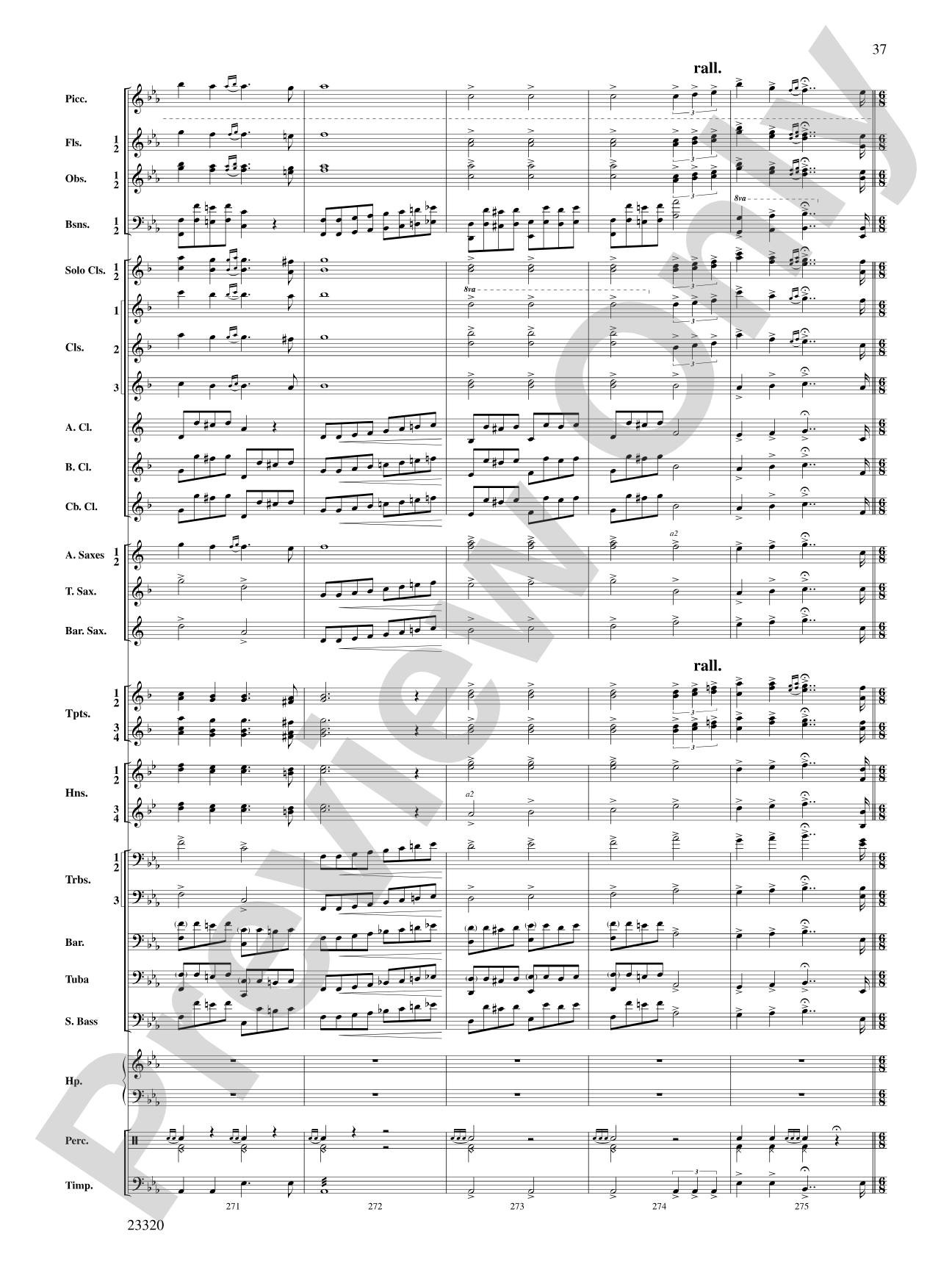
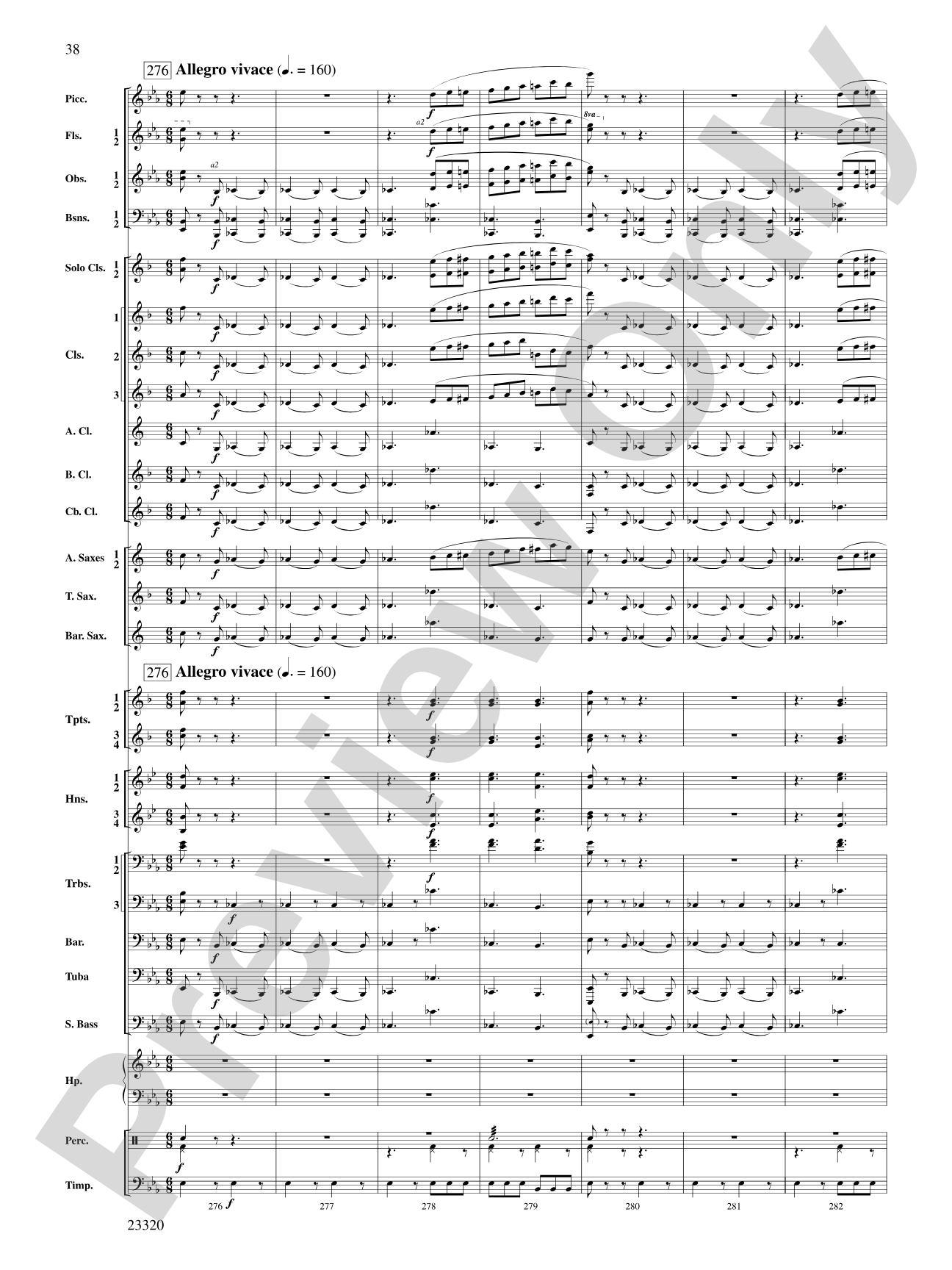
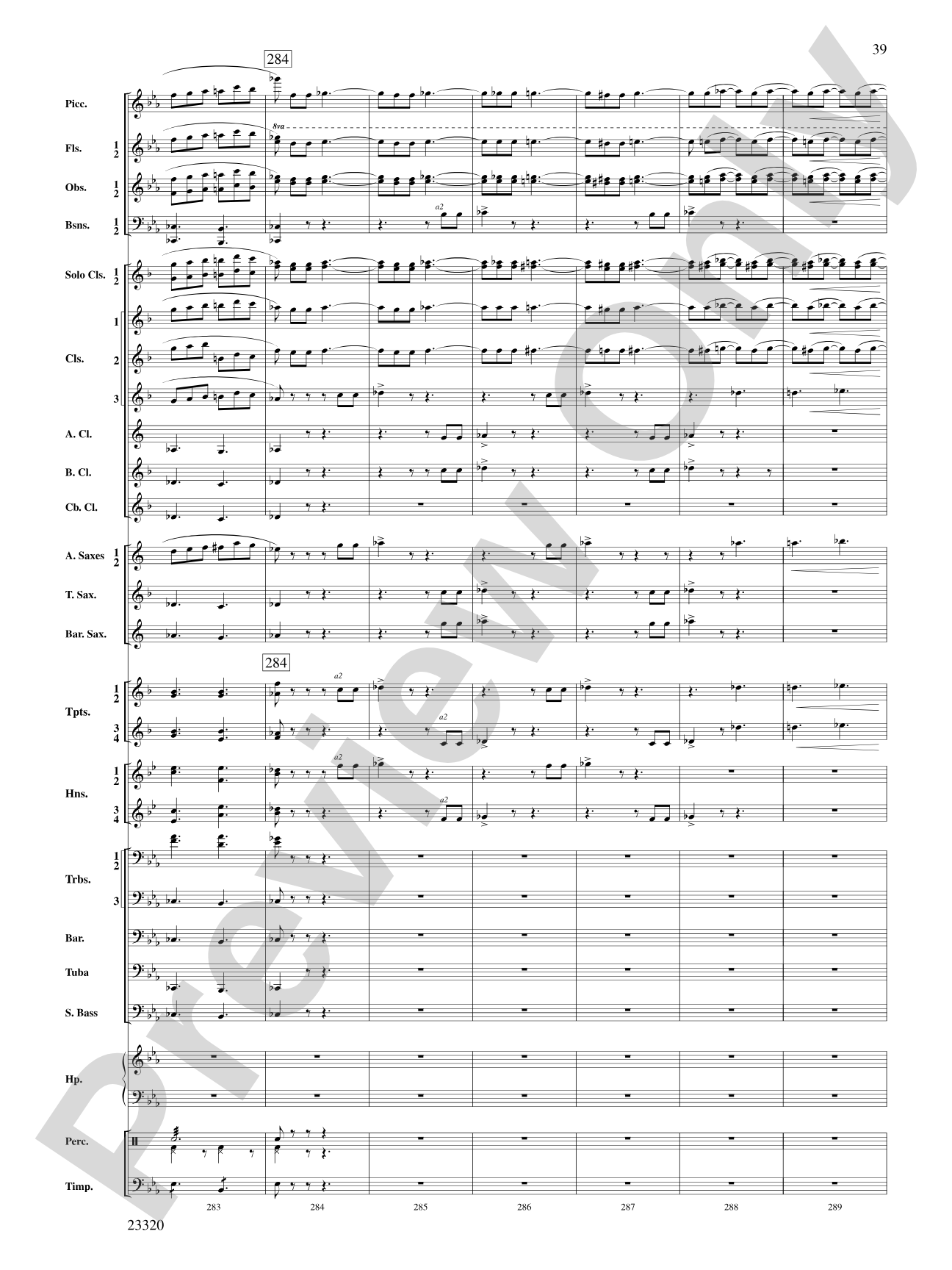
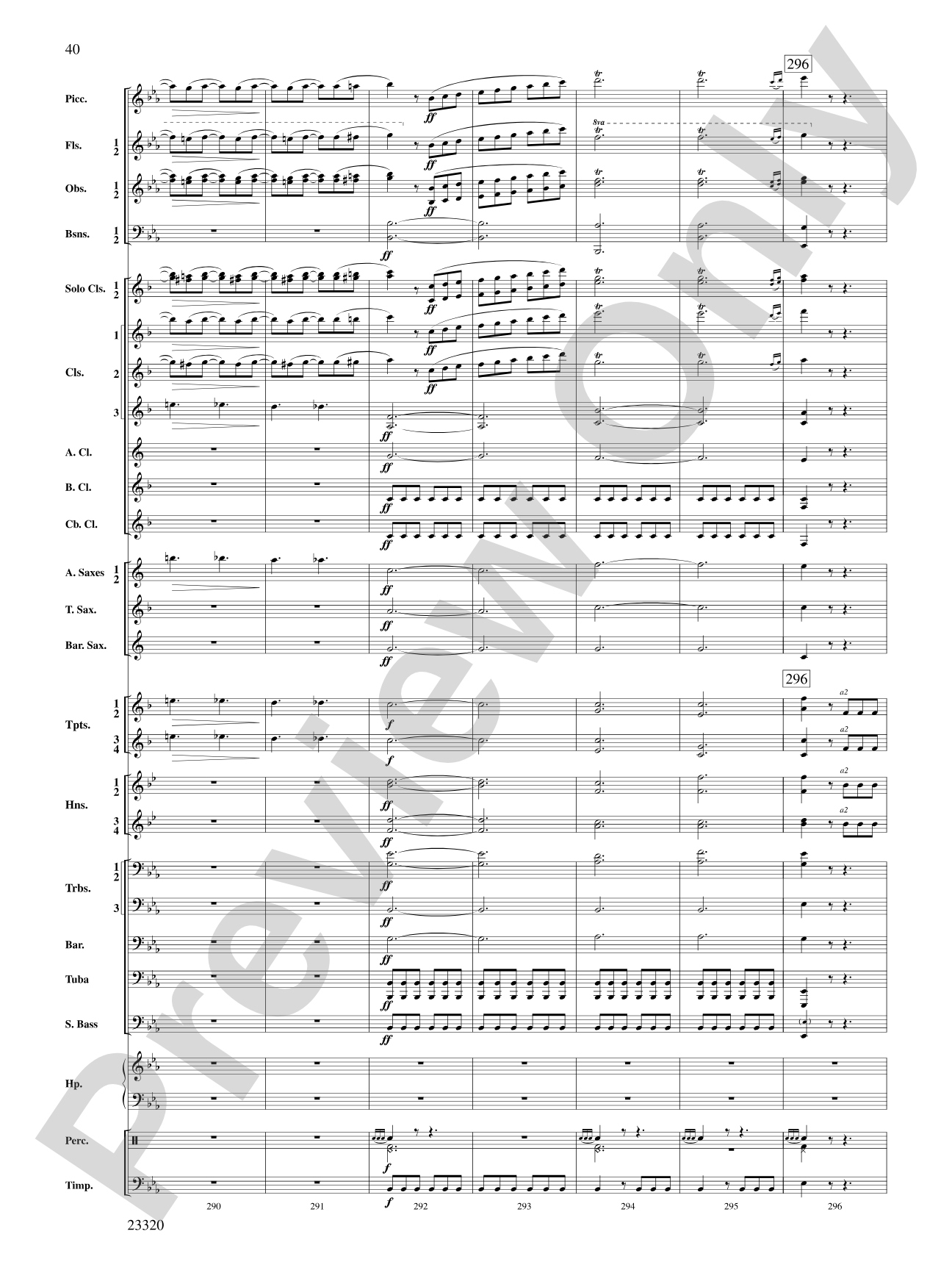
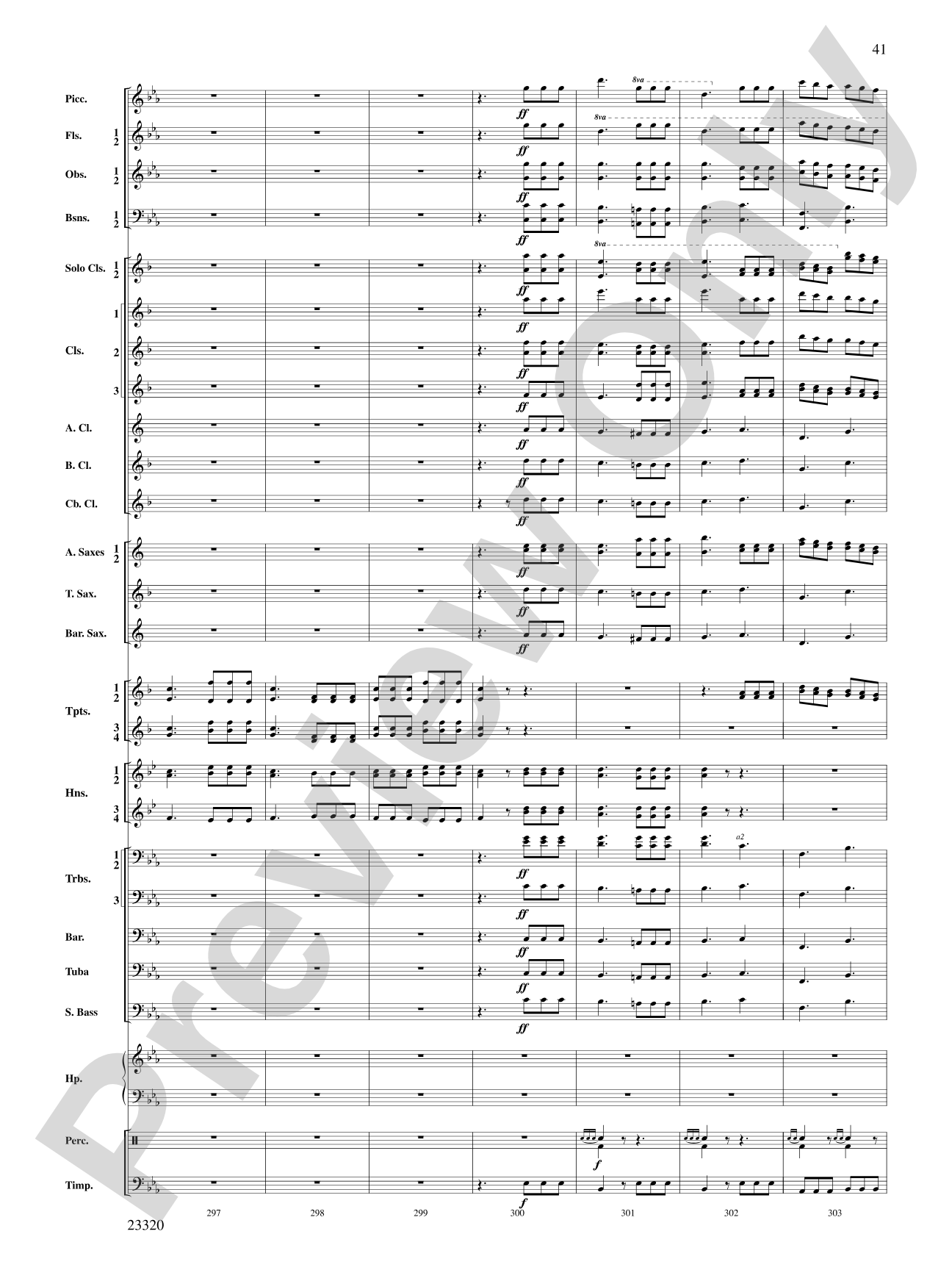
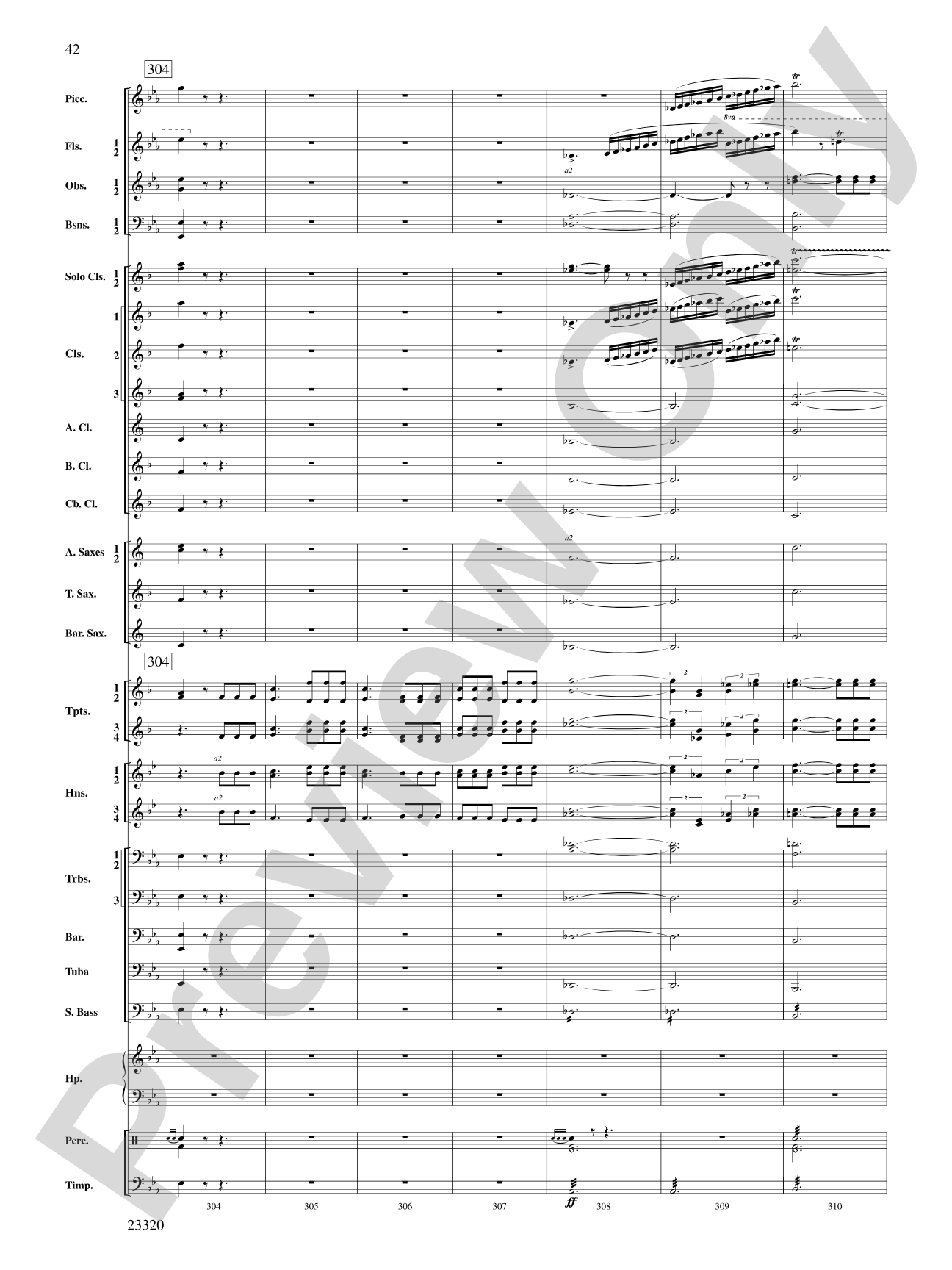
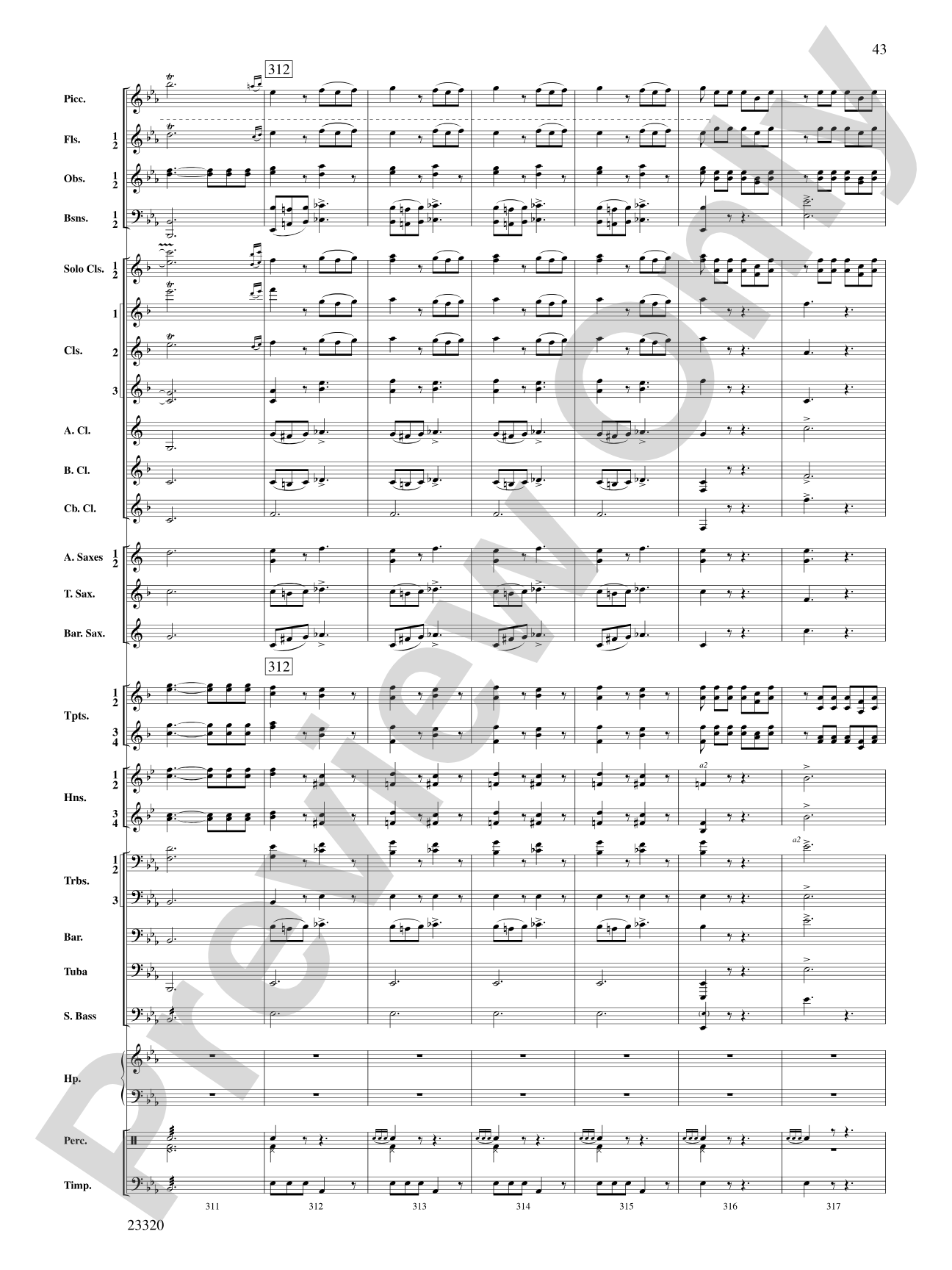
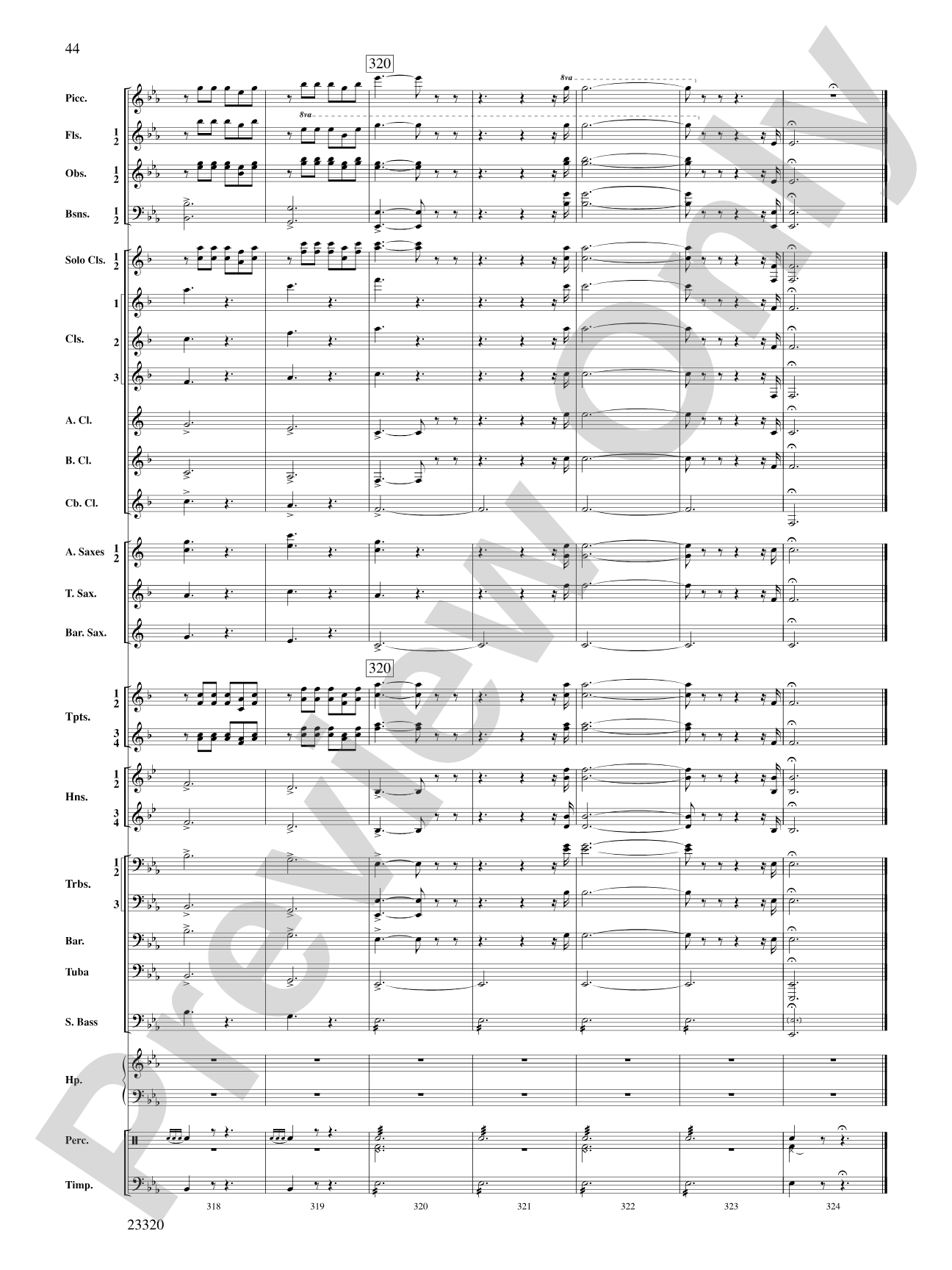

March and Cortege of Bacchus: Concert Band Conductor Score & Parts
By Joseph Kreines
Grade: 5 (Difficult)
Item: 00-PK-0005382

$90.00
Pickup currently not available
Buy Extra Parts (Digital PDF Download)
Parts Added to Cart!
Description
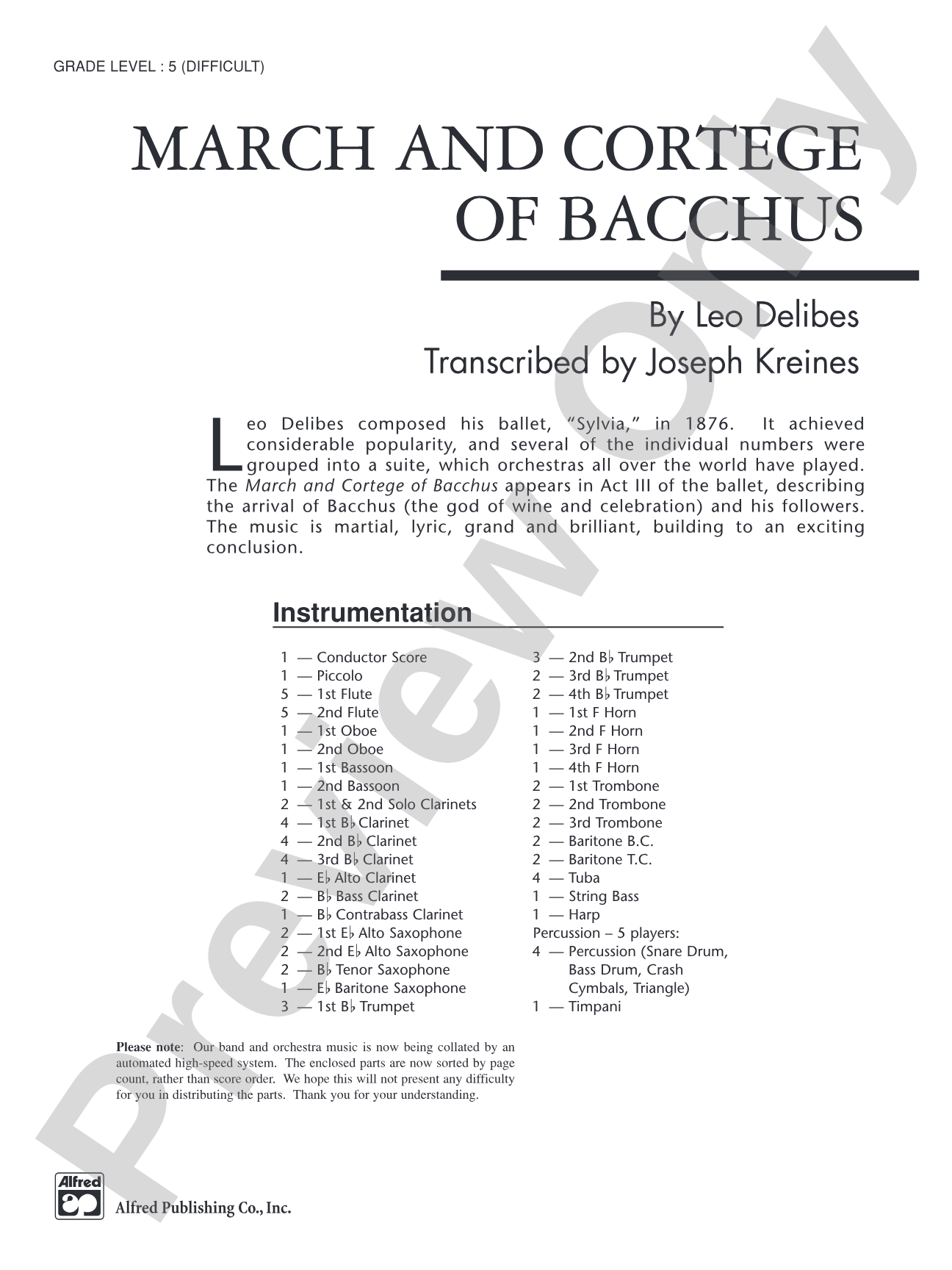
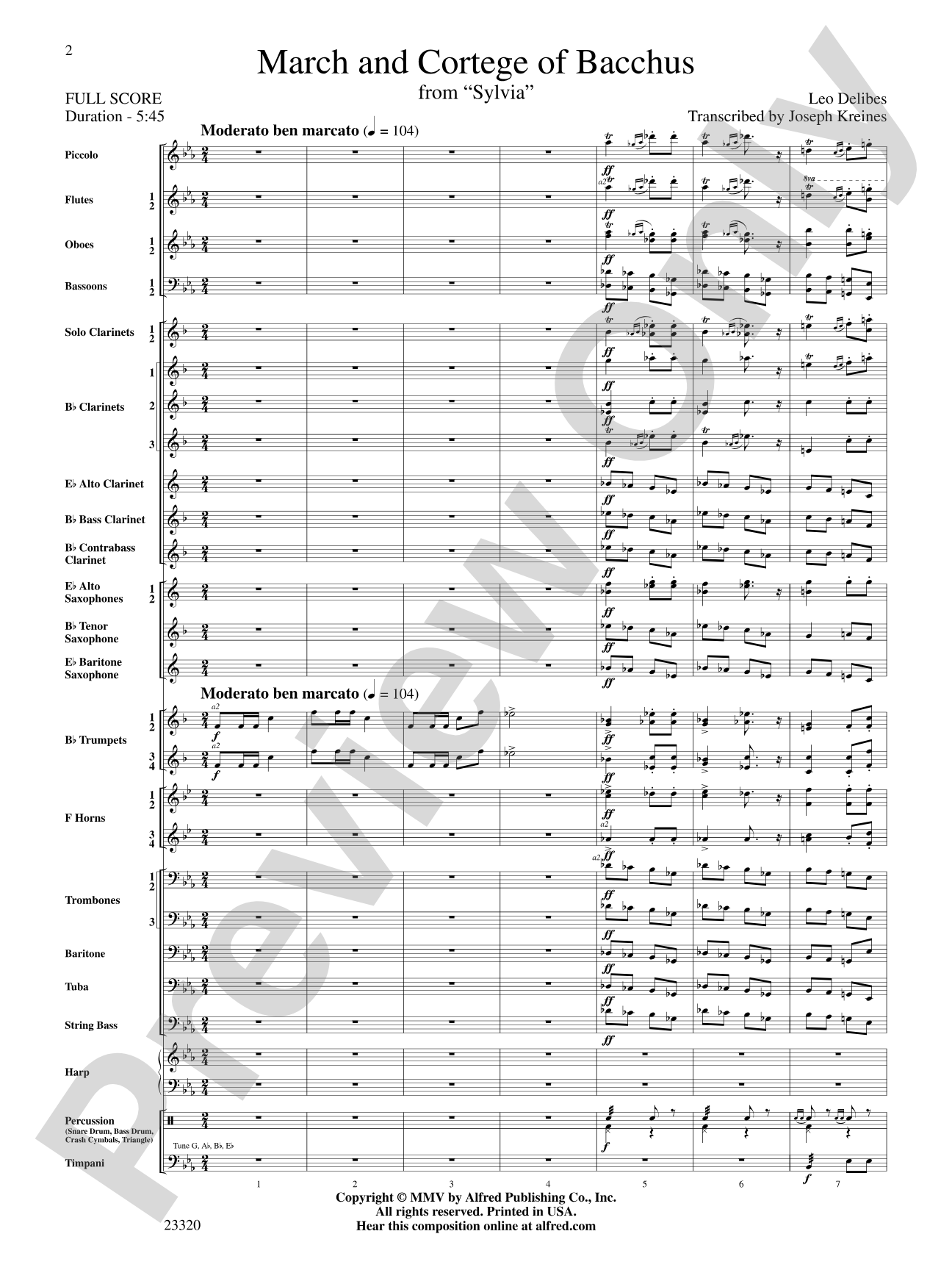
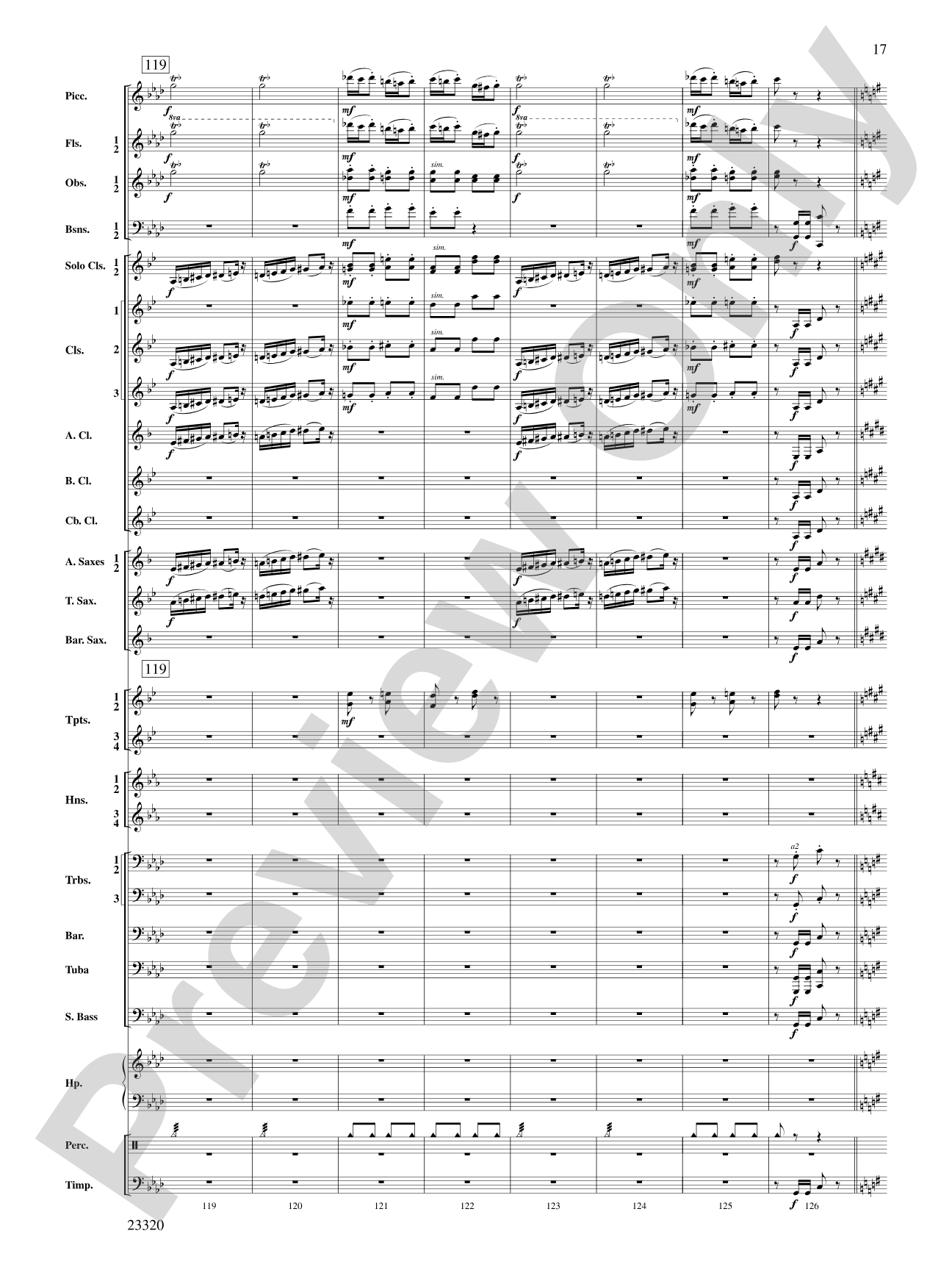
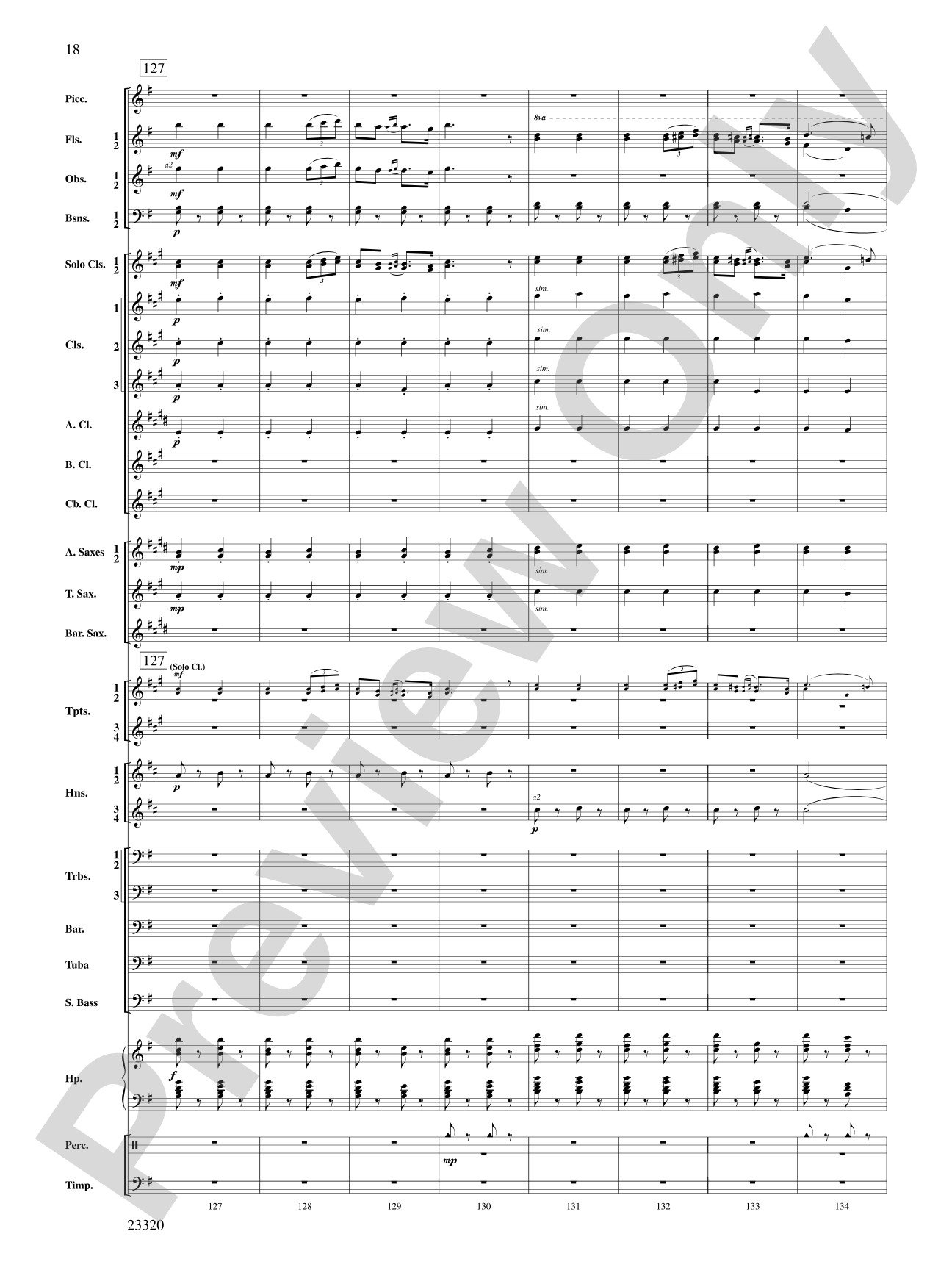
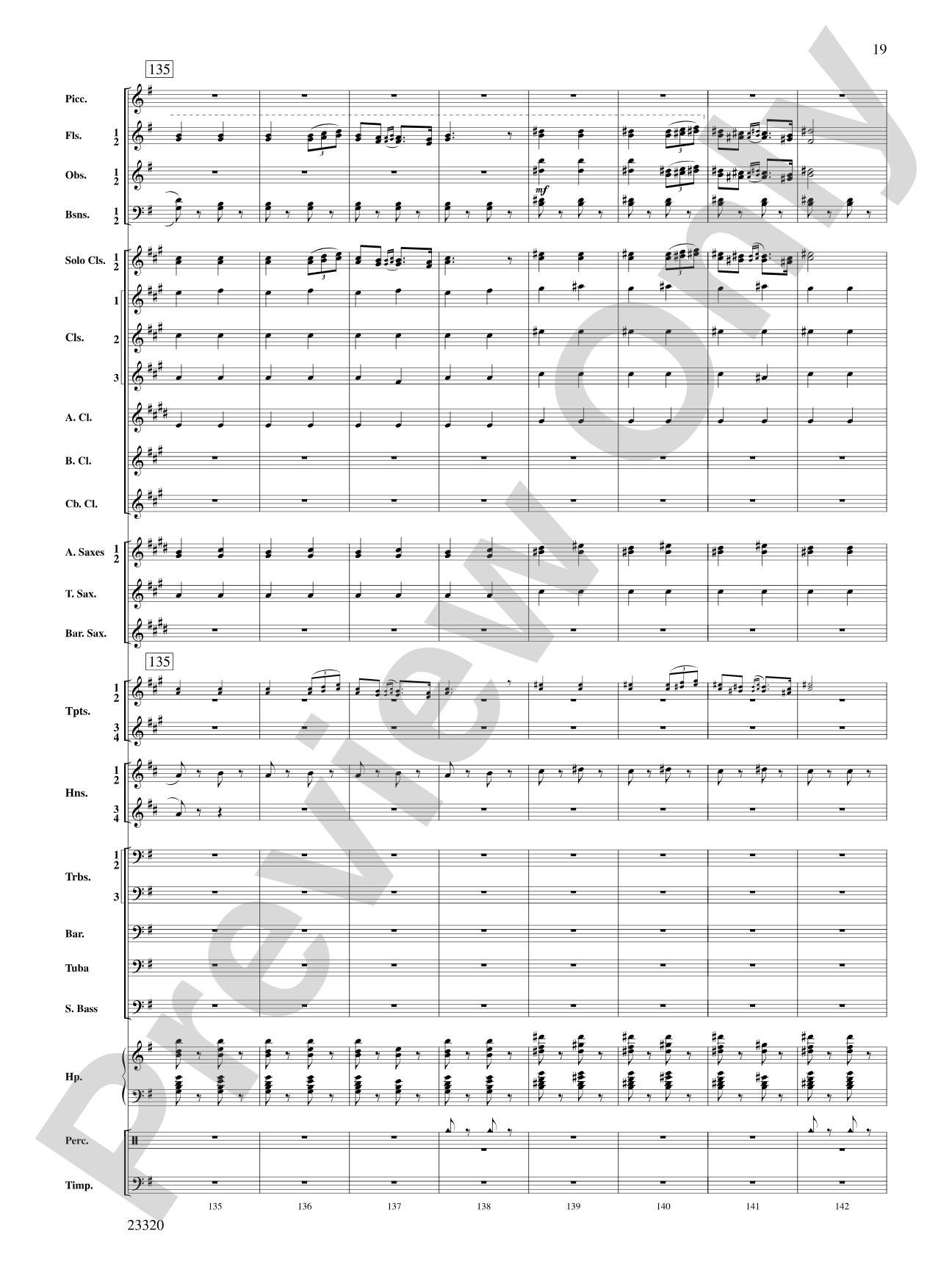
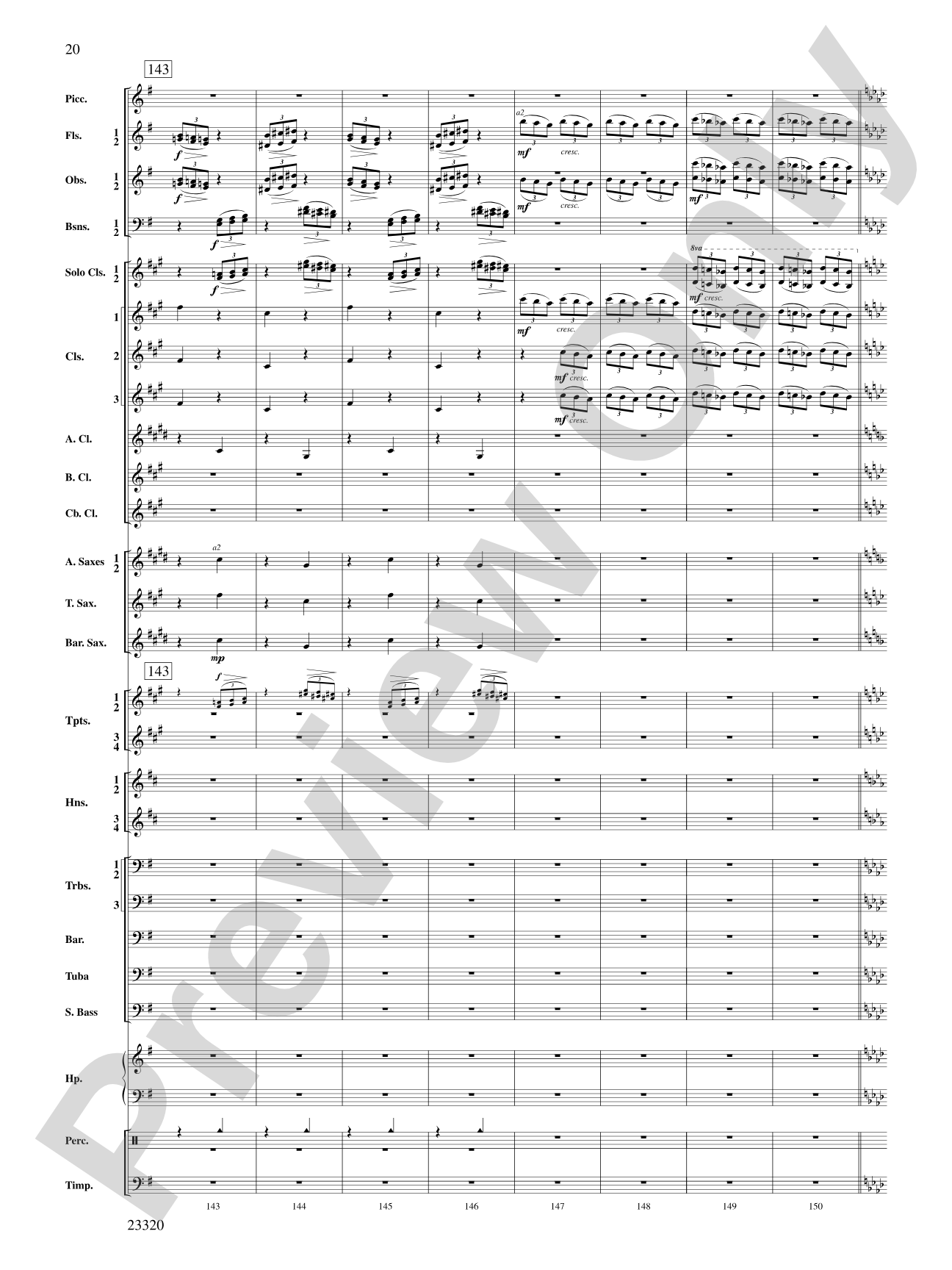
Leo Delibes composed his ballet, "Sylvia," in 1876. It achieved considerable popularity, and several of the individual numbers were grouped into a suite which orchestras all over the world have played. The March and the Cortege of Bacchus appears in Act III of the ballet, describing the arrival of Bacchus and his followers. The music is martial, lyric, grand and brilliant, building to an exciting conclusion.


Don't just read it, hear it, play along with it, and watch your students grow with it. In MakeMusic Cloud, March and Cortege of Bacchus: Concert Band Conductor Score & Parts comes alive with professional accompaniment, adjustable tempo, and built-in practice tools that turn solo practice into real progress.
Open in the Player
Jump straight in and assign it today.
Start Your Free Trial
Open this title and explore the full library in minutes.
Sample Audio
1
Audio File
--:--
0:00
0:00
Sample Video
No sample videos found.
Additional Details
Series:
Alfred Concert Band
Publisher:
Alfred Music
Page Count:
300
SKU:
00-PK-0005382
More about this title
About the Composer: Joseph Kreines

Joseph Kreines has shaped concert music in Florida for decades as a conductor, composer, and accompanist. After serving as associate conductor of the Florida Symphony Orchestra in Orlando, he went on to lead the Brevard Symphony and hold associate conductor posts with major regional orchestras, while also conducting the Brevard Symphony Youth Orchestra and appearing as a guest conductor with hundreds of ensembles across the country.
Kreines is recognized particularly for his transcriptions of Percy Grainger's music for concert band and brass choir, and he has composed numerous original works across multiple genres. He authored "Music for Concert Band," a respected annotated guide to band literature, and regularly works as a clinician and piano accompanist at recitals and festivals throughout Florida.
Why we love this
Kreines captures the theatrical grandeur of Delibes' ballet music while tailoring it specifically for the concert band idiom. A Grade 5 arrangement of this caliber gives advanced bands access to genuine ballet spectacle: the piece demands musicality and precision while delivering the kind of brilliant, crowd-pleasing finale that resonates with festival adjudicators and audiences alike.
What to expect
Stately and processional at first, with the dignified strut of Bacchus entering the scene, then gradually building into something far more exuberant. The music swells from courtly pageantry into brilliant, near-orchestral splendor, with moments of lyric warmth balanced against passages of pure martial energy.
Who it's for
Advanced high school and college concert bands seeking programming that combines technical challenge with genuine theatrical impact. Directors working toward festival or contest performance will find a piece that rewards careful preparation and offers the kind of musical substance that impresses adjudicators and engages audiences.
How to get the most out of it
- Balance the lyric passages in the opening sections so that inner voices carry melodic weight; this isn't a loud march throughout, and the dynamic variety builds to the excitement rather than starting at maximum intensity.
- Keep the martial character crisp and articulate in the march material, letting the rhythmic clarity support the pageantry without sacrificing legato in the sustained melodic lines.
- Shape the buildup toward the conclusion by gradually intensifying dynamics and tightening ensemble focus, allowing the final sections to feel inevitable rather than abrupt.
How to use it
Program this as a centerpiece in a concert devoted to ballet transcriptions or as the closing number of a concert where you want to leave the audience energized. The piece works especially well on contest or festival programs, where its difficulty level and musical sophistication communicate serious musicianship.
Skills your students will build
- Balancing a complex ensemble texture where multiple sections carry melody and accompaniment simultaneously
- Shaping large-scale dynamic arcs across an extended piece
- Executing crisp rhythmic clarity in march sections while maintaining legato in lyric writing
- Responding to subtle conductor cues that distinguish pageantry from climax