
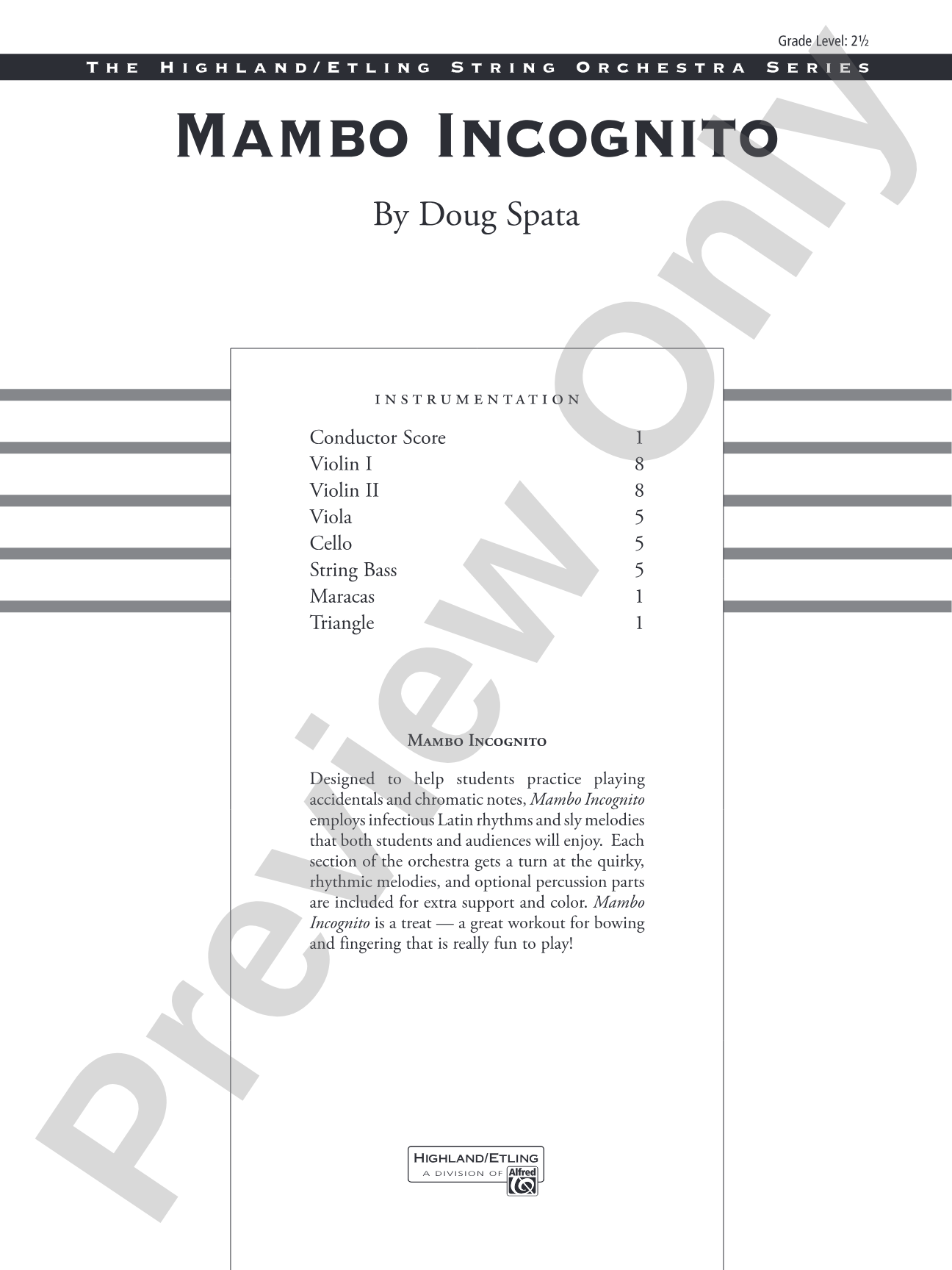
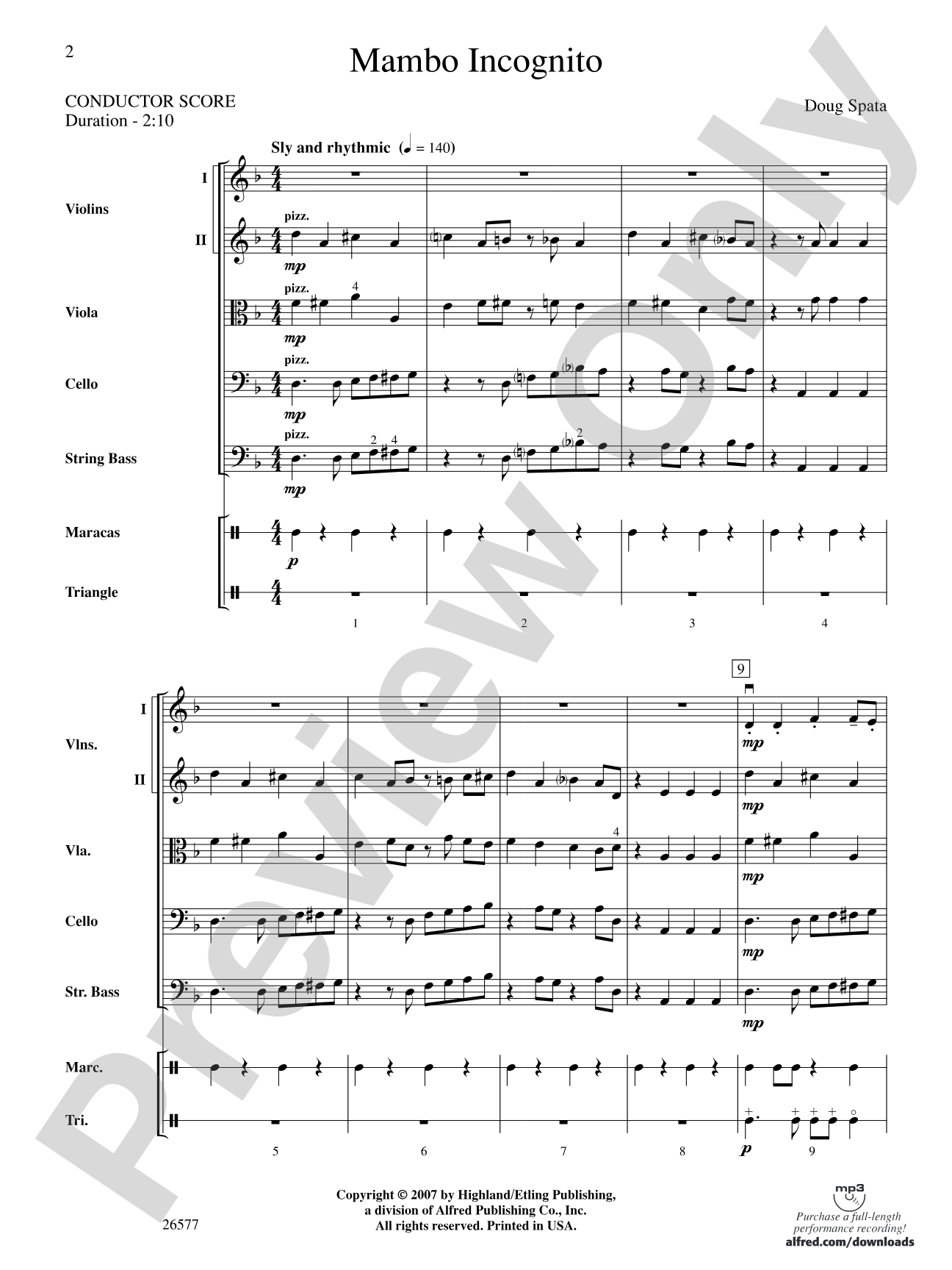
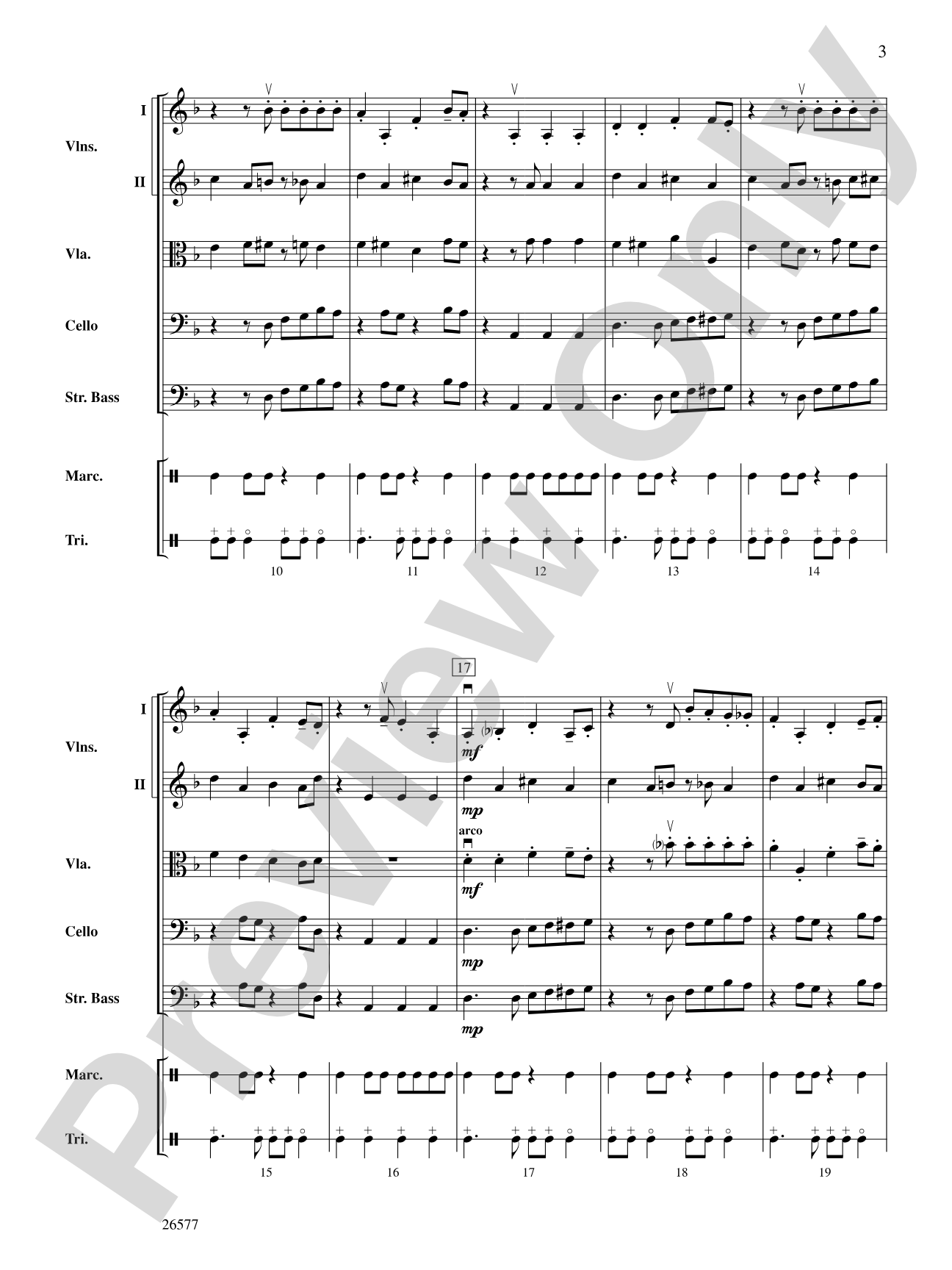
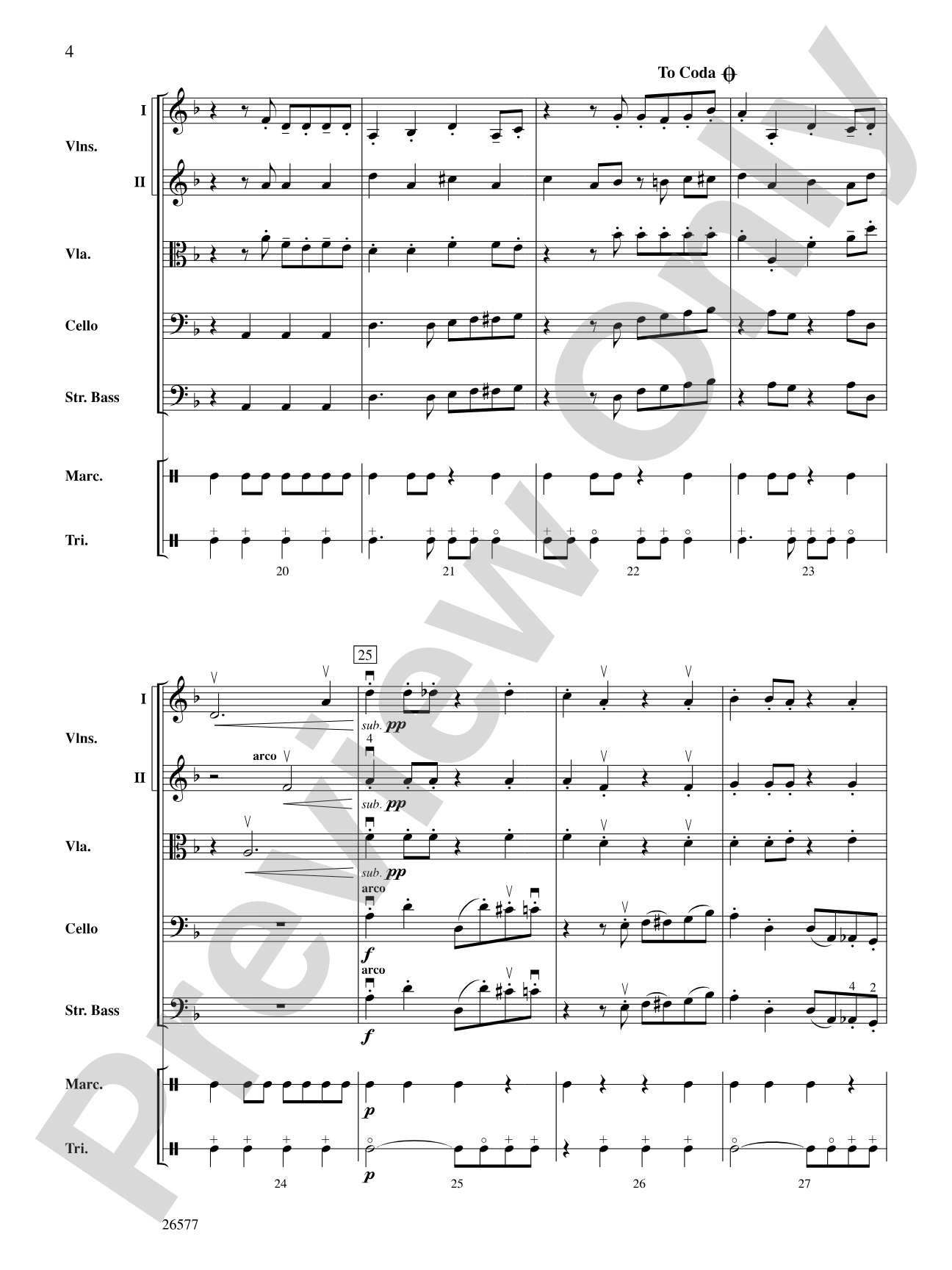


Mambo Incognito: Score
By Doug Spata
Grade: 2.5
Item: 00-PR-0001078
$9.00
Pickup currently not available
Description
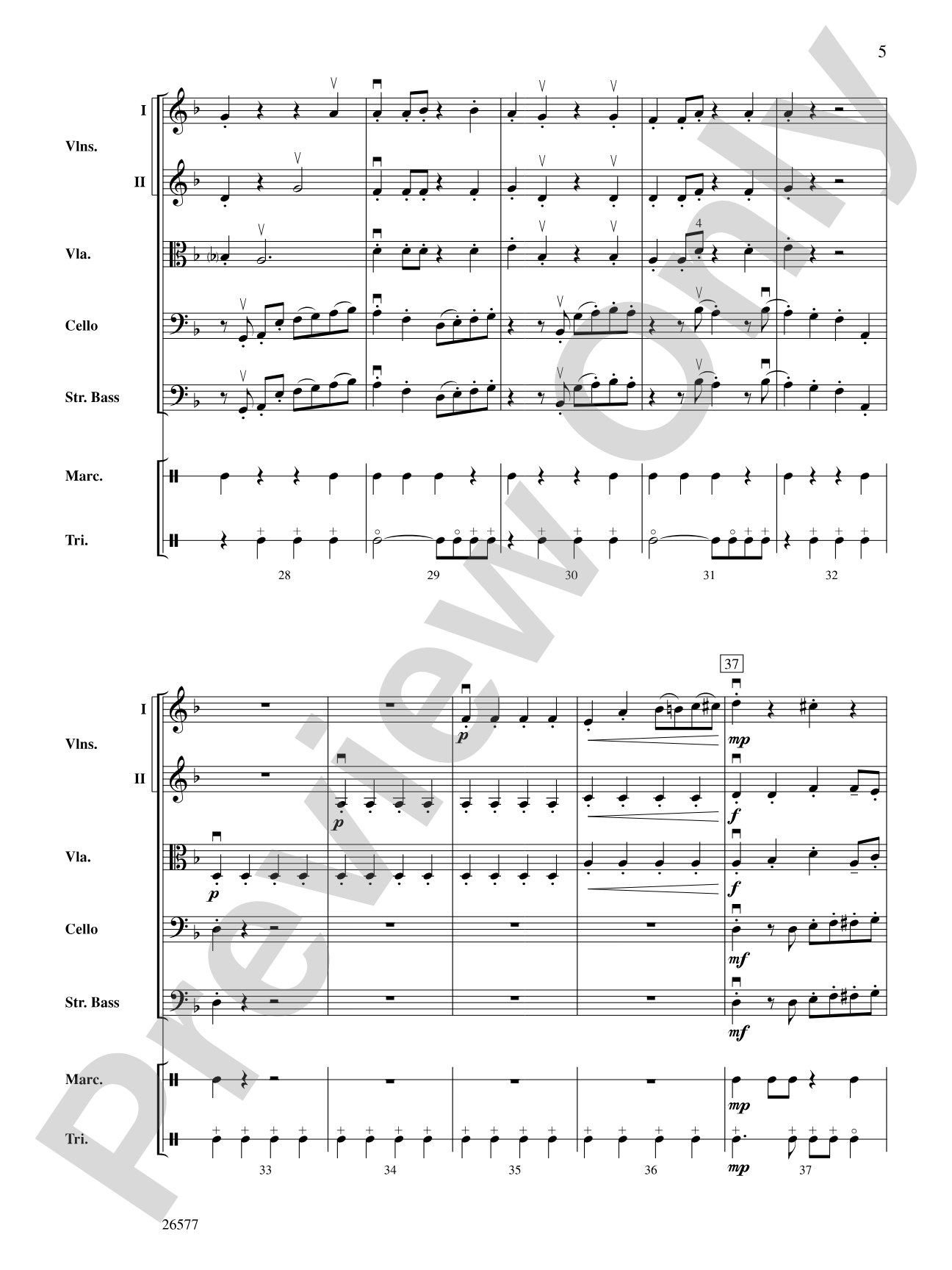
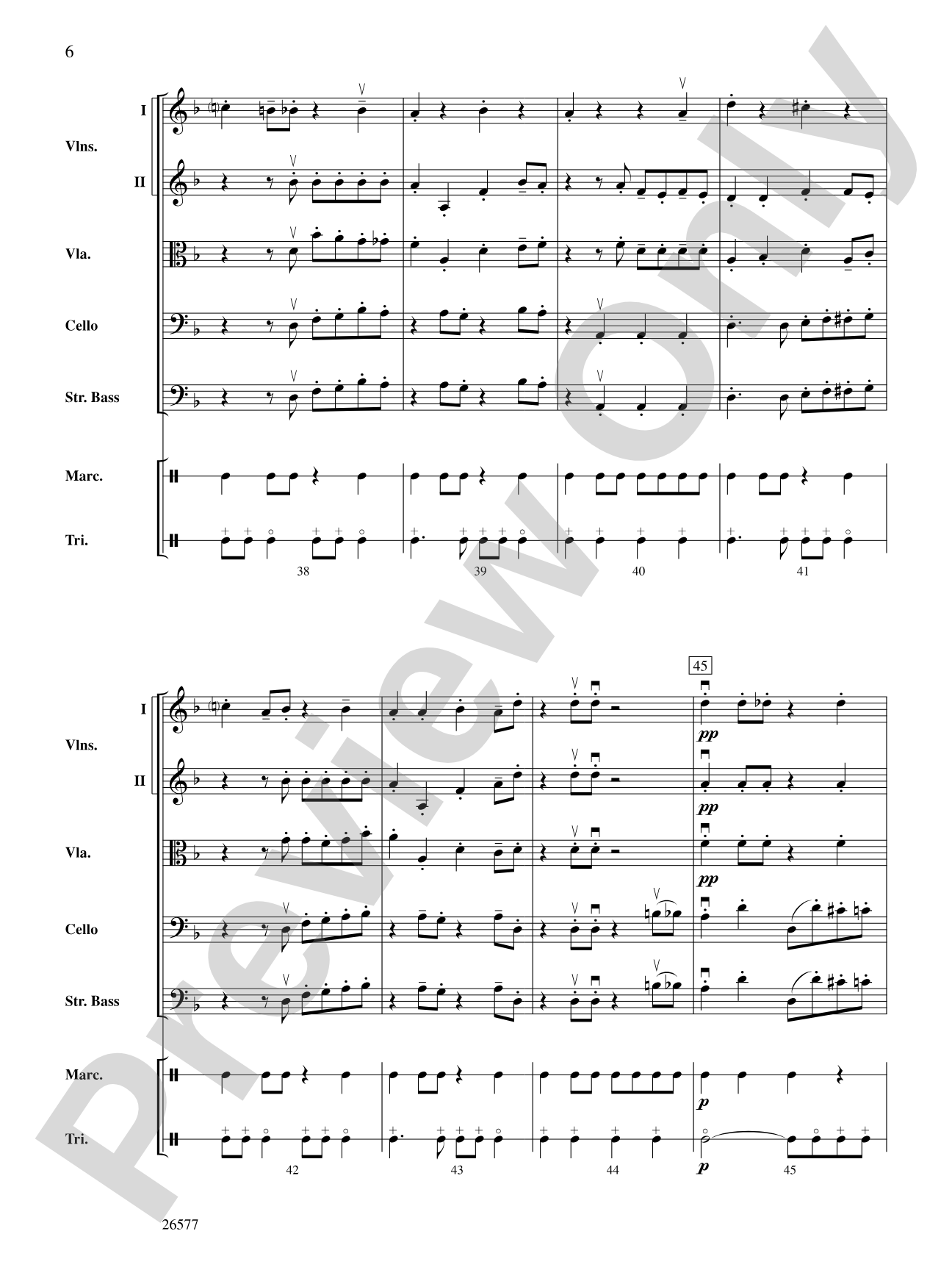
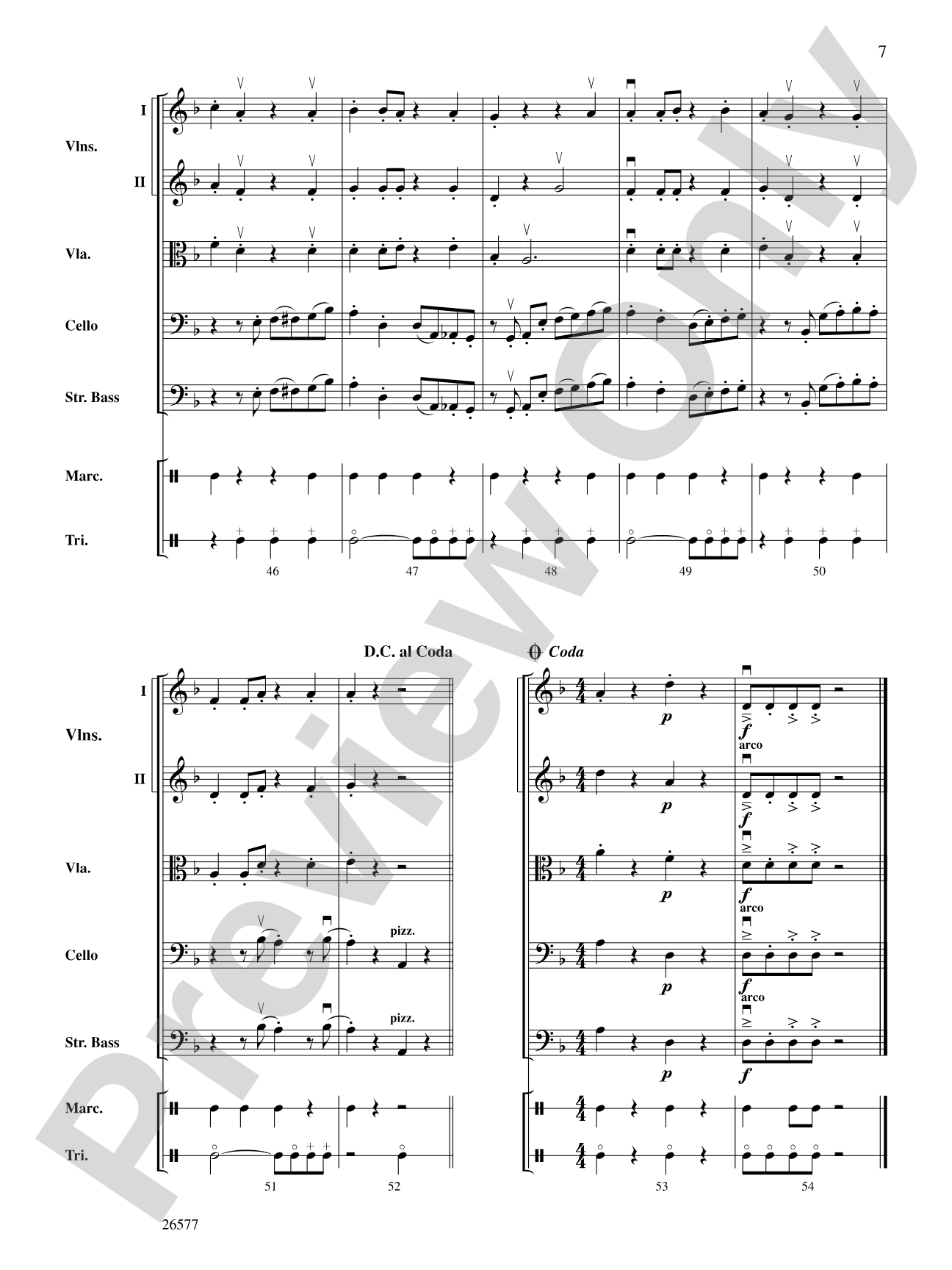
Designed to help students practice playing accidentals and chromatic notes, Mambo Incognito employs attractive Latin rhythms and sly melodies that both students and audiences will enjoy. Each section of the orchestra gets a turn at the quirky, rhythmic melodies, and optional percussion parts are included for extra support and color. Mambo Incognito is a great workout for bowing and fingering that is really fun to play! This title is available in MakeMusic Cloud.


Don't just read it, hear it, play along with it, and watch your students grow with it. In MakeMusic Cloud, Mambo Incognito: Score comes alive with professional accompaniment, adjustable tempo, and built-in practice tools that turn solo practice into real progress.
Open in the Player
Jump straight in and assign it today.
Start Your Free Trial
Open this title and explore the full library in minutes.
Sample Audio
1
Audio File
--:--
0:00
0:00
Sample Video
No sample videos found.
Additional Details
Series:
Highland/Etling String Orchestra
Publisher:
Alfred Music
Page Count:
33
SKU:
00-PR-0001078
More about this title
About the Composer: Doug Spata

Doug Spata trained as a clarinetist but found his compositional voice through his years teaching orchestra. His gift for writing idiomatic string music has earned him a following among music educators and their students, with performances across the United States and internationally.
Beyond school repertoire, Spata has composed operas, ballets, symphonies, and chamber works for ensembles of every size. His compositions strike a balance between musical substance and accessibility, which is why teachers consistently reach for his work when they need pieces that engage both performers and audiences.
Why we love this
Spata writes string music that feels alive. The Latin rhythms and chromatic passages here serve a real pedagogical purpose without sacrificing the joy of playing; students stay engaged because the piece is genuinely fun, not because they're being tricked into learning. The sectional melody exchanges keep every stand active and invested.
What to expect
Sophisticated but never pretentious. The mambo groove has genuine swagger, and the sly chromatic melodies suggest a piece winking at the audience. Students feel like real musicians playing real (if charming) concert music, not practicing a technique.
Who it's for
String orchestras at the intermediate level (grades 2-3) who are ready to tackle accidentals and chromatic movement without getting bogged down in difficult technical passage work. This is equally suited to students who need to build bowing clarity and left-hand dexterity through fun, idiomatic writing.
How to get the most out of it
- Establish the mambo rhythm clearly in the rhythm section before adding the melody parts. Lock the pizzicato and bowing patterns so the accompaniment feels secure and grooves consistently.
- Shape the chromatic passages with careful attention to intonation; these passages are where students will hear exactly how their tuning affects the harmonic color. Mark the accidentals in score and parts if they aren't already highlighted.
- When each section plays the 'quirky' melody, encourage rhythmic confidence and character in the articulation rather than caution. This piece rewards a sense of humor and swing feel.
- Use the optional percussion parts to add texture and drive. Even if your students aren't strong percussionists, adding a simple cowbell and clave line can transform the groove and motivate the string sections.
How to use it
Program this as a concert opener or spot performance on a pops concert where it will land with style and energy. It also works beautifully on a concert pairing contemporary American light music with classical standards, or as the closing piece on a school assembly program where you want to send the audience out smiling.
Skills your students will build
- Reading and playing accidentals with secure intonation
- Chromatic passage work across multiple octaves
- Mambo and Latin rhythmic patterns
- Sectional independence (each section carries the melody in turn)
- Articulation and character in a non-traditional context
- Coordination between pizzicato accompaniment and arco melody