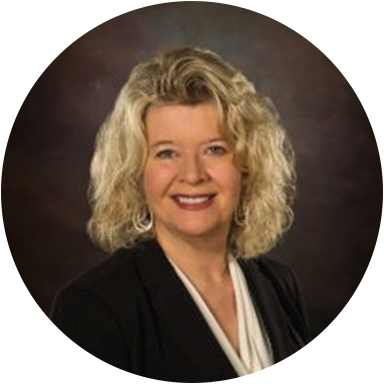
Earlene Rentz has spent her career bridging the gap between classroom experience and published choral literature. Her seven years teaching choral music across elementary, junior high, and high school levels gave her direct insight into what singers at each level need to succeed, and that foundation shaped her work as both educator and composer.
With twelve years of higher education teaching behind her and conducting experience across All-State choirs in four southeastern states, Rentz has established herself as a prolific voice in choral music. Her catalog exceeds 700 published compositions across 17 different publishers, marking her as one of the most frequently performed contemporary choral arrangers in American schools.
Why we love this
Rentz's arrangement captures the infectious spirit of this American folk standard while keeping the writing accessible for emerging singers. The addition of "Ring, Ring The Banjo" creates natural harmonic interest without overwhelming a developing 2-part ensemble, and the seven-page format feels substantial enough to matter in a concert without demanding excessive rehearsal time.
What to expect
This arrangement has the warmth and humor of a folk tale told by someone who knows it well. The interplay between the melody and supporting line creates an inviting texture that feels conversational, like voices gathered around rather than performers on a stage.
Who it's for
Two-part choirs building confidence and musicality at the middle school or beginning high school level will thrive with this arrangement. It works equally well for mixed ensembles or equal-voiced groups seeking genuine folk repertoire that doesn't condescend to younger singers.
How to get the most out of it
Balance the melody between parts so the folk tune remains recognizable even as voices interweave. Young singers often bury the tune when they focus too hard on their own line.
Shape the text with character. "Mama don't 'low" carries an attitude that lives in the vowels and consonants, not just the notes.
Let the banjo reference breathe musically. The arrangement likely implies rhythmic lightness in spots where singers might otherwise press.
Capture the storytelling quality of folk music by varying dynamic shaping across repeated sections rather than treating each pass identically.
How to use it
Pair this with other American folk selections for a concert celebrating roots music, or use it as a lighter moment in a program that includes more complex contemporary works. Its modest page count makes it ideal for filling a concert slot while your ensemble develops more demanding pieces in rehearsal.
Skills your students will build
Melodic independence in 2-part writing
Text interpretation and rhythmic storytelling
Part singing with maintained phrase shape
Harmonic awareness through arranged folk material
You May Also Like
Scan to Complete Your Purchase
Use your phone's camera to scan the code below
You'll log in on your phone and the order will be added to your account