
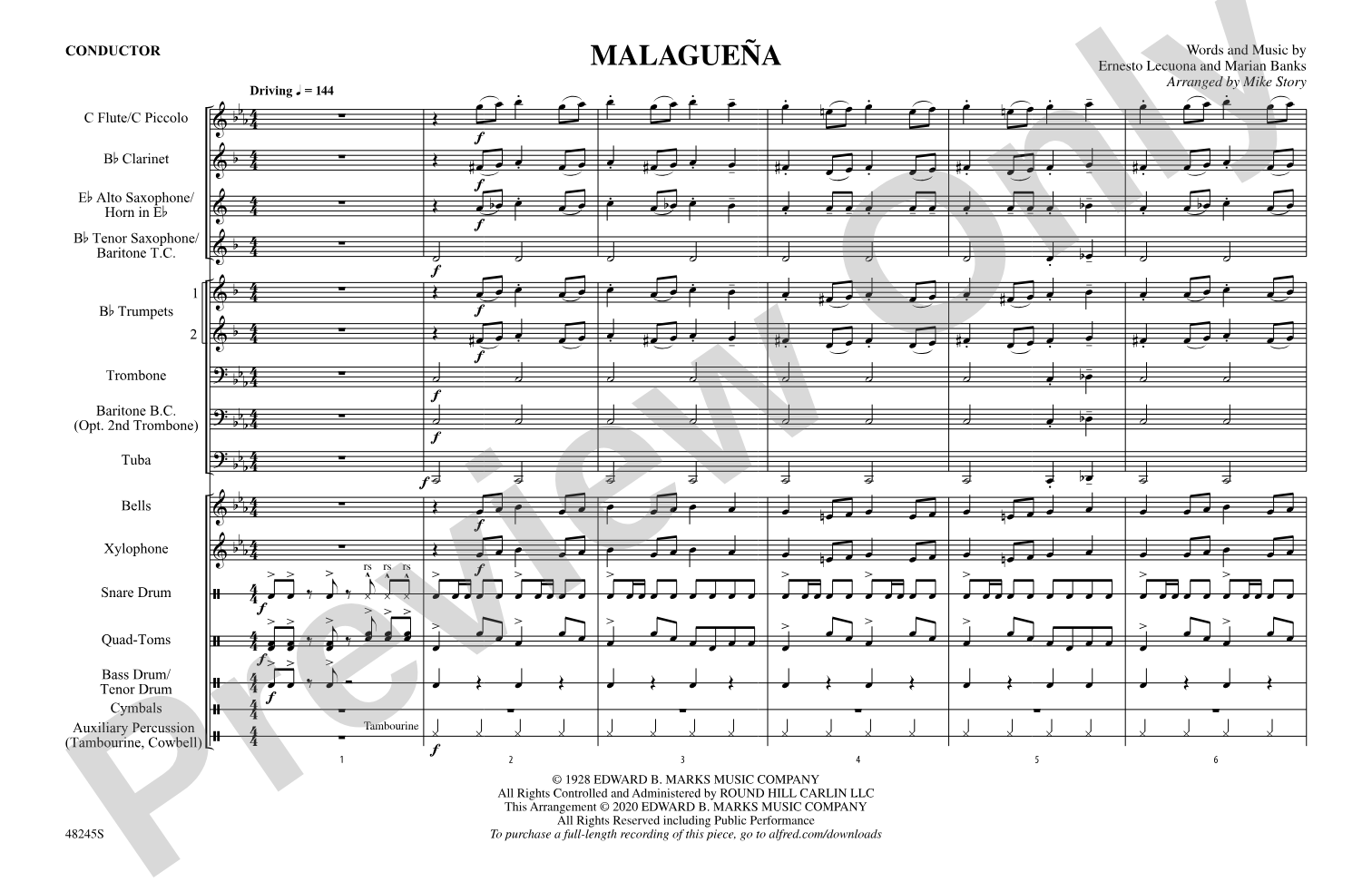
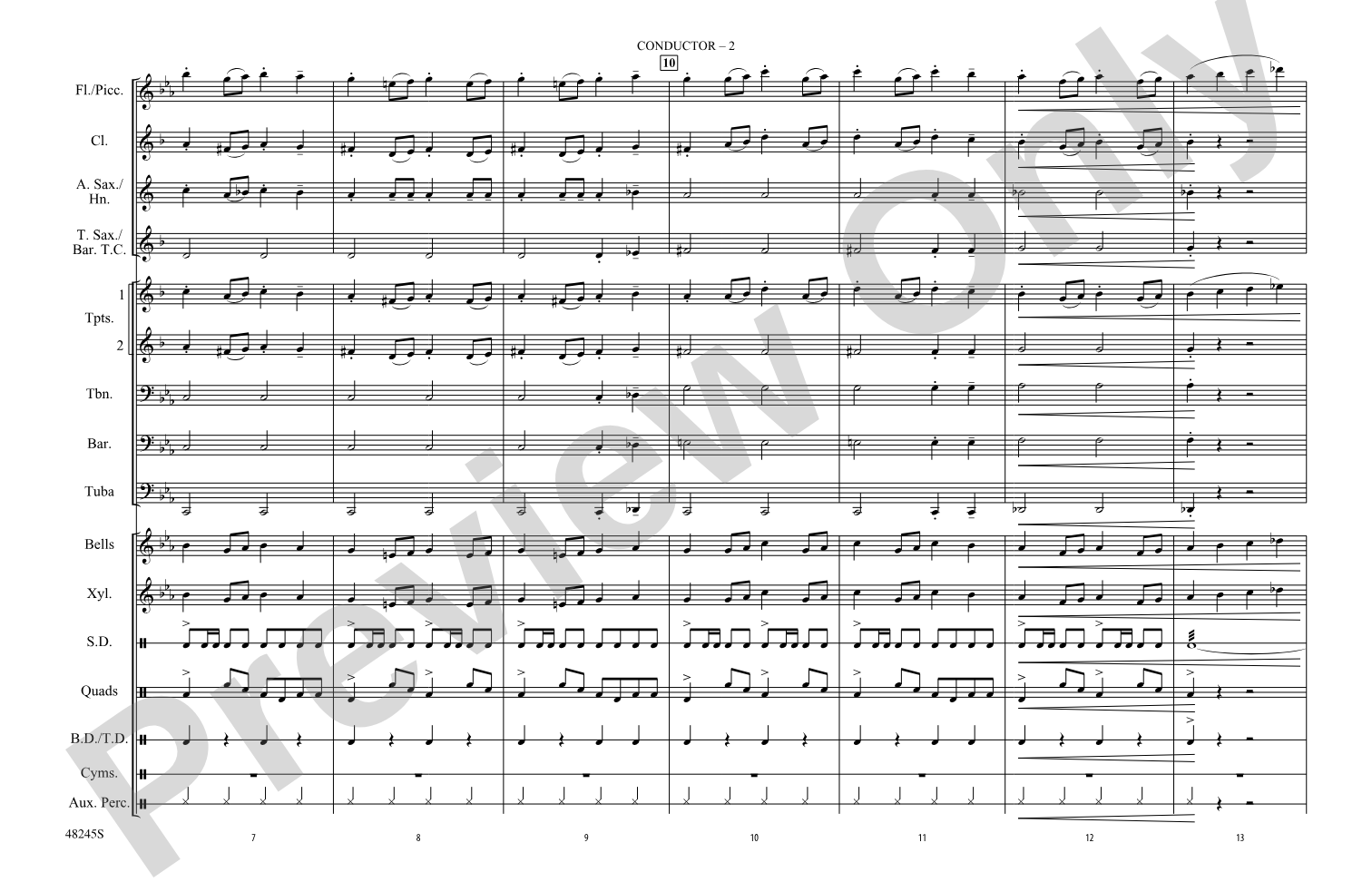
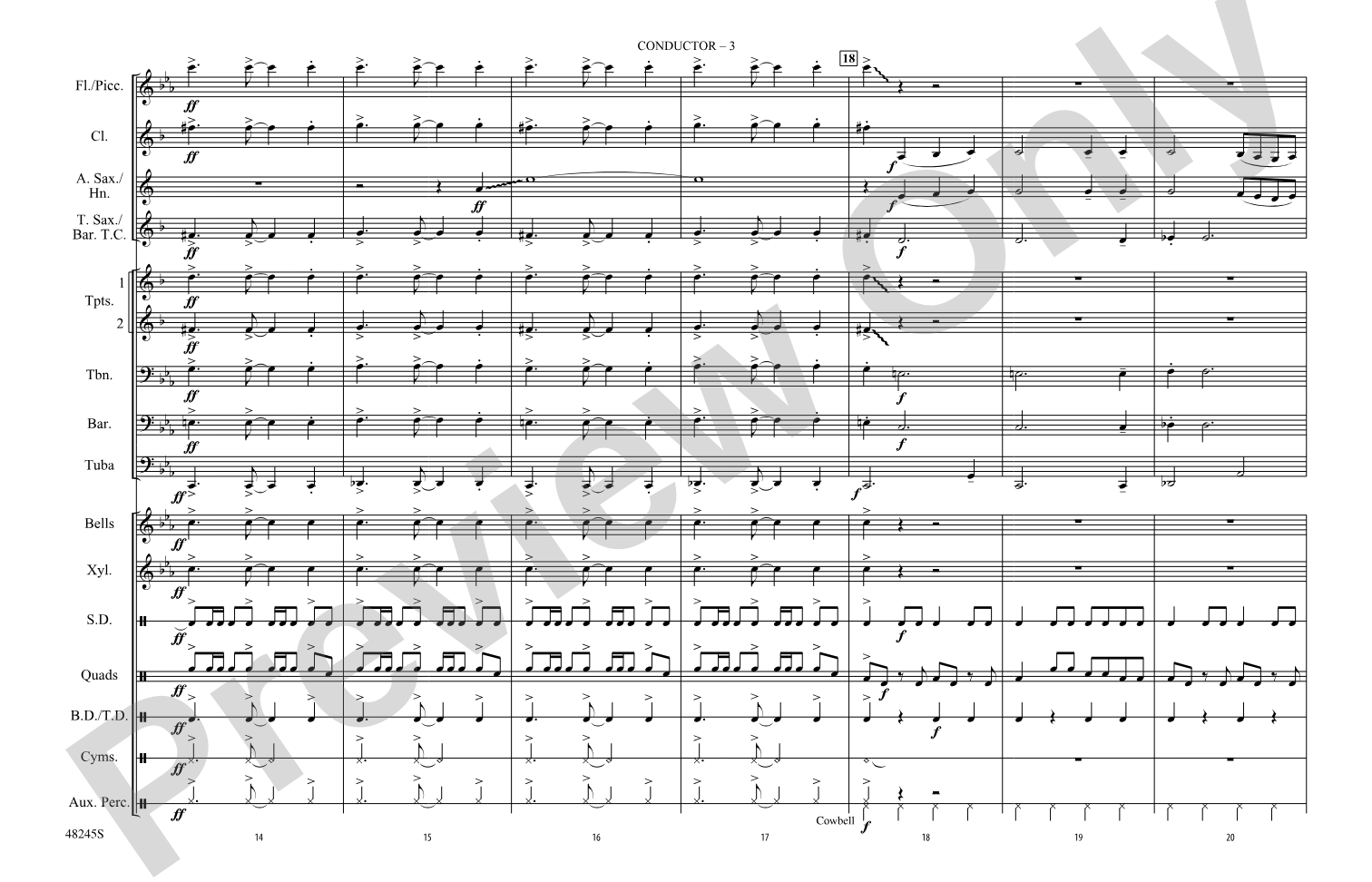
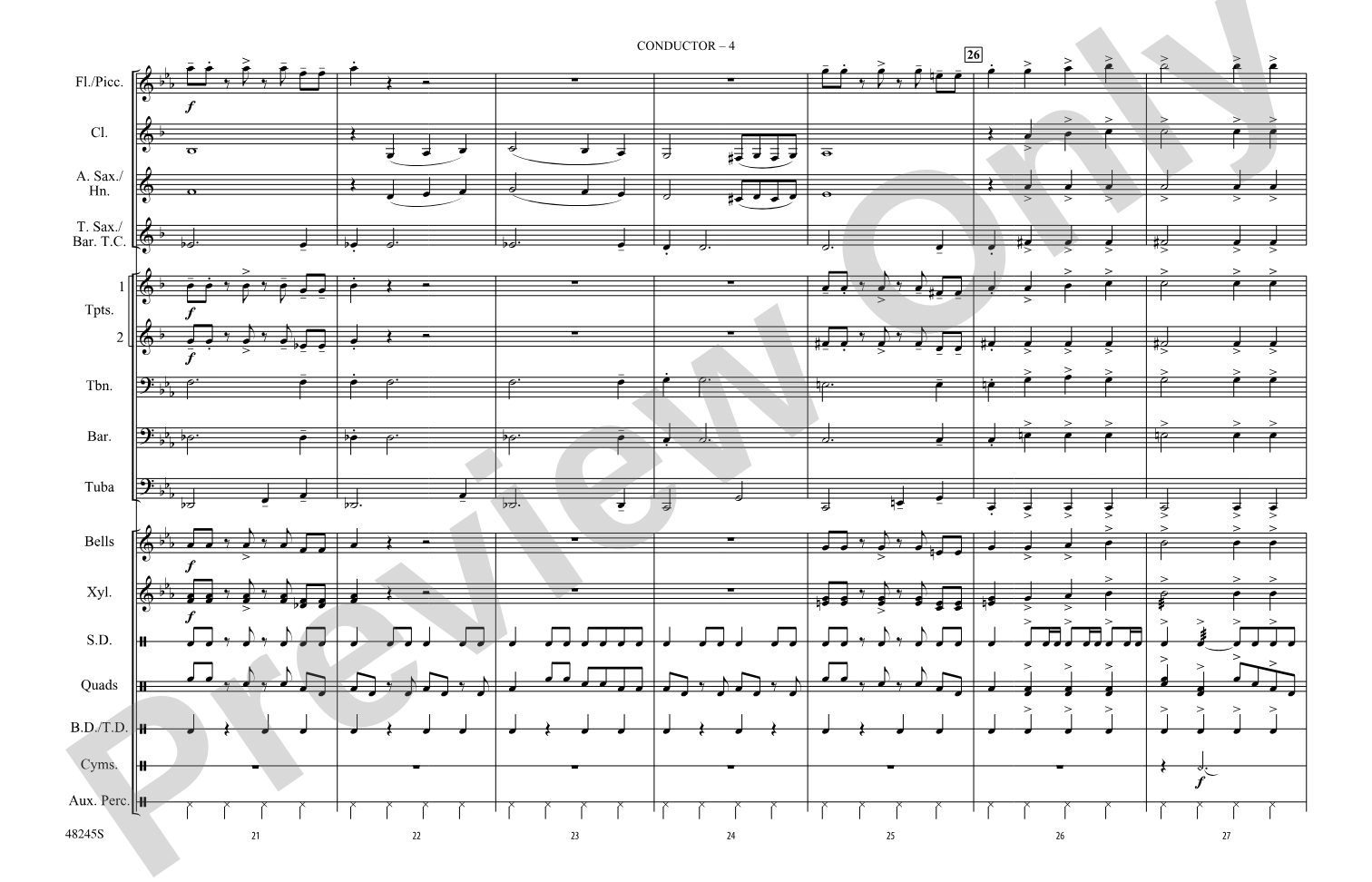
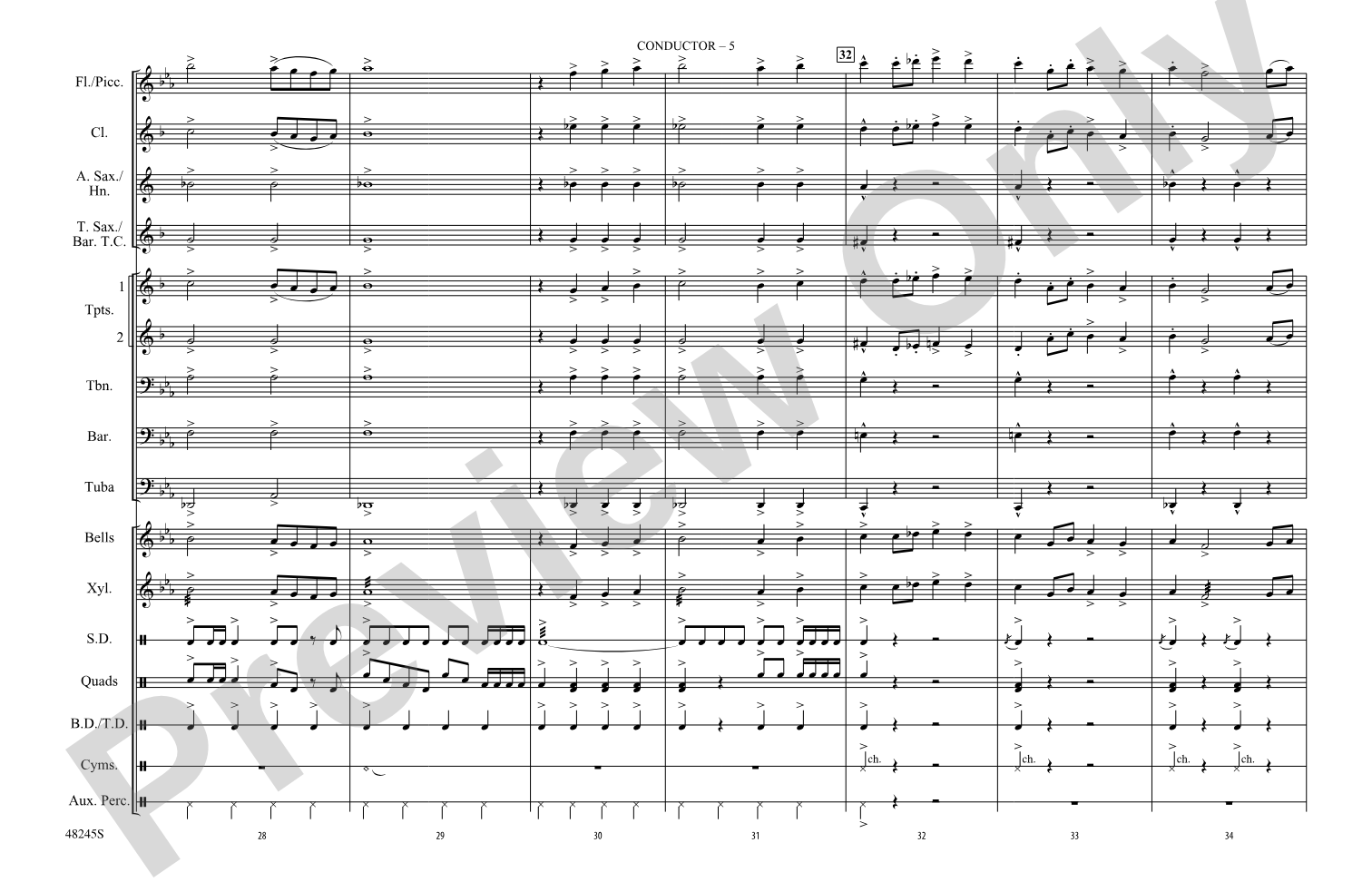
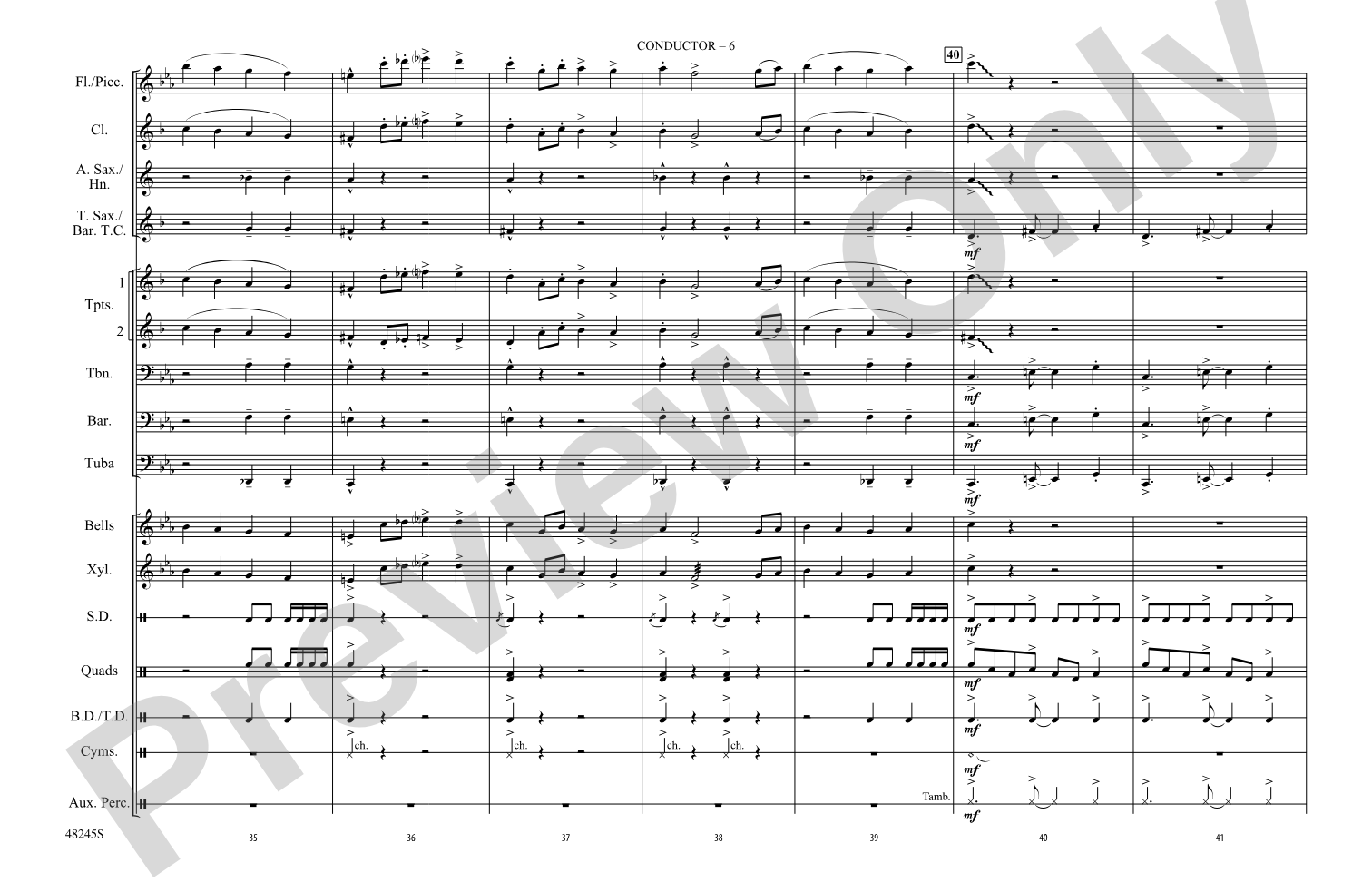
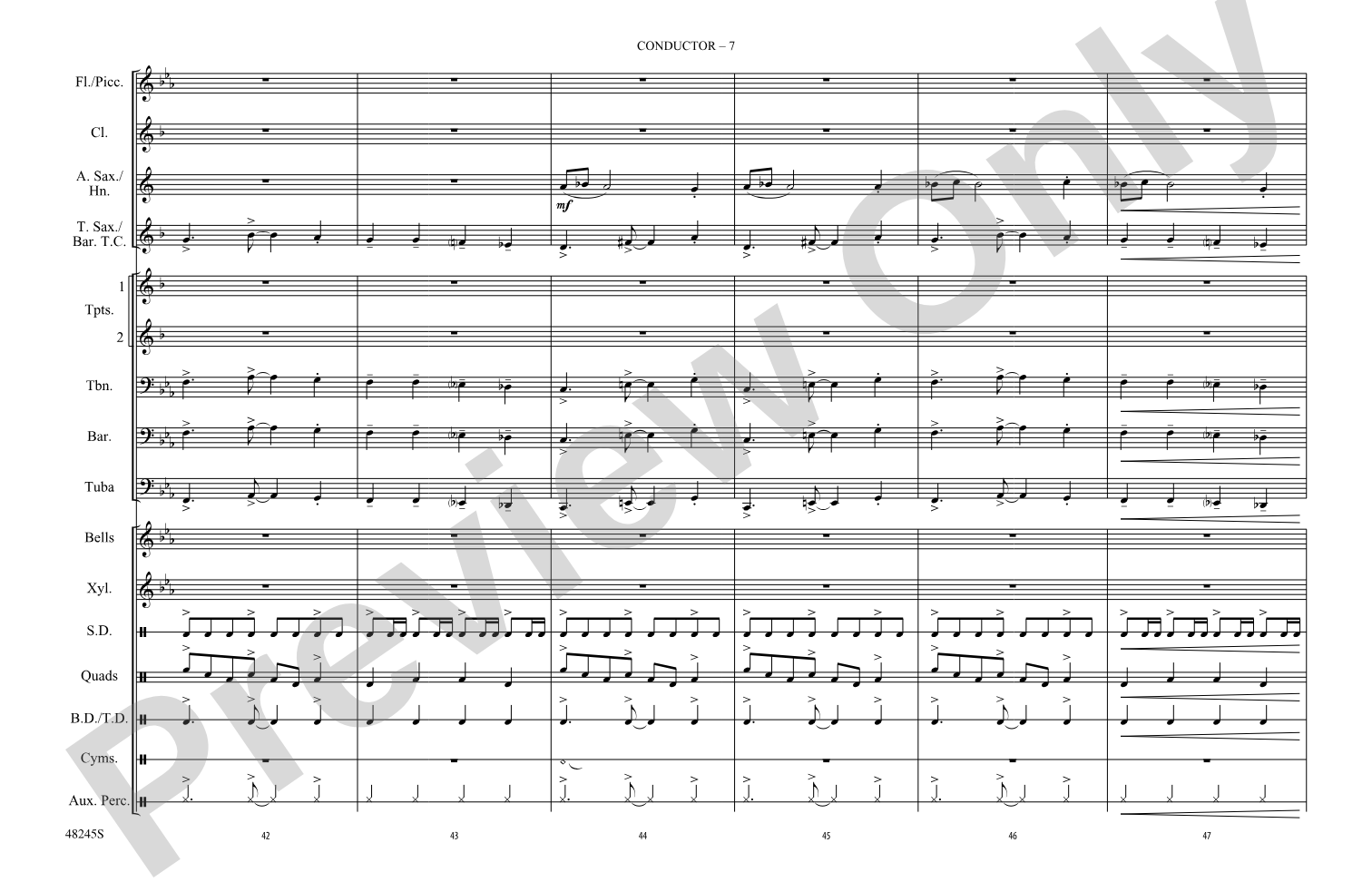
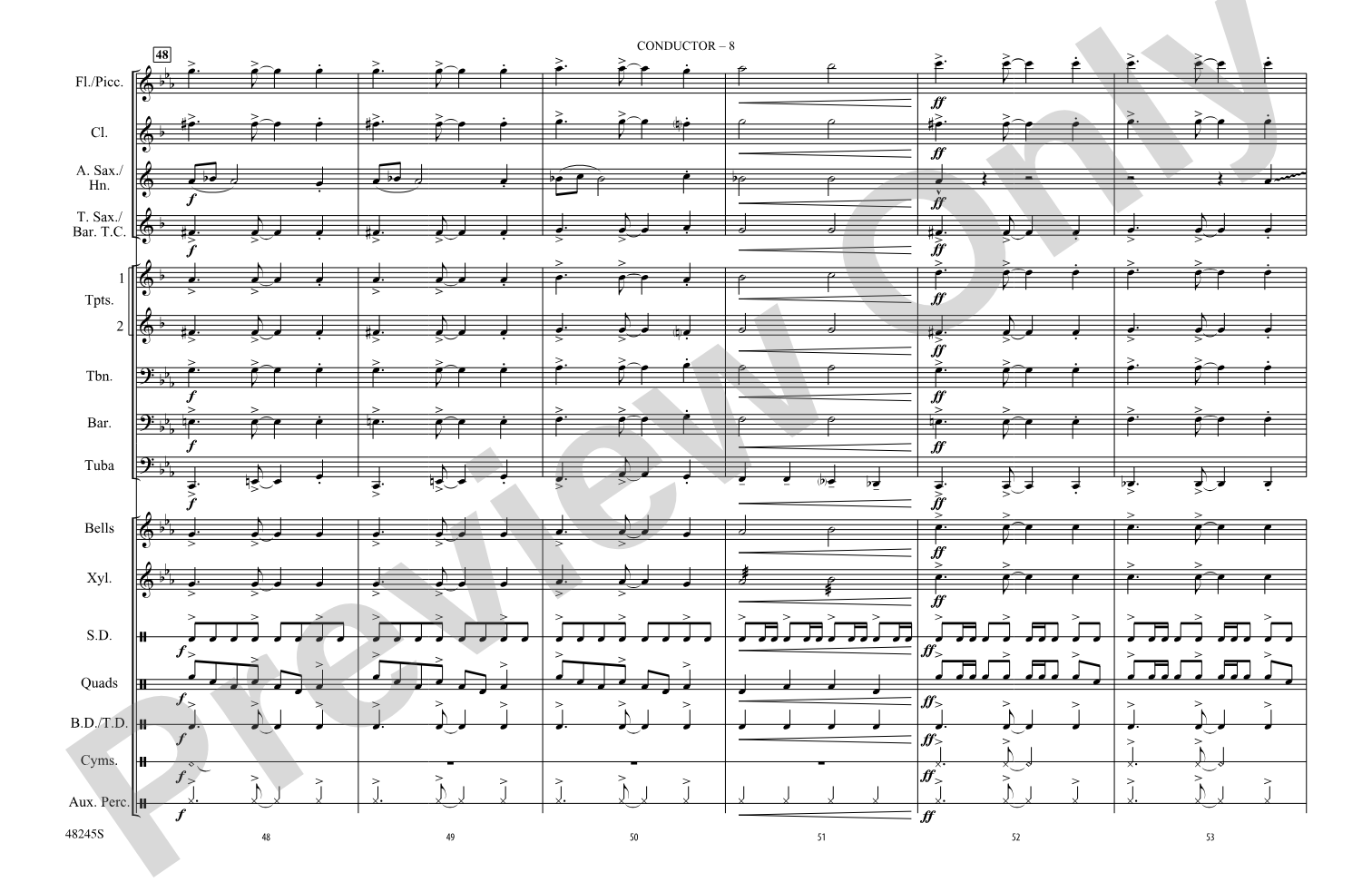
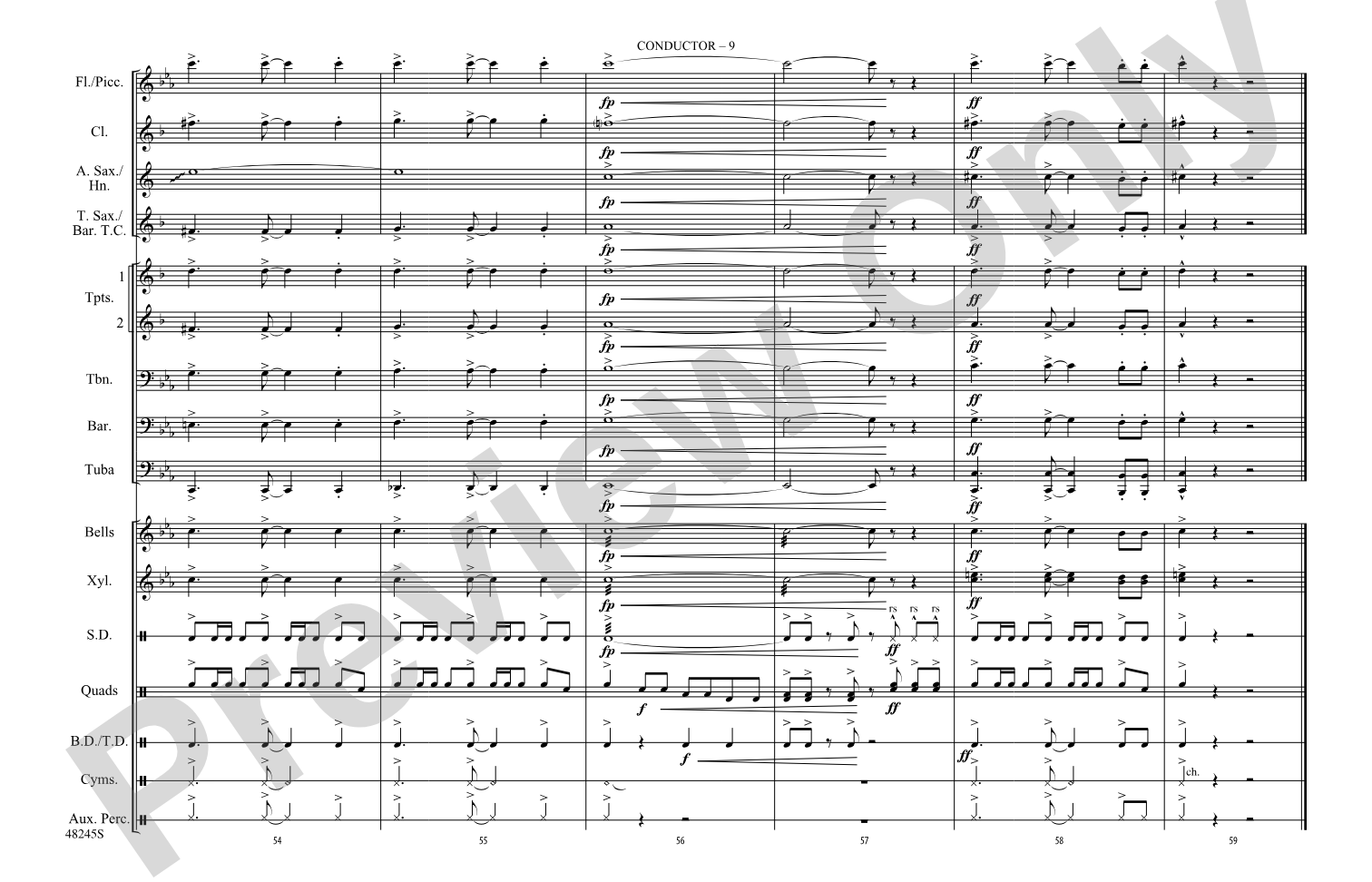

Malagueña: Score
Words and music by Enesto Lecuona and Marian Banks / arr. Mike Story
Grade: 2
Item: 00-PR-0006820
$7.00
Pickup currently not available
Description
Utilizing elements from Ernesto Lecuona's original piece, Bill Holman's version written for Stan Kenton, and original concepts, Mike Story has created a sizzling arrangement playable by any band regardless of their size. This chart is perfect for stands or field use. (1:40) This title is available in MakeMusic Cloud.


Don't just read it, hear it, play along with it, and watch your students grow with it. In MakeMusic Cloud, Malagueña: Score comes alive with professional accompaniment, adjustable tempo, and built-in practice tools that turn solo practice into real progress.
Open in the Player
Jump straight in and assign it today.
Start Your Free Trial
Open this title and explore the full library in minutes.
Sample Audio
1
Audio File
--:--
0:00
0:00
Sample Video
Additional Details
Series:
Big and Easy
Publisher:
Alfred Music
Page Count:
44
SKU:
00-PR-0006820
More about this title
About the Composer: Enesto Lecuona
Ernesto Lecuona (1894-1963) was a Cuban composer and pianist whose work bridged classical training and the rhythmic vitality of Caribbean music. His compositions, including the iconic Malagueña, became cornerstones of the Latin repertoire and influenced generations of jazz and popular musicians.
Lecuona's gift for melody and harmonic color made his pieces natural vehicles for adaptation across ensembles and styles. From concert halls to big band charts, his music has proven endlessly flexible and rewarding for performers at every level.
Why we love this
Mike Story's arrangement captures the sultry energy of Lecuona's original while building in flexibility that works for developing bands. The chart draws from multiple sources—Lecuona's piano piece, Bill Holman's classic Kenton arrangement, and Story's own voicings—creating a result that feels contemporary without losing the piece's essential character. You get a showstopper that doesn't demand virtuoso execution.
What to expect
Malagueña radiates warmth and forward motion. The arrangement channels tropical sophistication—think nightclub elegance rather than beach party—with a groove that invites movement whether you're marching or standing. The melody sits in a sweet spot where it feels instantly memorable yet orchestrated with enough harmonic color to reward close listening.
Who it's for
Any marching band looking for a Latin jazz standard that doesn't require advanced players to sound polished and exciting. The Big and Easy series designation reflects reality: Grade 2 instrumentation and part writing mean small bands and large ensembles can both program this effectively. It's ideal for directors who want authentic jazz-Latin material without the complexity that usually comes with the style.
How to get the most out of it
- Commit to the rhythmic precision in the Latin sections. The chart's accessibility comes partly from straightforward grooves, but they must land cleanly to achieve that sizzle the arrangement promises.
- Balance the upper woodwind lines carefully in the melodic passages. Lecuona's tunefulness works only if the song emerges clearly from the ensemble texture.
- Use the recorded accompaniment (available separately) to lock the tempo and feel during sectional rehearsals, especially for rhythm section players learning the clave-influenced patterns.
- Shape the dynamic arc across the full 1:40 duration. This isn't a piece that sits in one emotional space; build from the intro through the climax, then settle the ending with control.
How to use it
This works beautifully as a second-half opener, giving your program a stylistic lift and audience engagement without demanding silence or formal attire in the room. It pairs well with Americana or contemporary concert band fare, offering the kind of genre diversity that keeps programs fresh. Consider it for spring concerts where Latin repertoire shines or for any program needing a confident closer.
Skills your students will build
- Reading and executing Latin rhythmic patterns, particularly clave and tumbao figures
- Balancing melody and accompaniment textures in jazz settings
- Responding to swing and jazz articulation distinct from classical march technique
- Maintaining groove and ensemble precision at a steady tempo across variable phrase lengths
- Interpreting style-specific dynamics and phrasing in non-traditional band music