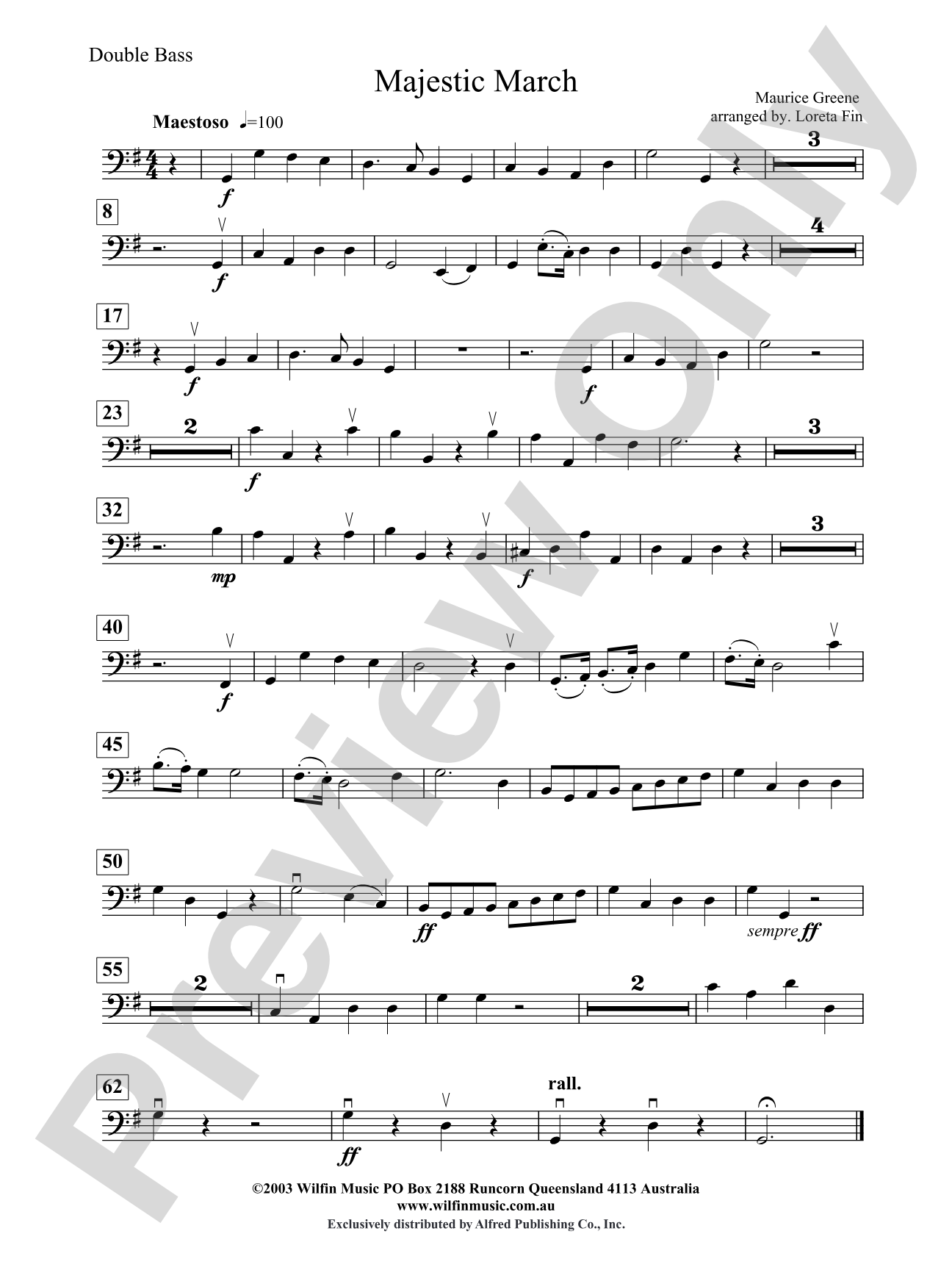
Series:Wilfin String Orchestra: Young String Ensemble Series
Publisher:Wilfin Music
Page Count:76
SKU:76-PC-0000019_SB
More about this title
About the Arranger: Loreta Fin
Loreta Fin brings three decades of string education and professional performance to her arrangements. After studying at the Sydney Conservatorium of Music and serving as first violinist with the Sydney Youth Orchestra, she built a career performing chamber music and orchestral concerts across Australia. She has held the position of Director of Strings at Somerville House School in Brisbane since 1993, establishing herself as a respected educator and adjudicator.
Fin's contributions to string education extend far beyond the classroom. She served as both State and National President of the Australian Strings Association for over 25 years and has adjudicated major competitions throughout Australia and North America. Her published catalog includes over 100 works for string orchestra distributed internationally by Alfred Music. In 2017, she released her Beginner String Ensemble Series, and in recognition of her sustained impact on music education, she received the National Award for Services to Music and String Teaching at a recent AUSTA National Conference.
Why we love this
Fin writes with real knowledge of what young string players can execute. The dotted rhythmic figures challenge rhythm reading without overwhelming less experienced ensemble members, and the dynamic range gives every section moments to shine. This piece works equally well as an ambitious concert opener or a contest selection because it sounds polished without requiring virtuosic technique.
What to expect
Majestic March carries ceremonial weight and forward momentum. The layered dynamic range and dotted rhythms create a sense of processional grandeur that feels both accomplished and achievable, building student confidence through musical substance rather than technical flash.
Who it's for
Solid Grade 3 ensembles ready for rhythmic and dynamic sophistication without advanced bow technique demands. Works equally well for strong elementary programs and early high school groups building confidence in larger scored repertoire.
How to get the most out of it
Shape the dotted rhythms with slight space after the short note, especially in tutti passages. This clarity prevents the rhythm from collapsing into straight sixteenths.
Map the dynamic contrasts in rehearsal before focusing on intonation. The variety of levels gives you natural phrasing landmarks that students can use to hold their ensemble sound together.
Balance the inner voices carefully during marked dynamic shifts. Young orchestras often push violas and second violins to the background; deliberate attention here lifts the entire texture.
Conduct the piece with clear articulation on the beat. Students respond well to a conductor's rhythmic precision when learning dotted figure passages.
How to use it
Program this early in a concert to establish energy and confidence before moving to slower or more technically demanding work. It pairs well with contrasting repertoire and works as a festival or contest selection for groups developing articulation and dynamic control.
Skills your students will build
Reading and executing dotted rhythm figures across all parts
Dynamic contrast and ensemble balance at multiple levels
Maintaining rhythmic precision in parts with varying complexity
Building tone quality through sustained passages with dynamic shape
You May Also Like
Scan to Complete Your Purchase
Use your phone's camera to scan the code below
You'll log in on your phone and the order will be added to your account