
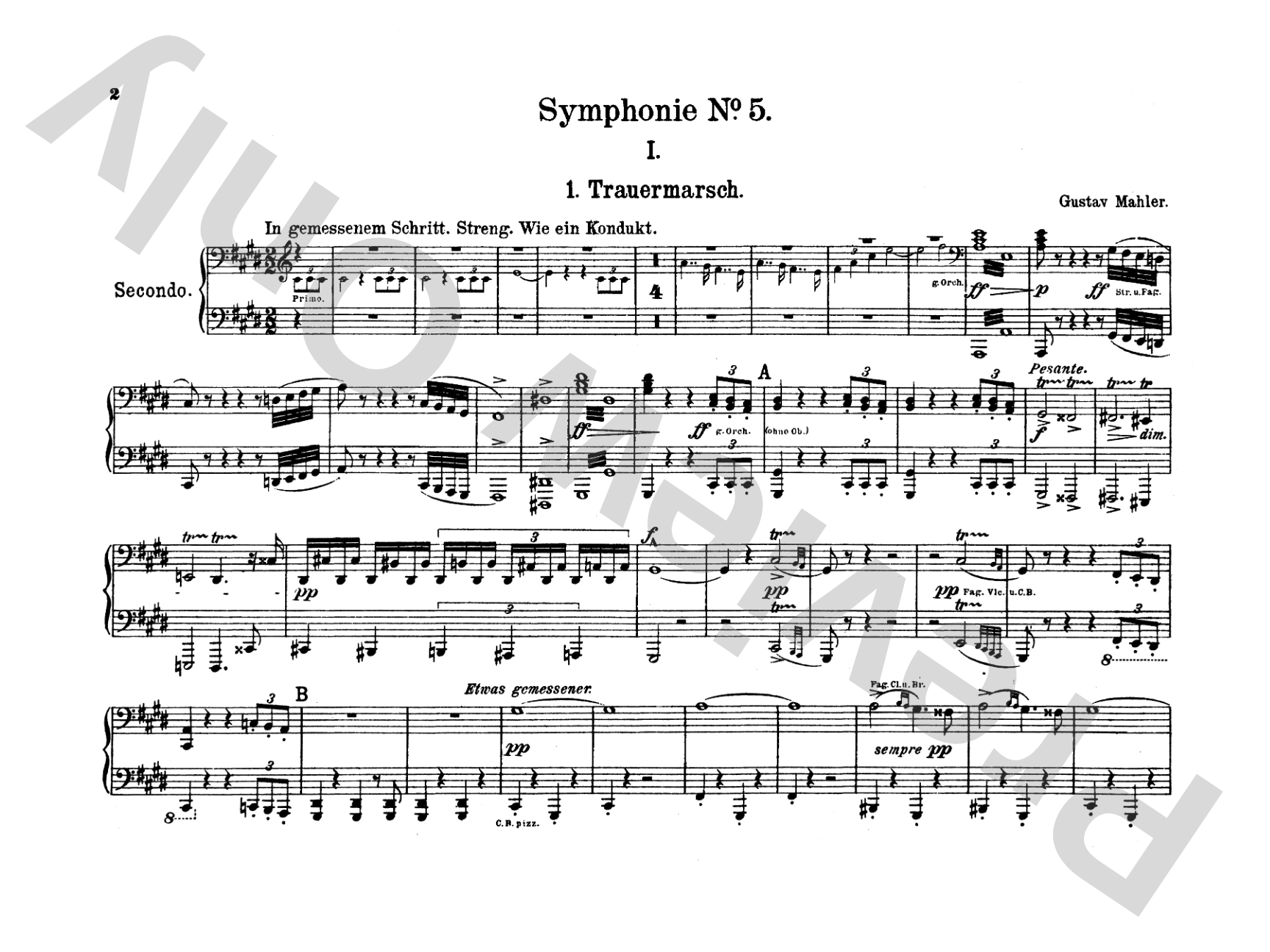
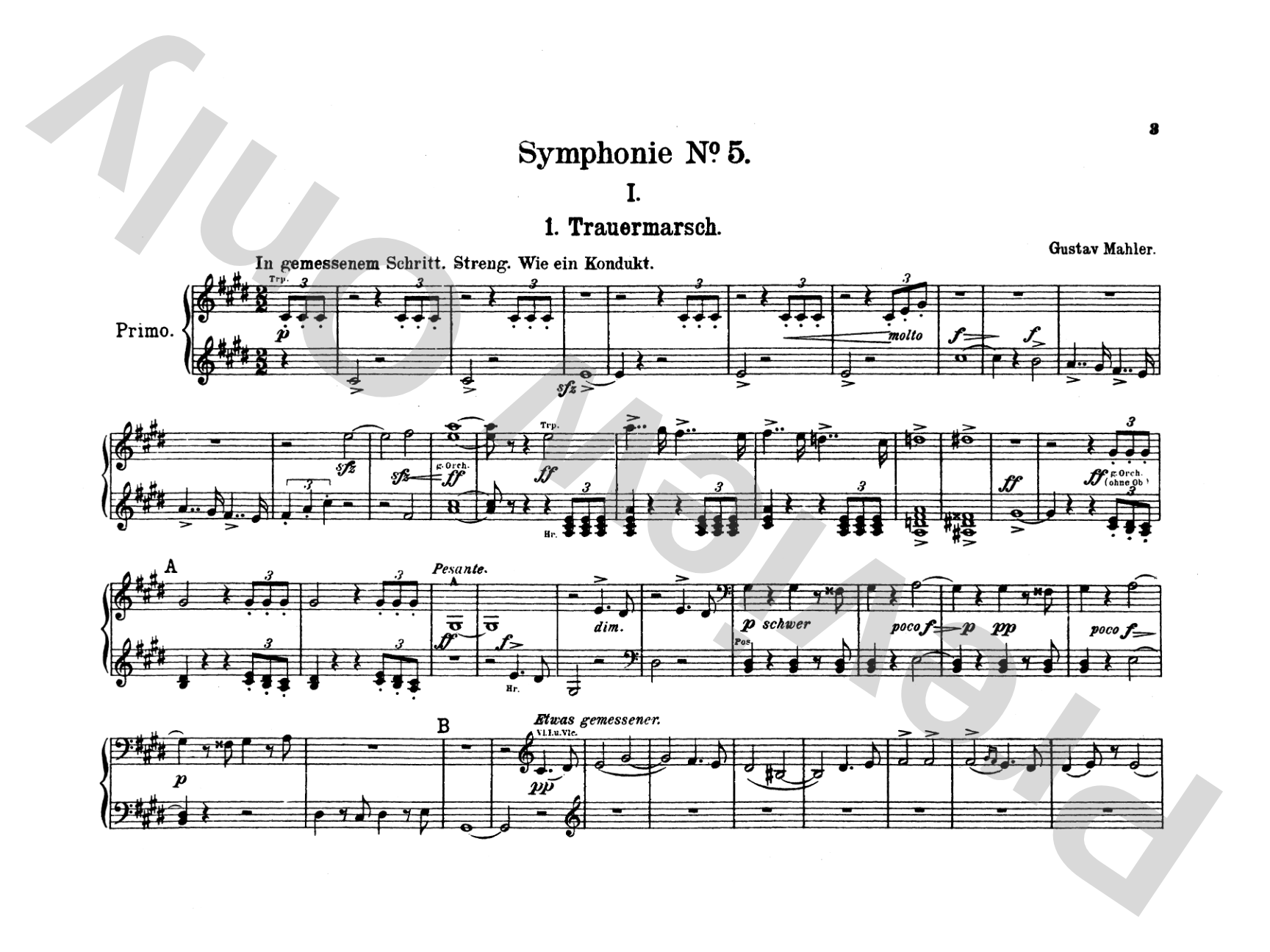
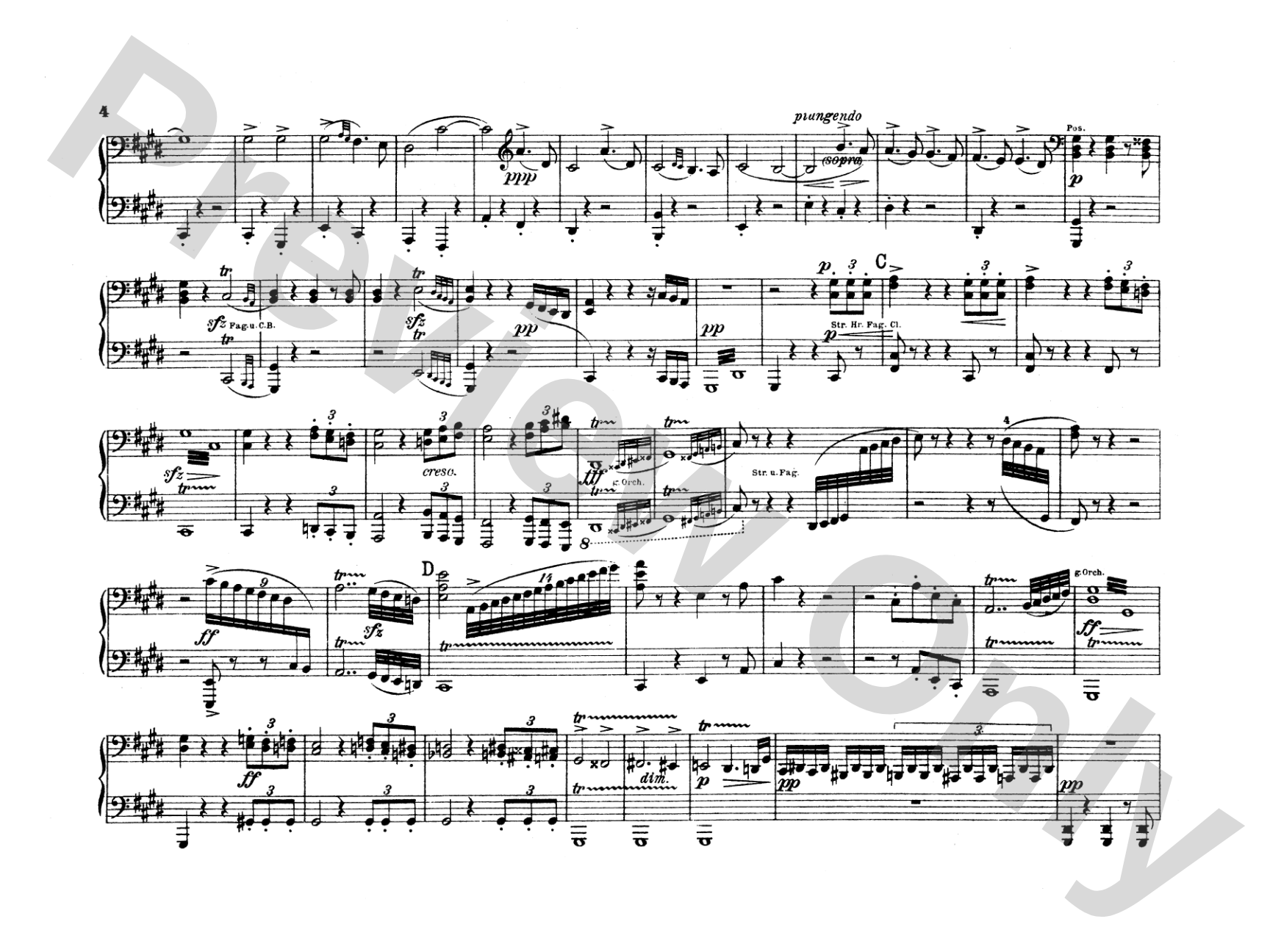
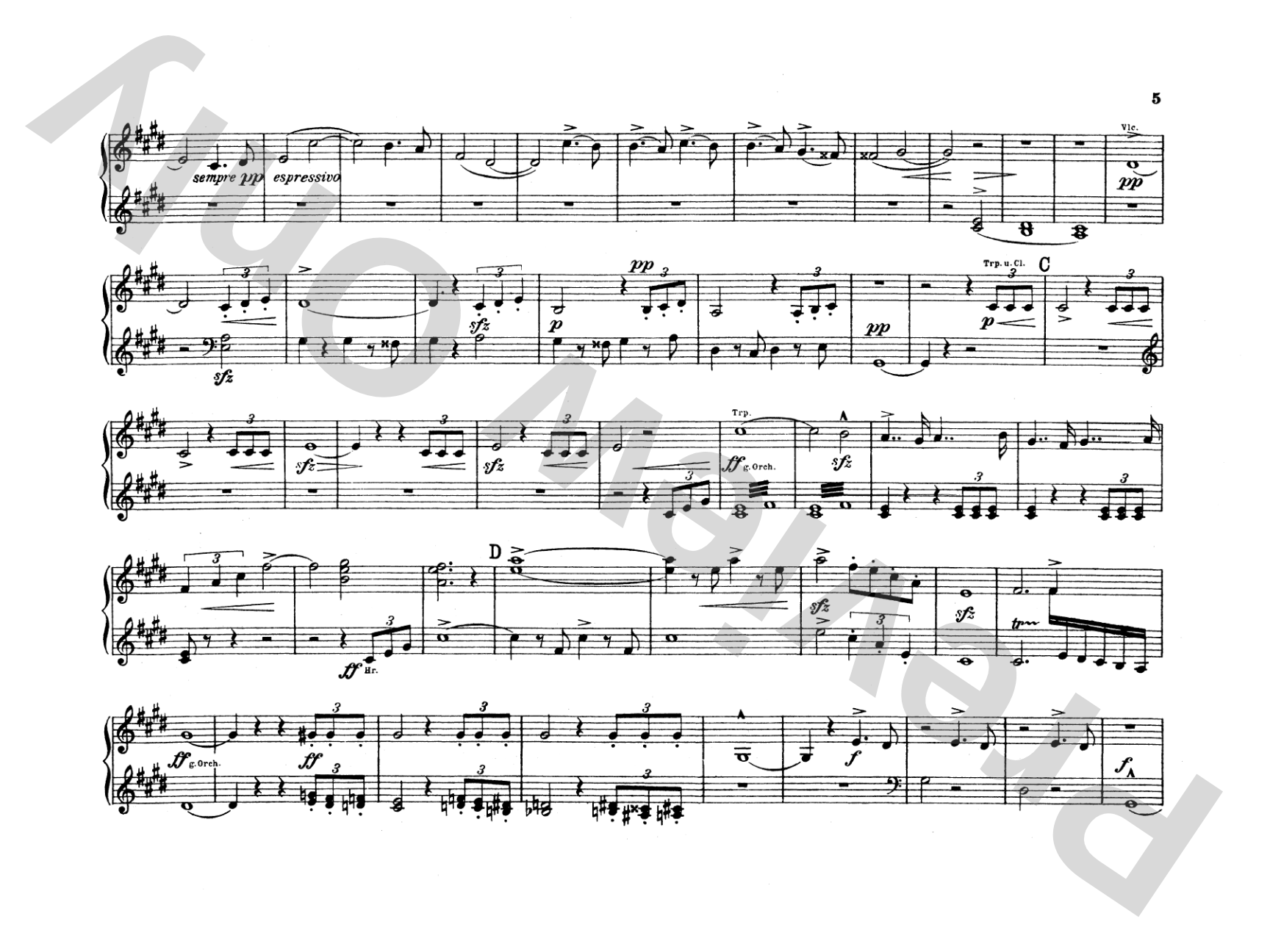
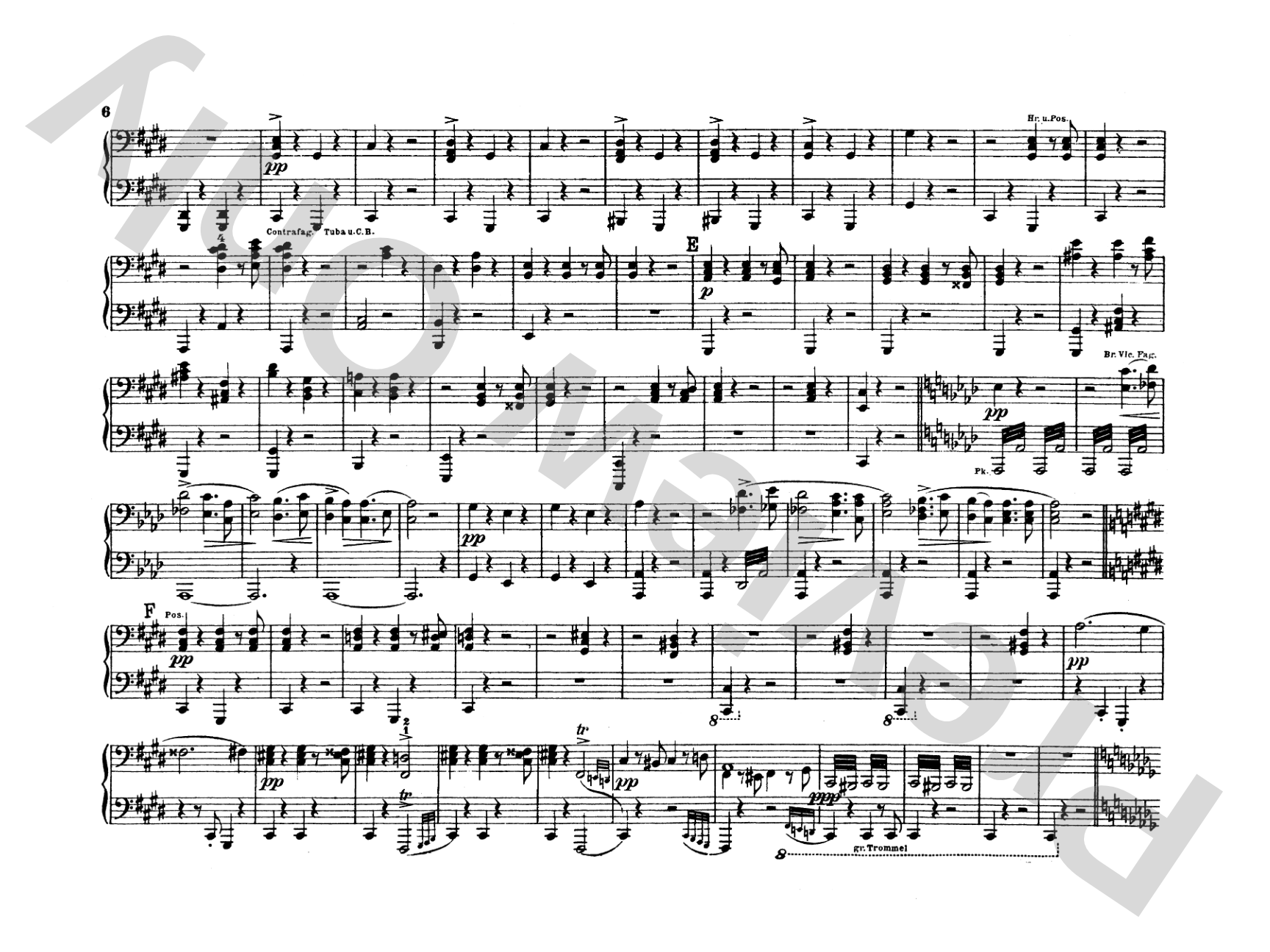
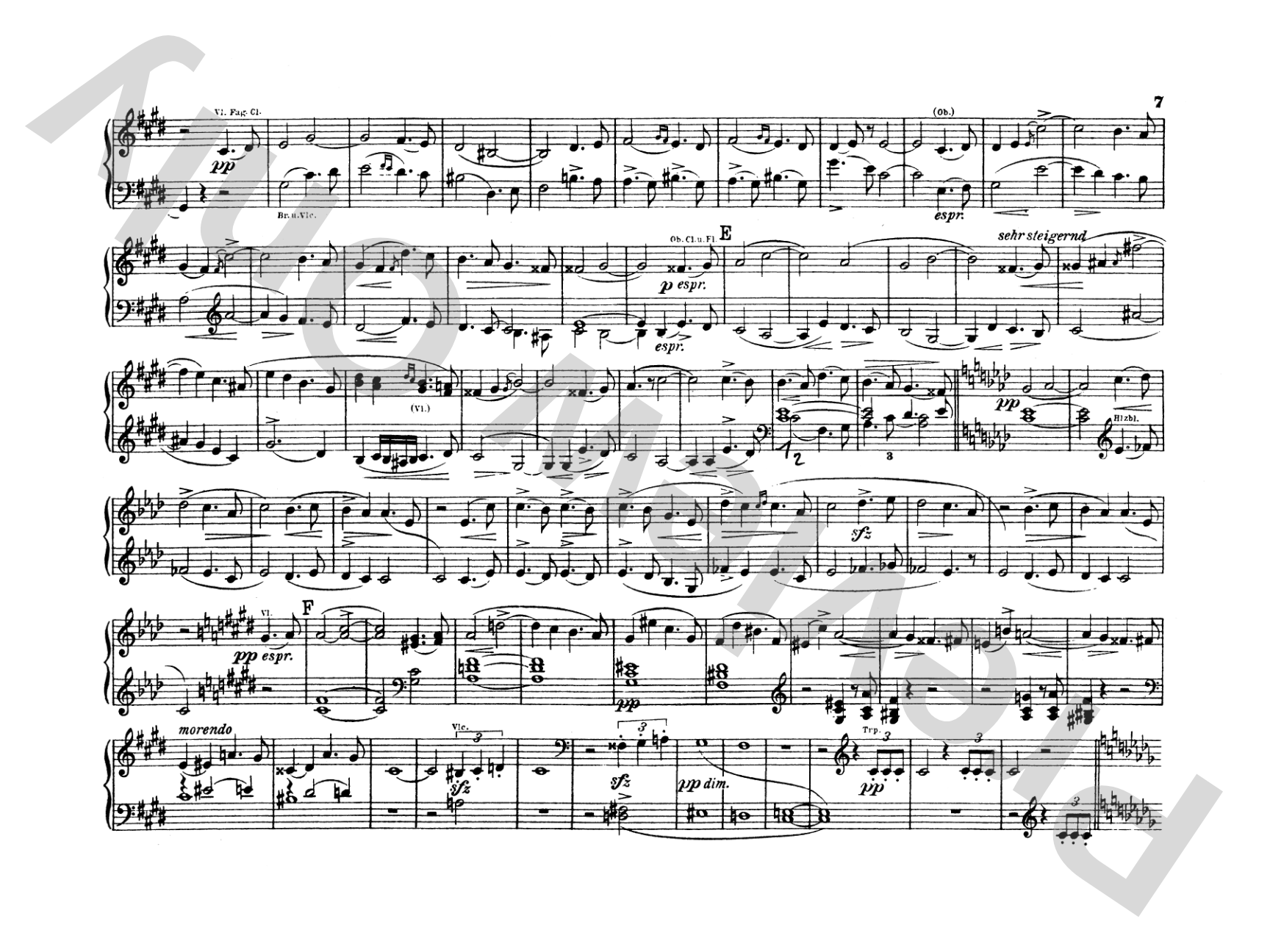
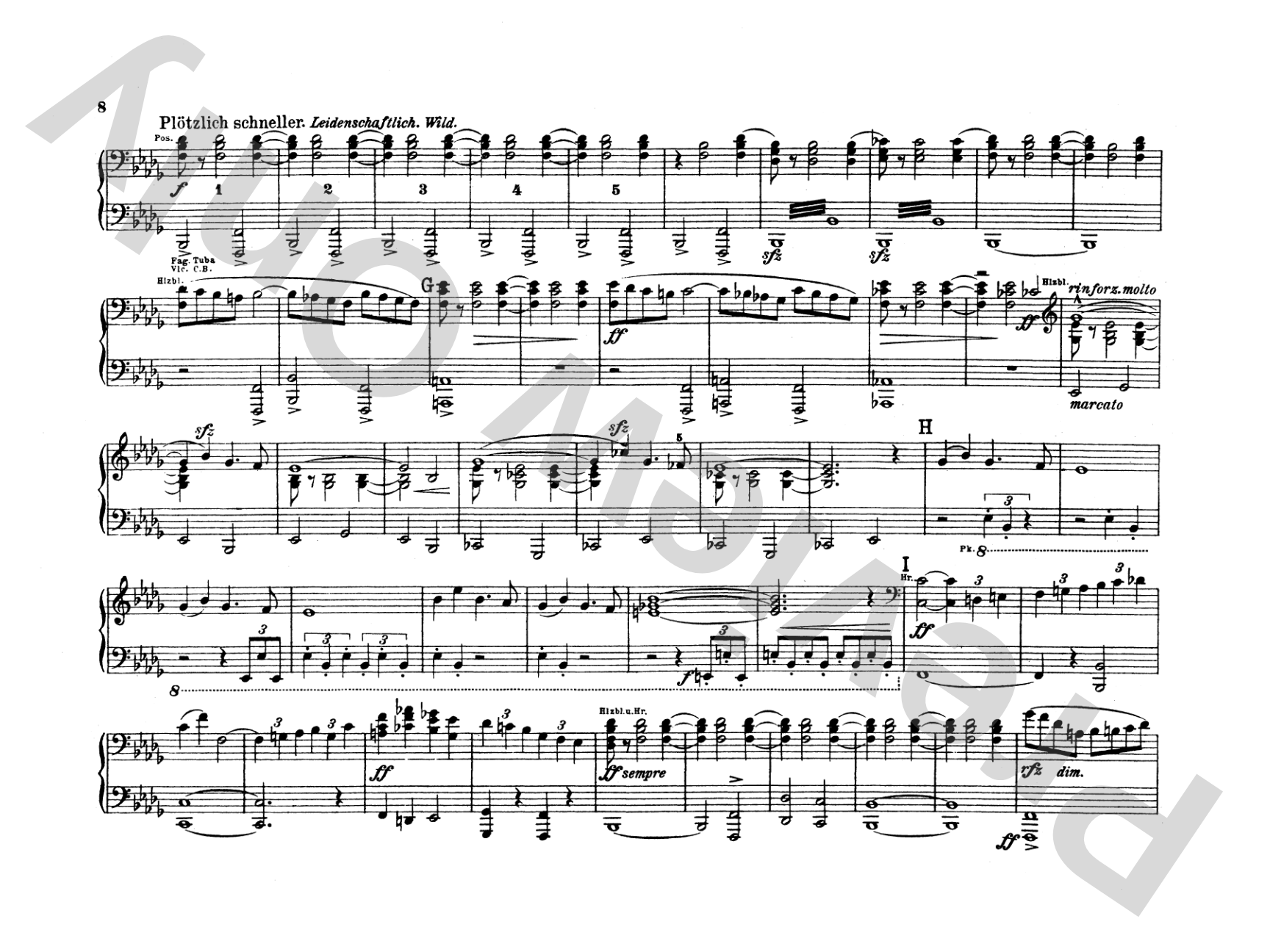
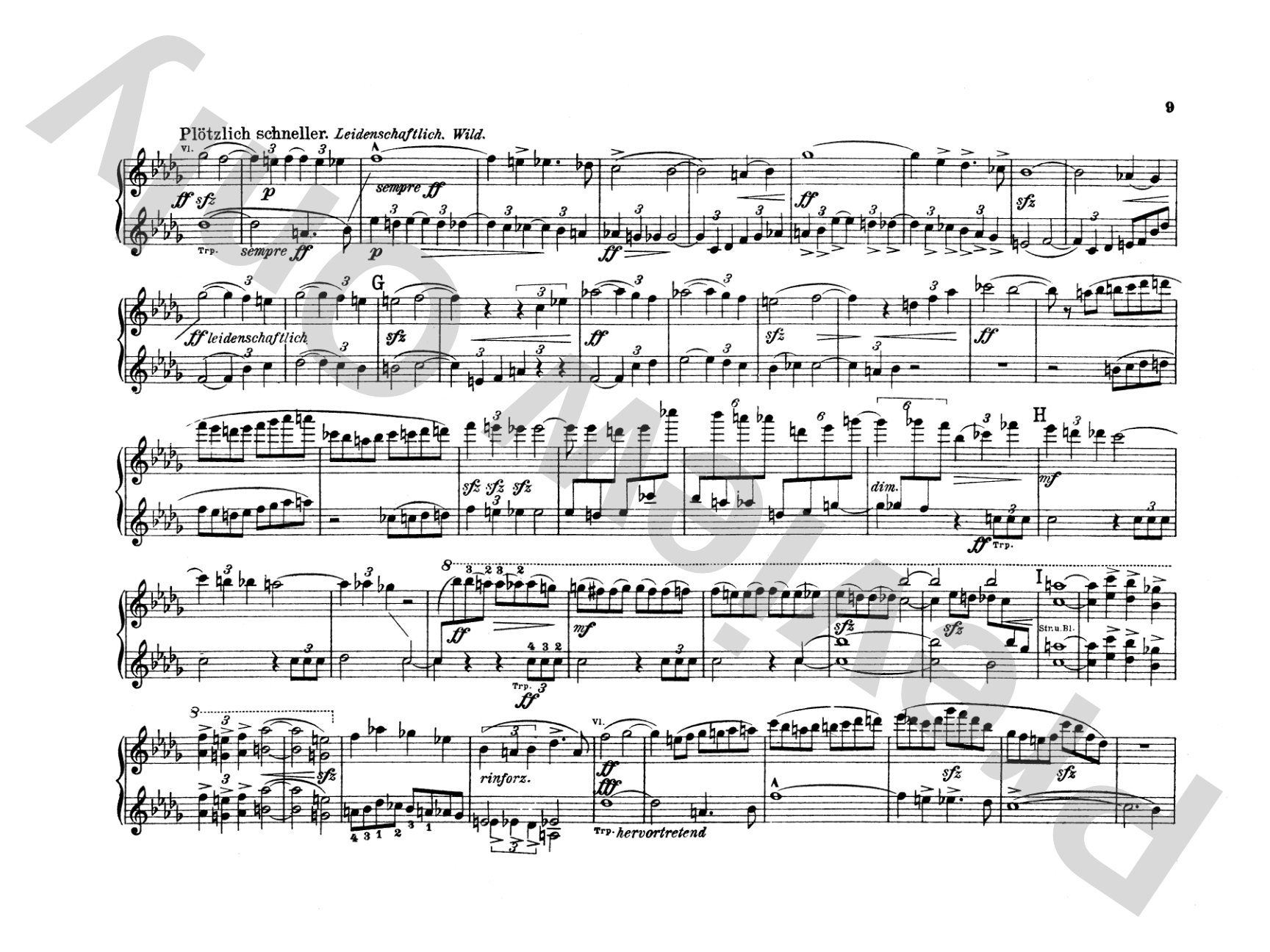
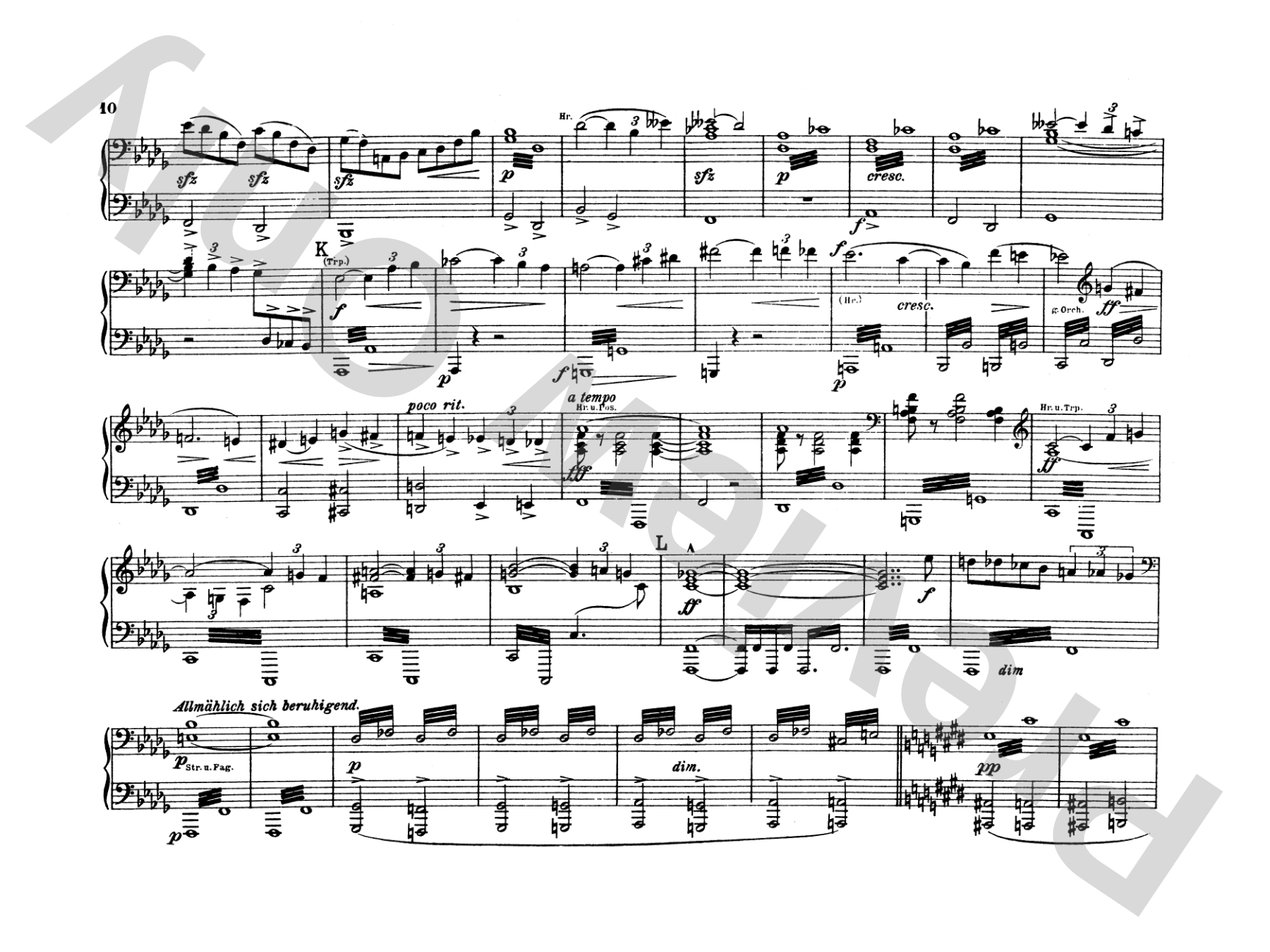
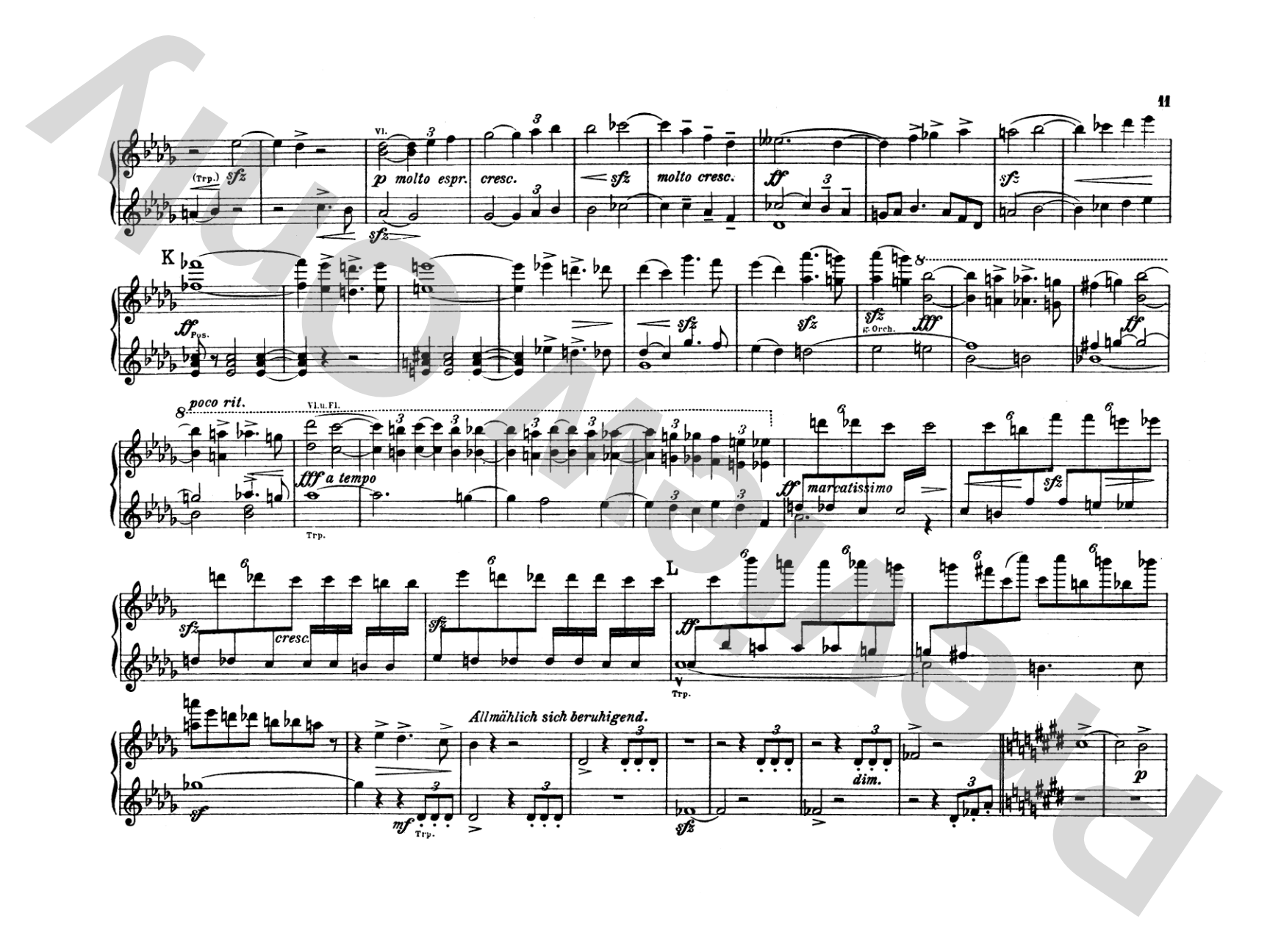
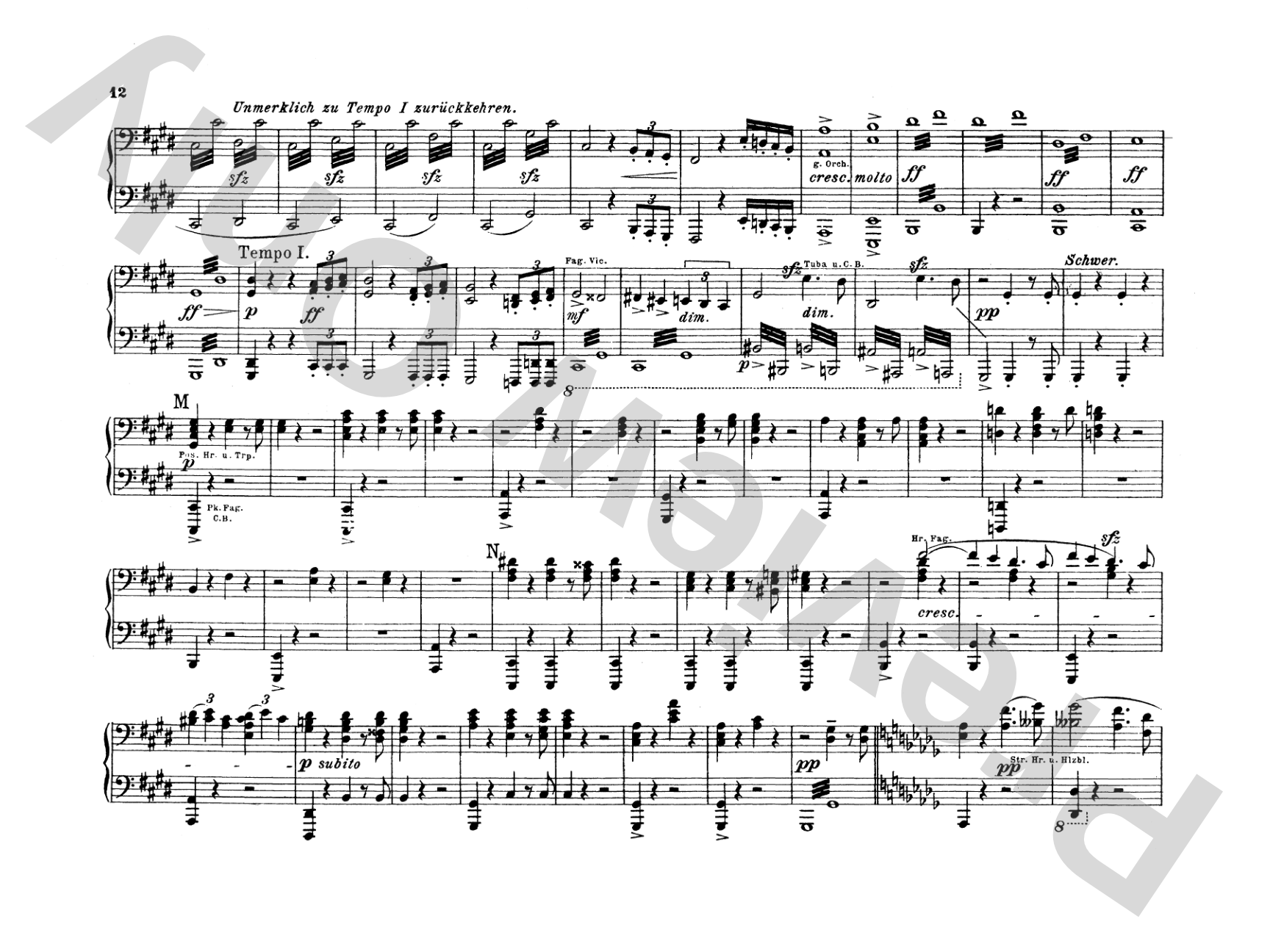
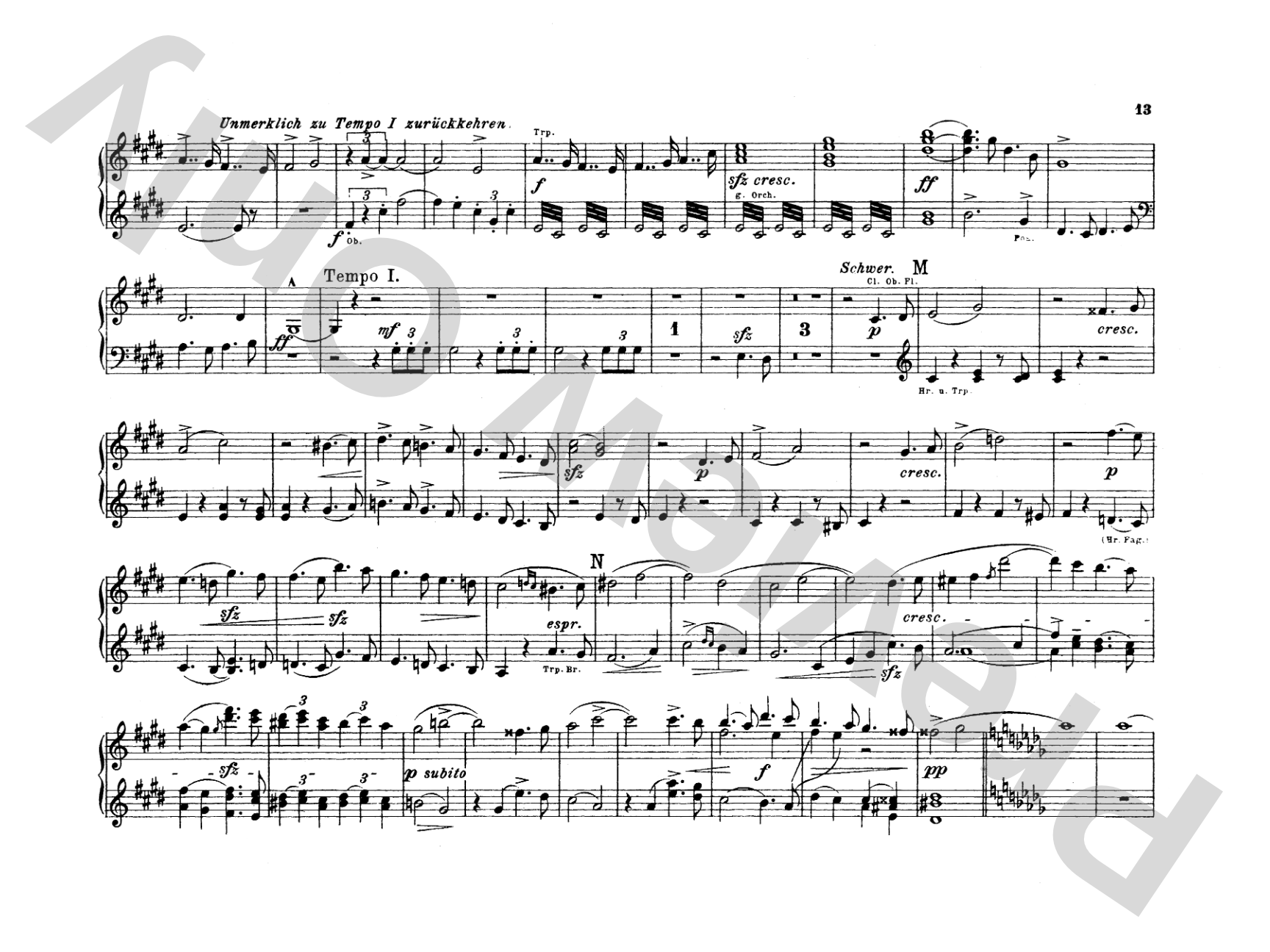
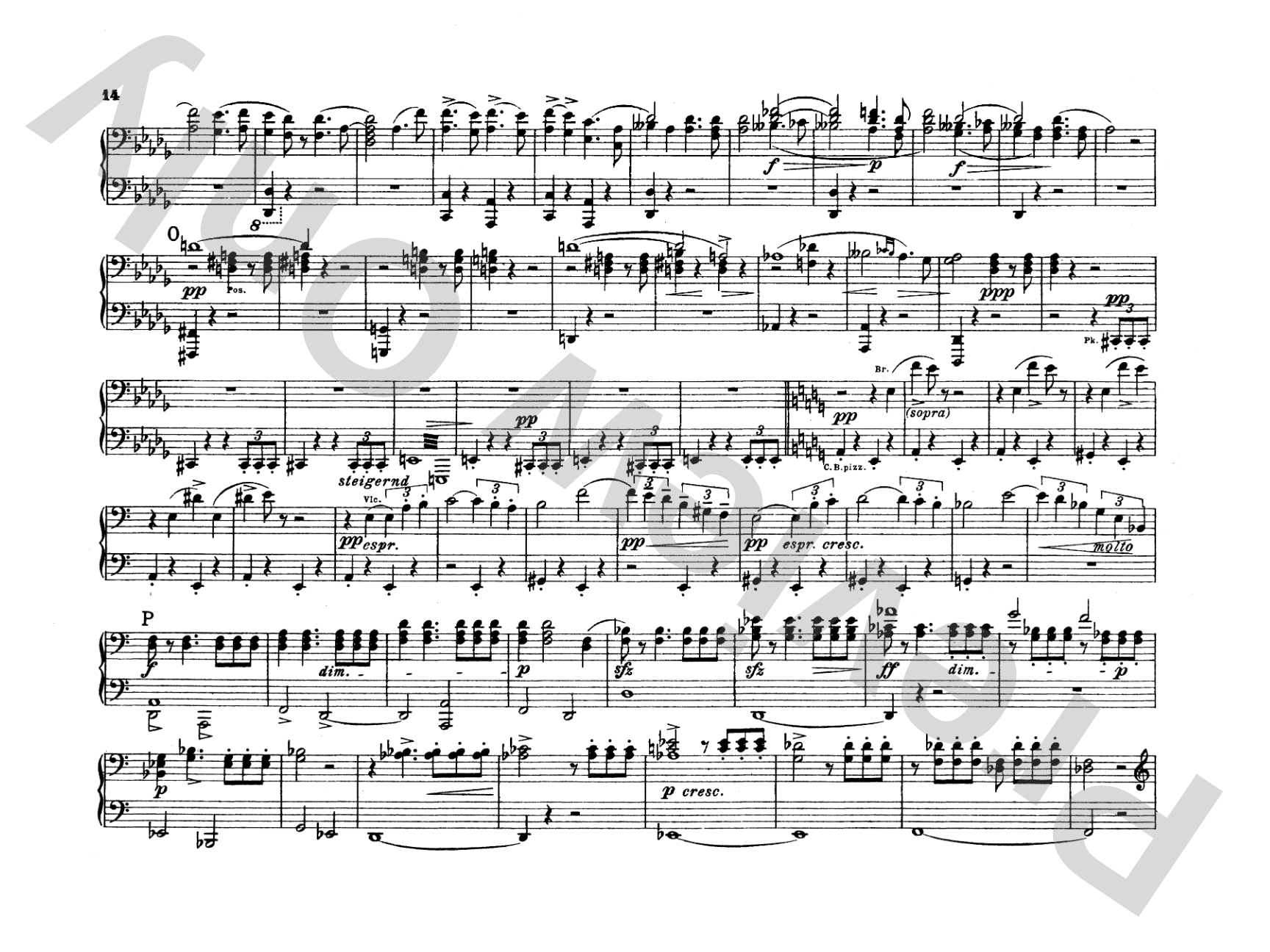
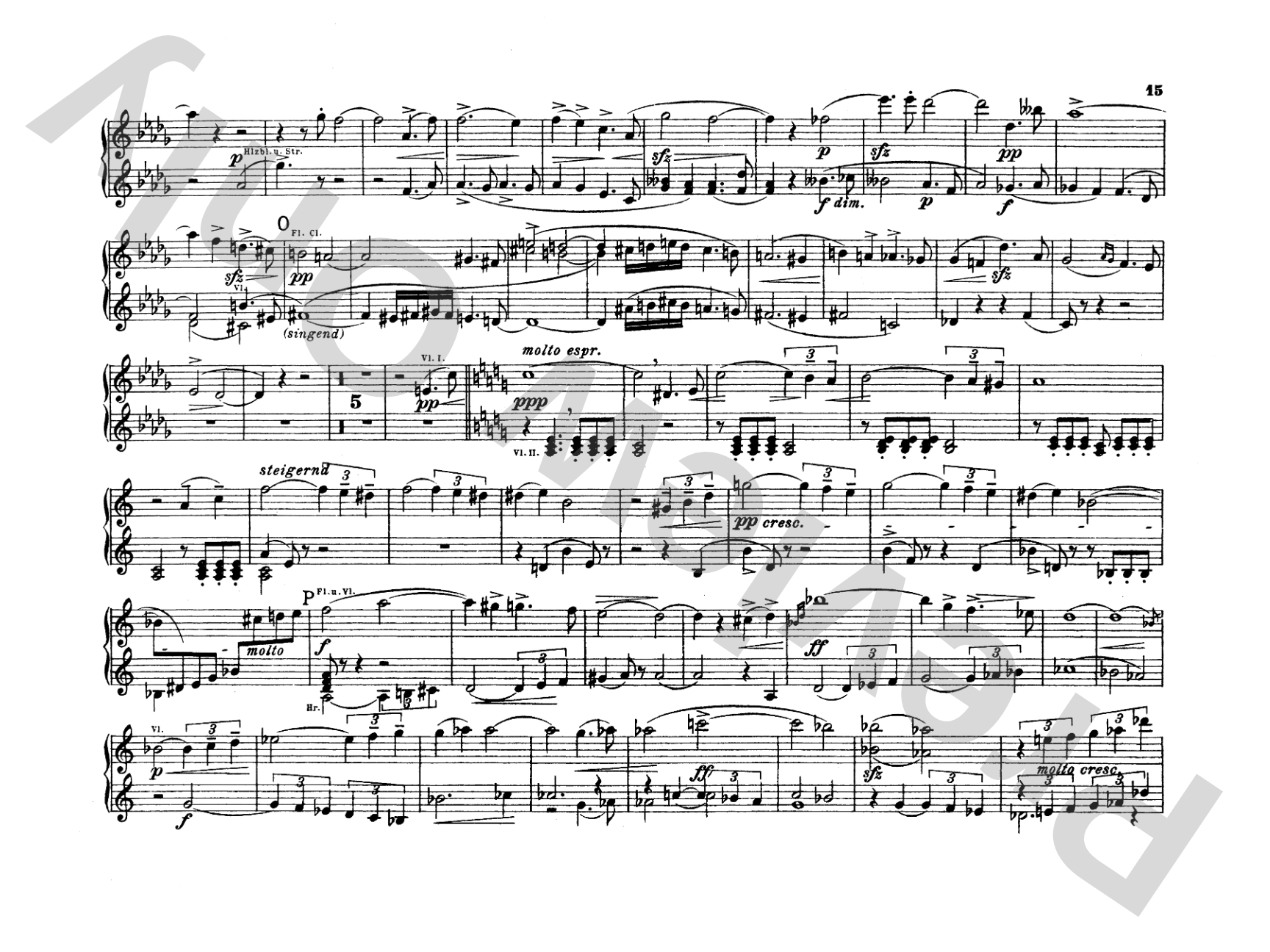
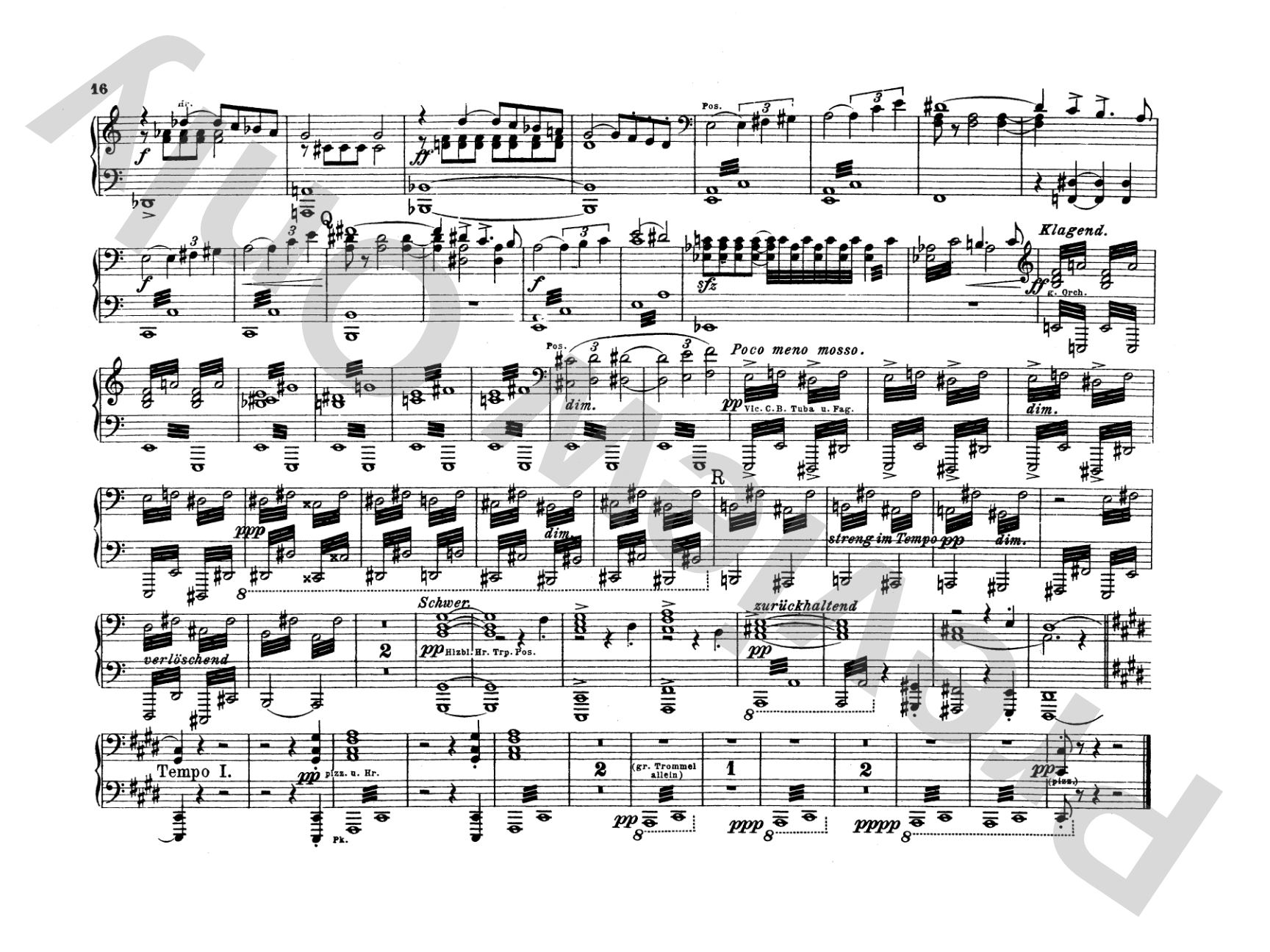
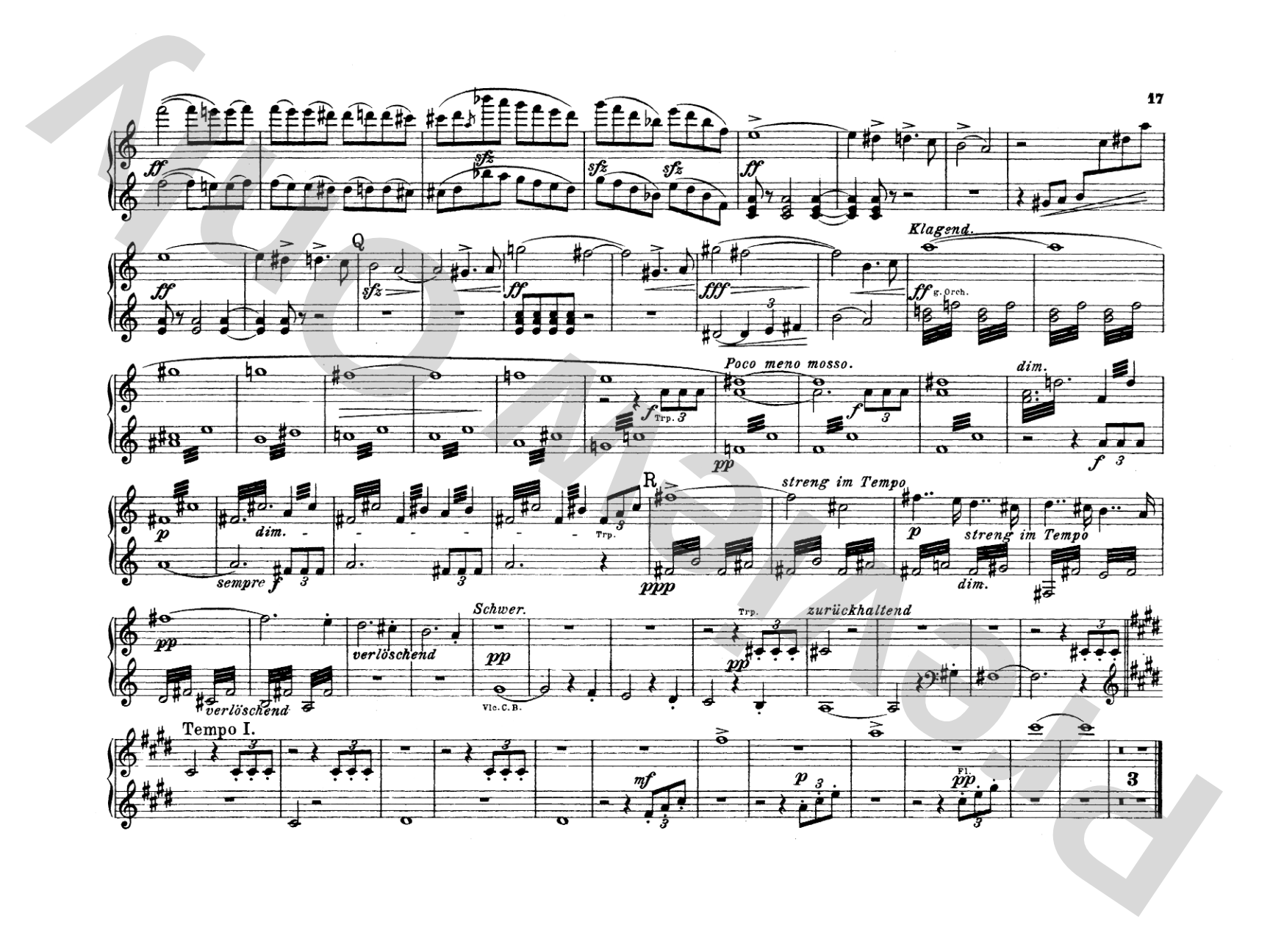

Mahler: Symphony No. 5, in E Major: Piano Duet (1 Piano, 4 Hands) Comb Bound Book
By Gustav Mahler
Item: 00-PK-0003217

$17.95
Pickup currently not available
Buy Extra Parts (Digital PDF Download)
| Product | Price | Quantity |
|---|---|---|
| Mahler: Symphony No. 5, in E Major | $2.95 | |
| Mahler: Symphony No. 5, in E Major | $2.95 | |
| Mahler: Symphony No. 5, in E Major | $2.95 | |
| Mahler: Symphony No. 5, in E Major | $2.95 | |
| Mahler: Symphony No. 5, in E Major | $2.95 |
Parts Added to Cart!
Related Items
Symphony No. 5 in E Major: Piano Duet (1 Piano, 4 Hands) Comb Bound Book |
$17.95
|
View |
Description
Piano duet players will be thrilled with this quality transcription for one piano, four hands of Mahler's Fifth Symphony. The comb binding creates a lay-flat book that is perfect for study and performance.


Don't just read it, hear it, play along with it, and watch your students grow with it. In MakeMusic Cloud, Mahler: Symphony No. 5, in E Major: Piano Duet (1 Piano, 4 Hands) Comb Bound Book comes alive with professional accompaniment, adjustable tempo, and built-in practice tools that turn solo practice into real progress.
Open in the Player
Jump straight in and assign it today.
Start Your Free Trial
Open this title and explore the full library in minutes.
Sample Audio
No sample audio found.
Sample Video
No sample videos found.
Additional Details
Series:
Kalmus Edition
Publisher:
Alfred Music
Page Count:
116
SKU:
00-PK-0003217
More about this title
About the Composer: Gustav Mahler
Gustav Mahler (1860-1911) was an Austrian composer and conductor whose ten symphonies redefined the genre in the late Romantic era. His works expanded the orchestra's expressive range and integrated song-like melodies with complex harmonic language, influencing generations of twentieth-century composers. Mahler served as director of the Vienna Court Opera and later the Metropolitan Opera in New York, positions that shaped his understanding of dramatic structure and orchestration.
Why we love this
The Fifth Symphony ranks among Mahler's most performed works, and this four-hand transcription captures its emotional arc and orchestral sweep in an arrangement that remains genuinely rewarding to play. The comb binding ensures the score lies flat for rehearsal and performance, eliminating the frustration of pages closing mid-passage. For advanced piano duet players, this work offers the satisfaction of engaging with a major symphonic canvas without requiring an orchestra.
What to expect
The Fifth Symphony unfolds across five movements with the architecture of classical form stretched to contain Mahler's expansive Romantic sensibility. The famous Adagietto moves with tender introspection, while the outer movements surge with rhythmic vitality and orchestral color rendered through piano texture. Playing this work demands both technical precision and emotional maturity, rewarding performers with access to one of the nineteenth century's most profoundly moving symphonic works.
Who it's for
Advanced piano duet players seeking substantial repertoire that extends beyond lighter four-hand literature will find intellectual and technical challenge here. This transcription serves musicians preparing for duet recitals or studying Mahler's orchestration through a keyboard-centered lens.
How to get the most out of it
- Balance the primo and secondo parts carefully through the Adagietto, where sustained harmonic support from the lower player allows the upper voice to sing with clarity.
- Pay attention to Mahler's tempo markings and tempo relationships between movements; the dramatic contrast between the energetic outer movements and the lyrical Adagietto depends on precise control of pulse and timing.
- Coordinate pedal changes between both players to maintain transparency in the dense textures of the first movement and finale without muddying the harmonic progressions.
- Shape phrases together by listening for the principal melodic line and allowing both players to breathe as a single musical unit rather than two separate voices.
How to use it
Feature this as a centerpiece of a piano duet recital or concert, where it can stand alone as a substantial main work or anchor a program of multi-movement repertoire. The Adagietto in isolation functions as an effective standalone encore or programming choice for a chamber music series dedicated to Mahler's legacy.
Skills your students will build
- Reading complex orchestral textures adapted for keyboard
- Coordinating independent lines between primo and secondo at fast tempos
- Balancing melodic prominence with accompaniment across both players
- Managing pedal coordination in dense harmonic contexts
- Interpreting symphonic architecture and large-scale form
- Sustaining physical and musical endurance across five movements