
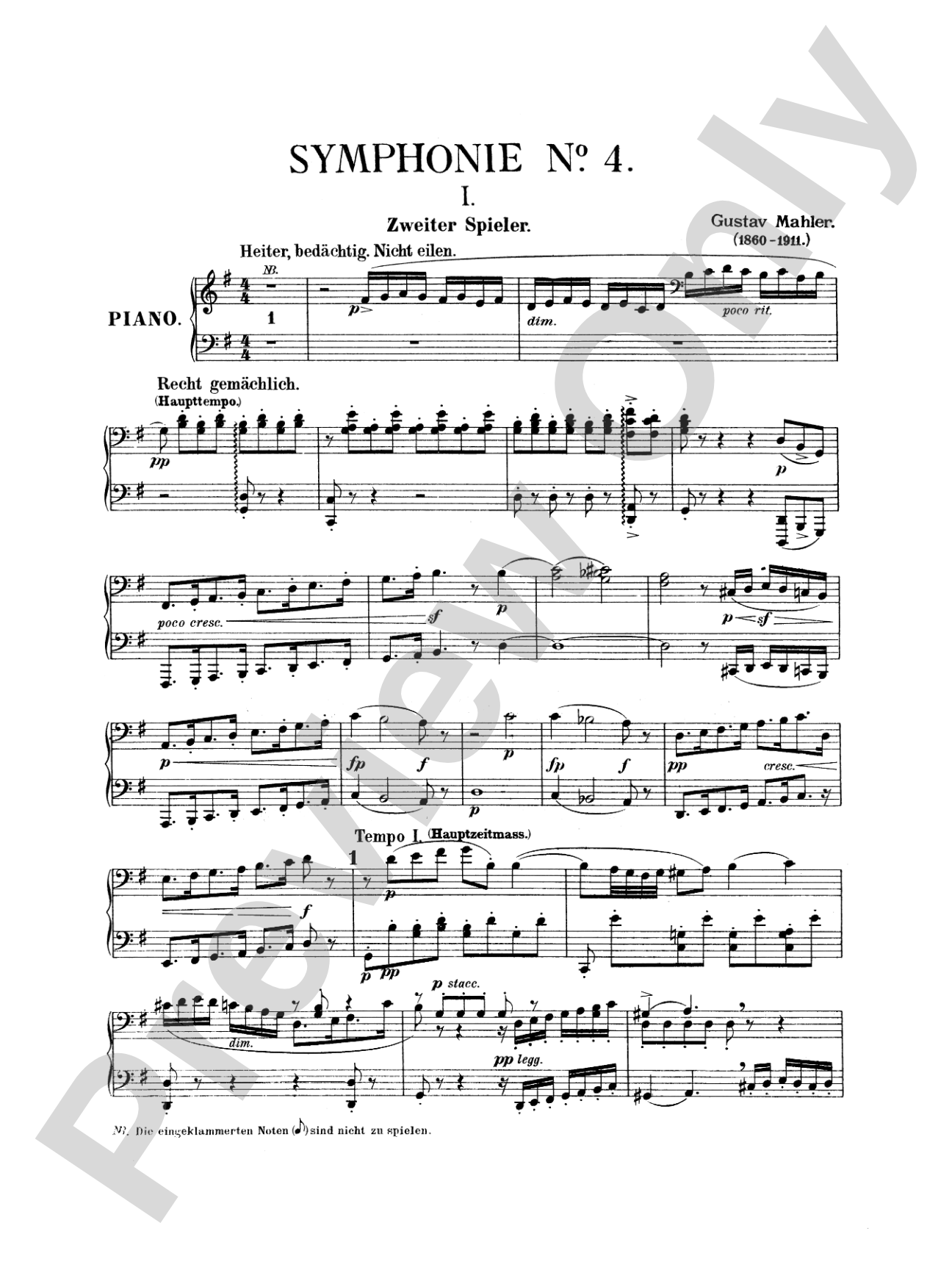
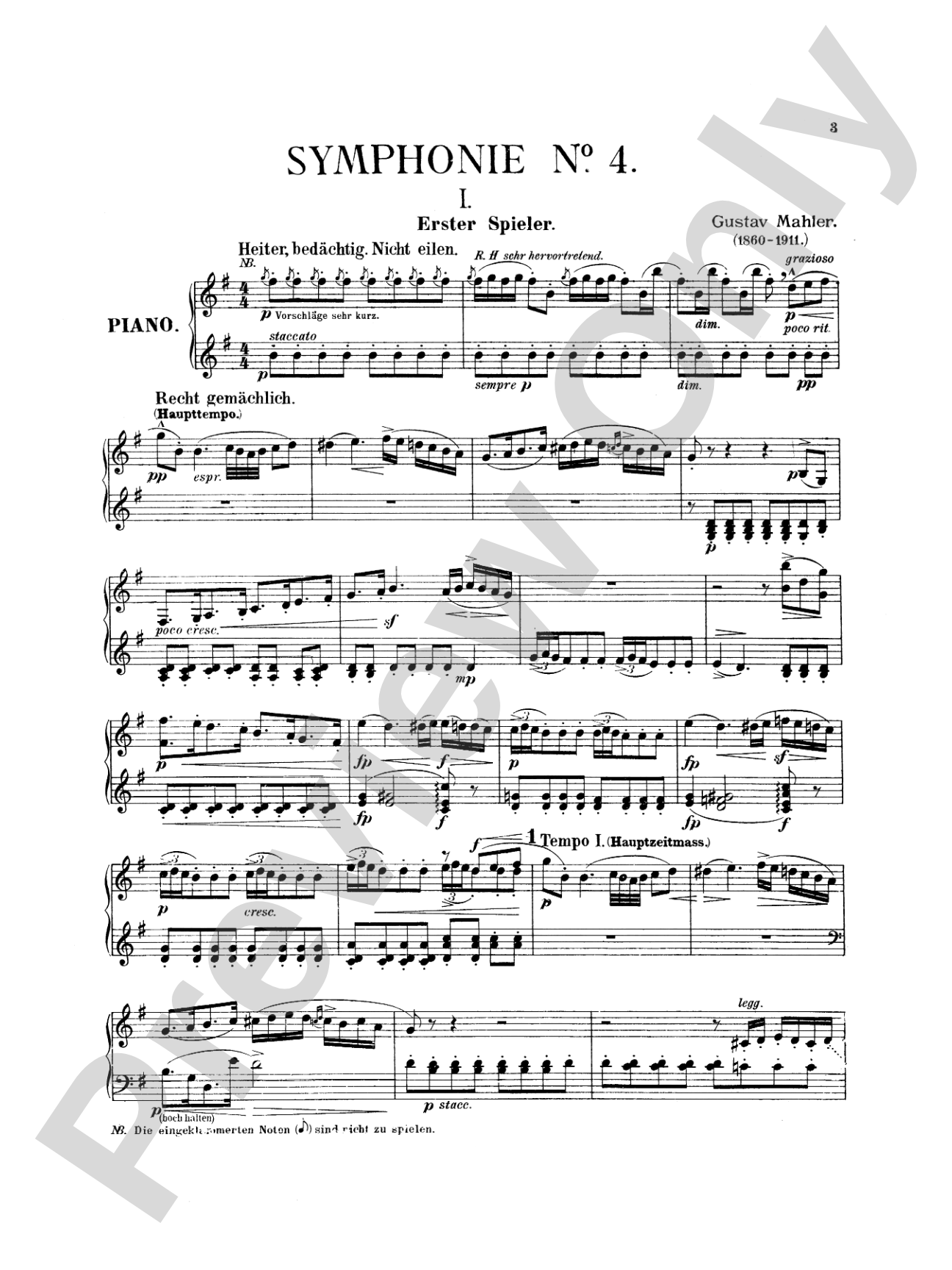
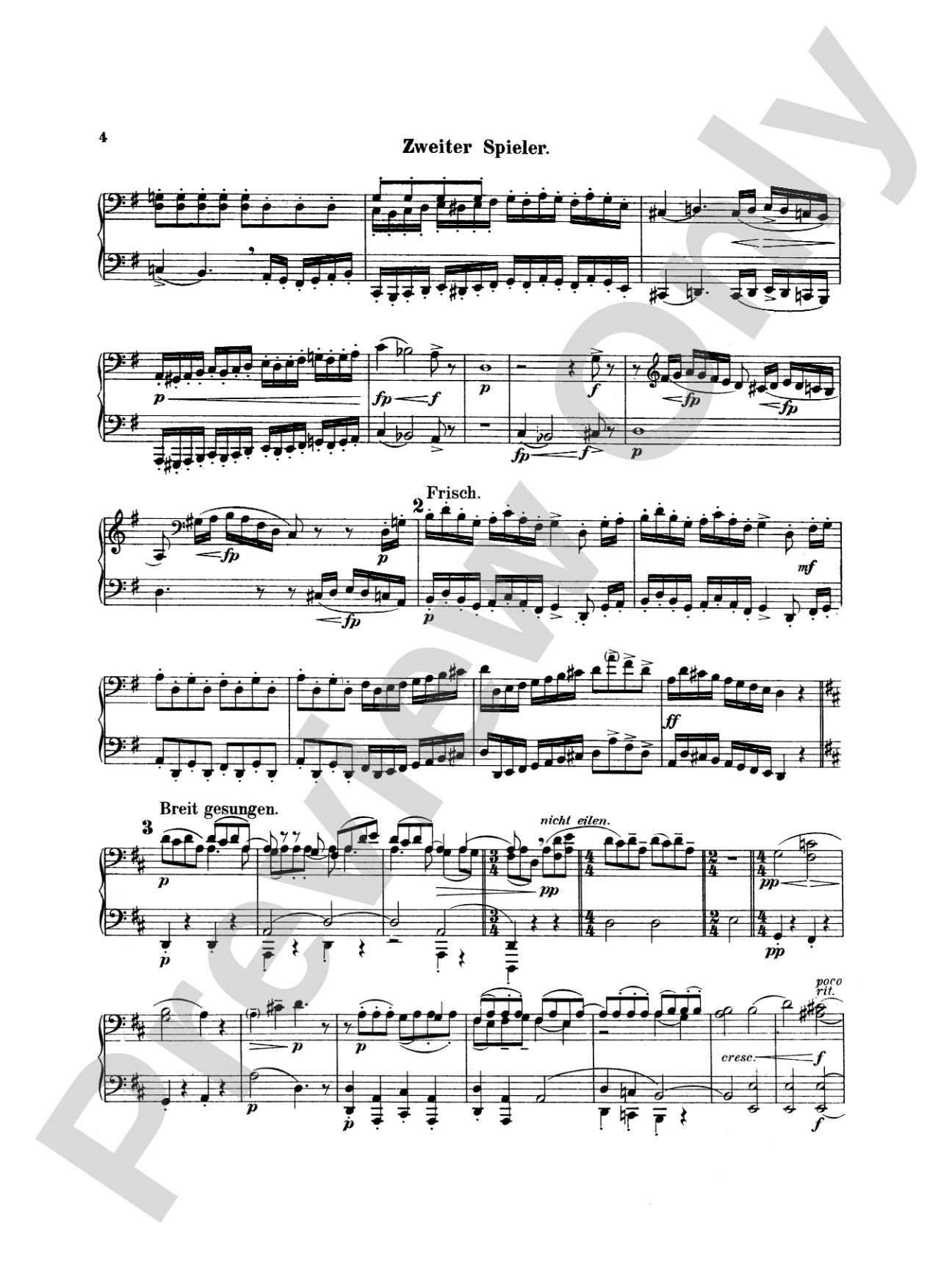
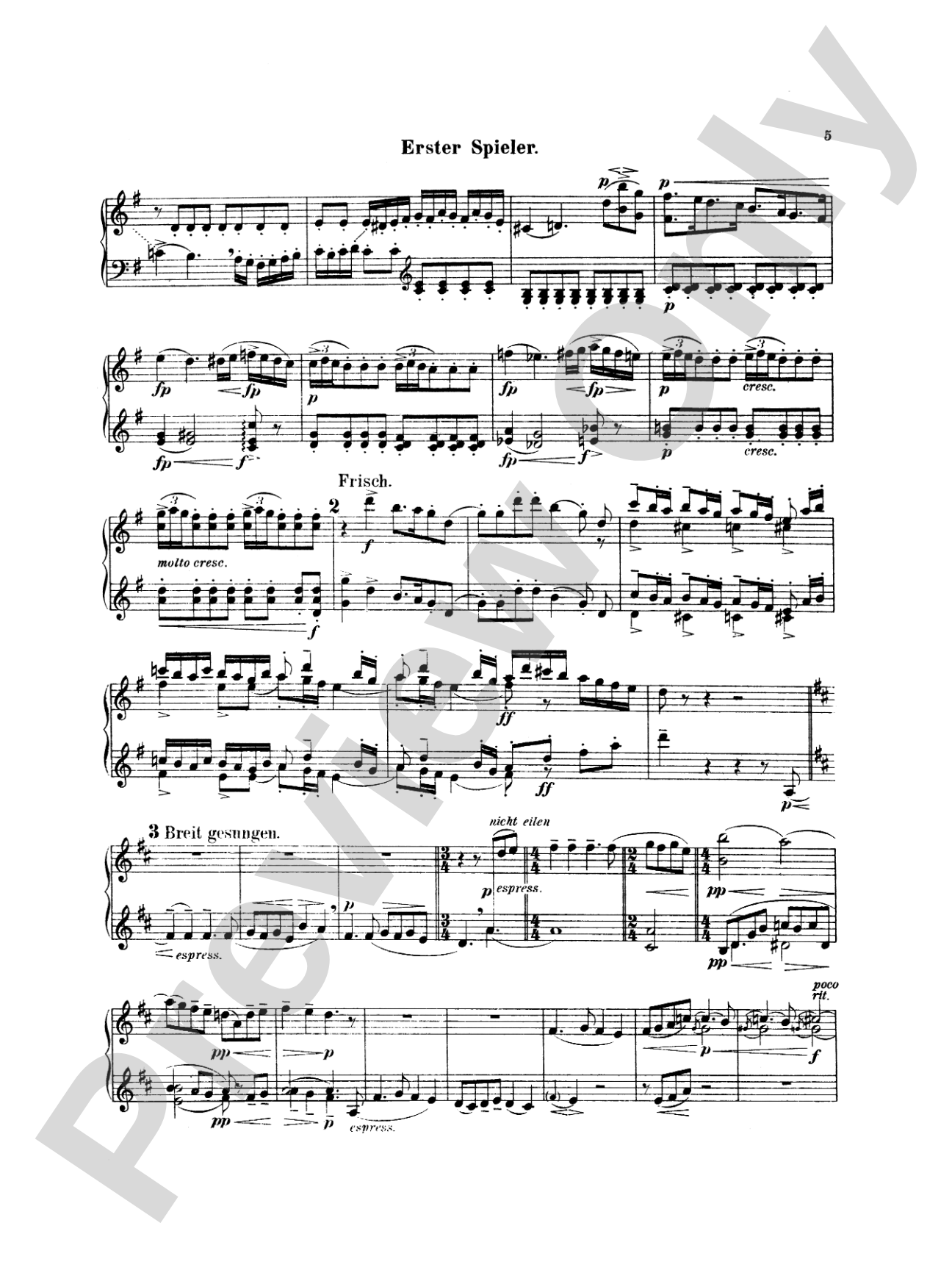
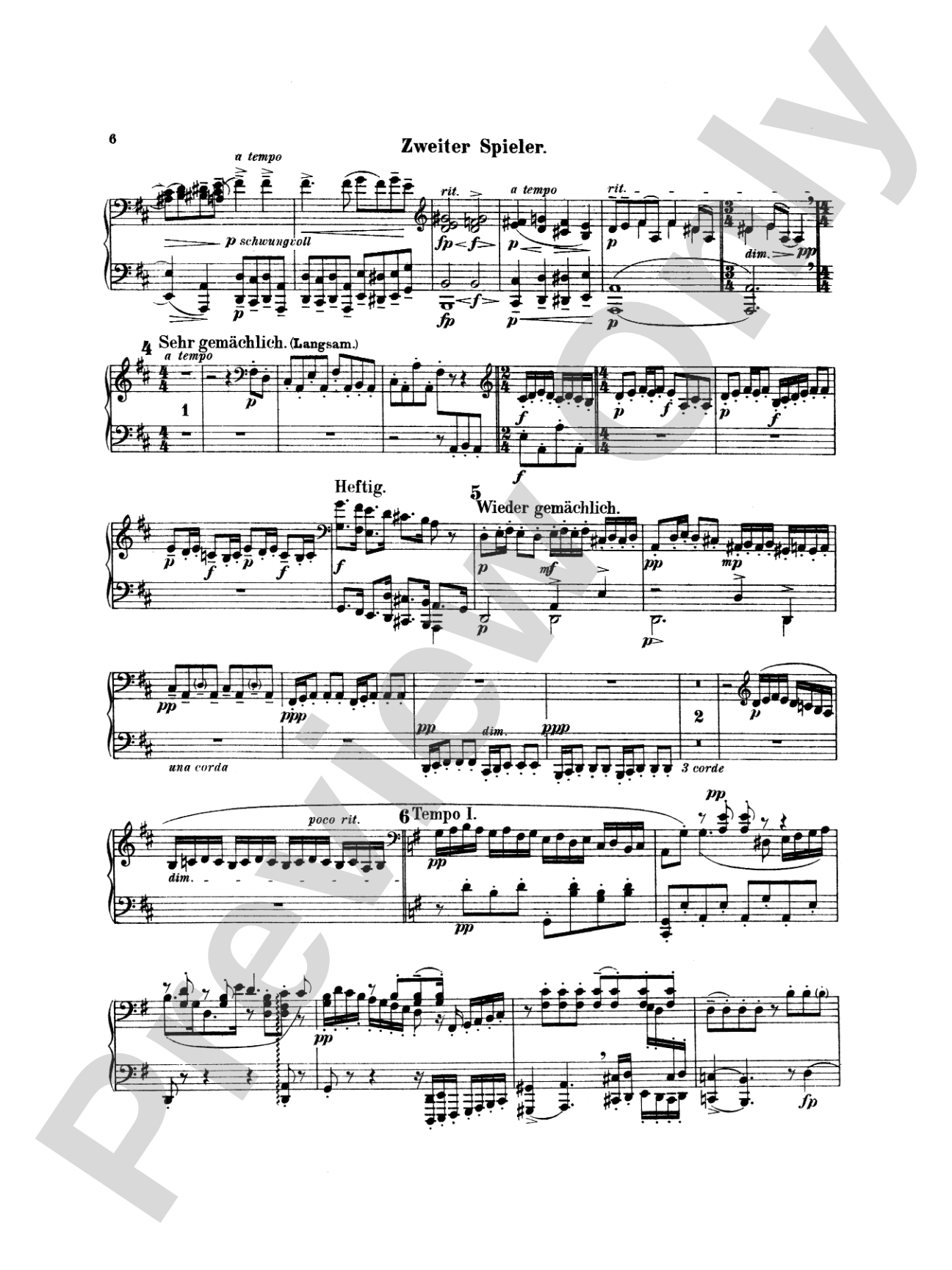
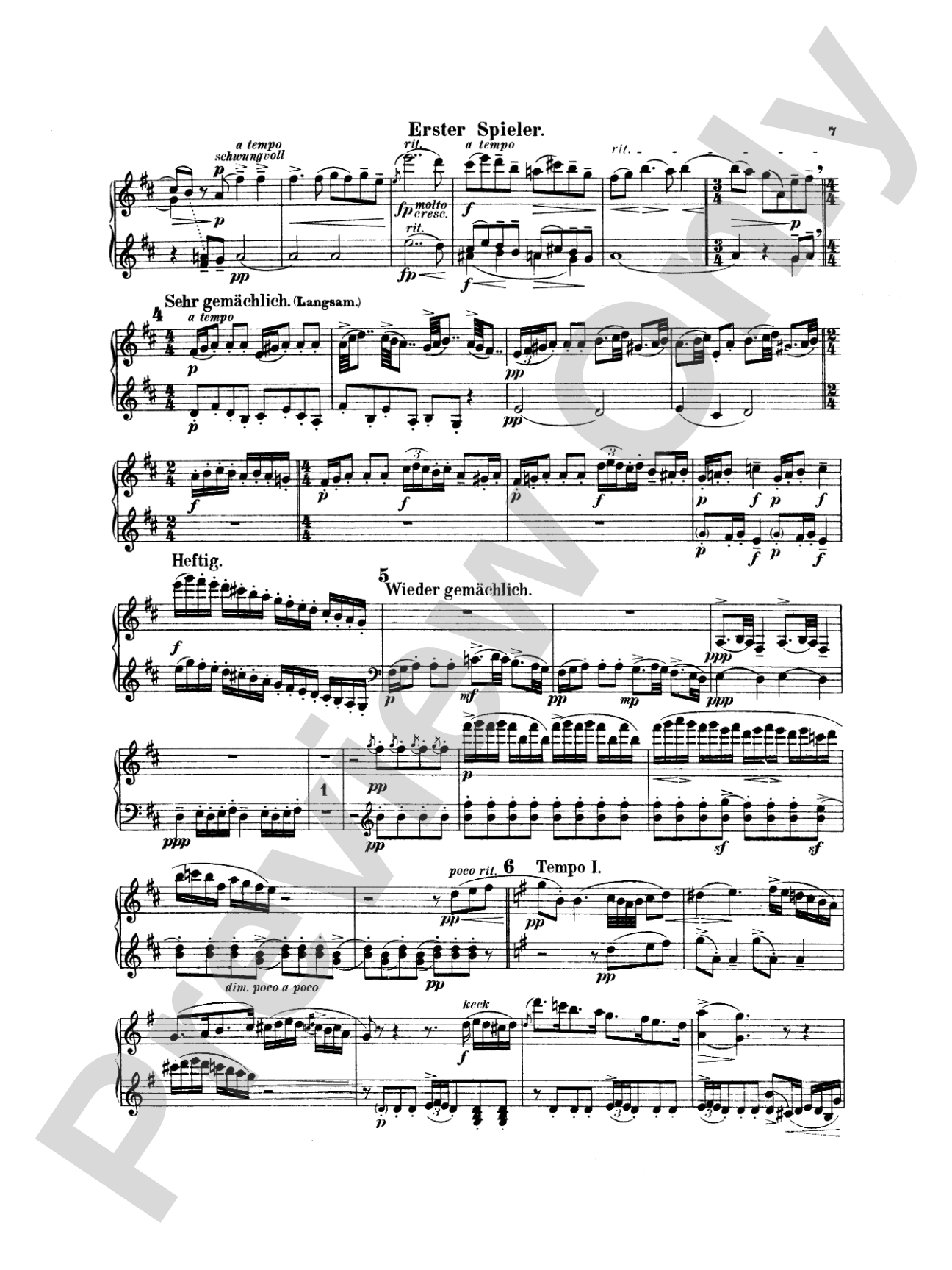
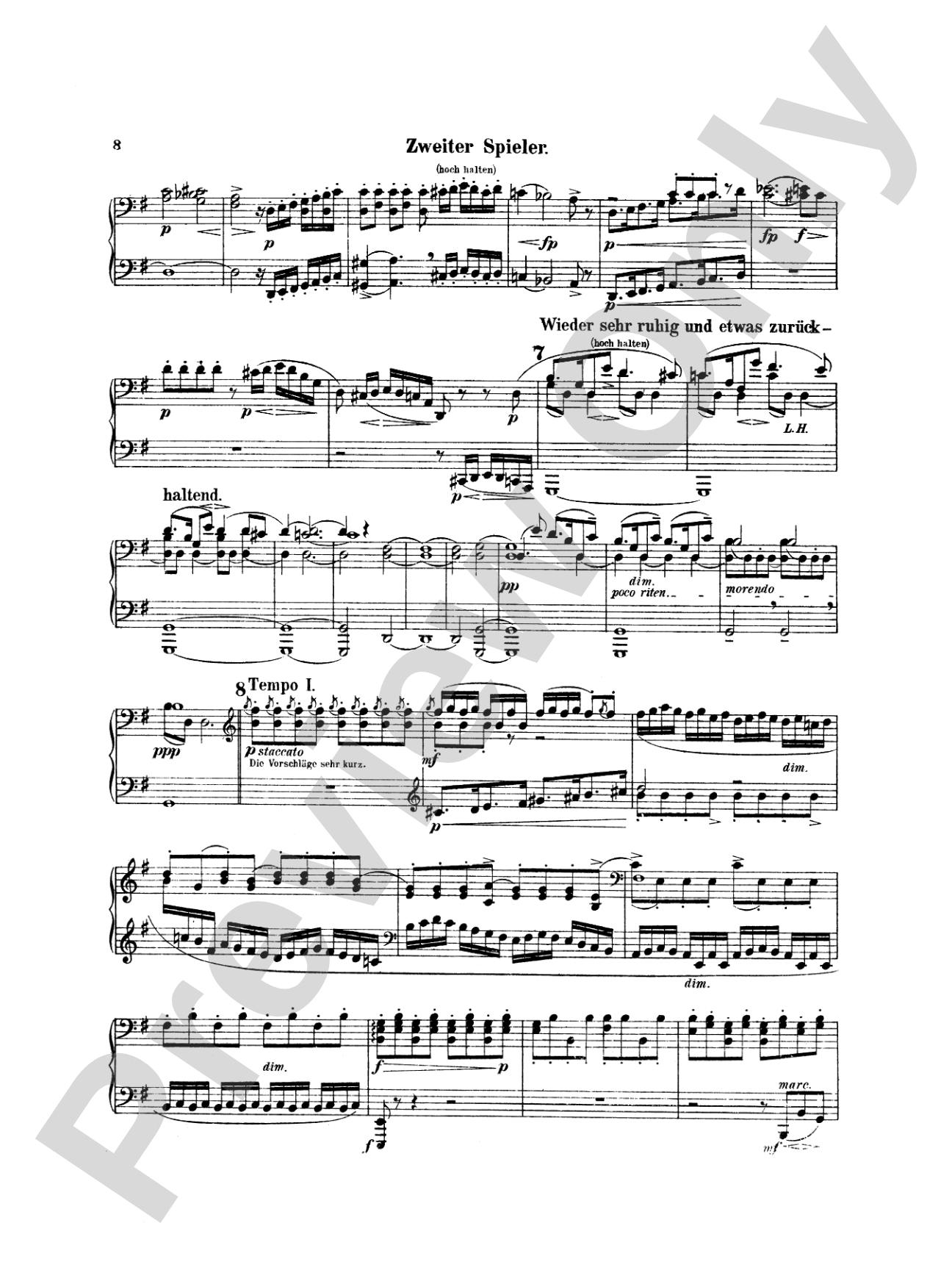
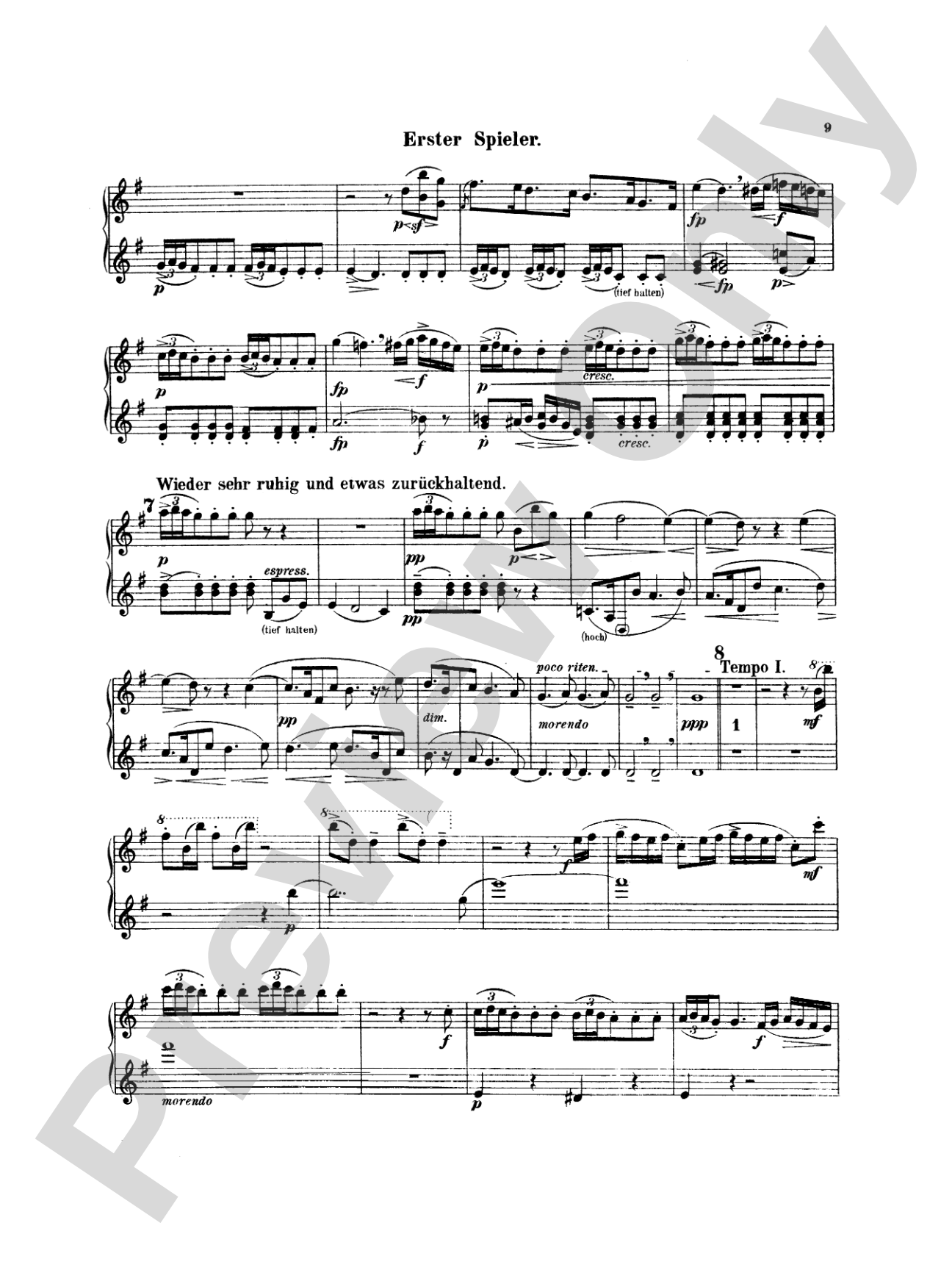
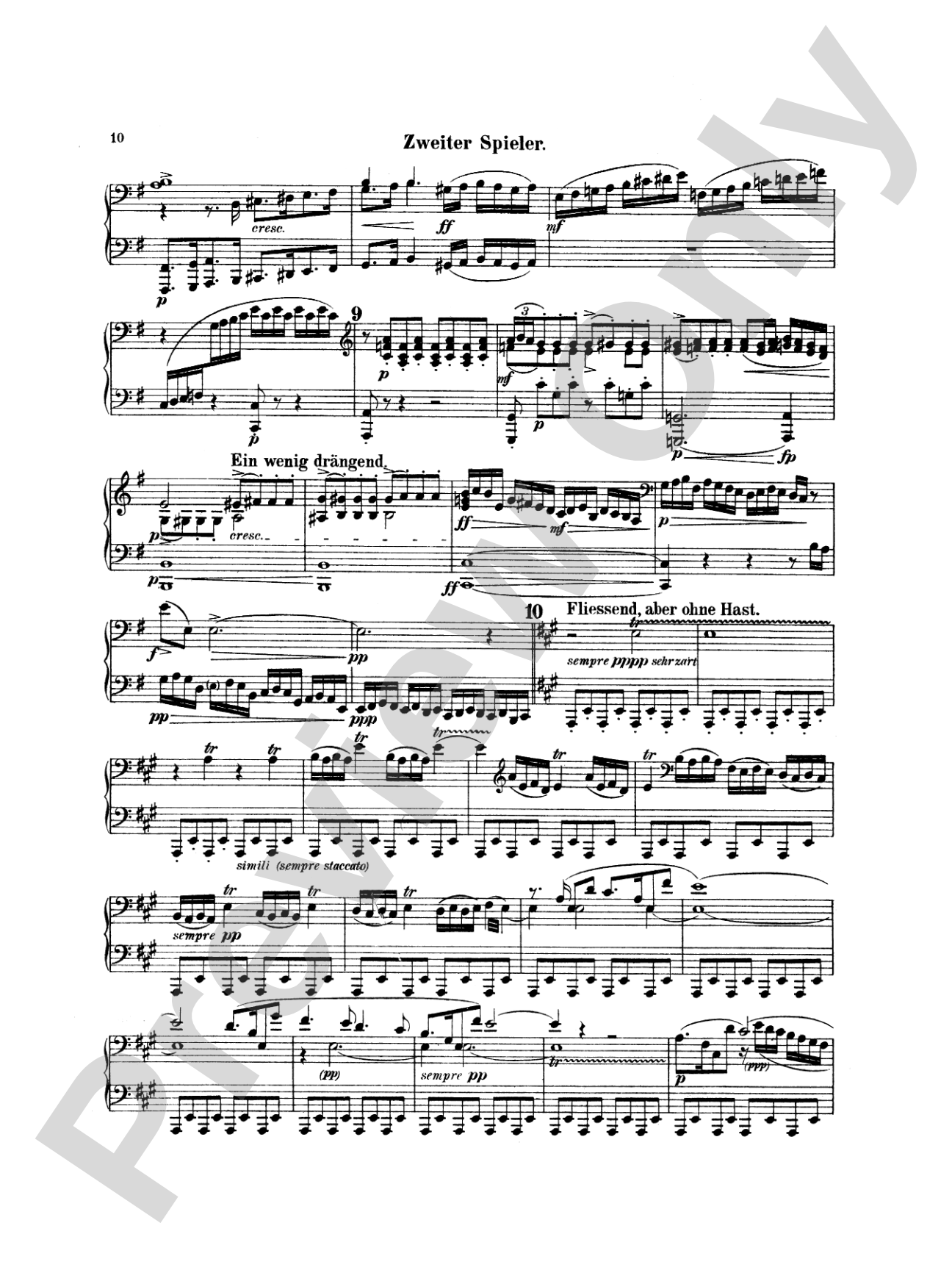
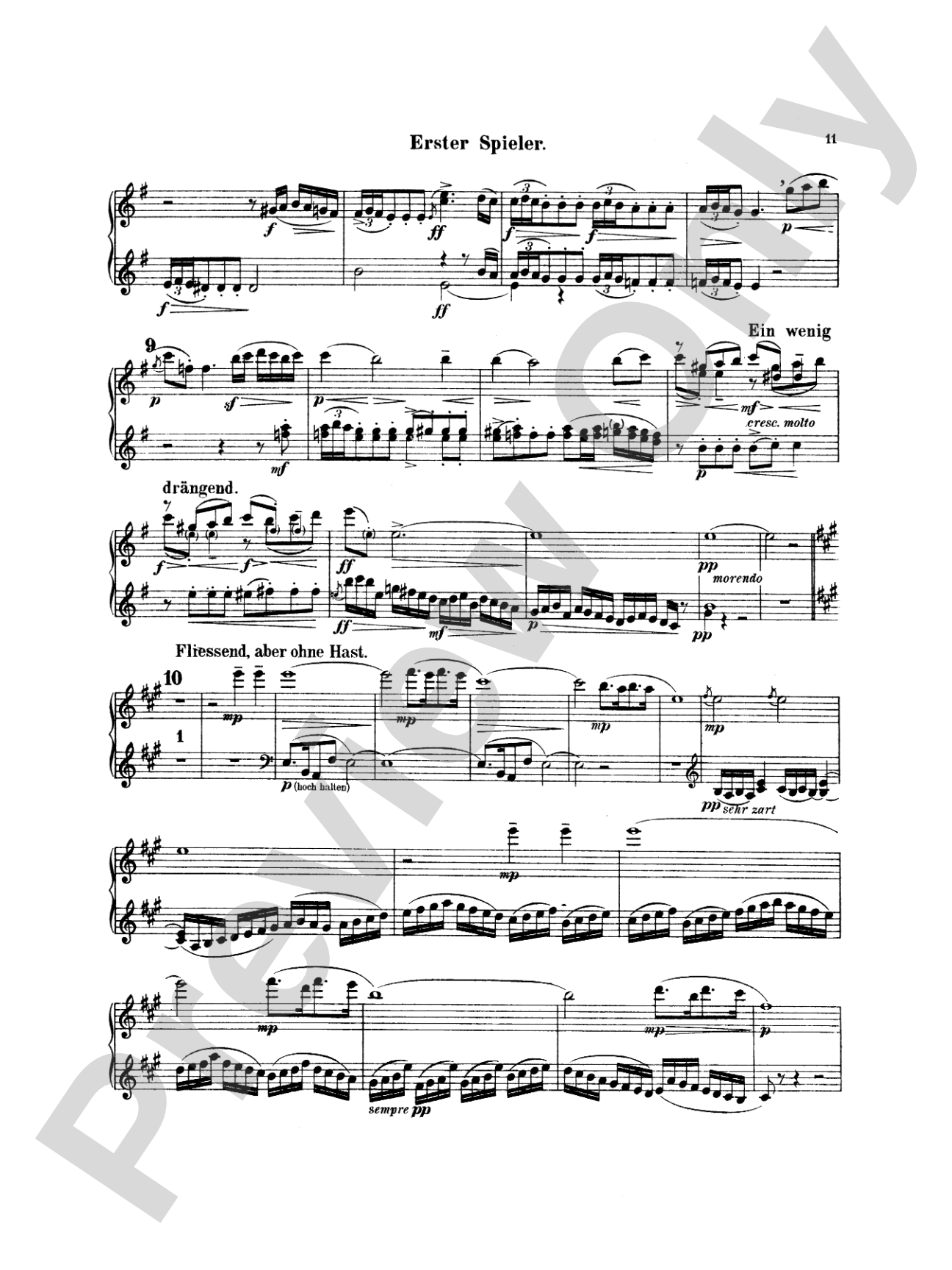
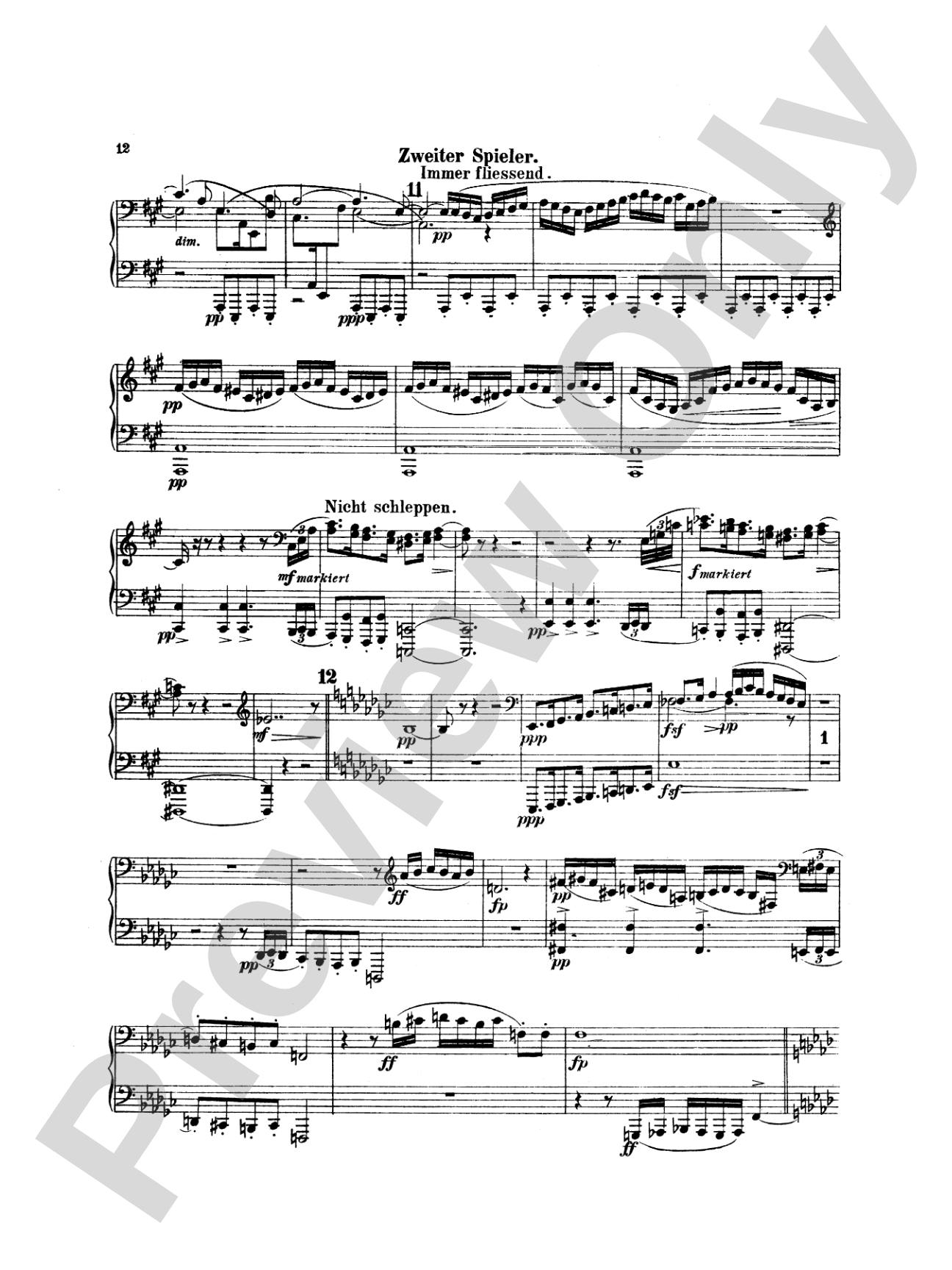
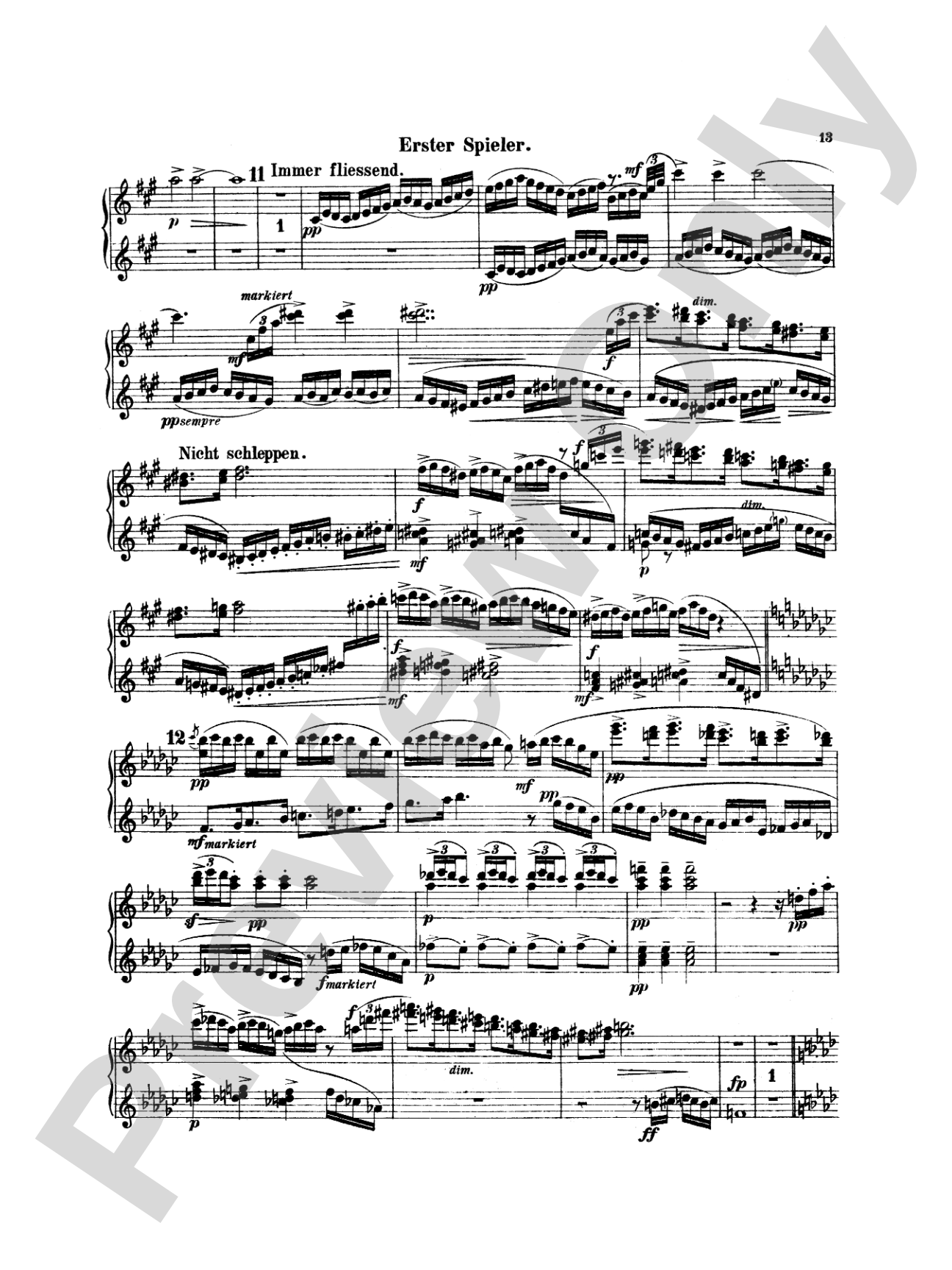
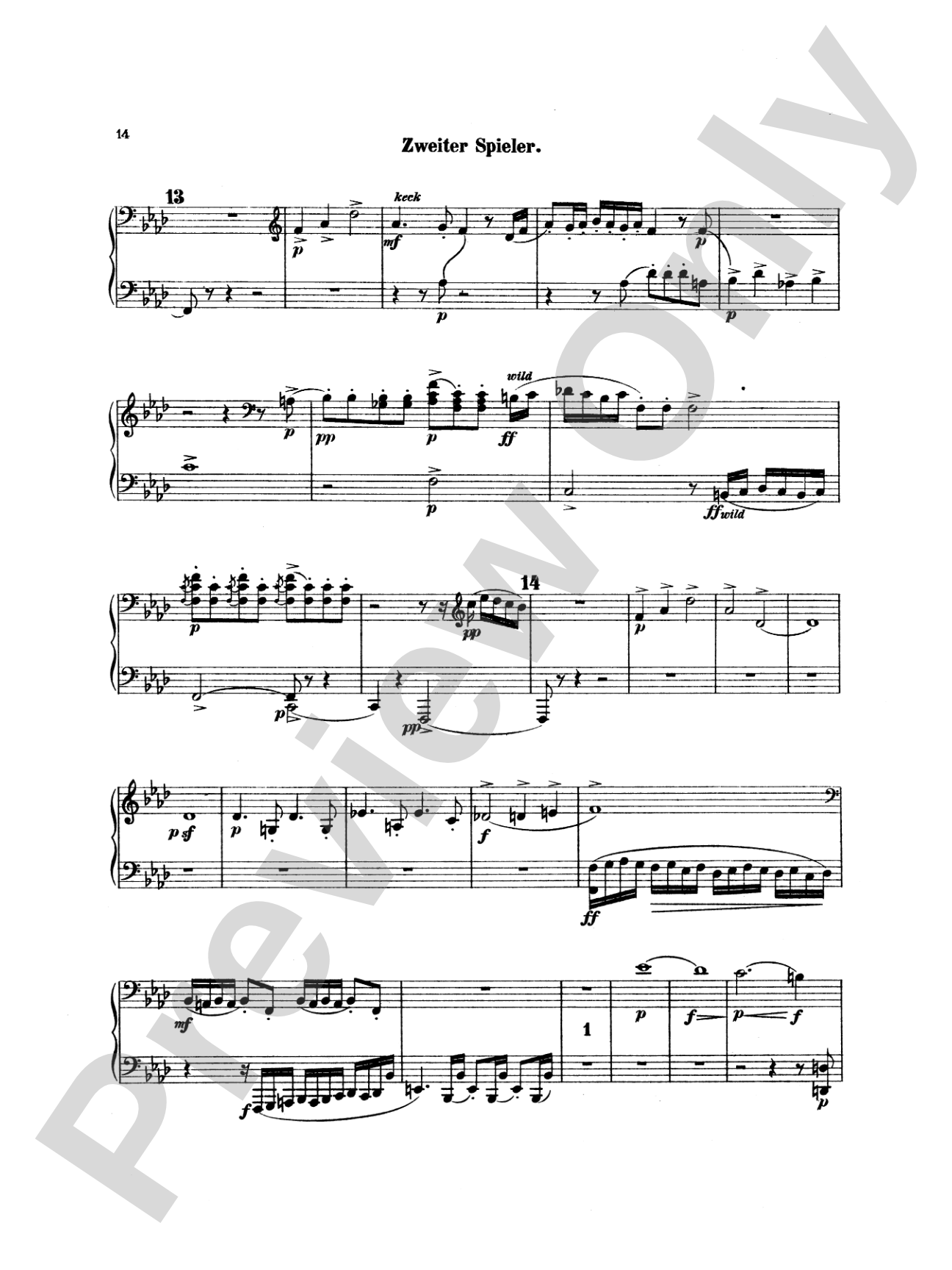
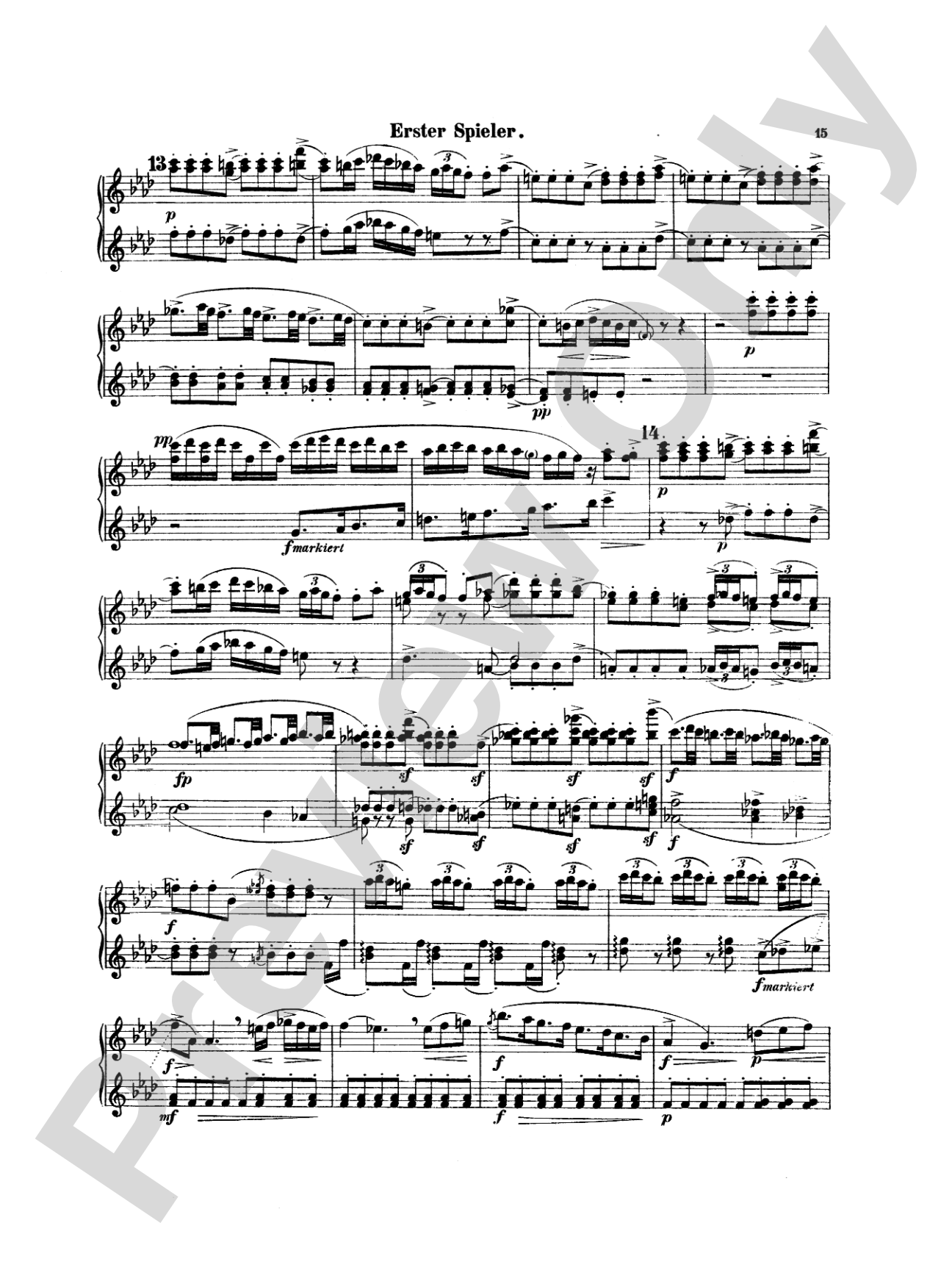
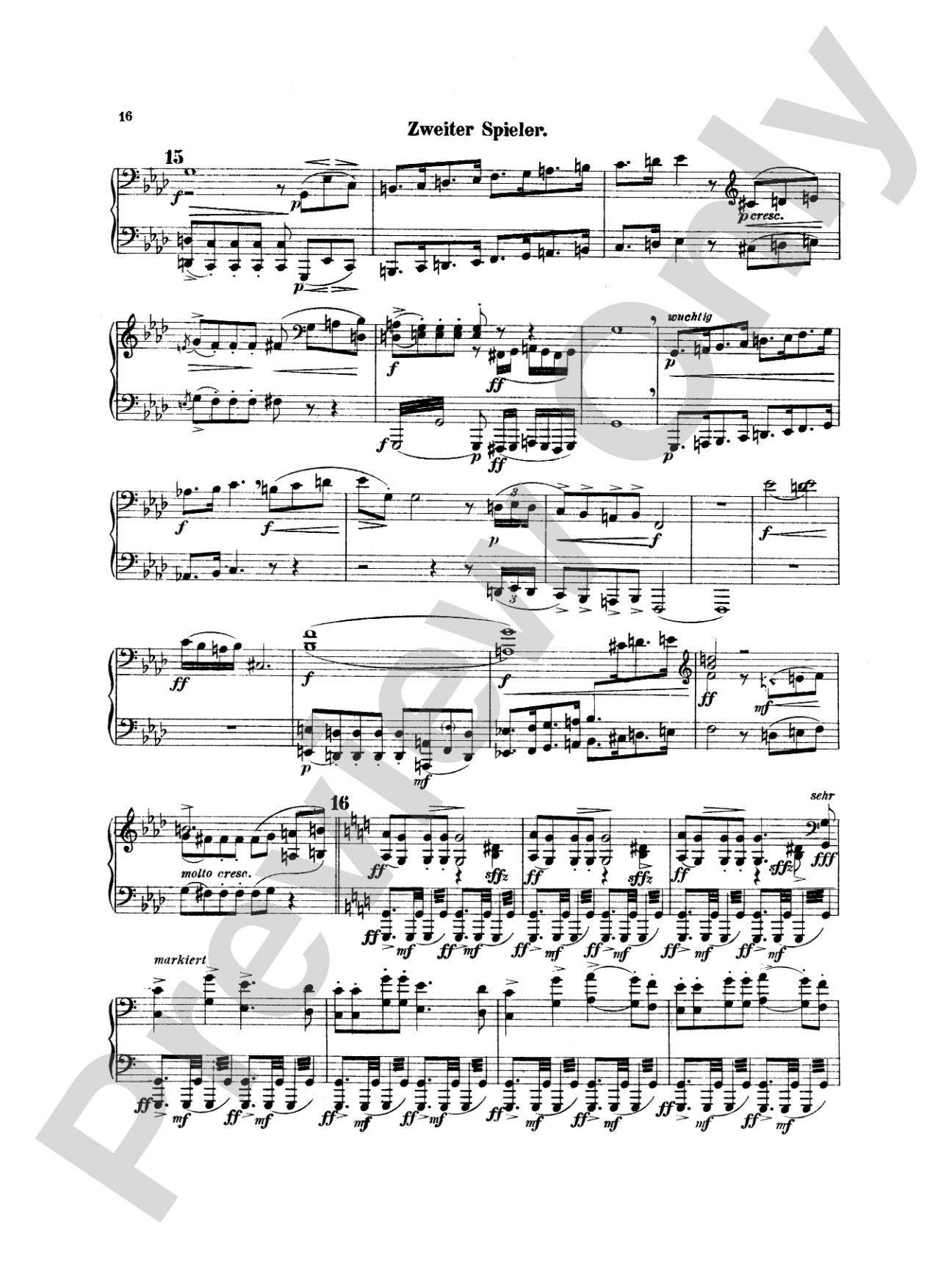
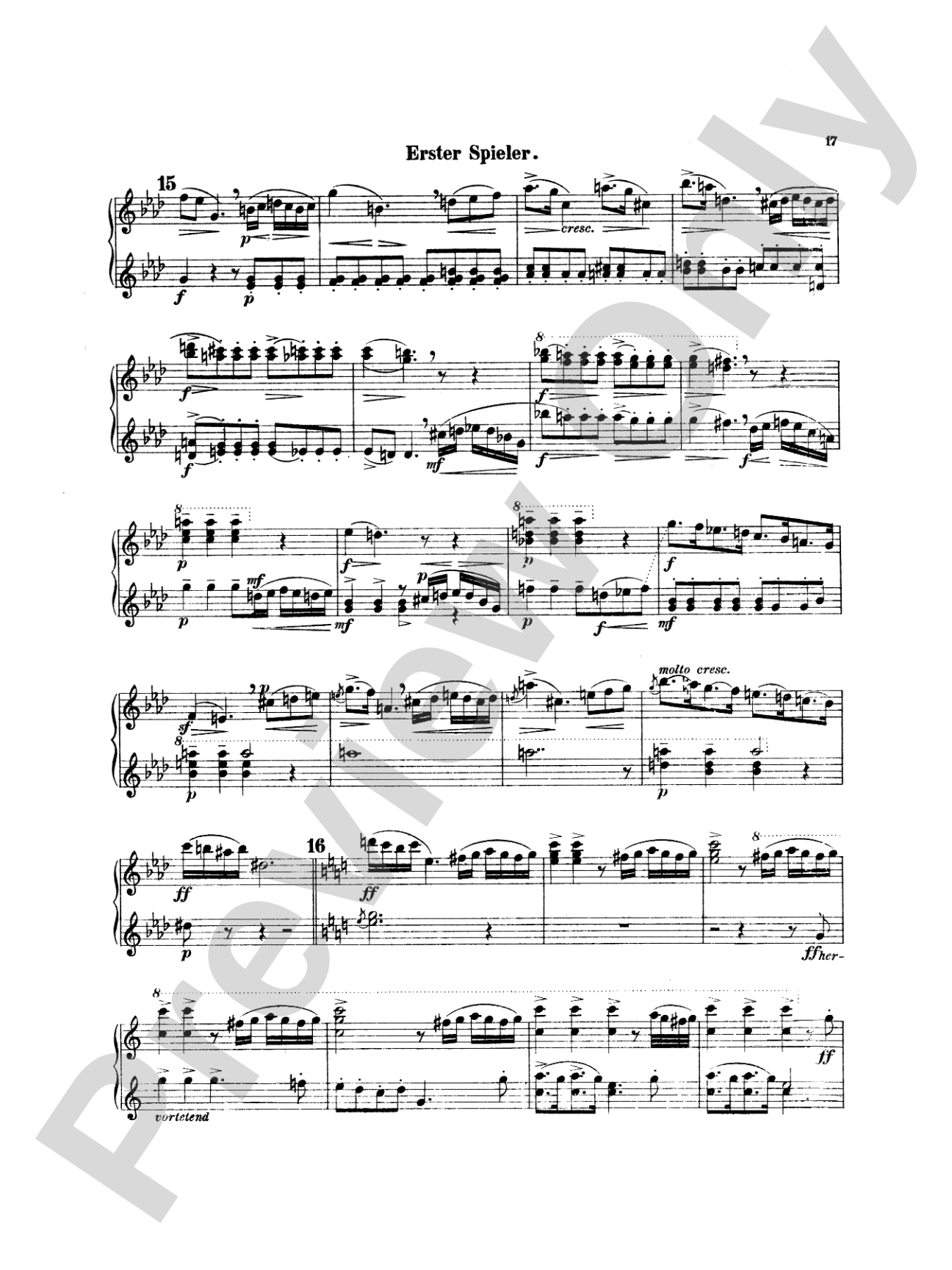
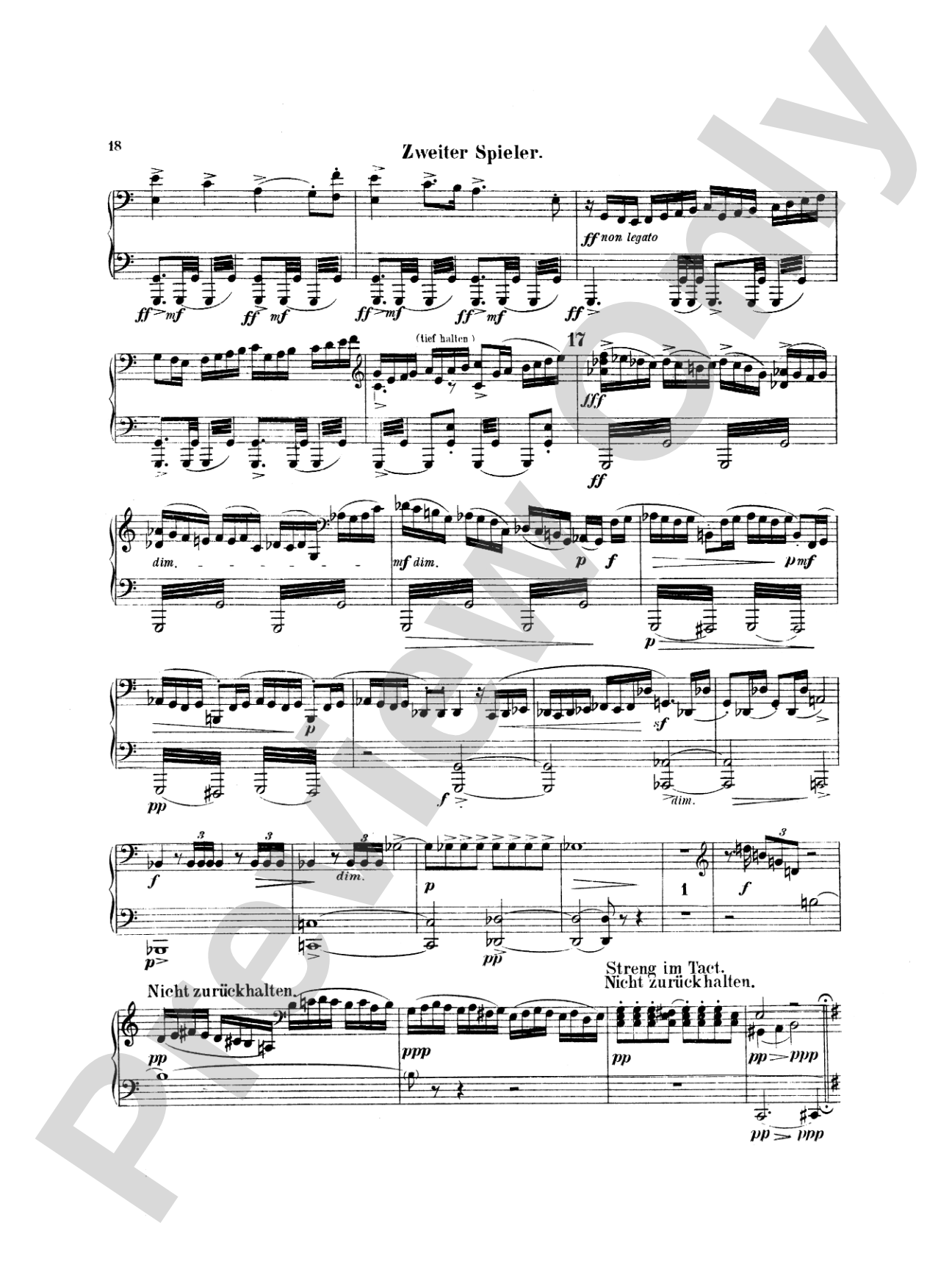
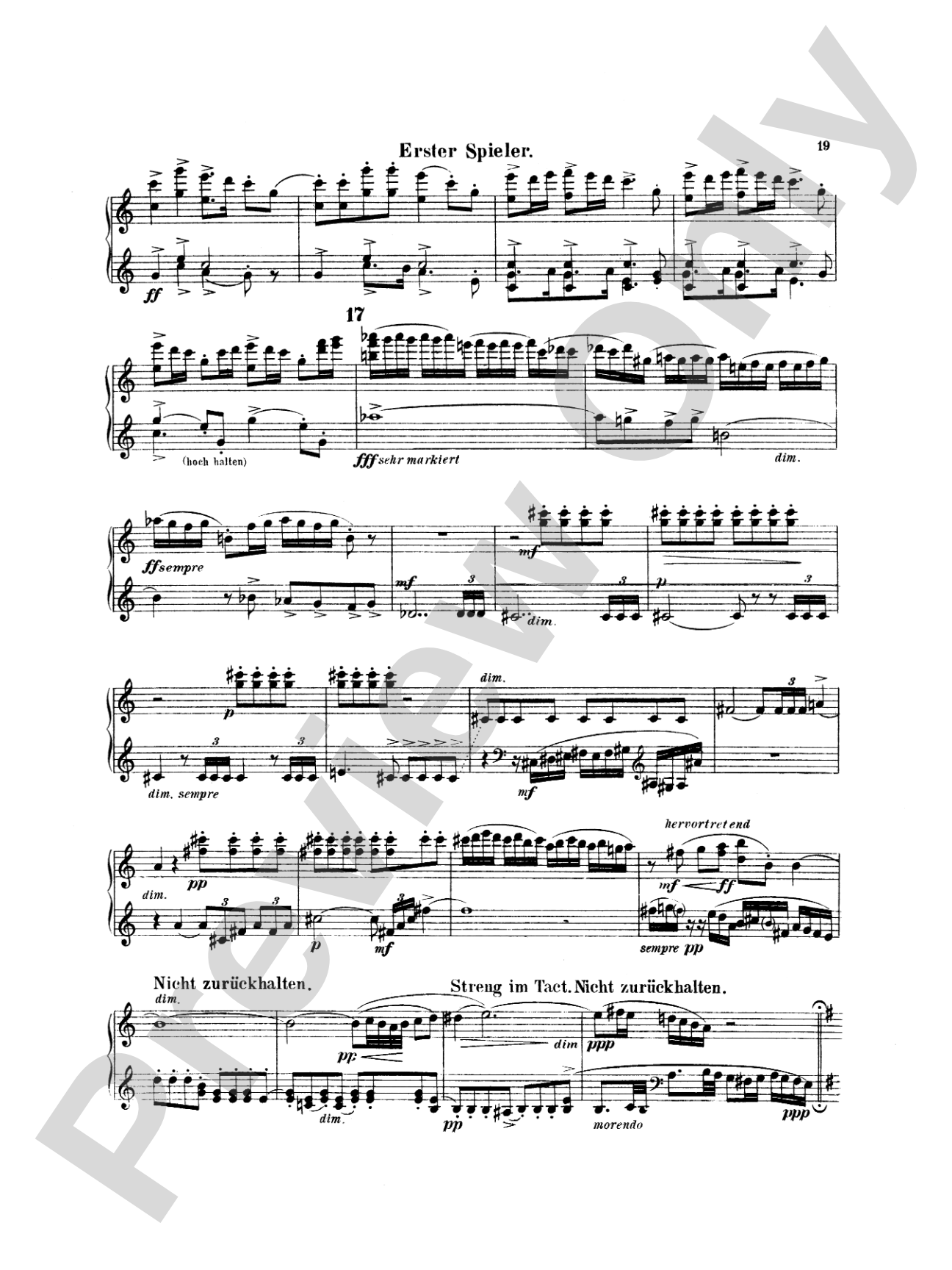
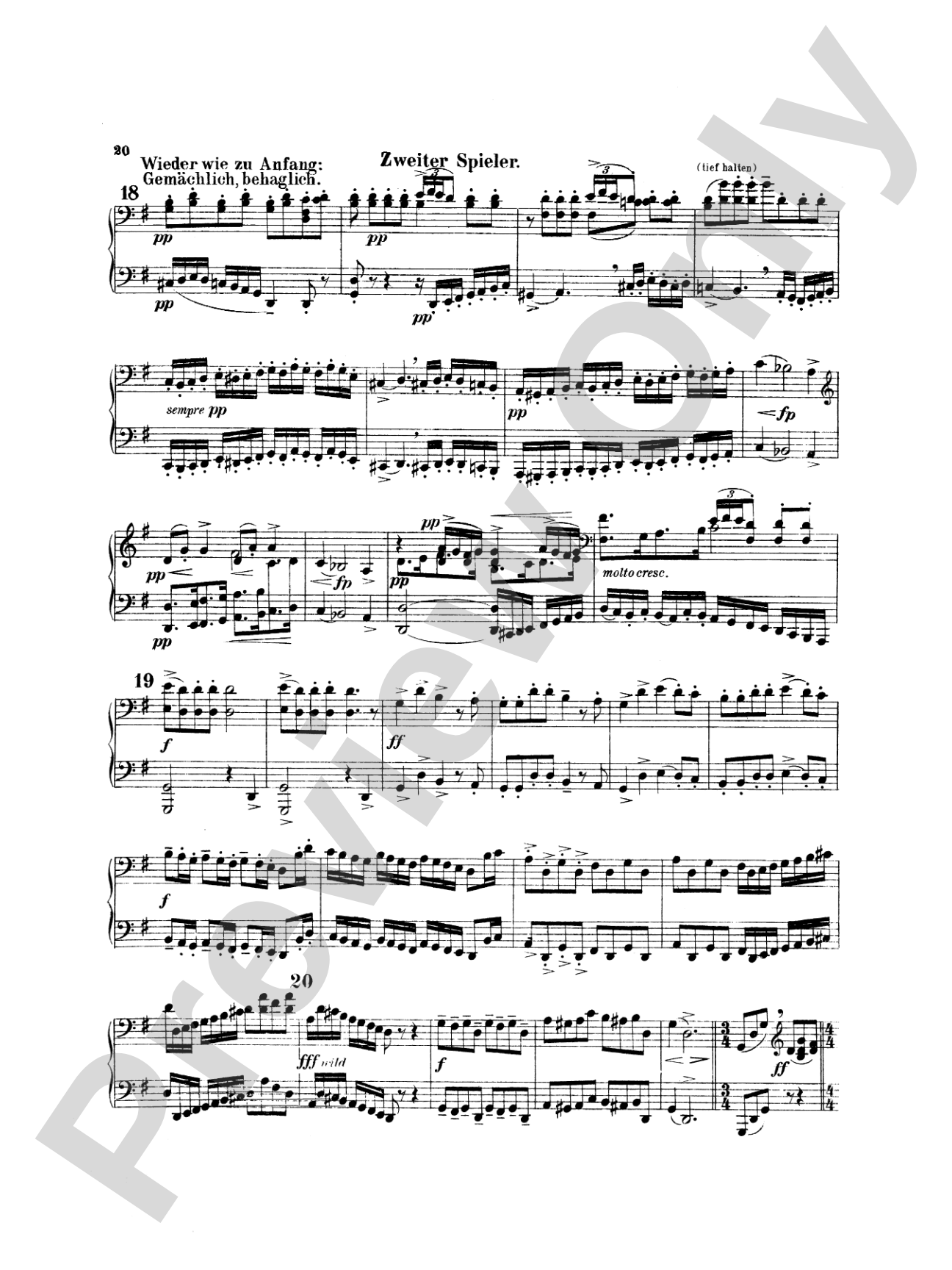
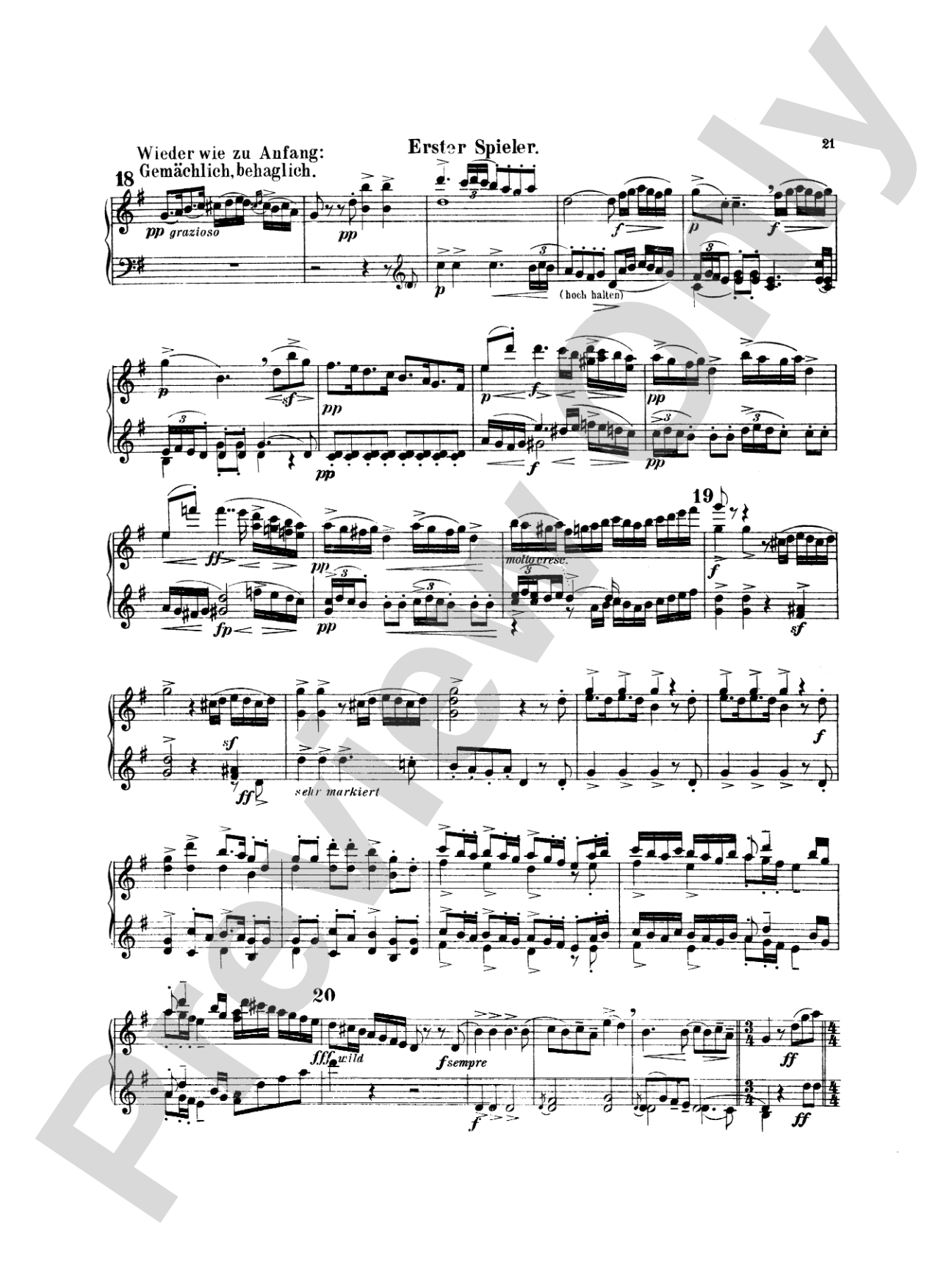
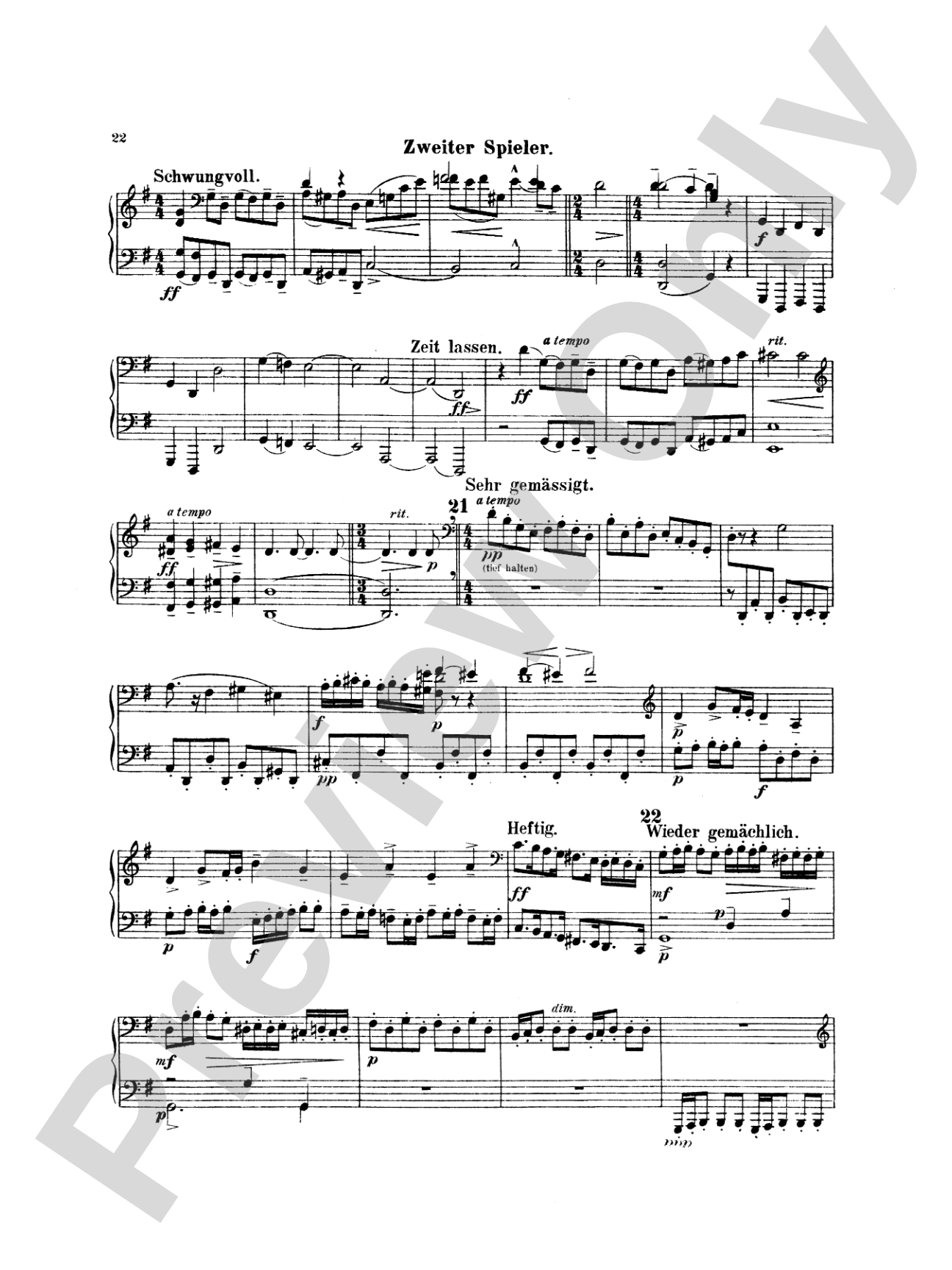
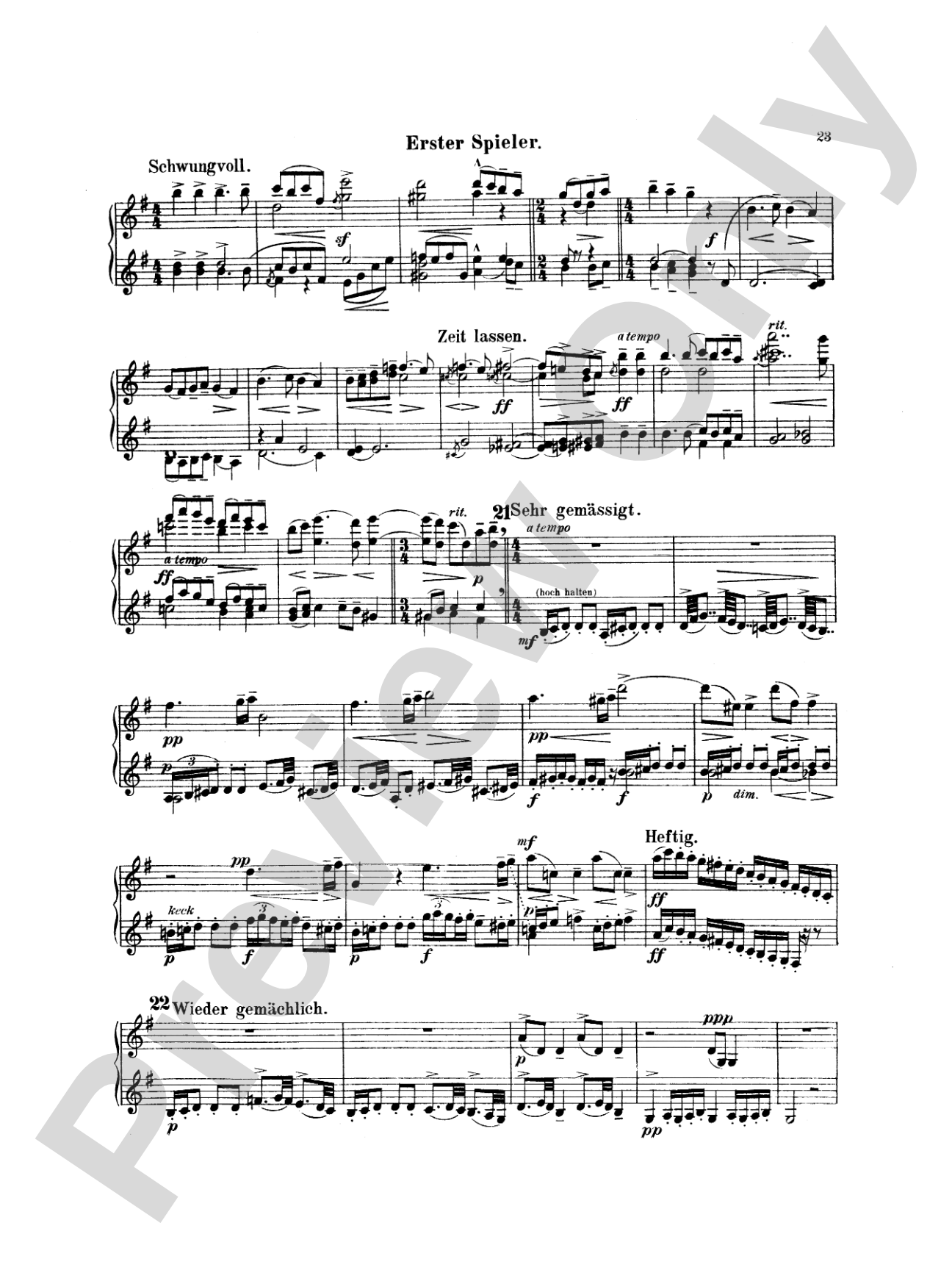
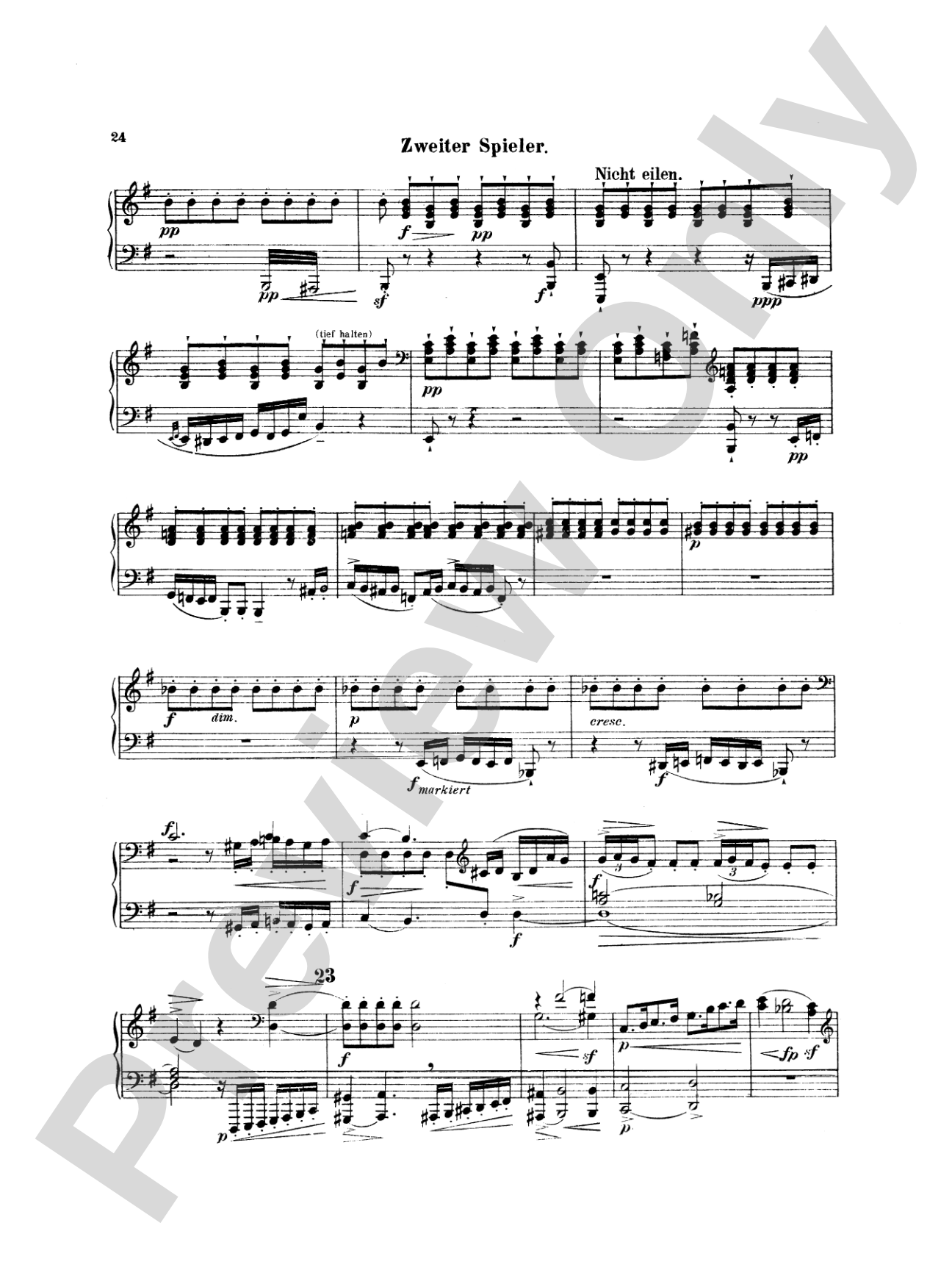
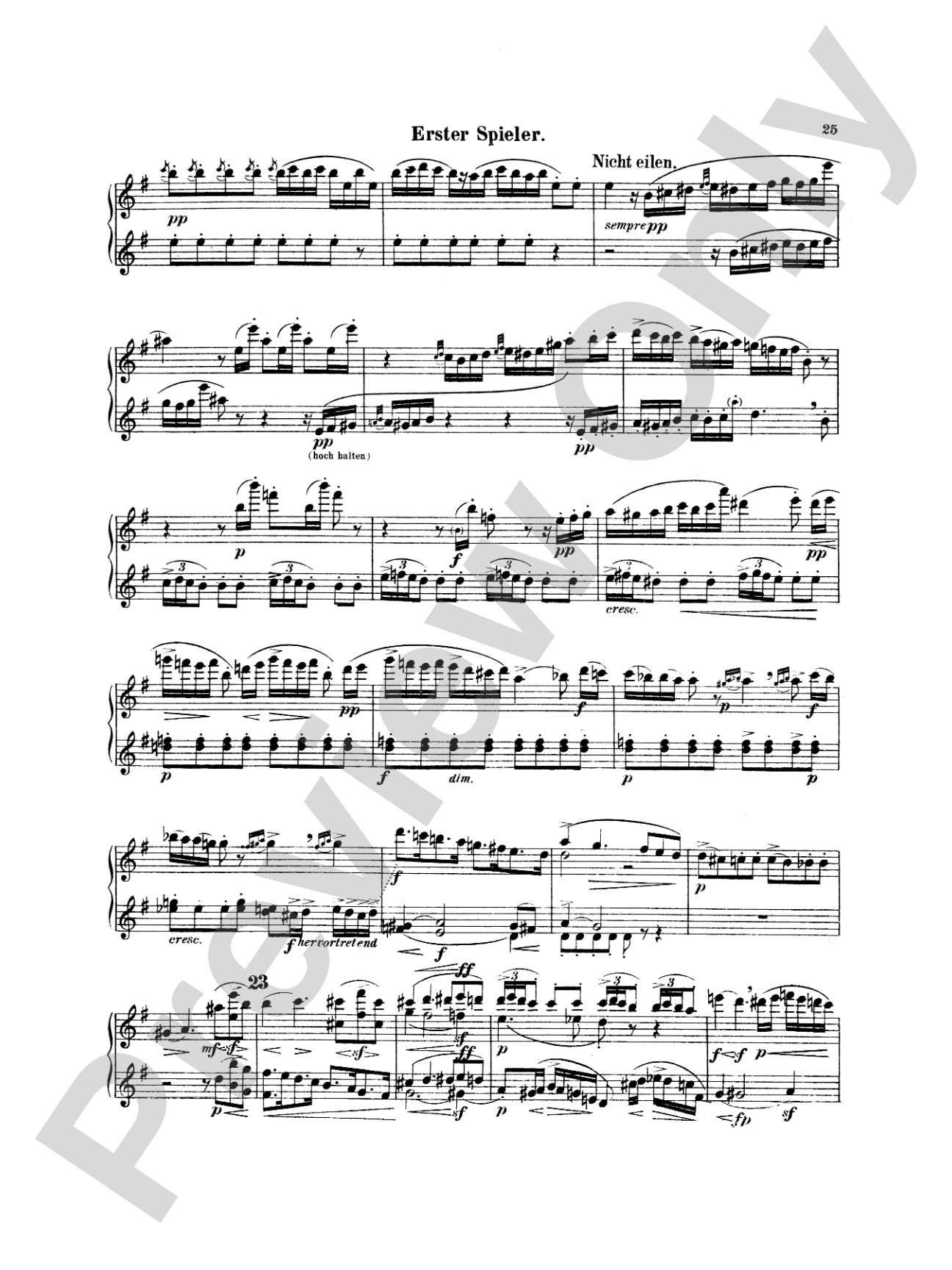
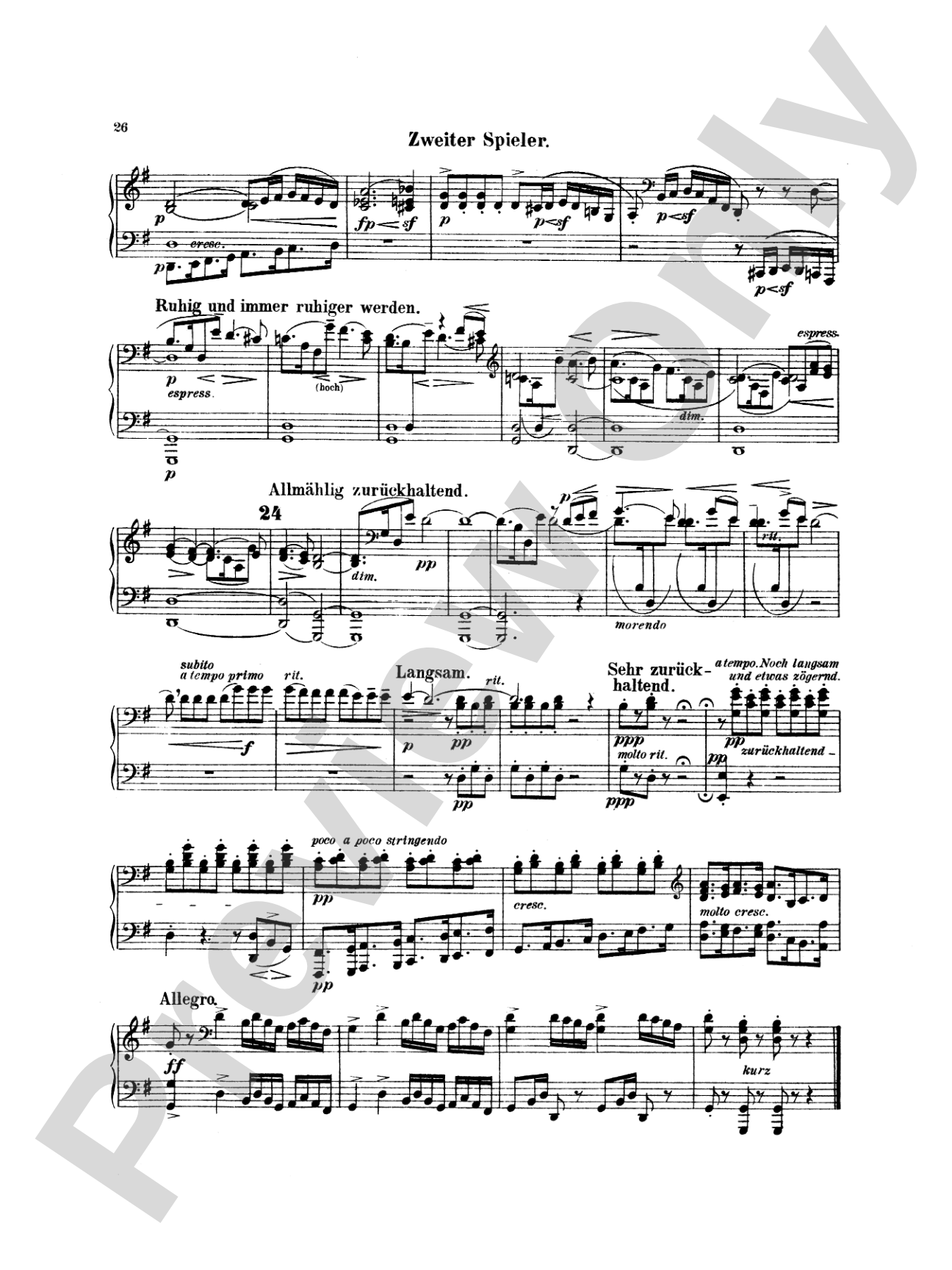
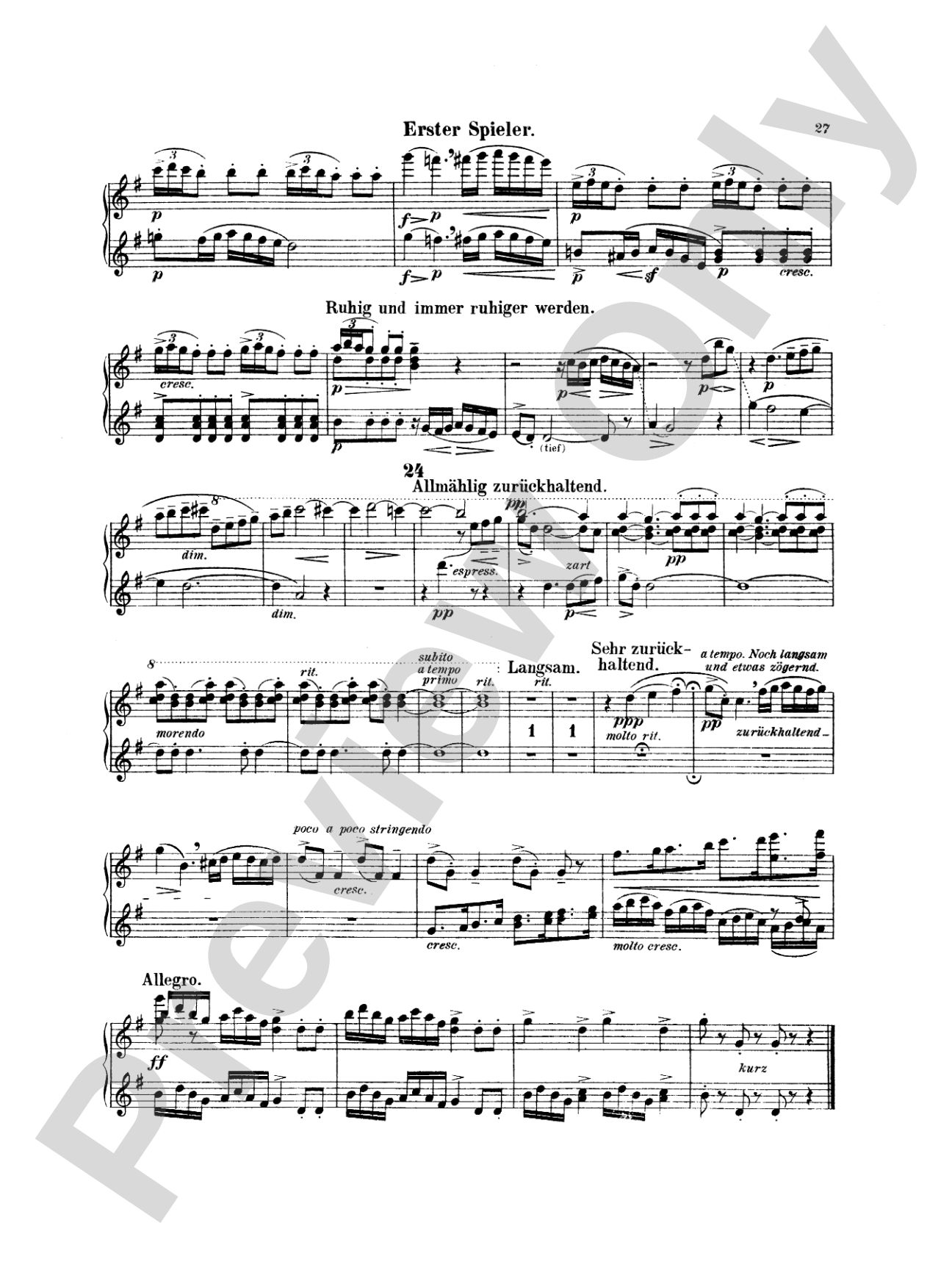

Mahler: Symphony No. 4, in G Major: Piano Duet (1 Piano, 4 Hands) Book
By Gustav Mahler
Item: 00-PK-0003216

$14.99
Pickup currently not available
Buy Extra Parts (Digital PDF Download)
| Product | Price | Quantity |
|---|---|---|
| Mahler: Symphony No. 4, in G Major | $2.95 | |
| Mahler: Symphony No. 4, in G Major | $2.99 | |
| Mahler: Symphony No. 4, in G Major | $2.99 | |
| Mahler: Symphony No. 4, in G Major | $2.99 |
Parts Added to Cart!
Related Items
Symphony No. 4 in G Major: Piano Duet (1 Piano, 4 Hands) Book |
$14.95
|
View |
Description
A Piano Duet for 1 Piano, 4 Hands, composed by Gustav Mahler.


Don't just read it, hear it, play along with it, and watch your students grow with it. In MakeMusic Cloud, Mahler: Symphony No. 4, in G Major: Piano Duet (1 Piano, 4 Hands) Book comes alive with professional accompaniment, adjustable tempo, and built-in practice tools that turn solo practice into real progress.
Open in the Player
Jump straight in and assign it today.
Start Your Free Trial
Open this title and explore the full library in minutes.
Sample Audio
No sample audio found.
Sample Video
No sample videos found.
Additional Details
Series:
Kalmus Edition
Publisher:
Alfred Music
Page Count:
72
SKU:
00-PK-0003216
More about this title
About the Composer: Gustav Mahler
Gustav Mahler (1860-1911) was an Austrian composer and conductor whose ten symphonies redefined the genre for the twentieth century. His works expanded the orchestra to unprecedented sizes and emotional ranges, blending folk idioms with complex harmonic language and deeply personal introspection. Mahler's music shaped an entire generation of composers and remains central to the symphonic repertoire.
Why we love this
Mahler's Fourth Symphony is his most accessible large-scale work, yet it loses nothing in this four-hand arrangement. Two pianists can experience the work's architecture and orchestration intimately, discovering how the composer builds massive emotional arcs from deceptively simple materials. For advanced duet players, this score offers real interpretive challenges without requiring a full orchestra.
What to expect
The Fourth Symphony alternates between moments of folk-like simplicity and passages of searching complexity, all held together by Mahler's gift for long-line orchestration. In four-hand form, the work feels both intimate and sweeping, revealing the composer's orchestral imagination through the interplay of two skilled pianists navigating 72 pages of dense, rewarding writing.
Who it's for
Advanced high school pianists and college-level duet teams ready to tackle substantial twentieth-century repertoire. Music educators seeking a meaningful way to introduce students to Mahler's symphonic language without requiring ensemble resources.
How to get the most out of it
- Balance the primo and secondo parts carefully in the opening themes; the secondo's steady accompaniment must never overshadow the primo's melodic line, even when both hands are busy with sixteenth-note figures.
- Watch for sudden dynamic shifts and key changes that Mahler uses to signal large formal sections. These moments demand tight ensemble communication to land cleanly.
- The scherzo movement requires precise rhythmic coordination between parts, especially in faster passages where the hands cross or play rapid interlocking figures.
- Attend to the tender second movement; resist the urge to rush, and allow the primo's singing melody space to breathe over the secondo's accompaniment.
How to use it
Include this as a special feature in a student recital series focused on masterworks in chamber arrangement, or use it to bridge study of symphonic form with actual performance experience. The work's length and substance make it suitable for a full studio recital or duet competition.
Skills your students will build
- Reading complex orchestral textures adapted for keyboard
- Coordinating independent rhythmic and melodic lines between primo and secondo
- Navigating sudden harmonic shifts and key changes
- Sustaining long melodic lines over accompaniment figures
- Ensemble balance and communication across an extended work