
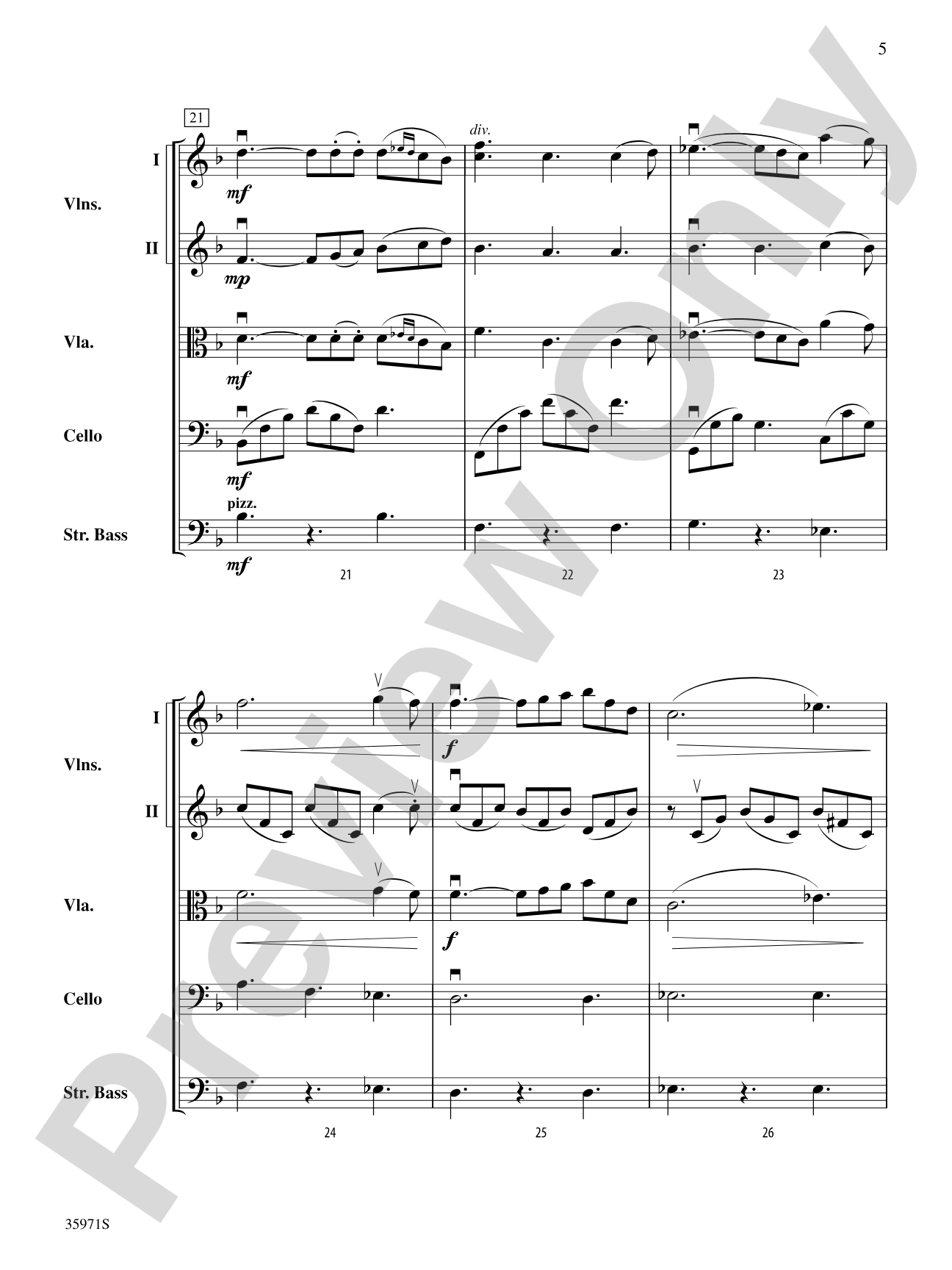
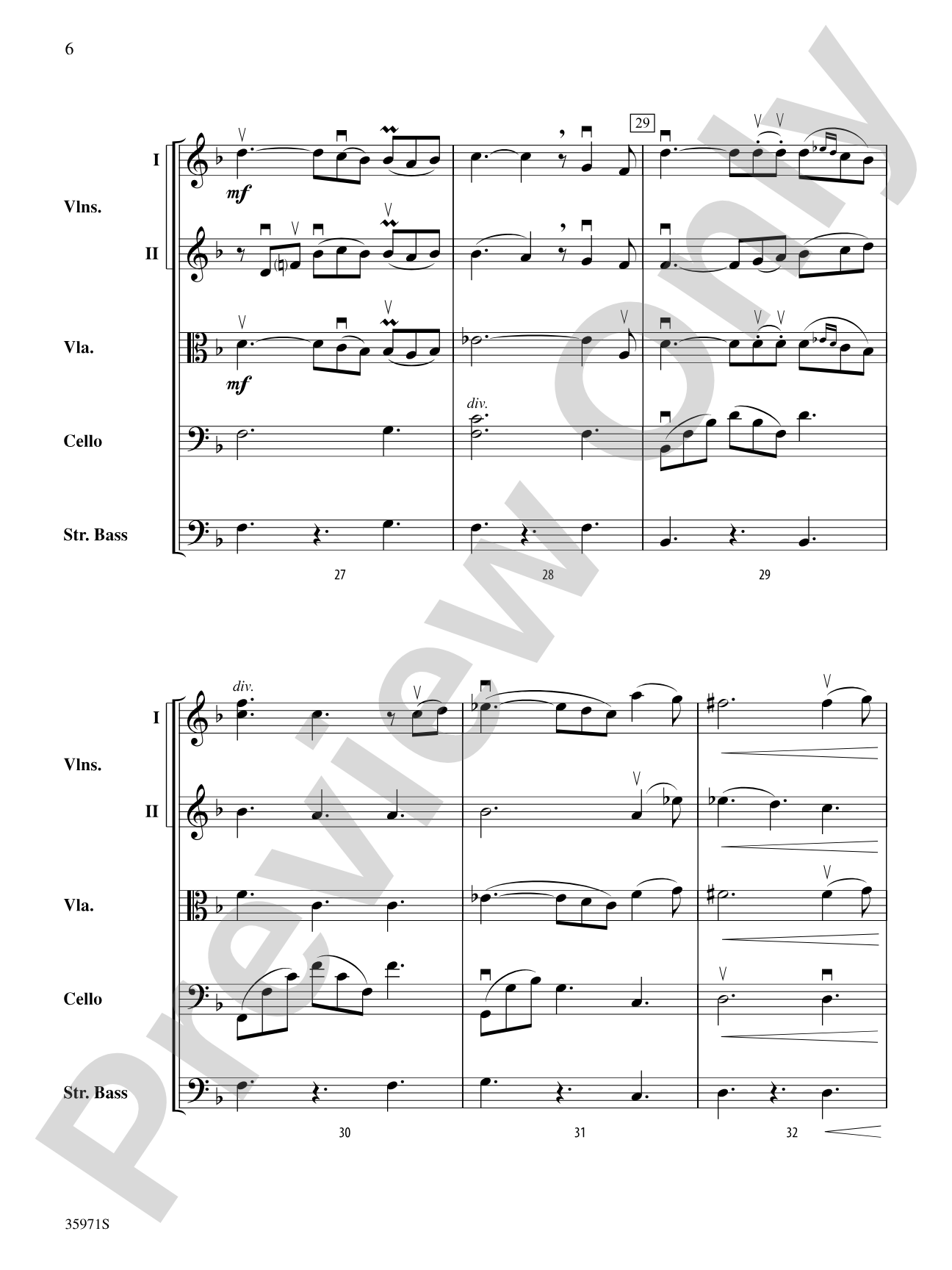
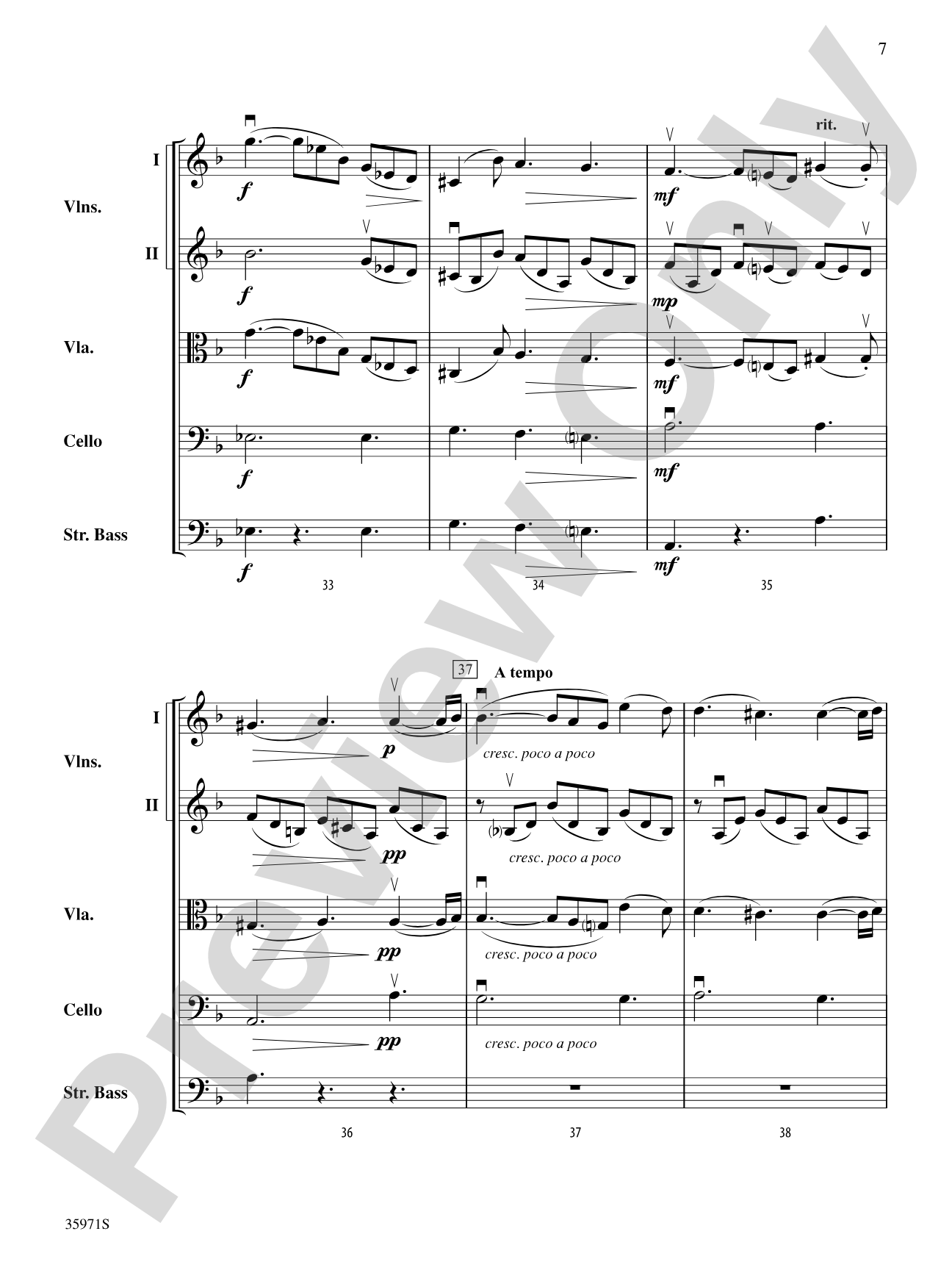
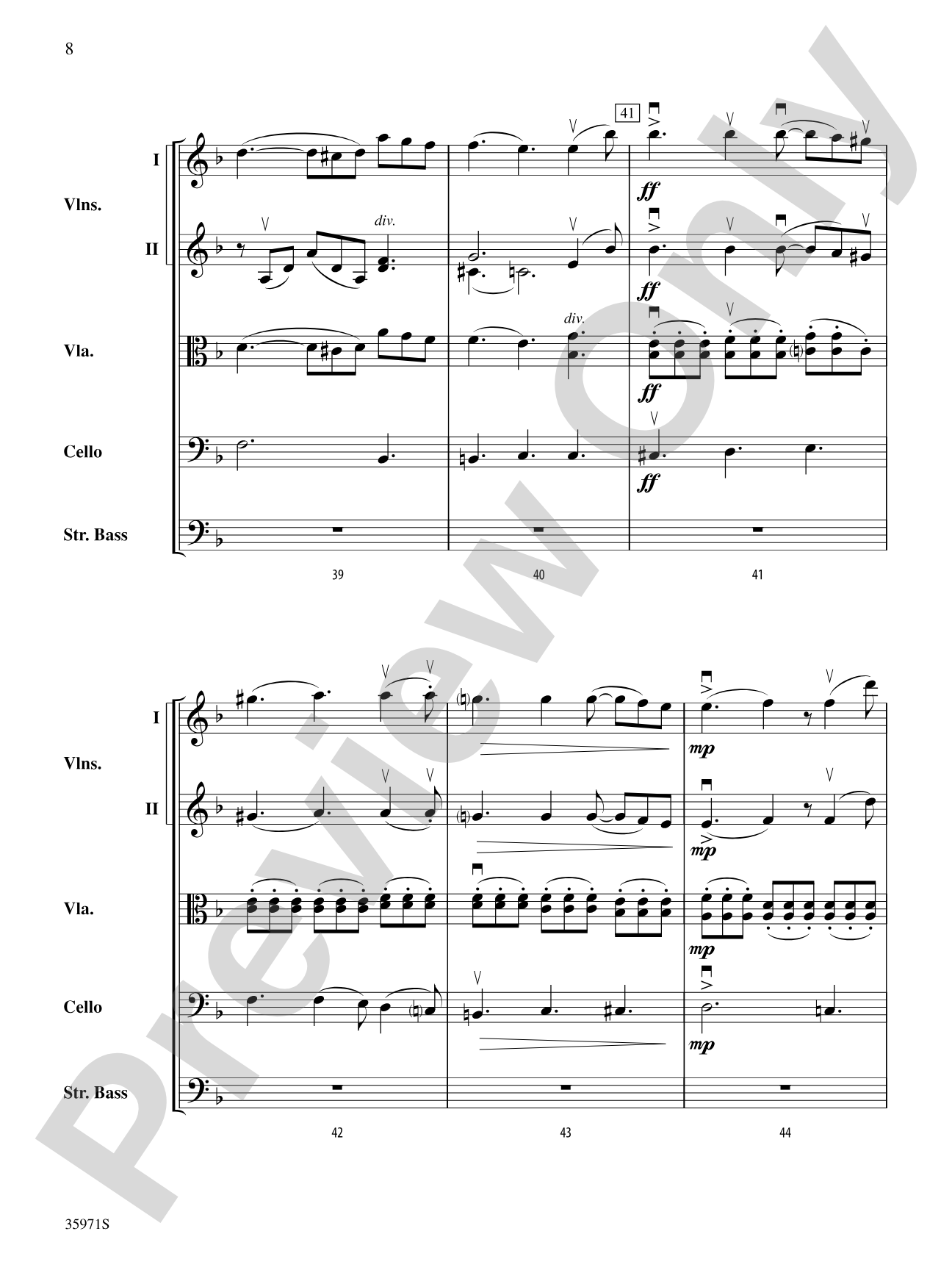


Madrigale: String Orchestra Conductor Score & Parts
By Karl Bohm / arr. Robert Sieving
Grade: 3.5
Item: 00-PK-0004758

$49.00
Pickup currently not available
Buy Extra Parts (Digital PDF Download)
| Product | Price | Quantity |
|---|---|---|
| Madrigale: Score | $9.00 | |
| Madrigale: 1st Violin | $5.99 | |
| Madrigale: 2nd Violin | $5.99 | |
| Madrigale: Viola | $5.99 | |
| Madrigale: Cello | $5.99 | |
| Madrigale: String Bass | $5.99 |
Parts Added to Cart!
Description
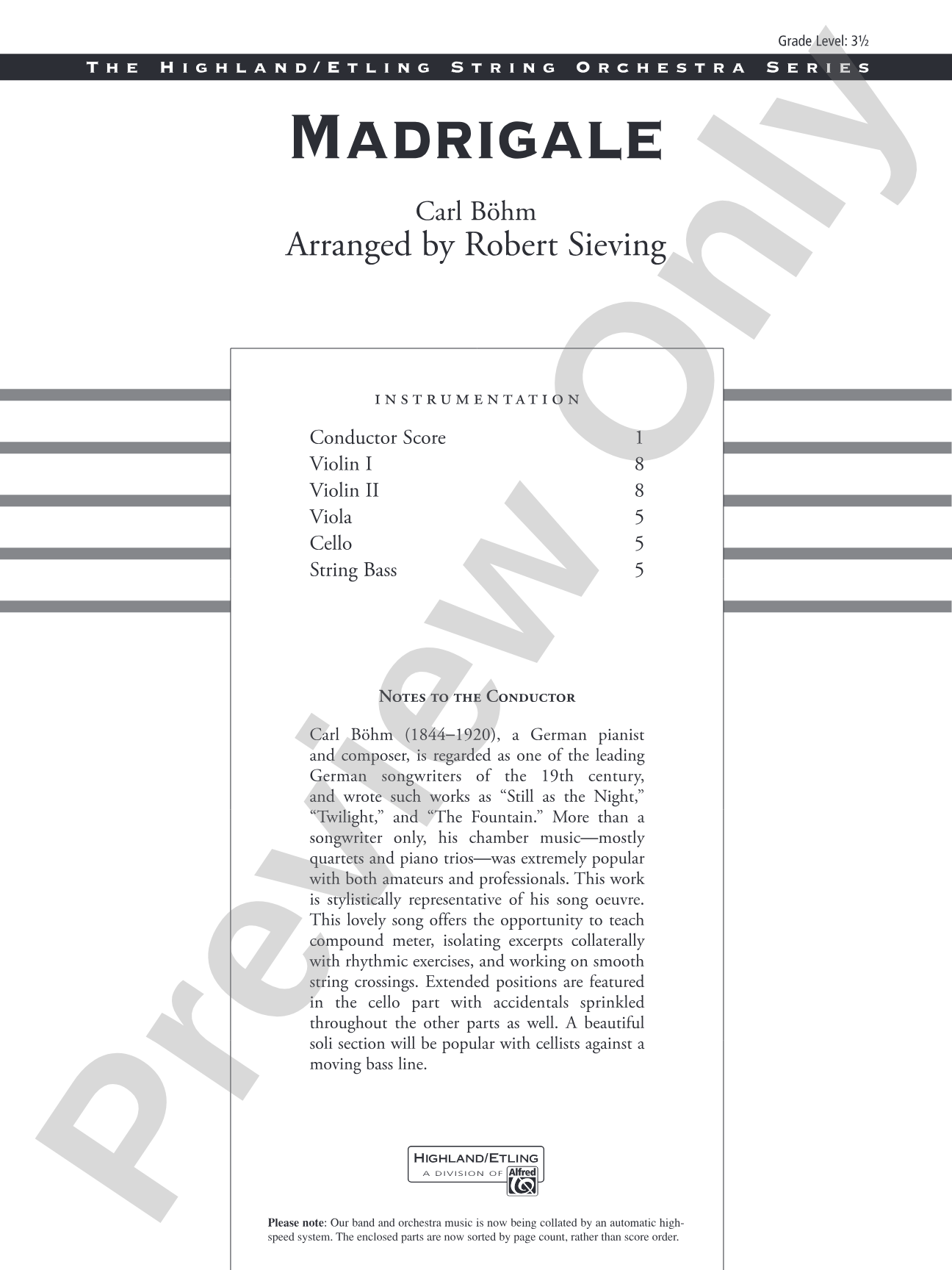
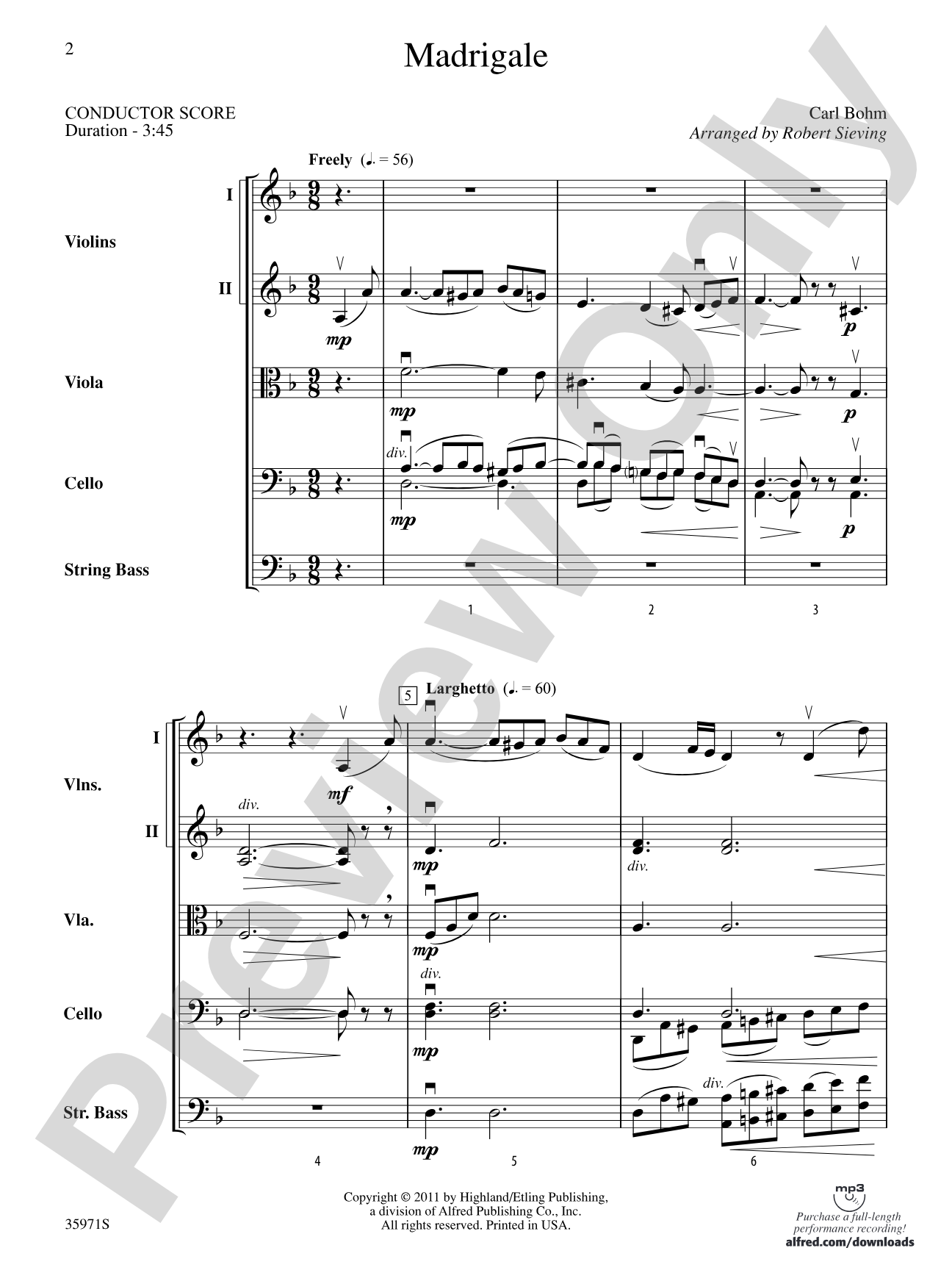
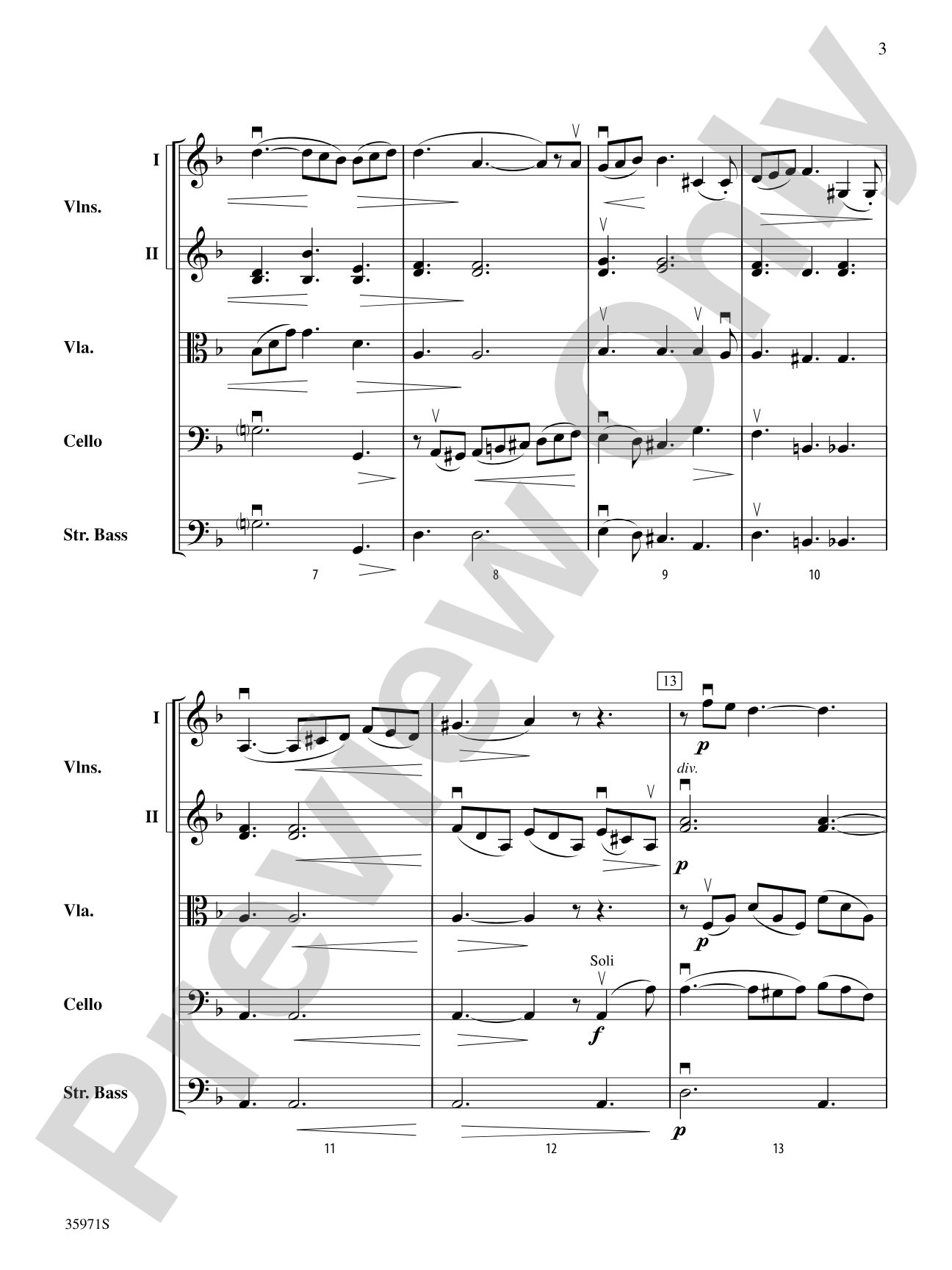
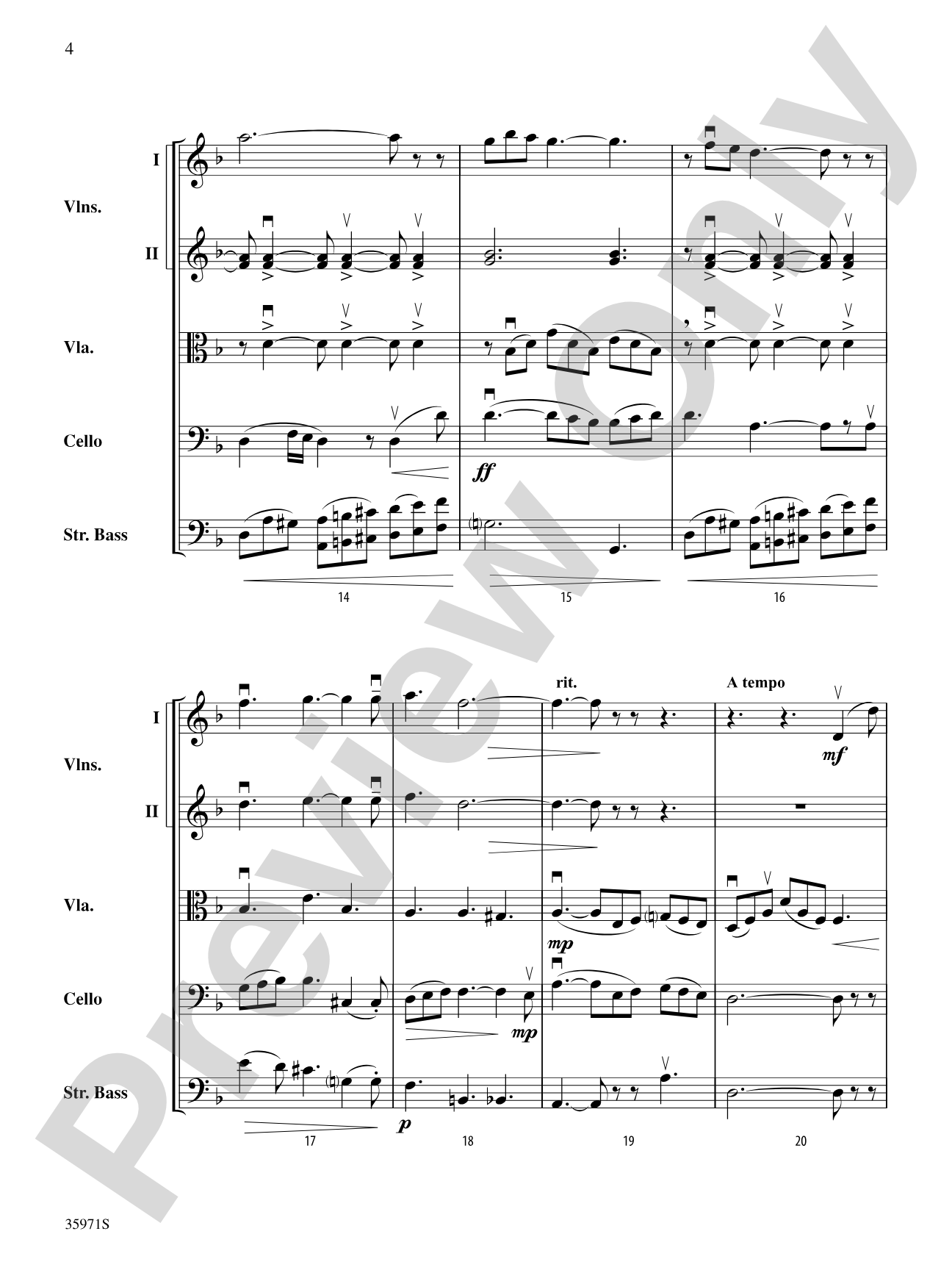
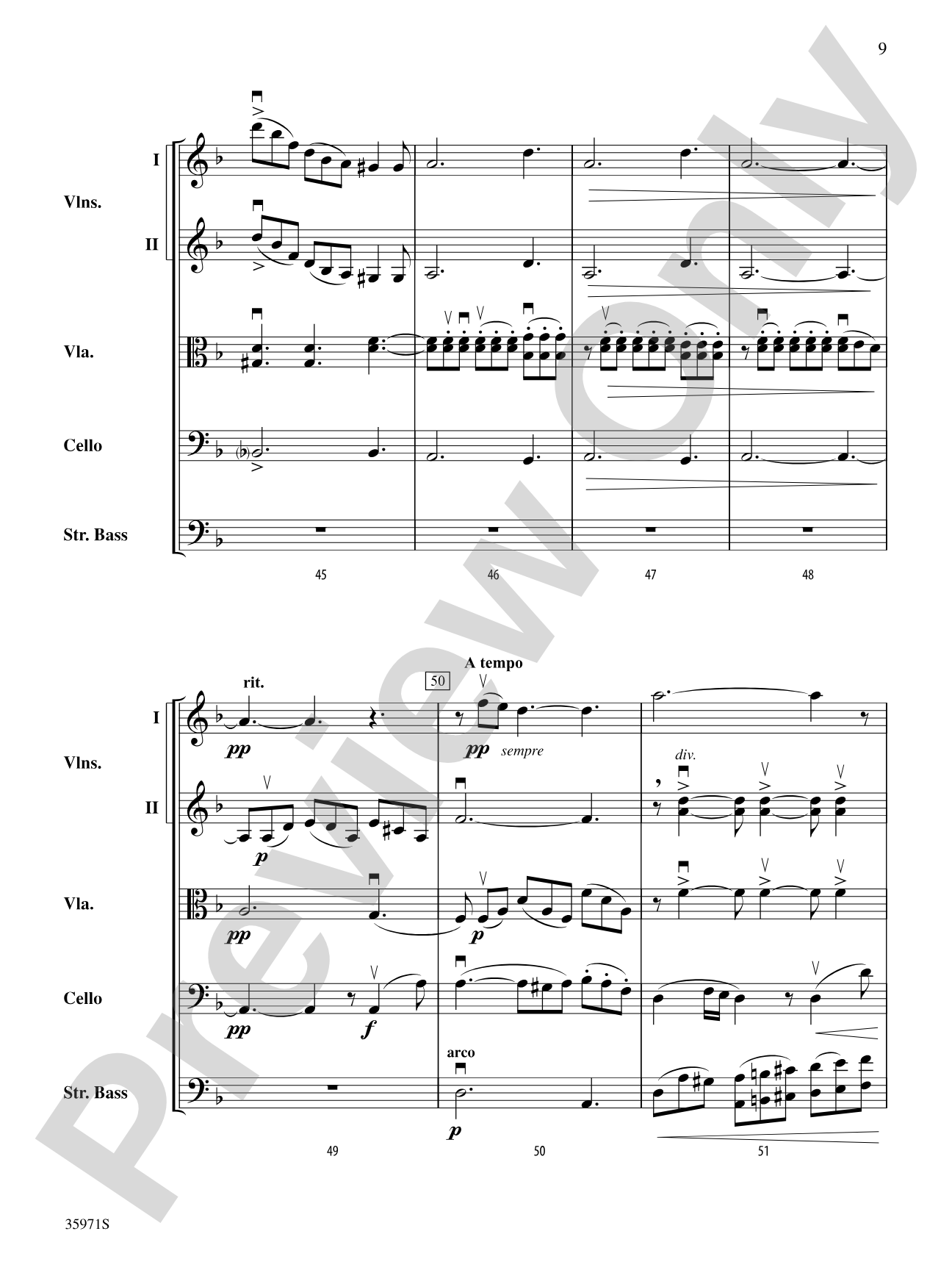
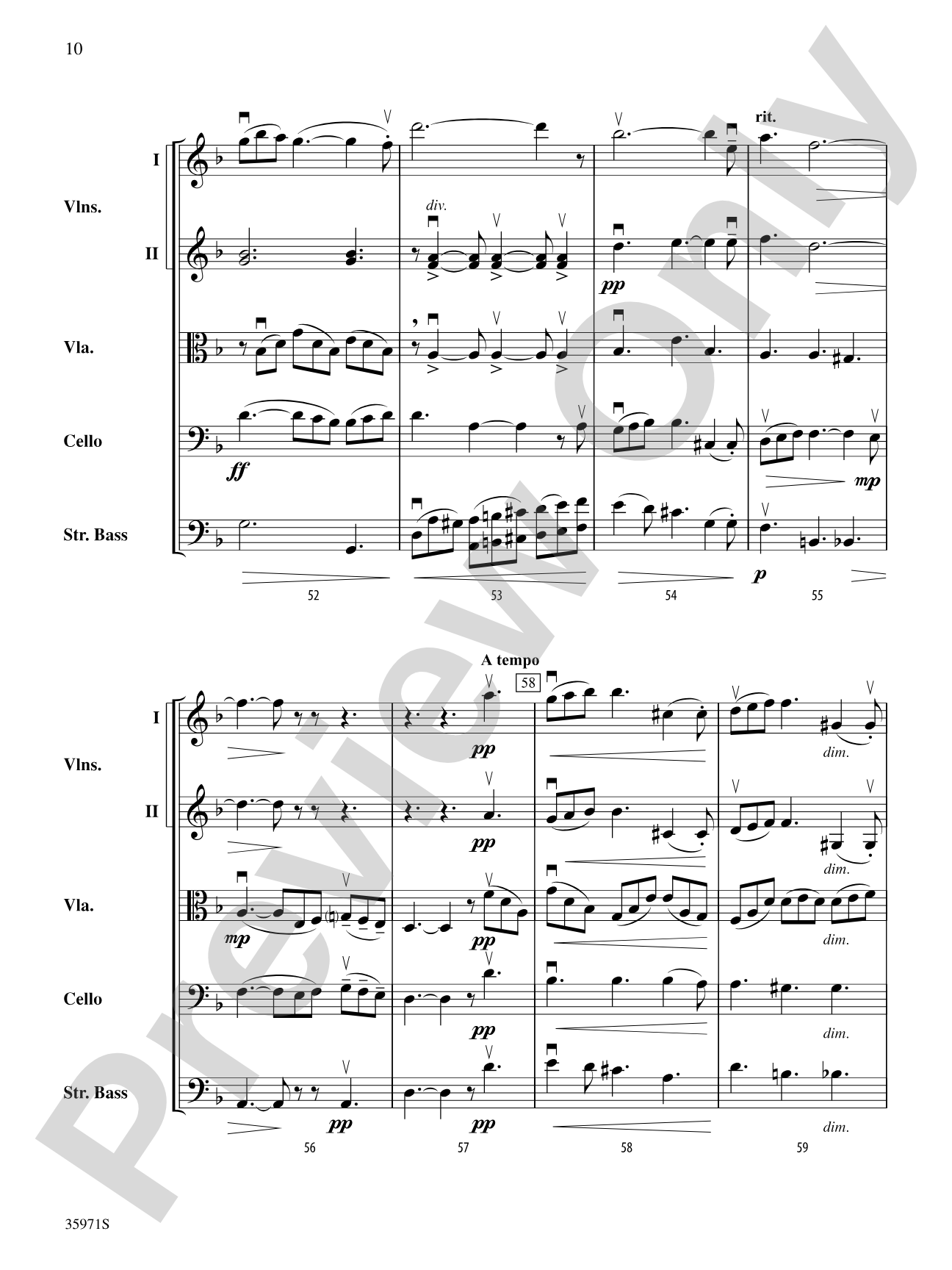
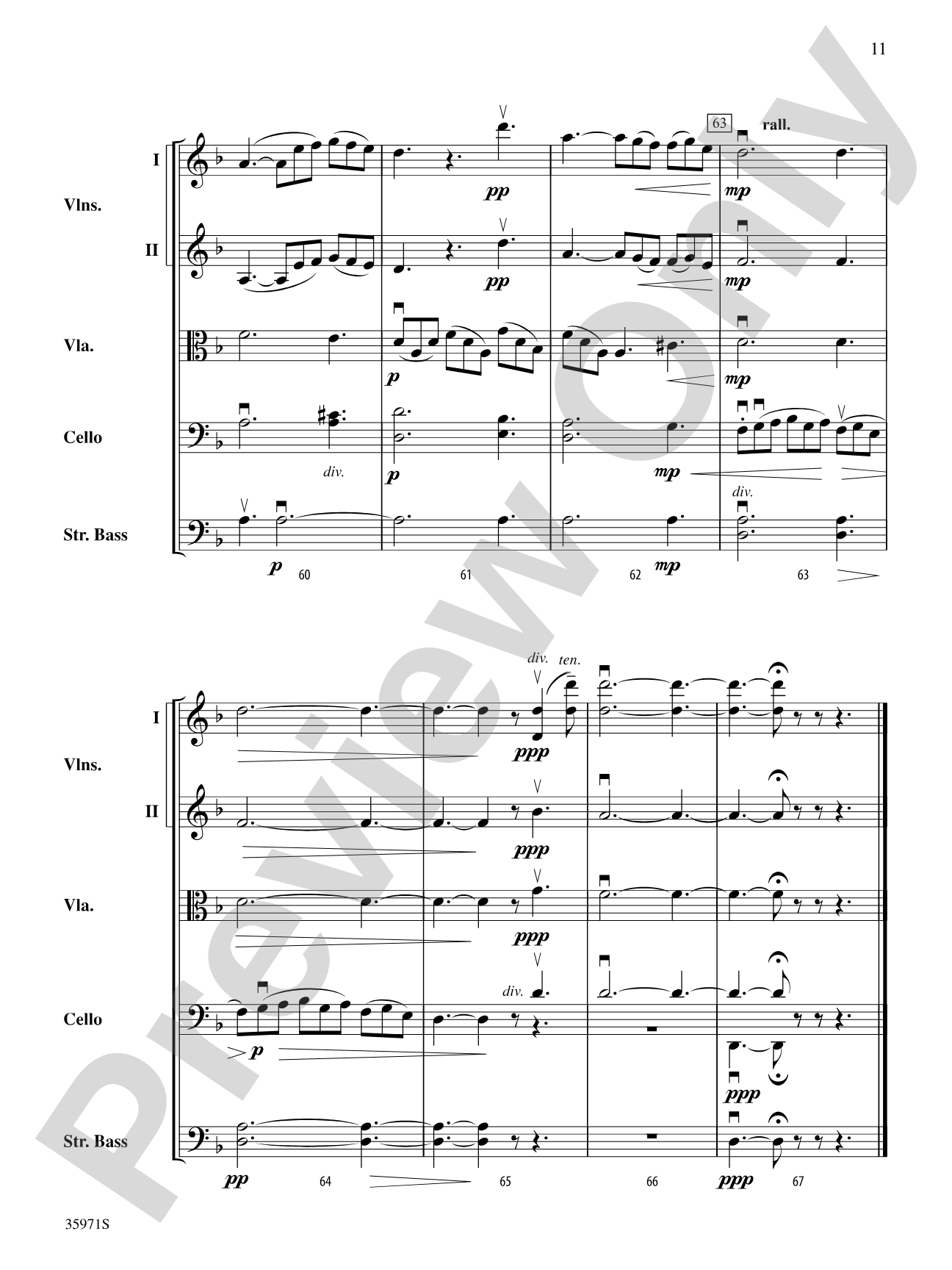
This lovely German song offers the opportunity to teach compound meter, isolating excerpts collaterally with rhythmic exercises, and working on smooth string crossings. Extended positions are featured in the cello part with accidentals sprinkled throughout the other parts as well. A beautiful soli section will be popular with cellists against a moving bass line.


Don't just read it, hear it, play along with it, and watch your students grow with it. In MakeMusic Cloud, Madrigale: String Orchestra Conductor Score & Parts comes alive with professional accompaniment, adjustable tempo, and built-in practice tools that turn solo practice into real progress.
Open in the Player
Jump straight in and assign it today.
Start Your Free Trial
Open this title and explore the full library in minutes.
Sample Audio
1
Audio File
--:--
0:00
0:00
Sample Video
No sample videos found.
Additional Details
Series:
Highland/Etling String Orchestra
Publisher:
Alfred Music
Page Count:
114
SKU:
00-PK-0004758
Instrumentation:
string
More about this title
About the Composer: Karl Bohm
Karl Böhm (1894-1981) was an Austrian conductor and composer whose interpretations of the German Romantic repertoire shaped 20th-century classical music. While primarily celebrated as a conductor who led major orchestras across Europe and America, Böhm also composed works that reflect his deep understanding of orchestration and the voice-like qualities of instrumental writing. His smaller compositions, including songs and chamber arrangements, reveal a gift for lyrical melody that served his broader artistic philosophy about musical expression.
Why we love this
Robert Sieving's arrangement captures the warmth of Böhm's original German song while giving string orchestras a work that teaches real skills without sacrificing musicality. The cello soli against a moving bass line creates a natural focal point that energizes ensemble players, and the strategic use of extended positions and accidentals keeps advanced players engaged without overwhelming the section at this grade level.
What to expect
The music unfolds with the intimacy of a lyric song, balancing legit songfulness against the gentle complexity of compound meter and chromatic coloring. Cello passages rise like a voice calling across a moving landscape, supported by an active accompaniment that propels without overwhelming.
Who it's for
String orchestras at the intermediate level (Grade 3.5) looking for repertoire that combines accessible melodic content with genuine teaching opportunities. This arrangement suits directors preparing for both concert and festival programming who want to deepen students' rhythmic literacy and string technique simultaneously.
How to get the most out of it
- Shape the compound meter phrasing in long arcs rather than marking each subdivision; let the melody breathe across the bar line to honor the song's lyrical origin.
- Balance the cello soli carefully so the soloists can sing above the moving accompaniment without requiring the orchestra to pull back too much.
- Work string crossings in isolation before rehearsing full passages; this piece rewards smooth, deliberate shifts between strings for tonal consistency.
- Mark the accidental passages lightly in rehearsal first; many younger players will assume they are reading only natural notes, so direct attention explicitly to each altered pitch.
How to use it
This arrangement fits naturally into a concert exploring the Romantic lied and its orchestral life, or as a centerpiece for a festival appearance that showcases both mature musicianship and solid fundamentals. The manageable length and concert context tag make it an excellent choice for a spring pops program or youth orchestra recital alongside heavier works.
Skills your students will build
- Reading and executing compound meter (6/8 or similar) with appropriate phrase shape
- Navigating extended cello positions with secure intonation
- Smooth string crossings across multiple voices
- Reading accidentals and chromatic passages in context
- Balancing soloists against moving accompaniment
- Sustaining lyrical tone quality across phrase lengths