
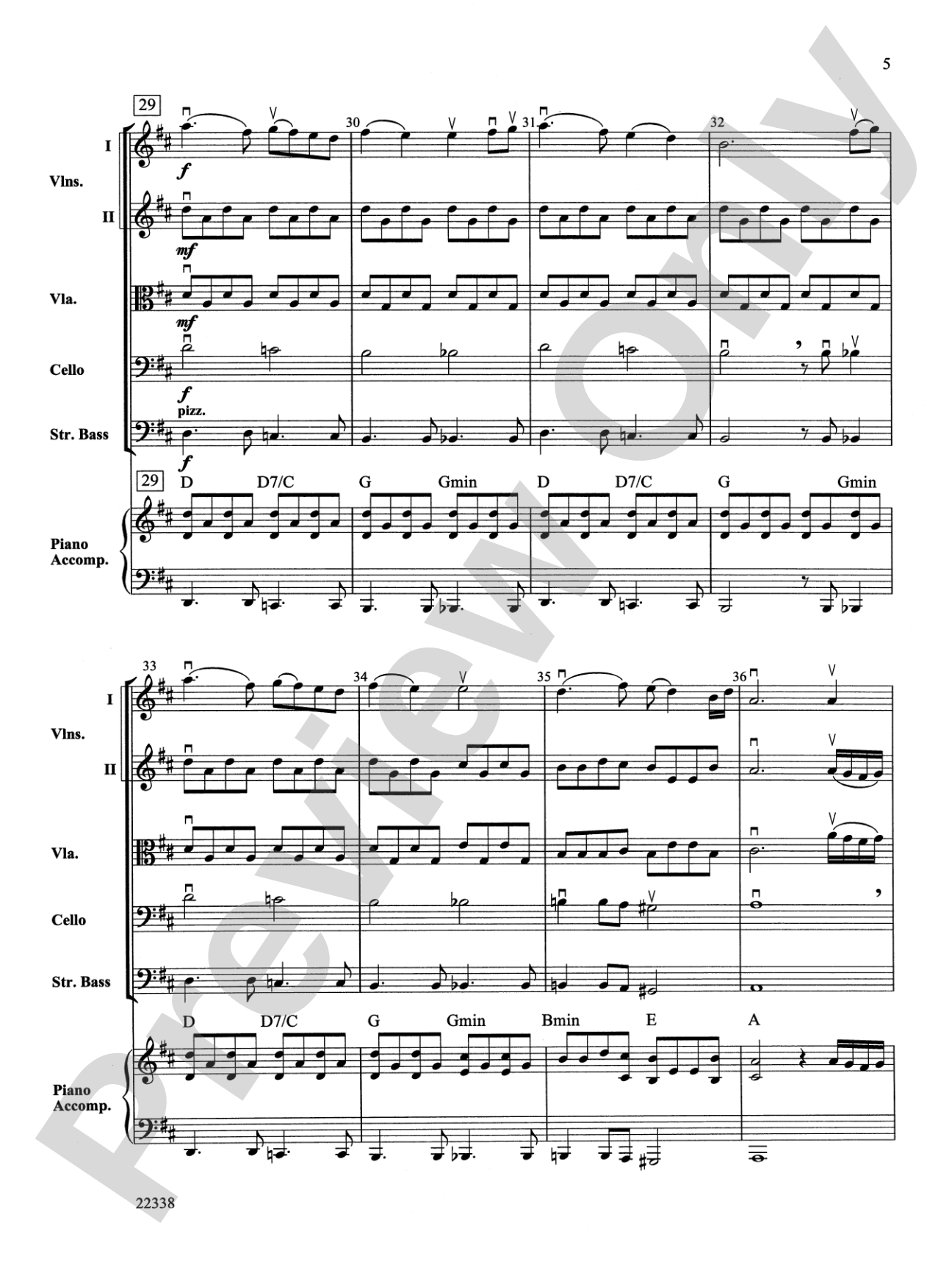
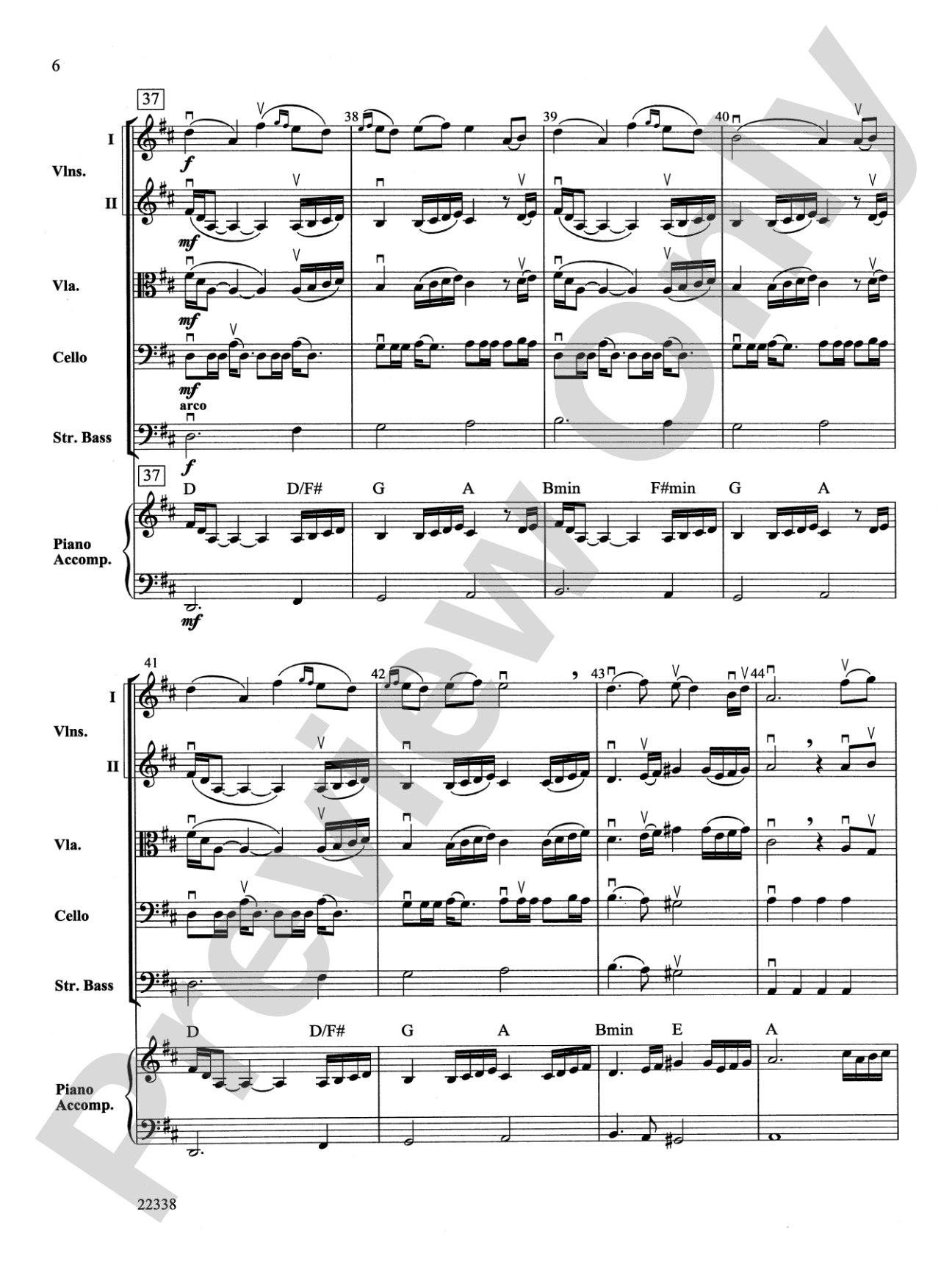
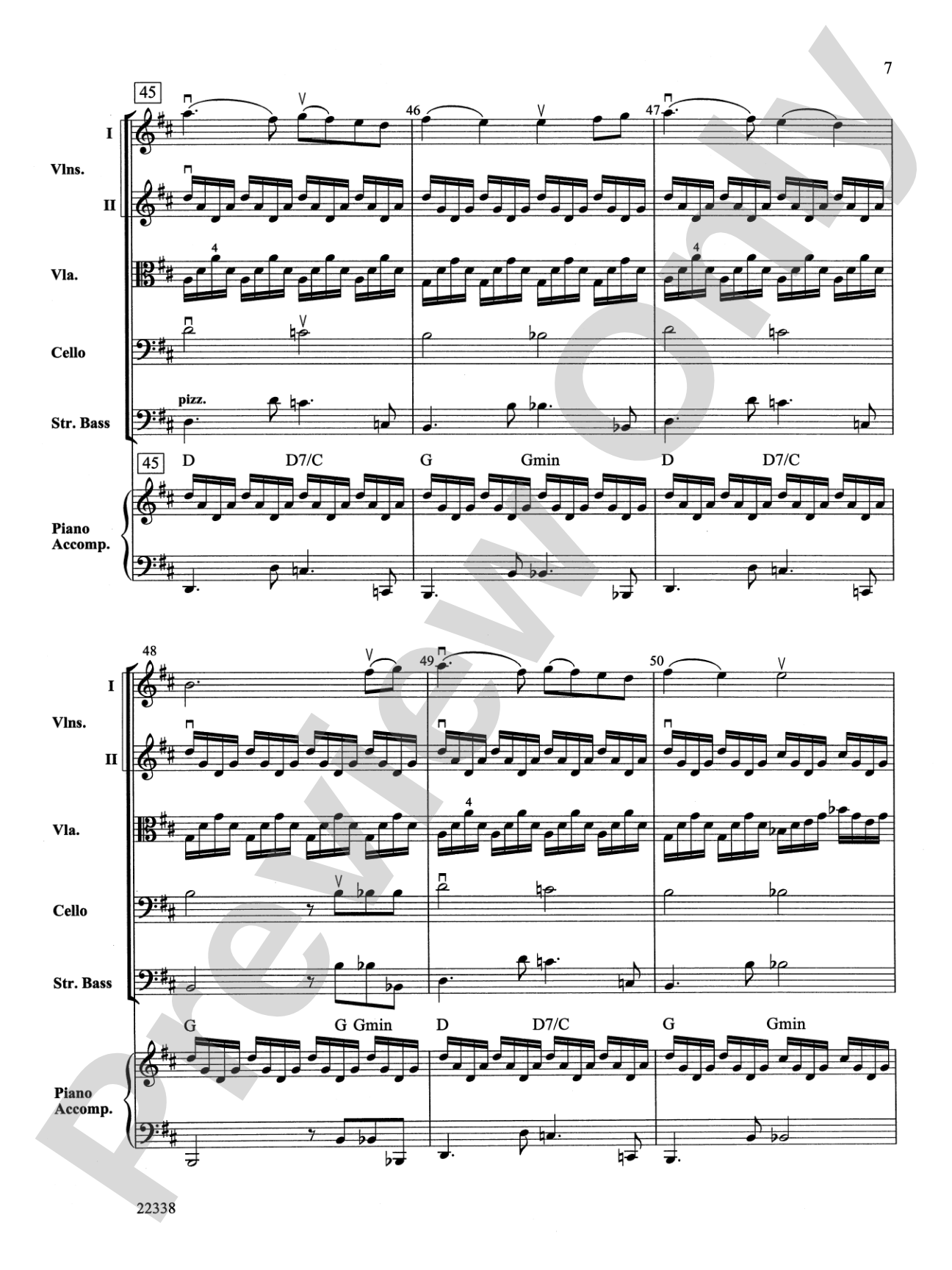
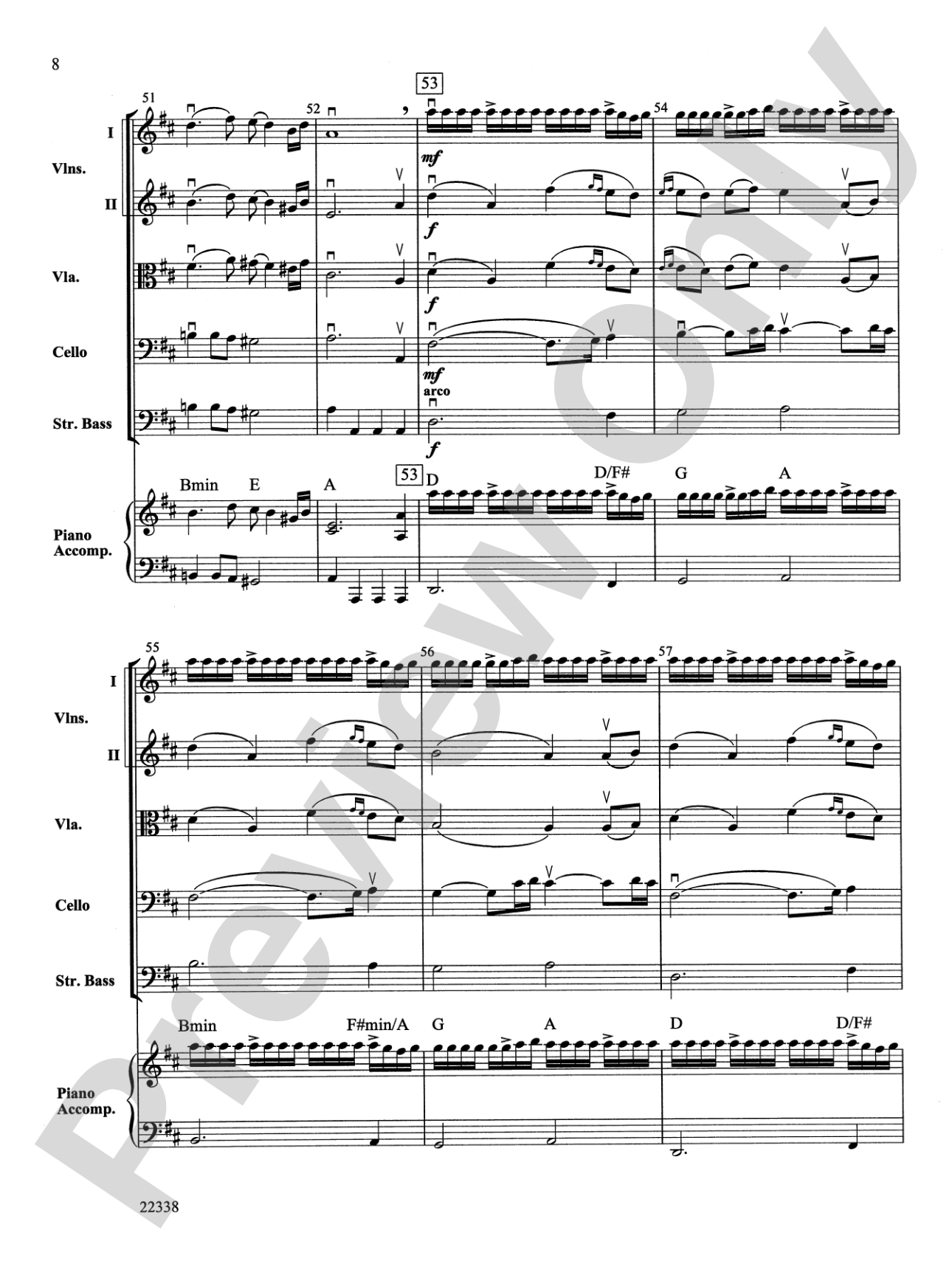
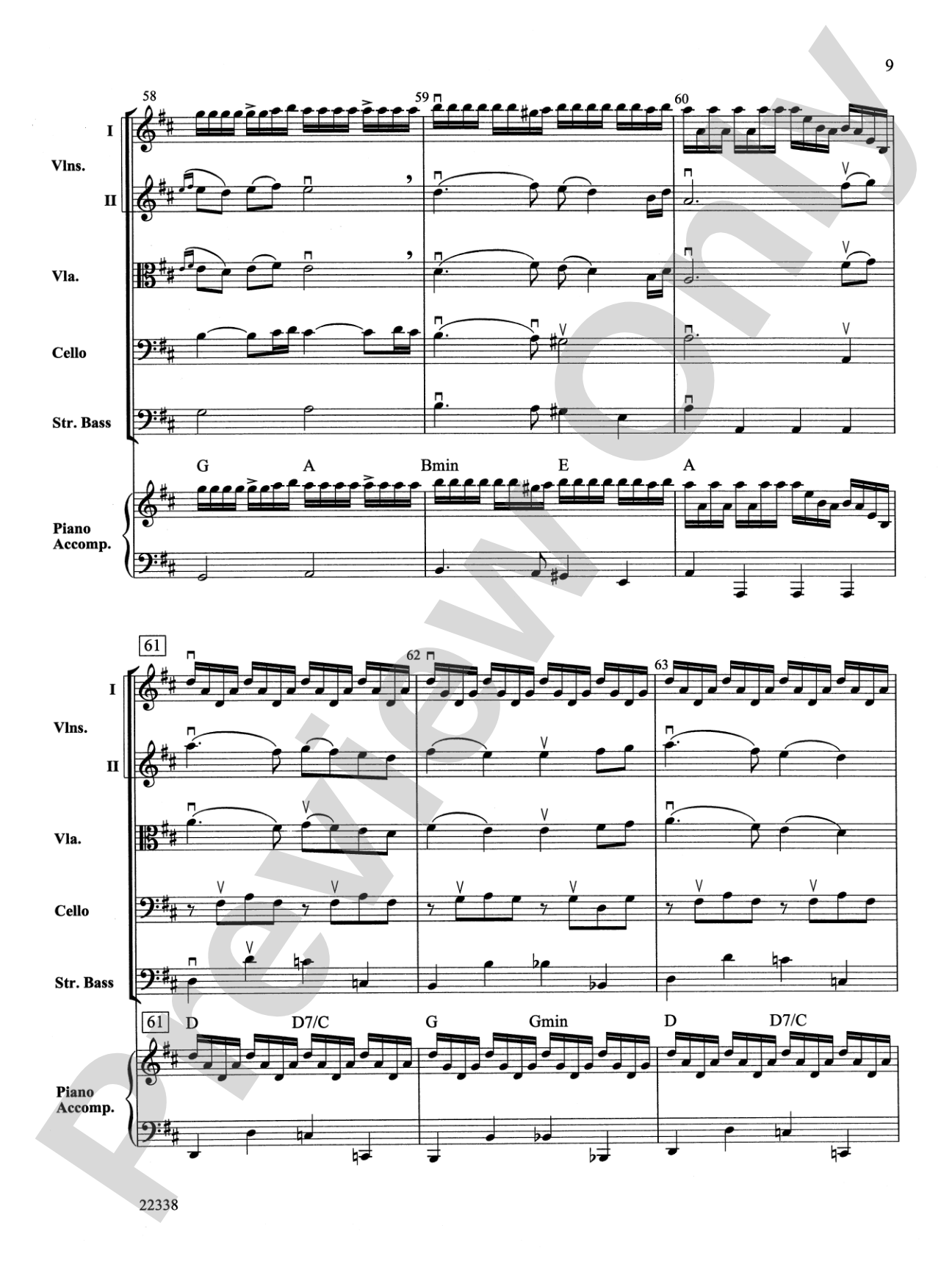
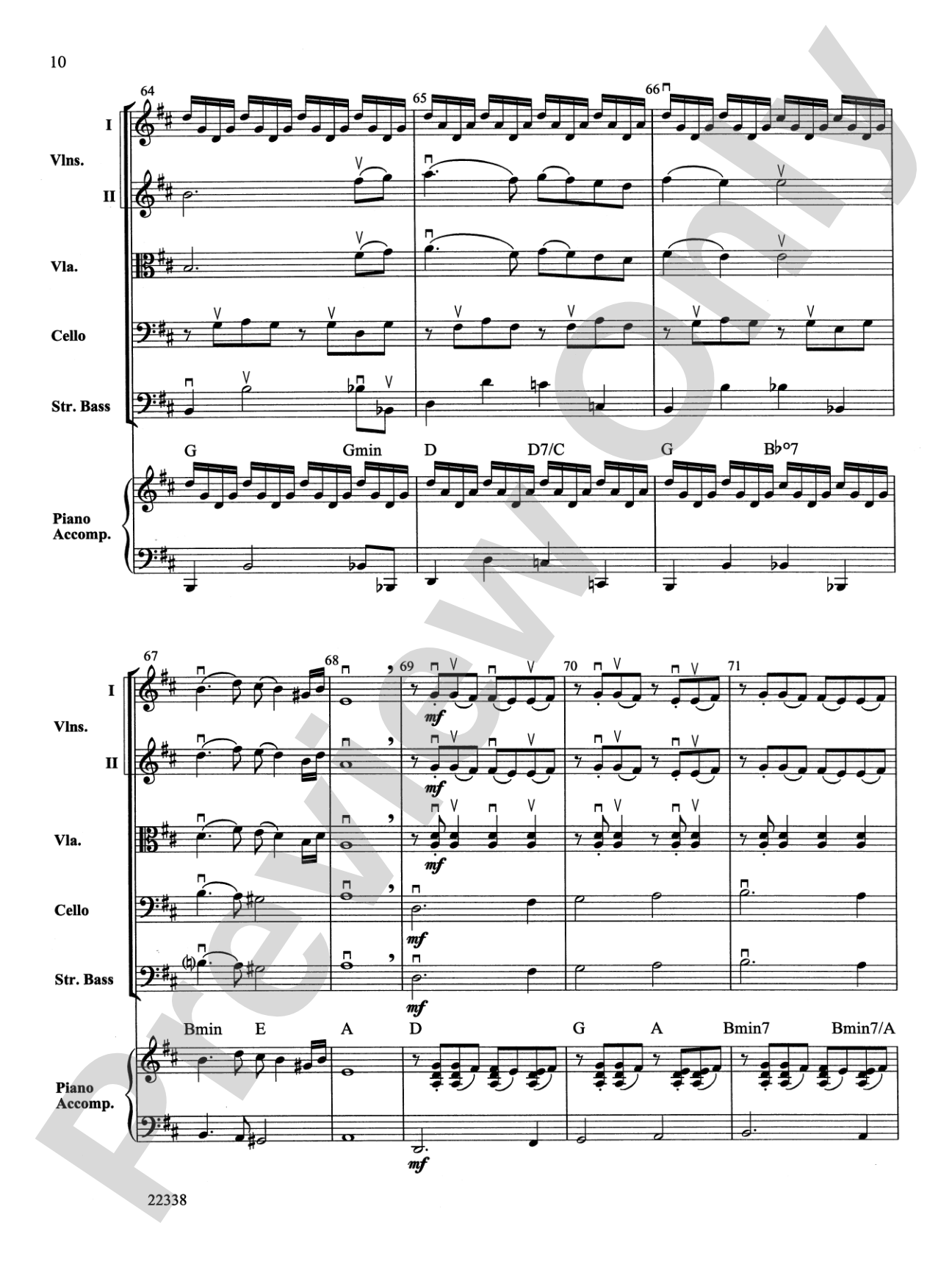
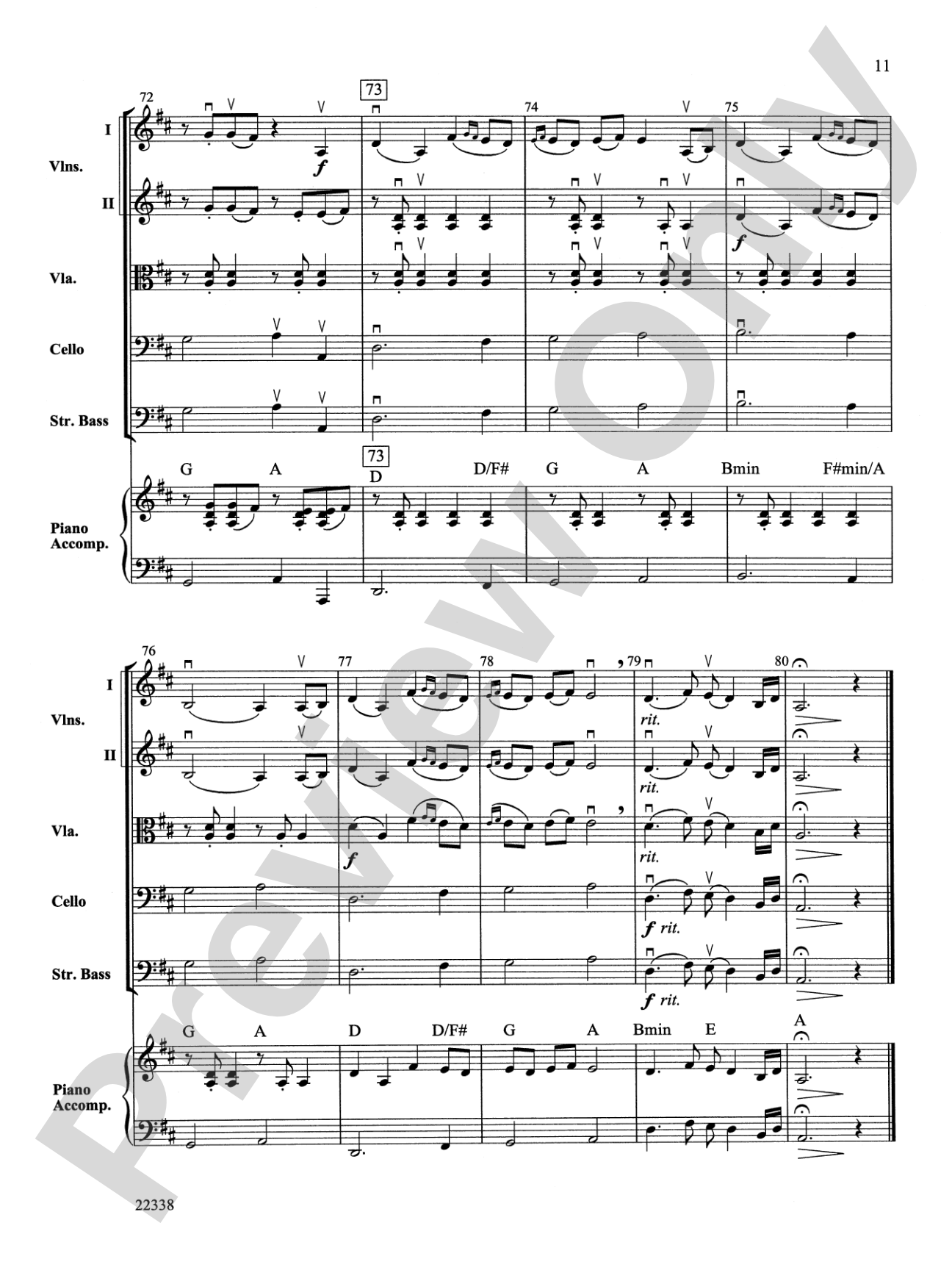


MacPherson's Lament (A Scottish Air): Score
(A Scottish Air)
Arr. Dean Marshall and Bob Phillips
Grade: 3
Item: 00-PR-0000579
$9.00
Pickup currently not available
Description
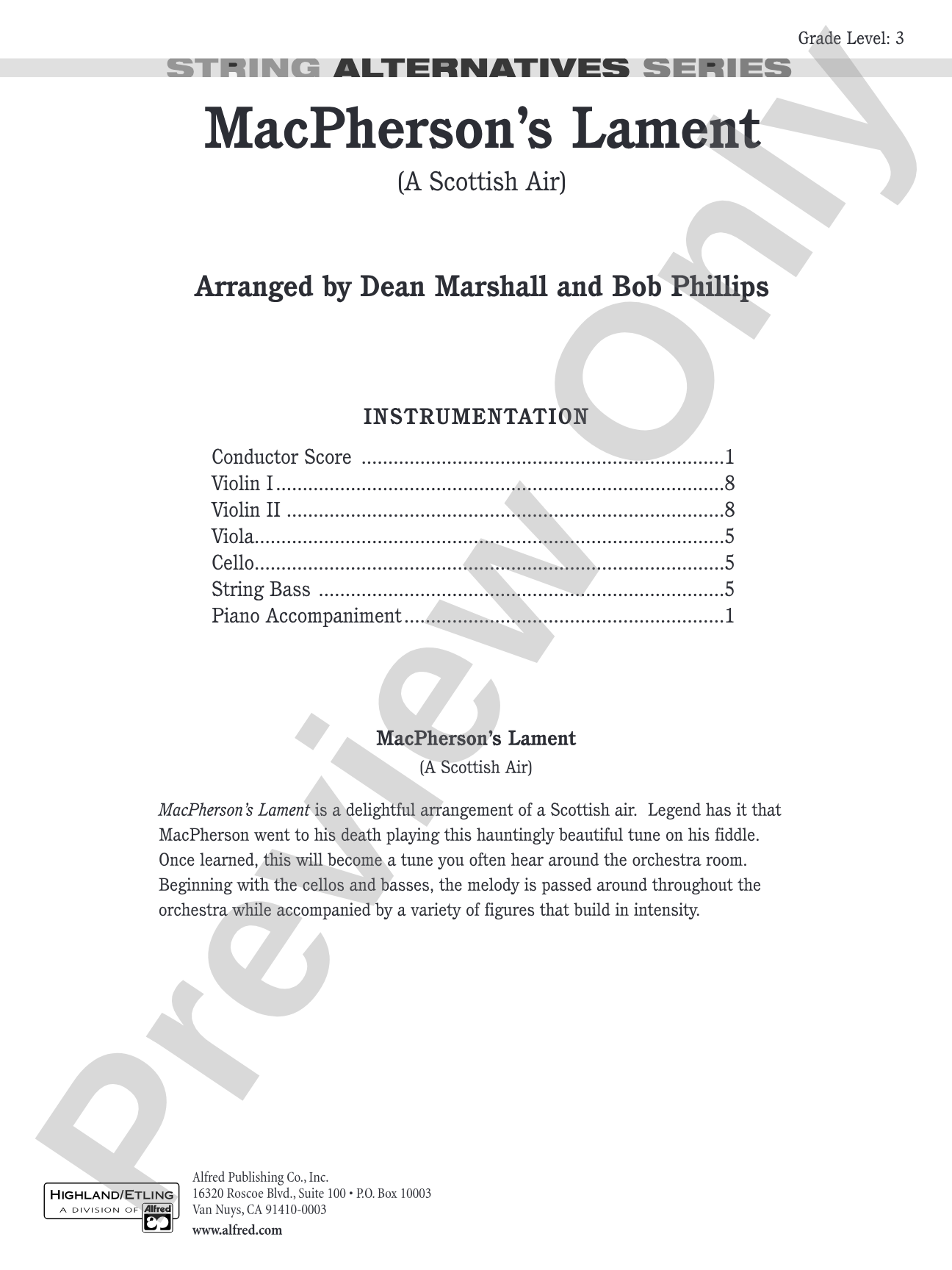
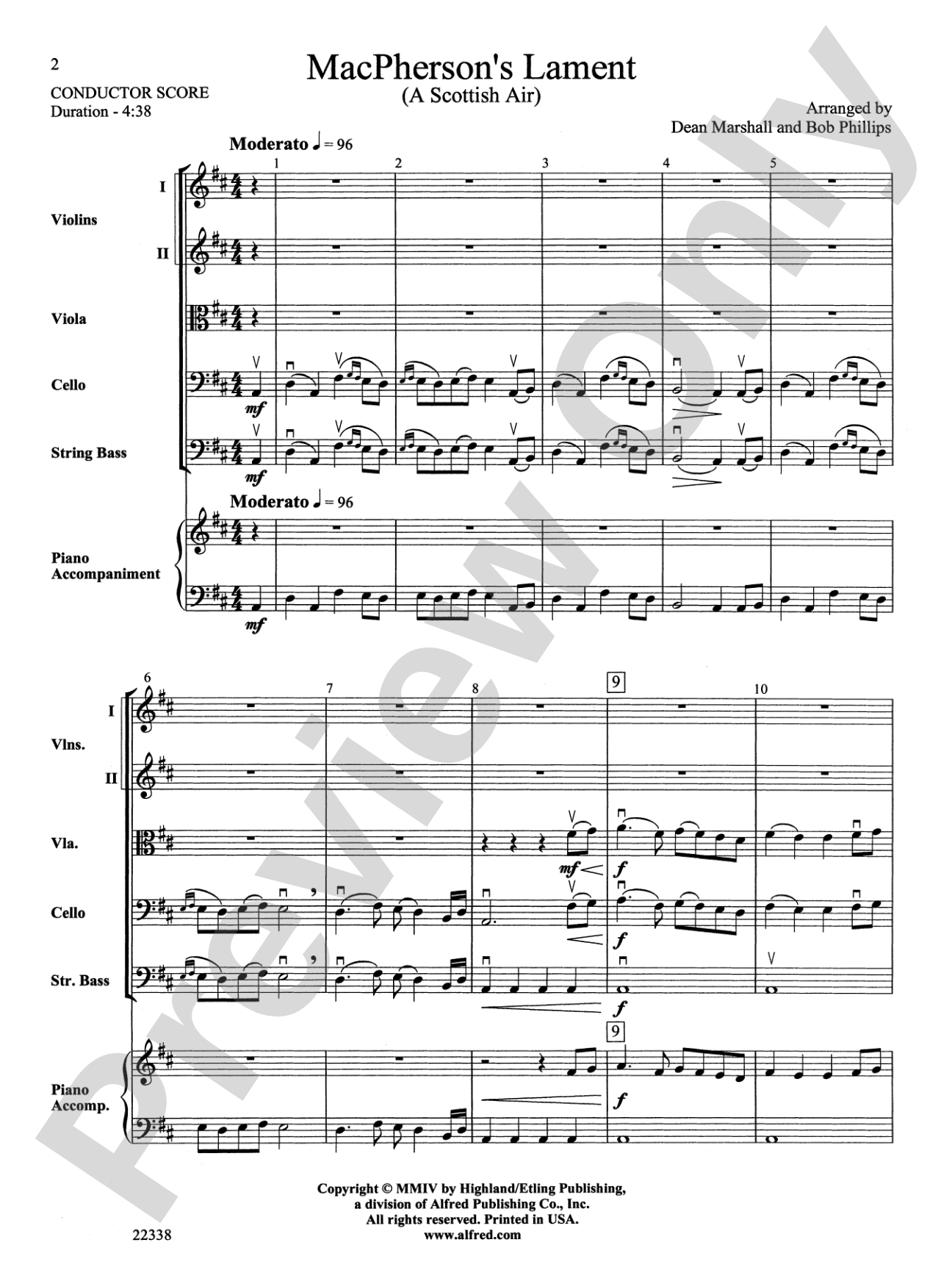
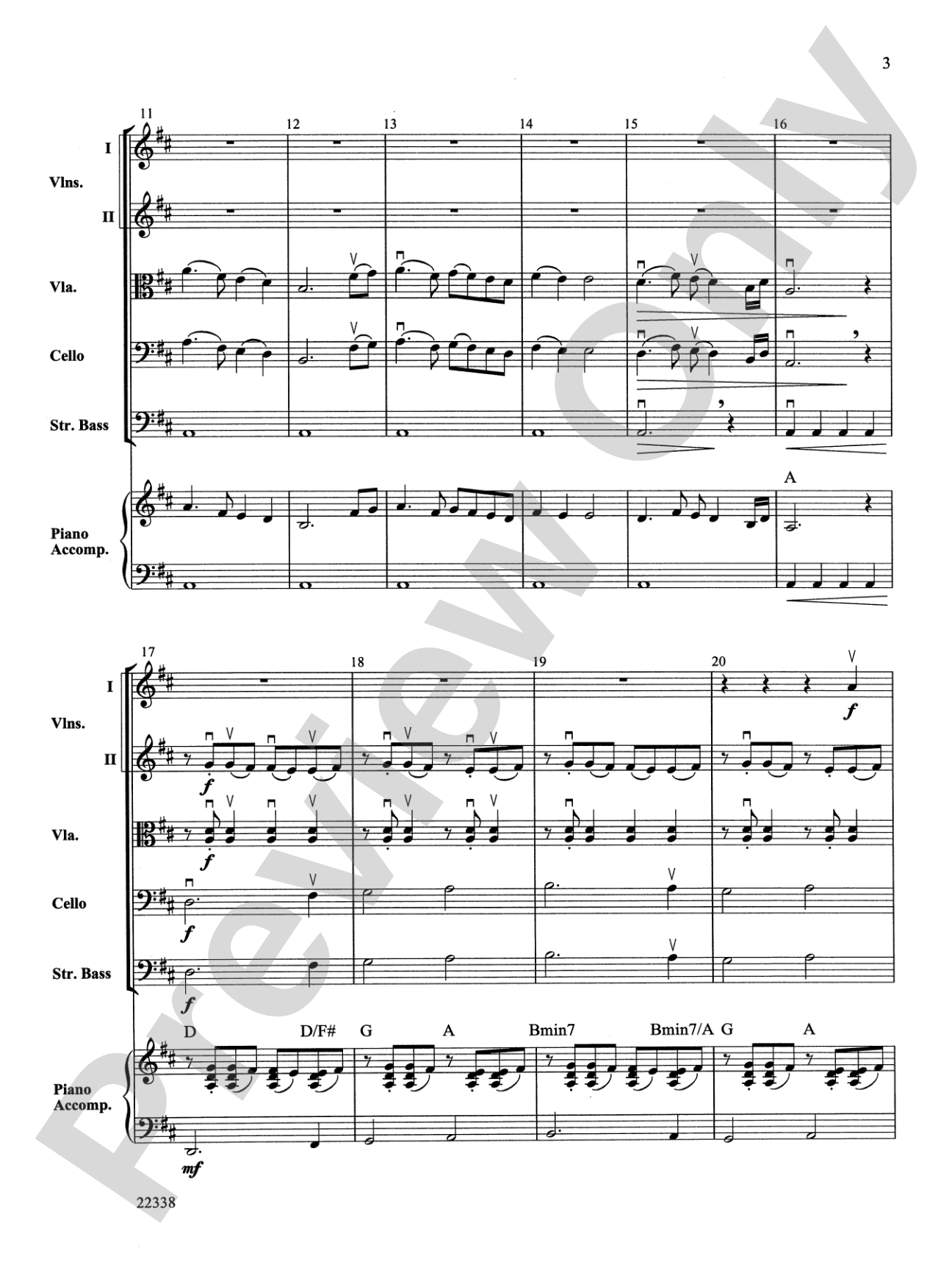
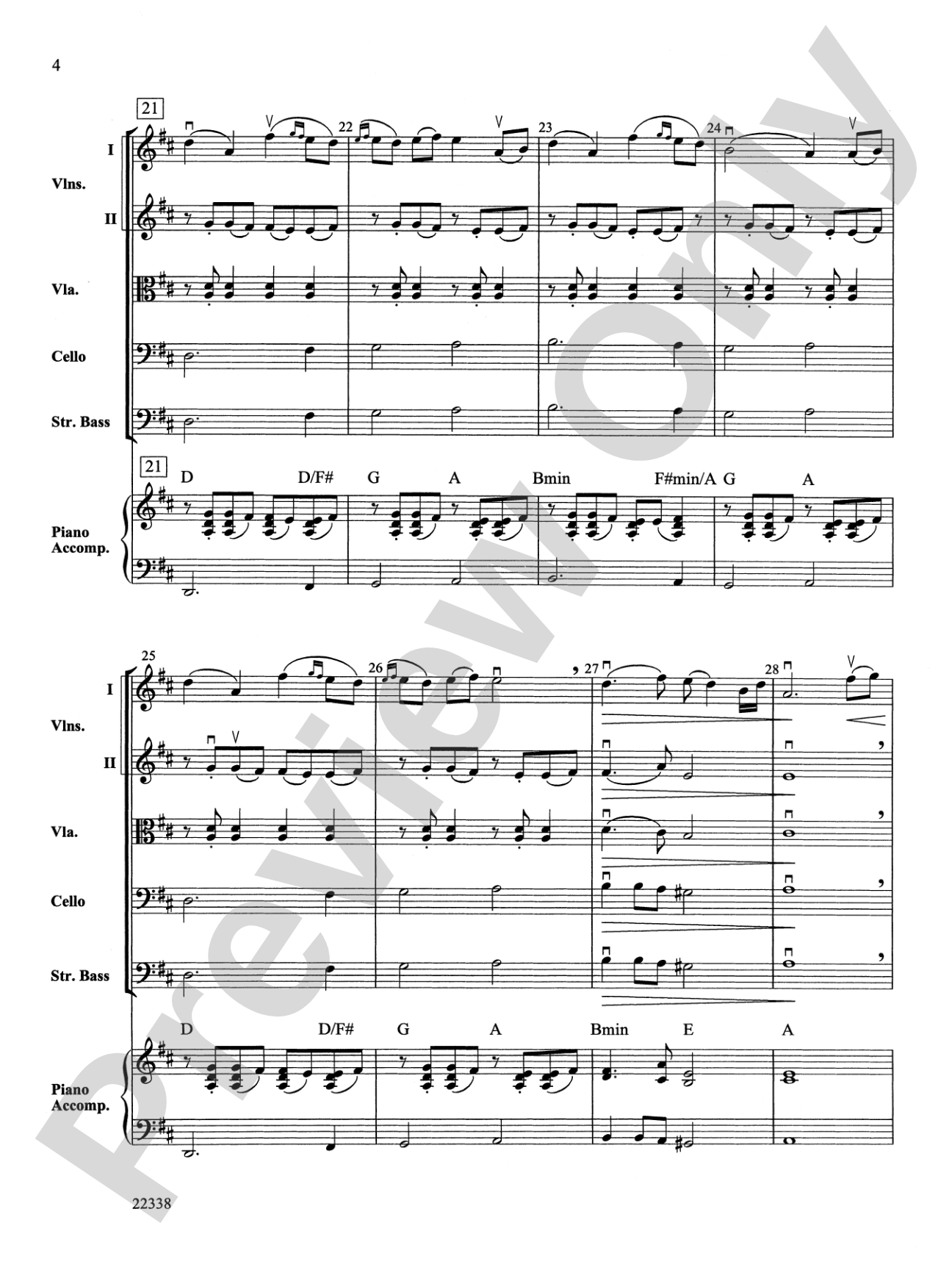
MacPherson's Lament is a delightful Scottish air arranged by Bob Phillips and Dean Marshall, the music director of the world famous fiddle group, Barrage. Legend has it that MacPherson went to his death playing this hauntingly beautiful tune on his fiddle. Beginning with the cellos and basses, the melody is passed around throughout the orchestra while accompanied by a variety of figures that build in intensity.


Don't just read it, hear it, play along with it, and watch your students grow with it. In MakeMusic Cloud, MacPherson's Lament (A Scottish Air): Score comes alive with professional accompaniment, adjustable tempo, and built-in practice tools that turn solo practice into real progress.
Open in the Player
Jump straight in and assign it today.
Start Your Free Trial
Open this title and explore the full library in minutes.
Sample Audio
1
Audio File
--:--
0:00
0:00
Sample Video
No sample videos found.
Additional Details
Series:
Highland/Etling String Alternatives
Publisher:
Alfred Music
Page Count:
128
SKU:
00-PR-0000579
More about this title
About the Arranger: Dean Marshall
Dean Marshall serves as music director of Barrage, the world-renowned Scottish fiddle group known for bringing traditional folk music to concert stages internationally. His arrangements bridge classical string orchestra techniques with the idioms and spirit of Scottish traditional music, making folk repertoire accessible to young ensemble players without sacrificing authenticity.
Why we love this
This arrangement captures the storytelling power of a Scottish air while giving every section meaningful material. The clever distribution of the melody throughout the orchestra keeps players engaged, and the building intensity creates a natural arc that teaches ensemble musicians how accompaniment figures can drive dramatic momentum.
What to expect
Haunting and reflective, with an undercurrent of building intensity. The melody emerges gradually from the lower strings like a fiddle player finding their voice, gathering momentum and emotional weight as it spreads through the section, creating a sense of inevitability and depth that honors the ballad's tragic history.
Who it's for
String orchestra directors working with Grade 3 ensembles who want to program folk music with substance and cultural context. This works well for groups ready to balance melody awareness with accompaniment awareness, and for players who benefit from hearing how a single tune can be developed across an entire arrangement.
How to get the most out of it
- Balance the melody carefully as it moves from cellos and basses into higher voices; resist the urge to let upper strings dominate once they enter.
- Shape the accompanying figures with awareness of their rhythmic relationship to the main tune; they should support rather than compete.
- Attend to the dynamic architecture. The piece builds from its quiet opening, so track where the climax sits and plan your crescendo trajectory accordingly.
- Bring out the Scottish character through articulation and phrasing rather than tempo changes; lean into the natural lilt of the melody.
How to use it
Program this as the centerpiece of a folk music concert segment, or pair it with other arranged traditional music to create a themed program. Its Grade 3 accessibility makes it suitable for a spring concert or as a bridge piece between classical repertoire and world music explorations.
Skills your students will build
- Tracking a melody as it moves between instrumental sections
- Balancing melody and accompaniment figures
- Shaping long-term dynamic arcs and building intensity over phrases
- Playing with stylistic awareness of folk idioms and Scottish musical character
- Listening across the orchestra to maintain ensemble cohesion when roles shift