

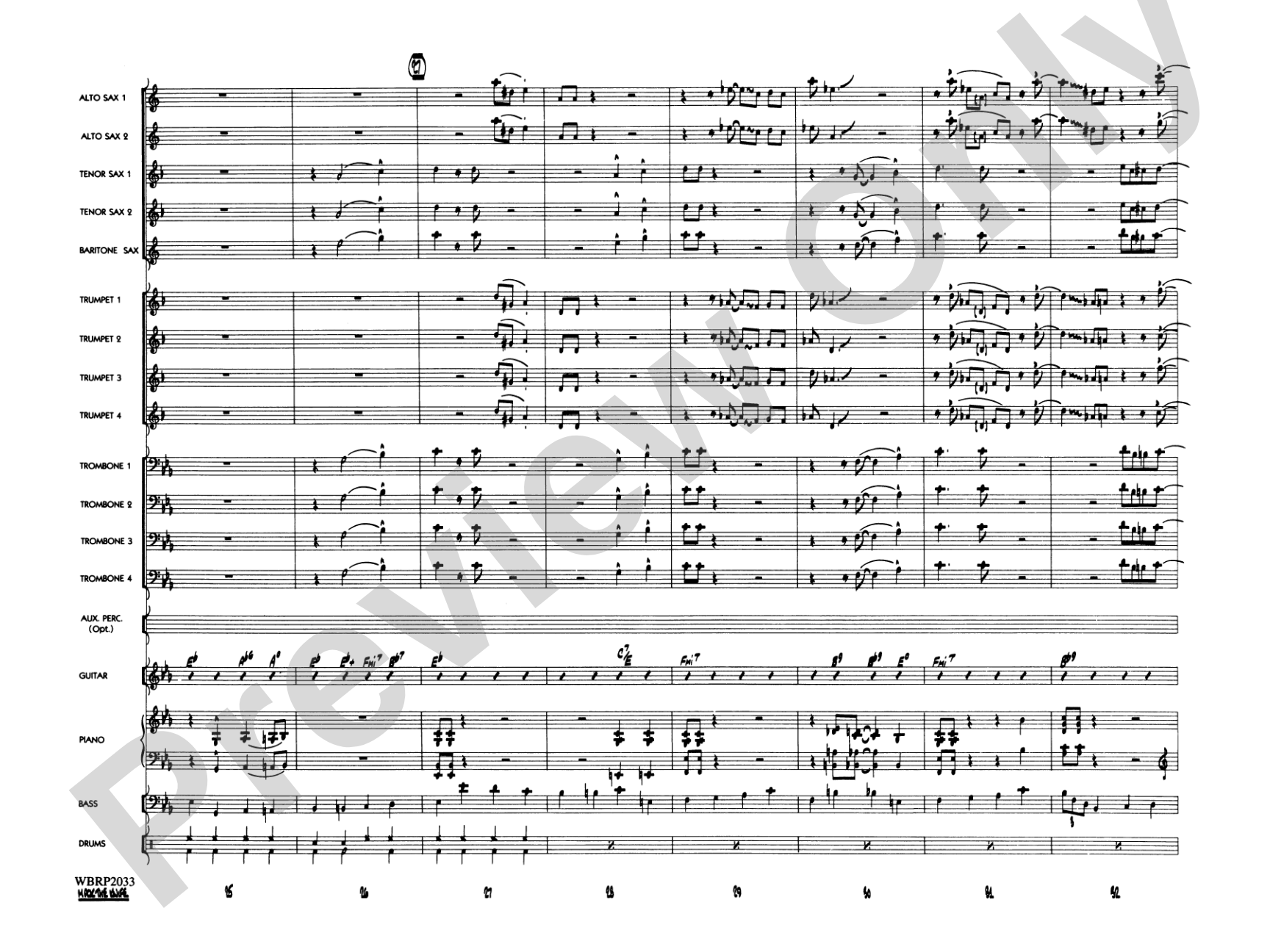
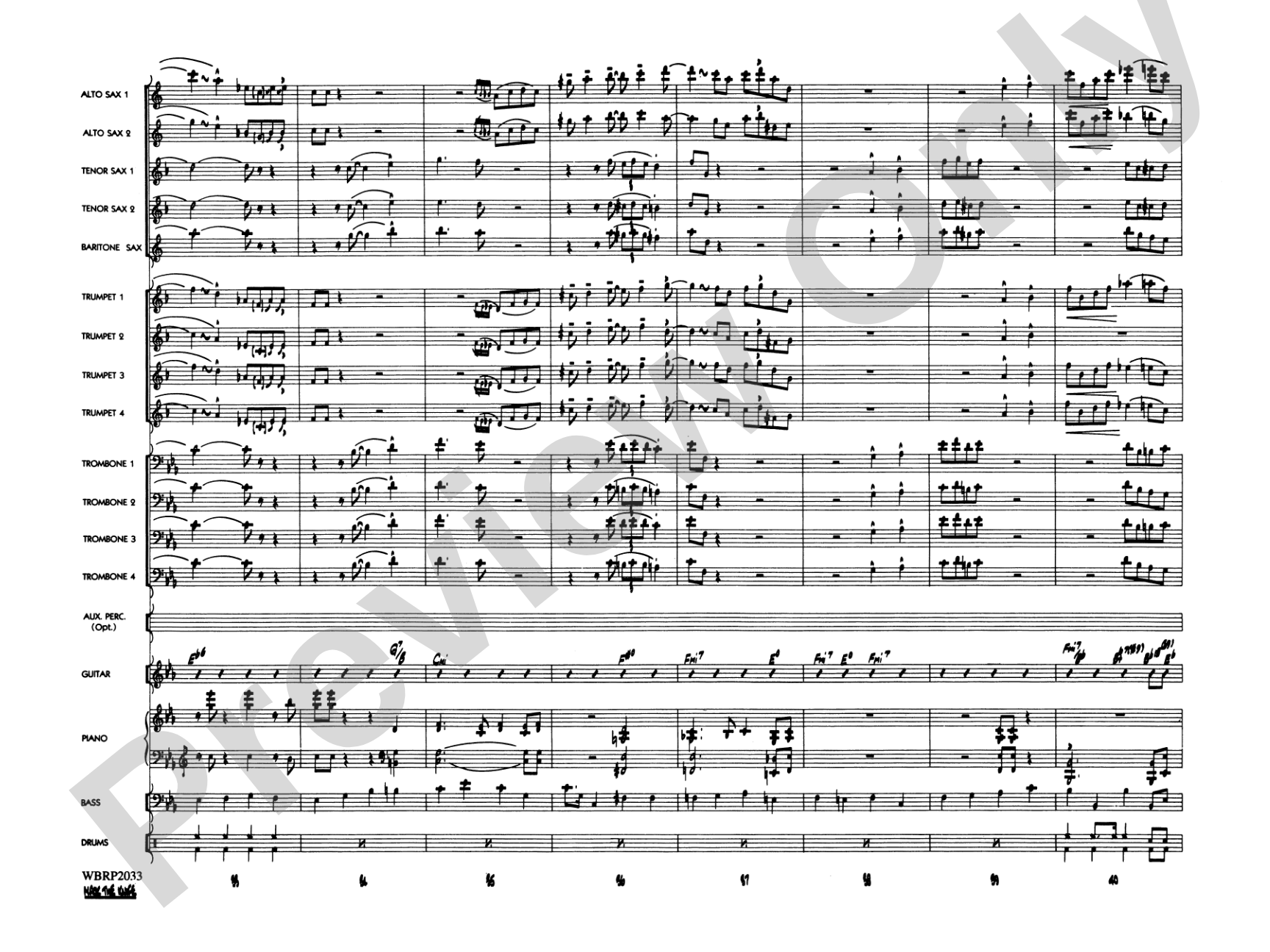
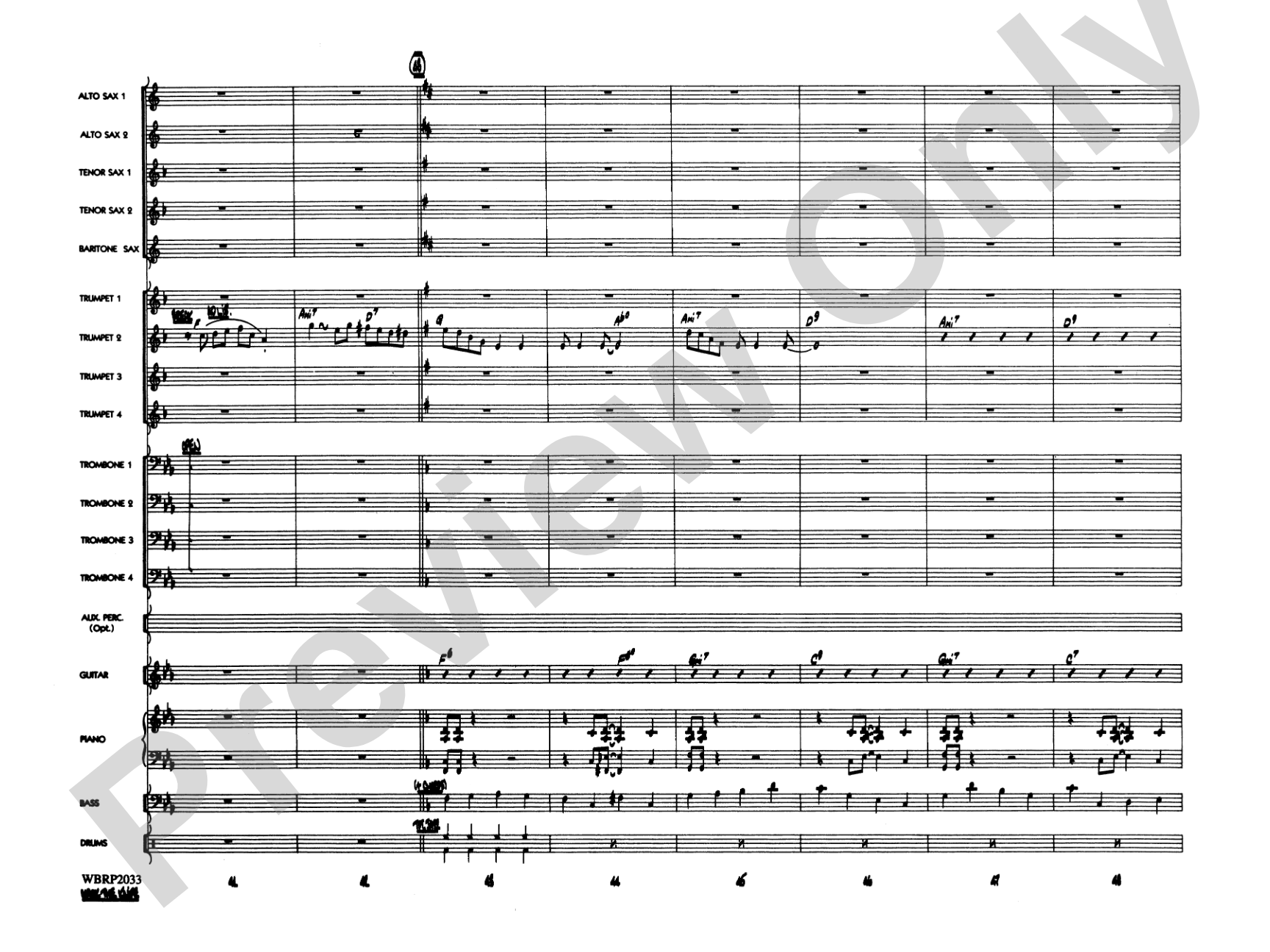
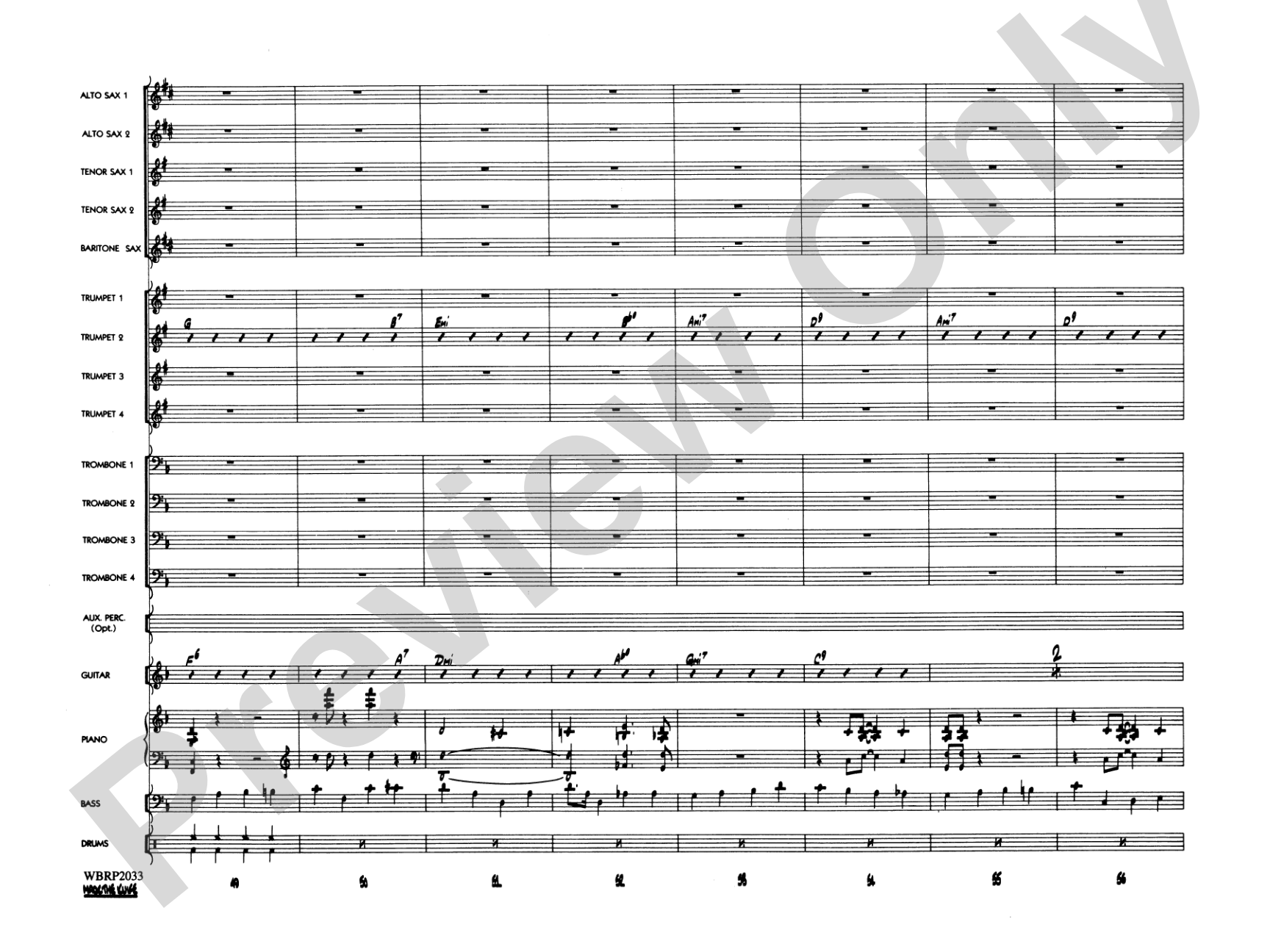
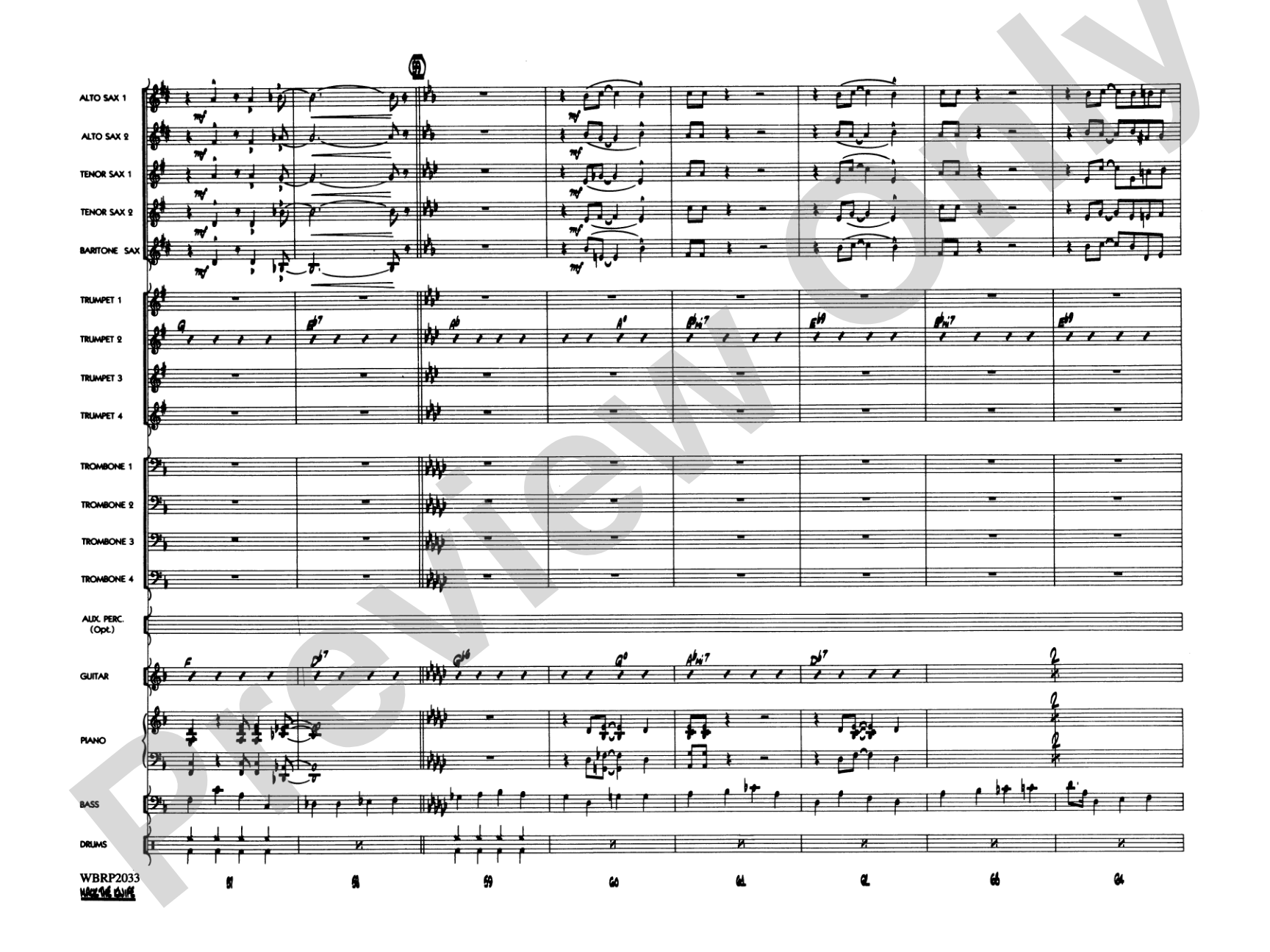
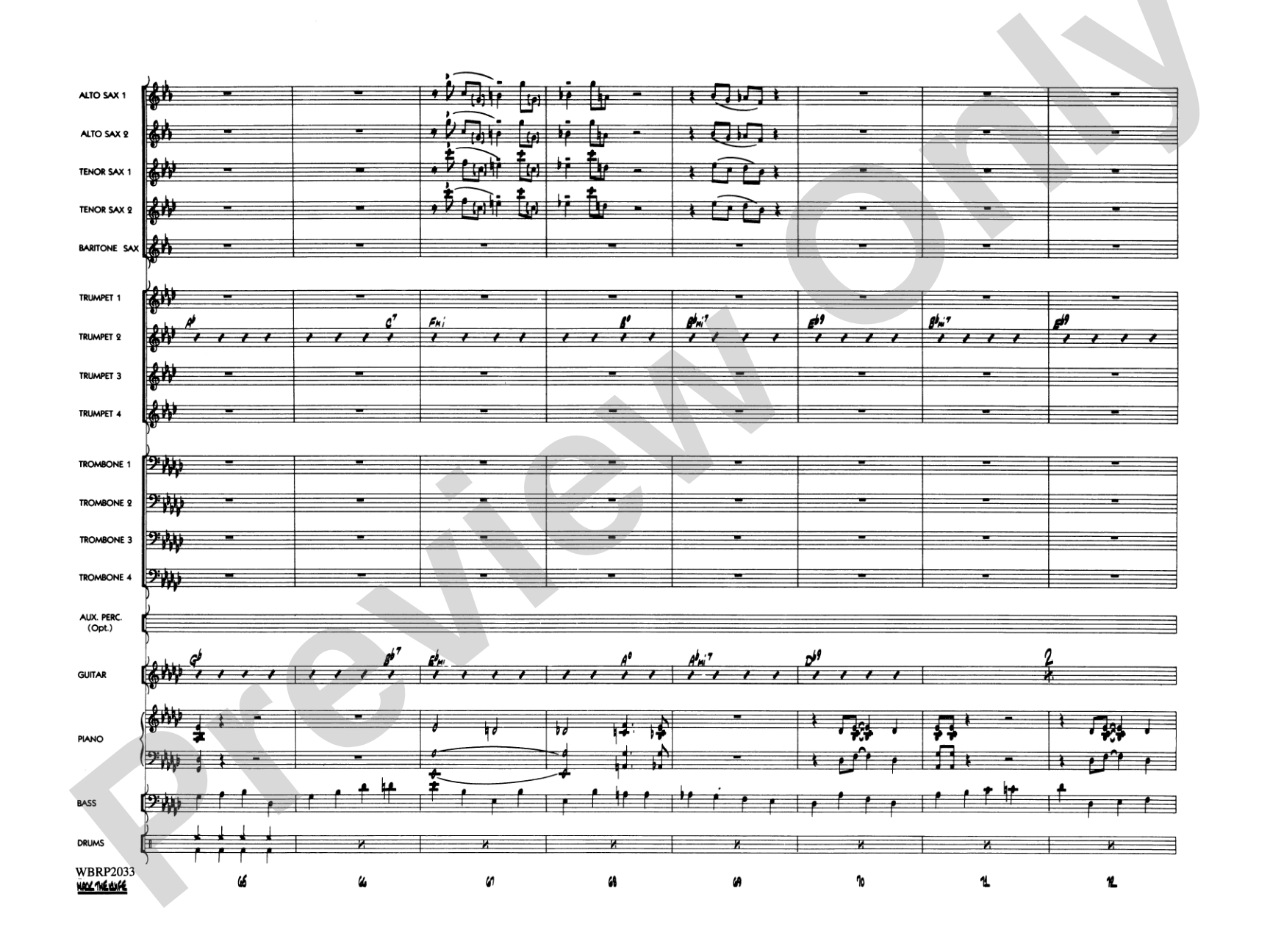
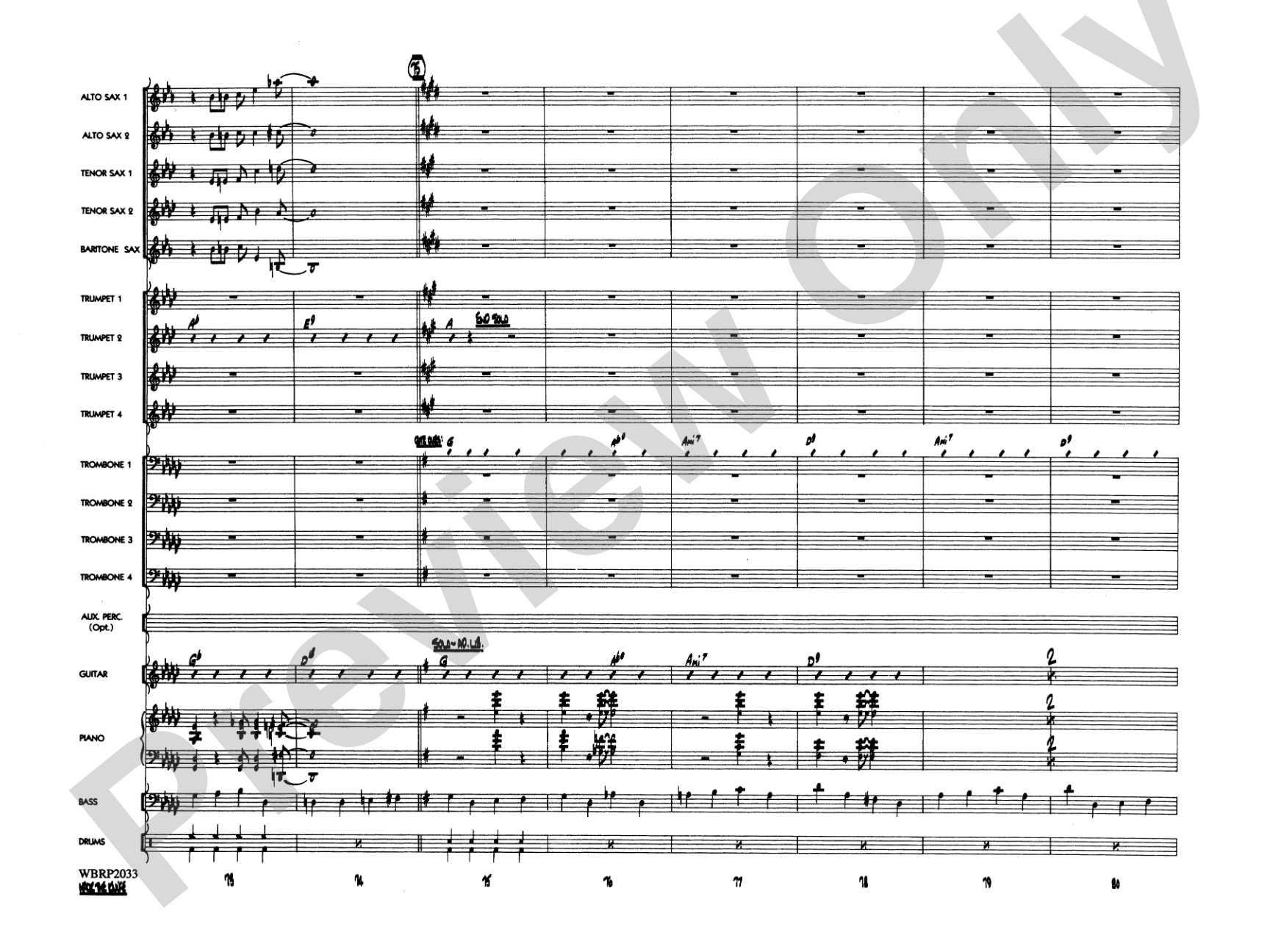
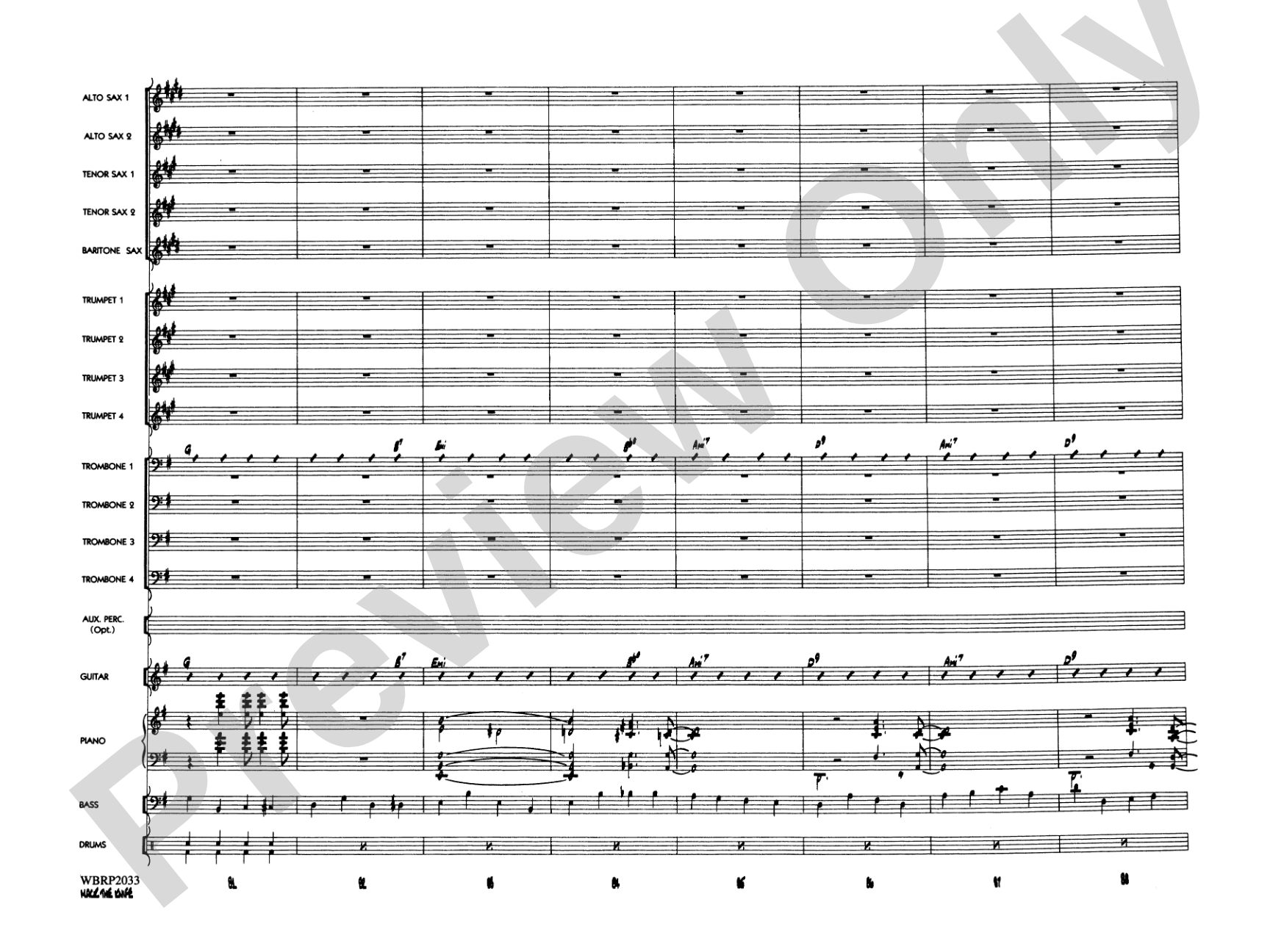
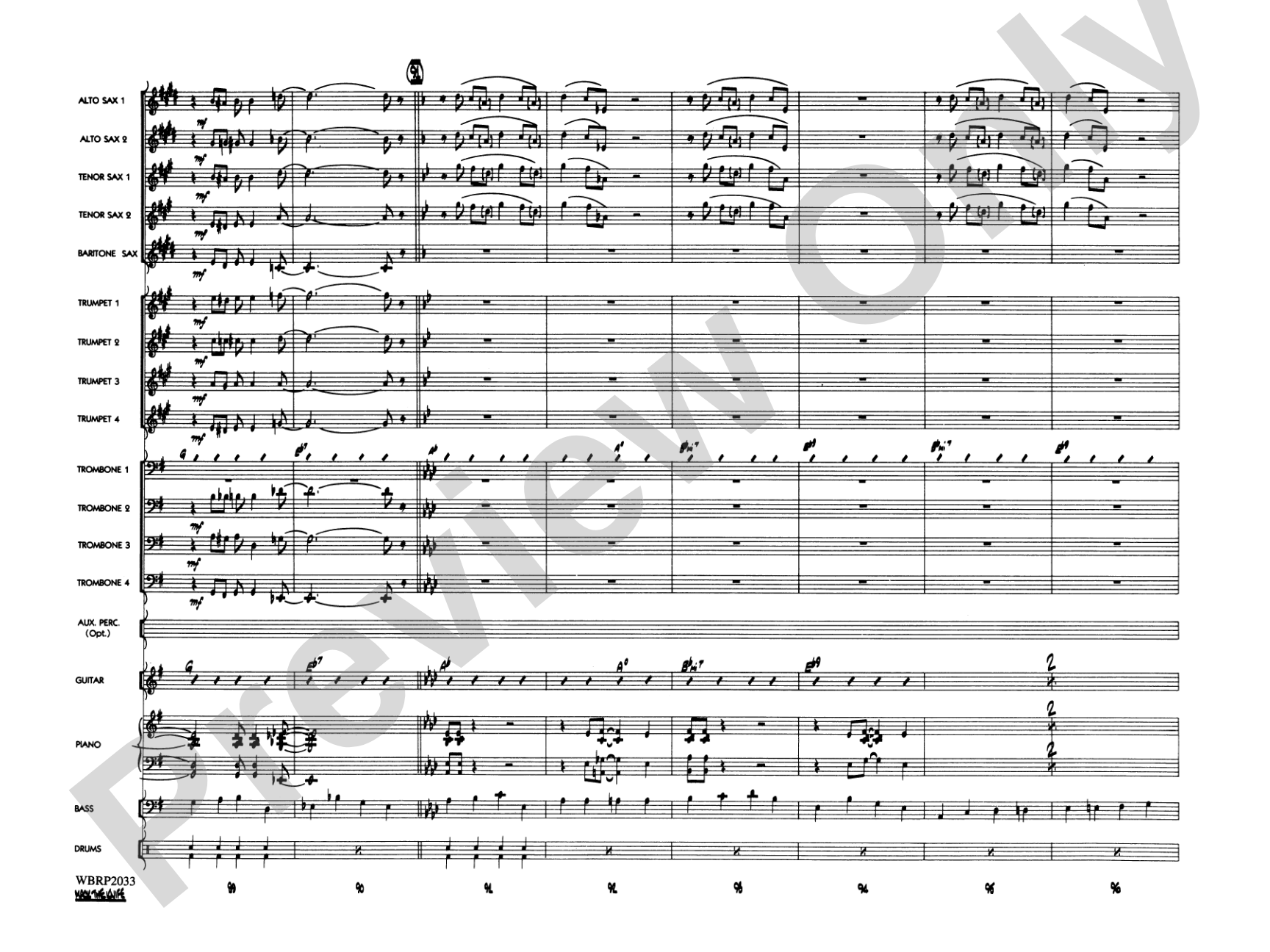
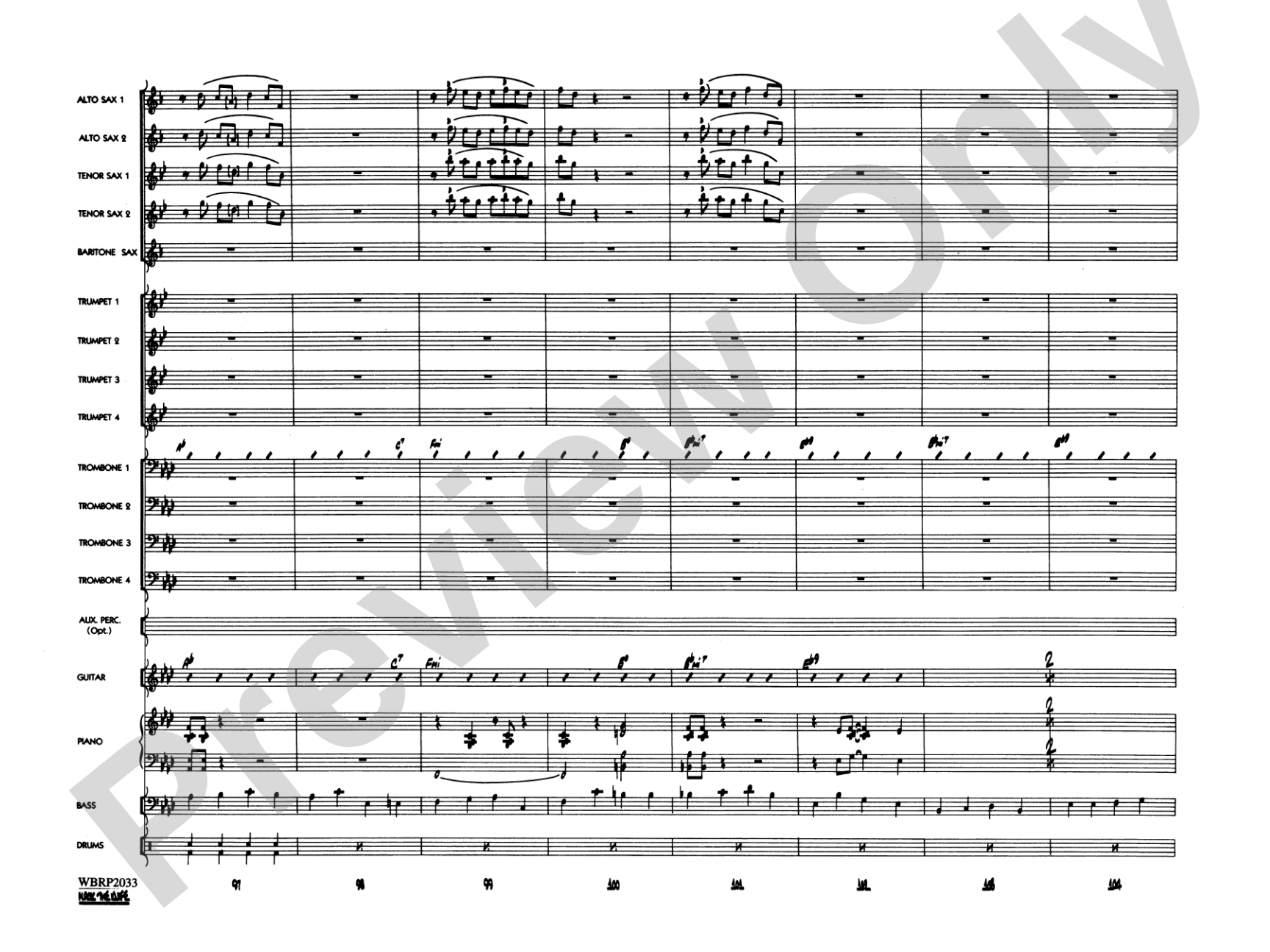
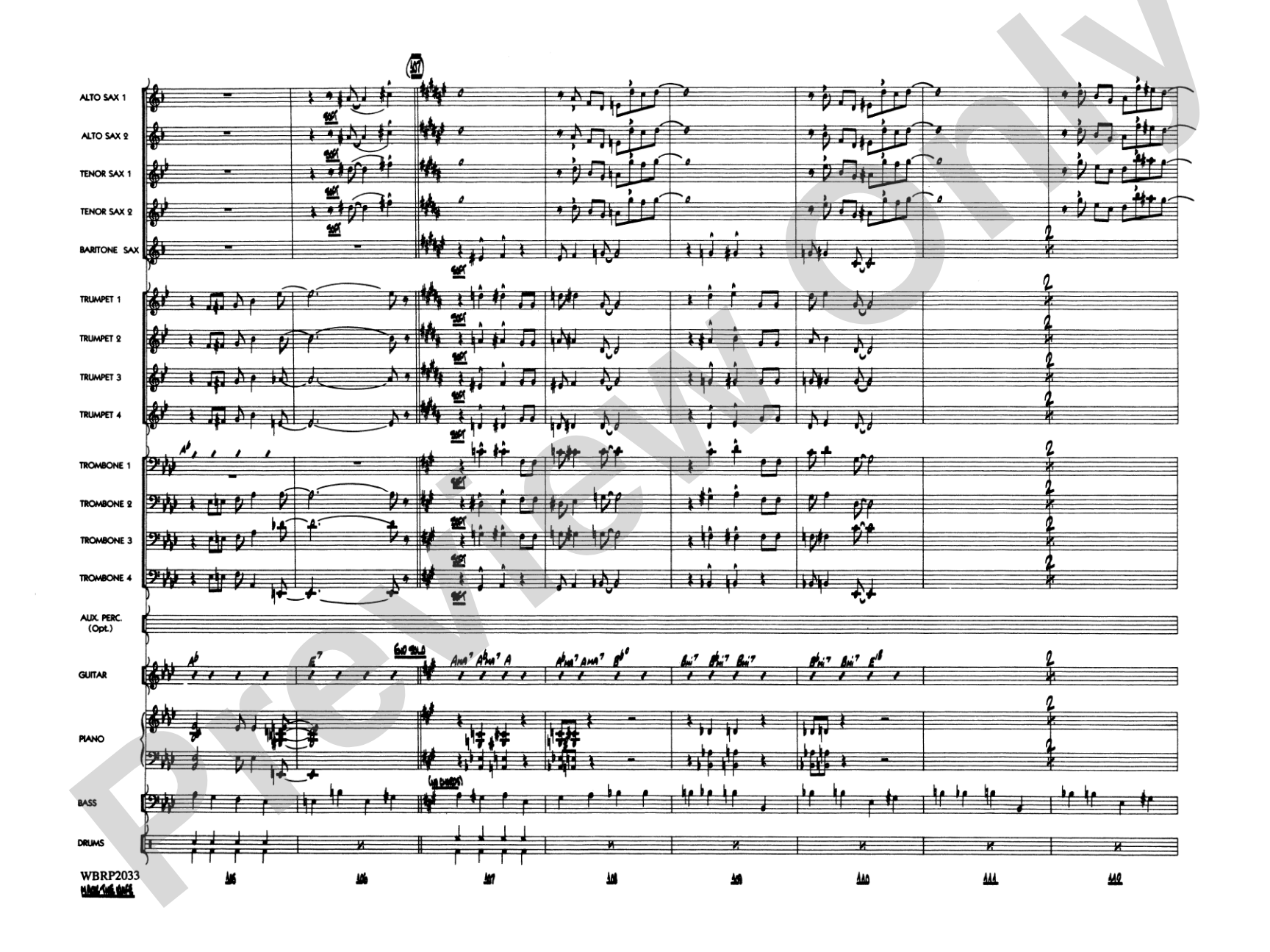
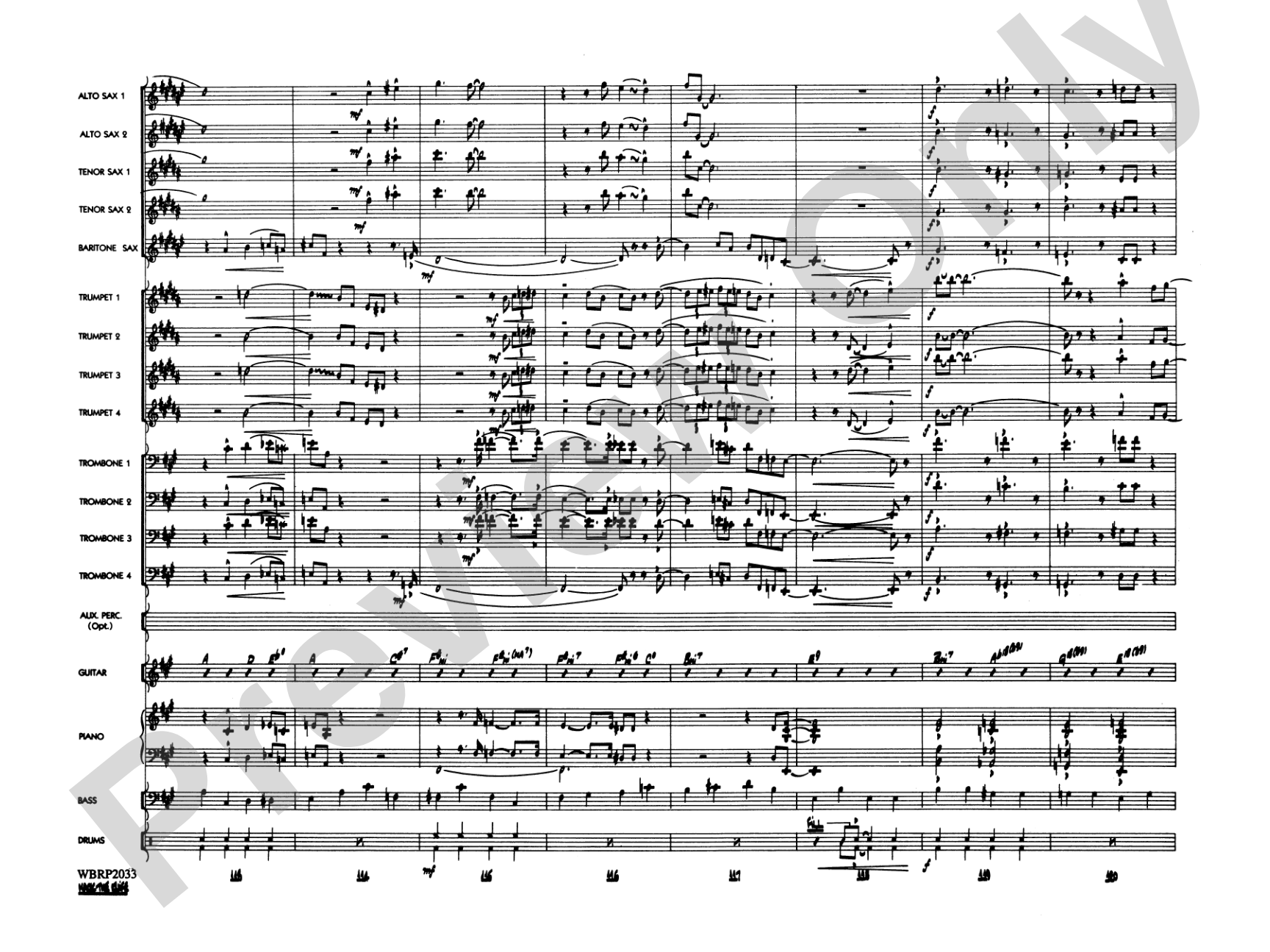
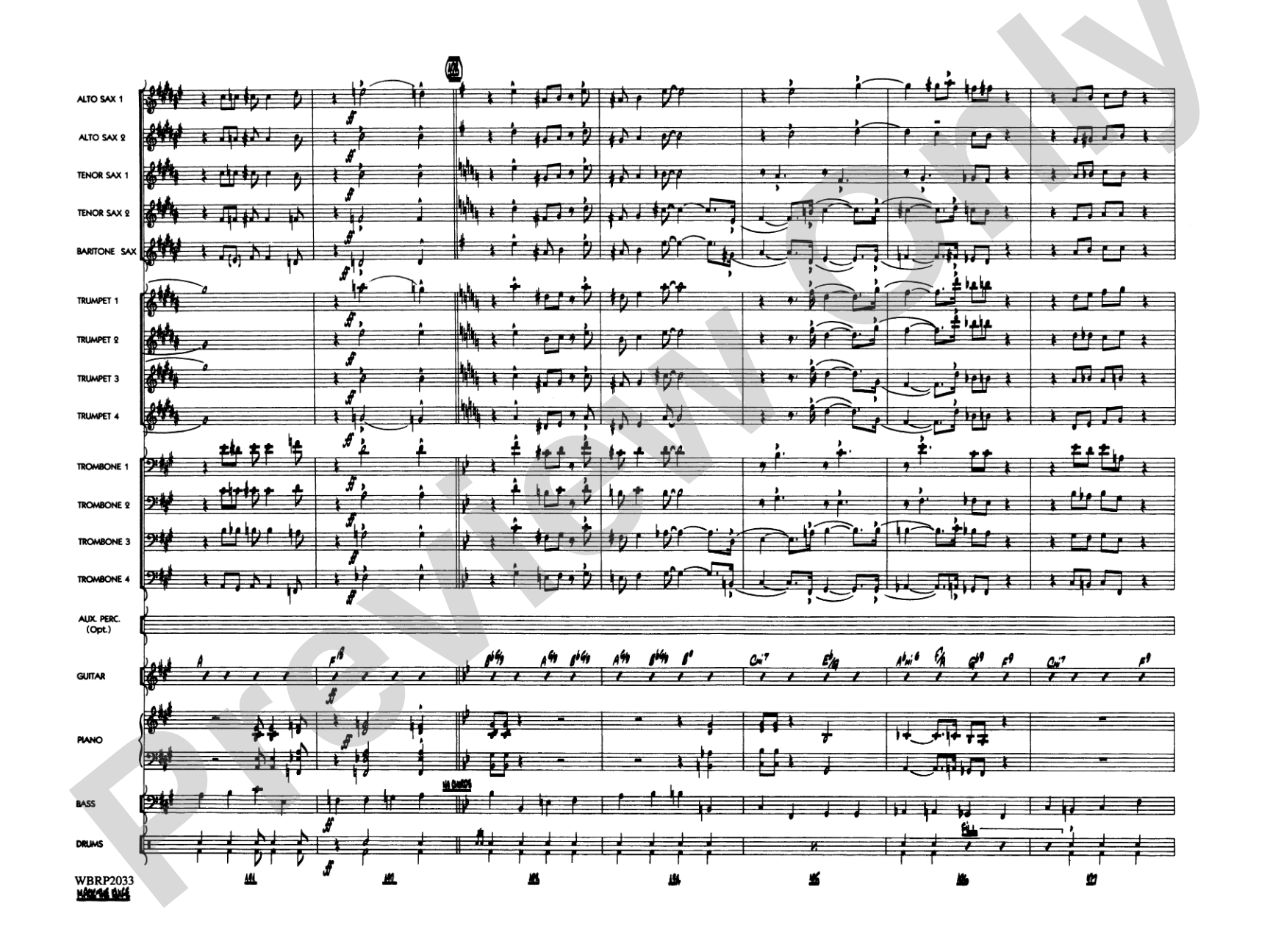
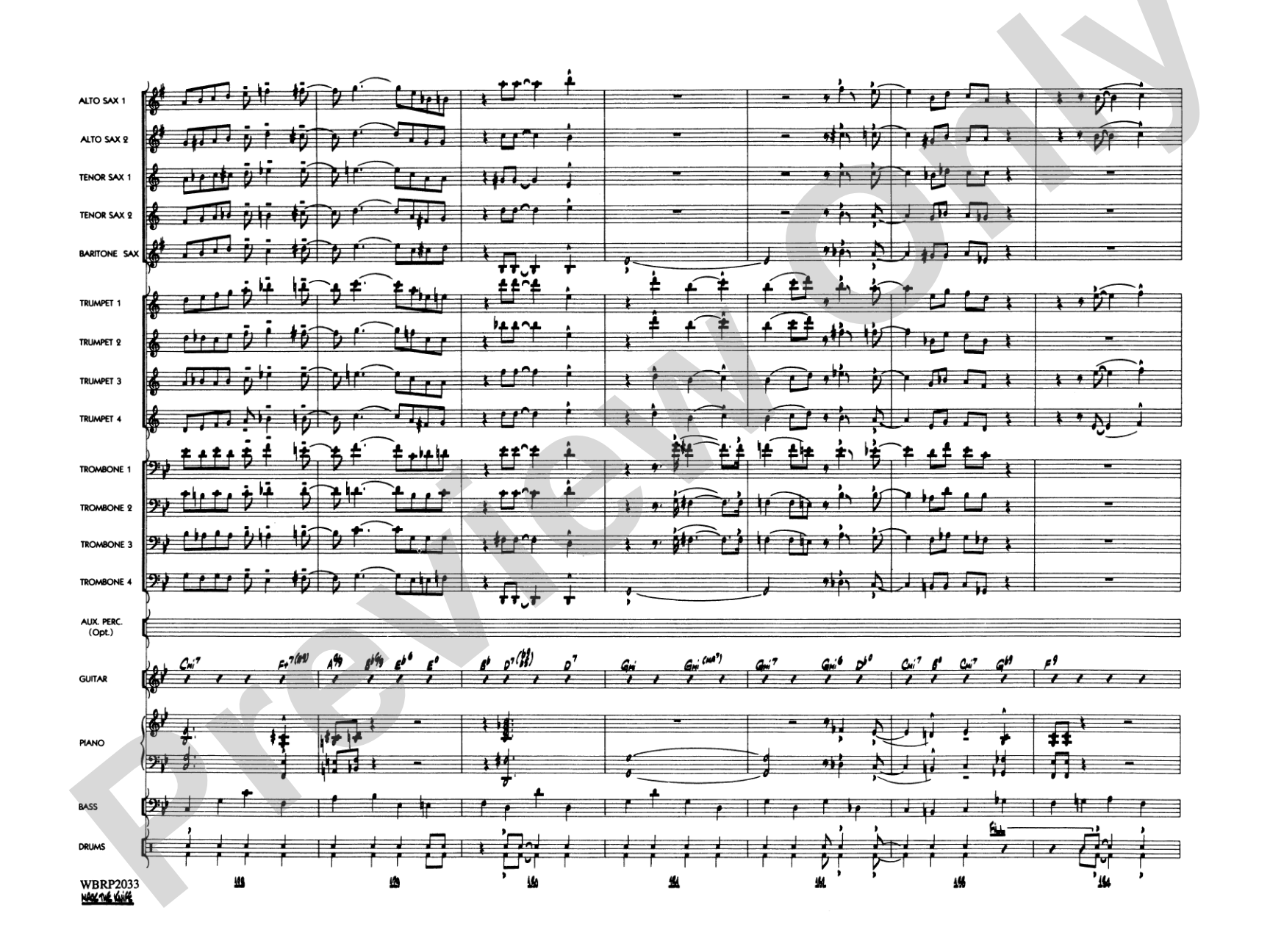
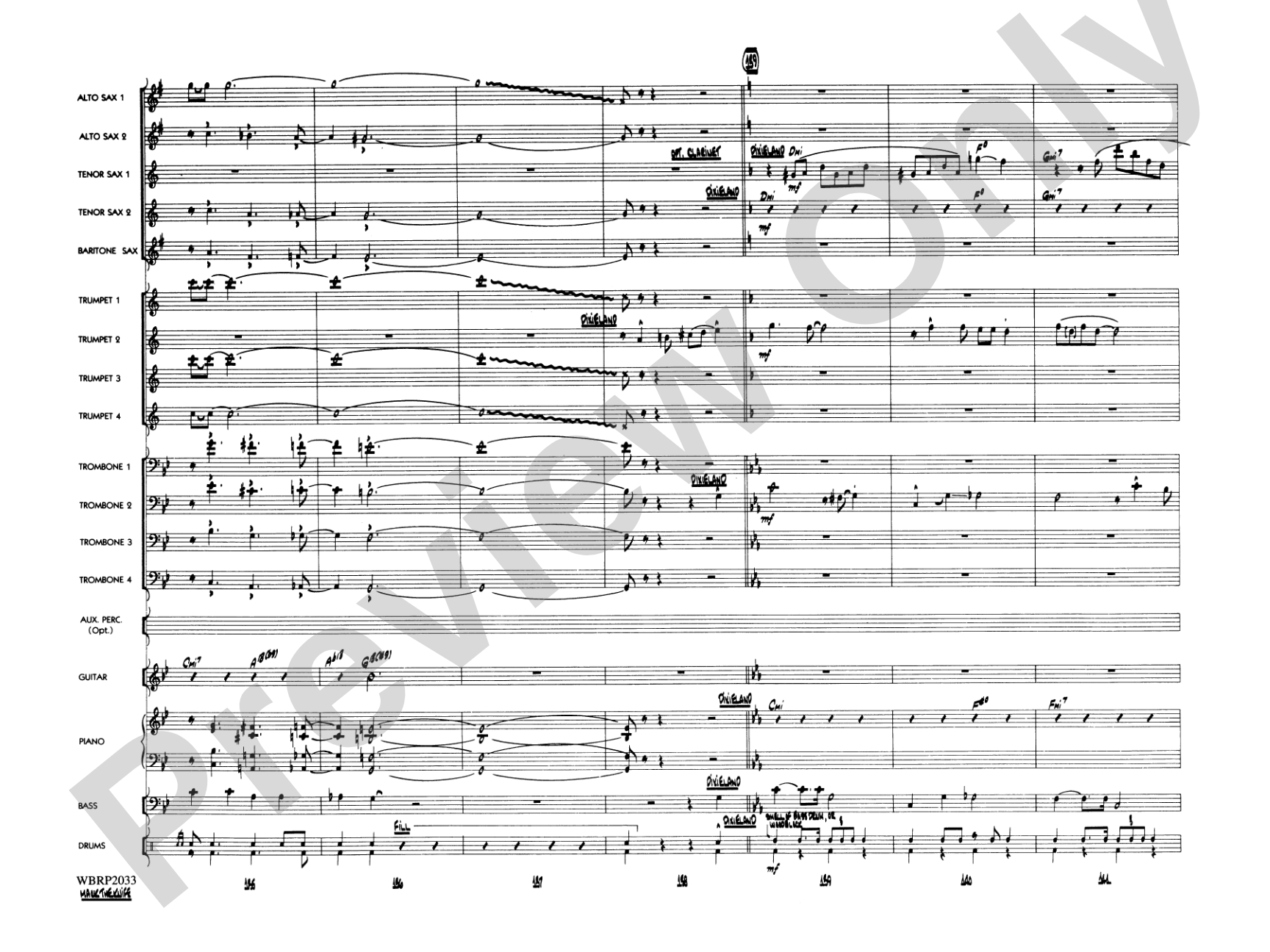
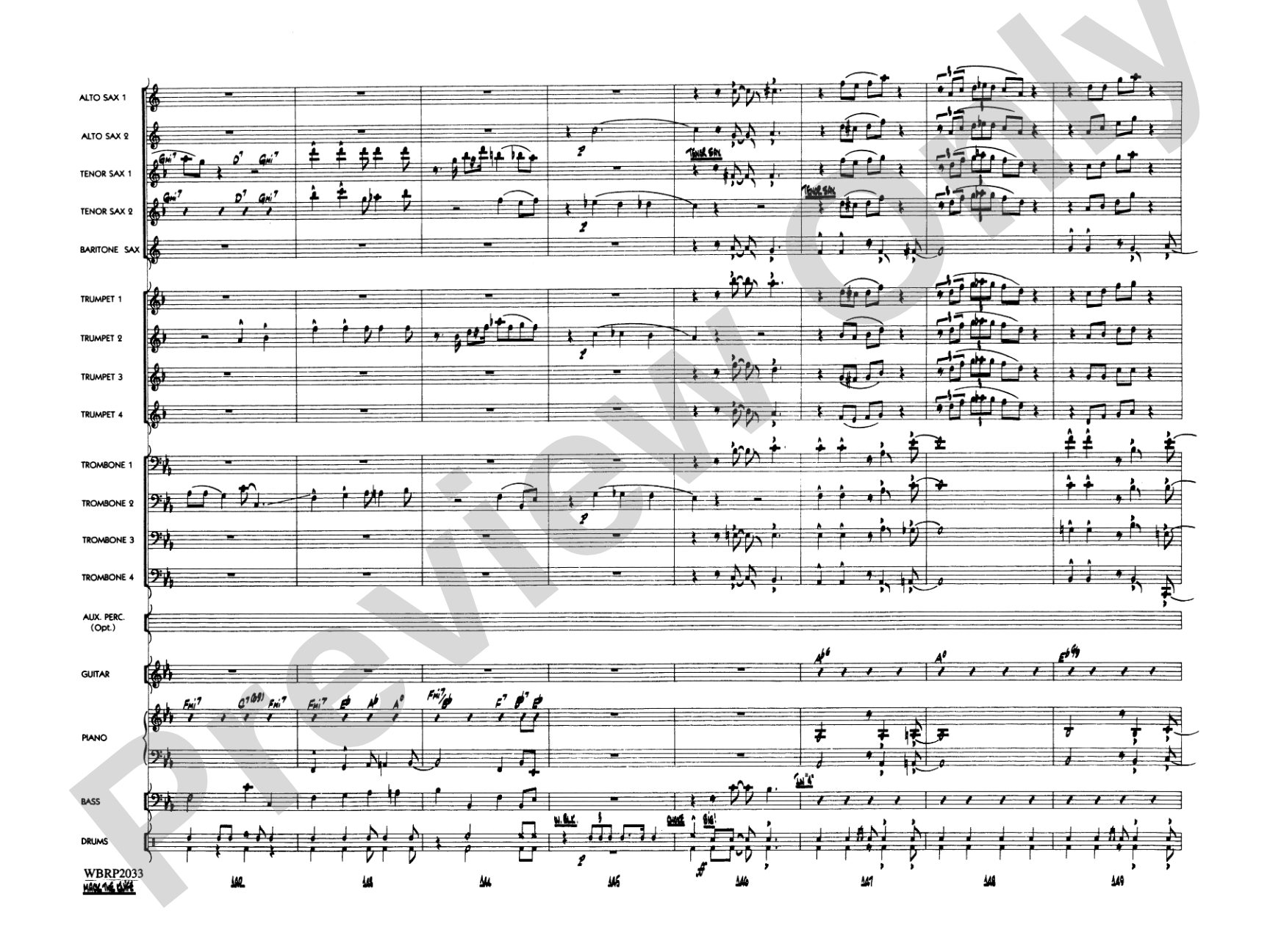
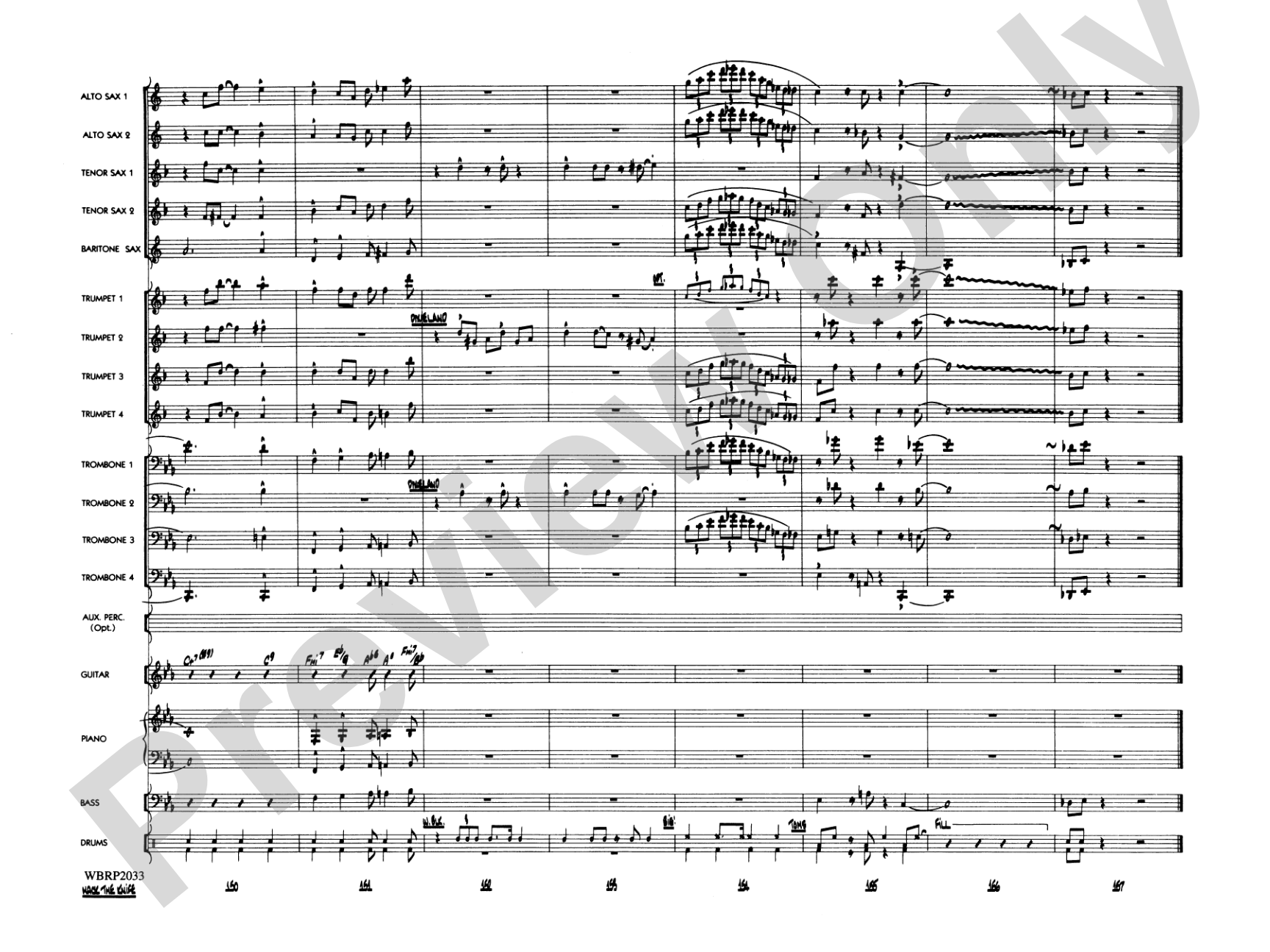



Mack the Knife (from The Threepenny Opera): Jazz Ensemble Conductor Score & Parts
By Kurt Weill / arr. Sammy Nestico
Grade: 3 (Medium)
Item: 00-PK-0002681

$50.00
One moment…
Description
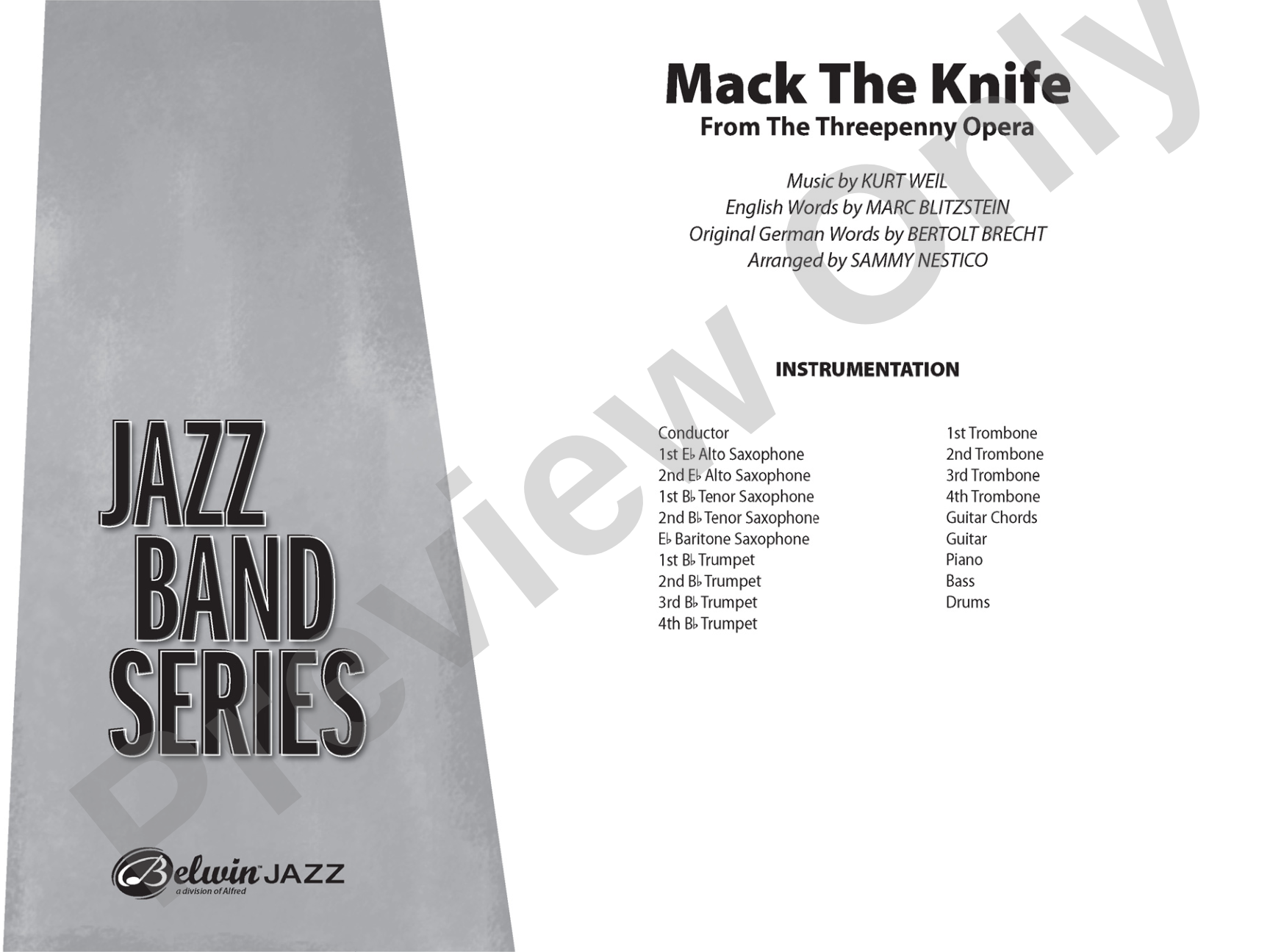
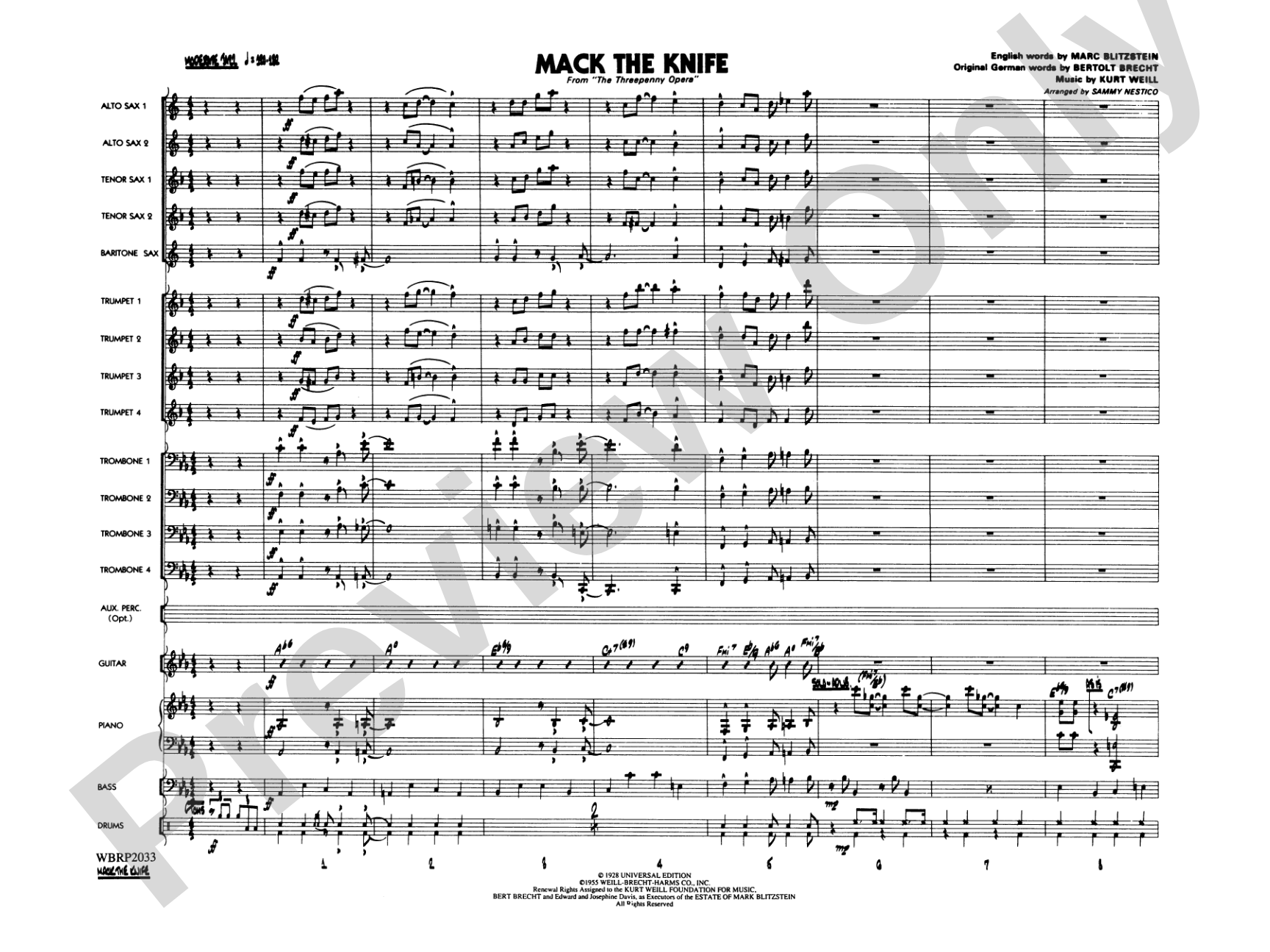
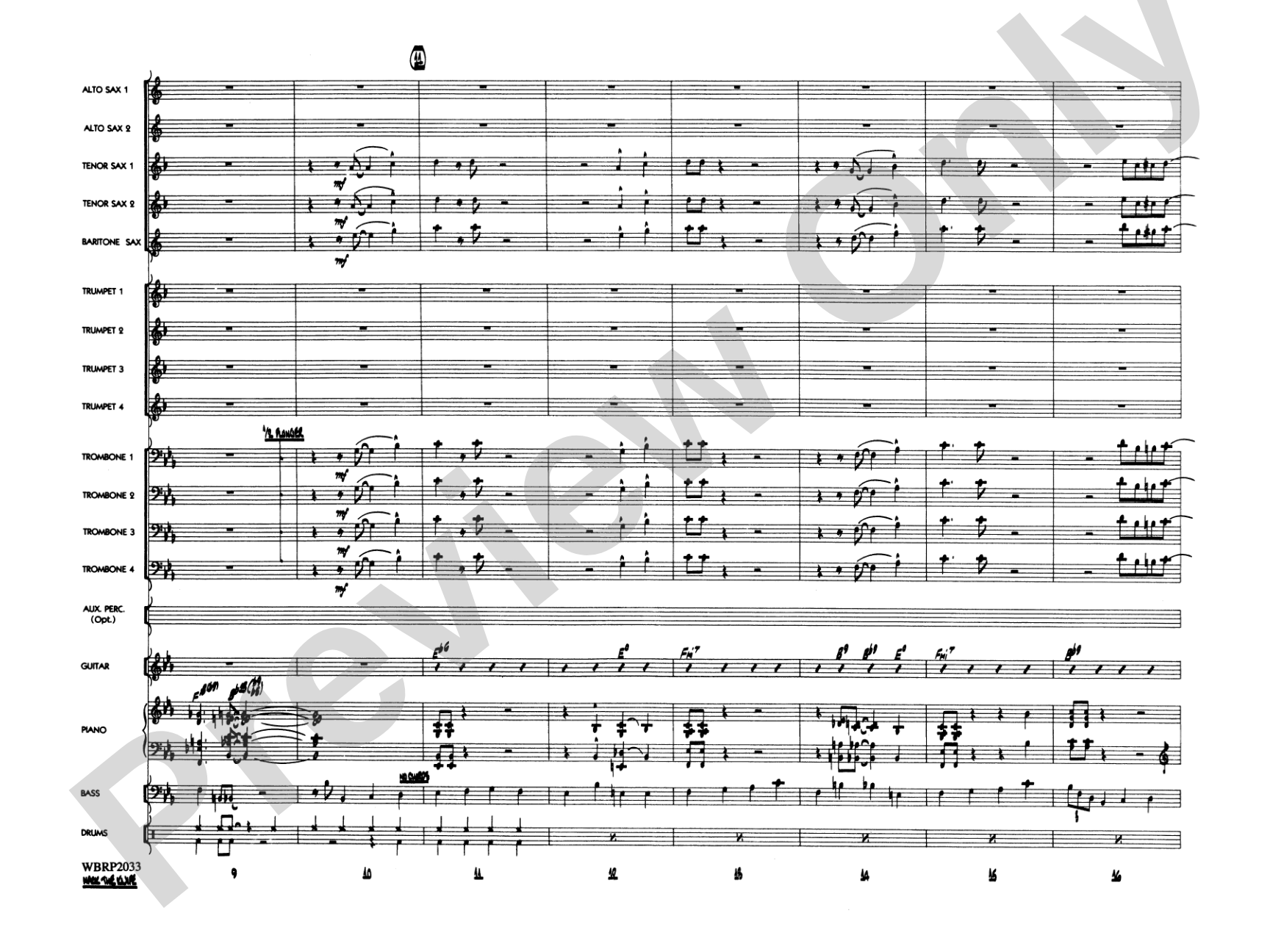
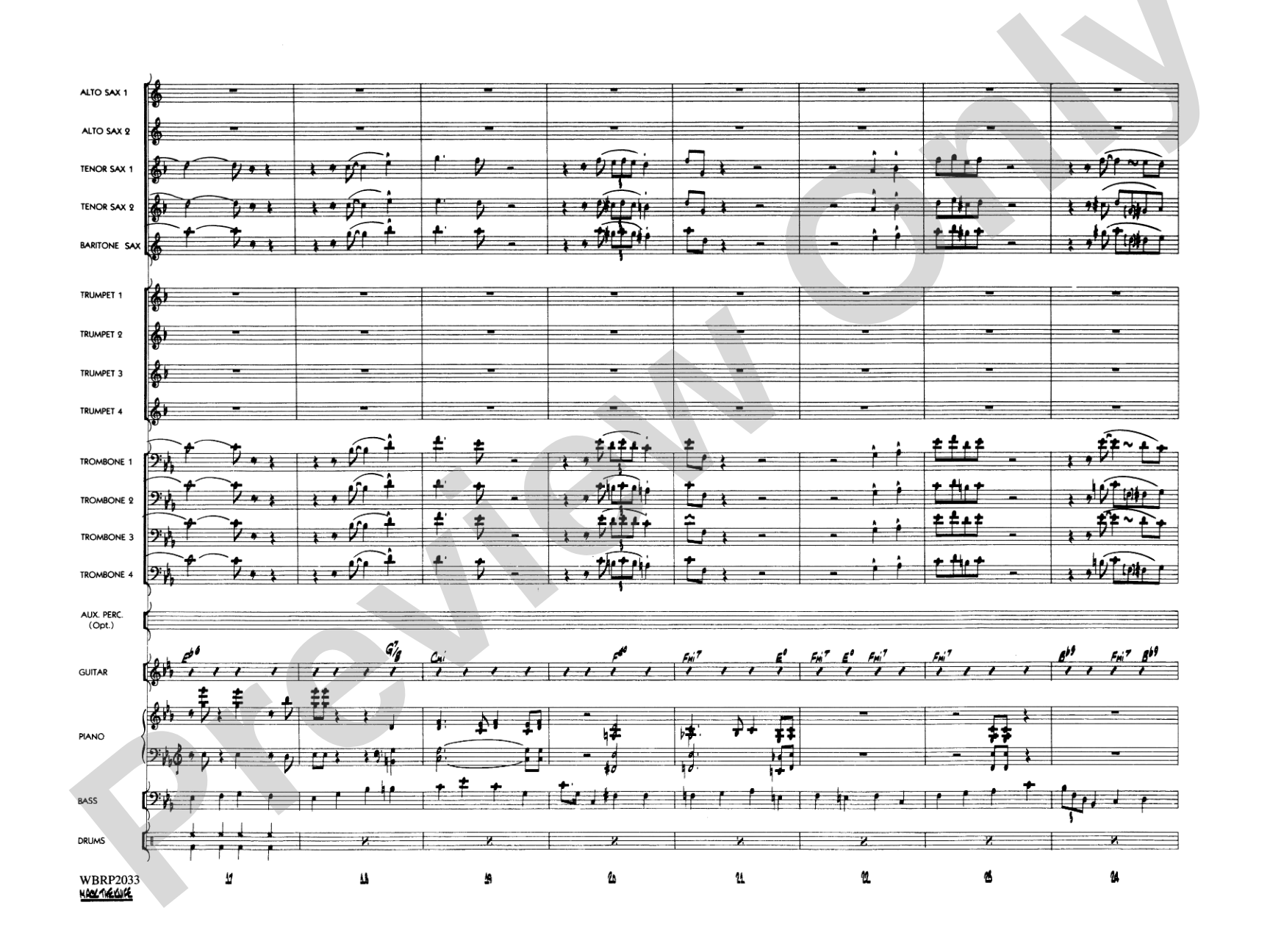
Mack the Knife from The Three Penny Opera is designed for high school and advanced junior high school band. Instrumentation includes 5 saxophones, 8 brass, and 4 rhythm parts. Optional parts include flute, tuba, horn in F and Baritone T.C./ tenor saxophone. Solos are written out with chords changes, rhythm section parts suggest chord voicings and rhythms and guitar chord frames are provided to help young guitarists.


Don't just read it, hear it, play along with it, and watch your students grow with it. In MakeMusic Cloud, Mack the Knife (from The Threepenny Opera): Jazz Ensemble Conductor Score & Parts comes alive with professional accompaniment, adjustable tempo, and built-in practice tools that turn solo practice into real progress.
Open in the Player
Jump straight in and assign it today.
Start Your Free Trial
Open this title and explore the full library in minutes.
Sample Audio
No sample audio found.
Sample Video
No sample videos found.
Additional Details
Series:
Jazz Band Series
Publisher:
Alfred Music
Page Count:
67
SKU:
00-PK-0002681
More about this title
About the Composer: Kurt Weill
Kurt Weill (1900-1950) was a German composer who fundamentally reshaped musical theater by blending classical training with vernacular styles, blues, and jazz idioms. His collaboration with lyricist Bertolt Brecht on The Threepenny Opera created one of the 20th century's most influential works, introducing audiences to a new kind of socially conscious musical drama that rejected romantic convention.
Weill's compositions for young musicians and ensembles remain central to jazz education because they balance structural sophistication with accessibility. His gift for memorable melody, combined with his willingness to work across genres, made him an ideal composer for pieces that challenge students musically while keeping them engaged and entertained.
Why we love this
Sammy Nestico's arrangement captures the darkly witty character of Weill's original while sitting perfectly in the hands of high school jazz musicians. The written-out solos give young improvisers a scaffold without removing the jazz feel, and the rhythm section voicings are transparent enough to guide without overwhelming players who are still building confidence.
What to expect
There's a theatrical menace in this piece, tempered by Weill's melodic generosity. The arrangement swings with a slight edge, confident and a little mischievous, as if the ensemble knows something the audience doesn't. It's music that sounds both sophisticated and fun to play.
Who it's for
This arrangement serves high school jazz ensembles and advanced junior high groups ready for Grade 3 material with genuine jazz vocabulary. Directors programming festival repertoire or concert sets will find a piece that gives young musicians real improvisational experience while delivering a recognizable, engaging tune that audiences enjoy.
How to get the most out of it
- Keep the articulation crisp and slightly detached, especially in the brass section during ensemble passages. The piece's sardonic edge depends on clarity, not warmth.
- Lock the rhythm section early and often. The guitar chord frames are there for a reason: when the rhythm section understands the harmonic movement, everything else settles in place.
- Treat the written solos as starting points, not final versions. Once students understand the chord changes and the melody, encourage them to reshape phrases and explore variations during rehearsal.
- Don't rush the tempo. The piece has enough rhythmic activity that a steady, confident pace will feel faster than it is. A dragging tempo kills the swagger.
How to use it
This works particularly well in a program slot where you want to shift energy without losing musicality. Pair it with a ballad or a classical movement to show range, or bookend it with other jazz standards to demonstrate breadth of repertoire. It's also a natural choice for jazz festival competitions because it's recognizable, playable at this level, and clearly demonstrates jazz fundamentals.
Skills your students will build
- Reading and executing written jazz articulation and phrasing
- Understanding chord changes and comping in a small-group jazz context
- Trading solos and responding to ensemble figures
- Interpreting chord symbols and guitar frames as a rhythm section
- Building confidence with improvisation using provided harmonic scaffolding
- Balancing ensemble cohesion with individual voice in a jazz texture