
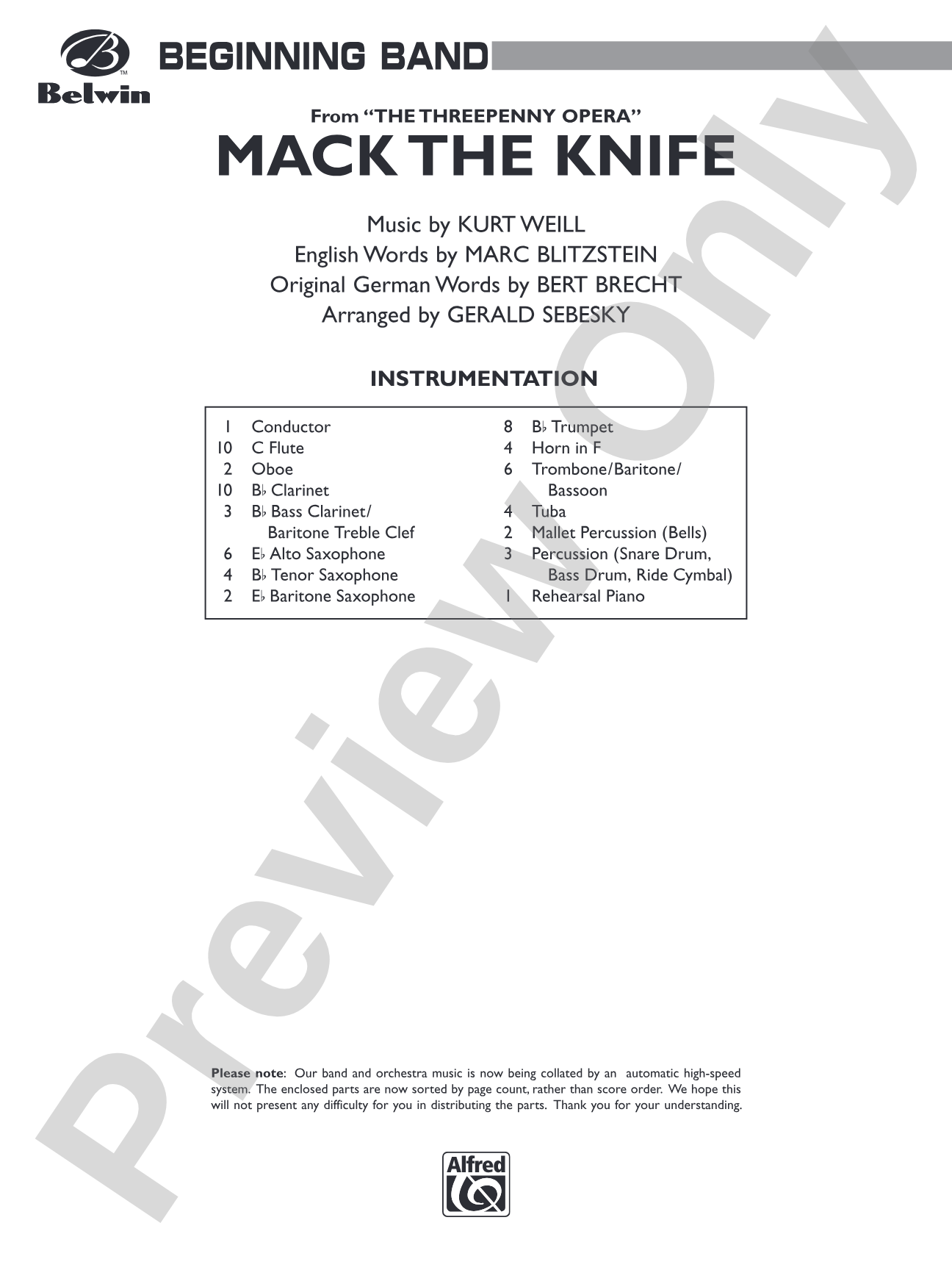

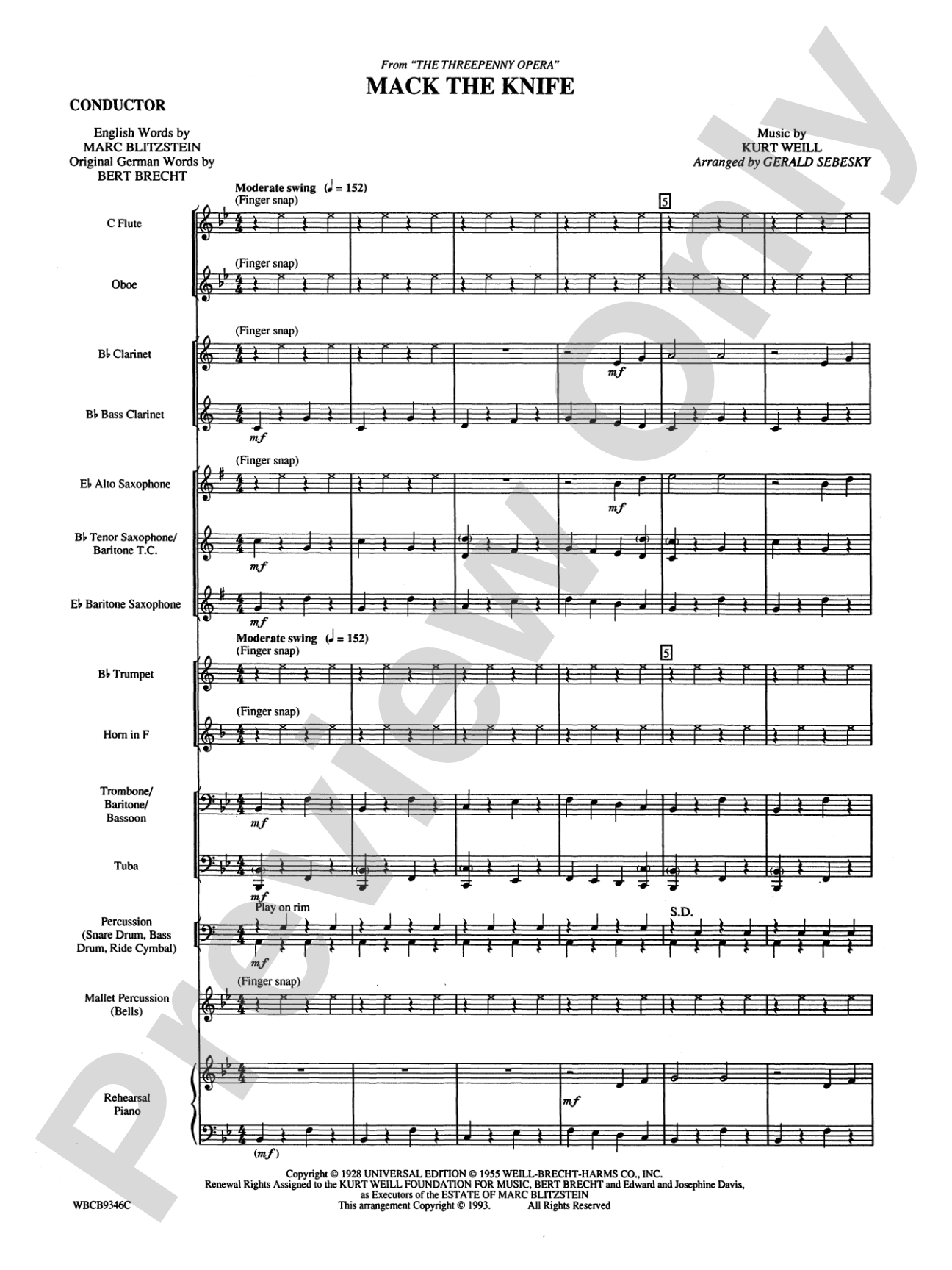
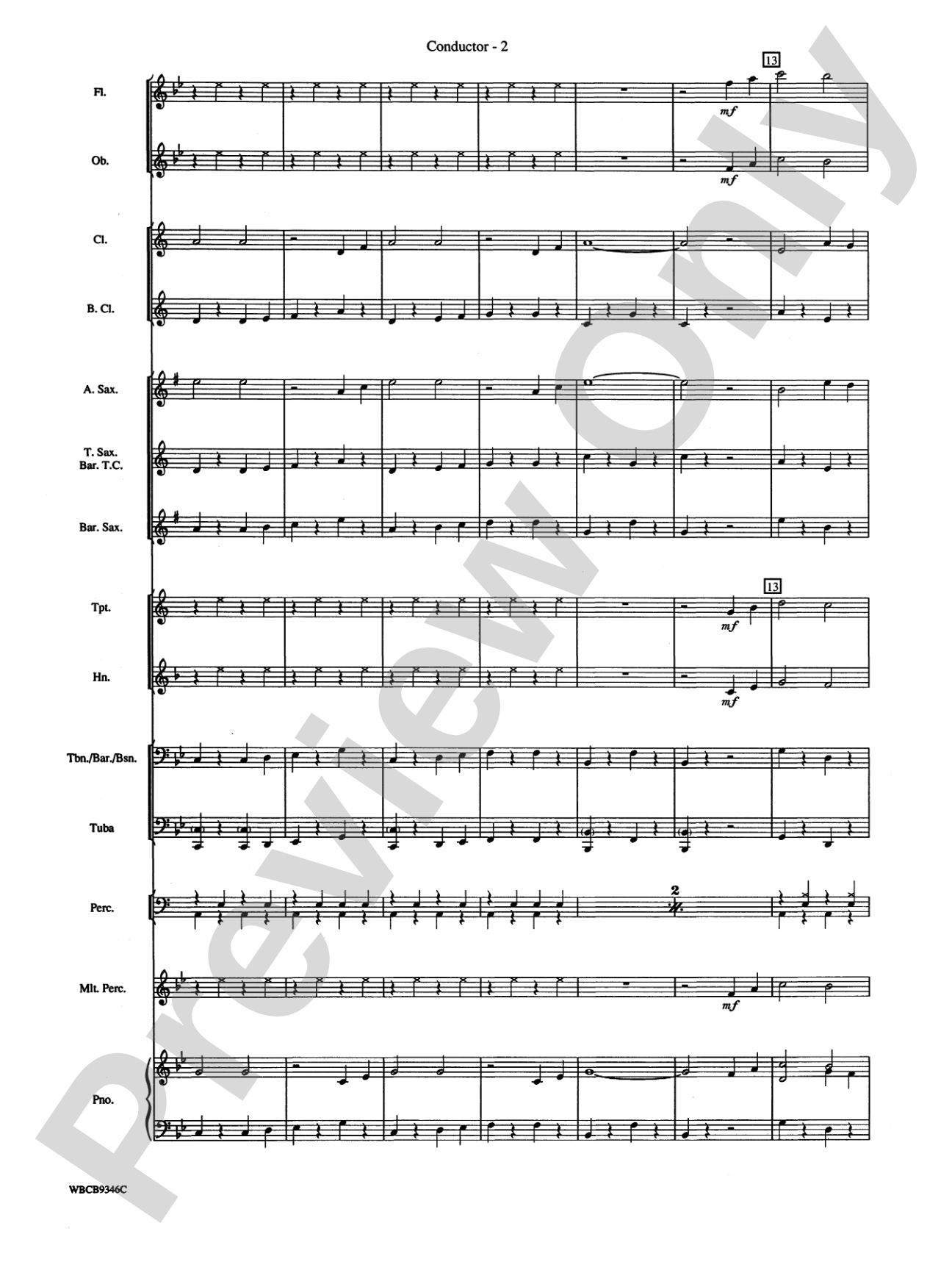
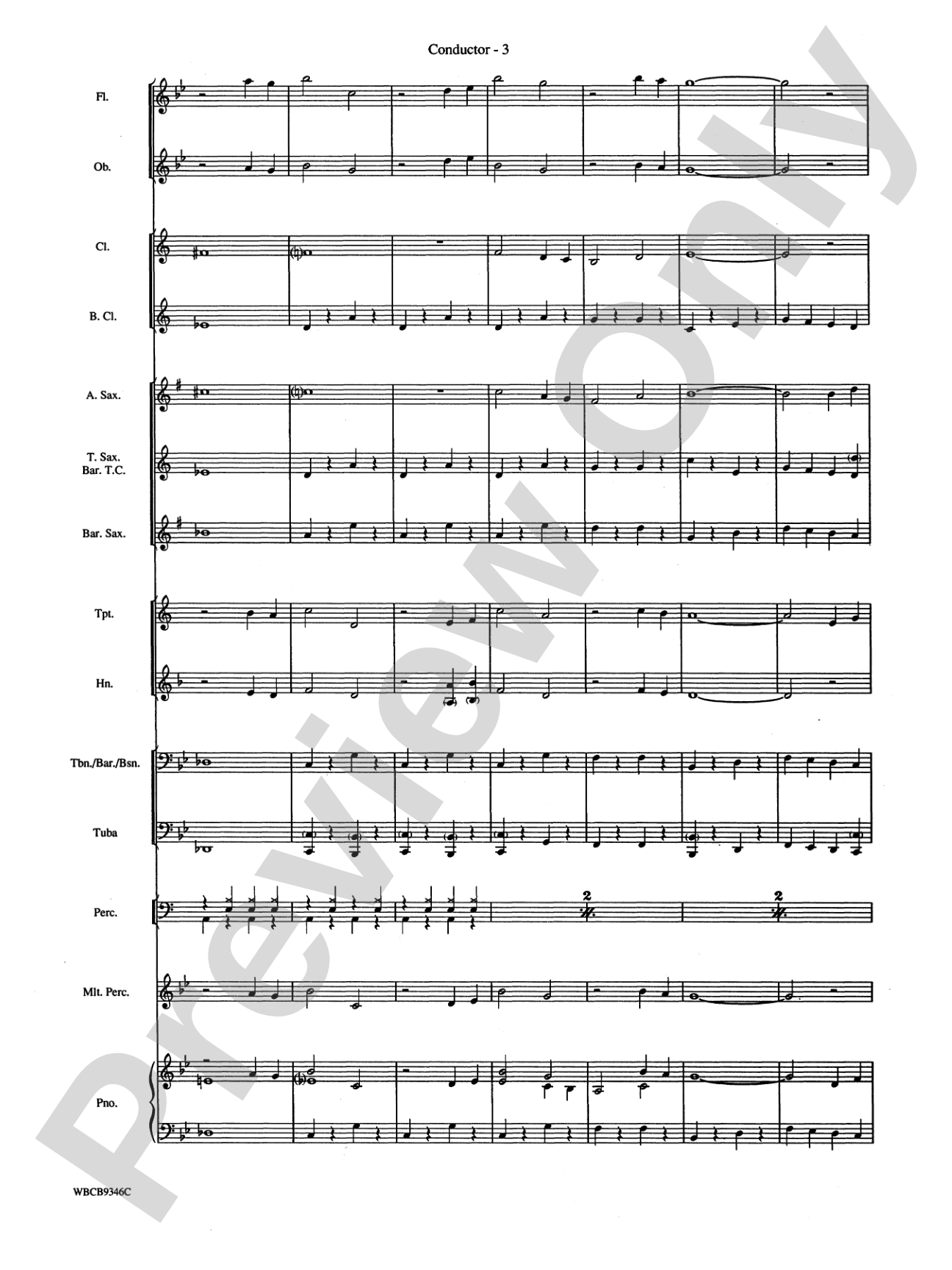
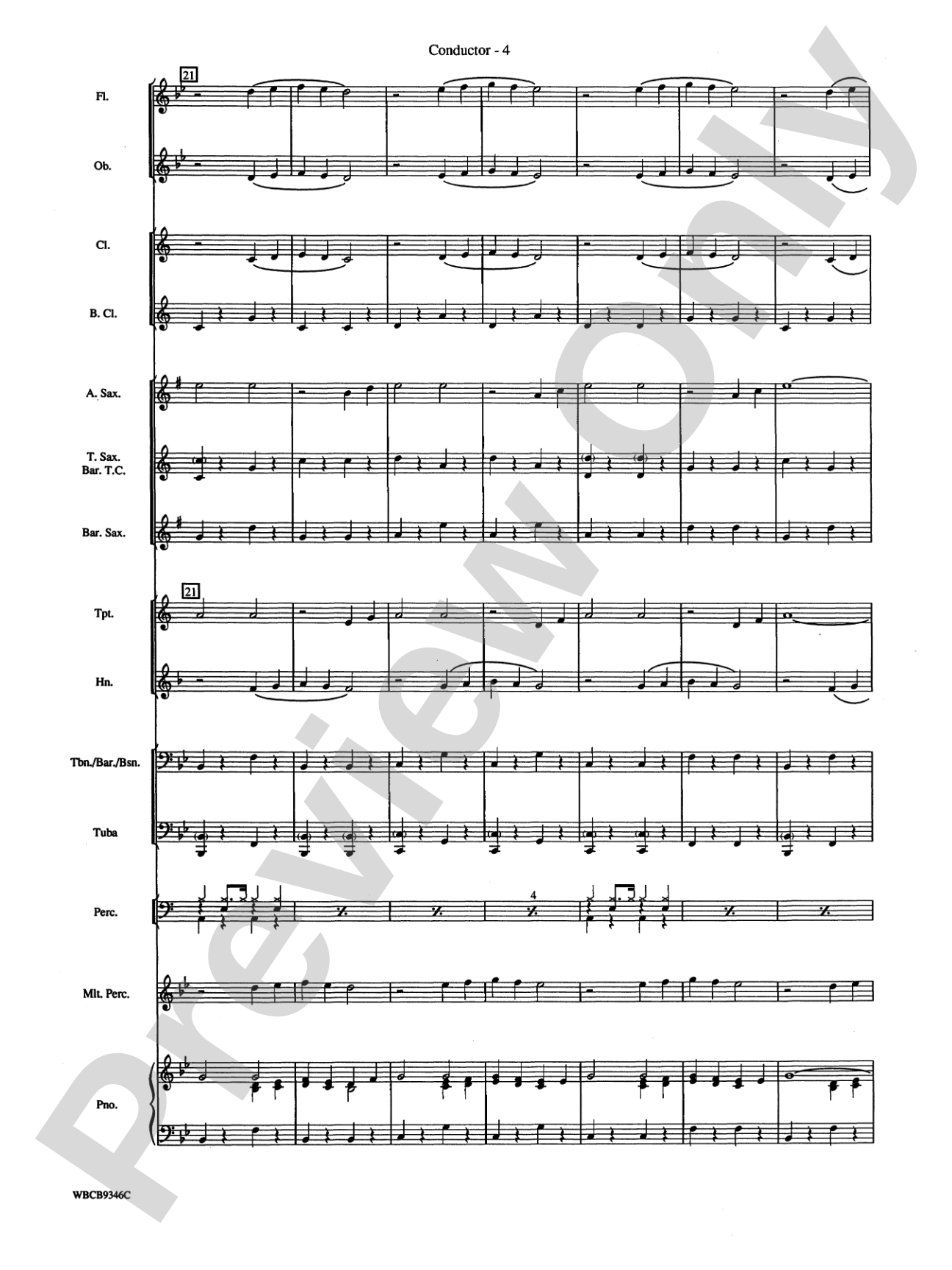
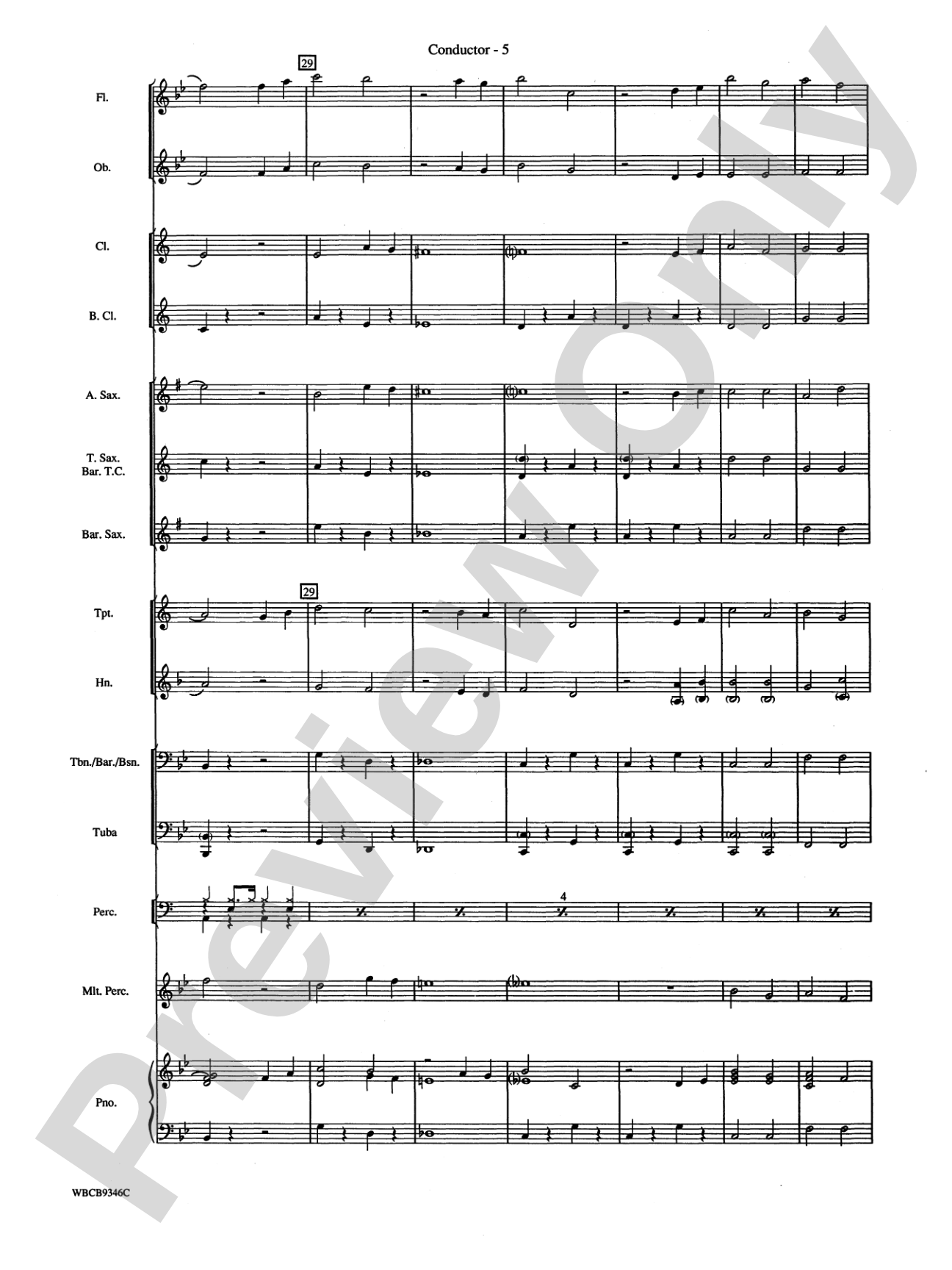
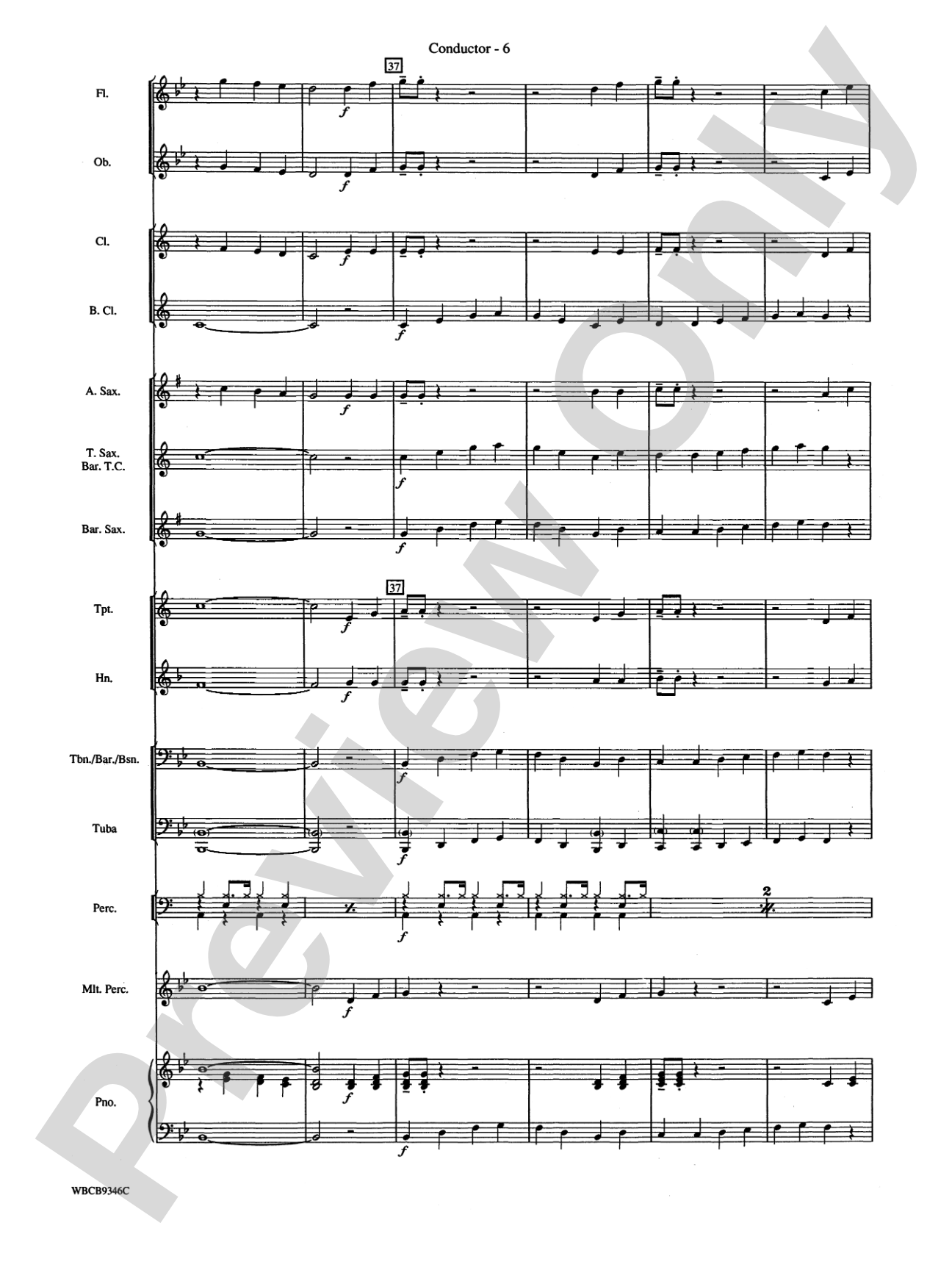
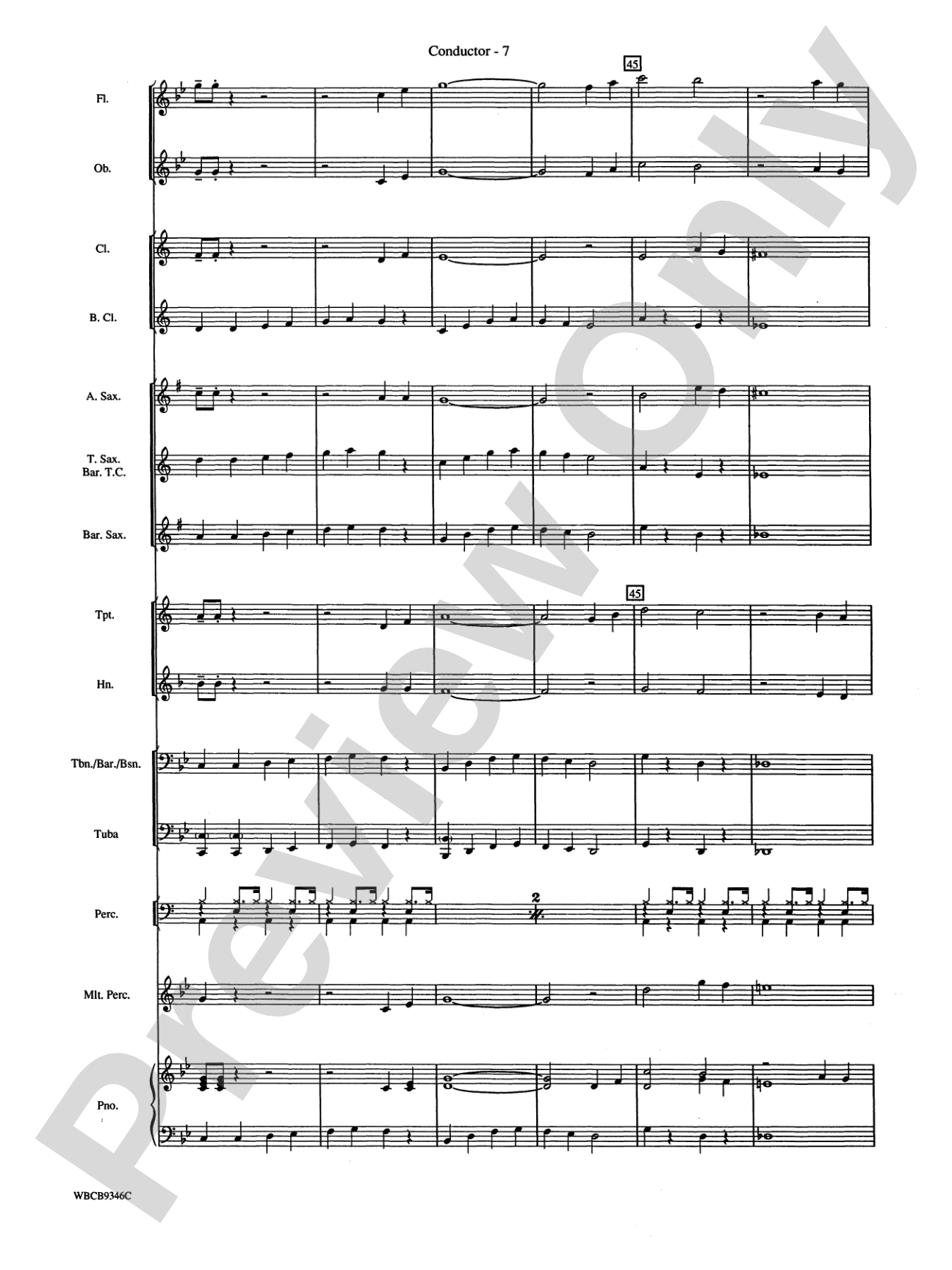
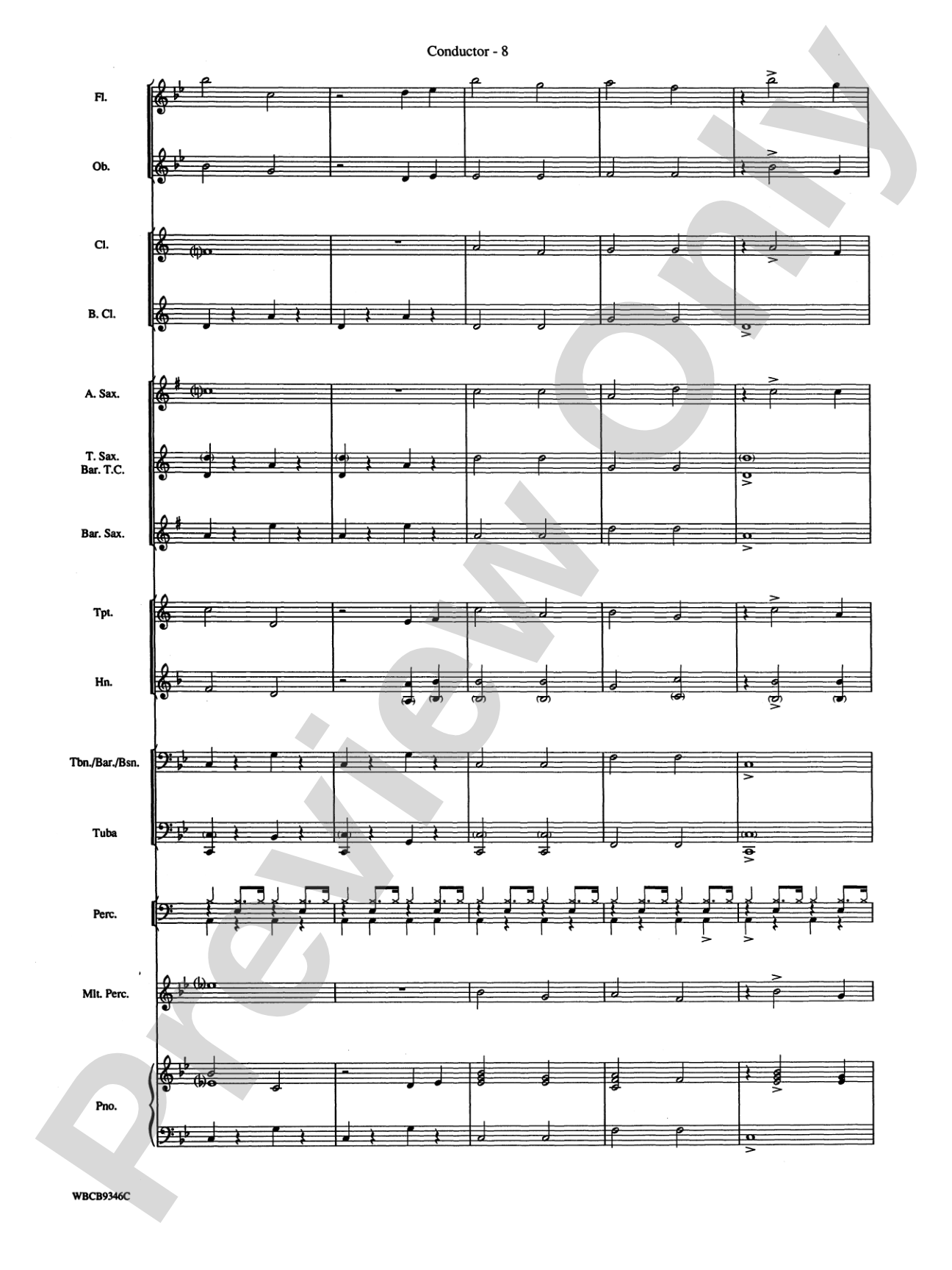
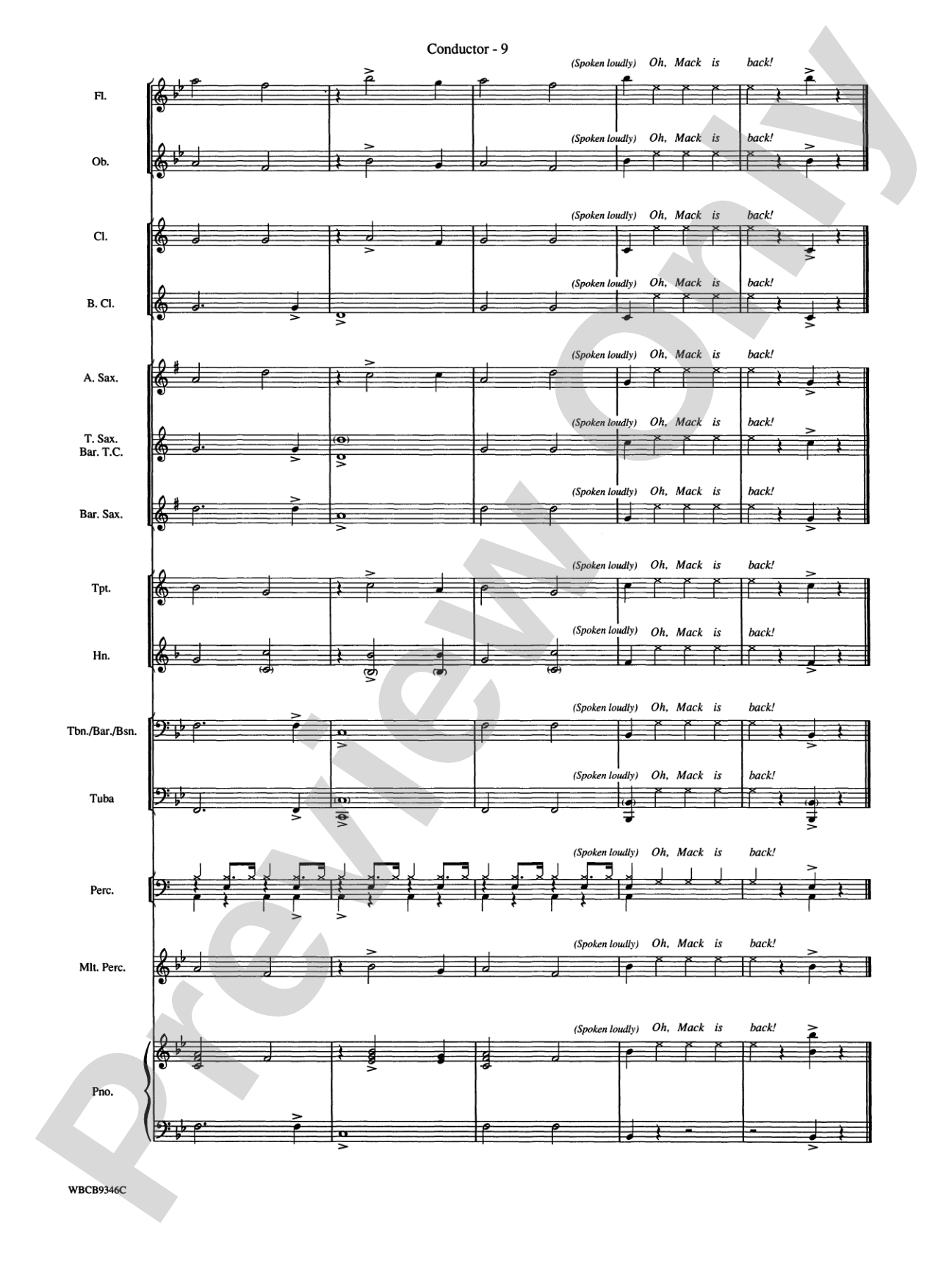


Mack the Knife (from The Threepenny Opera): Concert Band Conductor Score & Parts
By Kurt Weill / arr. Gerald Sebesky
Grade: 1 (Very Easy)
Item: 00-PK-0002660

$55.00
One moment…
Related Items
Mack the Knife (from The Threepenny Opera): Concert Band Conductor Score & Parts |
$55.00
|
View |
Description
'Oh, Mack is back!' It's a delight to roll out the welcome mat for this very easy arrangement of a classic standard title. Audiences will recognize it, and players will be 'cool' in the performance of this winner from The Threepenny Opera.


Don't just read it, hear it, play along with it, and watch your students grow with it. In MakeMusic Cloud, Mack the Knife (from The Threepenny Opera): Concert Band Conductor Score & Parts comes alive with professional accompaniment, adjustable tempo, and built-in practice tools that turn solo practice into real progress.
Open in the Player
Jump straight in and assign it today.
Start Your Free Trial
Open this title and explore the full library in minutes.
Sample Audio
No sample audio found.
Sample Video
No sample videos found.
Additional Details
Series:
Beginning Band
Publisher:
Alfred Music
Page Count:
132
SKU:
00-PK-0002660
More about this title
About the Composer: Kurt Weill
Kurt Weill (1900-1950) was a German composer who revolutionized musical theater by blending classical training with jazz, cabaret, and popular idioms. His collaboration with lyricist Bertolt Brecht on The Threepenny Opera (1928) created one of the most influential works of 20th-century music, introducing audiences to unforgettable melodies wrapped in socially conscious storytelling. After emigrating to the United States, Weill continued composing for Broadway and film, proving that serious musical thought could thrive in popular contexts.
For music educators, Weill's work demonstrates how strong melody and clear harmonic language can serve both artistic depth and accessibility. His scores reward careful attention to style and phrasing while remaining performable by musicians at all levels.
Why we love this
Sebesky's Grade 1 arrangement captures the swagger and dark humor of this Weill classic without oversimplifying its character. Band students get to play a genuine standard that audiences immediately recognize, building confidence through association with a piece that carries real musical weight. The very accessible voicing means your ensemble can focus on style, ensemble blend, and rhythmic precision rather than fighting the notes.
What to expect
Streetwise and clever, with a jazzy swagger that feels both playful and slightly dangerous. The famous melody sits comfortably in the middle register where beginning bands thrive, while the underlying harmonies suggest the sophistication of Weill's original without demanding advanced technique to realize it.
Who it's for
Beginning band directors working with Grade 1 ensembles who want to program a recognizable, historically significant title that won't overwhelm developing musicians. Student musicians who benefit from learning a piece their families and friends actually know, turning a rehearsal experience into a confidence builder for the stage.
How to get the most out of it
- Shape the melody with a slight lilt in the swing feel; this isn't a march, and it shouldn't sound mechanical or heavy.
- Balance the accompaniment carefully so the characteristic bass line and harmonic progression remain clear without drowning the soloists or featured voices.
- Lean into the jazz inflections (approach notes, rhythmic syncopation) that give 'Mack the Knife' its edge; these details separate a characterful performance from a generic one.
- Use dynamic contrast between sections to maintain interest across the full piece; the repetition of familiar material becomes more engaging when the band shapes it expressively.
How to use it
Open a pops concert or lighter program with this crowd-pleaser; audiences respond immediately to the recognizable theme, and it sets an engaging tone for the rest of the evening. Pair it with other accessible 20th-century standards or Broadway selections to create a thematic program that validates popular music while maintaining artistic credibility.
Skills your students will build
- Swing rhythm and jazz articulation (straight eighth-notes vs. swung eighth-notes)
- Balanced ensemble blend when multiple sections voice similar material
- Sustained legit phrasing over syncopated accompaniment
- Stylistic awareness of cabaret and popular song idioms in classical instrumentation