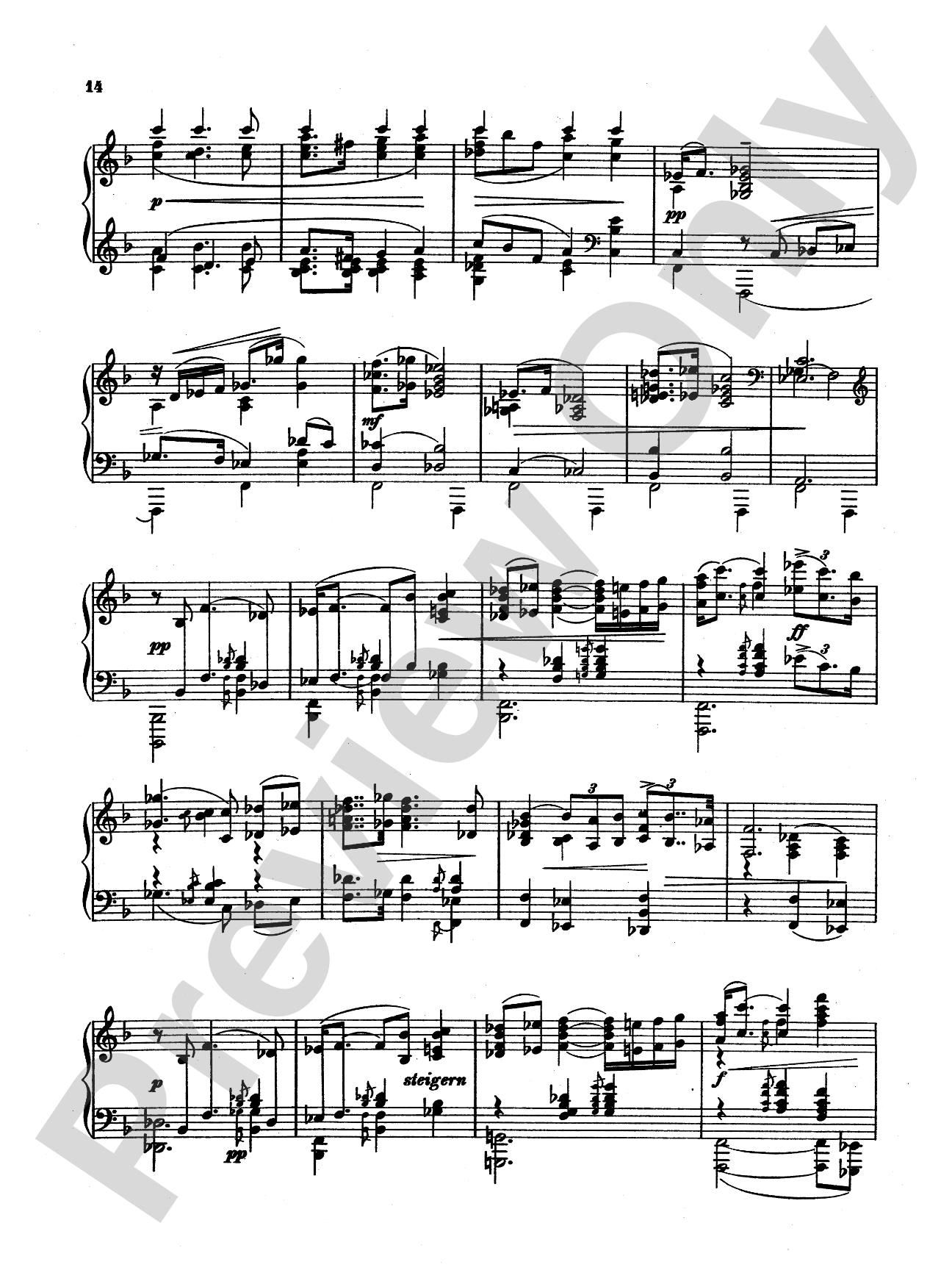
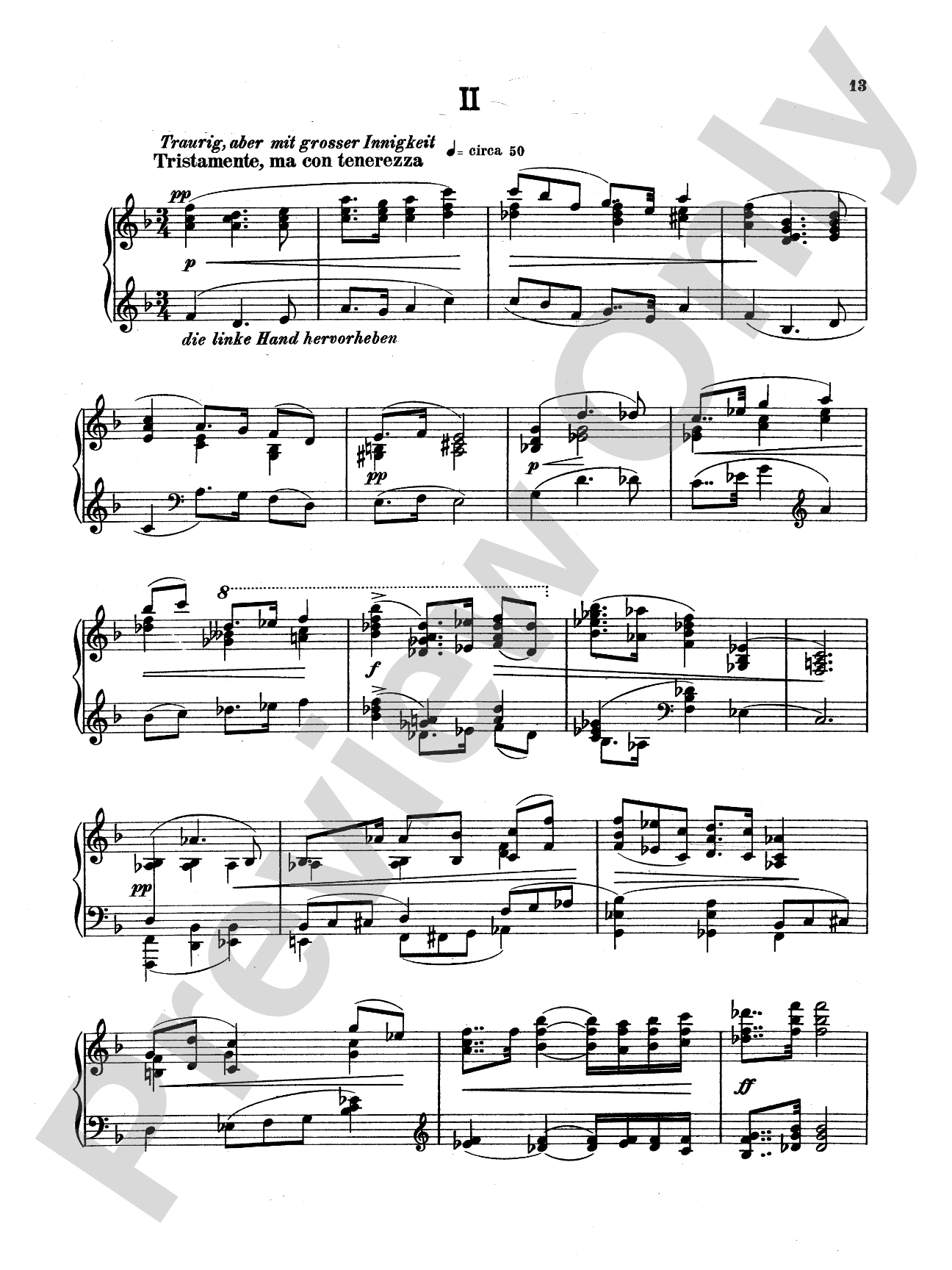
MacDowell: Sonata No. 3, Op. 57 Sheet Music Preview

MacDowell: Sonata No. 3, Op. 57

By Edward MacDowell

Level: Intermediate / Advanced

Item: 00-PC-0008383

Digital Download
$1.99
Description
Expertly arranged piano solo from our Kalmus Edition.

Don't just read it, hear it, play along with it, and watch your students grow with it. In MakeMusic Cloud, MacDowell: Sonata No. 3, Op. 57 comes alive with professional accompaniment, adjustable tempo, and built-in practice tools that turn solo practice into real progress.

Sample Audio
No sample audio found.
Sample Video
Additional Details
Series: Kalmus Edition
Publisher: Alfred Music
Page Count: 28
SKU: 00-PC-0008383

More about this title

About the Composer: Edward MacDowell

Edward MacDowell (1860-1908) stands as the most celebrated American composer of the late 19th century, bridging European Romantic traditions with an emerging American voice. Trained in Germany and influenced by Liszt and Raff, MacDowell synthesized German symphonic craftsmanship with lyrical sensibility, creating works that earned him international recognition while establishing the foundation for American concert music.

MacDowell's three piano sonatas represent the pinnacle of his compositional ambition. Written during his most productive years, they demand mature artistry and reward performers with some of the most rewarding piano literature of the Romantic era. His legacy extends beyond composition; as founder and first director of the music department at Columbia University, he shaped American music education and left behind a catalog that remains central to the pianist's repertoire.

Why we love this

The Third Sonata showcases MacDowell at his most symphonic and structurally assured. This is substantial repertoire that allows accomplished pianists to engage with genuinely complex harmonic language and architectural design without sacrificing lyricism, making it ideal for students ready to tackle the Romantic canon with interpretive depth.

What to expect

MacDowell's Third Sonata unfolds with a dramatic intensity grounded in lyrical impulse. Its harmonic language is richer and more searching than his earlier works, moving between moments of Romantic expansiveness and introspective passages where the pianist must navigate delicate harmonic terrain. The work feels both intellectually rigorous and emotionally direct.

Who it's for

This sonata serves advanced intermediate and advanced pianists who have solidified technique in the Classical-era sonata and are ready to engage with full-scale Romantic composition. It suits students preparing for college auditions, advanced festival repertoire, or recitals seeking substantial American concert music.

How to get the most out of it

  • Attend carefully to MacDowell's pedal markings; his use of the sustain pedal shapes harmonic color as much as melodic line, and precise pedaling distinguishes refined interpretations from muddy ones.
  • Balance the outer voices against inner harmonic movement in passages where multiple voices compete for prominence. MacDowell often writes piano textures with independent inner lines that can overwhelm the melody if not managed with touch control.
  • Approach key transitions and harmonic shifts with structural clarity. This sonata uses tonal ambiguity as a compositional tool; allow moments of harmonic uncertainty to breathe rather than rushing toward resolution.
  • Shape longer phrases across several pages by maintaining a clear sense of destination. The sonata's extended developments reward performers who hear through structural arcs rather than measure-to-measure.

How to use it

Feature this sonata in a recital program exploring American Romantic piano music or as the centerpiece of a college audition program that demonstrates technical command and interpretive maturity. It pairs naturally with shorter MacDowell character pieces or with European Romantics like Brahms or Liszt whose influence shaped this work.

Skills your students will build

  • Interpreting complex harmonic language within Romantic tonal structures
  • Managing extended phrase architecture across multiple systems and pages
  • Balancing counterpoint in thick textures without sacrificing melodic line
  • Pedal technique responsive to harmonic color and sonority rather than mechanical sustain
  • Executing rapid passagework and octave patterns with control and clarity
  • Building structural cohesion across a large-scale, multi-movement form

You May Also Like