Lush Life Sheet Music Preview

Lush Life: E-Z Play Today

As performed by Billy Strayhorn

Item: 35-DS00700620

Digital Download
$4.99
Description

Lush Life: E-Z Play Today isn't in MakeMusic Cloud just yet...but it could be. Let us know you'd like to see it, and you'll help shape what comes next. In the meantime, start a free trial and dive into thousands of interactive titles your students can play along with today.

Sample Audio
No sample audio found.
Sample Video
Additional Details
Publisher: Hal Leonard
Page Count: 4
SKU: 35-DS00700620

More about this title

About the Artist: Billy Strayhorn

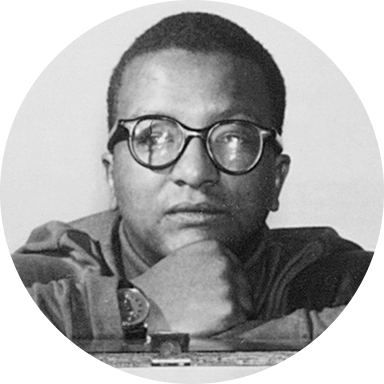
Billy Strayhorn

Billy Strayhorn emerged from Dayton, Ohio, in 1915 to become one of the twentieth century's most prolific jazz composers, though his name remained largely unknown to the public for decades. Beginning his partnership with Duke Ellington in 1939, Strayhorn authored some of jazz's most enduring standards, from the ubiquitous "Take the 'A' Train" to the harmonically intricate "Lush Life." His decision to live openly as a Black gay man during a deeply prejudiced era may have contributed to his historical invisibility, even as his compositions were recorded by virtually every major jazz artist of his generation.

Strayhorn wrote "Lush Life" at just sixteen years old, crafting a ballad that has challenged and inspired singers from Nat King Cole to John Coltrane through its sophisticated harmonic language and emotional depth. Today, scholars recognize him as among America's most underrated composers, a figure whose influence shaped jazz itself yet whose contributions were often credited elsewhere. His catalog remains one of the most recorded bodies of work in jazz history.

Why we love this

Strayhorn's harmonic vocabulary demands real engagement from pianists. This arrangement strips the piece to its essential elements without sacrificing the melodic beauty and chord sophistication that make "Lush Life" a perennial learning piece for musicians seeking depth beyond basic jazz standards.

What to expect

Melancholic, sophisticated, and quietly reflective. The melody unfolds with restraint while the harmonic progression drifts through unexpected colors, creating an emotional landscape that feels both intimate and universal. This is music that asks the performer to listen closely and trust silence as much as sound.

Who it's for

Intermediate and advancing pianists drawn to jazz standards and pianists teaching themselves jazz vocabulary through a trusted, lead-sheet based approach. This works equally well for students exploring the canon of great American songwriting and for players expanding beyond classical repertoire into the jazz tradition.

How to get the most out of it

  • Allow rubato to breathe; the piano part should feel unhurried rather than metrically rigid, which honors the ballad's introspective character.
  • Shape the left hand voicings with intention. These chords tell the emotional story when the melody pauses.
  • Balance transparency with expressiveness. The E-Z Play format simplifies notation but doesn't simplify the interpretive choices available to you.

How to use it

Pair this with other Strayhorn standards to anchor a jazz history unit or a concert exploring the American songbook. It also serves as an excellent bridge piece between classical and jazz study, demonstrating how harmonic complexity transcends genre boundaries. Consider programming it as a solo interlude in a larger recital, where its contemplative mood can reset audience attention.

Skills your students will build

  • Reading jazz lead sheets and realizing chord symbols on piano
  • Navigating chromatic harmony and extended jazz voicings (sevenths, ninths, alterations)
  • Balancing melodic line with harmonic accompaniment in a single hand
  • Applying rubato and interpretive flexibility within a ballad form
  • Understanding the voice-leading logic behind jazz standards

You May Also Like