Ludwig's Tango Cover Image

Ludwig's Tango: String Orchestra Conductor Score & Parts

$46.00 USD
Sale price  $46.00 USD Regular price 
Skip to product information
Ludwig's Tango Cover Image

Ludwig's Tango: String Orchestra Conductor Score & Parts

By Richard Meyer

Grade: 2

Item: 00-31582

makemusic Cloud badge

Need it now?

Buy Digital Version
$46.00
Shipped

One moment…

Description
Beethoven's famous Fifth Symphony has been transformed into a delightful tango for your young string orchestra. Everyone will recognize the material here, and all of the instruments get a chance at the tune, as Ludwig's famous four-note motif is tossed from section to section. Packed full of learning opportunities including staccato and legato bow styles, dotted rhythms, accents and simple accidentals, this arrangement even includes parts for maracas and claves to add to the international flavor. A fun way to introduce your students to a symphonic masterpiece and to tango style. Correlates with String Explorer Book Two, Unit 3. This title is available in MakeMusic Cloud.

Don't just read it, hear it, play along with it, and watch your students grow with it. In MakeMusic Cloud, Ludwig's Tango: String Orchestra Conductor Score & Parts comes alive with professional accompaniment, adjustable tempo, and built-in practice tools that turn solo practice into real progress.

Sample Pages

Sample Audio
0:00
0:00
Sample Video
Additional Details
Series: Highland/Etling String Explorer
Publisher: Alfred Music
Page Count: 148
UPC: 038081350783
SKU: 00-31582

More about this title

About the Composer: Richard Meyer
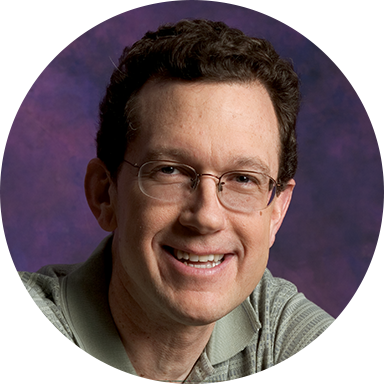
Richard Meyer

Richard Meyer spent 35 years teaching strings across elementary, middle, and high school levels in Southern California public schools. At Oak Avenue Intermediate School in Temple City, he directed the orchestras for 22 years, expanding the program from 29 students to 200 while overseeing the city's entire elementary string curriculum. His "Giving Bach" program, launched in 2009, pioneered interactive concerts that brought orchestral music to special needs and underserved students throughout the region and earned national recognition for its innovative approach.

Meyer's work extends far beyond the classroom. He directed the Pasadena Youth Symphony Orchestra for 16 years, leading performances across New York, Washington D.C., Vienna, Australia, and Canada. A prolific composer with over 190 works in print, he has served as a guest conductor and clinician at the A.S.T.A. National Conference, Texas Orchestra Directors' Association Conference, and string workshops at Ohio State University and other regional institutions. He also spent 16 years as string editor for Alfred Publishing Company and co-authored the String Explorer Series and Sight-read It for Strings.

Why we love this

Meyer transforms one of classical music's most iconic themes into an idiom young orchestras actually want to play. The tango setting keeps engagement high while the famous four-note motif rotating through every section ensures every student feels the ownership of playing something genuinely famous. The pedagogical design packs genuine learning into what feels like pure fun.

What to expect

A concert hall classic gets dressed up in Latin rhythms and infectious energy. The tango pulse transforms Beethoven's intensity into something bright and social, with the famous four-note motif bouncing between sections like a musical conversation. The added percussion gives the whole ensemble a sense of occasion and international flair.

Who it's for

Grade 2 string orchestras ready to move beyond unison exercises and explore how famous themes can be reimagined in different styles. Students will recognize the Beethoven connection immediately, making this ideal for programs that want to bridge classical repertoire with contemporary arranging. The embedded percussion parts also give orchestras a chance to collaborate with percussionists or involve students who play both strings and mallets.

How to get the most out of it

  • Emphasize the contrast between staccato and legato bow strokes by isolating sections. Have the group play the opening tango rhythm on one note to lock the articulation before adding pitch.
  • Balance the maracas and claves so they enhance rather than overwhelm the strings. A light hand on these percussion parts keeps the "international flavor" playful without masking melodic lines.
  • Shape the dotted rhythms with a slight lift and space after the short note. This gives the tango character its characteristic bounce and prevents the figures from sounding stiff.
  • Rotate who plays the four-note motif when it passes between sections. This keeps attention high and reinforces that every part carries the tune at different moments.

How to use it

Program this as a pops concert centerpiece or a spring concert opener that bridges serious repertoire and accessible fun. It pairs well alongside other Grade 2 string literature and works particularly effectively when you're building a concert that showcases how classical themes stay alive through new arrangements. The pedagogical payoff also makes it excellent for a festival or contest setting where you want students engaged in learning while performing recognizable material.

Skills your students will build

  • Distinguishing and executing staccato versus legato articulation
  • Reading and performing dotted rhythms accurately
  • Responding to accent markings and dynamic shaping
  • Navigating simple accidentals within a tonal context
  • Maintaining ensemble rhythm during thematic exchanges between sections
  • Balancing melodic and accompaniment roles as the tune rotates throughout the orchestra

You May Also Like
