
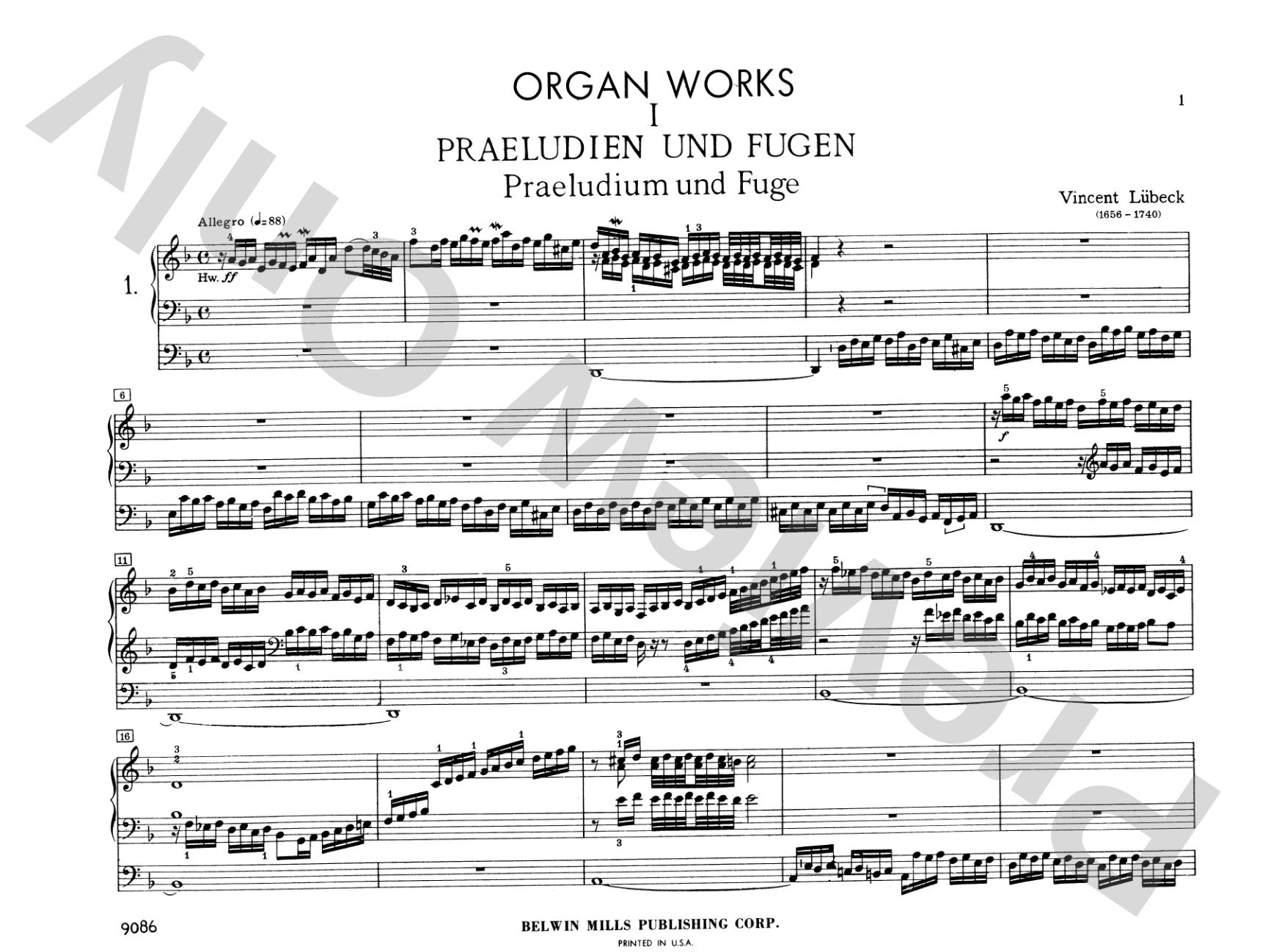
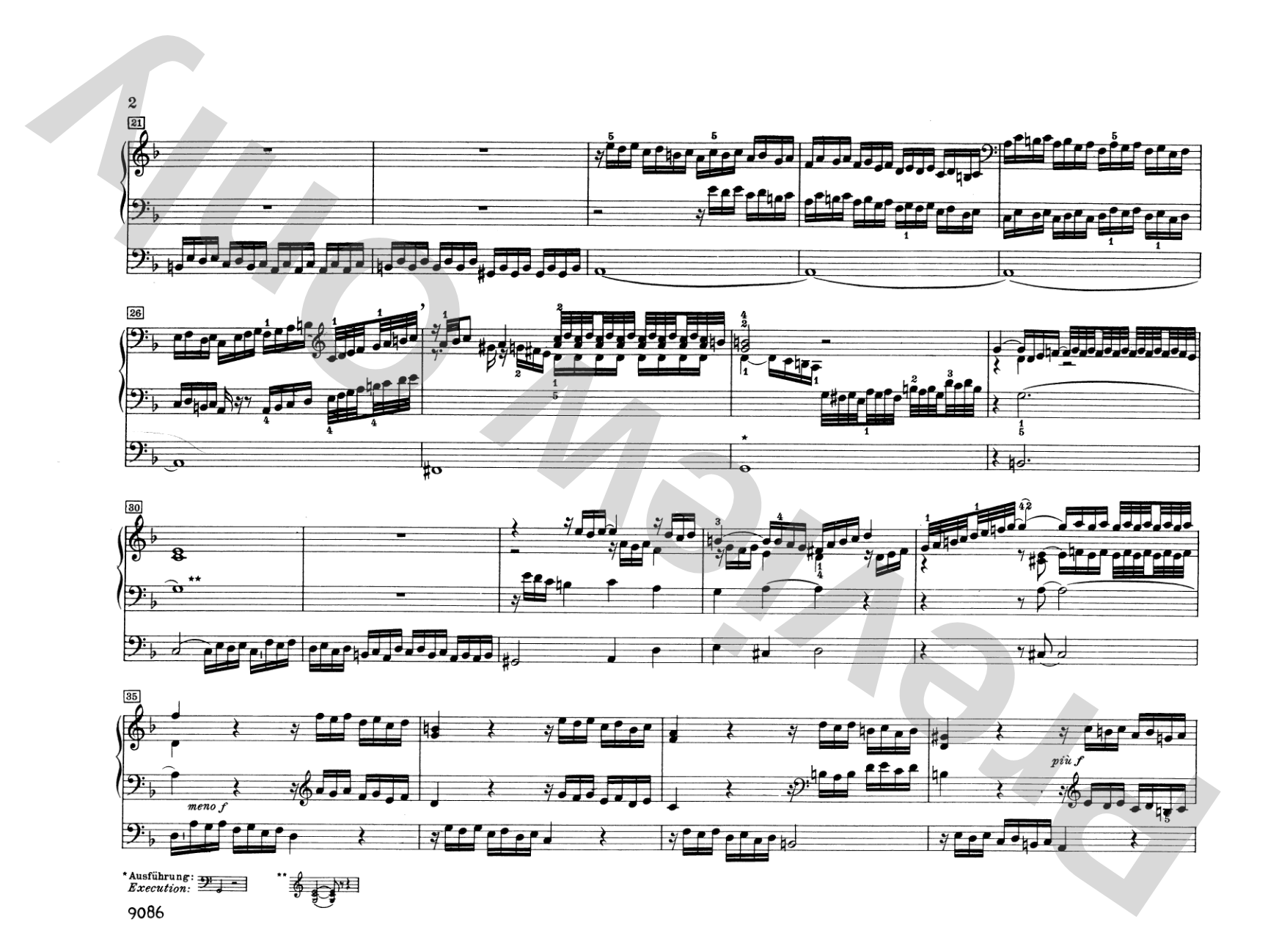
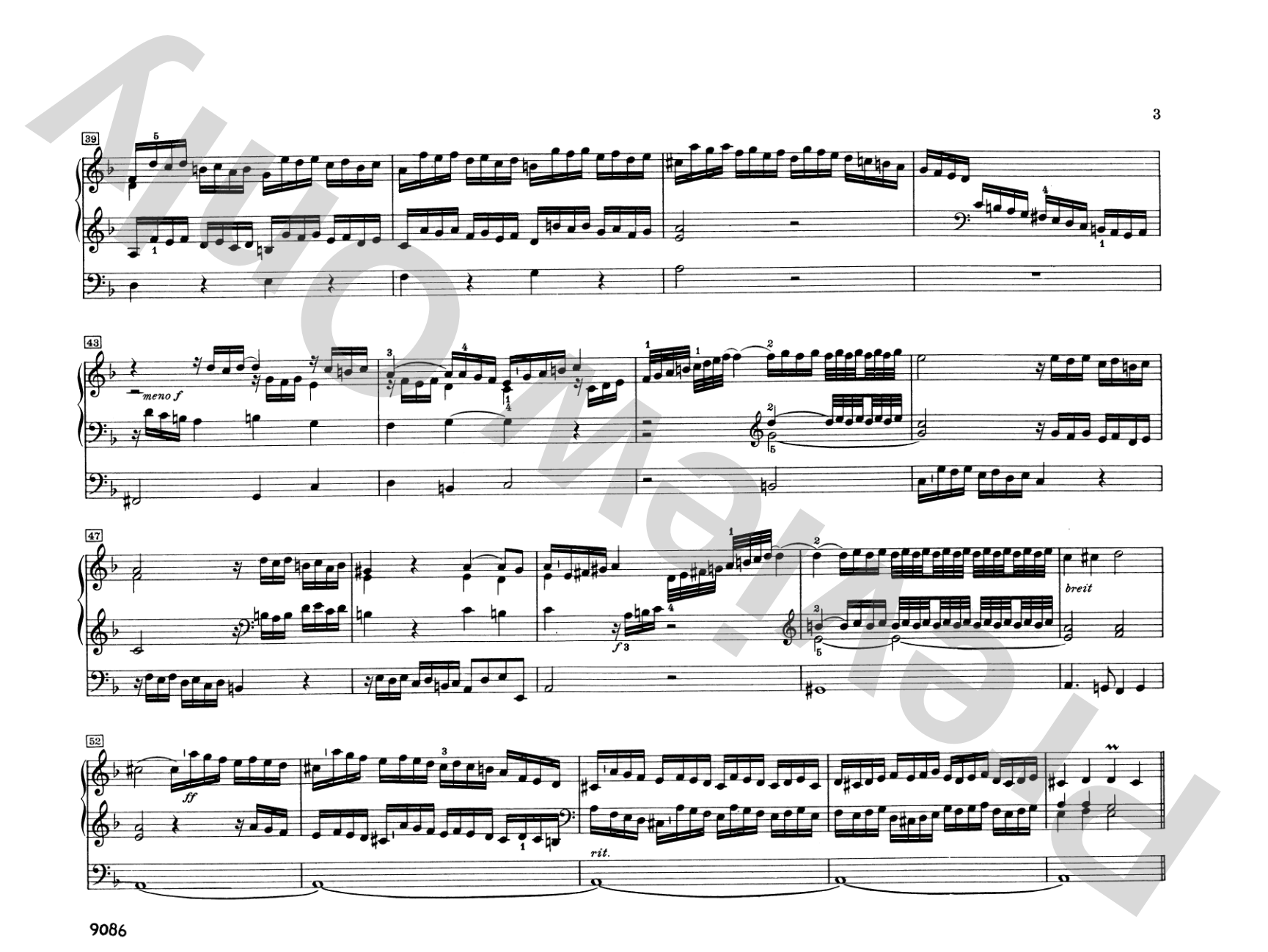
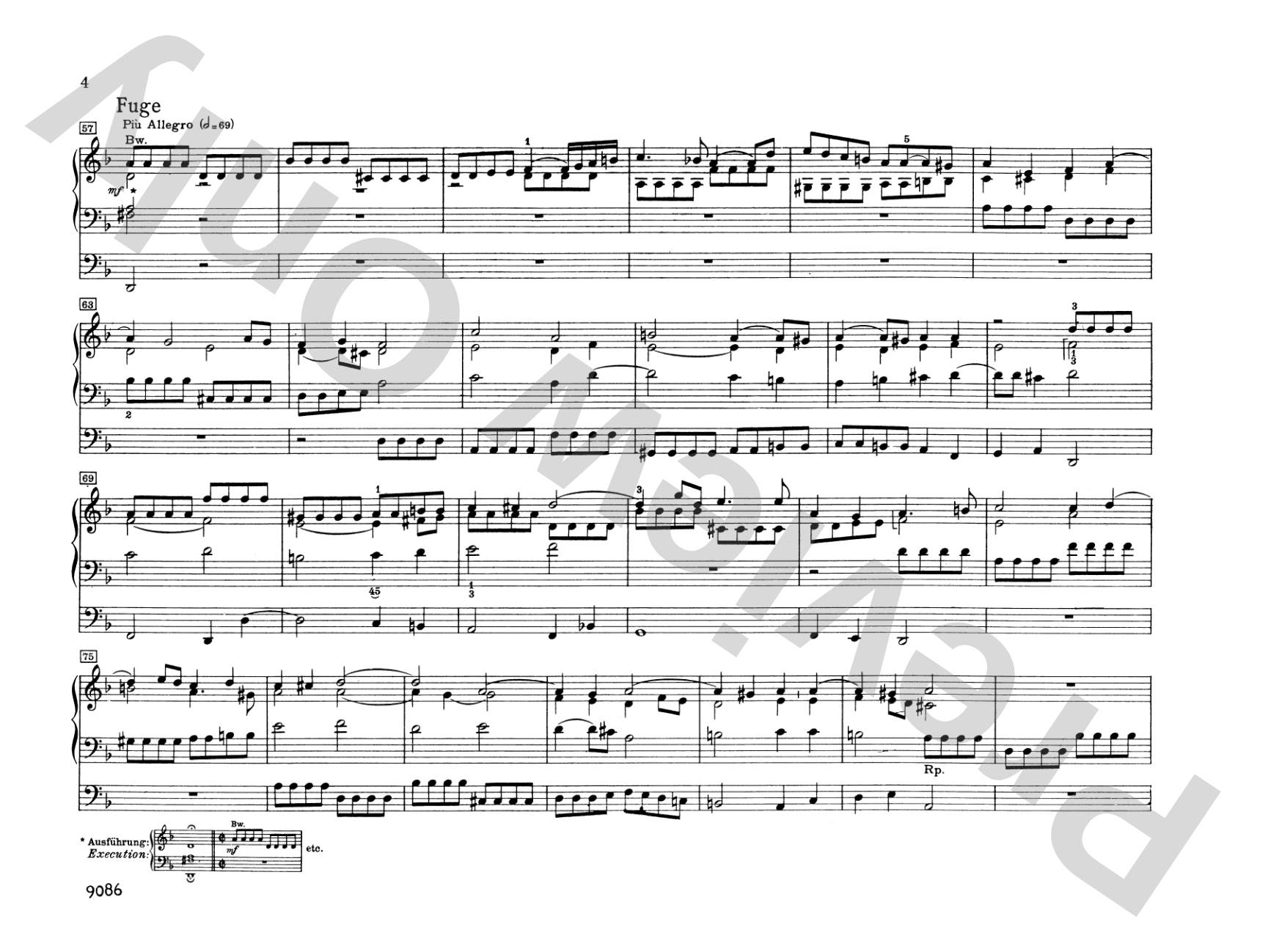

Lubeck: Preludes and Fugues and Chorale Prelude: Organ Comb Bound Book
By Vincent Lübeck
Item: 00-PK-0003676

$13.99
Pickup currently not available
Buy Extra Parts (Digital PDF Download)
Parts Added to Cart!
Related Items
Preludes and Fugues and Chorale Prelude: Organ Comb Bound Book |
$13.95
|
View |
Description
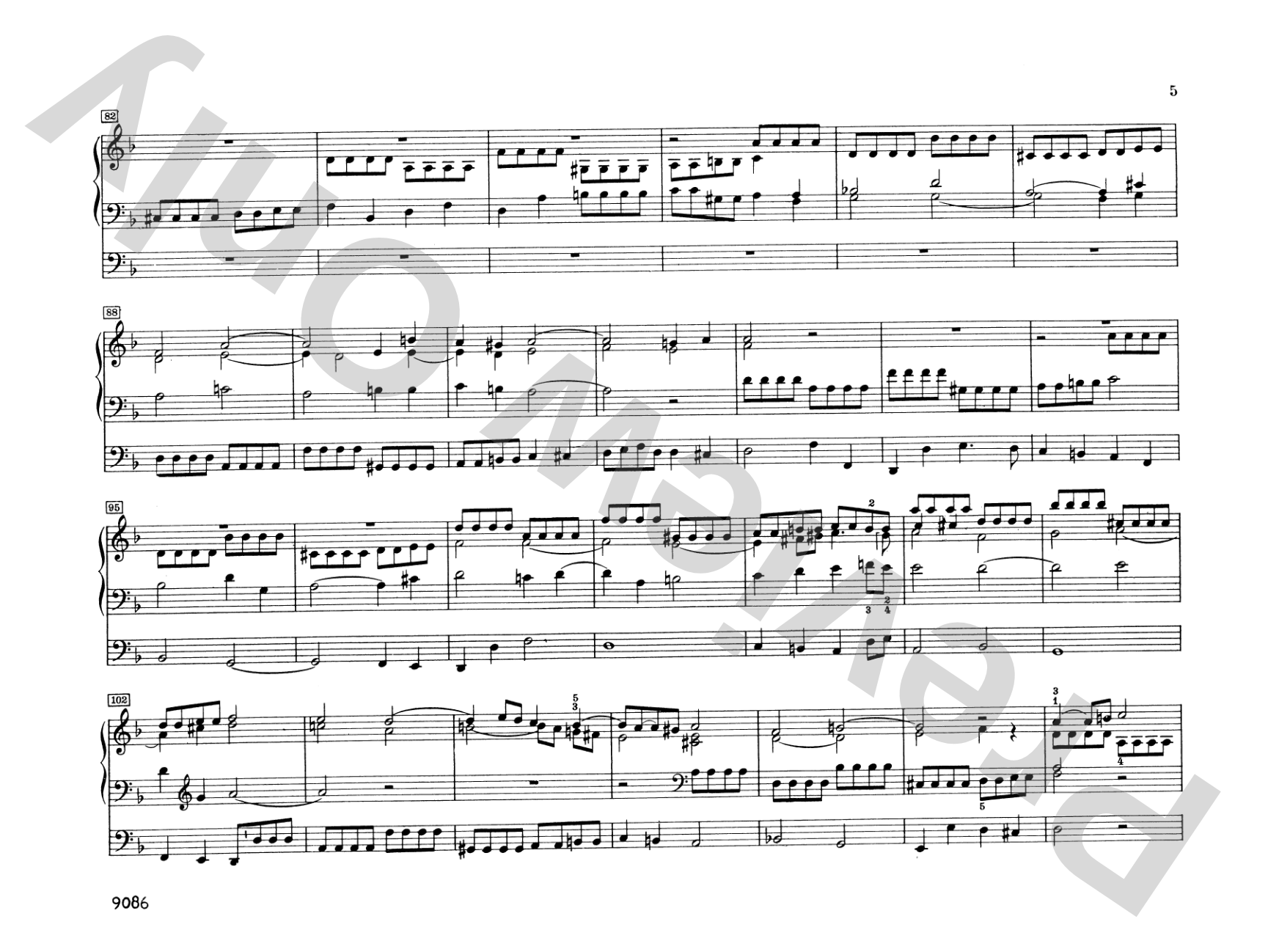
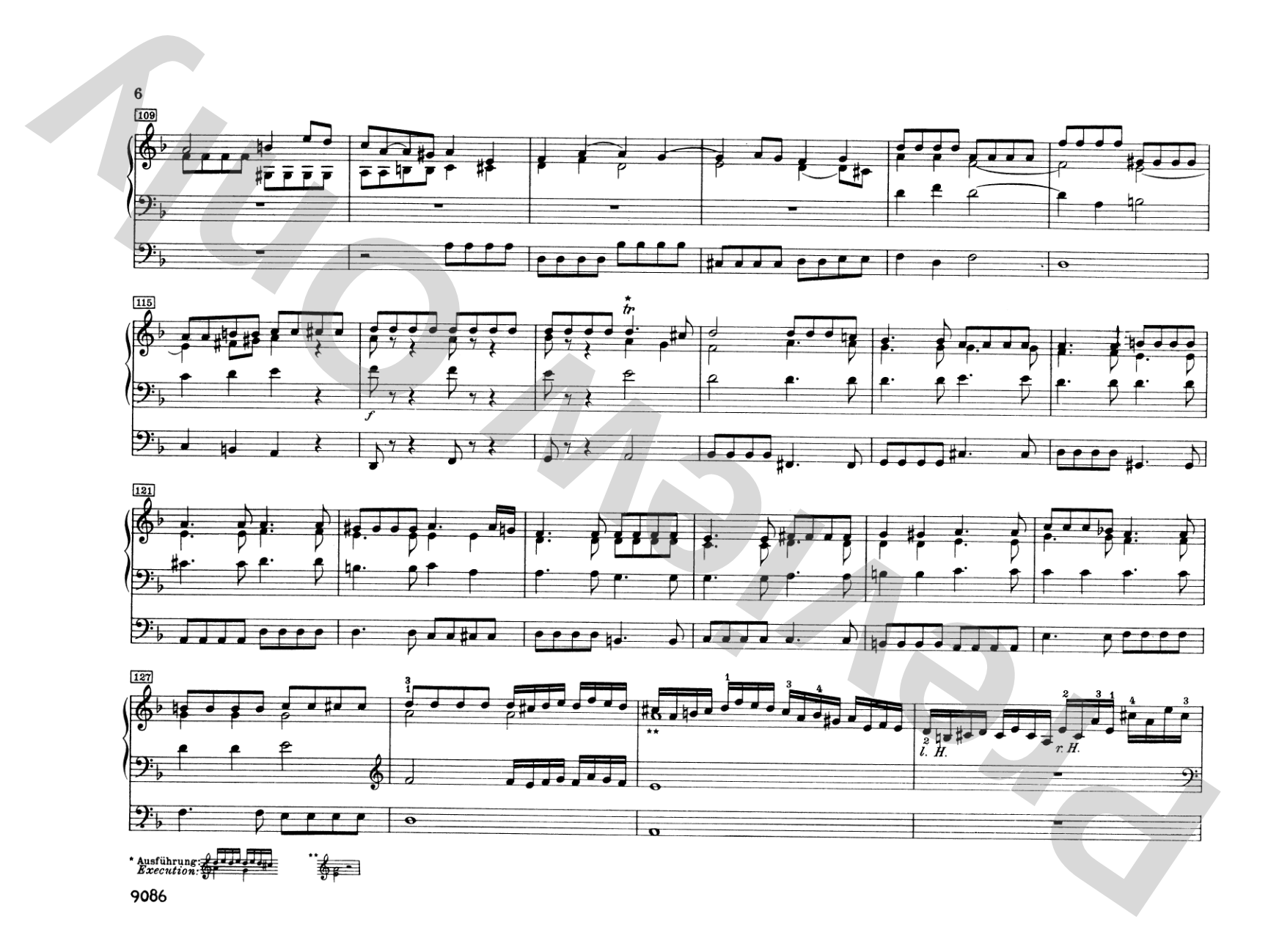
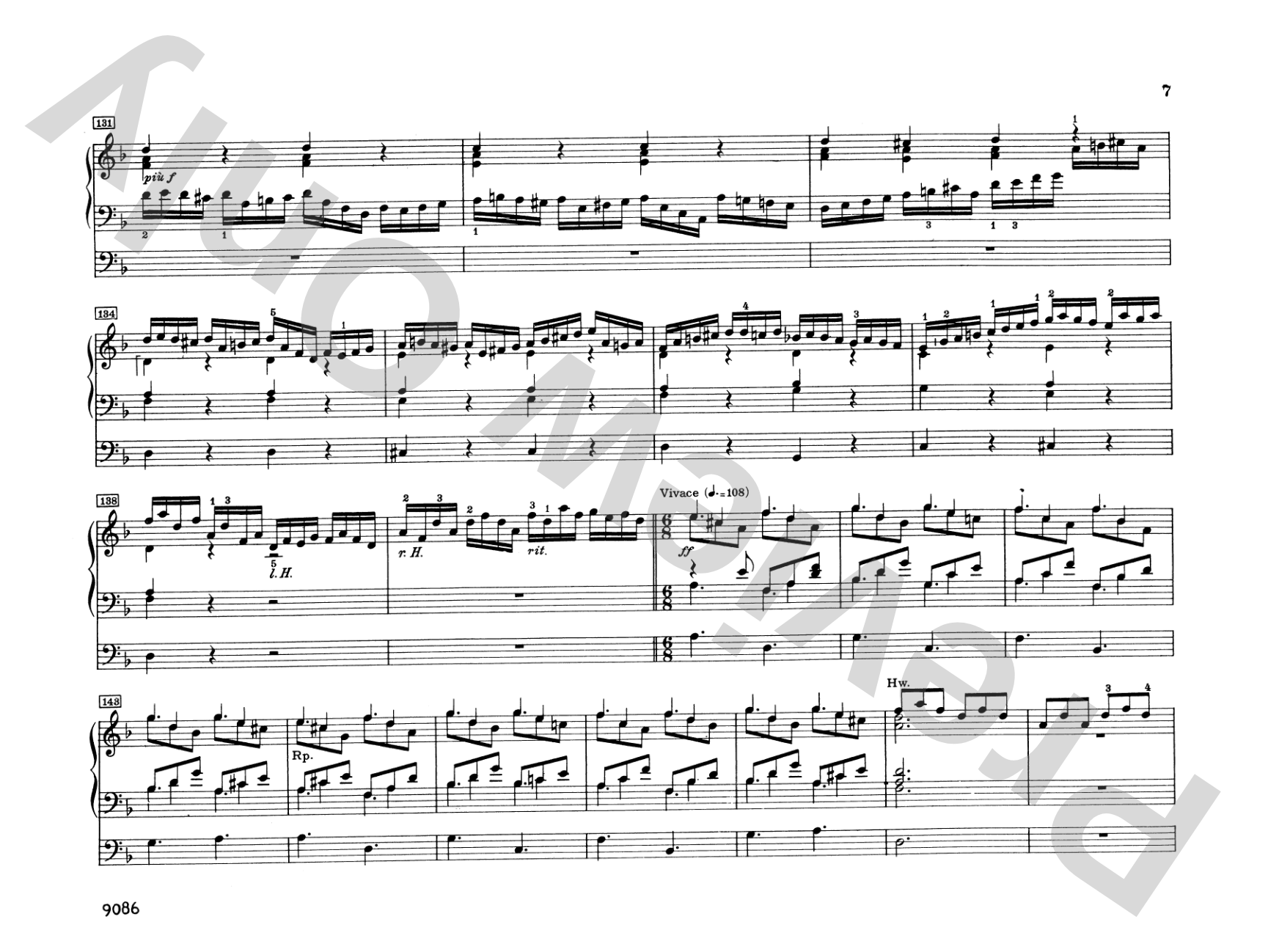
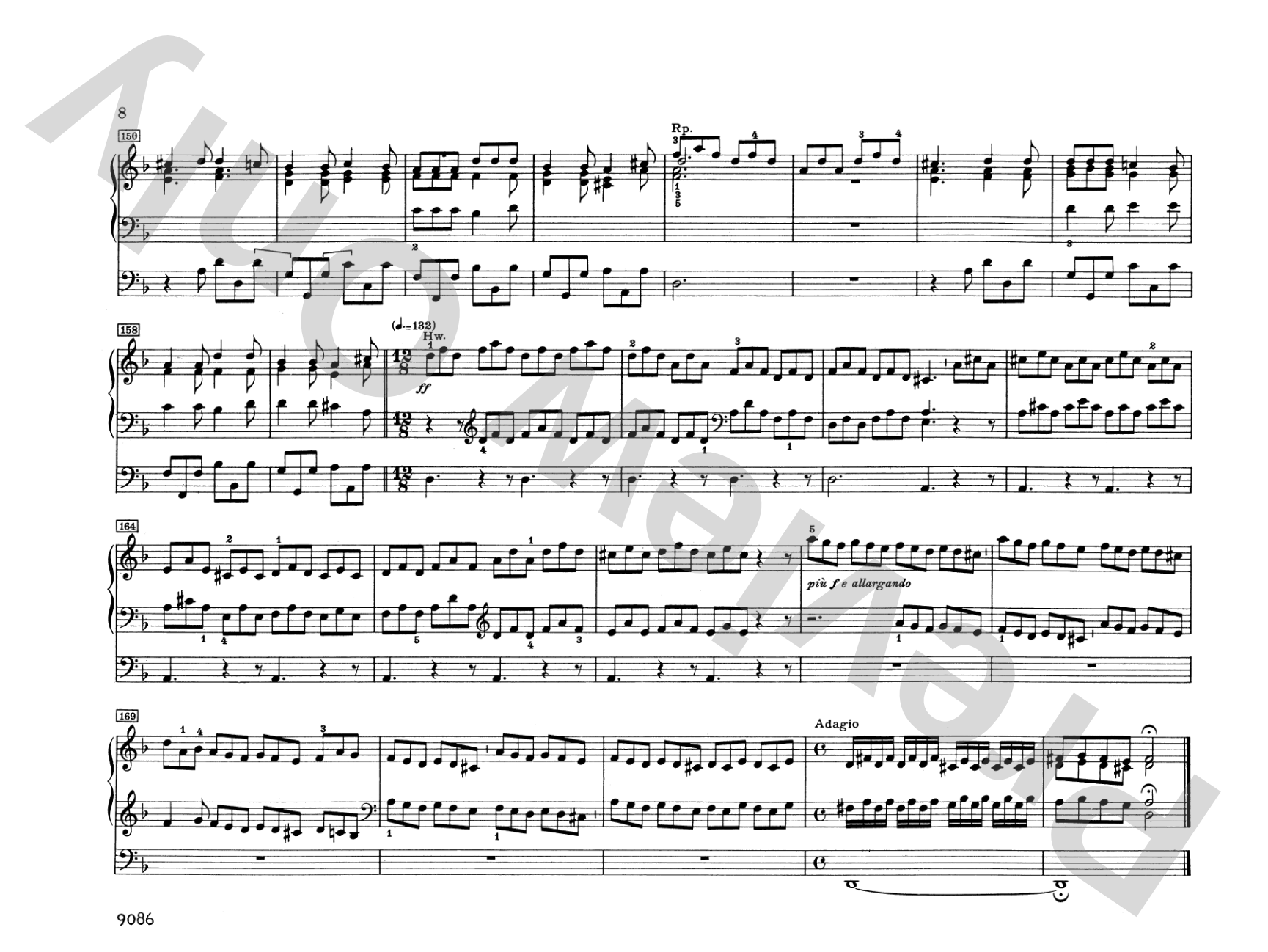
Nine organ works by Vincent Lubeck. The comb binding creates a lay-flat book that is perfect for study and performance.


Don't just read it, hear it, play along with it, and watch your students grow with it. In MakeMusic Cloud, Lubeck: Preludes and Fugues and Chorale Prelude: Organ Comb Bound Book comes alive with professional accompaniment, adjustable tempo, and built-in practice tools that turn solo practice into real progress.
Open in the Player
Jump straight in and assign it today.
Start Your Free Trial
Open this title and explore the full library in minutes.
Sample Audio
No sample audio found.
Sample Video
No sample videos found.
Additional Details
Series:
Kalmus Edition
Publisher:
Alfred Music
Page Count:
56
SKU:
00-PK-0003676
More about this title
About the Composer: Vincent Lubeck
Vincent Lübeck (1654-1740) was a leading North German organ composer whose works stand alongside those of his contemporaries Buxtehude and Pachelbel. He spent most of his career in Hamburg and Stade, where he held prestigious organist positions and built a reputation as both a virtuoso performer and a prolific composer for the instrument.
Lübeck's music bridges the improvisatory freedom of the North German school with the formal logic of the fugue. His preludes and chorale preludes showcase the rhetorical gestures and rich harmonic language that defined late Baroque organ writing, making his works essential repertoire for organists seeking to understand the stylistic transition toward the Classical period.
Why we love this
Lübeck's nine works here represent some of the most musically sophisticated organ literature from the North German tradition, with writing that demands genuine musicianship rather than mere technical facility. The lay-flat binding design respects the nature of organ performance, where page turns matter and a stable, open score is non-negotiable during rehearsal and recital.
What to expect
These works pulse with intellectual rigor and rhetorical drama. The preludes burst with urgent figurations that build toward fugal arguments of real structural weight, while the chorale preludes wrap familiar hymn tunes in elaborate ornamentation that feels both devotional and architecturally precise. The harmonic language is warm and occasionally surprising, anchoring you firmly in the late Baroque world.
Who it's for
Advanced organists preparing Baroque recital repertoire and church musicians seeking substantial works that fit both liturgical and concert contexts. This collection also serves organists who are deepening their understanding of the North German school and its influence on Bach.
How to get the most out of it
- Study the harmonic rhythm carefully in the fugal sections; Lübeck's voice leading often moves at a slower harmonic pace than the sixteenth-note passagework suggests, so anchor your phrasing to the underlying progression rather than surface decoration.
- Explore the organ's manual divisions to highlight the textural contrasts Lübeck creates, particularly between the brilliant episodes and the grounded fugal subjects; this is where the piece's rhetorical argument comes alive.
- Approach the chorale prelude settings as opportunities for genuine accompaniment of the hymn tune rather than virtuosic display; balance the embellishment figures so the melody remains the gravitational center.
How to use it
Any of these works functions as a compelling solo recital offering or as part of a Baroque organ retrospective. They pair naturally with Bach's organ works in a concert exploring the stylistic breadth of the North German tradition, or slot effectively into a church service where a substantial organ voluntary is needed.
Skills your students will build
- Contrapuntal clarity in multi-voice fugal writing
- Harmonic analysis of Baroque chord progressions and functional harmony
- Manual division choices and tonal registration to clarify texture
- Ornamentation interpretation in chorale prelude settings
- Rhetorical phrasing and structural navigation of sectional Baroque forms