
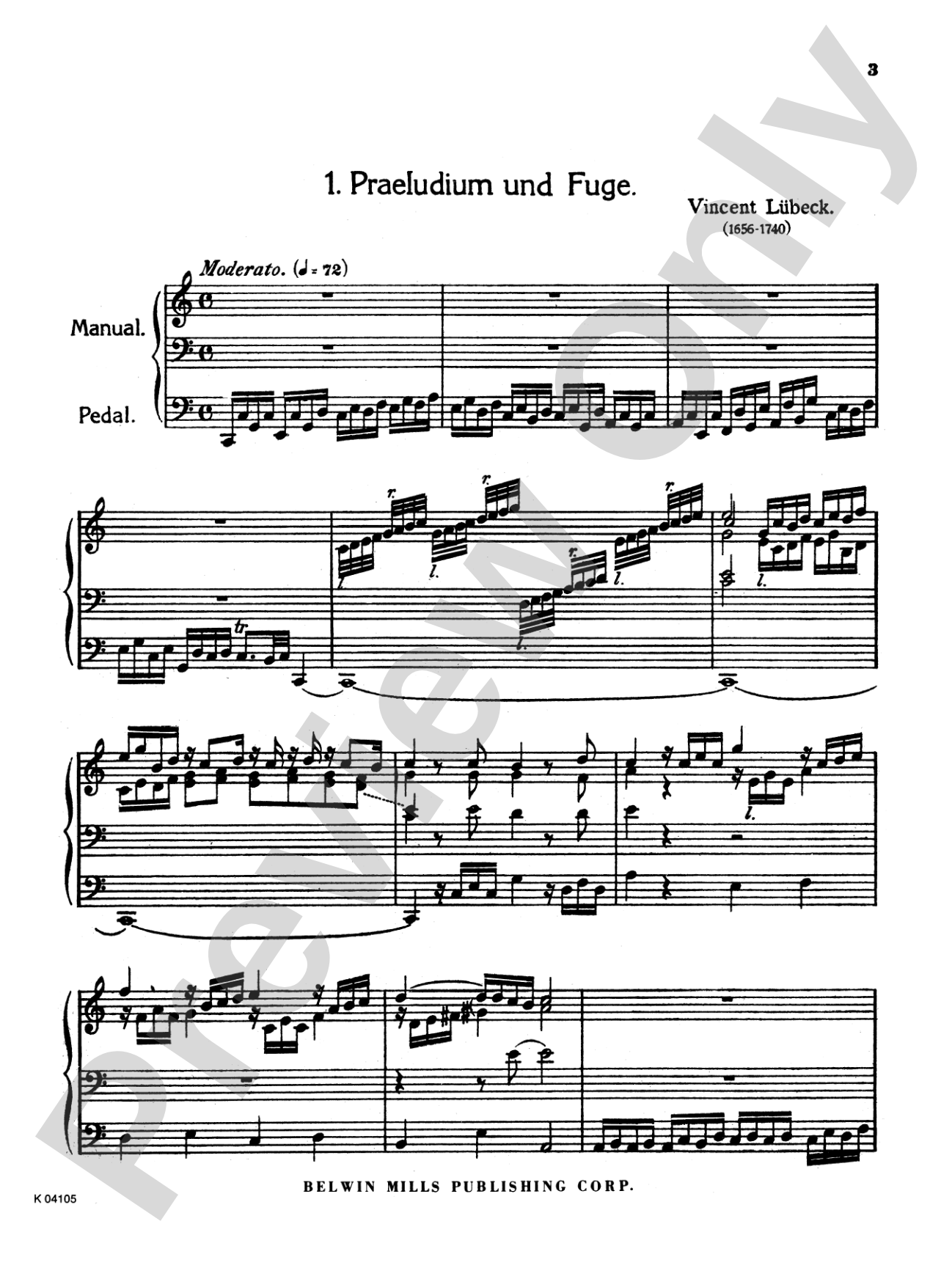
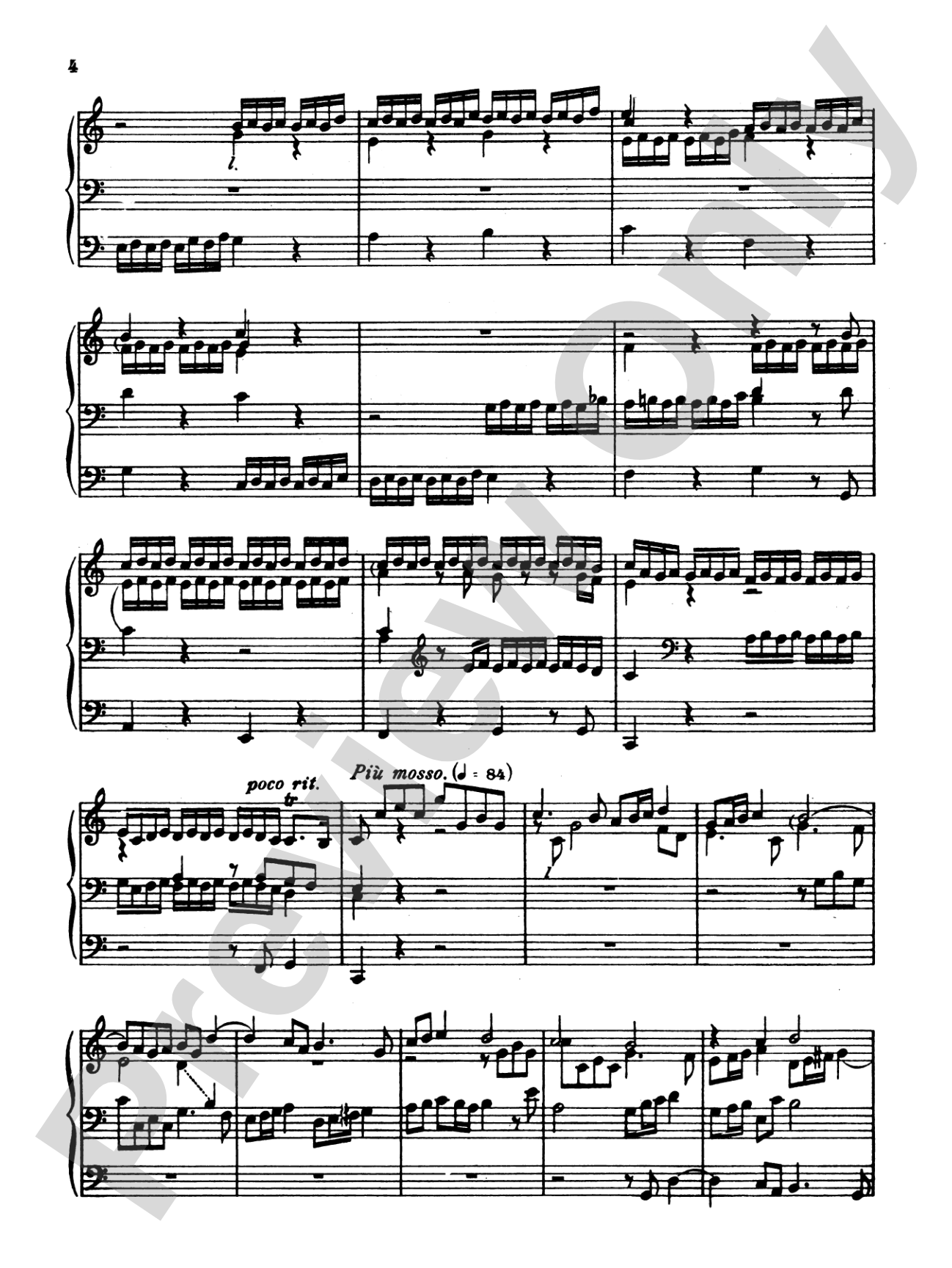
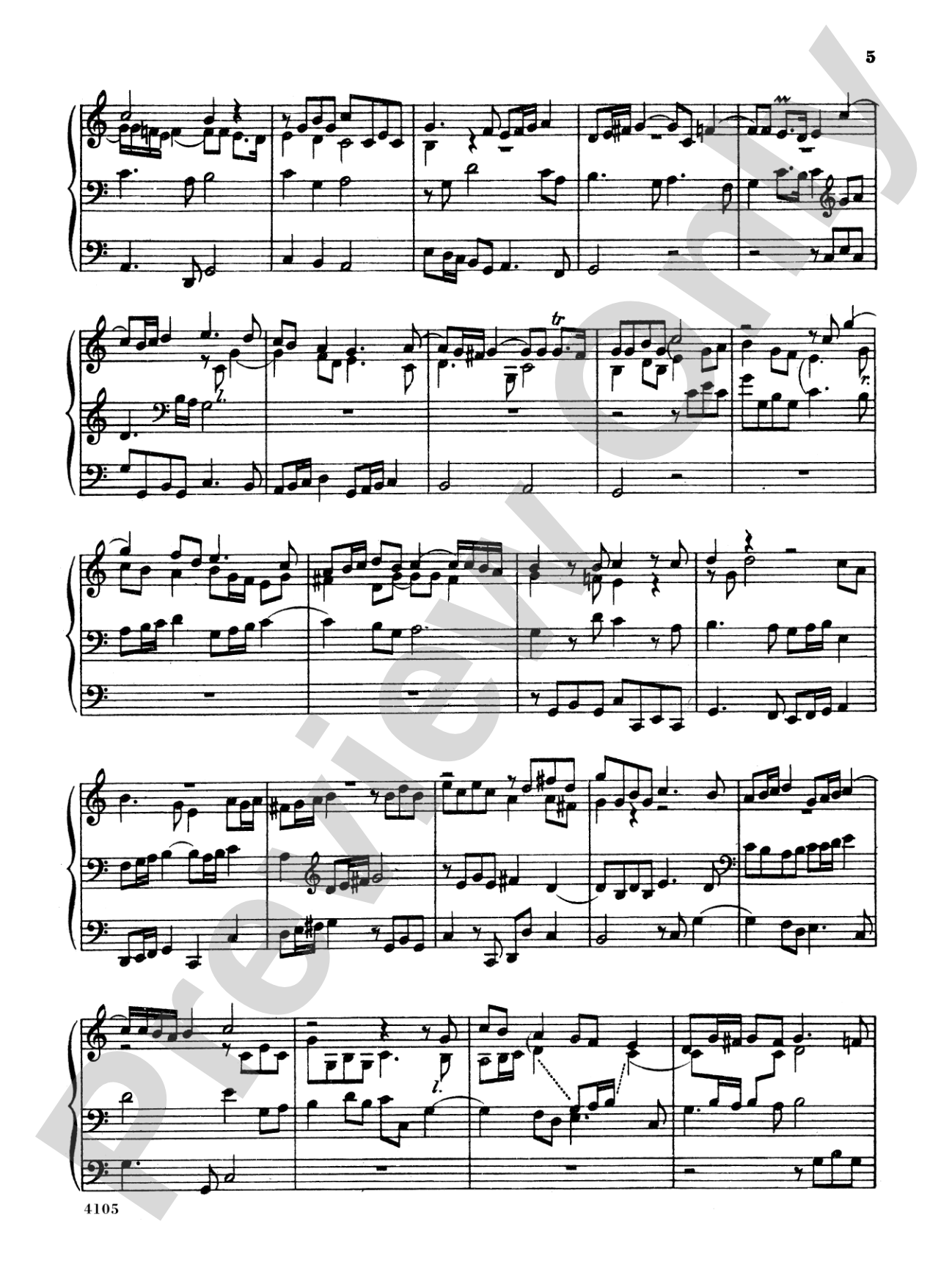
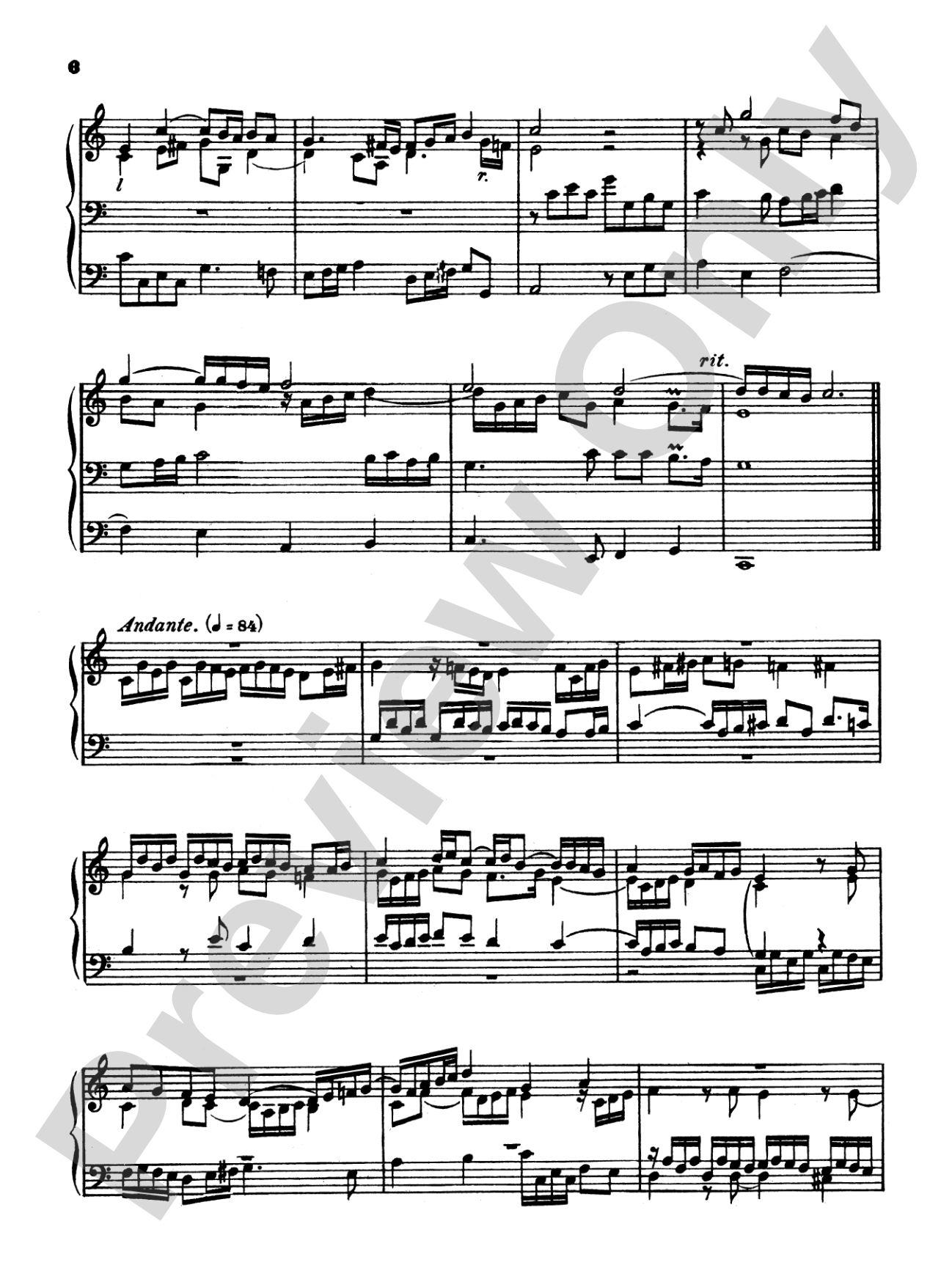
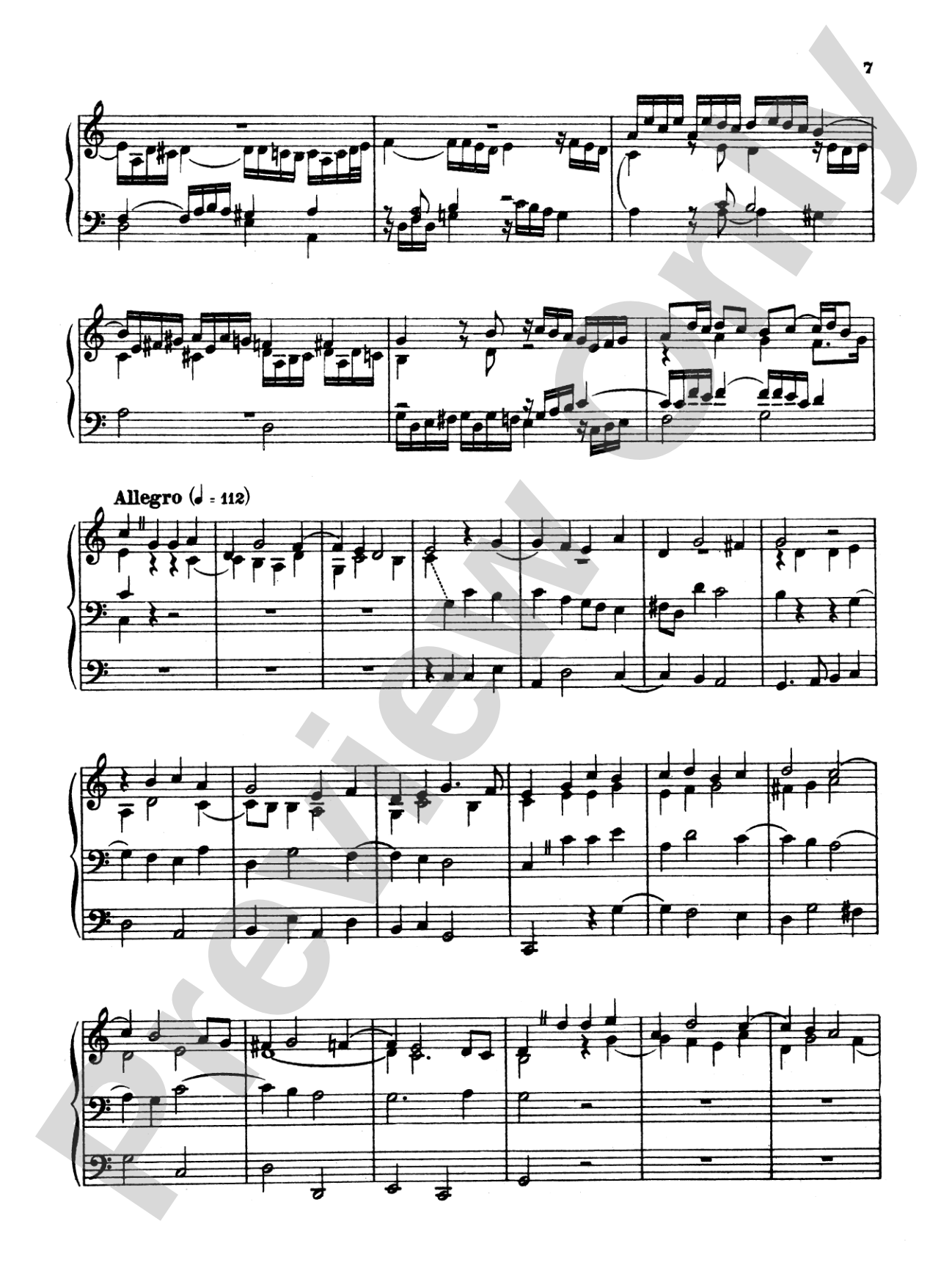
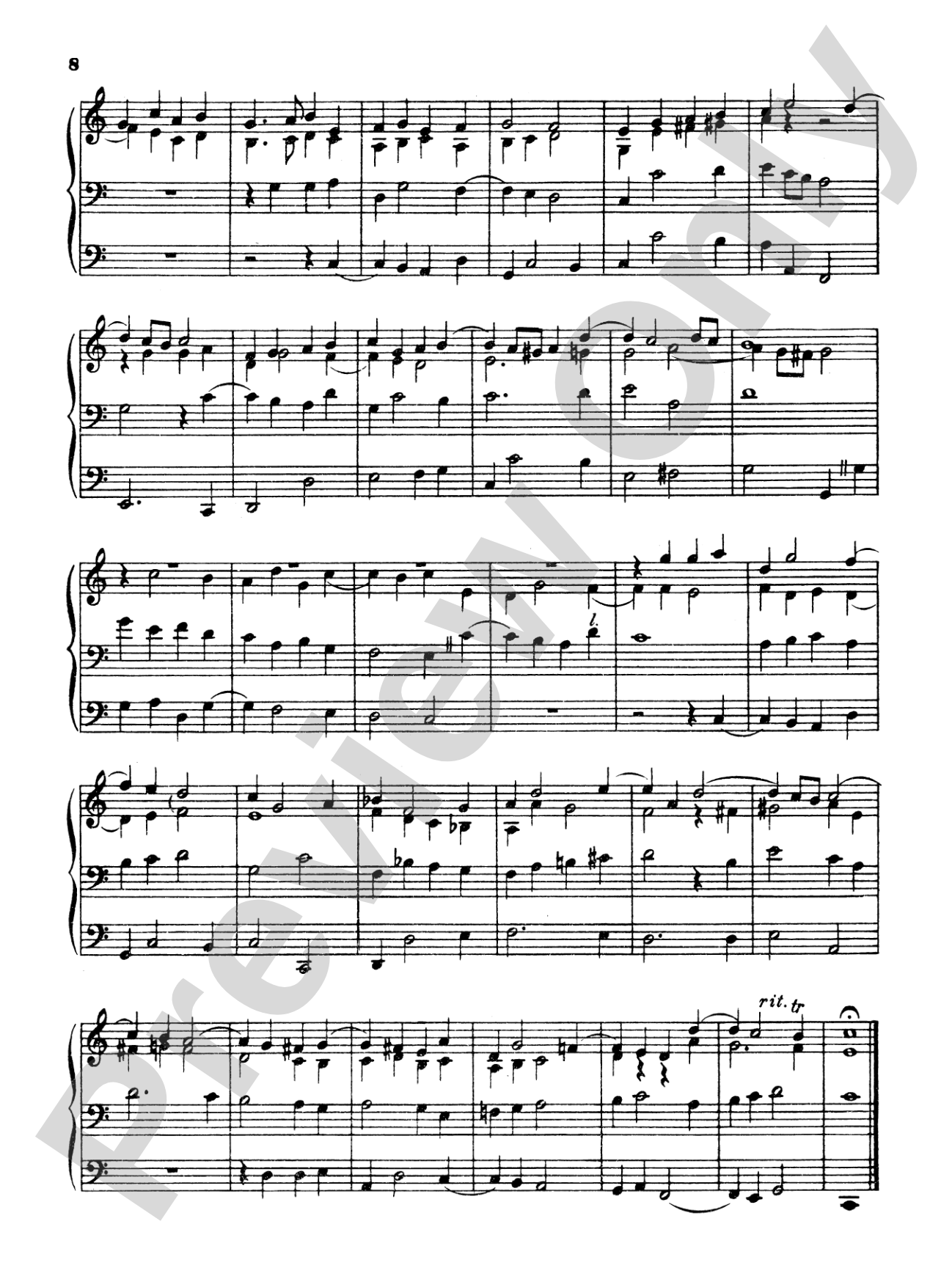

Lubeck: Four Preludes and Fugues: Organ Book
By Vincent Lubeck
Item: 00-PK-0003411

$9.99
Pickup currently not available
Buy Extra Parts (Digital PDF Download)
| Product | Price | Quantity |
|---|---|---|
| Lubeck: Four Preludes and Fugues | $1.99 | |
| Lubeck: Four Preludes and Fugues | $1.99 | |
| Lubeck: Four Preludes and Fugues | $1.99 | |
| Lubeck: Four Preludes and Fugues | $1.99 |
Parts Added to Cart!
Related Items
Four Preludes and Fugues: Organ Book |
$9.95
|
View |
Description


Don't just read it, hear it, play along with it, and watch your students grow with it. In MakeMusic Cloud, Lubeck: Four Preludes and Fugues: Organ Book comes alive with professional accompaniment, adjustable tempo, and built-in practice tools that turn solo practice into real progress.
Open in the Player
Jump straight in and assign it today.
Start Your Free Trial
Open this title and explore the full library in minutes.
Sample Audio
No sample audio found.
Sample Video
No sample videos found.
Additional Details
Series:
Kalmus Edition
Publisher:
Alfred Music
Page Count:
36
SKU:
00-PK-0003411
More about this title
About the Composer: Vincent Lubeck
Vincent Lübeck (1654-1740) was a North German organist and composer whose keyboard works rank among the finest achievements of the late Baroque. Active primarily in Hamburg and Stade, he bridged the traditions of the German organ school and the Italian concerto style, creating music of architectural rigor and expressive depth. His preludes and fugues demonstrate the contrapuntal mastery and harmonic sophistication that influenced Bach and his contemporaries.
Lübeck's organ compositions exemplify the pedagogical and artistic ideals of the German Baroque. His writing balances technical display with clear formal structure, making his works essential for organists seeking to understand the period's language and performance practices.
Why we love this
These four preludes and fugues sit at a genuine crossroads in keyboard literature: structured and rigorous enough to build serious contrapuntal thinking, yet compositionally sophisticated enough to reward repeated study from advanced students and professional organists alike. They occupy a musical space often overlooked in teaching programs, offering an alternative to the more familiar Bach cycles while maintaining equal pedagogical and artistic merit.
What to expect
Lübeck's writing balances rhetorical grandeur with intimate contrapuntal conversation. The music moves with purposeful momentum through the prelude sections, then settles into the careful architecture of the fugues, where multiple voices weave and separate with mathematical elegance. There is clarity and air in the texture despite the complexity, and the harmonic language feels both grounded in tradition and distinctly personal.
Who it's for
Organists at the advanced intermediate level and above who are ready to engage seriously with late Baroque organ literature beyond the standard Bach and Buxtehude repertoire. These works suit both concert programming and study for examinations or recital preparation in baroque performance contexts.
How to get the most out of it
- Approach the fugal subjects with clarity and independence of line; Lübeck's counterpoint rewards articulate execution without unnecessary ornamentation.
- Use the prelude material to establish the harmonic and rhetorical language of each fugue, treating the pair as an integrated statement rather than separate pieces.
- Pay attention to the figured bass implications and harmonic progression, particularly in passages where the voices lie in close position.
- Practice each voice independently to secure intonation and rhythmic precision before combining; the contrapuntal texture demands exactness from every line.
How to use it
Program one or more of these pairs on a recital focused on North German Baroque organ music, or use them as centerpieces for themed concerts exploring organ literature between Sweelinck and Bach. They also serve well as teaching demonstrations of fugal technique and period style for organ studio classes and master classes.
Skills your students will build
- Independence of contrapuntal lines in complex textures
- Recognition and execution of late Baroque harmonic language
- Pedal technique and secure lower voice management in figured bass contexts
- Structural analysis of prelude-and-fugue form
- Articulation and phrasing decisions in polyphonic music without expressive markings