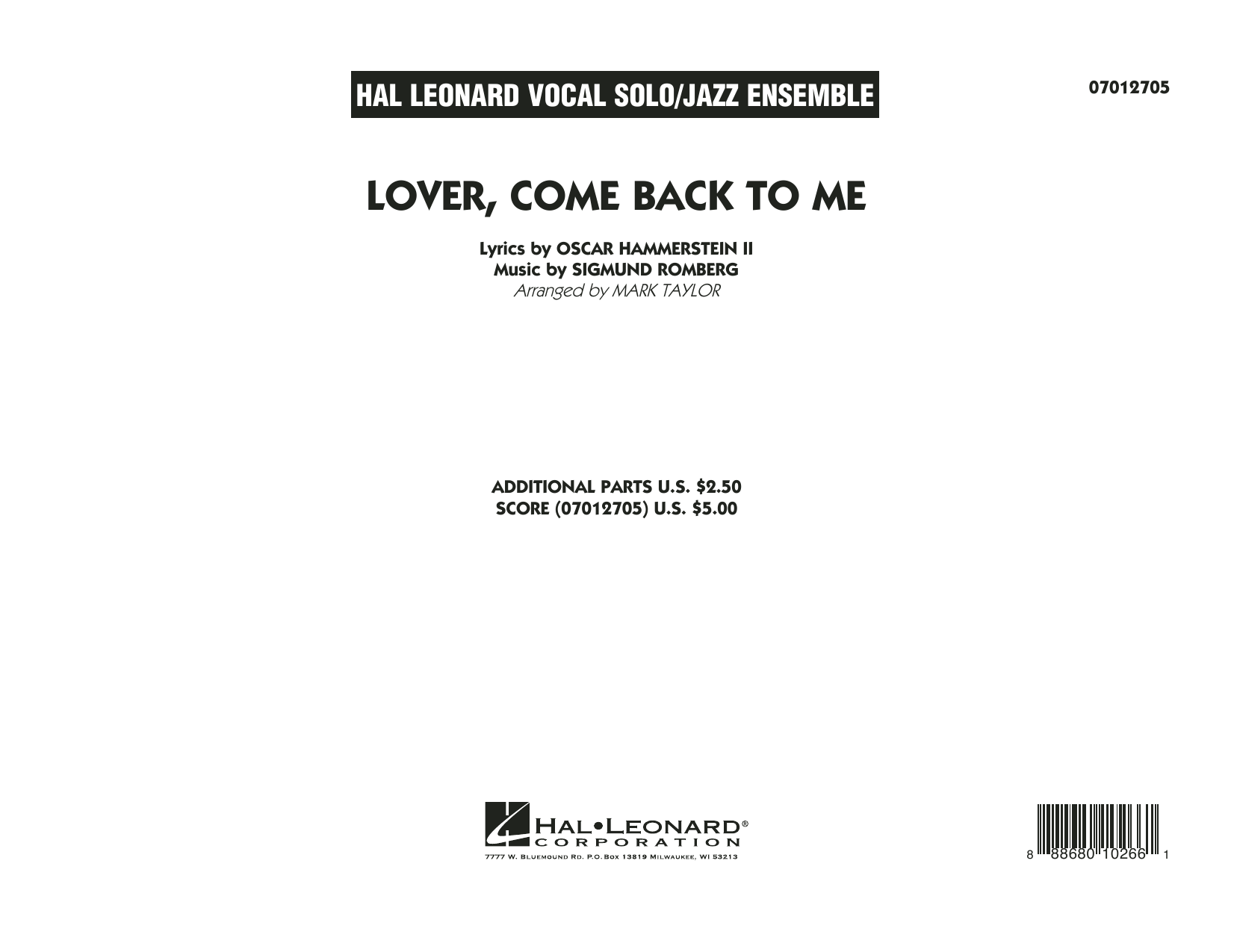
This familiar standard, first popular in the '20s and '30s, has been revisited over the years in a variety of styles. Here is an attractive, smooth samba version for vocal solo (opt. tenor sax) that includes a feature spot for the saxes accompanied by the vocalist in a "vocalese" style. A marvelous change of pace for festival or concert use.
Discover MakeMusic Cloud: thousands of interactive titles your students can play along with today.
Mark Taylor has built a substantial reputation as an arranger for jazz ensembles, with a gift for tailoring standards to the strengths of school and community groups. His arrangements balance accessibility with musical sophistication, making repertoire choices that respect both student capabilities and the integrity of the material.
Why we love this
Taylor's samba treatment transforms a familiar standard into something that feels fresh without losing the song's essential character. The vocalese feature for saxophones alongside the vocalist creates a conversation between sections that energizes the ensemble while giving your soloists genuinely exciting material to work with.
What to expect
Warm and unhurried, with the gentle swing of a samba that never loses its accessibility. The vocalese passages add sophistication and playfulness, creating moments where the ensemble sounds like it's listening to each other in real time.
Who it's for
This works beautifully for Grade 3 jazz ensembles seeking a vocal feature that doesn't demand an operatic voice. It's equally useful as a festival piece or a concert selection when you want to showcase your soloists alongside strong section playing.
How to get the most out of it
Shape the samba rhythm with precision in the rhythm section; the groove depends on crisp articulation from bass and drums rather than rushing or swinging the feel.
Balance the vocalist and saxophone duet carefully during the vocalese section so that each line remains distinct and neither overshadows the other.
Let the saxes lean into the bluesy inflections written into their part; this arrangement thrives on that conversational, call-and-response quality between vocalist and horns.
How to use it
Pair this with uptempo swingers or bebop charts to create contrast through the evening, or use it as a set closer that leaves the audience in a satisfied, contemplative mood. The smooth samba feel also makes it an excellent choice for programs featuring Brazilian or Latin jazz influences.
Skills your students will build
Samba rhythm and feel (listening and responding to clave patterns)
Call-and-response phrasing between soloist and ensemble
Balancing vocal and instrumental lines in a mixed texture
Articulation and phrasing in a groove-based context
Listening across sections to maintain ensemble cohesion
You May Also Like
Scan to Complete Your Purchase
Use your phone's camera to scan the code below
You'll log in on your phone and the order will be added to your account