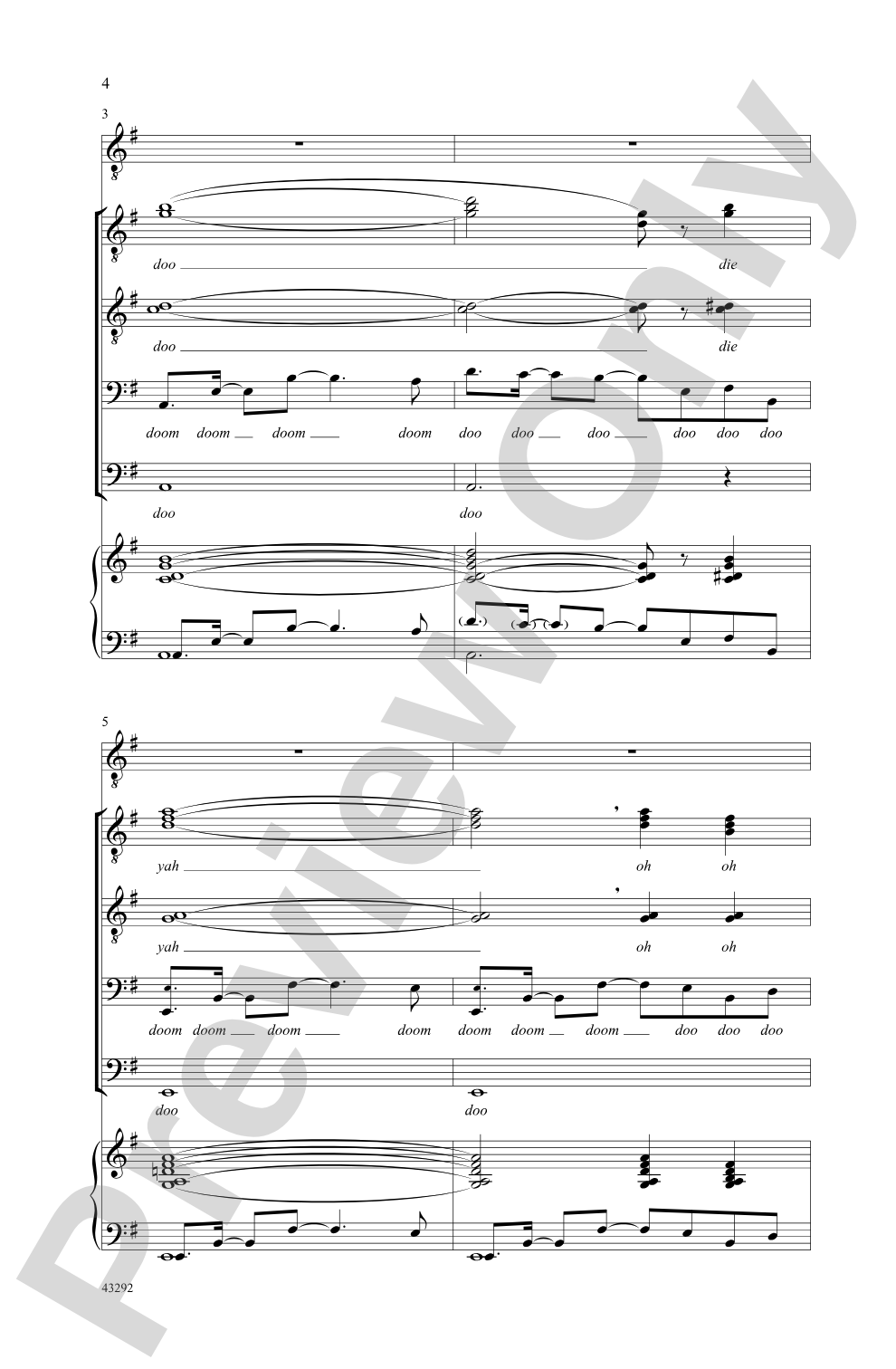
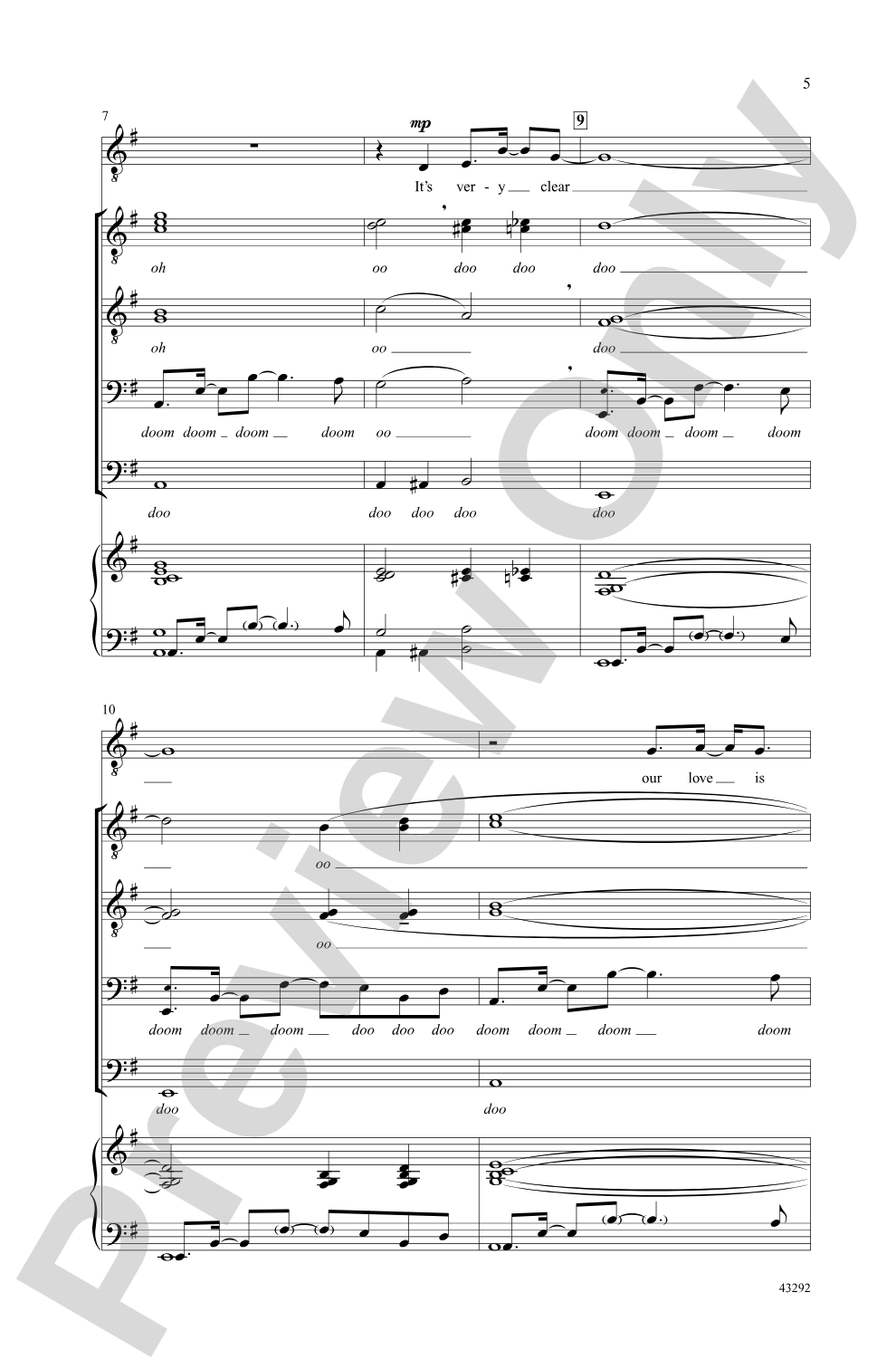
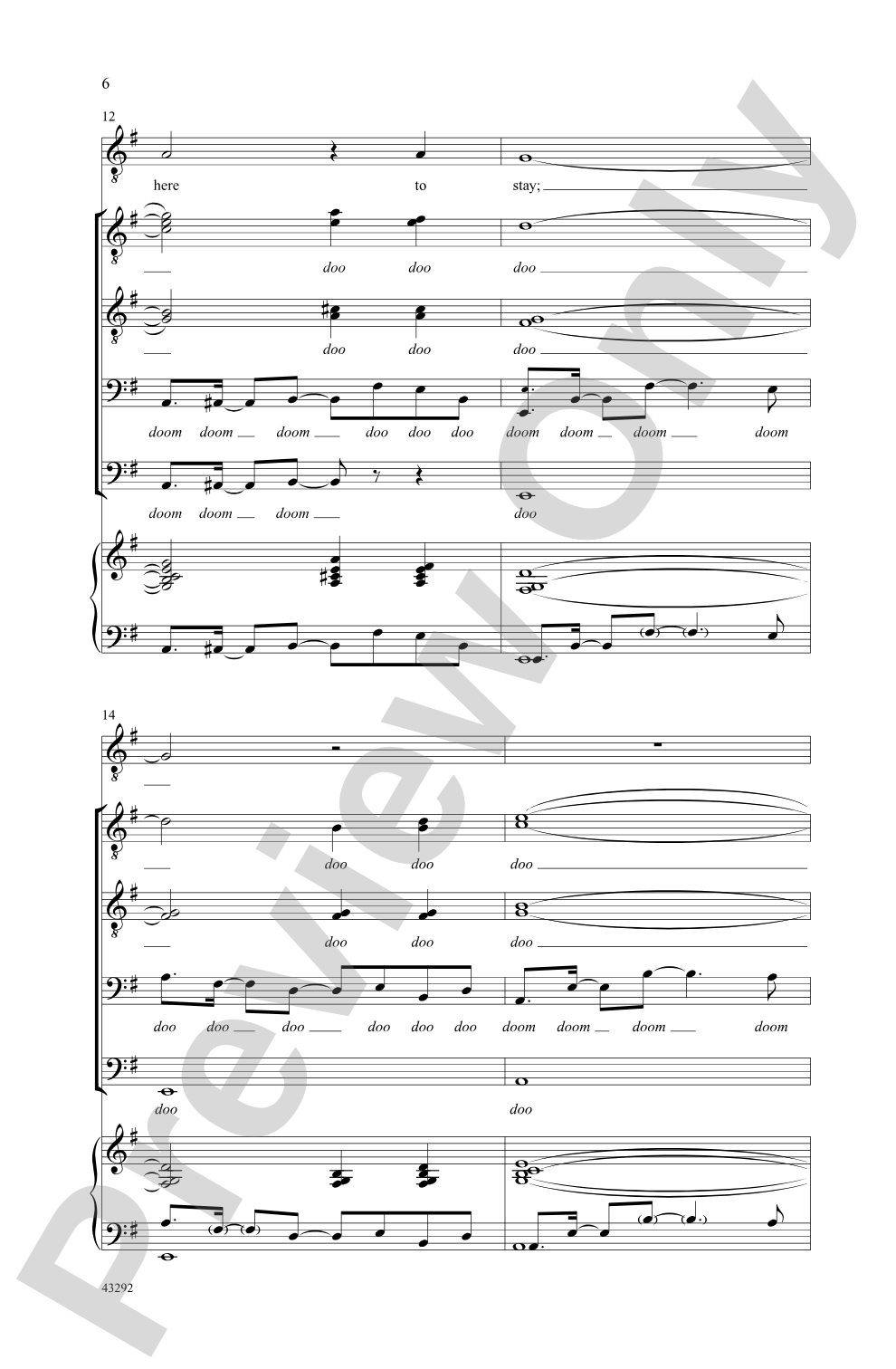
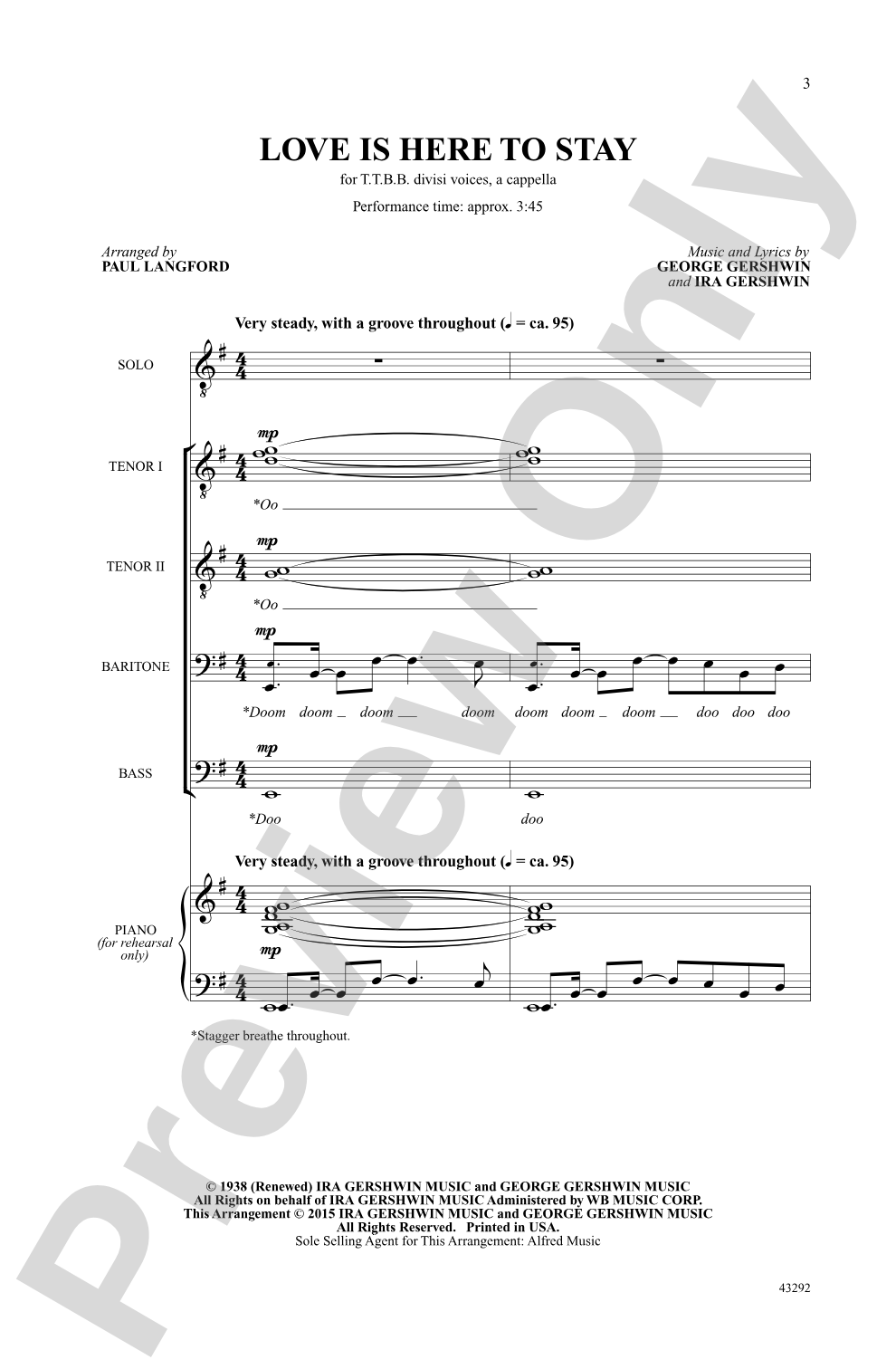
Love Is Here to Stay Sheet Music Preview

Love Is Here to Stay: TTBB divisi, a cappella Choral Octavo

Music and lyrics by George Gershwin and Ira Gershwin / arr. Paul Langford

Item: 00-PO-0003258

Digital Download
$2.25

Minimum order quantity: 20 copies

One moment…

Description
The singers are definitely the stars here! Vocal jazz and a cappella pop groups will find this laid-back arrangement equally appealing.

Love Is Here to Stay: TTBB divisi, a cappella Choral Octavo isn't in MakeMusic Cloud just yet...but it could be. Let us know you'd like to see it, and you'll help shape what comes next. In the meantime, start a free trial and dive into thousands of interactive titles your students can play along with today.

Sample Audio
0:00
0:00
Sample Video
Additional Details
Series: Alfred Pop Choral Series
Publisher: Alfred Music
Page Count: 20
SKU: 00-PO-0003258

More about this title

About the Composer: George Gershwin

George Gershwin (1898-1937) bridged classical composition and American popular song with unprecedented fluency. His melodies became the soundtrack to the Jazz Age, and his harmonic language, informed by both European modernism and blues idiom, shaped how American composers thought about serious music in a popular vernacular.

Ira Gershwin provided lyrics of wit and sophistication to many of George's most enduring songs. Writing for stage and film across several decades, Ira crafted words that matched his brother's melodic invention with intelligence and elegance, making their collaborations central to the American songbook.

Why we love this

Paul Langford's arrangement captures everything that makes this Gershwin standard so durable: a conversational melody that sits perfectly for male voices, harmonic warmth that rewards careful voicing, and the kind of rhythmic ease that keeps an audience engaged without requiring instrumental support. This is the sound of jazz-influenced American song writing done right, and your singers will feel the difference between this and generic pop arrangements.

What to expect

Smooth and conversational, like a well-told story shared over a drink. The song unfolds with the ease of a master melodist, and Langford's voicing keeps things open and spacious enough that even a cappella singing feels effortless rather than labored. There is genuine warmth here, and an undercurrent of sophisticated jazz harmony that rewards listening.

Who it's for

TTBB and all-male a cappella groups with some ensemble experience will find this accessible and immediately rewarding. Vocal jazz ensembles, pop a cappella groups, and choirs looking to program standards alongside contemporary repertoire will appreciate the arrangement's lightness and singability across a range of abilities.

How to get the most out of it

  • Establish a laid-back swing feel in rehearsal by singing the melody against a light Latin or jazz-influenced groove; the divisi writing relies on rhythmic independence between parts, which thrives when everyone hears the underlying pulse clearly.
  • Balance the upper voices (first tenor and second tenor) against the lower voices so the melody remains audible; Langford's texture assumes soloistic singing from the top line rather than blend.
  • Shape the harmony by listening for voice leading in the divisi sections; each note wants a small breath or sense of direction so the progression feels intentional, not vertical.
  • Rehearse the piece without worrying about perfect tuning first; get the style, rhythm, and character in place, and intonation will follow when singers understand the music's swing and space.

How to use it

Program this alongside other standards or American songbook material in a concert celebrating jazz-influenced choral writing. It works equally well as a standalone feature for a male ensemble or as part of a mixed program where you want to shift the mood toward something intimate and groove-oriented. The arrangement's accessibility makes it ideal for a fall or winter concert when audiences appreciate repertoire that feels both familiar and freshly voiced.

Skills your students will build

  • Reading and balancing divisi TTBB voicing
  • Singing with swing rhythm and jazz phrasing without instrumental accompaniment
  • Listening for and adjusting to upper-voice melody while maintaining harmonic independence in lower parts
  • Sustaining pitch and blend in a cappella texture through phrase shaping and careful vowel alignment

You May Also Like