
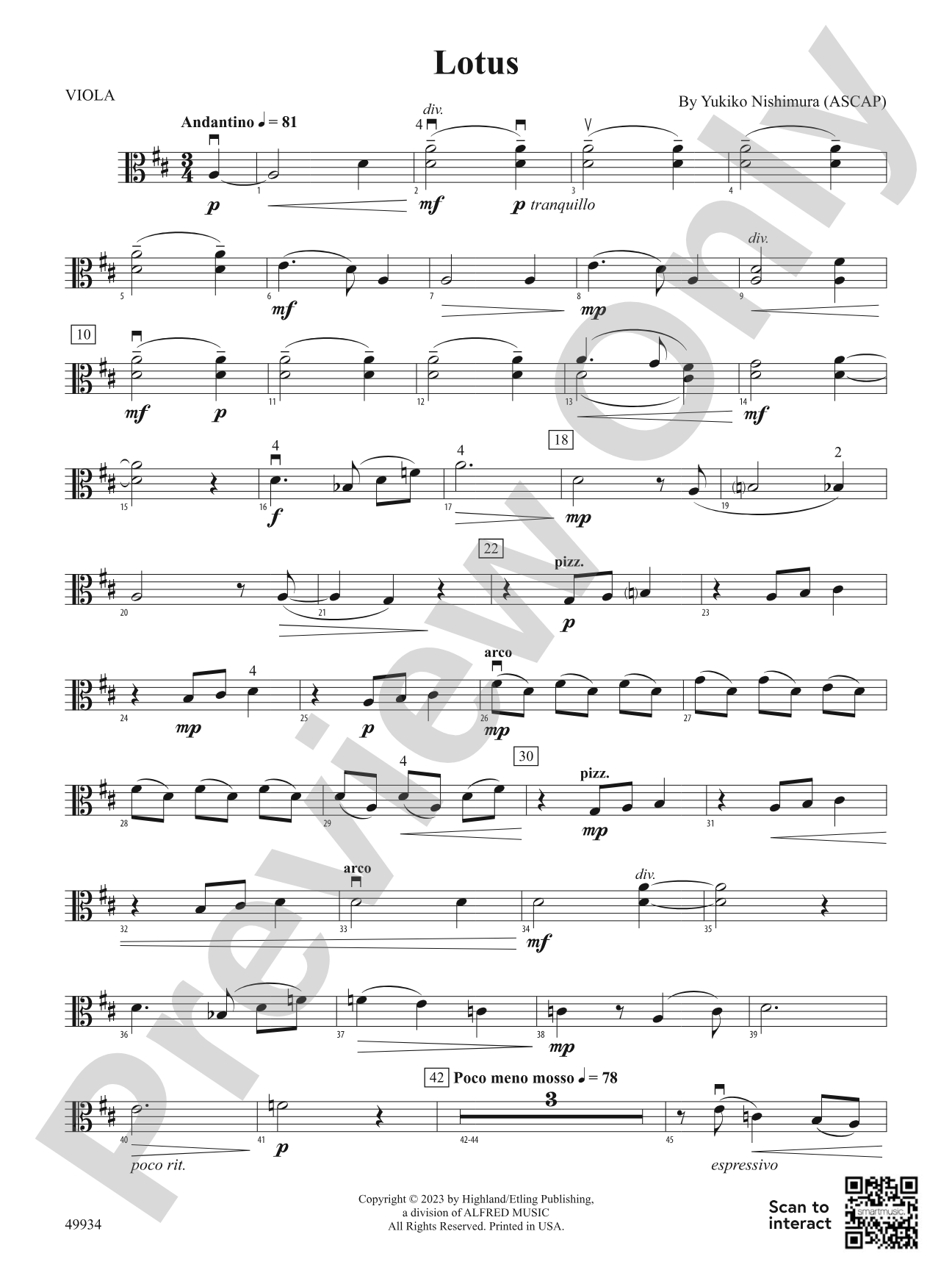

Lotus: Viola
By Yukiko Nishimura
Grade: 2.5
Item: 00-PC-0018961_VA1
$3.00
Pickup currently not available
Description
Lotus, by Yukiko Nishimura, was inspired by the flower. The Lotus is known as a symbol of the sun because it closes at night and reopens at dawn. This stunning piece is full of dramatic harmonies and flowing melodies. Each part offers the opportunity for heartfelt and expressive performance. An interesting fact about the Lotus; when the flower blooms, it makes a faint popping sound, though it's rare to hear unaided. The composer uses pizzicato in the lower instruments at the beginning of the piece to invoke the sound of the bloom. (3:30)


Don't just read it, hear it, play along with it, and watch your students grow with it. In MakeMusic Cloud, Lotus: Viola comes alive with professional accompaniment, adjustable tempo, and built-in practice tools that turn solo practice into real progress.
Open in the Player
Jump straight in and assign it today.
Start Your Free Trial
Open this title and explore the full library in minutes.
Sample Audio
1
Audio File
--:--
0:00
0:00
Sample Video
Additional Details
Series:
Highland/Etling String Orchestra
Publisher:
Alfred Music
SKU:
00-PC-0018961_VA1
More about this title
About the Composer: Yukiko Nishimura
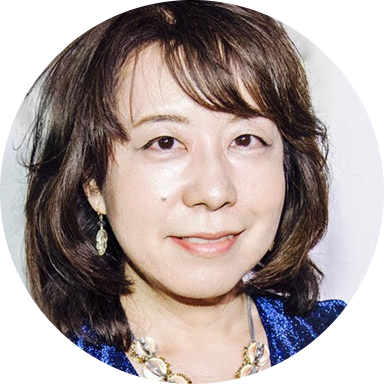
Yukiko Nishimura is a composer and pianist born in Japan who graduated from Tokyo University of Arts in 1990. She pursued advanced study with Dr. Alfred Reed at the University of Miami and Dr. Richard Danielpour at Manhattan School of Music, establishing herself across multiple musical disciplines. Since 1996, she has performed recitals of her own works throughout Japan and presented a solo piano recital at the Donnell Library Center of the New York Public Library in 2003.
Nishimura's compositional reach extends across film scores, theatrical works, and concert music for diverse ensembles. Her 2005 string quartet score for Edison's Frankenstein premiered at Gettysburg College, and she has since created music for silent films, theatrical productions, and Noh theatre, blending Western composition with Japanese cultural forms. Her work has been recognized with nominations for the Hollywood Music in Media Award and performances at Carnegie Hall's Weill Recital Hall, solidifying her presence in contemporary concert music.
Why we love this
Nishimura's musical imagination transforms a single flower into a dramatic narrative arc that string orchestras can sink their teeth into. The compositional touch is sophisticated without demanding virtuosity; Grade 2.5 players find genuine expressive agency in the flowing melodies and thoughtful harmonic colors. The pizzicato blooming effect at the opening hooks students immediately and gives them a concrete image to play toward throughout.
What to expect
Lotus unfolds like a natural event watched in slow motion. The flower's nocturnal rest and sunrise awakening create emotional architecture that feels both intimate and ceremonial, with dramatic harmonies that shift the listener's sense of space and light. Flowing melodies invite the orchestra to sing together, while the pizzicato textures ground the sound in something tactile and real.
Who it's for
String orchestras at the intermediate level who are ready to explore music beyond standard Western repertoire. This piece works well for ensembles comfortable with expressive playing and nuanced dynamics but not yet tackling advanced technical challenges.
How to get the most out of it
- Shape the opening pizzicato figures in the lower strings with clear articulation and consistent rhythmic precision to evoke the delicate popping sound of the lotus bloom.
- Balance the flowing upper voice melodies against the harmonic foundation; the piece asks for lyricism across all sections, not just the violins.
- Attend to the dynamic contours carefully. Nishimura's dramatic harmonies need space to breathe, so avoid the temptation to push through sustained passages.
- Allow the ensemble to hear and feel the transition from night to dawn as a shift in character and energy rather than simply a tempo change.
How to use it
Program this as a centerpiece that demonstrates your ensemble's versatility and musicianship. Its cultural significance and three-minute runtime make it ideal for festival performances or spring concert programming, where it can sit comfortably alongside both classical standards and contemporary concert works.
Skills your students will build
- Coordinating pizzicato articulation across multiple string parts
- Shaping long melodic lines with consistent vibrato and tone quality
- Responding to subtle dynamic shifts and harmonic changes
- Building ensemble balance between multiple melodic and harmonic layers
- Interpreting programmatic music through physical gesture and phrasing