Lotus Cover Image

Lotus: String Orchestra Conductor Score & Parts

$60.00 USD
Sale price  $60.00 USD Regular price 
Skip to product information
Lotus Cover Image

Lotus: String Orchestra Conductor Score & Parts

By Yukiko Nishimura

Grade: 2.5

Item: 00-49934

makemusic Cloud badge

Need it now?

Buy Digital Version
$60.00
Shipped

One moment…

Description
Lotus, by Yukiko Nishimura, was inspired by the flower. The Lotus is known as a symbol of the sun because it closes at night and reopens at dawn. This stunning piece is full of dramatic harmonies and flowing melodies. Each part offers the opportunity for heartfelt and expressive performance. An interesting fact about the Lotus; when the flower blooms, it makes a faint popping sound, though it's rare to hear unaided. The composer uses pizzicato in the lower instruments at the beginning of the piece to invoke the sound of the bloom. (3:30)

Don't just read it, hear it, play along with it, and watch your students grow with it. In MakeMusic Cloud, Lotus: String Orchestra Conductor Score & Parts comes alive with professional accompaniment, adjustable tempo, and built-in practice tools that turn solo practice into real progress.

Sample Pages

Sample Audio
0:00
0:00
Sample Video
Additional Details
Series: Highland/Etling String Orchestra
Publisher: Alfred Music
ISBN10: 1-4706-5778-3
ISBN13: 978-1-4706-5778-9
UPC: 038081575643
SKU: 00-49934

More about this title

About the Composer: Yukiko Nishimura
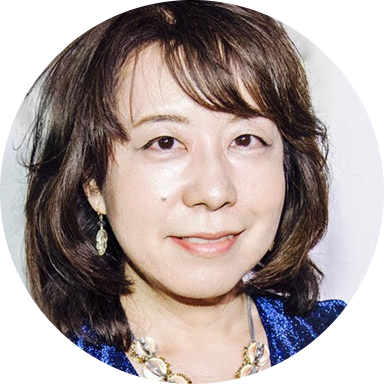
Yukiko Nishimura

Yukiko Nishimura is a composer and pianist whose work spans concert music, chamber ensembles, film scores, and theatrical compositions. Born in Japan and educated at Tokyo University of Arts, she pursued advanced study in composition with Dr. Alfred Reed at the University of Miami and Dr. Richard Danielpour at Manhattan School of Music. Her honors include recognition at the International Competition for Original Composition for Band in Corciano, Italy, and the Aoyama Award.

Nishimura has built a prolific career creating commissioned works across multiple genres and instrumental combinations. Her compositions have been performed at Carnegie Hall, and her film score work includes accompaniment for Edison's 1910 Frankenstein and Kenji Mizoguchi's 1933 The Water Magician. In recent years, she has received multiple nominations for the Hollywood Music in Media Award. She maintains active involvement as both a pianist and arranger, and has collaborated with traditional Japanese Noh theater.

Why we love this

Nishimura's clever orchestration captures a specific natural phenomenon without relying on literal imitation. The pizzicato blooming gesture grounds an otherwise lyrical, accessible piece in vivid imagery, giving your students something concrete to visualize and perform with intention. At Grade 2.5, this score delivers expressive maturity and harmonic interest that keeps young orchestras engaged.

What to expect

A piece that unfolds like the flower itself: quiet and introspective at first, then blooming into rich, warm harmonies. The flowing melodies and dramatic chordal colors create space for each student to find their individual voice while contributing to a unified, shimmering whole.

Who it's for

String orchestras at the intermediate level who are ready for music with genuine emotional depth and harmonic sophistication. This score works well for ensembles that have solid intonation and rhythmic stability but are still building confidence with expressive playing and nuanced dynamics.

How to get the most out of it

  • Isolate the opening pizzicato section in the lower strings during early rehearsals. Work toward a light, synchronized attack that suggests delicate breaking rather than percussive plucking, helping players hear the poetic connection to the flower's bloom.
  • Shape the flowing melodies with careful attention to phrase direction and breath points. Even though students are moving their bows, encourage them to think like singers who need air; this prevents mechanical phrasing and unlocks the piece's lyricism.
  • Balance the dramatic harmonies carefully across sections. The piece's emotional arc depends on clear voice leading, so spend time ensuring that supporting lines remain transparent rather than drowning out primary melodic material.
  • Use the three-minute-thirty-second runtime to discuss the symbolism of closing and reopening with your ensemble before performing. A shared understanding of the lotus cycle will naturally inform the piece's emotional contours and tempo choices.

How to use it

Program this for spring or end-of-year concerts where it pairs naturally with other nature-inspired works or pieces exploring different cultural traditions. The three-and-a-half-minute length makes it an elegant filler between larger works, and its accessibility at Grade 2.5 means it won't disrupt a balanced concert flow while still offering substantive musical content. It also suits festival competition contexts, where its lyrical character and technical clarity tend to earn strong adjudication feedback.

Skills your students will build

  • Sustaining long, connected phrases across multiple measures
  • Reading and executing pizzicato articulation with rhythmic precision
  • Balancing individual melodic lines within a harmonic texture
  • Responding to subtle dynamic and tempo shifts that serve emotional expression
  • Coordinating ensemble intonation during sustained chords and harmonic progressions

You May Also Like
