Lost Island: Violin 1 Sheet Music Preview

Lost Island: Violin 1

By Kathryn Griesinger

Grade: 1

Item: 98-PC-DST6437_VN1

Digital Download
$7.00
Description
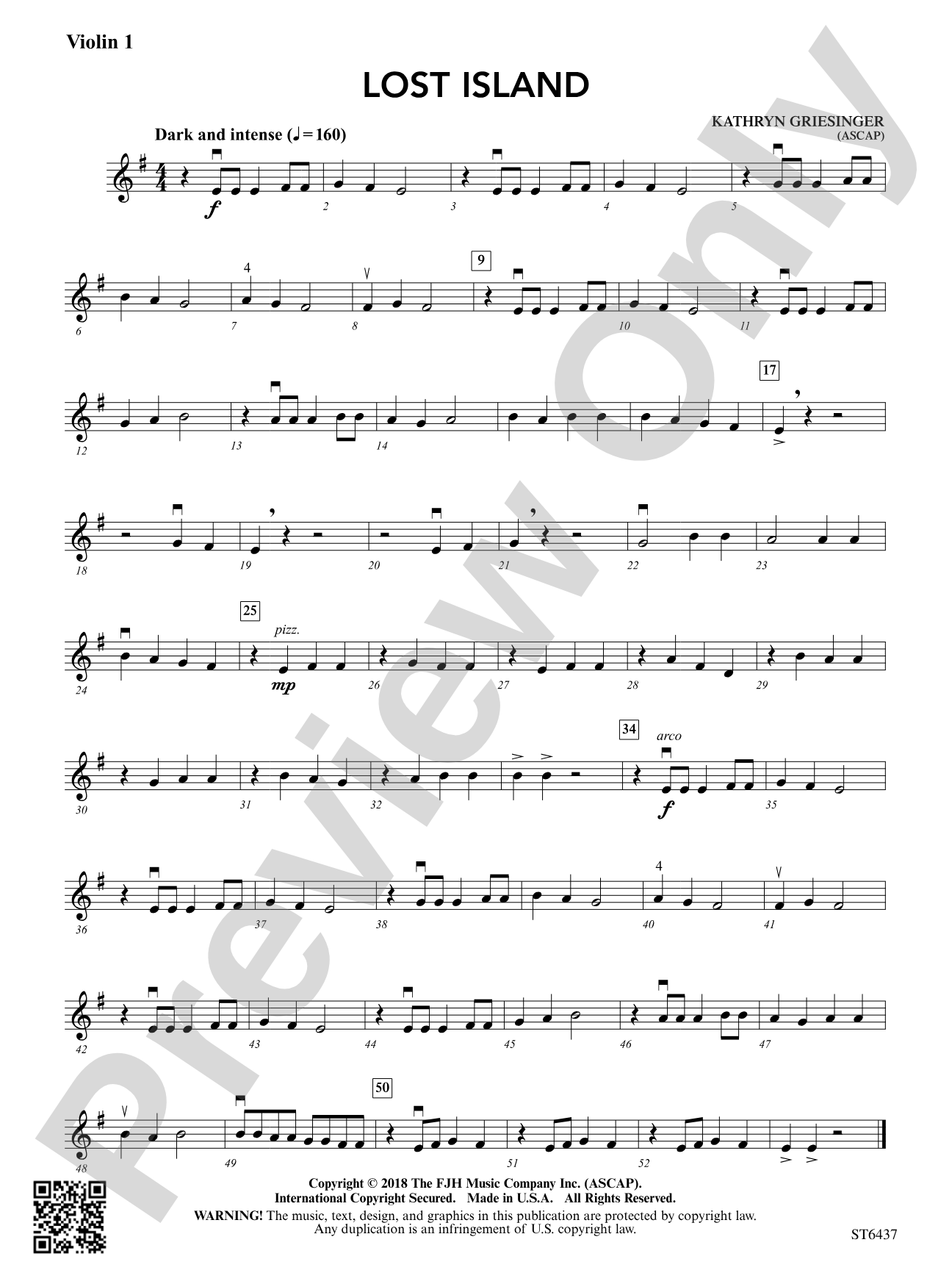
Adventure hides in the shadows of a mysterious island that lies far beyond the horizons of the sea. This simple, yet dramatic piece uses only the first 6 notes of the D and G Major scales along with easy combinations of eighth, quarter, and half notes. Urgent rhythms build alongside echoing melodic lines to create anticipation and energize this work for beginning players, who will love the dark minor tonality.

Lost Island: Violin 1 isn't in MakeMusic Cloud just yet...but it could be. Let us know you'd like to see it, and you'll help shape what comes next. In the meantime, start a free trial and dive into thousands of interactive titles your students can play along with today.

Sample Audio
0:00
0:00
Sample Video
Additional Details
Series: FJH Beginning Strings
Publisher: The FJH Music Company, Inc.
SKU: 98-PC-DST6437_VN1

More about this title

About the Composer: Kathryn Griesinger

Kathryn Griesinger is a composer and educator whose work prioritizes accessibility without sacrificing musical substance. Her output for beginning strings has earned recognition in the FJH Beginning Strings series, where she consistently demonstrates an ear for what young musicians can accomplish with limited technical demands.

Why we love this

Griesinger captures genuine drama within severe technical constraints, making this piece a rare find at Grade 1. Beginning orchestras get to play something that sounds substantial and feels purposeful, not watered down. The minor tonality and building urgency reward careful ensemble listening without demanding virtuosity.

What to expect

Dark, mysterious, and alive with tension. The limited pitch set creates focused intensity rather than feeling constrained; echoing lines suggest an unseen landscape, and building rhythms pull listeners forward into the unknown.

Who it's for

Beginning string orchestras ready to tackle something dramatically engaging without complex technique. This works well for groups developing ensemble awareness and balance through accessible but emotionally direct material.

How to get the most out of it

  • Shape the echoing melodic lines by bringing out the dialogue between sections; let the repetition serve the narrative rather than become mechanical
  • Control the tempo as rhythms accelerate to build genuine tension; resist rushing ahead in excitement
  • Balance the urgent rhythmic figures against sustained notes so both layers remain audible and the texture doesn't collapse
  • Use dynamic contrast to suggest the island's mystery; shadows and silence matter as much as the driven passages

How to use it

Open a concert with this to establish mood and energy, or pair it with lighter Grade 1 pieces to show your ensemble's dynamic range. It also programs well for festival competition where judges value musicality over technical display.

Skills your students will build

  • Reading and performing music in minor tonality
  • Sustaining independent melodic lines within ensemble texture
  • Building dynamic intensity through rhythmic acceleration
  • Balance between rhythmic and sustained voices
  • Ensemble listening and intonation awareness

You May Also Like