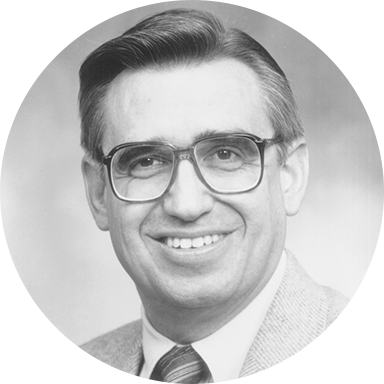
Don Besig spent 31 years directing music in western New York public schools, where his concert choirs and show choirs became known fixtures at festivals, competitions, and community performances. His work across all grade levels and ability ranges gave him a clear sense of what student singers needed from their repertoire. He currently serves as director of music at Perinton Presbyterian Church in Fairport, New York.
Beginning as a composer out of practical necessity for his own ensembles, Besig has since created over 350 original works and arrangements published by major school and church music houses. His catalog has sold more than 15 million copies and earned him multiple ASCAP Special Awards. He holds a degree from Ithaca College and maintains active involvement in ACDA, MENC, and NYSSMA. His reputation as a guest conductor and clinician has taken him across 40 states and Canada.
Why we love this
Besig and Price write music that respects singers without patronizing them. The harmonic language feels contemporary and accessible while maintaining genuine musicianship, and the text setting avoids forced phrasing. Directors consistently program this piece because it works equally well in a concert setting or a worship context, making it a practical choice for ensembles that serve multiple venues.
What to expect
The music radiates quiet confidence and comfort. Rather than soaring or dramatic, it settles into a reflective, supportive space that encourages listeners to find their own stillness. The harmonic language feels contemporary and grounded, with moments of gentle lift that feel earned rather than imposed.
Who it's for
This octavo suits volunteer church choirs, high school and middle school concert choirs, and any ensemble seeking repertoire that's singable yet expressive. The SATB voicing is standard enough to work with mixed voices of varying experience levels, making it appropriate for both trained singers and those still developing musicianship skills.
How to get the most out of it
Balance the harmonic texture by asking each voice section to listen across the choir rather than only to their own part; this grounds the piece's warm, supportive quality.
Shape the melodic contour deliberately rather than treating it as static; subtle dynamic swells on key phrases will bring out the text's emotional resonance.
Attend to vowel consistency across the sections, especially in the sustained passages, to let the harmony bloom without sounding thin or disconnected.
How to use it
Position this as a centerpiece for a sacred or concert program where you want emotional weight without heaviness. It pairs naturally with other contemporary sacred works or serves as an anchor piece when you're balancing more demanding repertoire. Many directors find it particularly effective as a closing anthem or as part of a program exploring themes of faith and community.
Skills your students will build
Balancing independent voice lines while maintaining harmonic awareness
Sustaining legit tone in a pop-influenced harmonic context
Shaping phrases to support text meaning in a contemporary sacred style
Reading and performing modern choral writing with accessible but sophisticated voicing
You May Also Like
Scan to Complete Your Purchase
Use your phone's camera to scan the code below
You'll log in on your phone and the order will be added to your account