Looking Up (Score) Sheet Music Preview

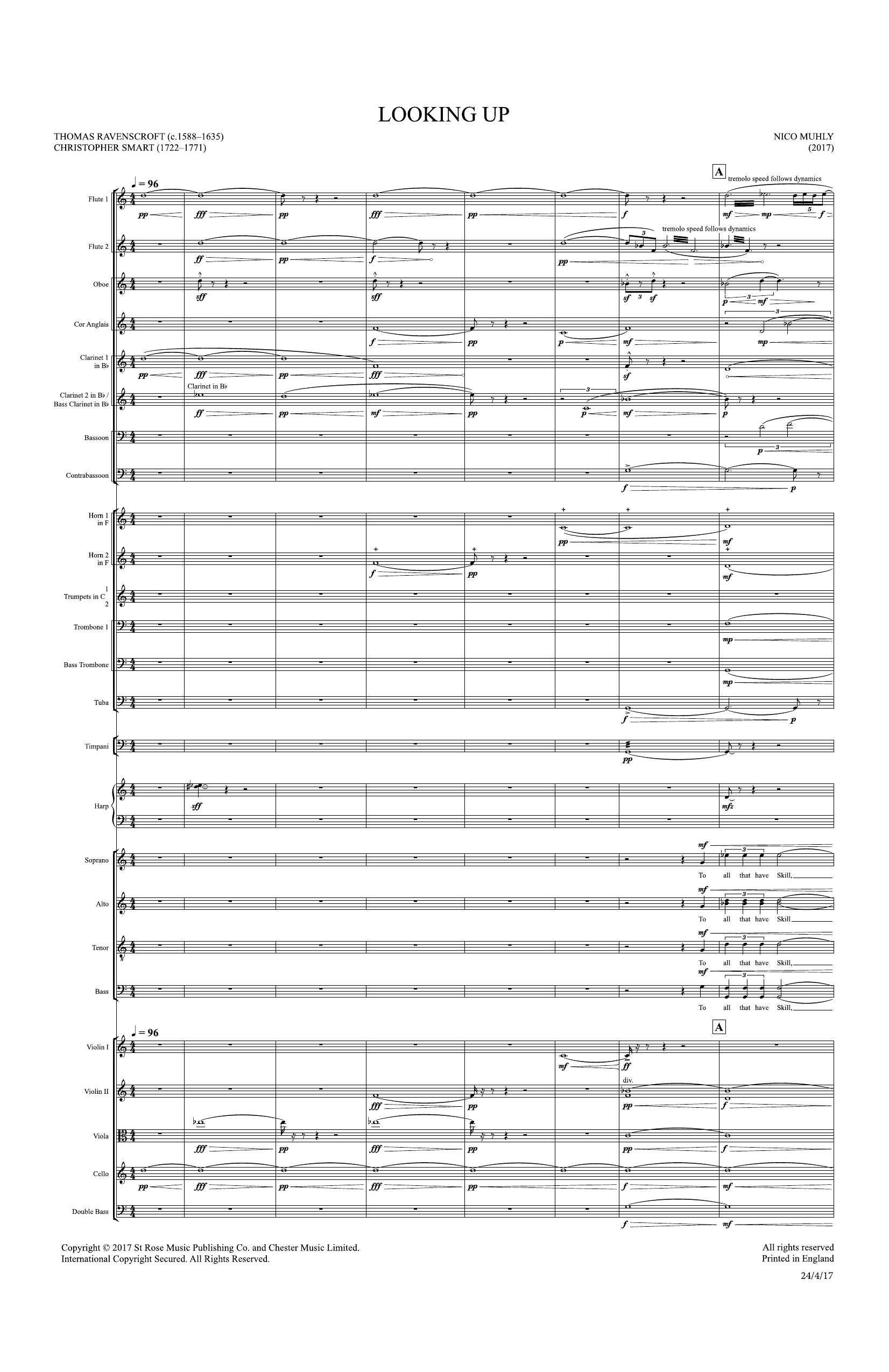
Looking Up (Score): Choral Instrumental Pak

By Nico Muhly

Item: 35-PK00495963

Digital Download
$35.00

Buy Extra Parts (Digital PDF Download)

Parts Added to Cart!

Description
Looking Up (Score)

Looking Up (Score): Choral Instrumental Pak isn't in MakeMusic Cloud just yet...but it could be. Let us know you'd like to see it, and you'll help shape what comes next. In the meantime, start a free trial and dive into thousands of interactive titles your students can play along with today.

Sample Audio
No sample audio found.
Sample Video
Additional Details
Publisher: Hal Leonard
SKU: 35-PK00495963

More about this title

About the Composer: Nico Muhly

Nico Muhly is an American composer whose work spans opera, orchestral music, choral writing, and film scores. He studied at Columbia University and the University of Oxford, developing a compositional voice that blends minimalist techniques with lyrical storytelling and accessible harmonic language. His choral and instrumental works have been performed by major ensembles worldwide, and his facility with vocal writing makes his pieces especially rewarding for singers.

Muhly's music is known for its emotional directness and structural clarity. Whether writing for concert halls or educational ensembles, he crafts pieces that sound natural in the voice while maintaining sophisticated musical ideas. His output demonstrates a deep understanding of how instruments and voices can work together to create engaging, memorable musical experiences.

Why we love this

Muhly's gift for writing vocal lines that feel singable yet substantial sets this apart from more angular contemporary choral work. The combination of choir and instruments creates textural interest without requiring massive orchestration, making it practical for groups with moderate instrumental resources. The title itself suggests a deliberate emotional arc, and the music delivers on that promise with genuine lyricism.

What to expect

The music carries an upward emotional trajectory that justifies its title. Muhly's harmonic language is generally accessible but layered, creating a sense of hope and forward motion. The combination of vocal warmth and instrumental texture yields something that feels both modern and familiar.

Who it's for

Intermediate to advanced choral ensembles with access to a modest instrumental group. This work suits programs looking for contemporary classical music that audiences find engaging without sacrificing musical substance. It works well for mixed choirs of 20 or more voices.

How to get the most out of it

  • Balance the choir carefully against the instrumental parts; Muhly's orchestration typically provides independence to instrumental voices rather than doubling the choral line throughout.
  • Attend to the text setting. His declamation is purposeful, and rhythmic precision in the choir will bring out the composer's intentions.
  • Mark dynamic shadings in your score early. Muhly often uses gradual shifts in intensity rather than sudden changes, and rehearsing these trajectories will shape the phrase architecture.
  • Coordinate the ensemble during transitions between sections. With choir and instruments working independently, clear conducting patterns will help everyone stay aligned.

How to use it

This piece works effectively as a closing number for a concert program, where its affirmative character sends audiences out energized. It also fits well in a contemporary choral set, especially when programmed alongside other 21st-century works that might otherwise feel isolated. Consider placing it where the audience needs an emotional lift or where you want to showcase your ensemble's ability to handle modern compositional techniques with musicality.

Skills your students will build

  • Singing contemporary music with accurate intonation in non-traditional harmonic contexts
  • Ensemble balance between voices and independent instrumental lines
  • Sensitivity to text setting and speech rhythm in modern choral writing
  • Coordination and rhythmic precision across mixed instrumental and vocal forces

You May Also Like