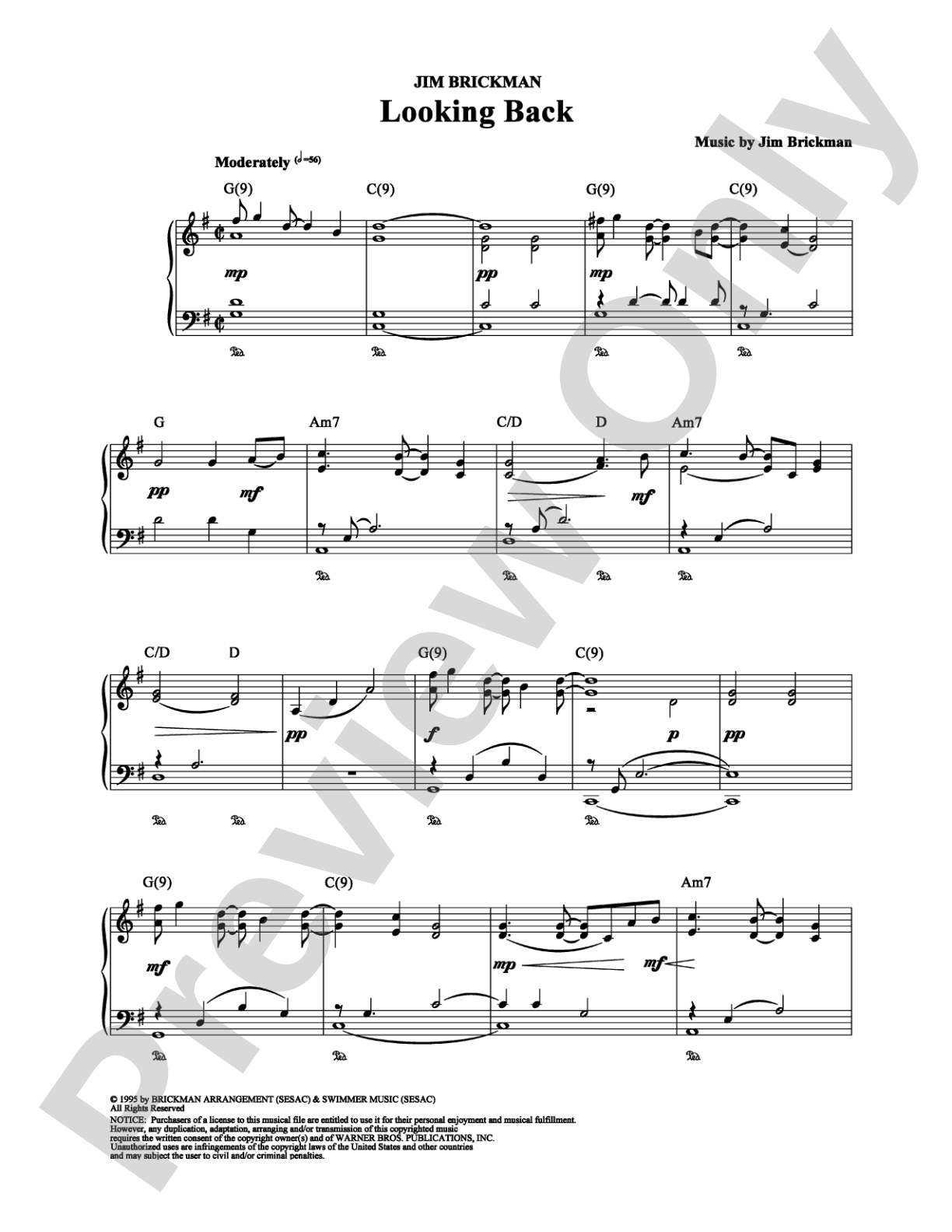
Looking Back: Piano Digital Sheet Music

Looking Back: Piano Digital Sheet Music

Jim Brickman

Item: 00-PS-0006134

Digital Download
$3.99
Description

Looking Back: Piano Digital Sheet Music isn't in MakeMusic Cloud just yet...but it could be. Let us know you'd like to see it, and you'll help shape what comes next. In the meantime, start a free trial and dive into thousands of interactive titles your students can play along with today.

Sample Audio
No sample audio found.
Sample Video
Additional Details
SKU: 00-PS-0006134

More about this title

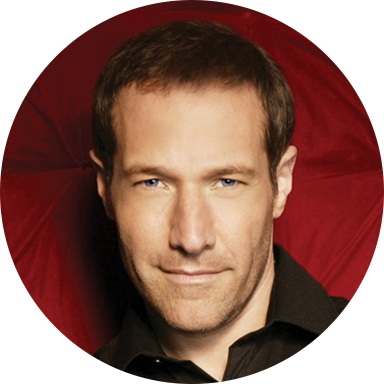
About the Artist: Jim Brickman

Jim Brickman

Jim Brickman stands as the defining voice of contemporary solo piano, crafting emotionally direct compositions that speak to the power of instrumental storytelling. His career has fundamentally reshaped how audiences experience piano music, building a devoted following through recordings, touring, and a commitment to making his work accessible across diverse settings and listening contexts.

Brickman approaches composition as a form of emotional communication. His writing philosophy centers on music as a vehicle for life's pivotal moments—the quiet reflections, celebrations, and connections that define us. This philosophy has made his catalog a staple in both personal listening and professional performance contexts.

Why we love this

Brickman's piano writing balances accessibility with genuine emotional depth, offering pianists repertoire that sounds sophisticated without requiring virtuosic technique. The piece captures his signature ability to build atmosphere through restrained, lyrical phrasing—exactly the kind of contemporary material that connects with audiences while remaining rewarding to perform.

What to expect

This piece carries a nostalgia tinged with warmth, the musical equivalent of reflecting on moments that shaped you. The harmony suggests wistfulness without melancholy, inviting the performer and listener into a space of quiet contemplation.

Who it's for

This piece suits intermediate to advanced pianists seeking contemporary repertoire with genuine expressive substance. It works equally well as a recital selection, a showcase for adult students, or a program piece that bridges classical training and modern listening tastes.

How to get the most out of it

  • Shape the melodic line with subtle dynamic shifts rather than dramatic swells; let the phrasing breathe naturally between phrases.
  • Pay attention to pedal changes as structural markers; clear pedal work will highlight harmonic movement and prevent muddiness in the lower register.
  • Maintain even touch in the accompaniment patterns to support the melody without overwhelming it; think of the left hand as a foundation, not a feature.

How to use it

This fits naturally into a recital program as a contemporary anchor piece, effective in concert contexts where you're mixing classical foundations with modern voices. It also serves well as an encore or closing selection, leaving audiences with a lingering sense of calm.

Skills your students will build

  • Pedal control and timing for harmonic clarity in contemporary textures
  • Phrasing and line shaping in non-traditional harmonic progressions
  • Balancing melody and accompaniment without relying on dramatic dynamic contrast
  • Interpreting contemporary piano music with classical technique

You May Also Like