
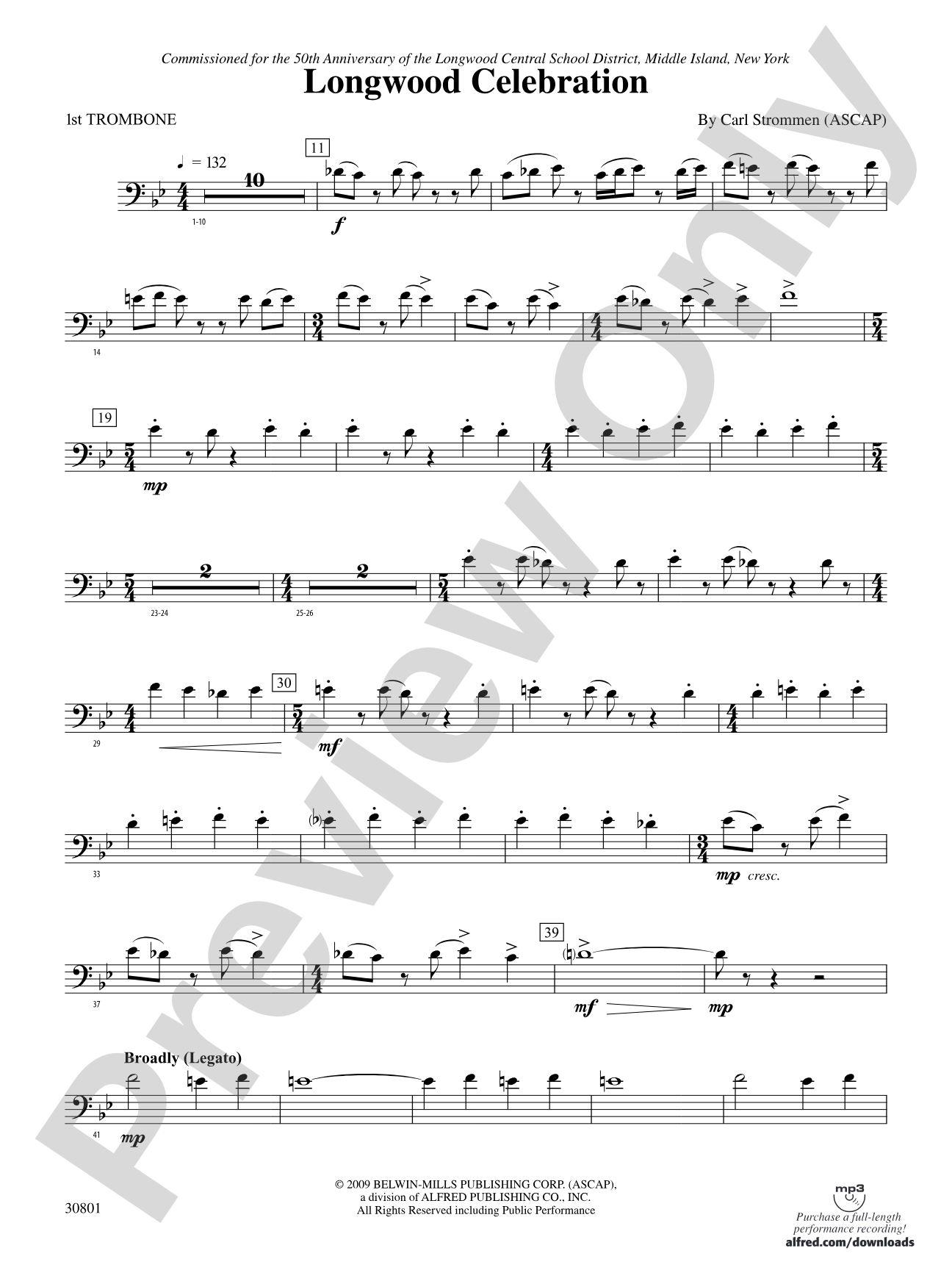

Longwood Celebration: 1st Trombone
By Carl Strommen
Grade: 3.5 (Medium Easy to Medium)
Item: 00-PC-0001682_TN1
$5.99
Pickup currently not available
Description
Energy packed with strong rhythmic pulse as the foundation, this original overture dwells on the innovative interplay rhythmically between the ensemble sections and melodic components. The vigorous approach leaves a bold impression as the work builds to a dramatic conclusion in a flourish. This title is available in MakeMusic Cloud.


Don't just read it, hear it, play along with it, and watch your students grow with it. In MakeMusic Cloud, Longwood Celebration: 1st Trombone comes alive with professional accompaniment, adjustable tempo, and built-in practice tools that turn solo practice into real progress.
Open in the Player
Jump straight in and assign it today.
Start Your Free Trial
Open this title and explore the full library in minutes.
Sample Audio
1
Audio File
--:--
0:00
0:00
Sample Video
No sample videos found.
Additional Details
Series:
Belwin Concert Band
Publisher:
Alfred Music
Page Count:
228
SKU:
00-PC-0001682_TN1
More about this title
About the Composer: Carl Strommen
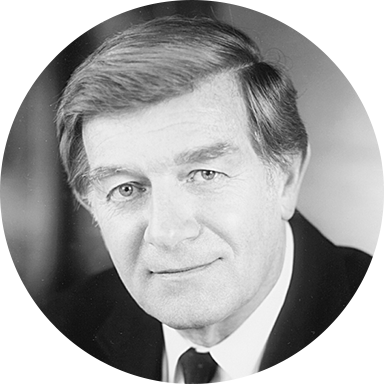
Carl Strommen stands among the most frequently performed composer-arrangers in North America and abroad, with his works integral to concert halls, orchestras, jazz ensembles, and choral programs. His music appears regularly in professional settings and broadcast media, and his consistent output has earned him annual recognition from ASCAP as a Standard Writers Award recipient.
Strommen holds a degree from the City College of New York and maintains an active role in music education as an adjunct professor of orchestration and composition at C.W. Post Campus of Long Island University in Brookville, New York. He remains deeply engaged as both a clinician and commissioned composer, drawing inspiration from time spent with his family across Long Island, Denver, and Boulder, Colorado.
Why we love this
Strommen constructs this overture around rhythmic sophistication without sacrificing accessibility; the interplay between sections creates the illusion of complexity while remaining technically manageable at 3.5. The piece earns its place on both concert and contest programs through sheer musical substance rather than surface flash, rewarding ensembles that commit to precise ensemble articulation and dynamic control.
What to expect
Propulsive and athletic. The piece moves with intention and drive, buoyed by a rhythmic pulse that propels the listener forward even through quieter passages. As the work progresses, it accumulates power through layered orchestration and dynamic architecture, culminating in a bold, decisive statement that feels earned rather than imposed.
Who it's for
Mid-level concert bands seeking repertoire with genuine compositional craft and energy that doesn't require advanced technical facility. This works equally well for groups building confidence in rhythmic precision and for ensembles preparing for festival or contest performance.
How to get the most out of it
- Lock the rhythmic foundation by isolating the percussion and low brass (tuba, trombone) in sectional rehearsals before integrating the full ensemble; the work's vitality depends on absolute rhythmic unanimity in those layers.
- Shape the melodic lines with legit weight so they cut through the rhythmic texture; avoid letting accompaniment figures eclipse the primary thematic material as the piece builds toward the conclusion.
- Treat dynamic transitions as architectural moments rather than sudden jumps; the piece builds to a dramatic finish, so map crescendos and climactic moments clearly across all parts during early rehearsals.
- Balance the 'innovative interplay' between sections by bringing contrasting instrumental colors to the foreground in turn; this prevents the work from feeling like a unified block and reveals Strommen's compositional intention.
How to use it
Place this as a concert opener or early program slot where its energy and forward momentum set an engaging tone for the audience. Its contest-ready quality makes it ideal for festival programming, and its moderate length allows flexible concert placement when programming around larger or more complex works.
Skills your students will build
- Rhythmic precision and ensemble alignment across mixed meters and syncopated figures
- Sectional balance and independence (distinguishing melodic lines from rhythmic accompaniment)
- Dynamic control and shaping of extended crescendi
- Part independence within a tightly woven ensemble texture
- Reading and executing contemporary harmonic language at an accessible level