

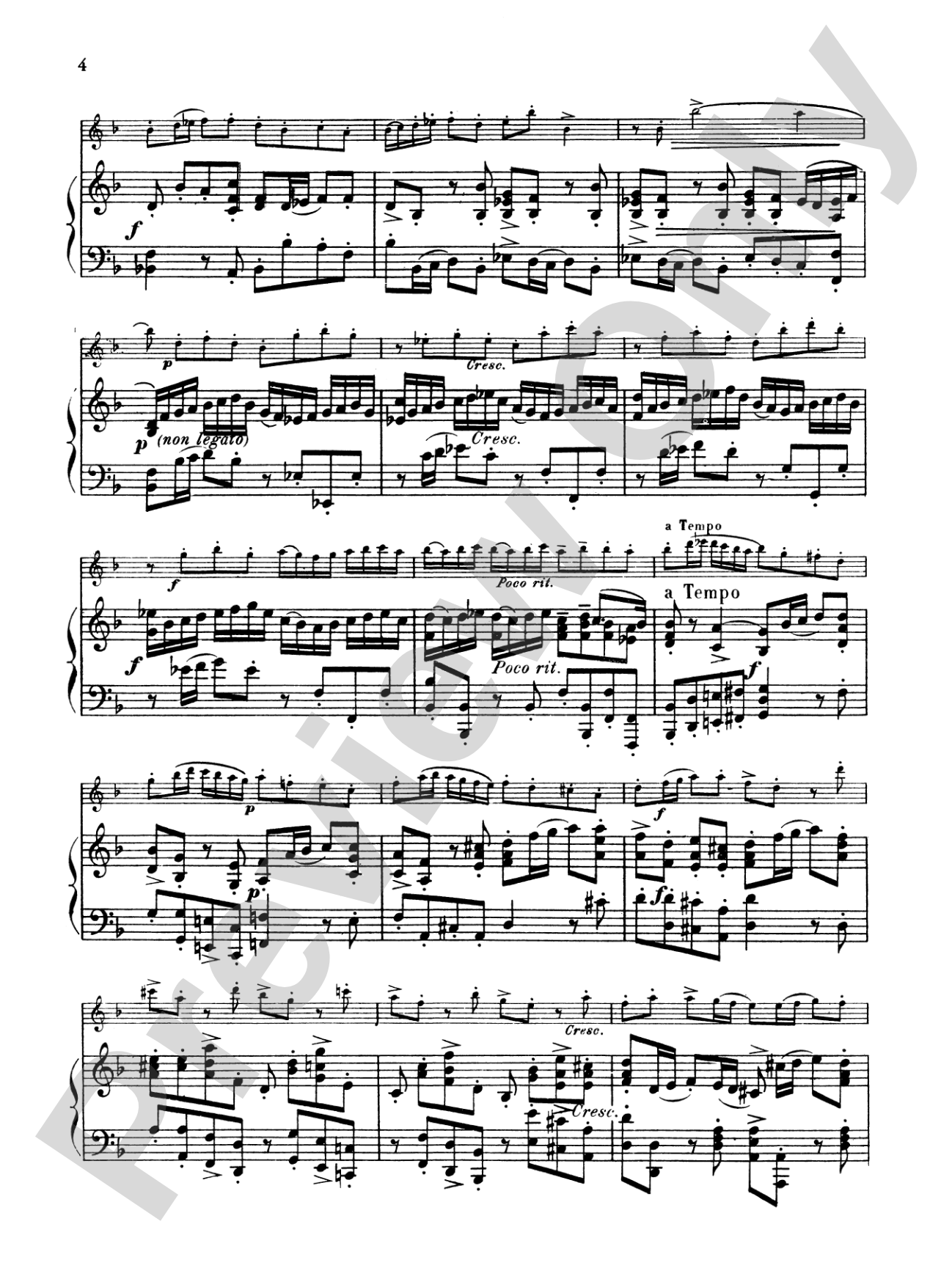
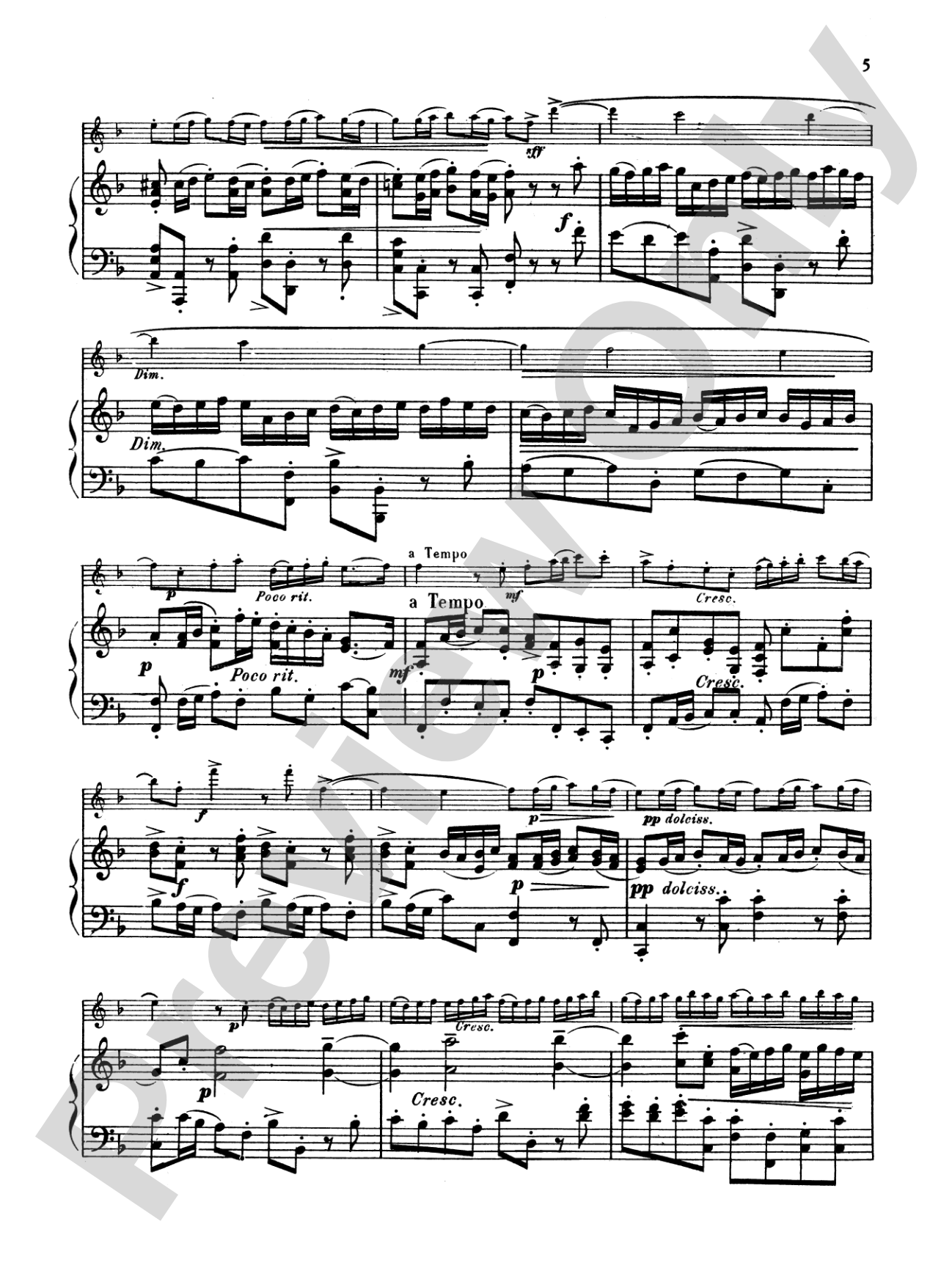
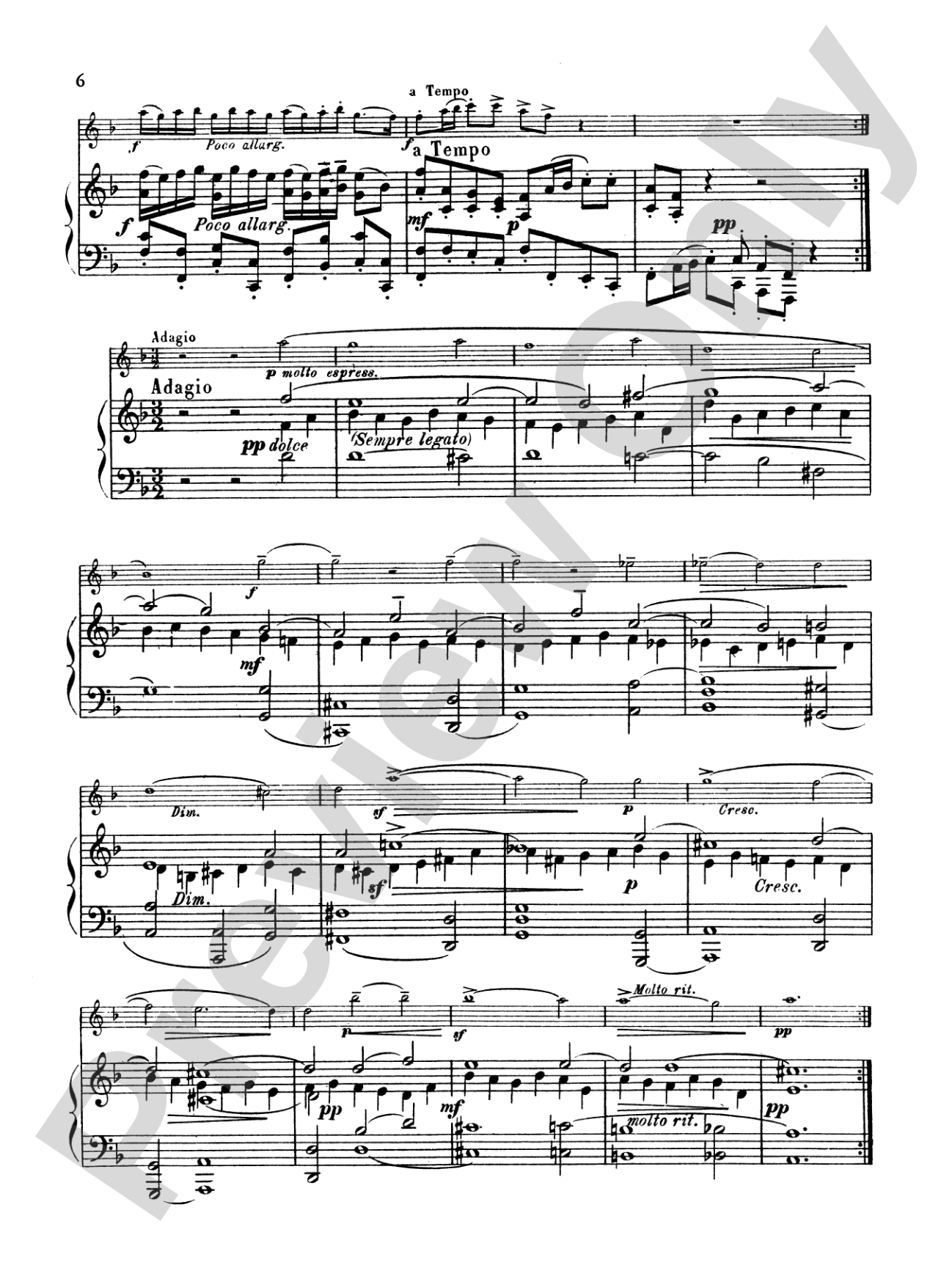
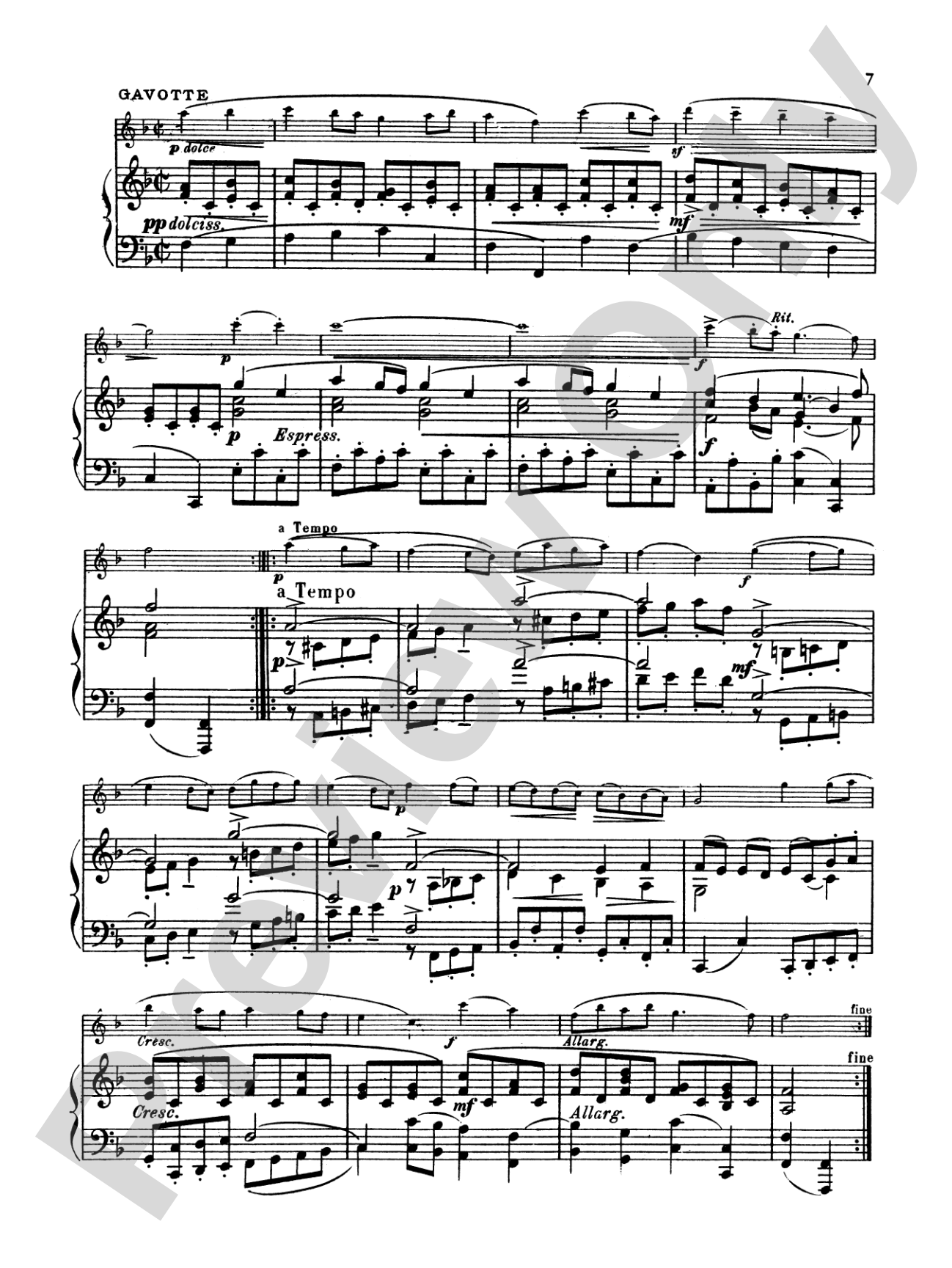
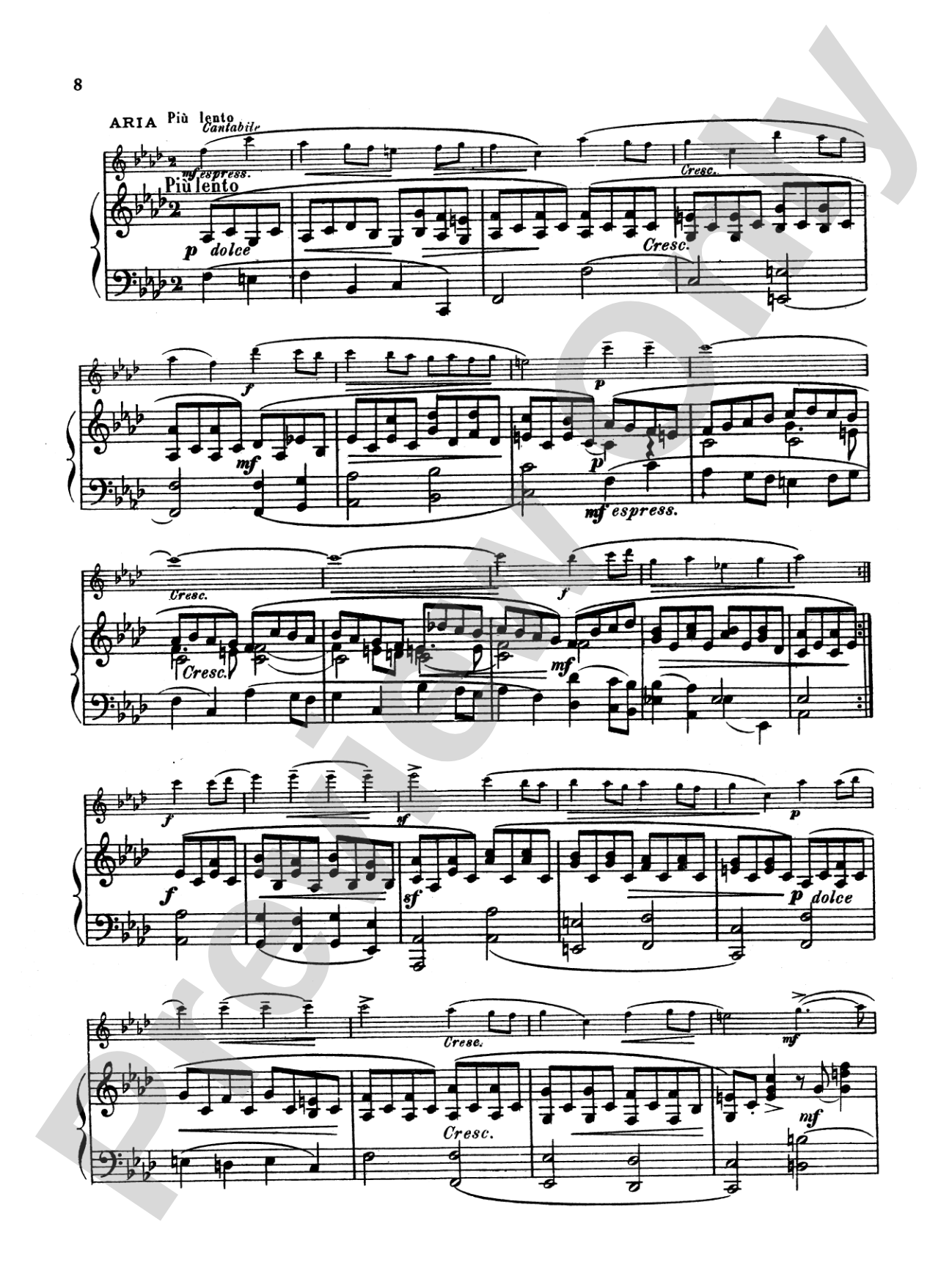
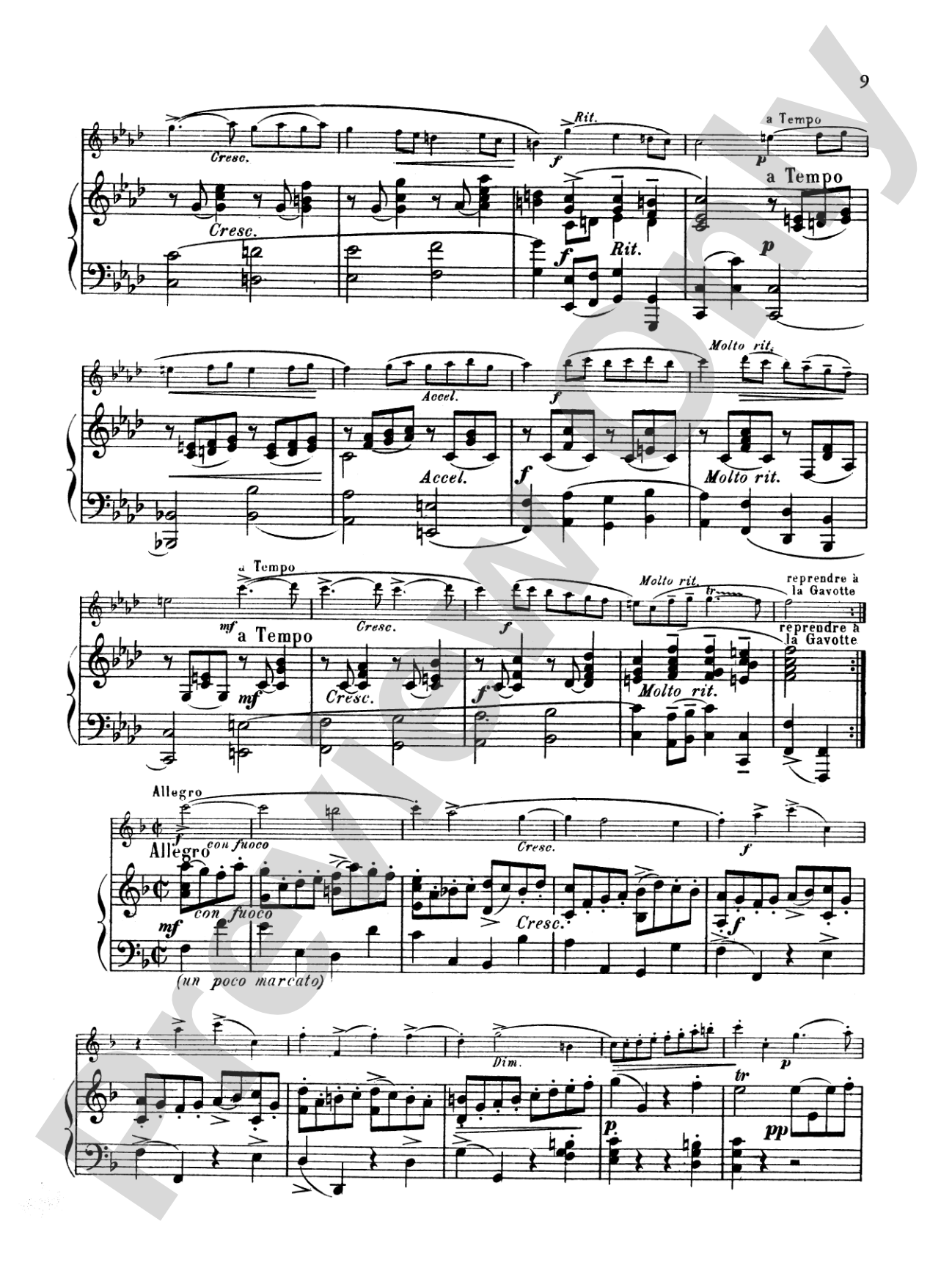
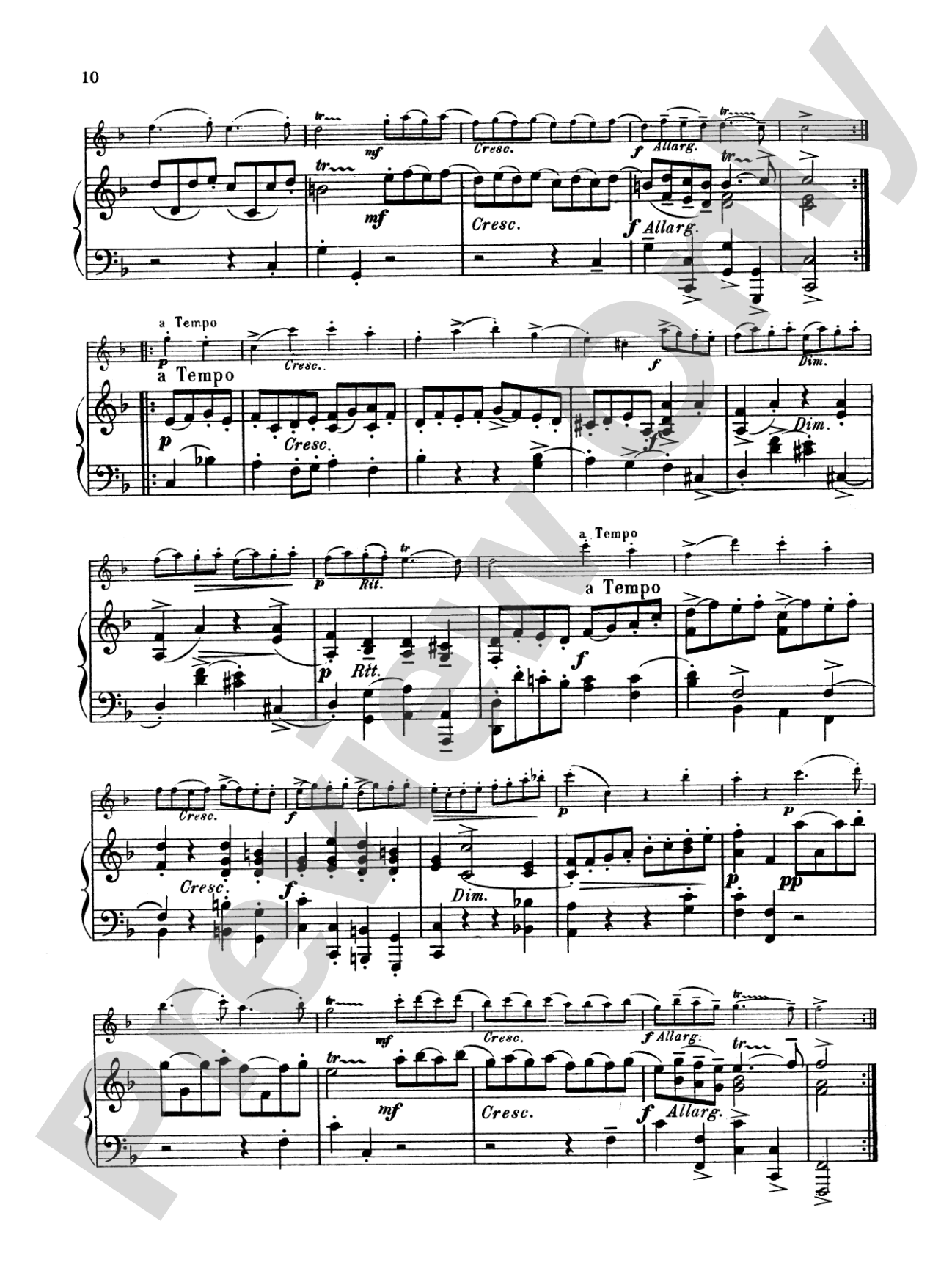

Loeillet: Sonata in F Major (Arr. Beon): Flute Part(s)
By Jean-Baptiste Loeillet / arr. Alexandre Beon
Item: 00-PK-0003671

$7.99
Pickup currently not available
Buy Extra Parts (Digital PDF Download)
| Product | Price | Quantity |
|---|---|---|
| Loeillet: Sonata in F Major (Arr. Beon) | $6.99 |
Parts Added to Cart!
Description
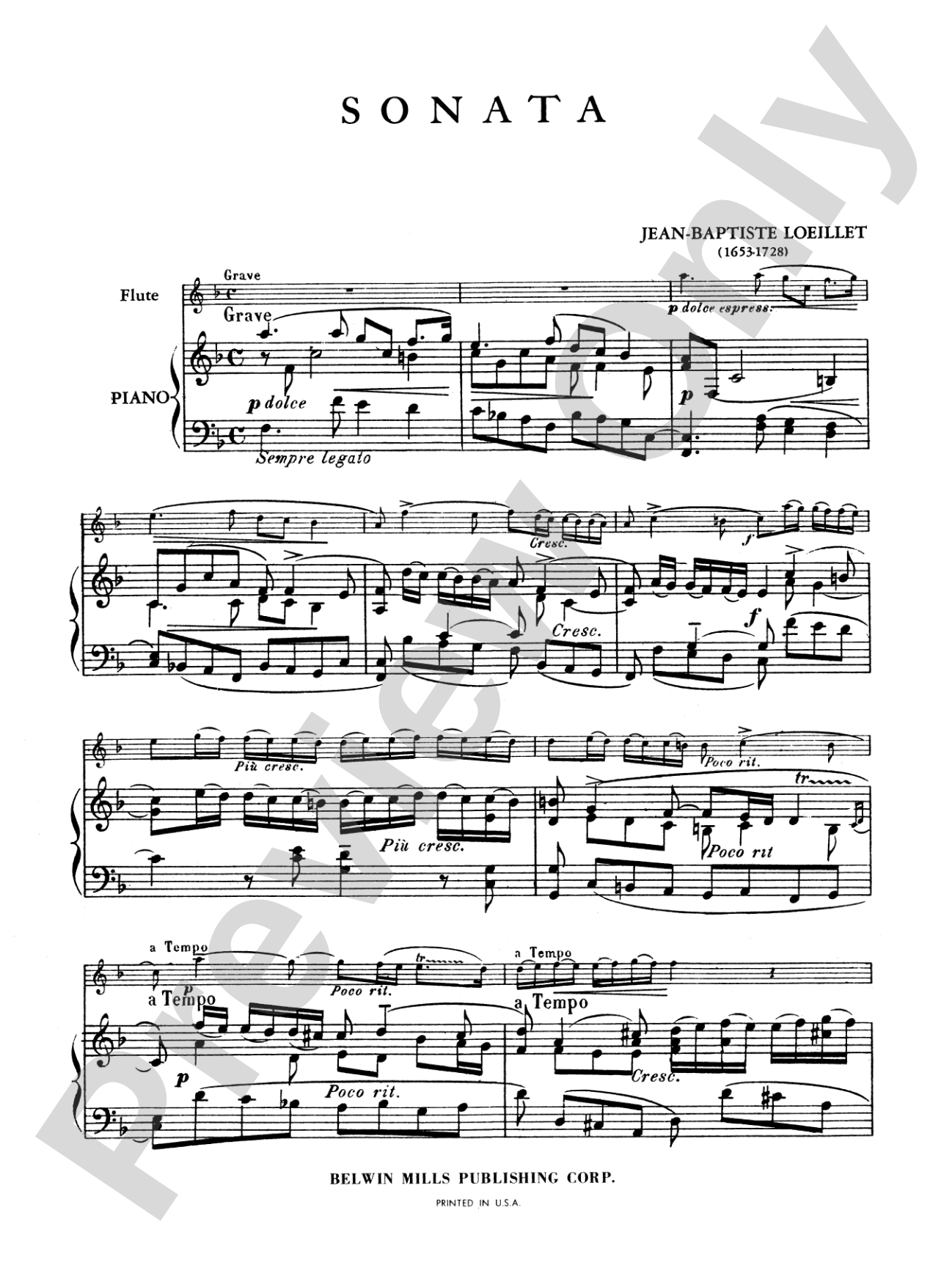
A Flute solo with Piano Accompaniment composed by Jean-Baptiste Loeillet arranged by Beon.


Don't just read it, hear it, play along with it, and watch your students grow with it. In MakeMusic Cloud, Loeillet: Sonata in F Major (Arr. Beon): Flute Part(s) comes alive with professional accompaniment, adjustable tempo, and built-in practice tools that turn solo practice into real progress.
Open in the Player
Jump straight in and assign it today.
Start Your Free Trial
Open this title and explore the full library in minutes.
Sample Audio
No sample audio found.
Sample Video
No sample videos found.
Additional Details
Series:
Kalmus Edition
Publisher:
Alfred Music
Page Count:
16
SKU:
00-PK-0003671
More about this title
About the Composer: Jean-Baptiste Loeillet
Jean-Baptiste Loeillet (1680-1730) was a master of the Baroque sonata, working across multiple European centers including London and Paris. His chamber works for woodwinds remain essential repertoire for understanding how wind instruments evolved during the early 18th century, and his writing idiomatically suits the flute while maintaining the harmonic sophistication of the era.
Loeillet's sonatas bridge the Italian trio-sonata tradition with French stylistic refinement. His melodies are memorable and vocal in character, his accompaniments are resourceful, and his forms are transparent. Teachers prize these works because they expose students to genuine Baroque material without the technical demands of the most virtuosic composers.
Why we love this
This sonata combines genuine musical substance with genuine playability. Loeillet writes ideas that sing naturally on the flute, sit comfortably in a reasonable range, and allow pianists to accompany without struggle. A flute student performing this discovers what Baroque music actually sounds like, not a simplified approximation of it.
What to expect
Graceful and conversational, with the flute voice consistently in the foreground while the piano provides elegant harmonic support. Loeillet's phrases unfold with natural breath and clear purpose, creating music that feels both structured and expressive.
Who it's for
This sonata suits flute students approaching intermediate-to-advanced repertoire who are ready to interpret Baroque style authentically. It works equally well for advanced middle school students with solid tone production and mature reading skills, or for musicians preparing chamber music recitals.
How to get the most out of it
- Shape melodic phrases according to harmonic rhythm rather than note count. Baroque phrases often span multiple bars, and the architecture matters more than hitting every note with equal weight.
- Coordinate articulation with your pianist on repeated notes and scale passages. Baroque convention permits consonant syllables (tu or du) rather than single-syllable tonguing to clarify texture and support forward motion.
- Approach ornaments as written elements of phrasing, not afterthoughts. In Baroque contexts, trills and turns define the character of a gesture, so practice them as integral to the line rather than decorative.
- Test tempos with your accompanist early. The piano part's figuration often suggests ideal pace; what feels comfortable solo may drag when the accompaniment is present.
How to use it
This sonata opens doors for students exploring the Baroque solo repertoire and deserves a place on recital programs where it represents the period alongside later Classical works. It also works within a flute chamber music series or an anthology concert showcasing different eras and styles.
Skills your students will build
- Baroque phrasing and stylistic interpretation
- Balancing ornamentation with forward harmonic motion
- Reading standard Baroque notational conventions
- Collaborative listening with piano accompaniment
- Range navigation in the middle to upper register with musicality