
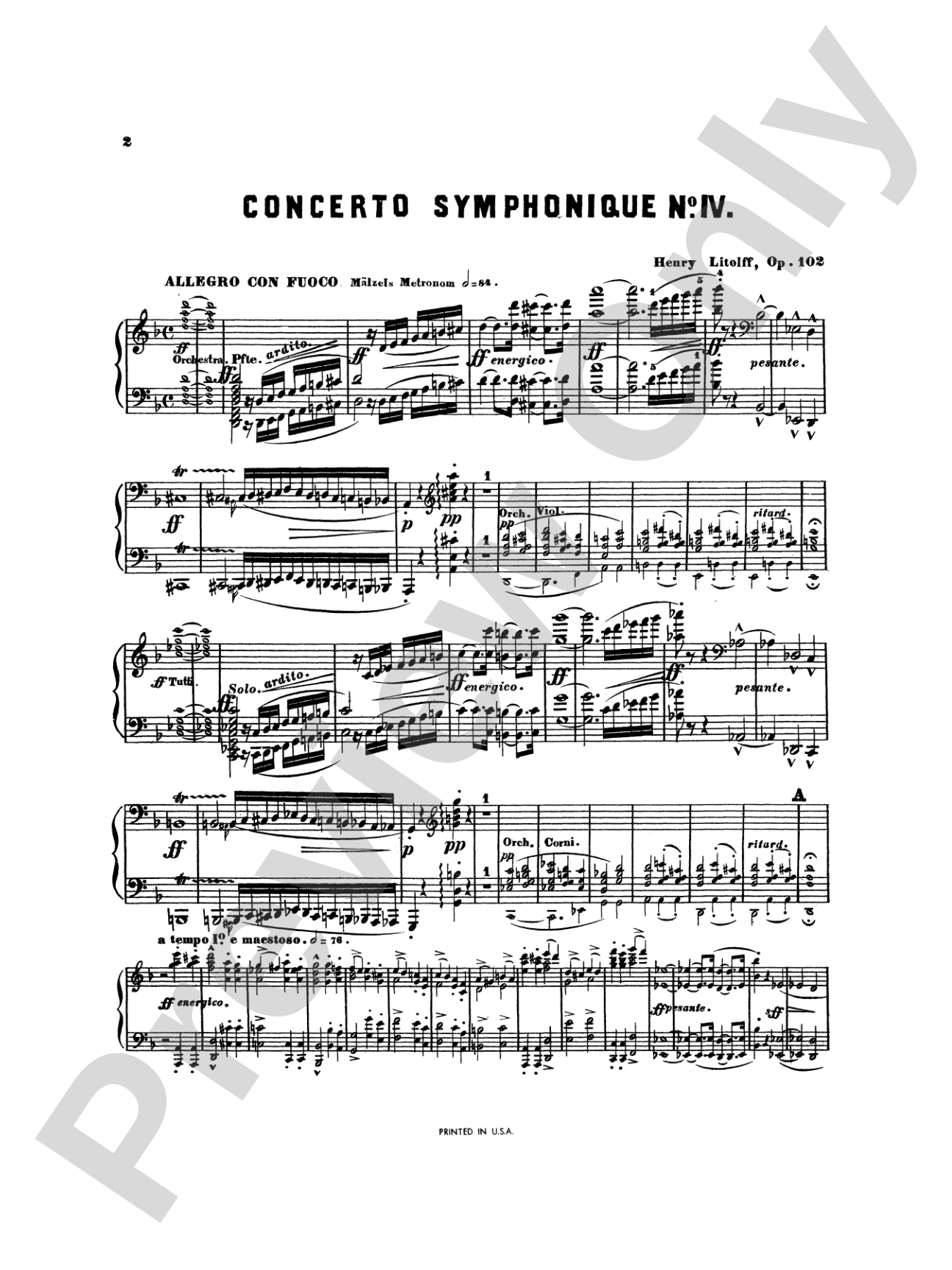
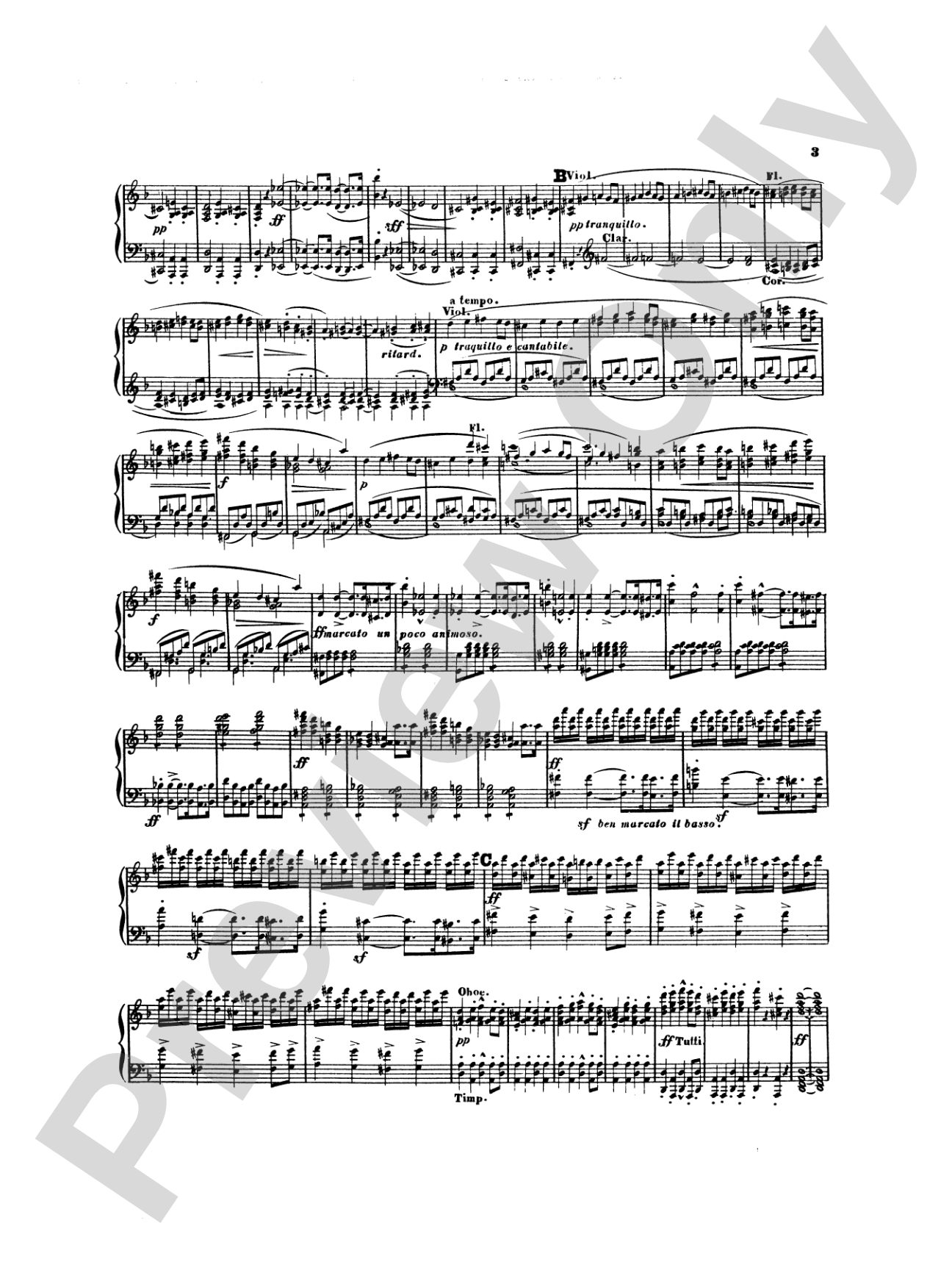
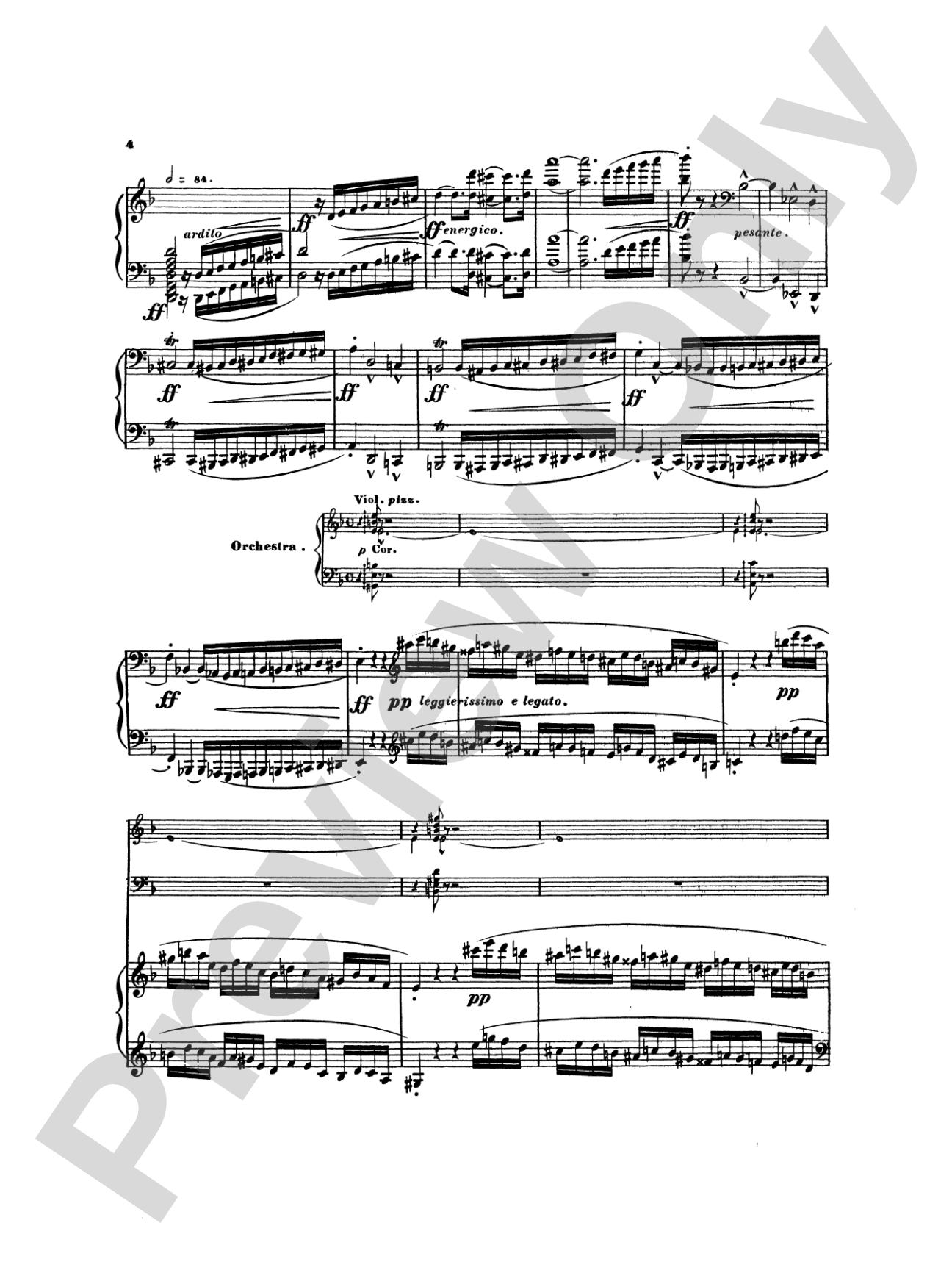
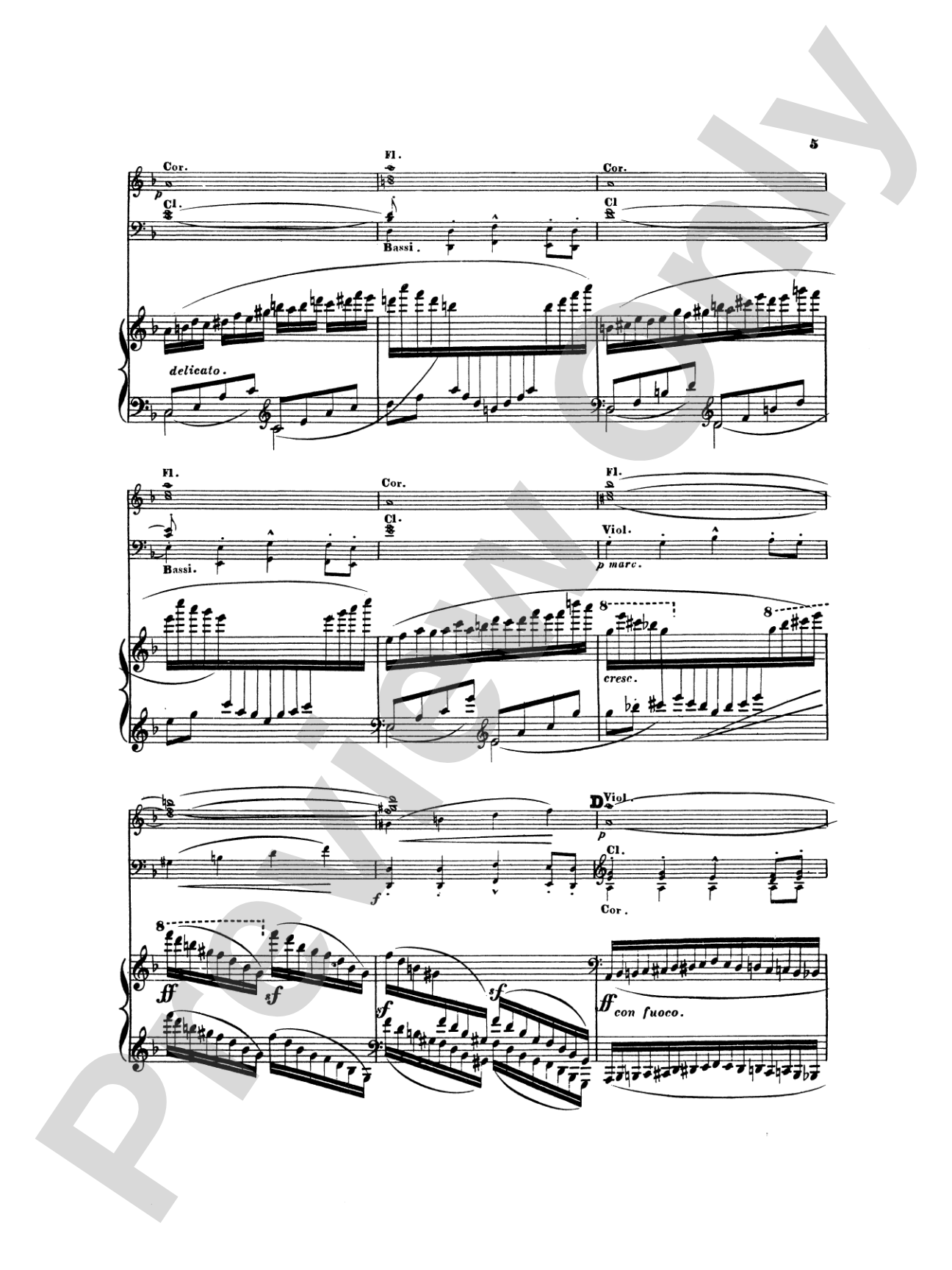
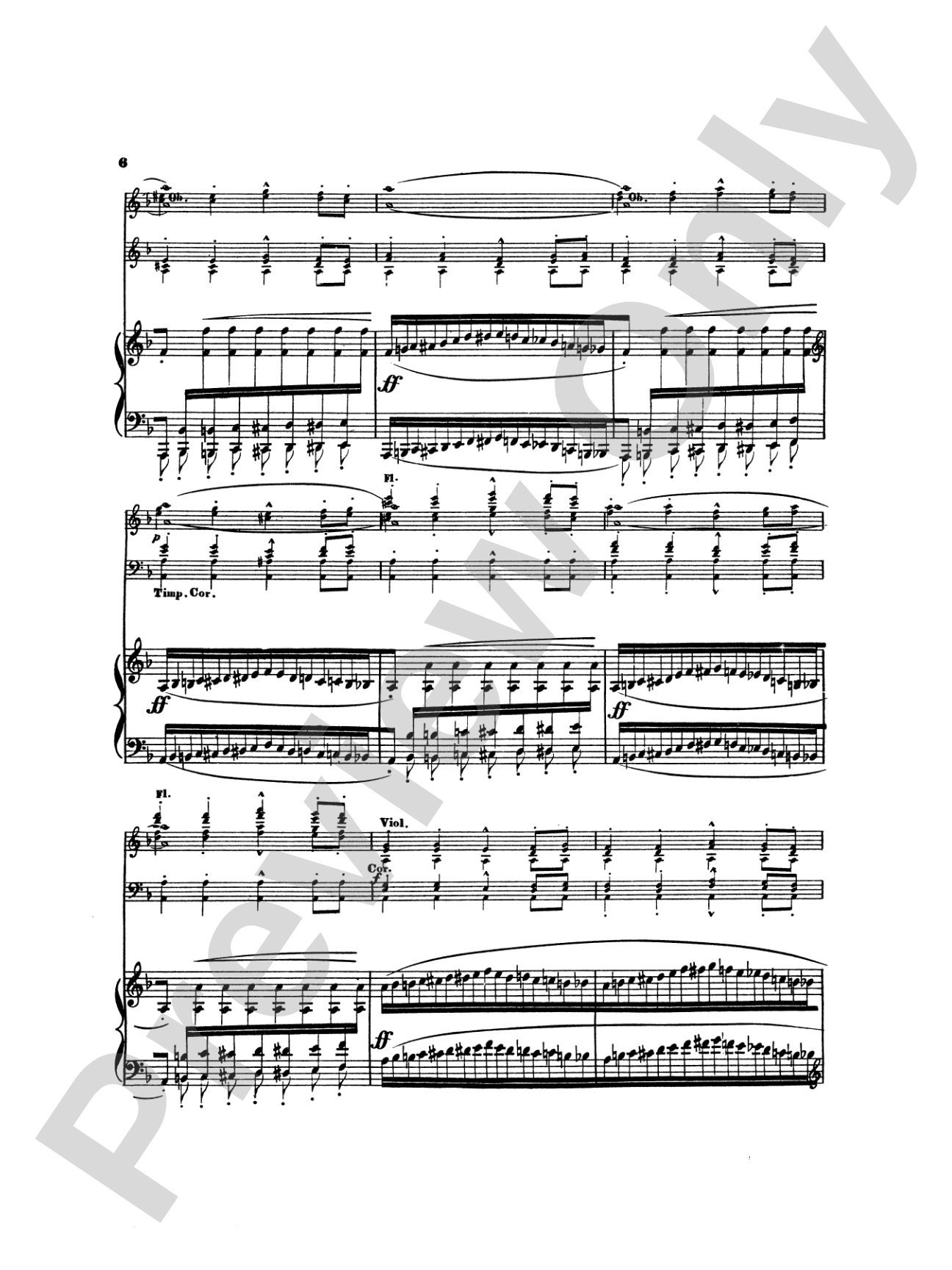
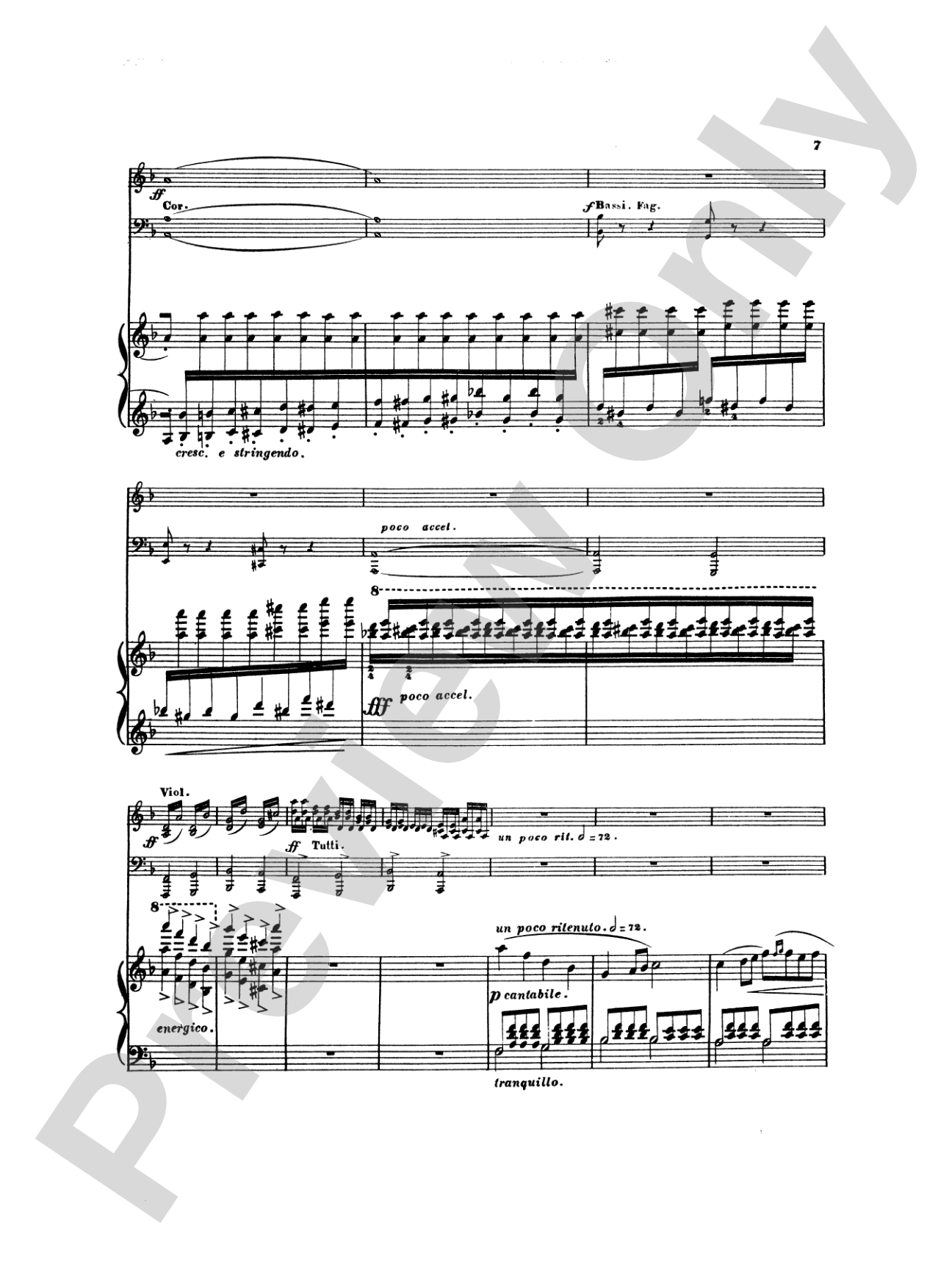
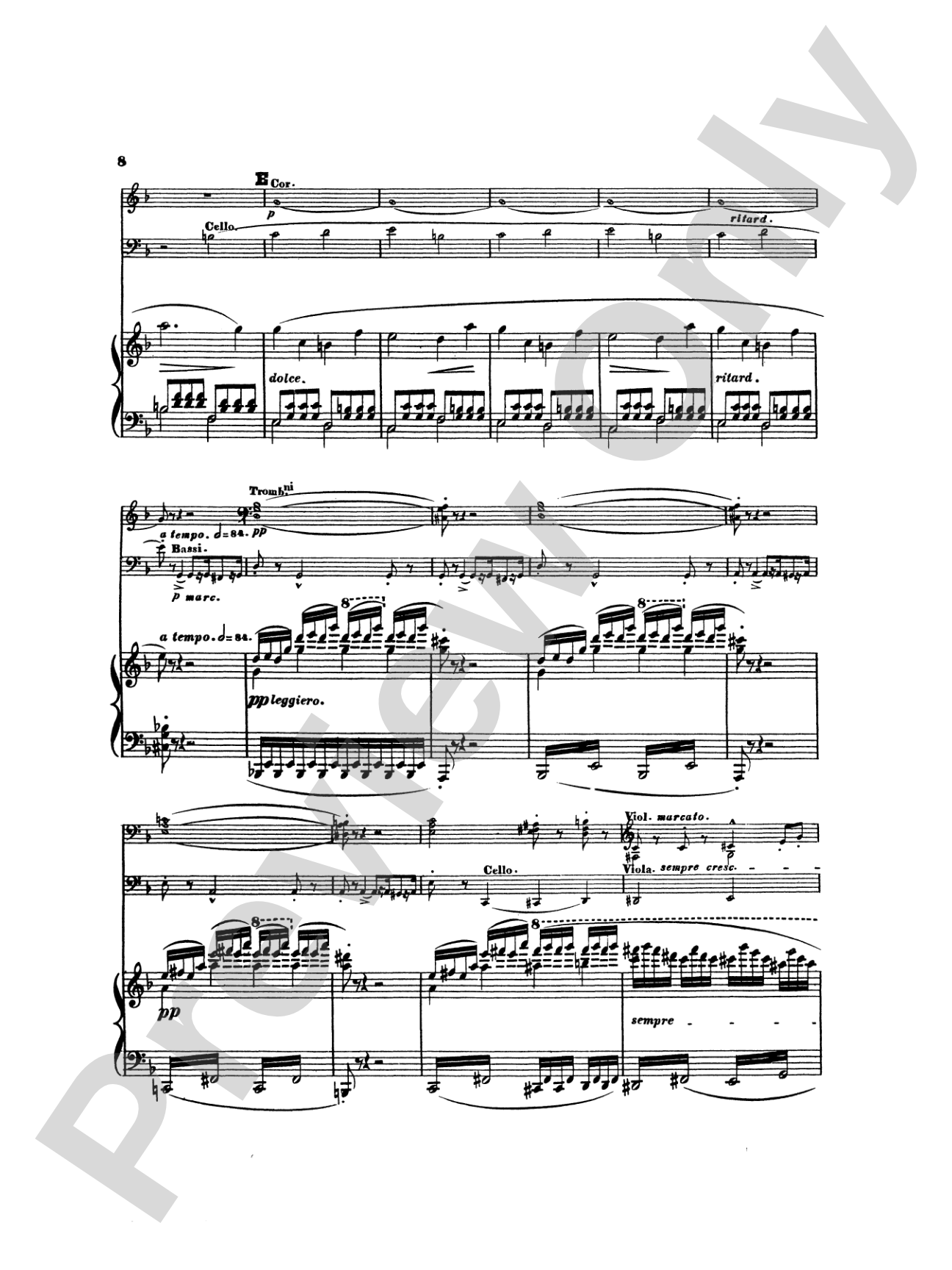
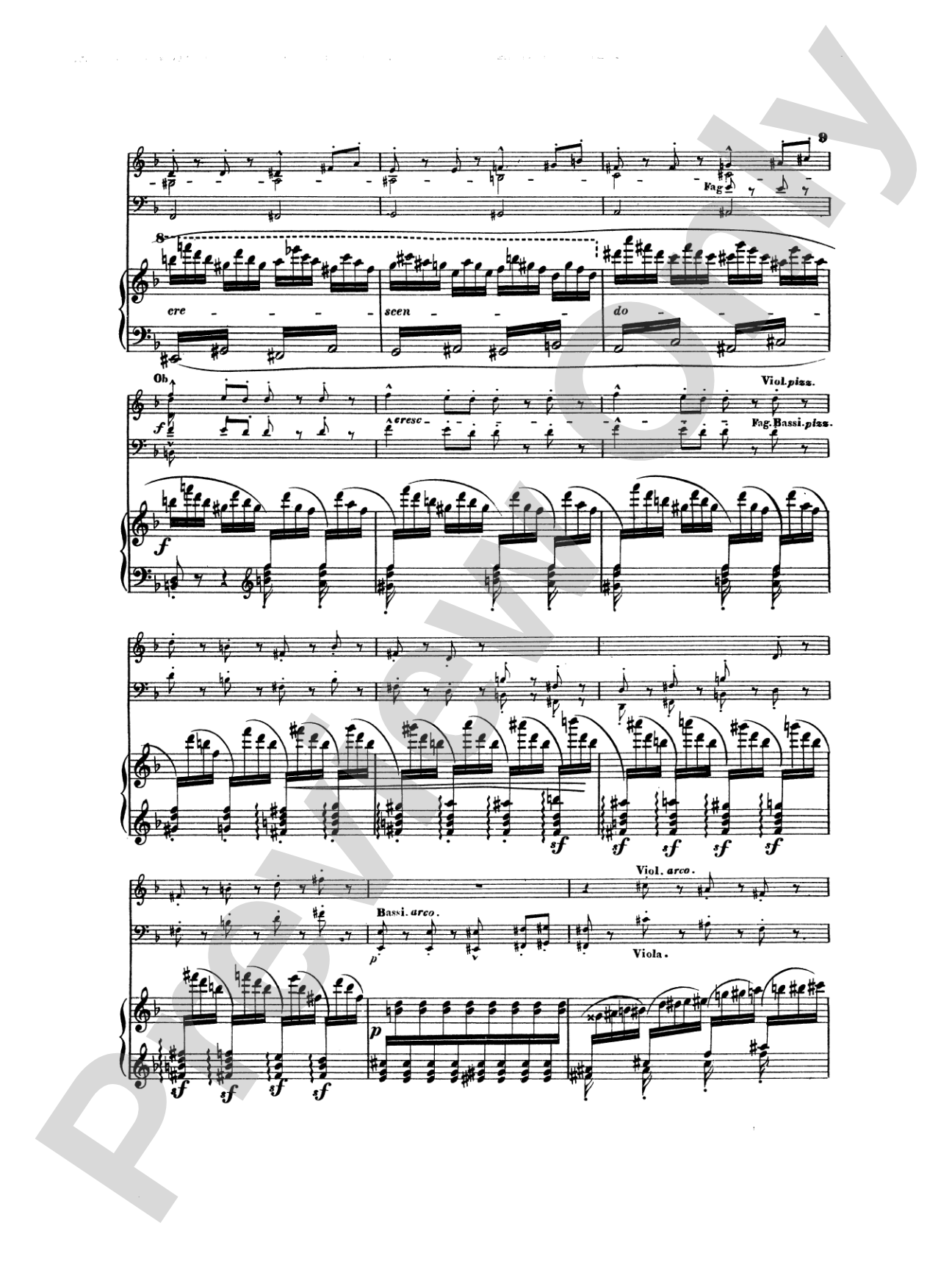
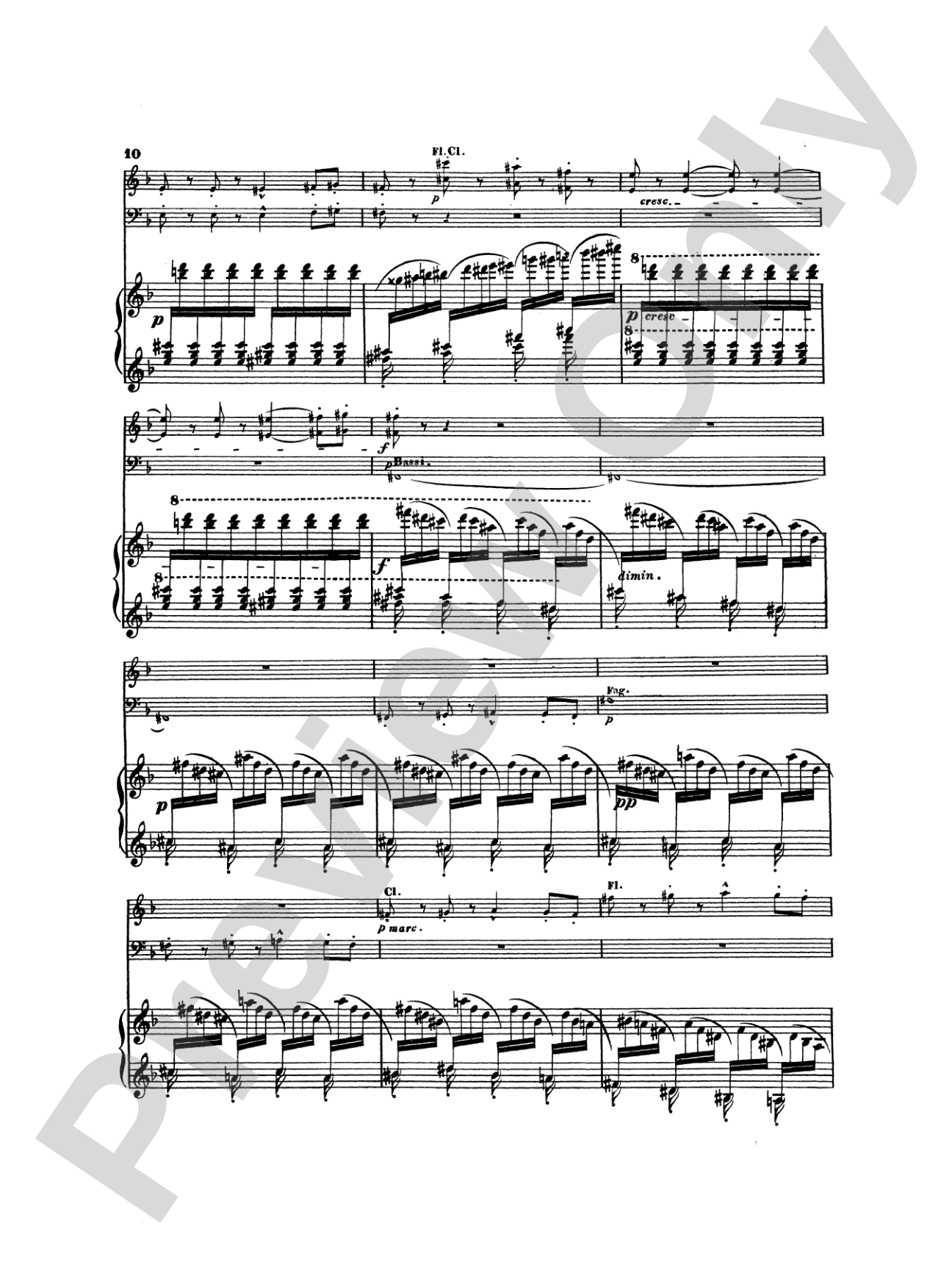
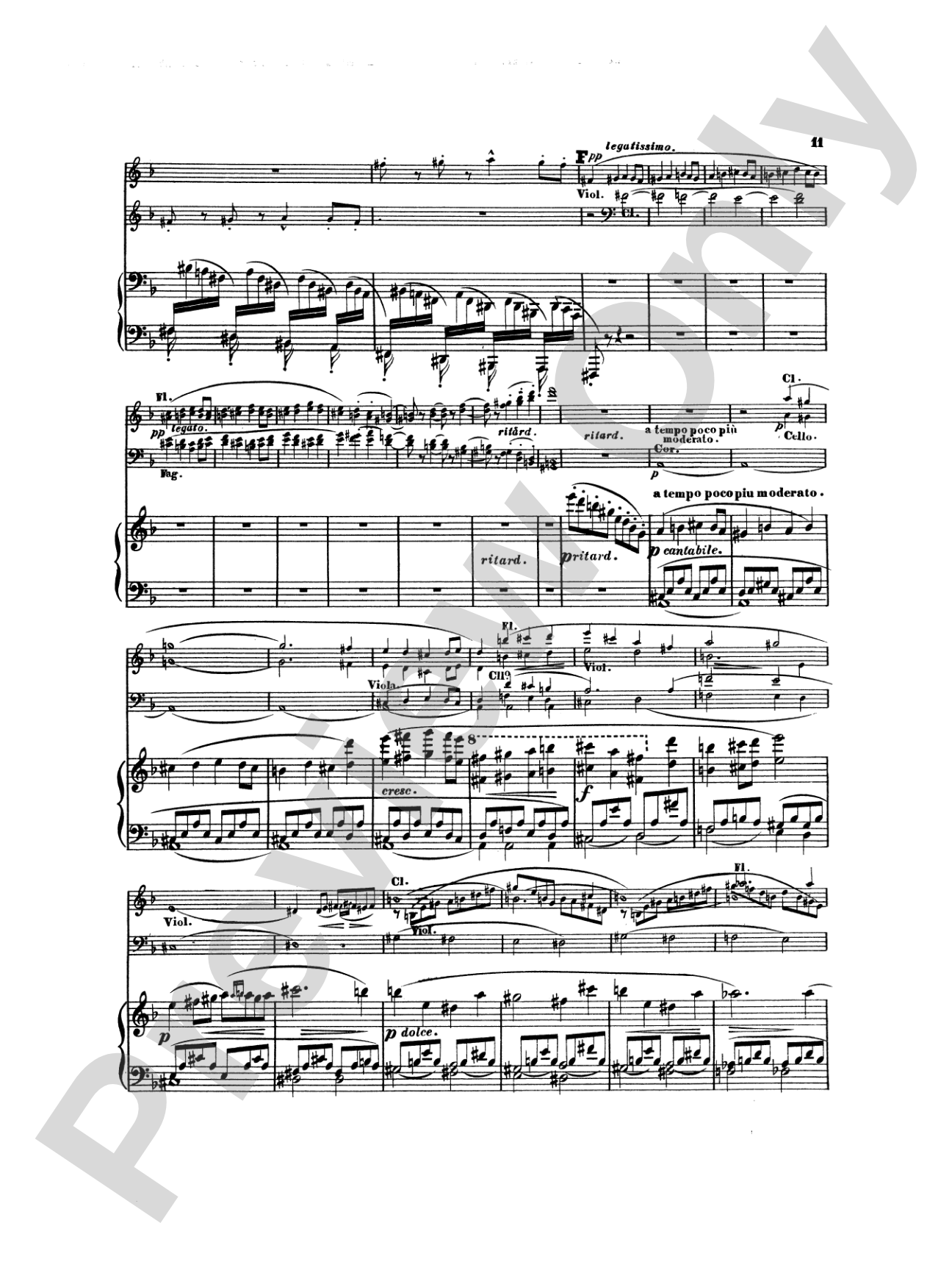
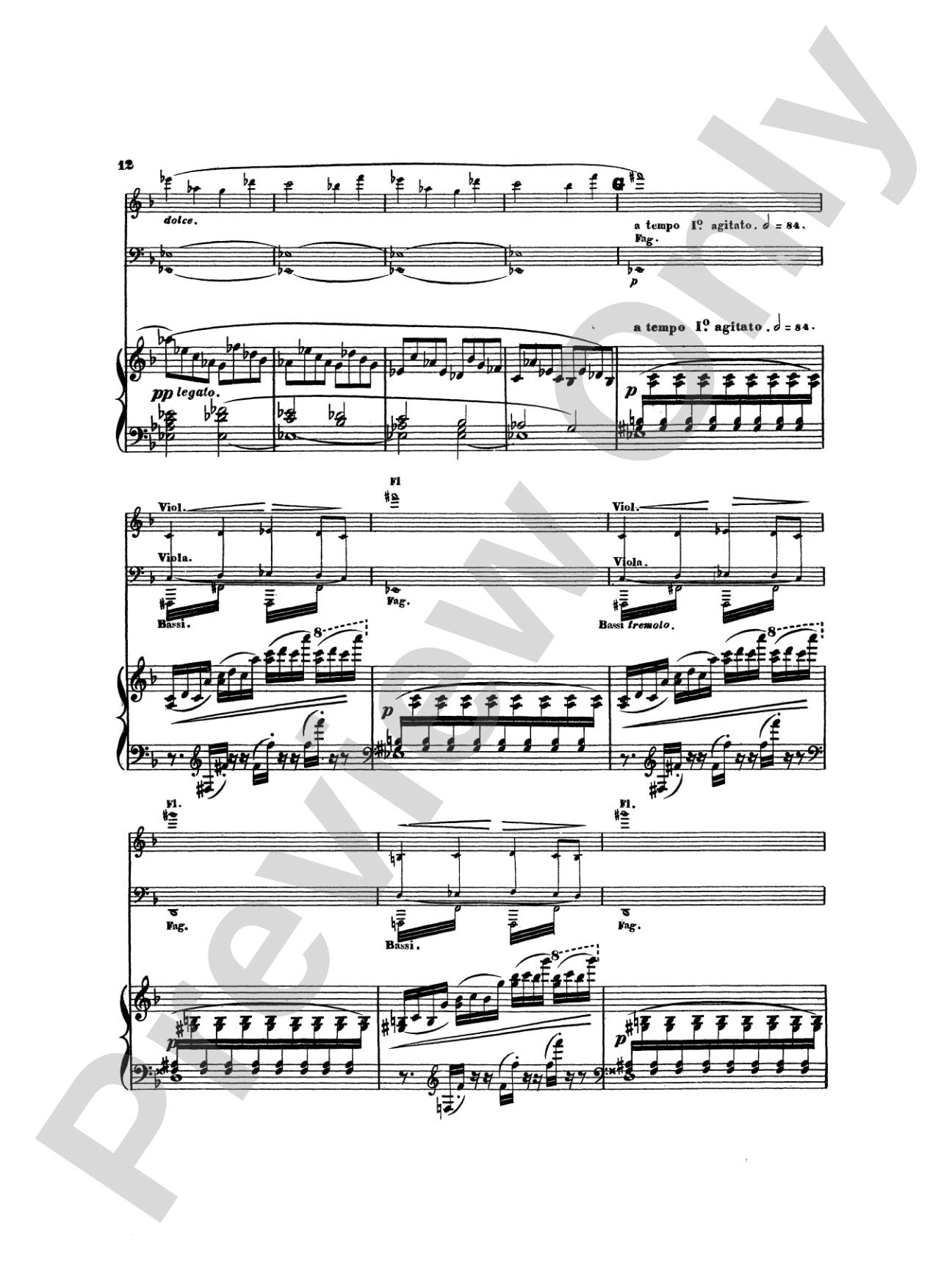
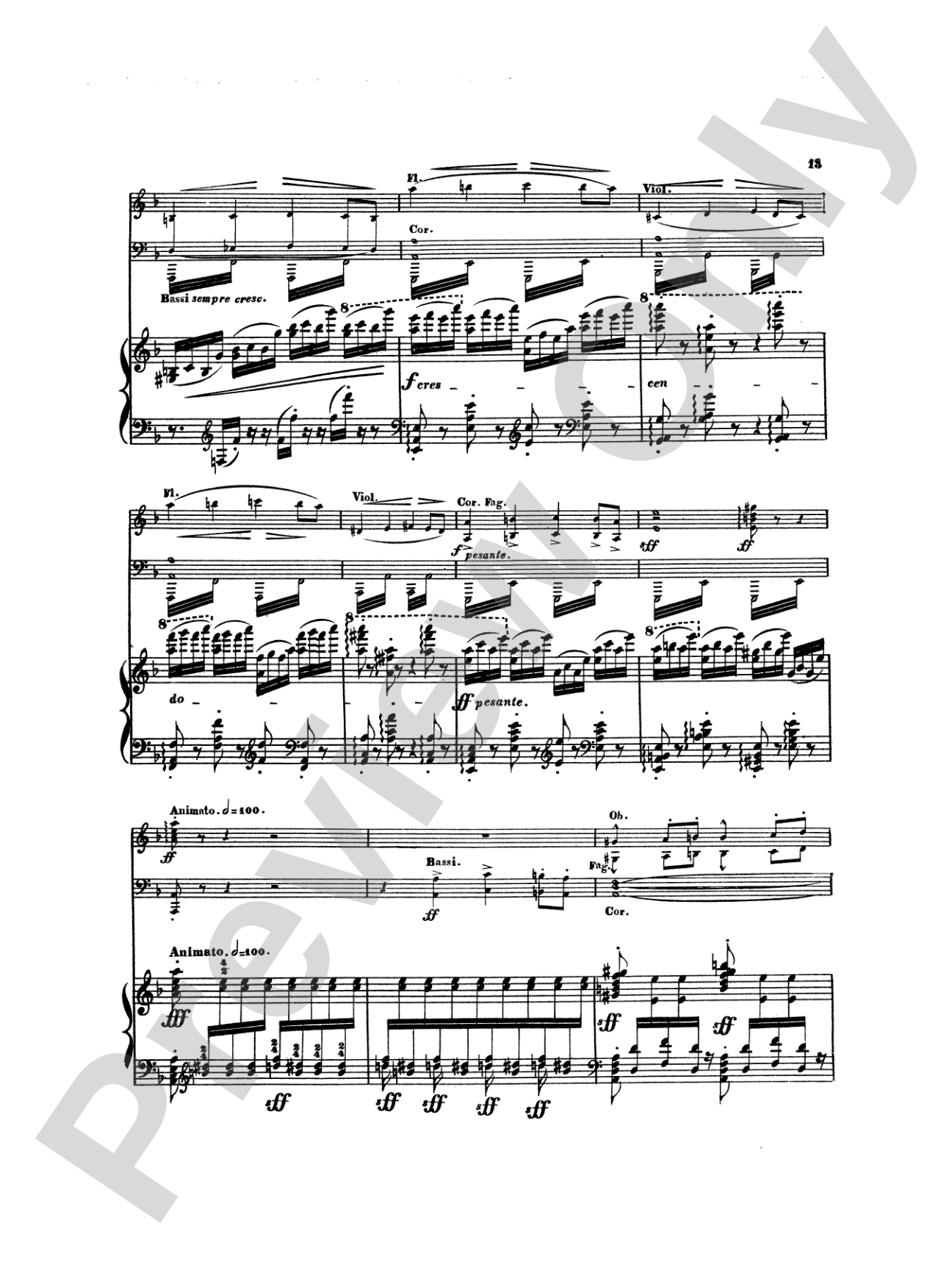
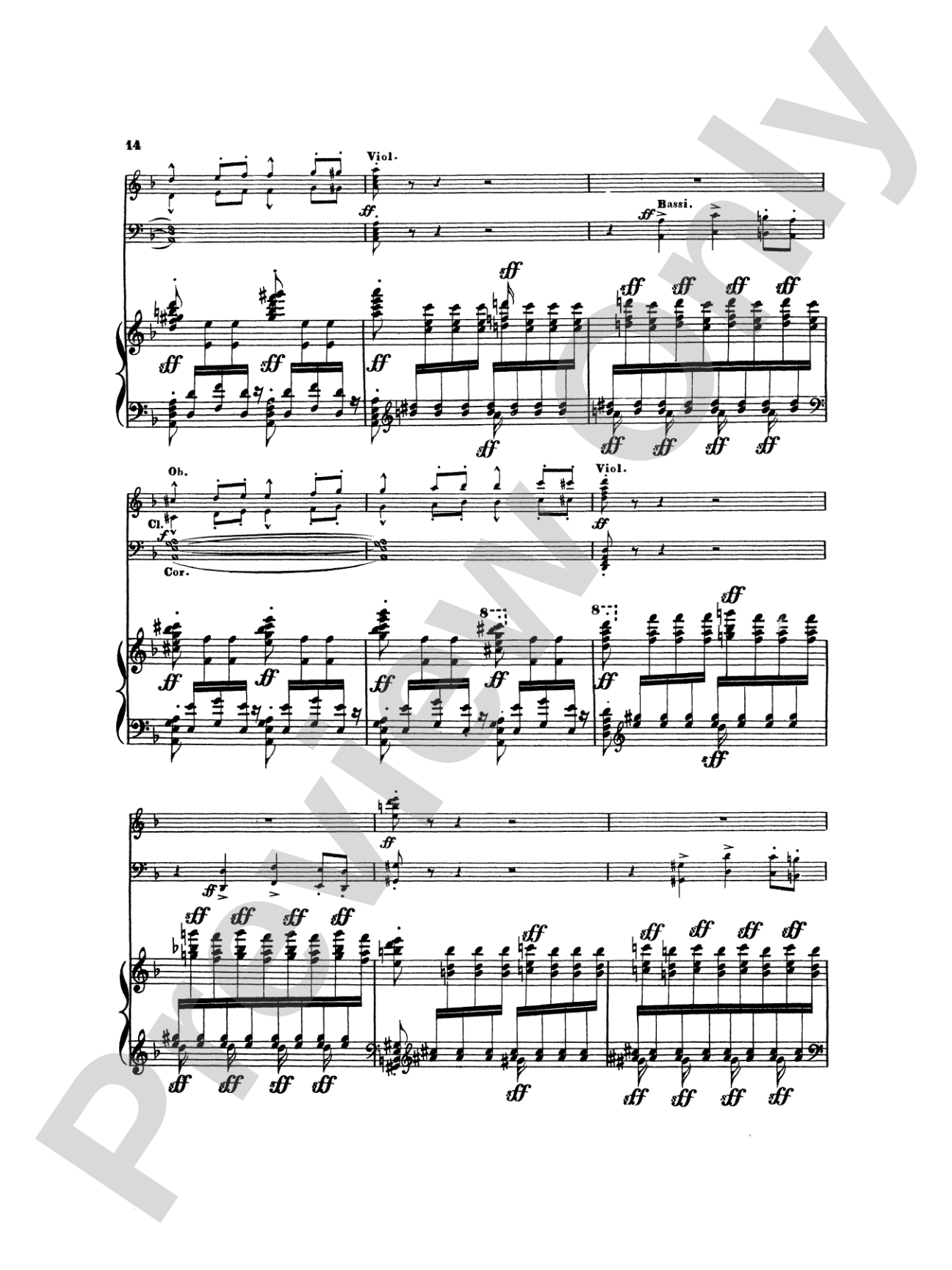
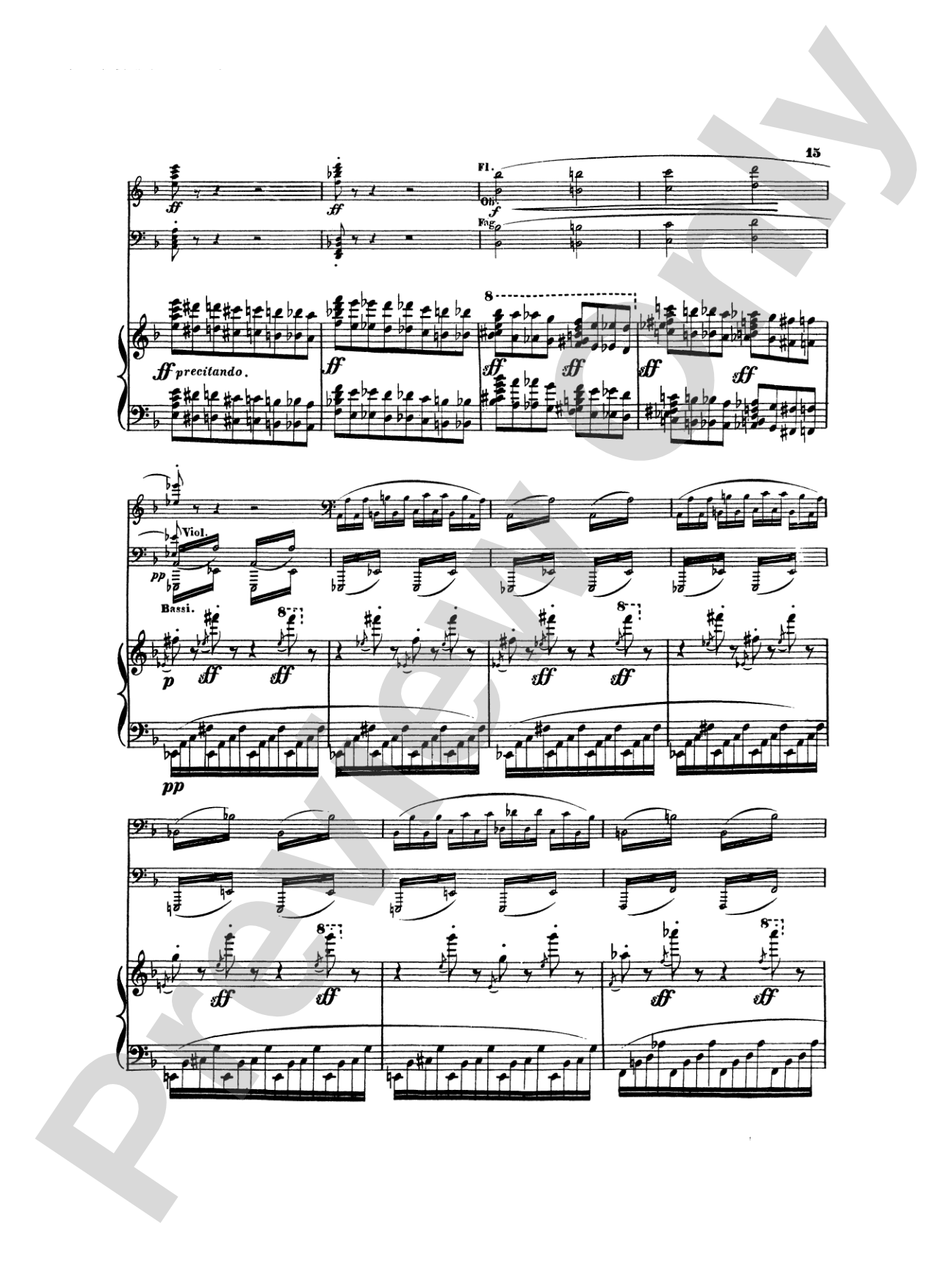
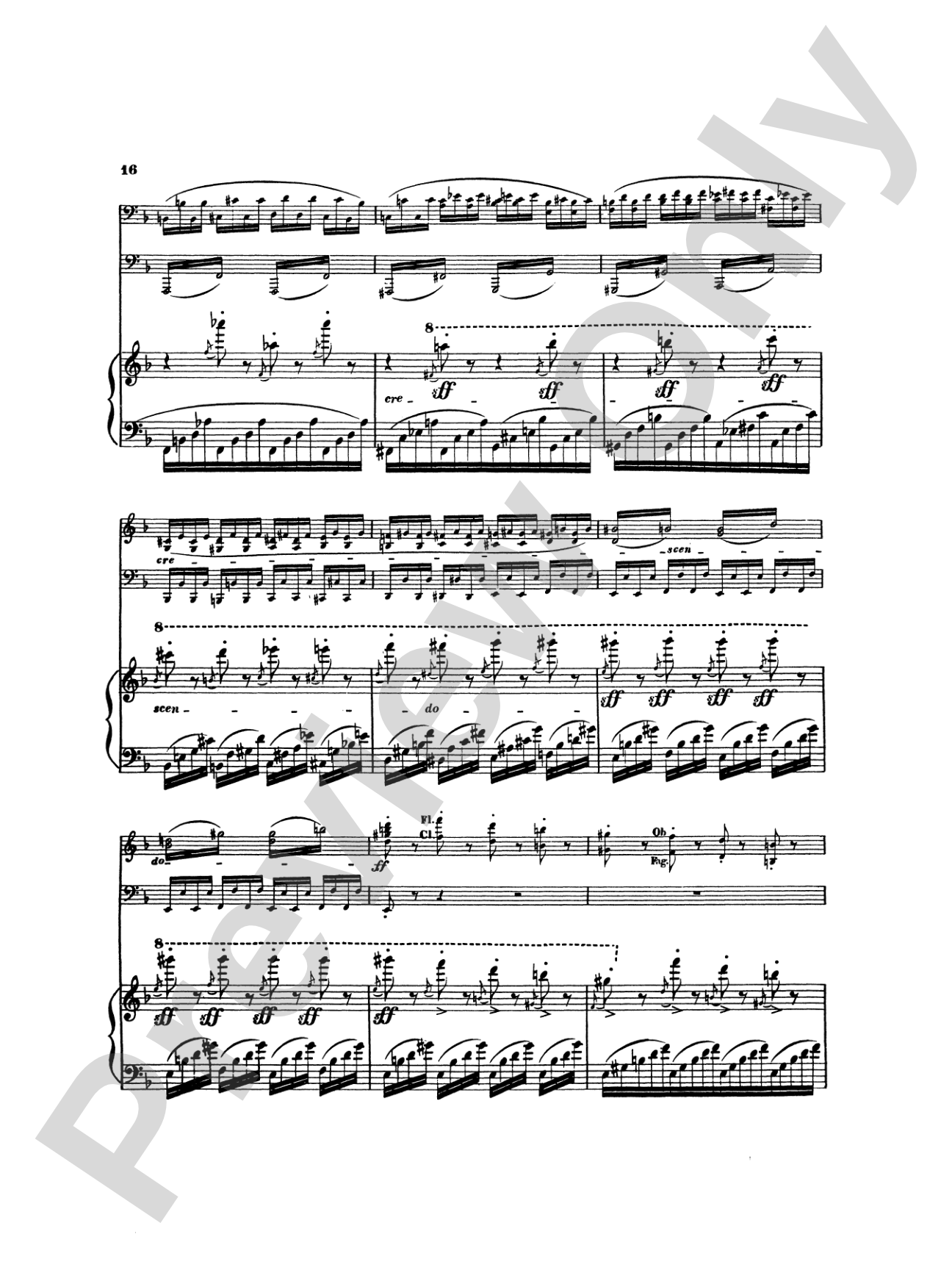
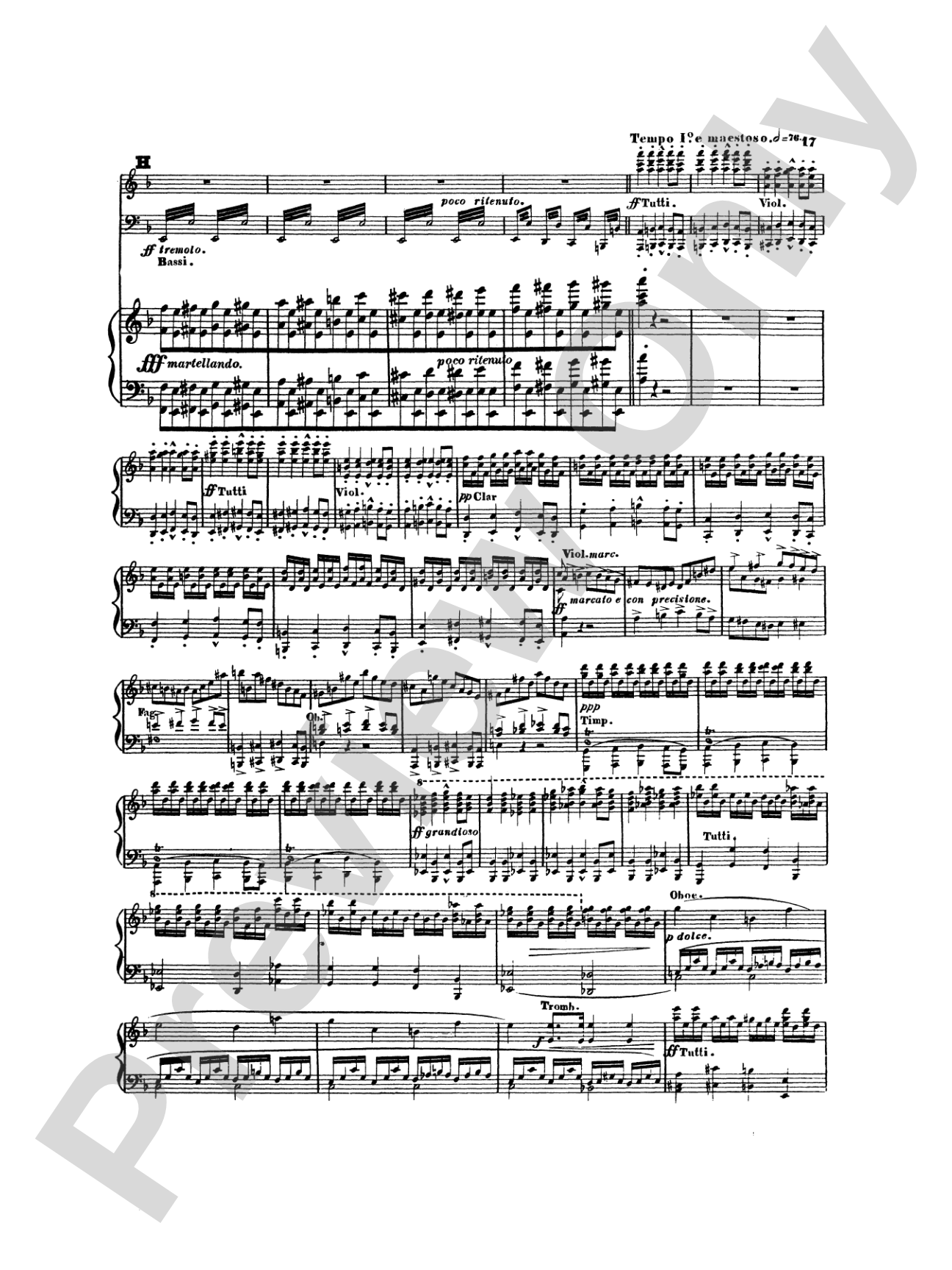
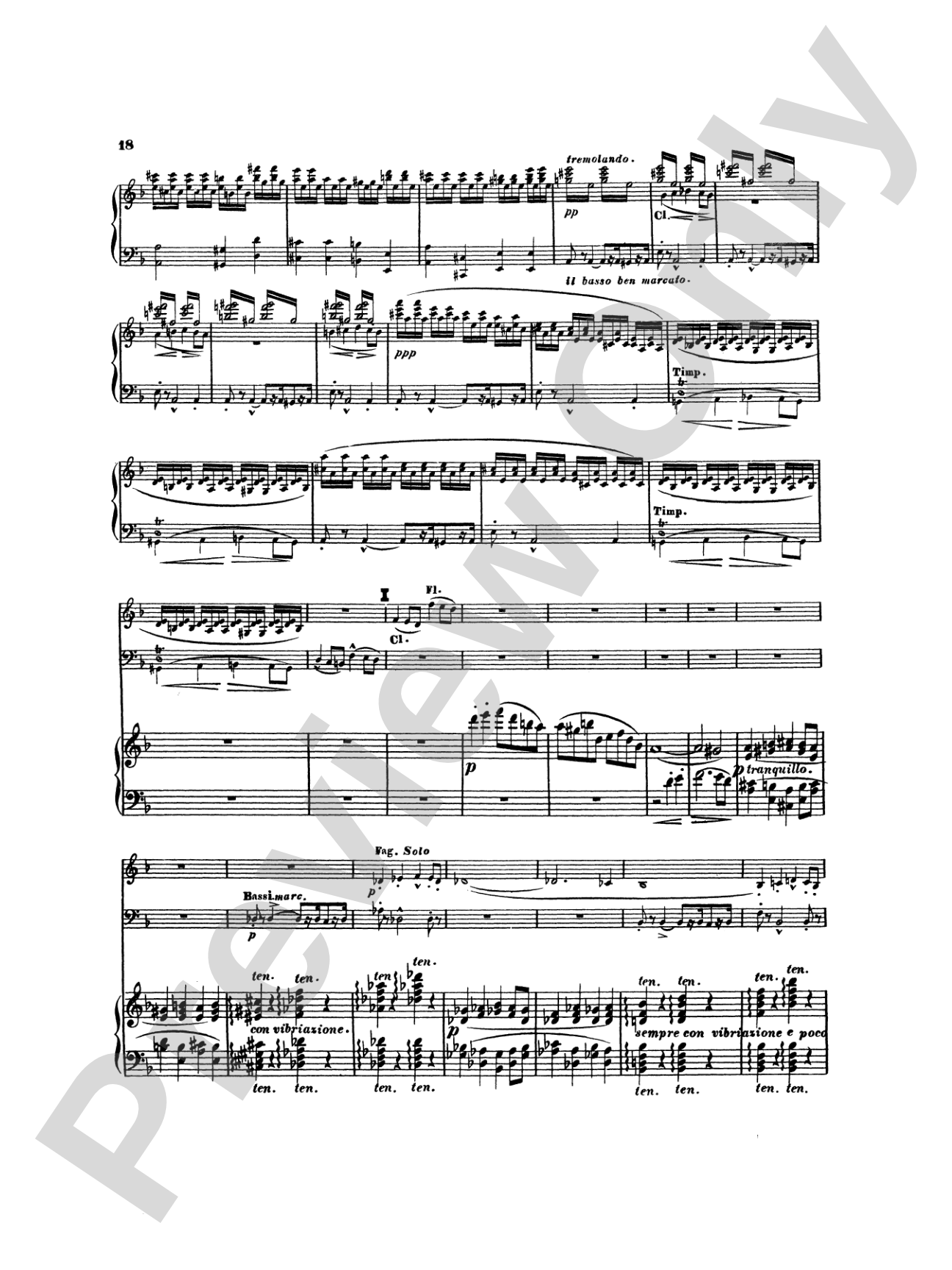
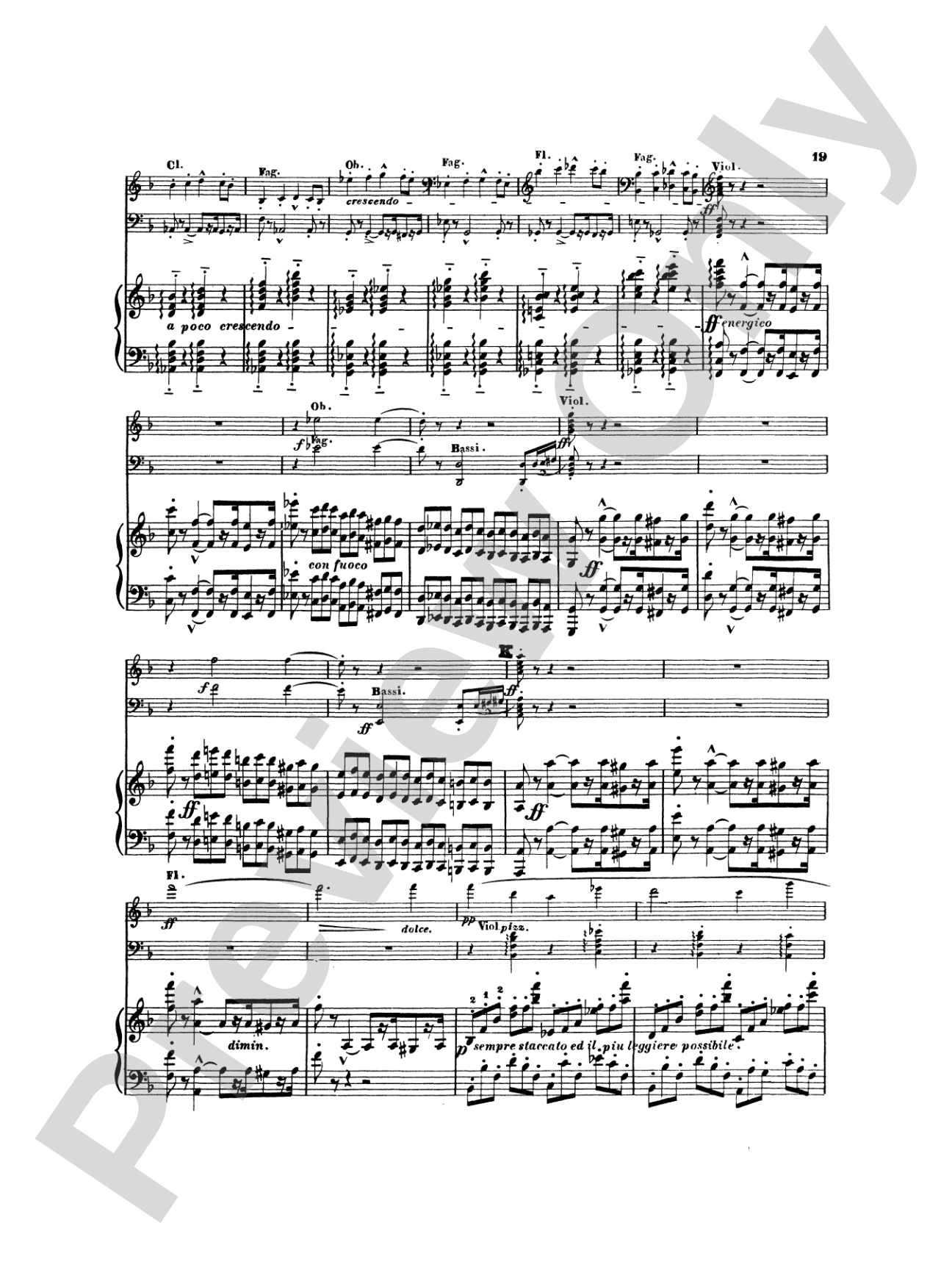
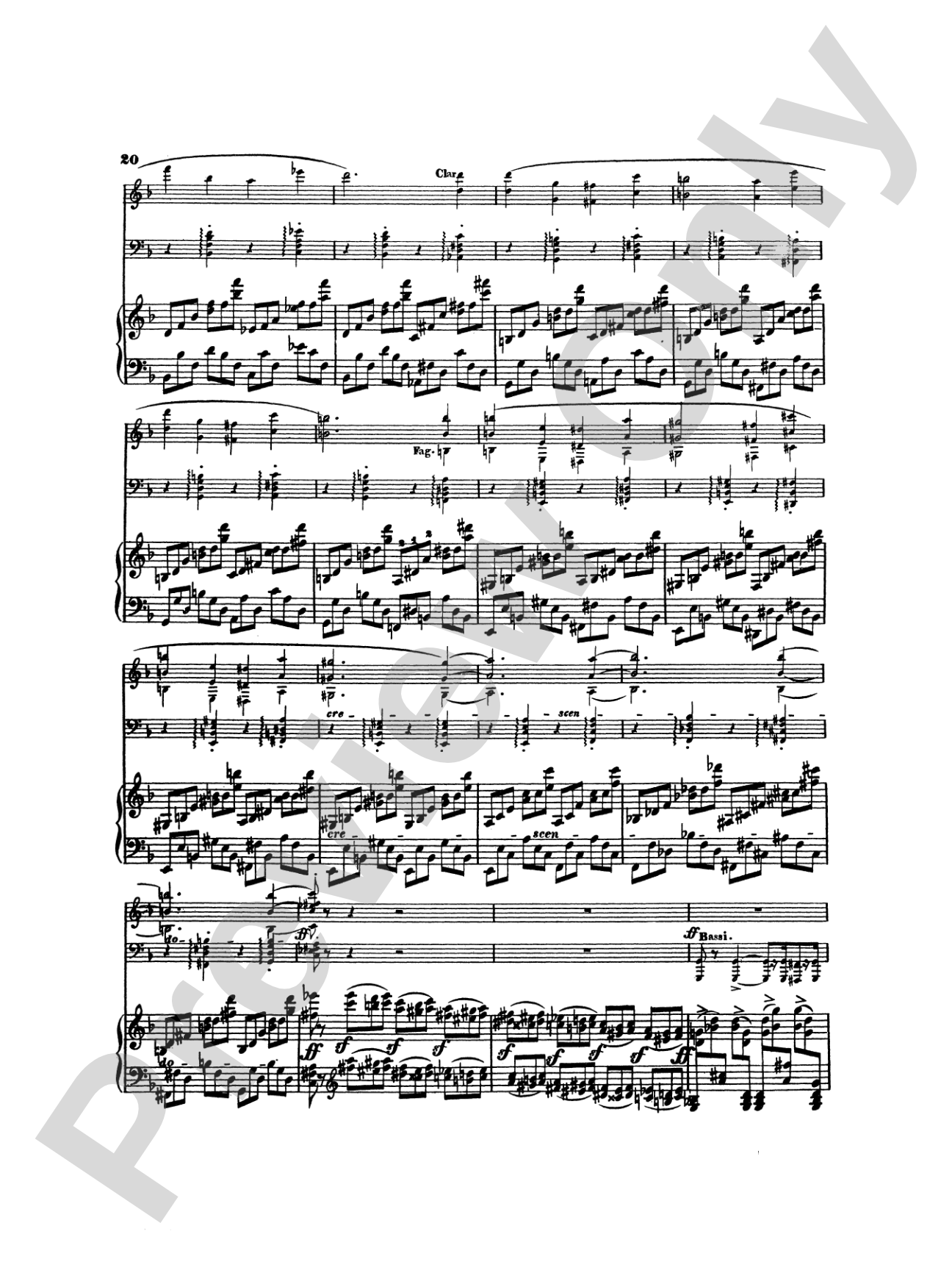
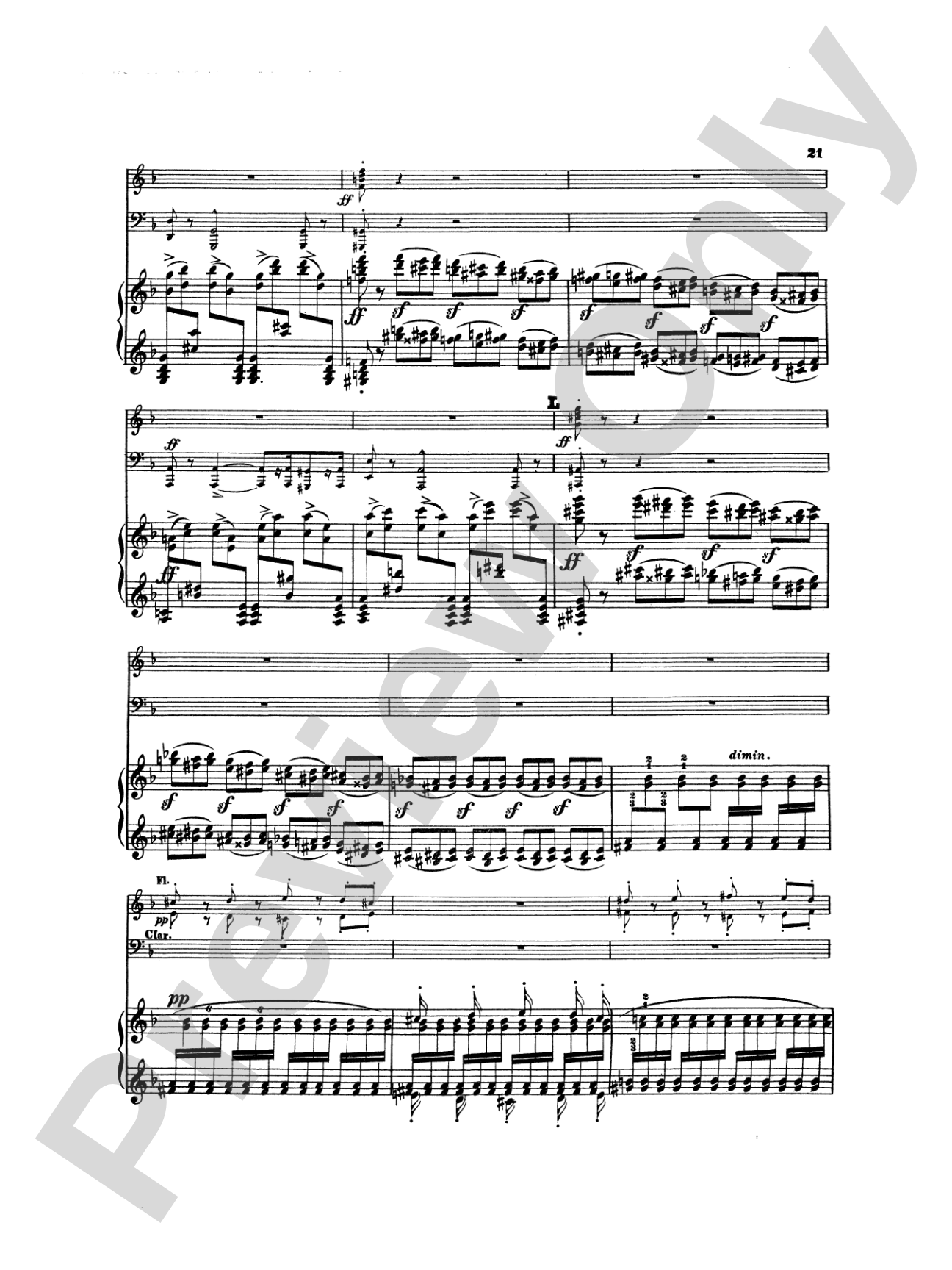
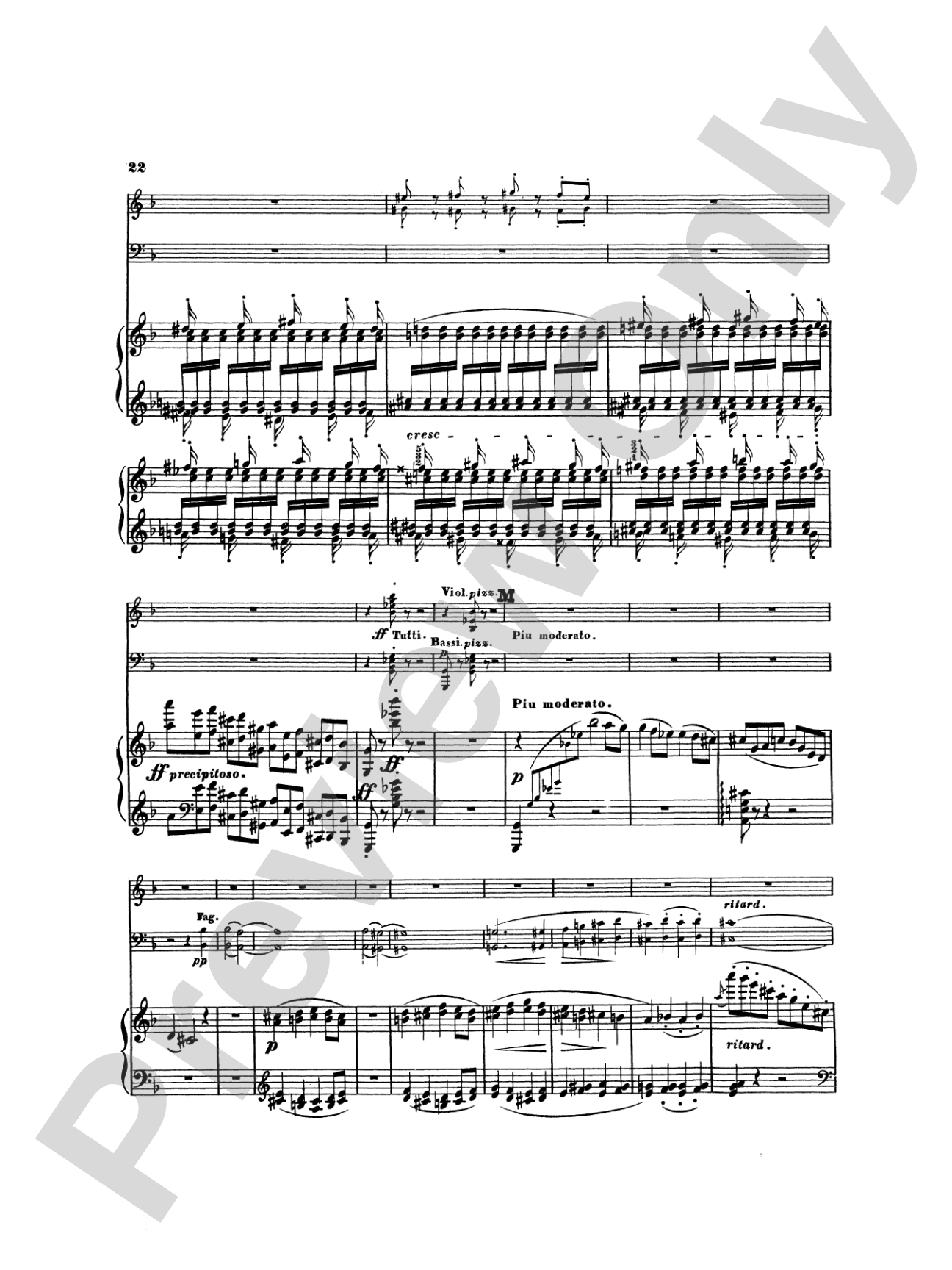
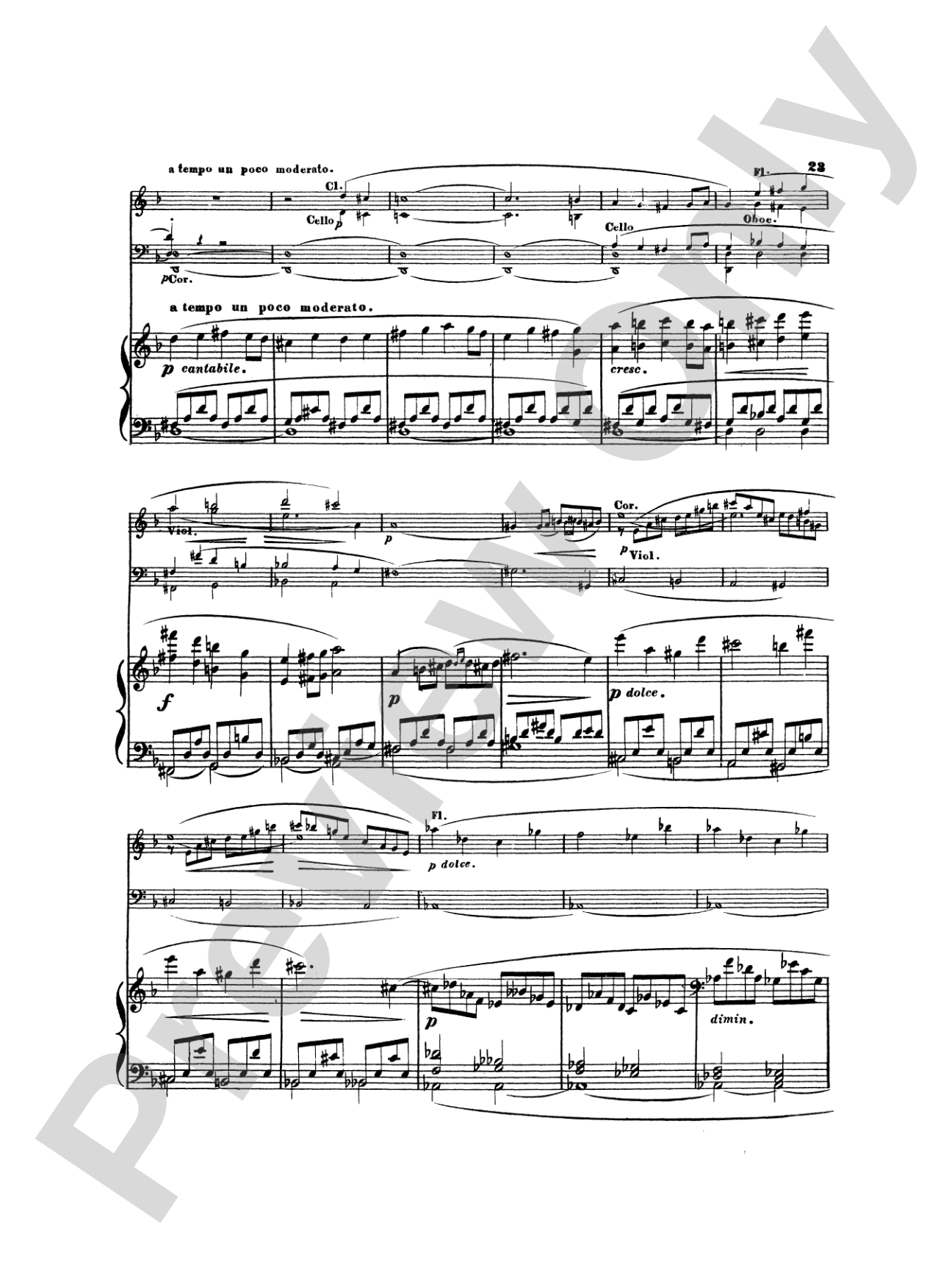
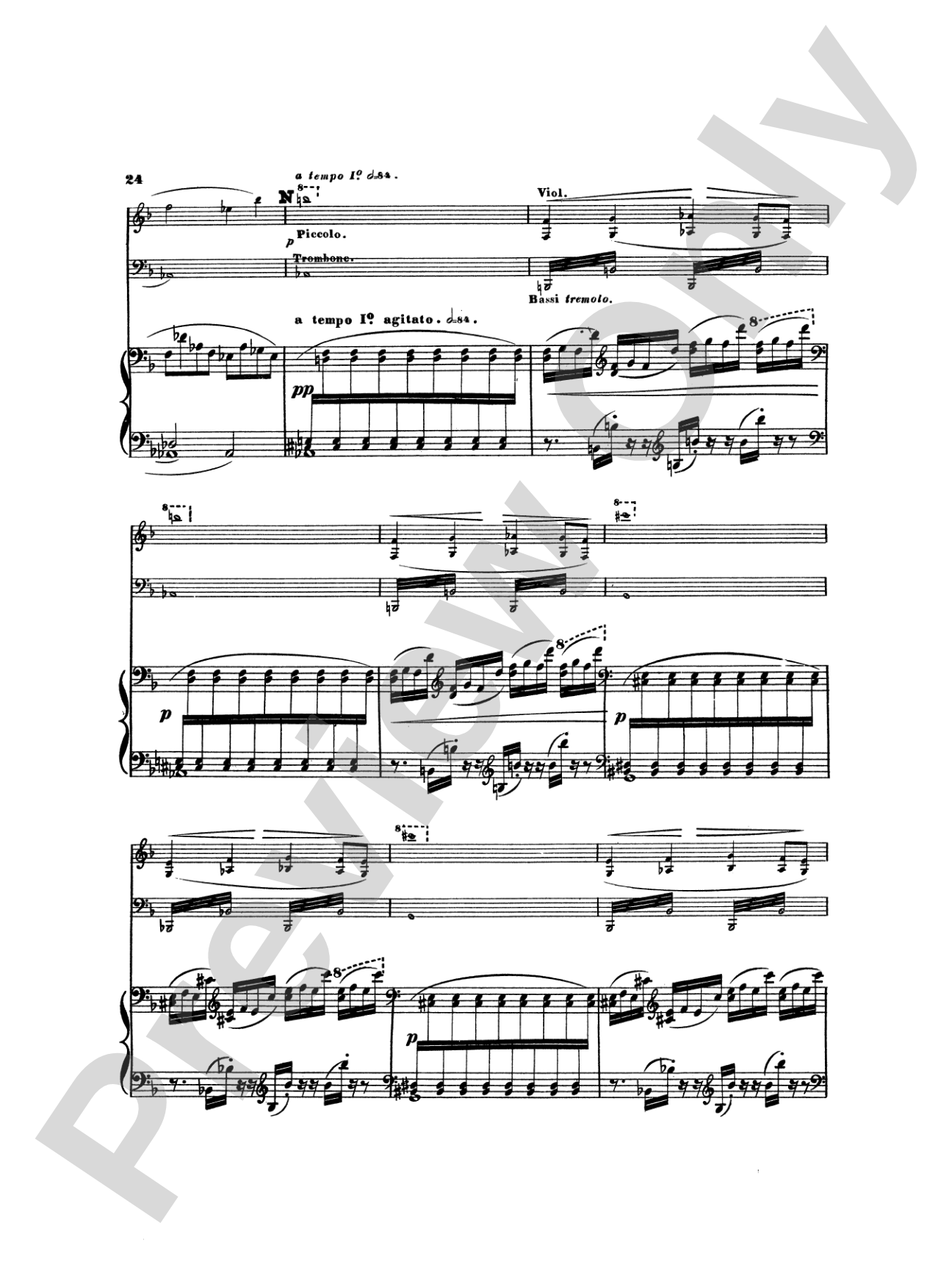
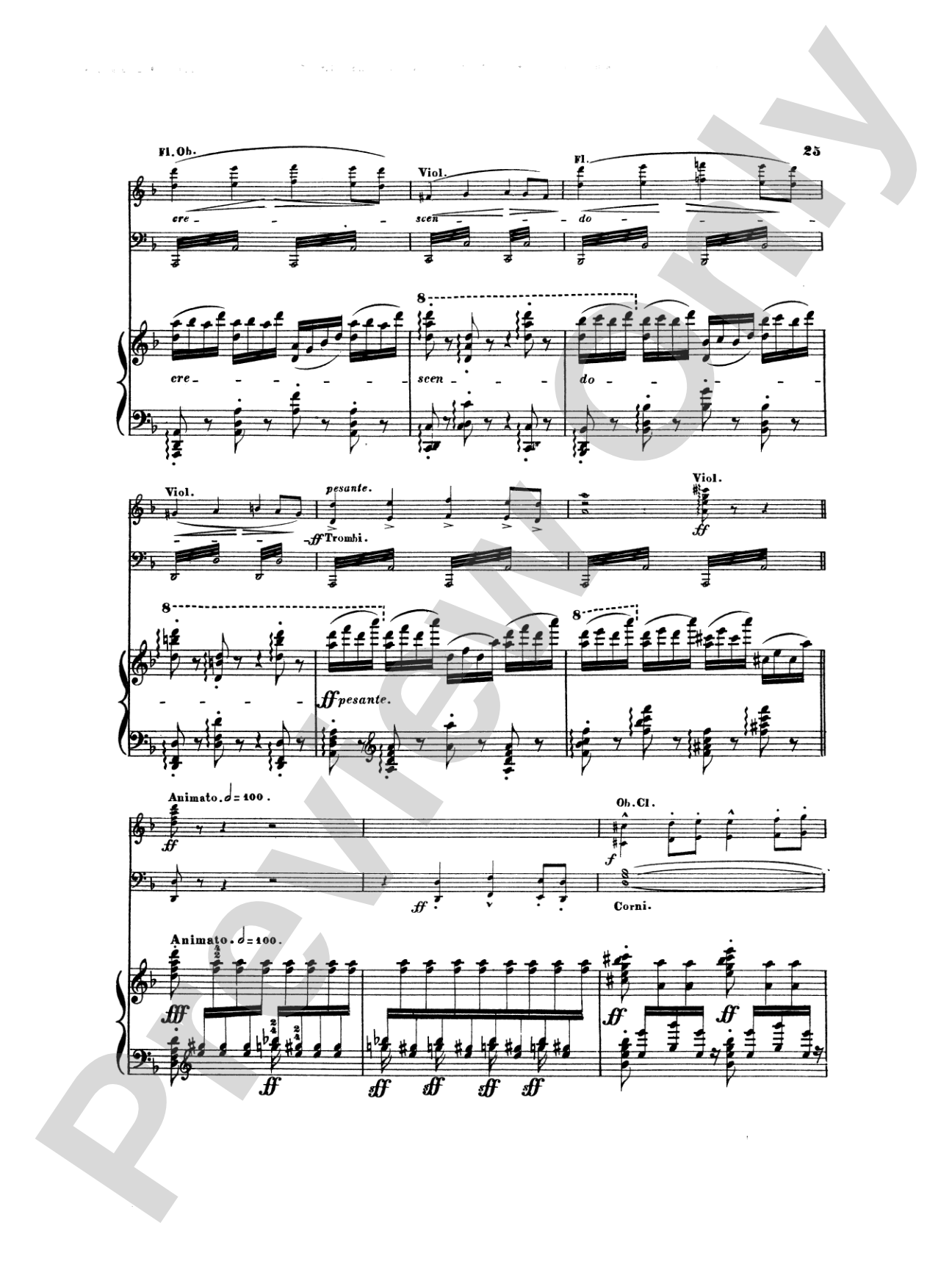
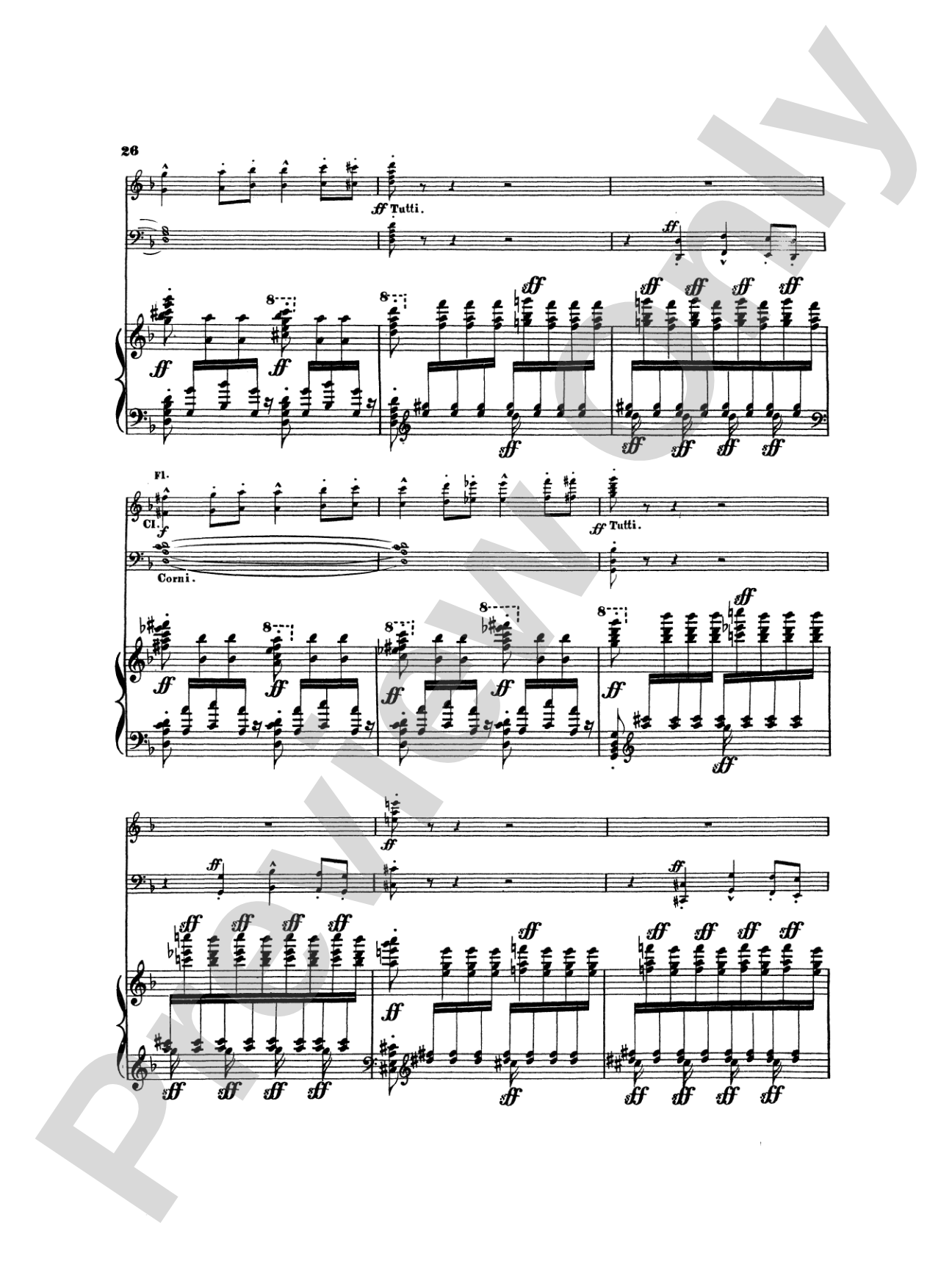
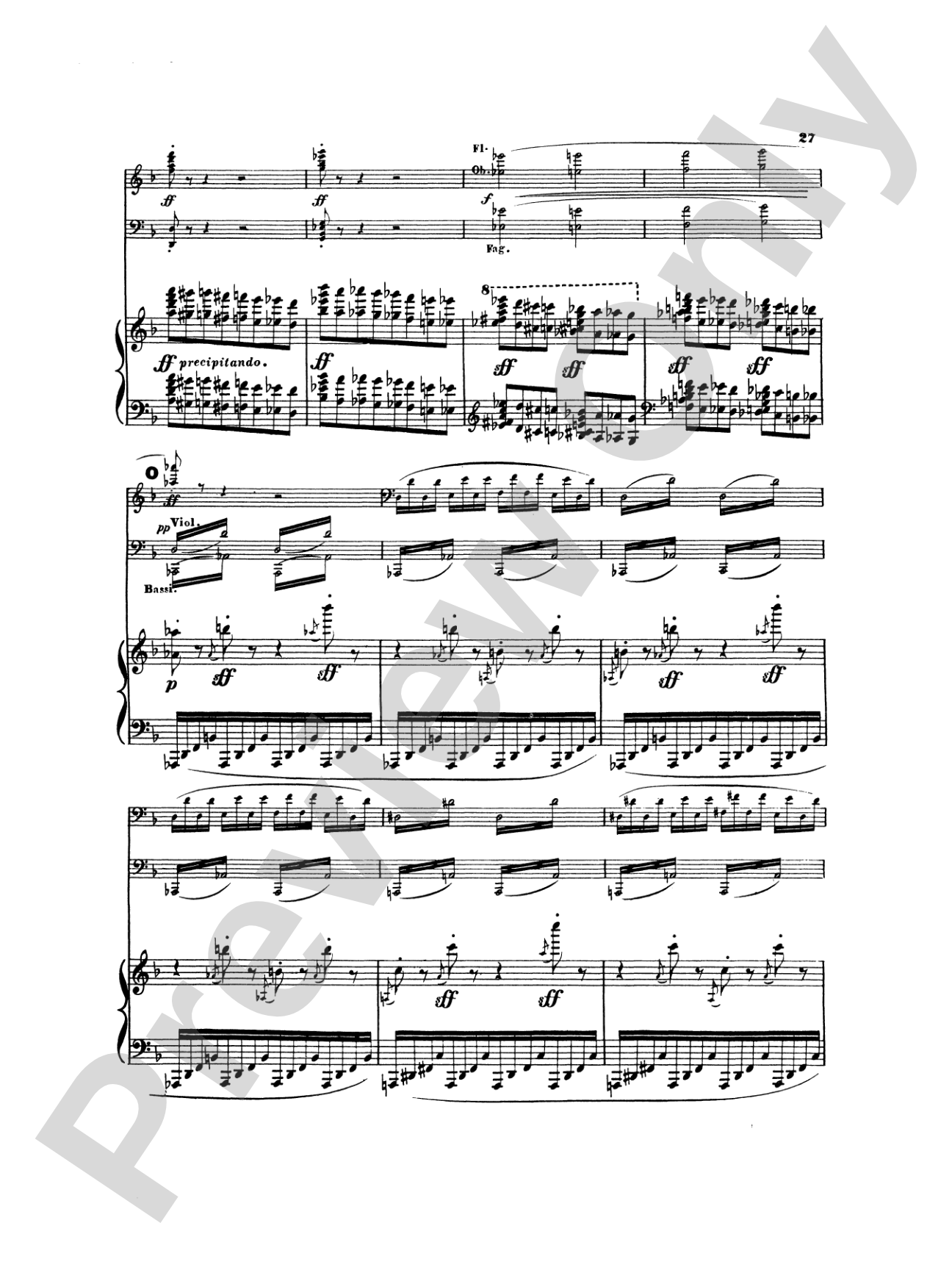
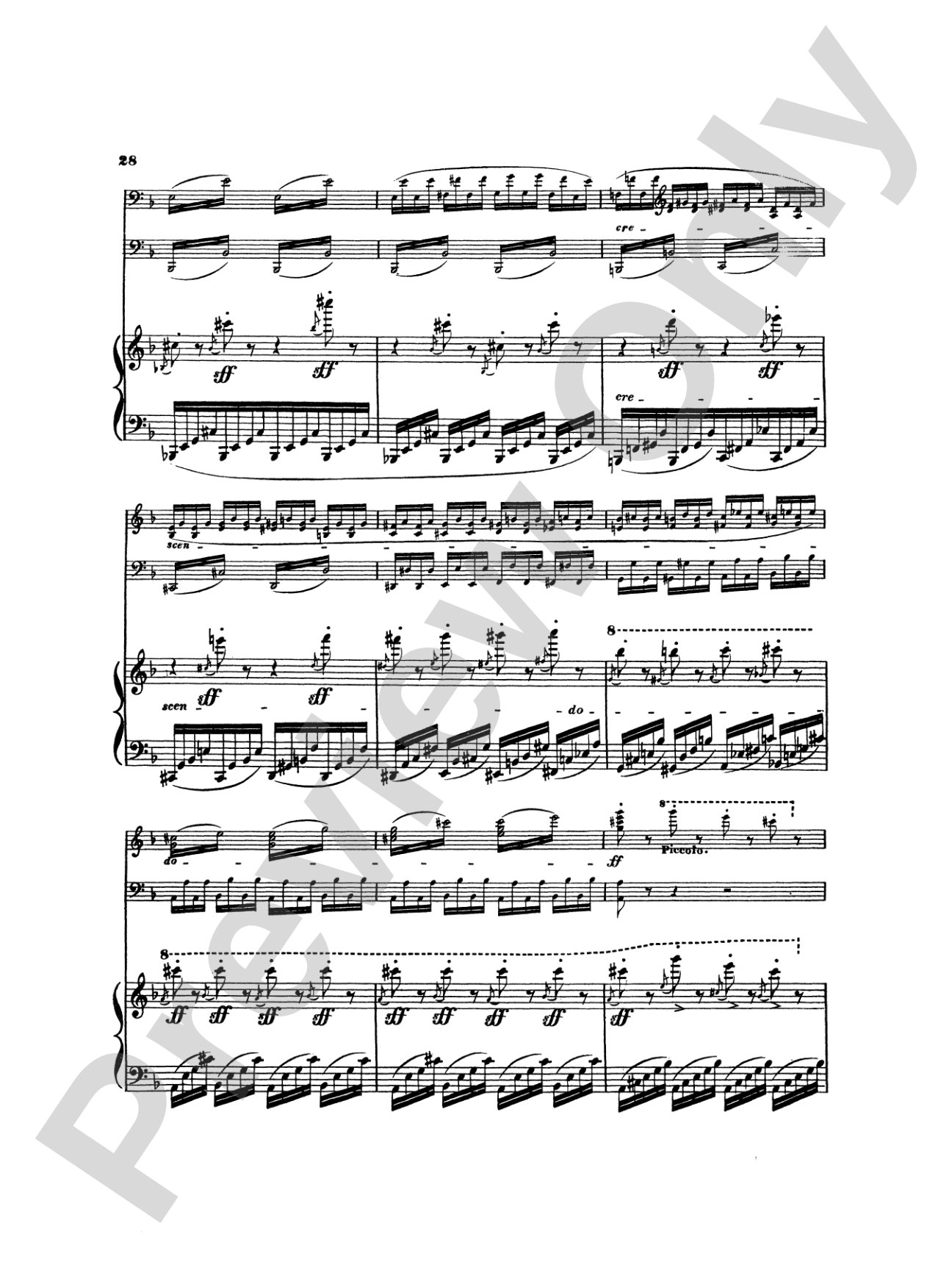
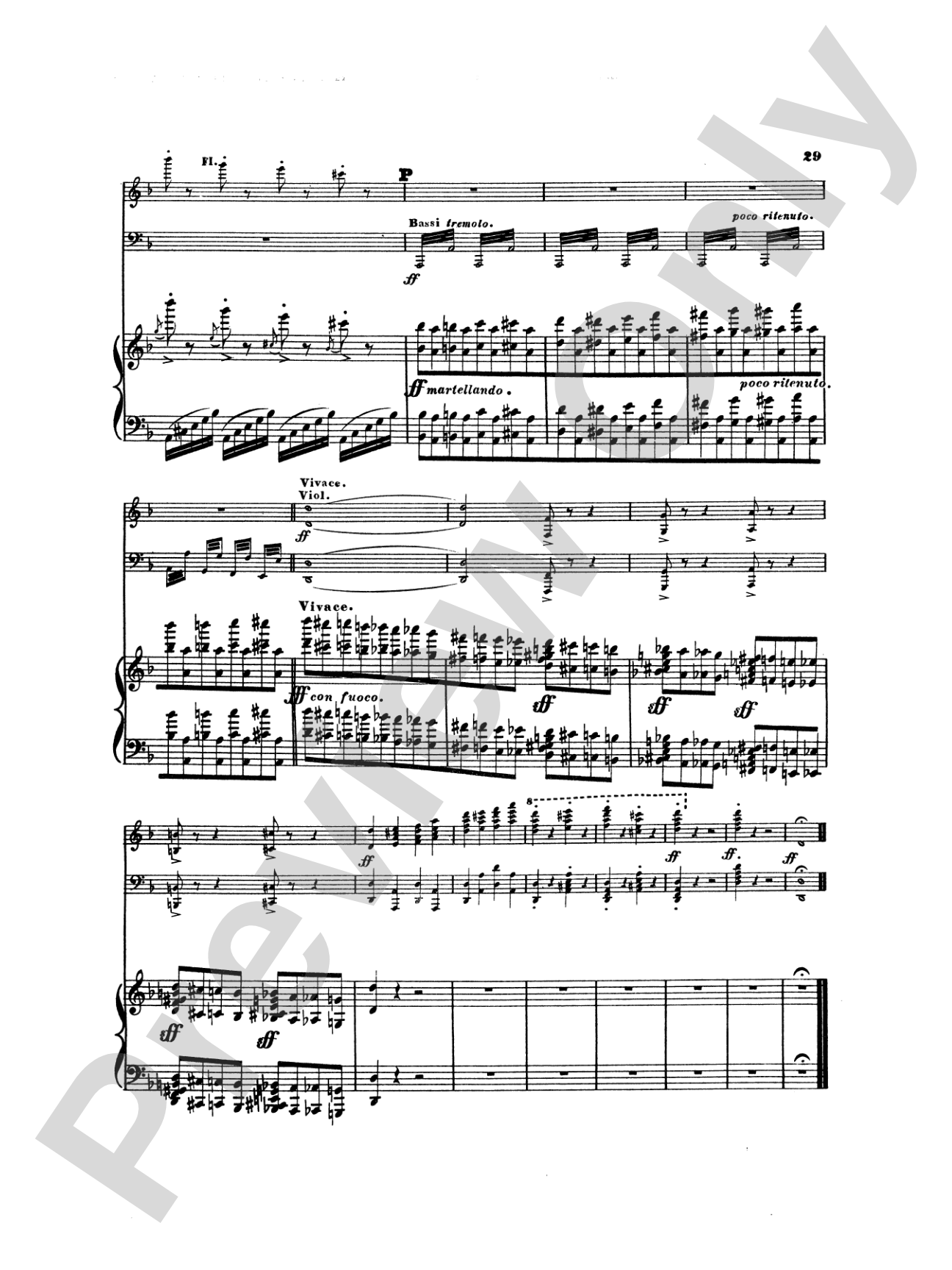

Litolff: Concerto Symphonique, Op. 102: Piano Duo (2 Pianos, 4 Hands) Book (2 copies required)
By Henry Litolff
Item: 00-PK-0003174

$16.95
Pickup currently not available
Buy Extra Parts (Digital PDF Download)
| Product | Price | Quantity |
|---|---|---|
| Litolff: Concerto Symphonique, Op. 102 | $4.95 | |
| Litolff: Concerto Symphonique, Op. 102 | $4.95 | |
| Litolff: Concerto Symphonique, Op. 102 | $4.95 |
Parts Added to Cart!
Related Items
Concerto Symphonique, Opus 102: Piano Duo (2 Pianos, 4 Hands) Book (2 copies required) |
$16.95
|
View |
Description
A Piano Duet for 2 pianos, 4 hands, composed by Henry Litolff. A Federation Festivals 2024-2028 selection.


Don't just read it, hear it, play along with it, and watch your students grow with it. In MakeMusic Cloud, Litolff: Concerto Symphonique, Op. 102: Piano Duo (2 Pianos, 4 Hands) Book (2 copies required) comes alive with professional accompaniment, adjustable tempo, and built-in practice tools that turn solo practice into real progress.
Open in the Player
Jump straight in and assign it today.
Start Your Free Trial
Open this title and explore the full library in minutes.
Sample Audio
No sample audio found.
Sample Video
No sample videos found.
Additional Details
Series:
Kalmus Edition
Publisher:
Alfred Music
Page Count:
88
SKU:
00-PK-0003174
More about this title
About the Composer: Henry Litolff
Henry Litolff (1818, 1891) was a pianist and composer who built his reputation on virtuosic keyboard works that balanced technical brilliance with genuine musical substance. His concertos and concert pieces earned him respect across Europe, and he spent much of his career as a performer, teacher, and music publisher, giving him direct insight into what pianists actually wanted to play.
The Concerto Symphonique series represents Litolff's most enduring contribution to the repertoire. These works bridge the worlds of the solo concerto and the symphony, offering pianists the chance to tackle orchestral scope and dramatic architecture without requiring a full ensemble.
Why we love this
This work offers pianists a genuine symphonic experience without requiring an orchestra. The two-piano format preserves Litolff's orchestral textures and dramatic architecture while creating an intimate chamber setting perfect for duo recitals, competition preparation, or festival showcases. The piece sits firmly in the Federation Festivals repertoire, making it an excellent choice for students pursuing serious competitive or performance goals.
What to expect
Litolff's Concerto Symphonique unfolds with Romantic grandeur and orchestral sweep. The writing sparkles with keyboard brilliance while maintaining the emotional weight and structural logic of symphonic form, creating a work that feels both virtuosic and deeply musical.
Who it's for
This concerto is designed for intermediate-advanced to advanced pianists preparing for competitions, festivals, or recitals who want to experience large-scale Romantic repertoire in a two-piano format. Pianists pursuing Federation Festivals selections and serious students who thrive on ambitious, virtuosic literature will find this work rewarding.
How to get the most out of it
- Establish clear communication about tempo and character before rehearsing individual sections; this 88-page work spans multiple movements and requires both pianists to maintain unified vision across long stretches.
- Balance the distribution of melodic material between pianos so neither player disappears into accompaniment texture, even when one part carries the primary voice.
- Attend to Litolff's dynamic markings with precision; the piece relies on subtle shifts in volume to create the symphonic effects that make it thrilling.
- Practice each movement's opening separately to ensure both pianos enter together with identical tone quality and weight, which anchors the entire performance.
How to use it
Feature this as a substantial solo work on a recital program or use it as the anchor for a two-piano concert. The 88-page length and Federation Festivals status make it ideal for students building a competitive or performance resume across a season.
Skills your students will build
- Reading and executing rapid passagework and scalar figurations across the keyboard
- Coordinating ensemble attacks and releases with a partner across complex rhythmic textures
- Balancing foreground and background material in a single part while maintaining awareness of the other piano's voice
- Sustaining musical focus and interpretive control across extended movements
- Responding to and shaping Litolff's dynamic architecture and emotional pacing