

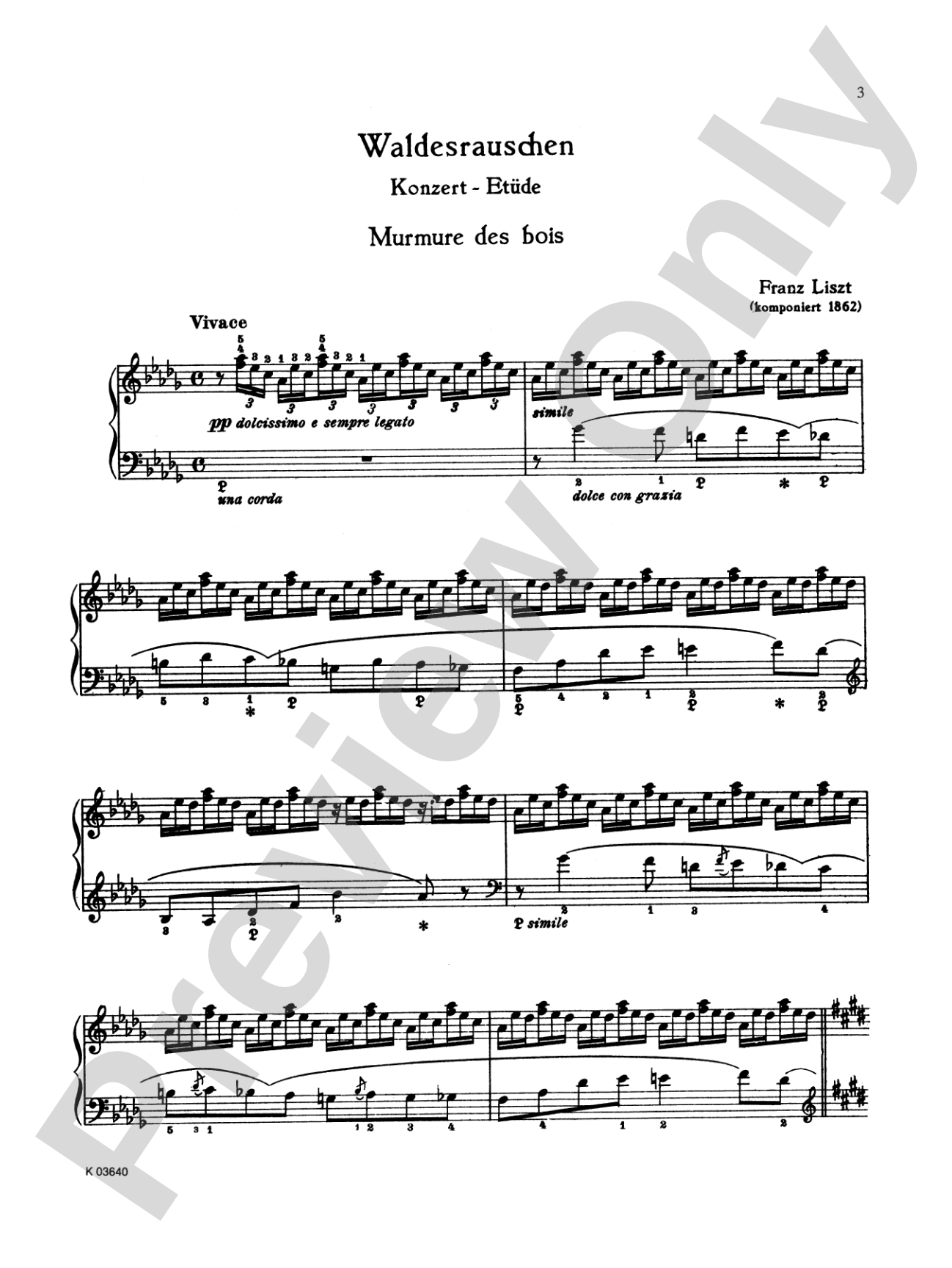
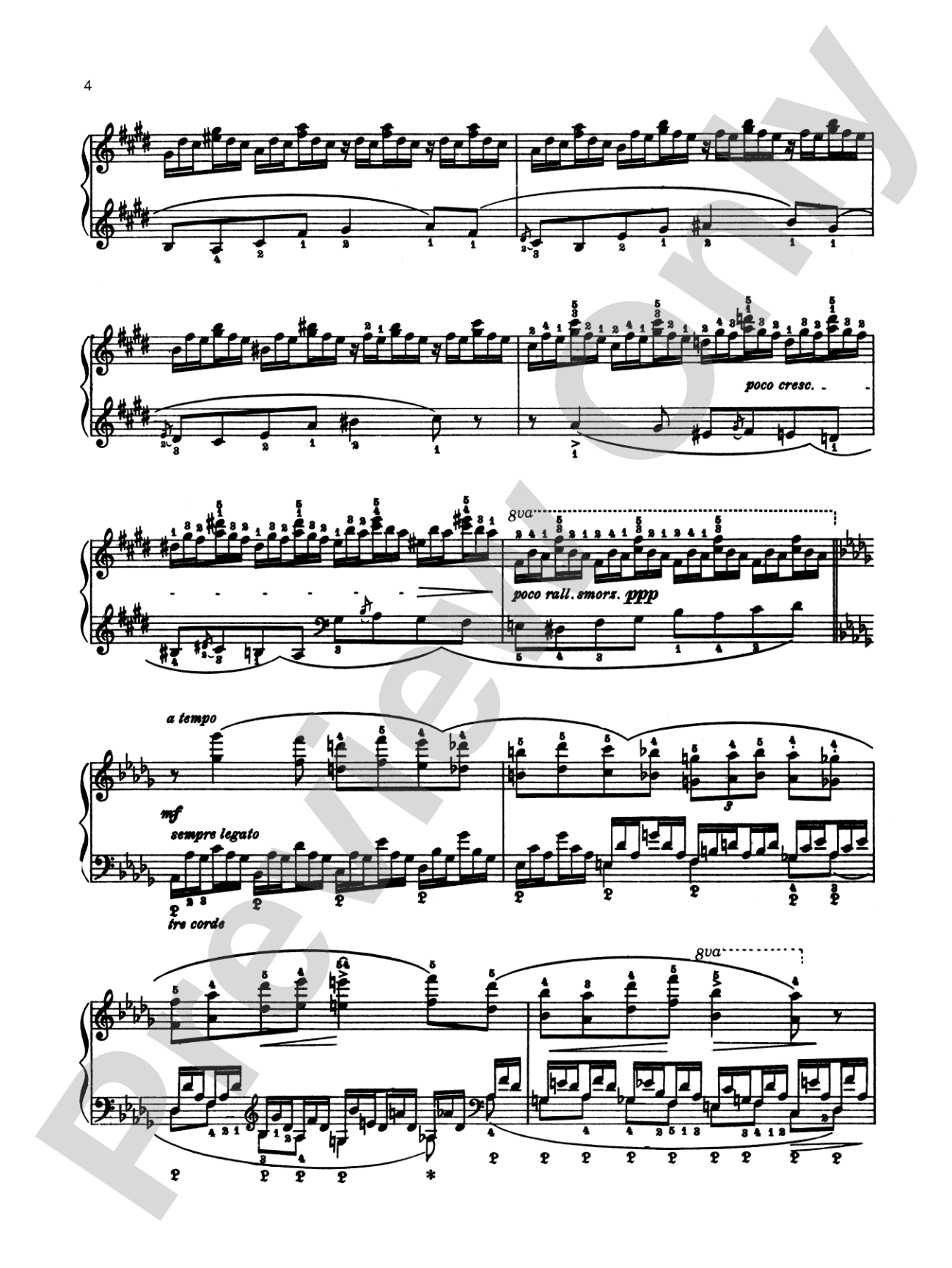
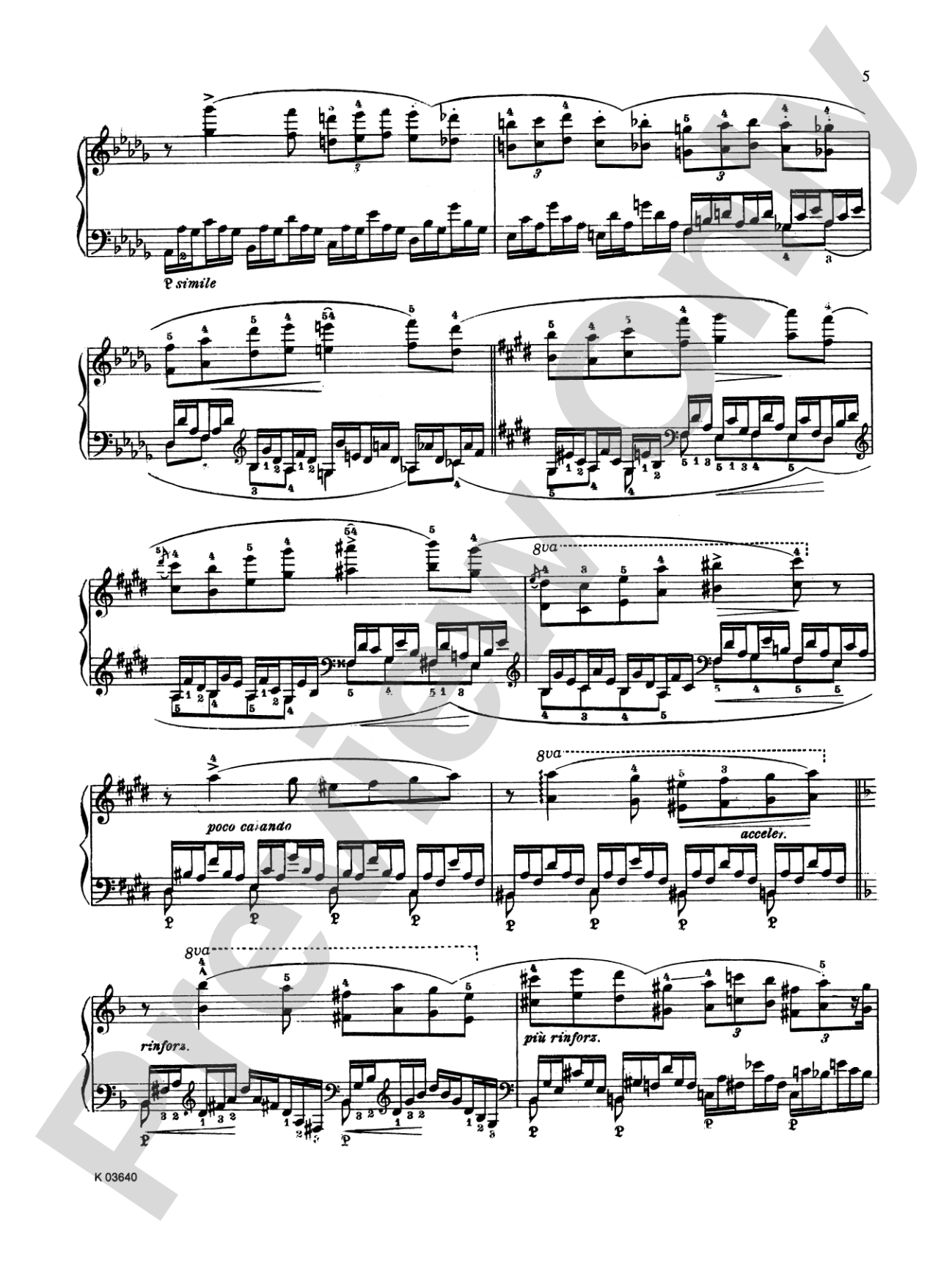
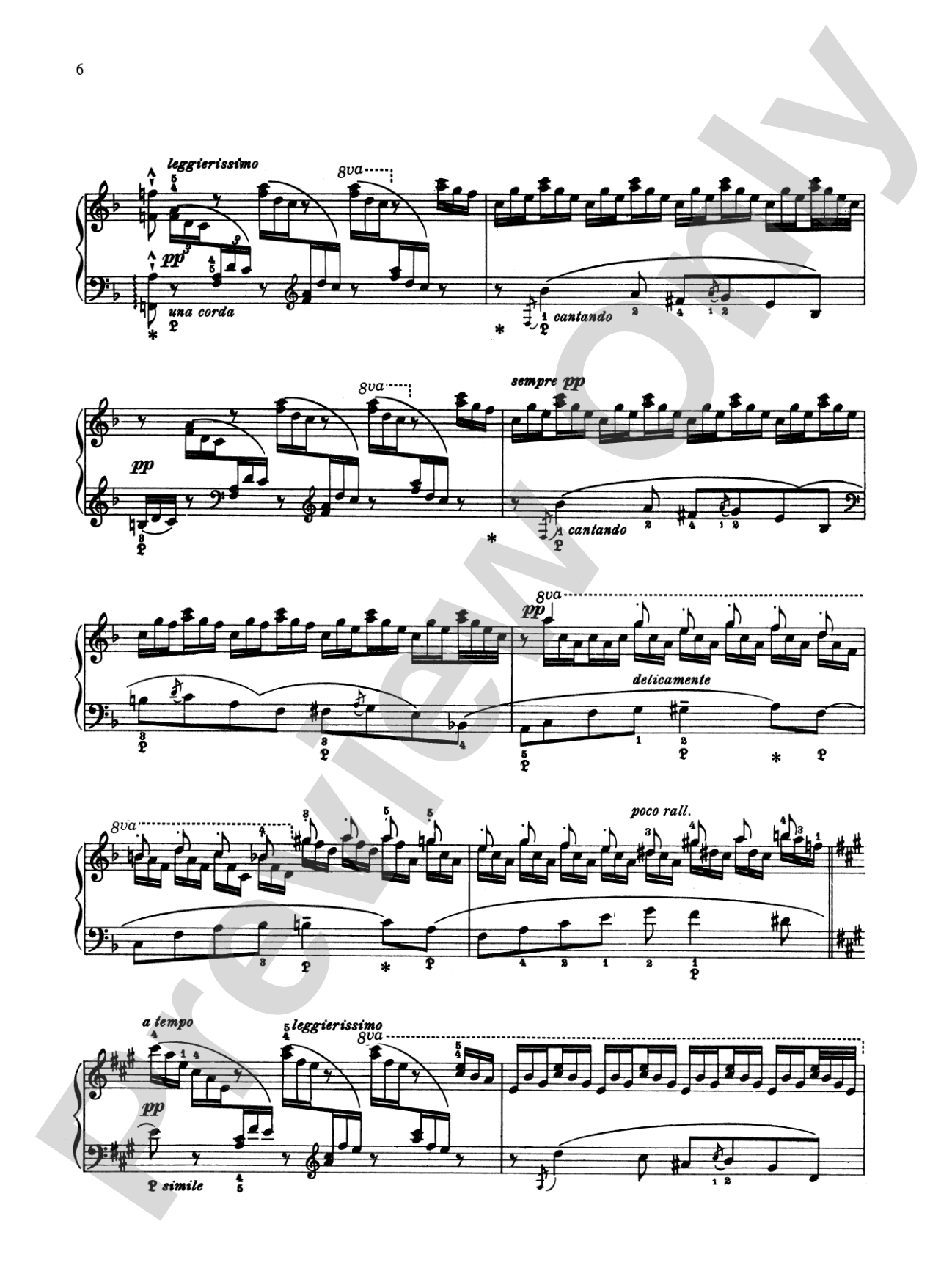
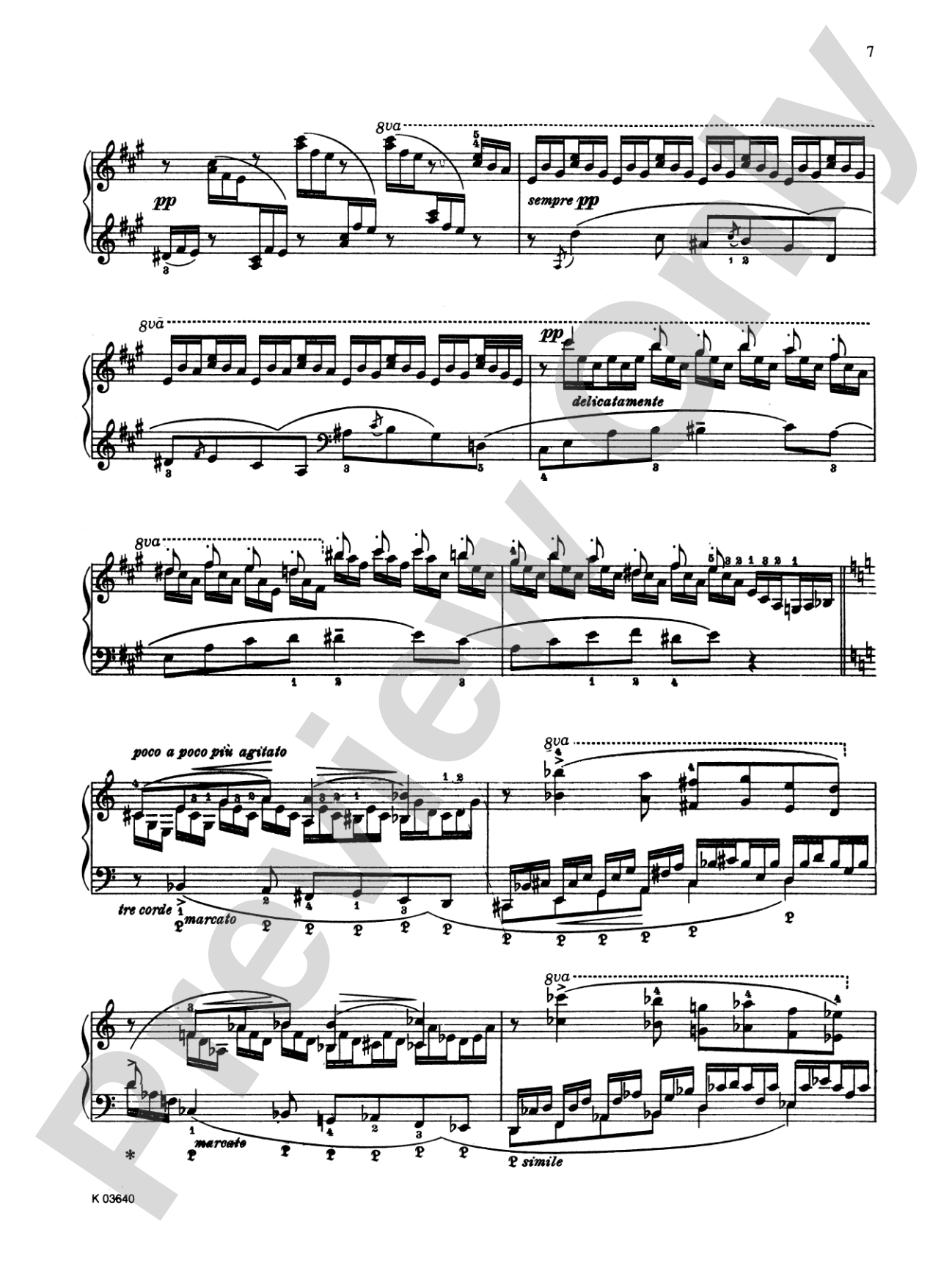
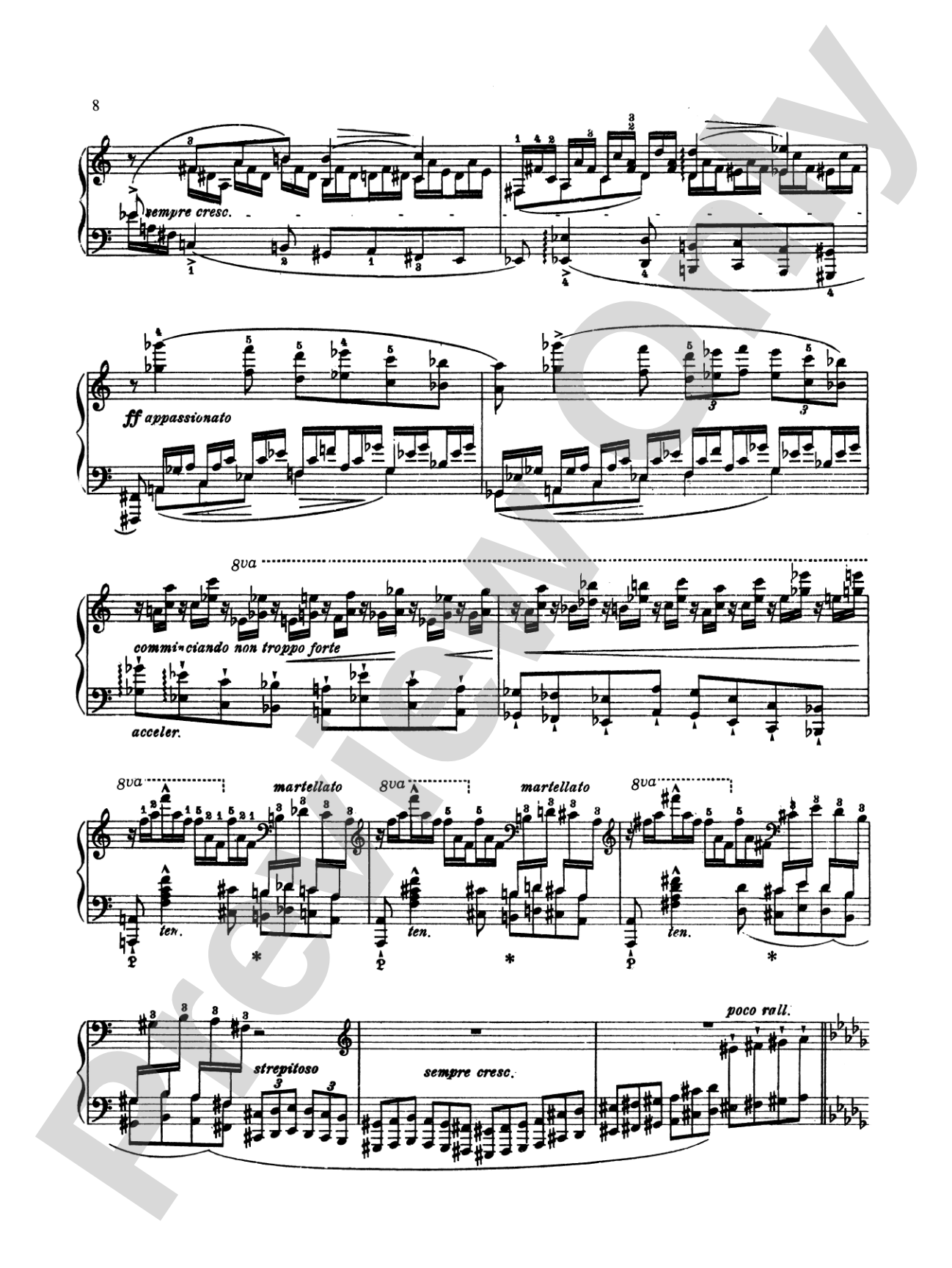
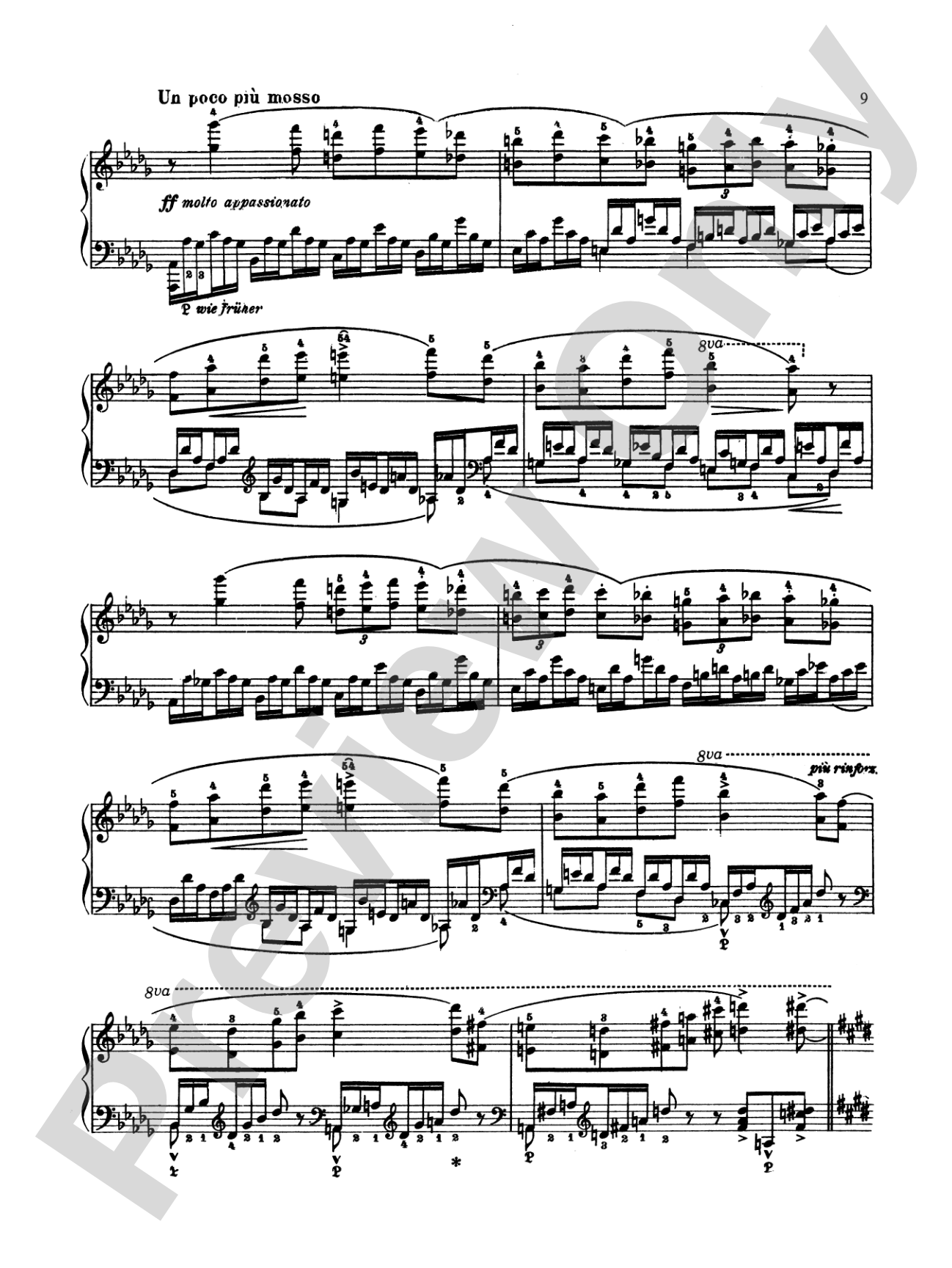
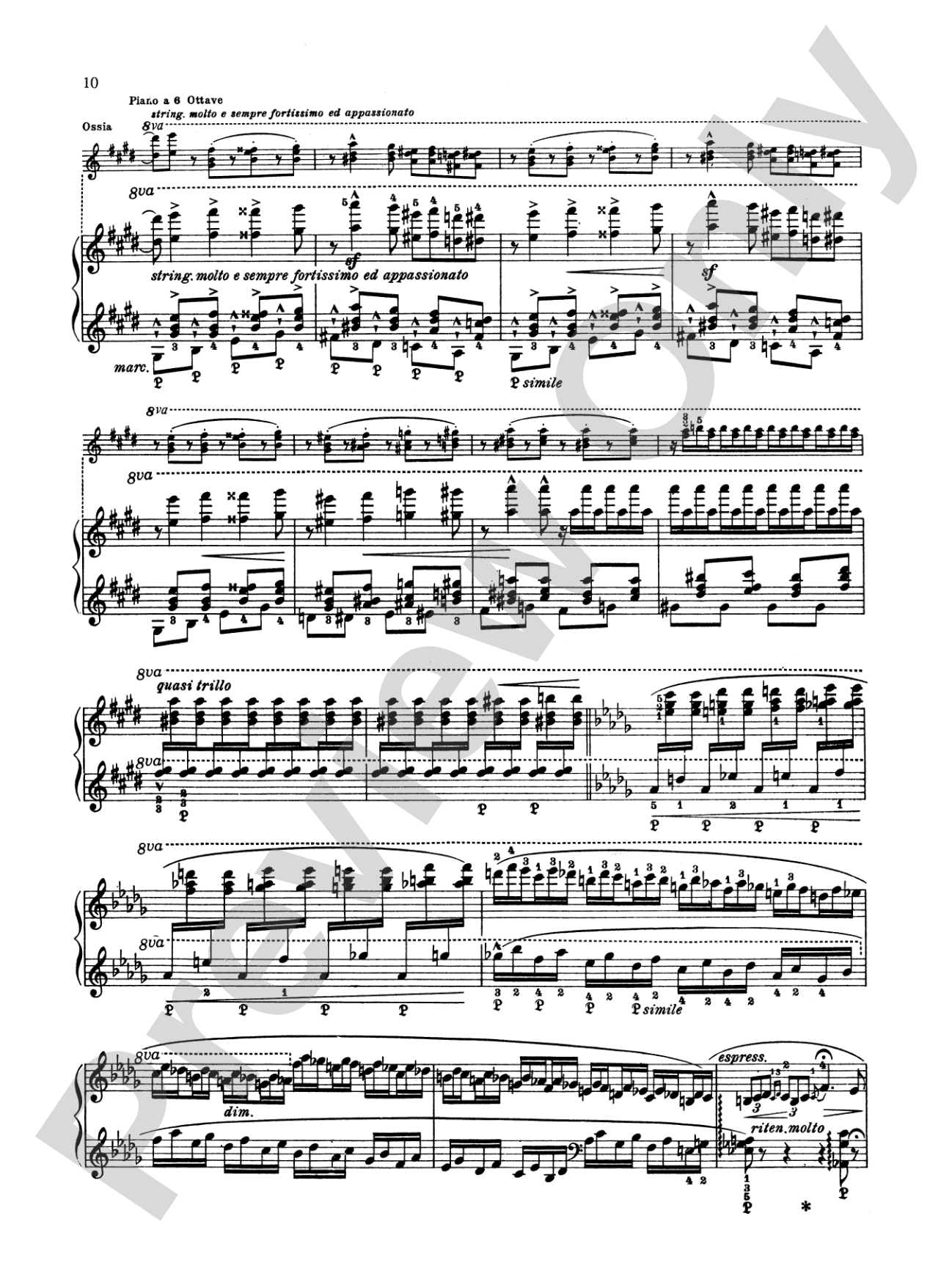
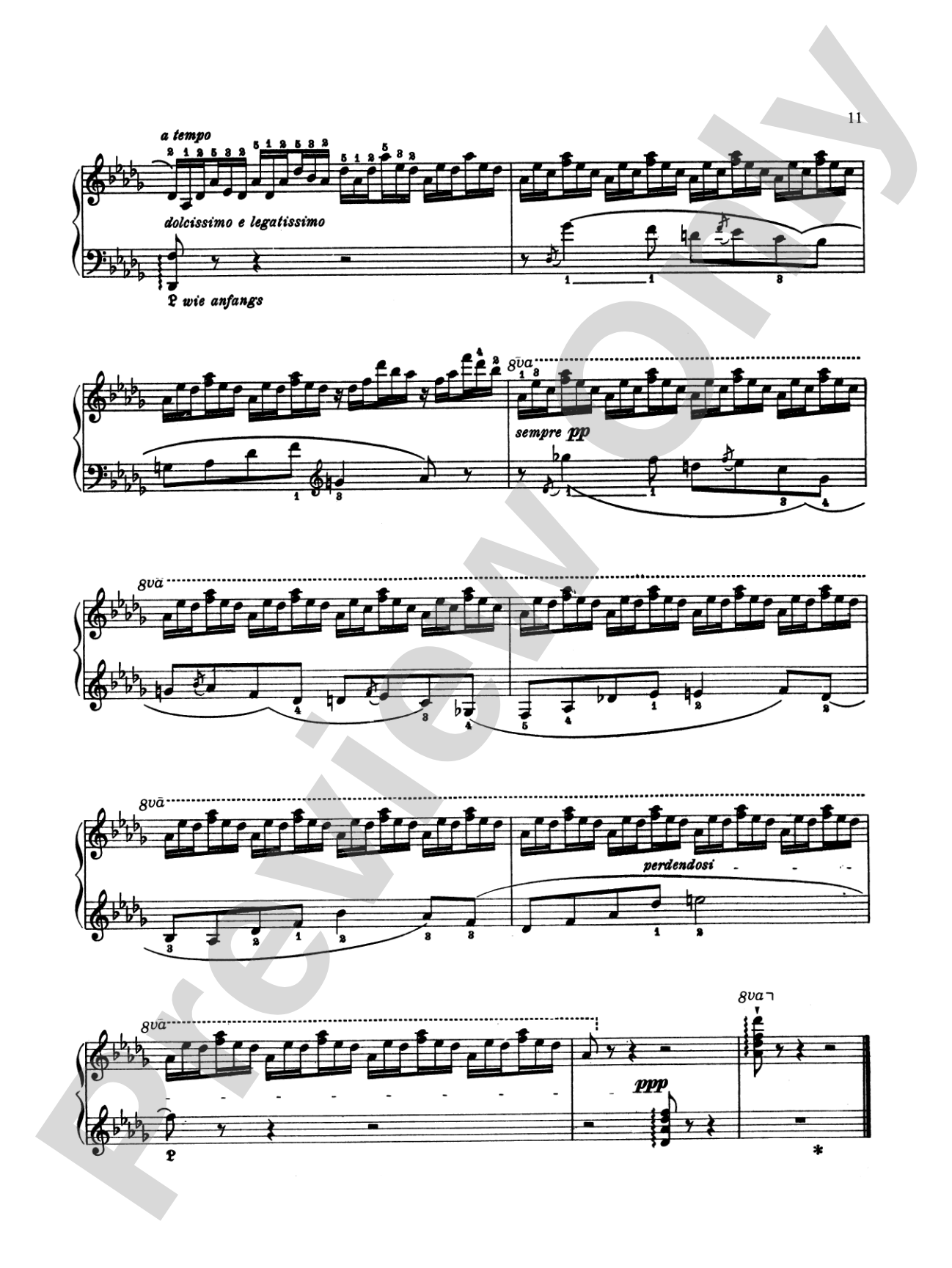


Liszt: Waldesrauschen (Forest Murmurs): Piano
By Franz Liszt
Level: Advanced
Item: 00-PK-0003198

$7.99
Pickup currently not available
Buy Extra Parts (Digital PDF Download)
| Product | Price | Quantity |
|---|---|---|
| Liszt: Waldesrauschen (Forest Murmurs) | $6.99 |
Parts Added to Cart!
Related Items
Waldesrauschen (Forest Murmurs): Piano |
$7.95
|
View |
Description
Expertly arranged piano solo from our Kalmus Edition.


Don't just read it, hear it, play along with it, and watch your students grow with it. In MakeMusic Cloud, Liszt: Waldesrauschen (Forest Murmurs): Piano comes alive with professional accompaniment, adjustable tempo, and built-in practice tools that turn solo practice into real progress.
Open in the Player
Jump straight in and assign it today.
Start Your Free Trial
Open this title and explore the full library in minutes.
Sample Audio
No sample audio found.
Sample Video
No sample videos found.
Additional Details
Series:
Kalmus Edition
Publisher:
Alfred Music
Page Count:
10
SKU:
00-PK-0003198
More about this title
About the Composer: Franz Liszt
Franz Liszt (1811, 1886) revolutionized piano technique and expanded the instrument's expressive range like no composer before him. A virtuoso performer who drew inspiration from nature, literature, and spiritual inquiry, Liszt composed works that demanded technical brilliance while exploring profound emotional and programmatic content. His legacy shaped how we understand the piano's capabilities, influencing generations of composers and performers who followed.
Why we love this
Waldesrauschen showcases why Liszt remains essential repertoire for pianists ready to tackle genuine virtuosity. The piece demands impeccable technical control while rewarding players with one of the most lyrical and shimmering textures in the Romantic canon. Its combination of perpetual motion figuration and singing melody gives advanced students a vehicle for both precision and poetry.
What to expect
Waldesrauschen captures the gentle murmur of wind through forest leaves through perpetual, shimmering piano writing that creates atmosphere and movement. A serene, songful melody floats above the delicate accompaniment, evoking both tranquility and the restless energy of nature. The overall effect is one of intimate Romantic portraiture, asking the pianist to paint with sound rather than merely display technique.
Who it's for
This piece belongs in the library of an advanced pianist with secure technique and musical maturity. Performers should be comfortable sustaining rapid figuration while maintaining independence between hands and listening for subtle balances. The work rewards interpreters who combine virtuosity with sensitivity to Romantic songfulness.
How to get the most out of it
- Establish an even, flowing tempo from the outset; the rapid figuration must feel effortless rather than hurried, allowing the underlying melody to emerge naturally.
- Shape the accompaniment texture to create transparency, particularly in passage work where multiple voices interact. Listen constantly for balance between the rippling figurations and the primary melodic line.
- Attend to pedal changes with care. The sustaining pedal supports harmonic color but must clear at logical harmonic points to avoid muddiness.
- Practice the hands separately first, then slowly with attention to how accompaniment figures support and frame the melody rather than obscure it.
How to use it
Program this work on a recital that pairs Liszt with other Romantic-era composers, or feature it alongside other Liszt character pieces to showcase his range. Its relative refinement and Romantic expressivity make it an excellent choice for a solo piano recital rather than a competition setting where more spectacle might be expected. The piece also fits well in a concert exploring programmatic or nature-inspired music.
Skills your students will build
- Sustaining rapid figuration while maintaining even tone and consistent tempo
- Balancing multiple voices in complex textures (melody, accompaniment figurations, harmonic support)
- Pedaling for harmonic color and resonance without creating murkiness
- Interpreting Romantic songfulness within a virtuosic framework
- Understanding accompaniment design and how figuration can enhance rather than obscure melodic content