
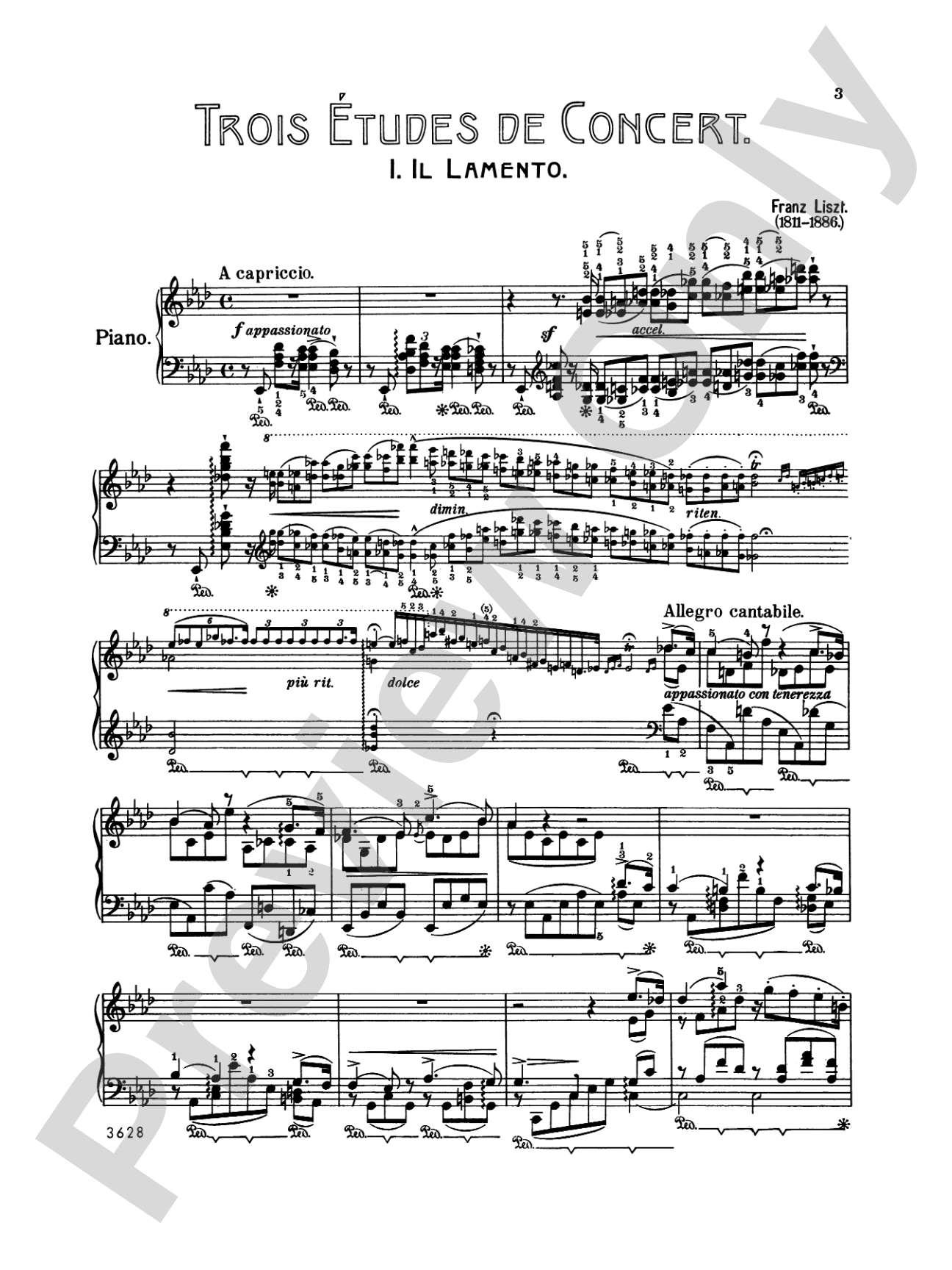
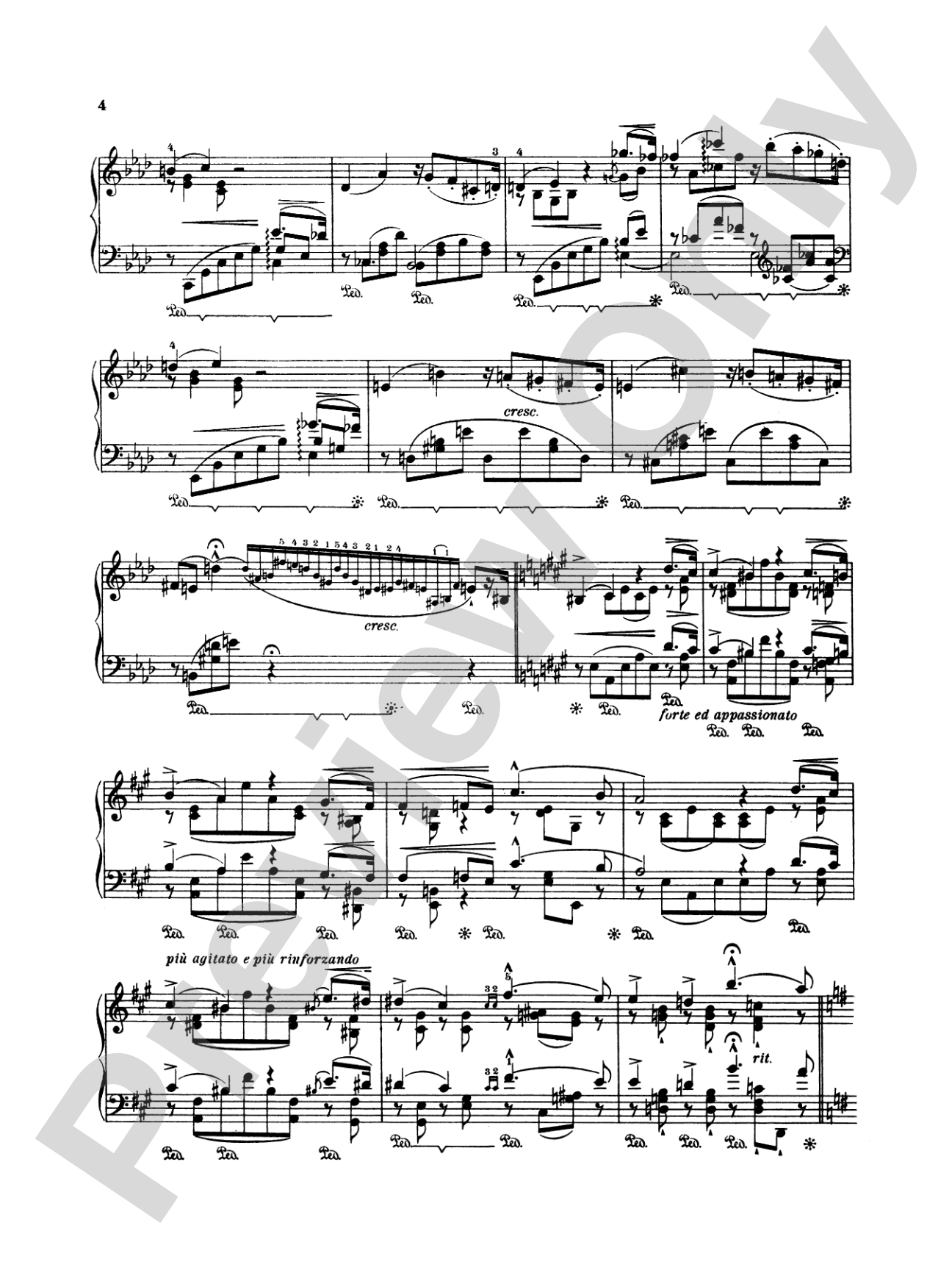
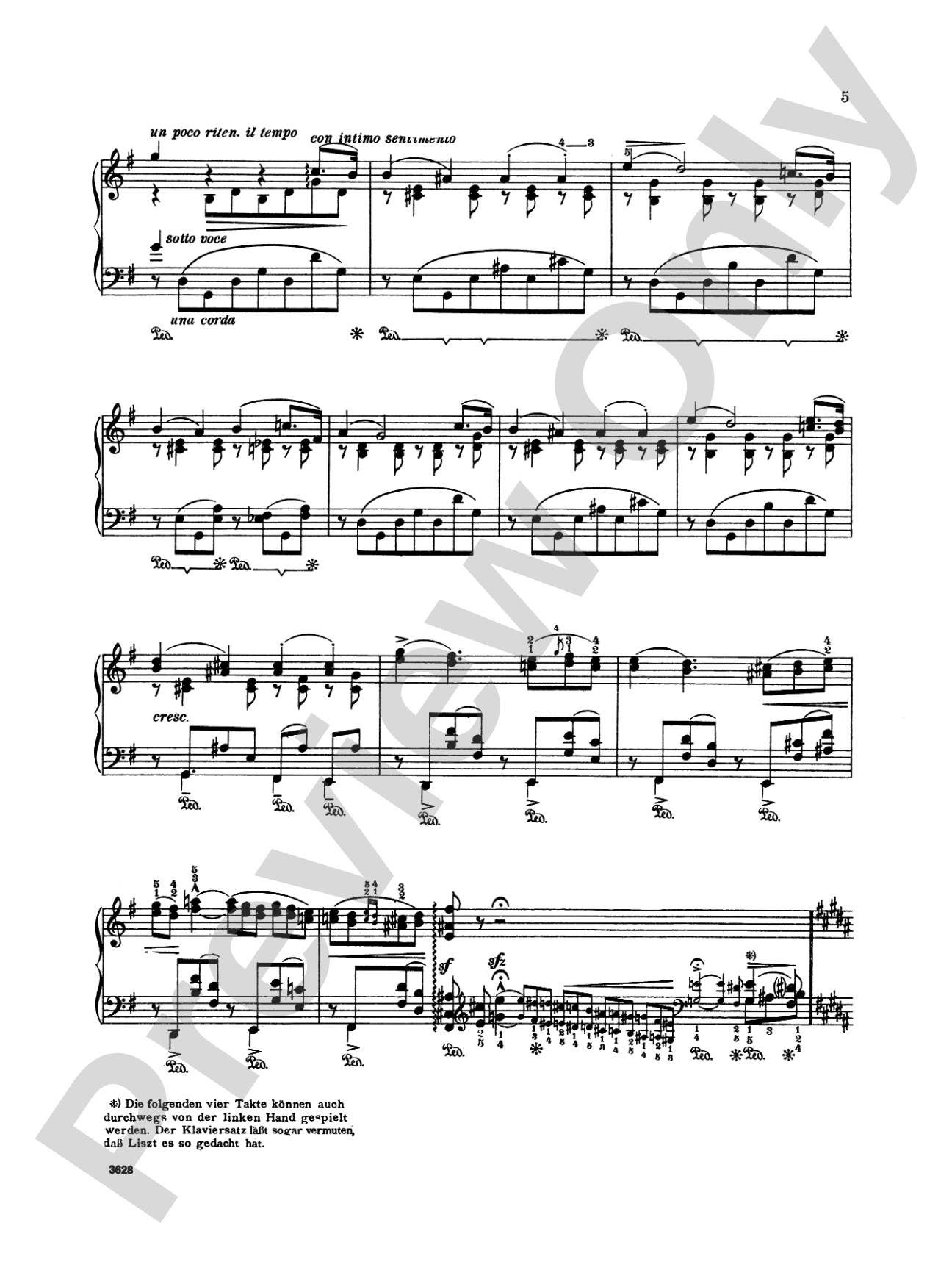
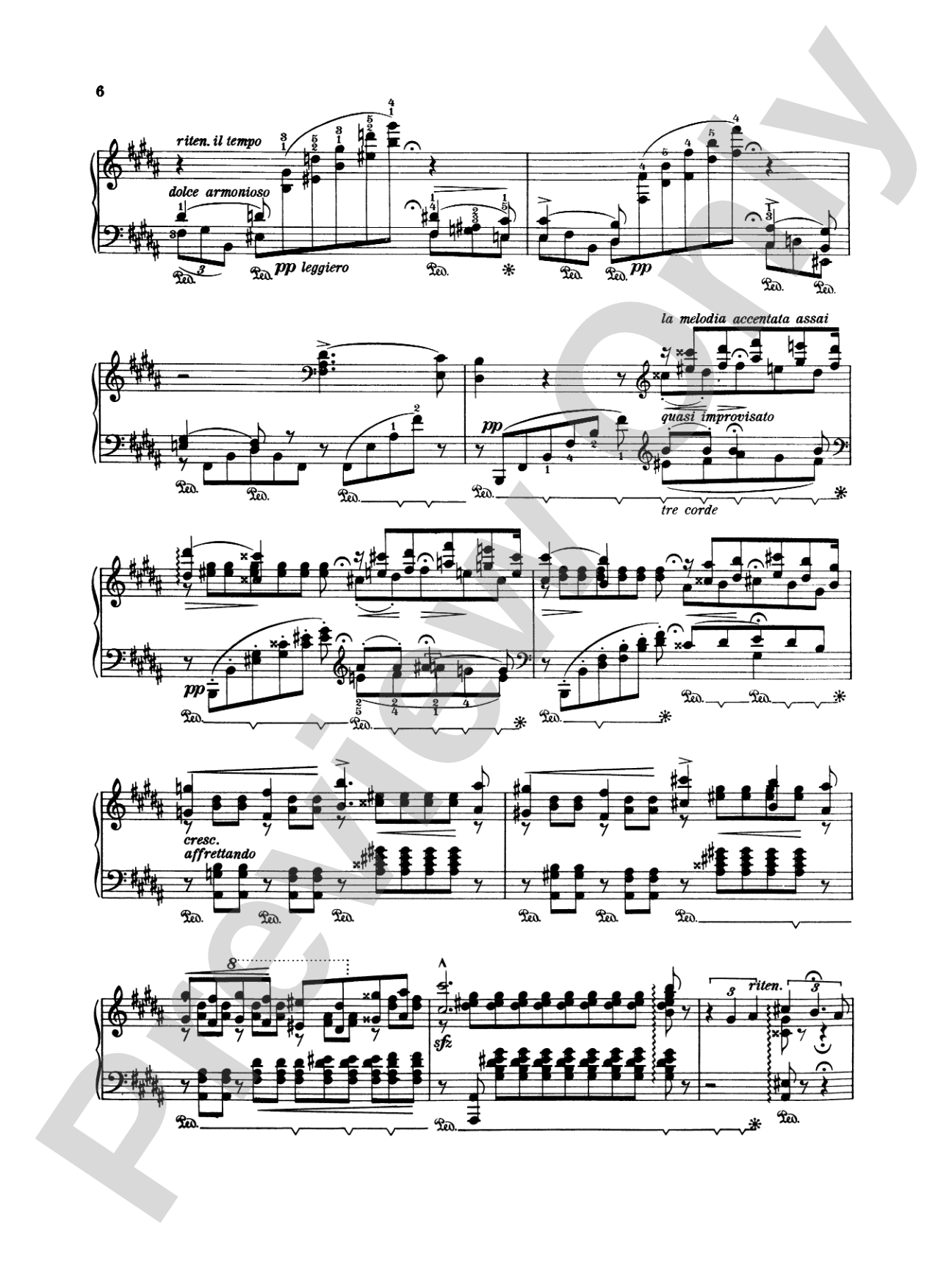
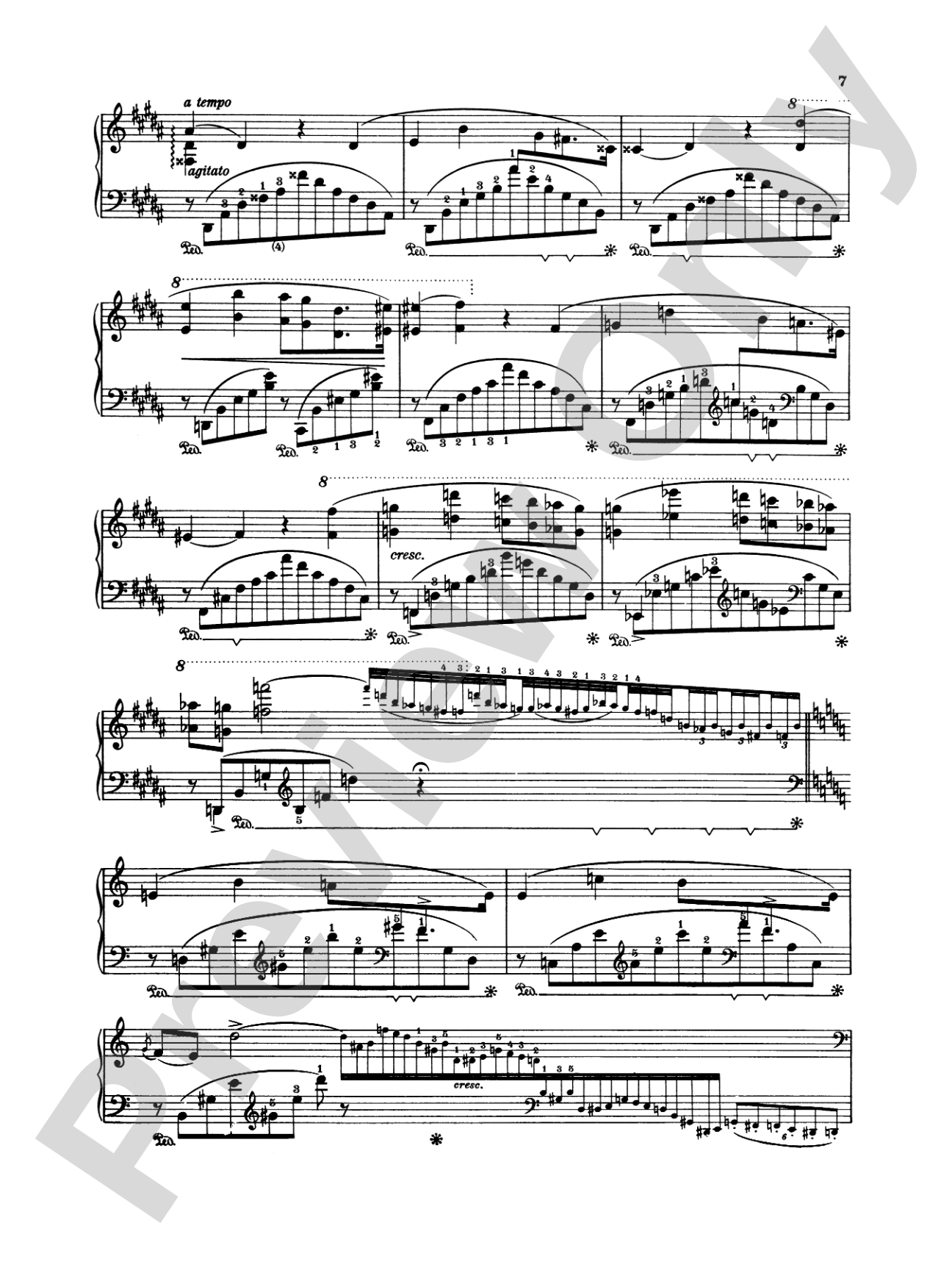
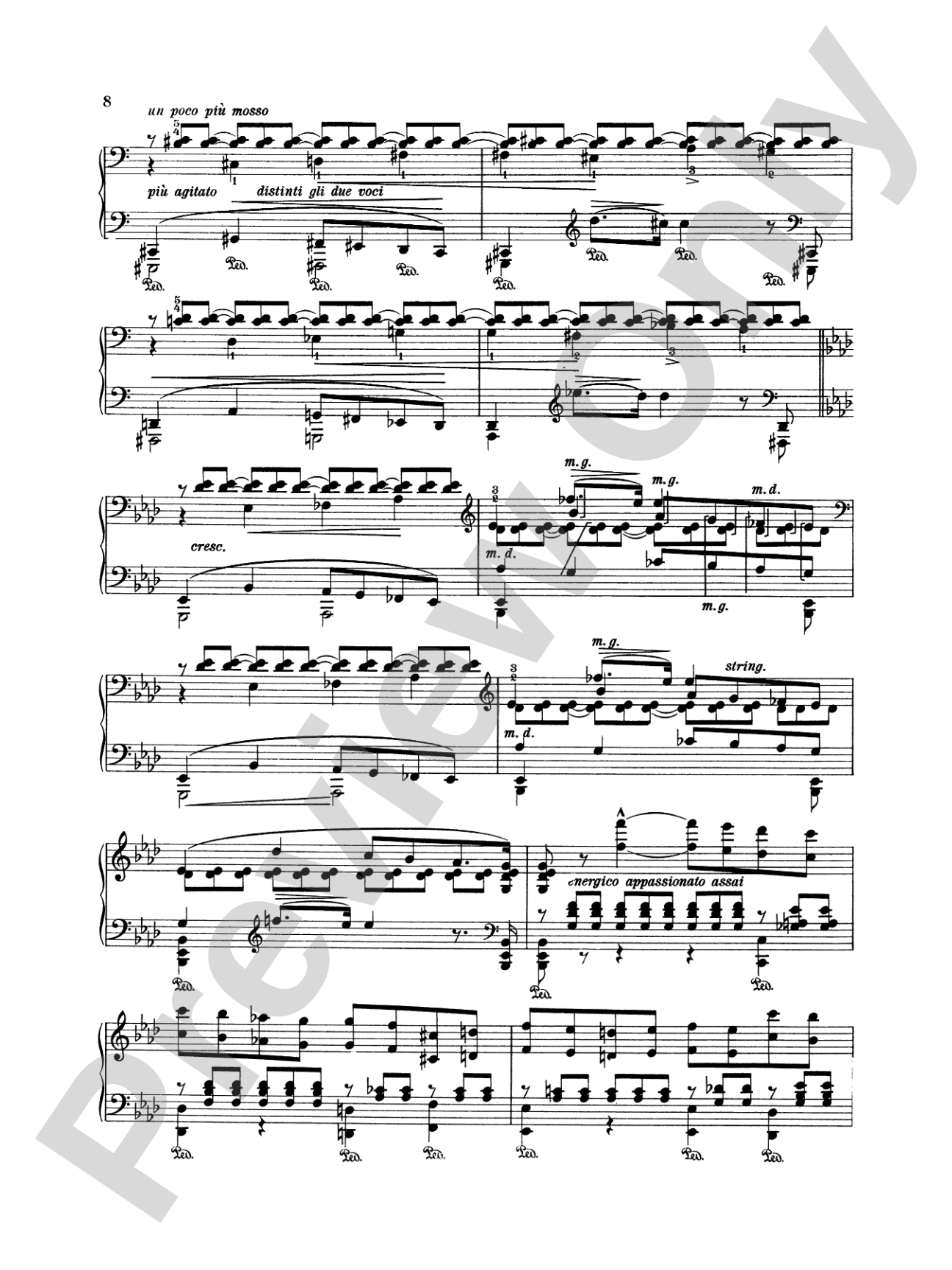
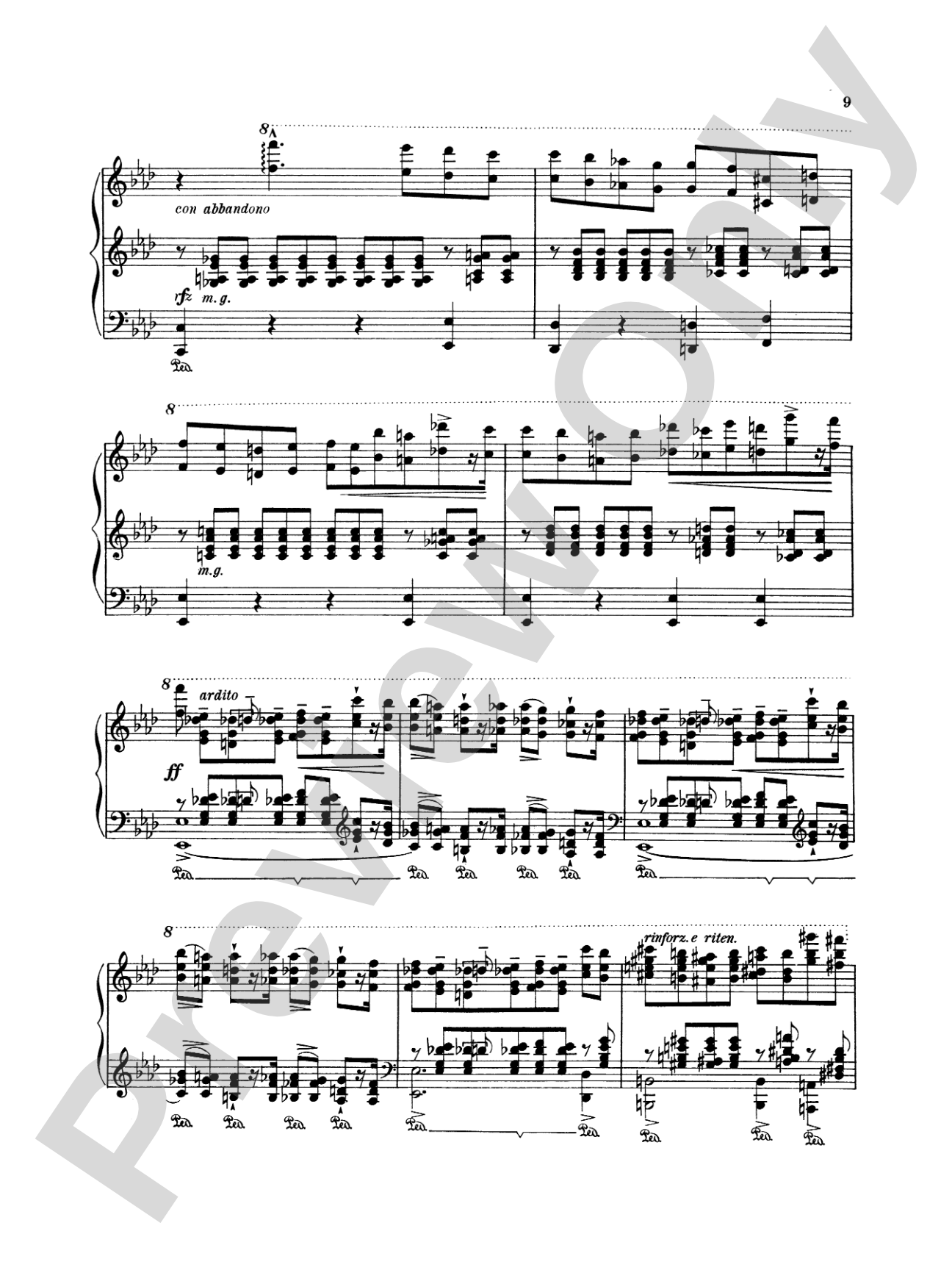
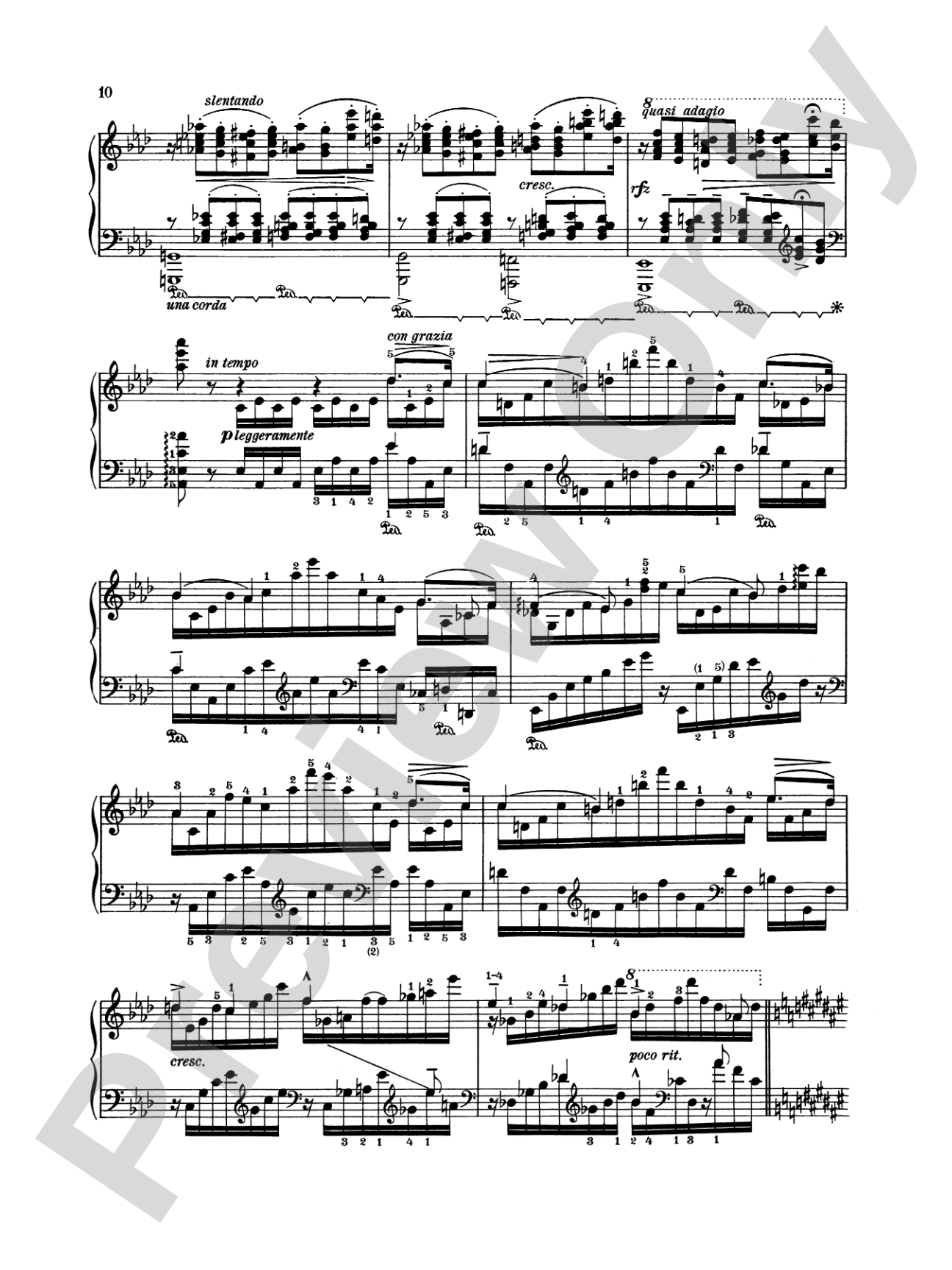
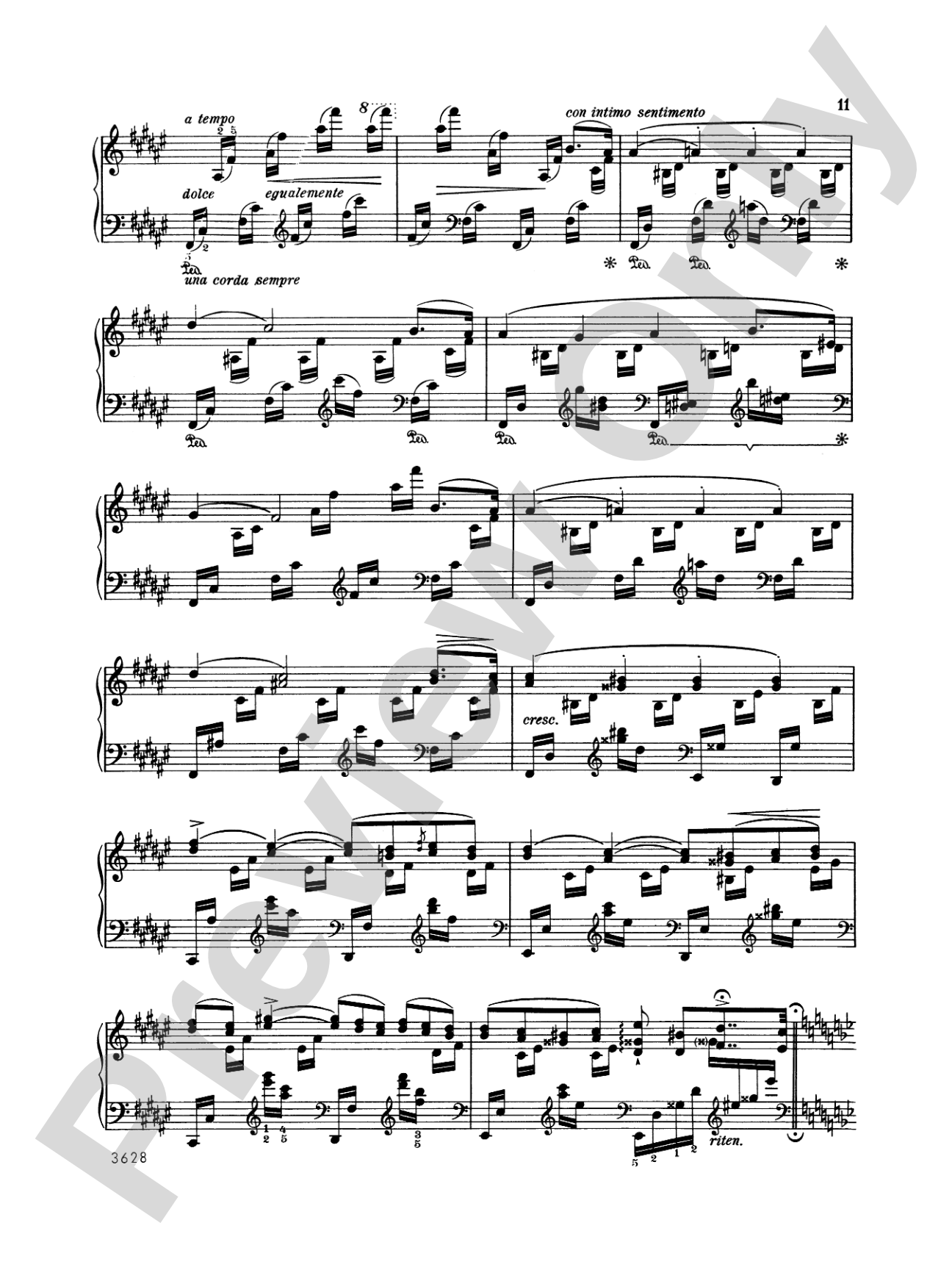
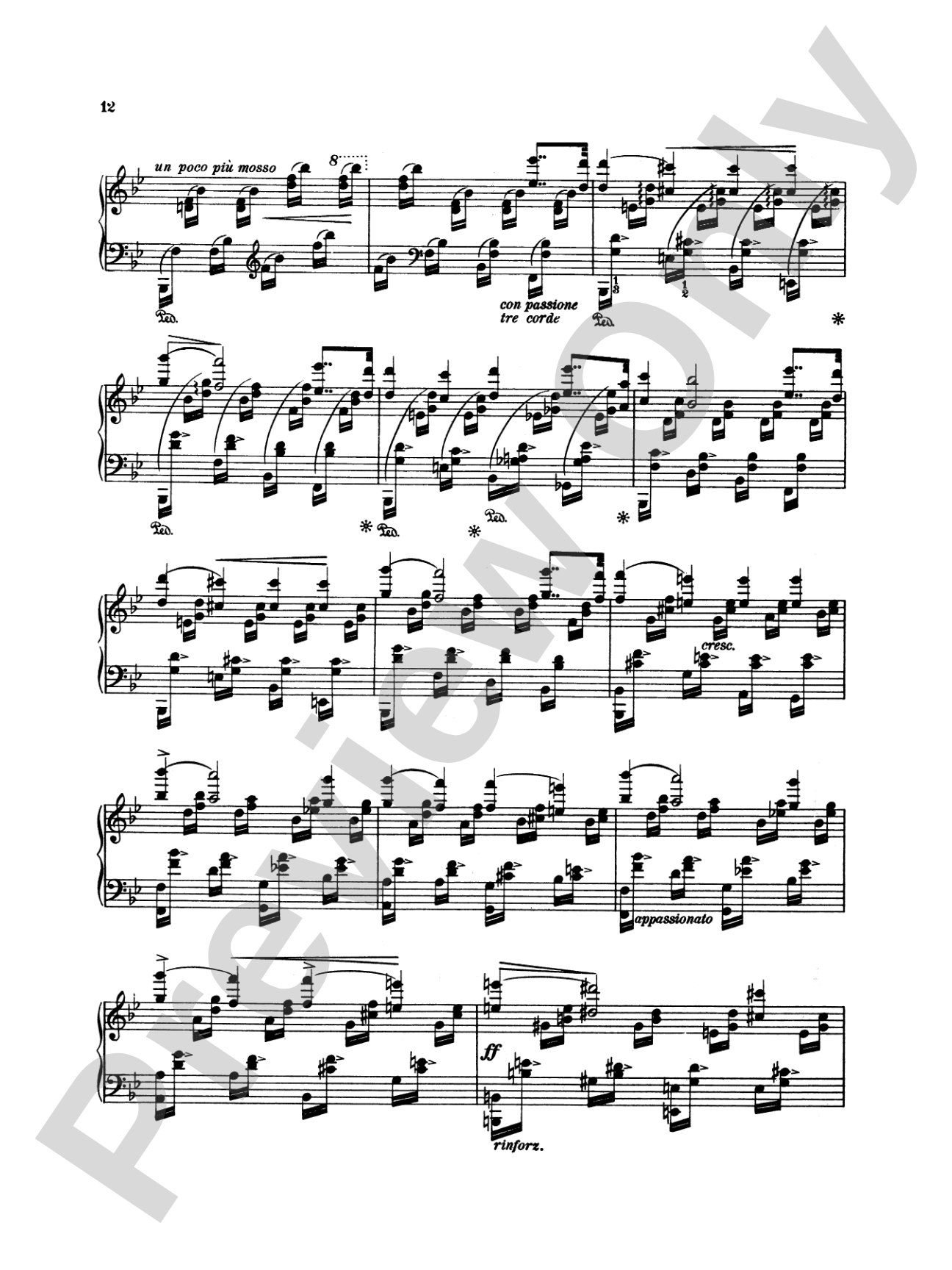
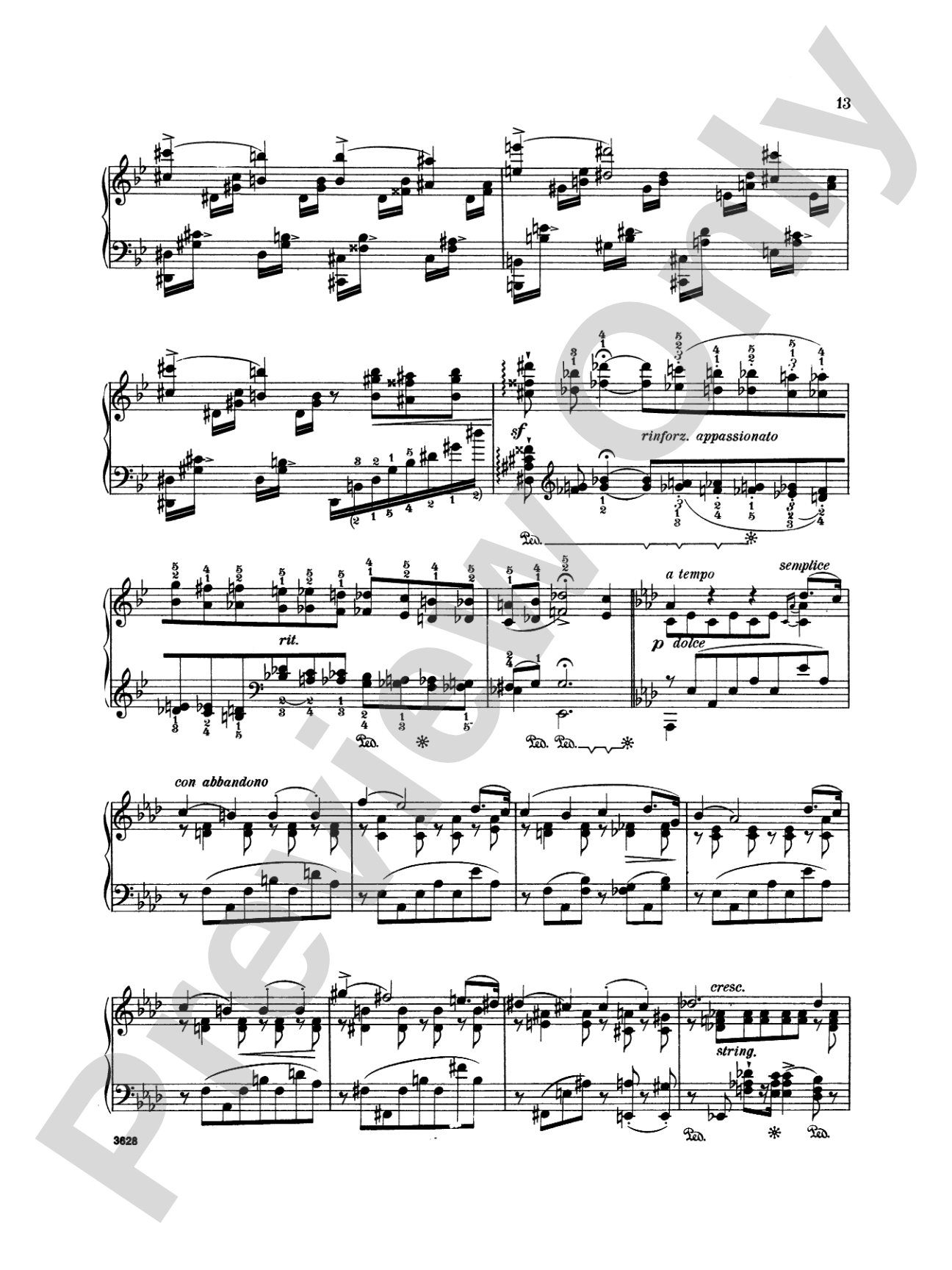
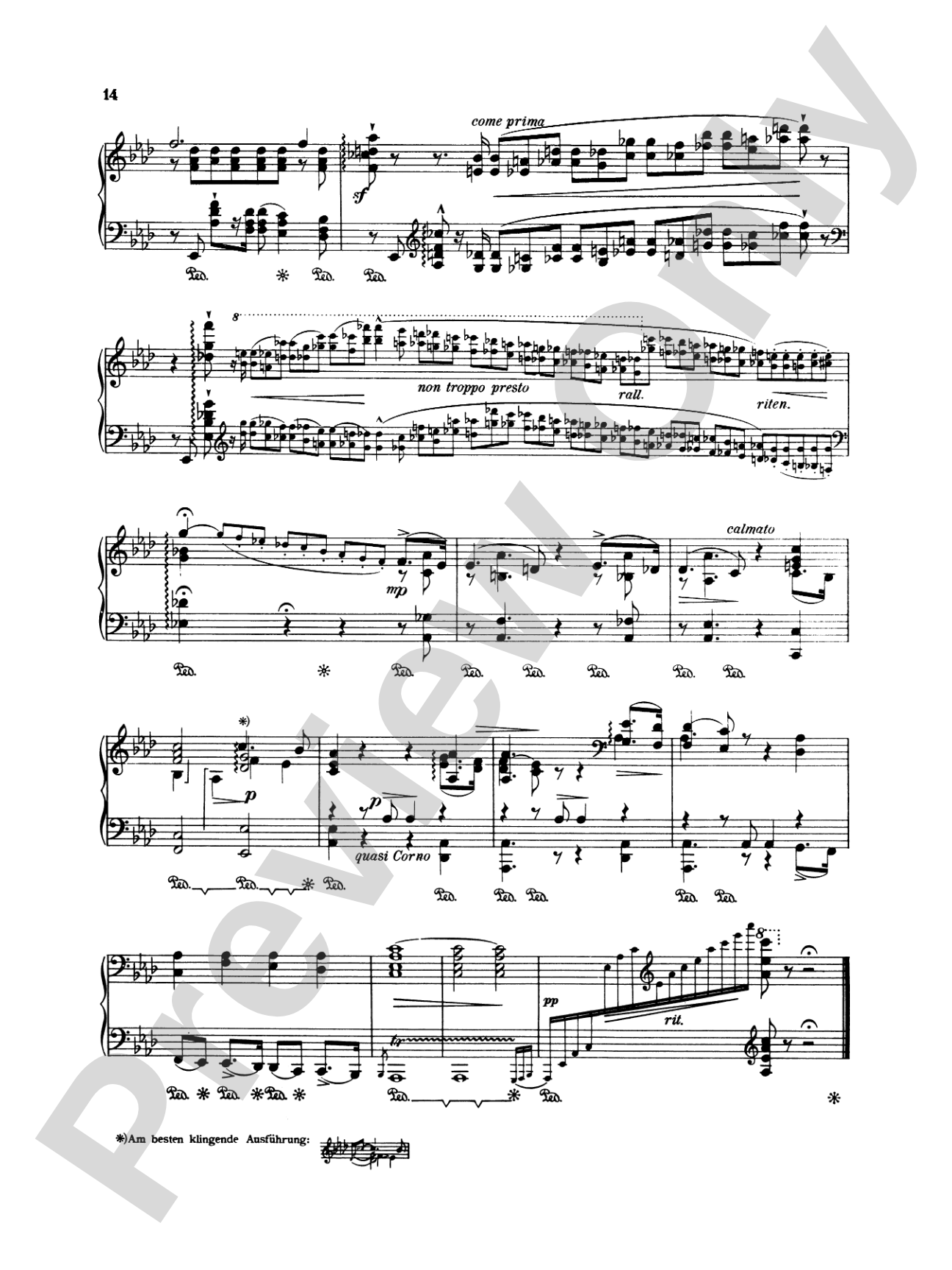

Liszt: Trois Etudes de Concert: Piano
By Franz Liszt
Item: 00-PK-0003189

$9.99
Pickup currently not available
Buy Extra Parts (Digital PDF Download)
| Product | Price | Quantity |
|---|---|---|
| Liszt: Trois Etudes de Concert | $2.99 | |
| Liszt: Trois Etudes de Concert | $2.99 | |
| Liszt: Trois Etudes de Concert | $2.99 |
Parts Added to Cart!
Related Items
Trois Etudes de Concert: Piano |
$9.95
|
View |
Description
(Lamento, Leggierezza, Sospiro)


Don't just read it, hear it, play along with it, and watch your students grow with it. In MakeMusic Cloud, Liszt: Trois Etudes de Concert: Piano comes alive with professional accompaniment, adjustable tempo, and built-in practice tools that turn solo practice into real progress.
Open in the Player
Jump straight in and assign it today.
Start Your Free Trial
Open this title and explore the full library in minutes.
Sample Audio
No sample audio found.
Sample Video
No sample videos found.
Additional Details
Series:
Kalmus Edition
Publisher:
Alfred Music
Page Count:
36
SKU:
00-PK-0003189
More about this title
About the Composer: Franz Liszt
Franz Liszt (1811-1886) transformed the piano into an orchestral instrument through sheer technical innovation and compositional daring. A virtuoso performer of legendary status, Liszt composed works that demanded unprecedented command of the keyboard while exploring harmonic and structural territories that anticipated modern music. His étude tradition extended far beyond technical display, embedding profound musical ideas within passages of formidable difficulty.
Liszt's influence on piano pedagogy remains profound. Teachers continue to assign his works because they teach students not just how to play the piano brilliantly, but how to think musically at the instrument's outer limits. His compositions reward deep engagement from serious students and continue to define what the nineteenth-century piano can express.
Why we love this
These three concert études showcase Liszt's gift for embedding genuine musical substance within virtuosic frameworks. Each piece commands a different technical and interpretive challenge, making the set invaluable for advanced students preparing a recital program that demonstrates mature musicianship alongside technical prowess. The variety across the three ensures students engage with multiple layers of Romantic pianism in a single, unified score.
What to expect
Lamento flows with the dark, introspective elegance of a Romantic lament, built from long singing lines that test the pianist's ability to sustain tone across wide stretches. Leggierezza demands crystalline clarity and rhythmic precision, sparkling with the lightness its title promises. Sospiro breathes like a lyrical song, its sighing motion revealing the orchestral textures Liszt wove into the keyboard's fabric.
Who it's for
Advanced pianists preparing for recital, competition, or conservatory study will find these works essential. Each étude addresses a different dimension of Romantic virtuosity, making the set valuable for students developing the technical and musical range expected at the highest levels of piano study.
How to get the most out of it
- Approach the pedal as a compositional instrument itself. Liszt's markings are precise about when to shift harmonic colors, and careless pedal technique obscures the harmonic clarity he demands.
- Practice the hand independence passages slowly in all three études, building rhythmic precision before attempting tempo. Liszt's figuration often conceals complex rhythmic relationships that collapse under rushed playing.
- Study the recording history of these works. Horowitz, Cziffra, and Richter each found different solutions to Liszt's notation; understanding how masters approached similar passages informs your own interpretive choices.
- Build technical security in shorter segments rather than running full pieces. These études reward deep work on specific passages; fragmentary preparation yields more convincing performance than full-run rehearsal alone.
How to use it
These three études work powerfully as a single recital block, allowing pianists to demonstrate range and depth without interruption. Consider pairing them with Liszt's Consolations or other character pieces from the same period to create a focused Liszt recital, or integrate them strategically across a broader program to anchor the virtuosic segments.
Skills your students will build
- Hand independence and coordination across complex, non-traditional figuration patterns
- Sustaining lyrical lines while managing rapid accompanying figures
- Pedal technique for harmonic color and textural clarity in Romantic harmonic language
- Tempo flexibility and rubato informed by Romantic phrasing conventions
- Technical facility in rapid passage work, arpeggiation, and chromatic figurations
- Interpretive maturity in balancing virtuosic display with musical substance