

Liszt: Transcriptions of Orchestral Works: Piano Duet (1 Piano, 4 Hands) Book
By Franz Liszt
Item: 00-PK-0002797

$14.95
Pickup currently not available
Buy Extra Parts (Digital PDF Download)
| Product | Price | Quantity |
|---|---|---|
| Liszt: Transcriptions of Orchestral Works | $1.95 | |
| Liszt: Transcriptions of Orchestral Works | $1.95 | |
| Liszt: Transcriptions of Orchestral Works | $1.95 | |
| Liszt: Transcriptions of Orchestral Works | $1.95 | |
| Liszt: Transcriptions of Orchestral Works | $1.95 |
Parts Added to Cart!
Related Items
Transcriptions of Orchestral Works: Piano Duet (1 Piano, 4 Hands) Book |
$14.95
|
View |
Description
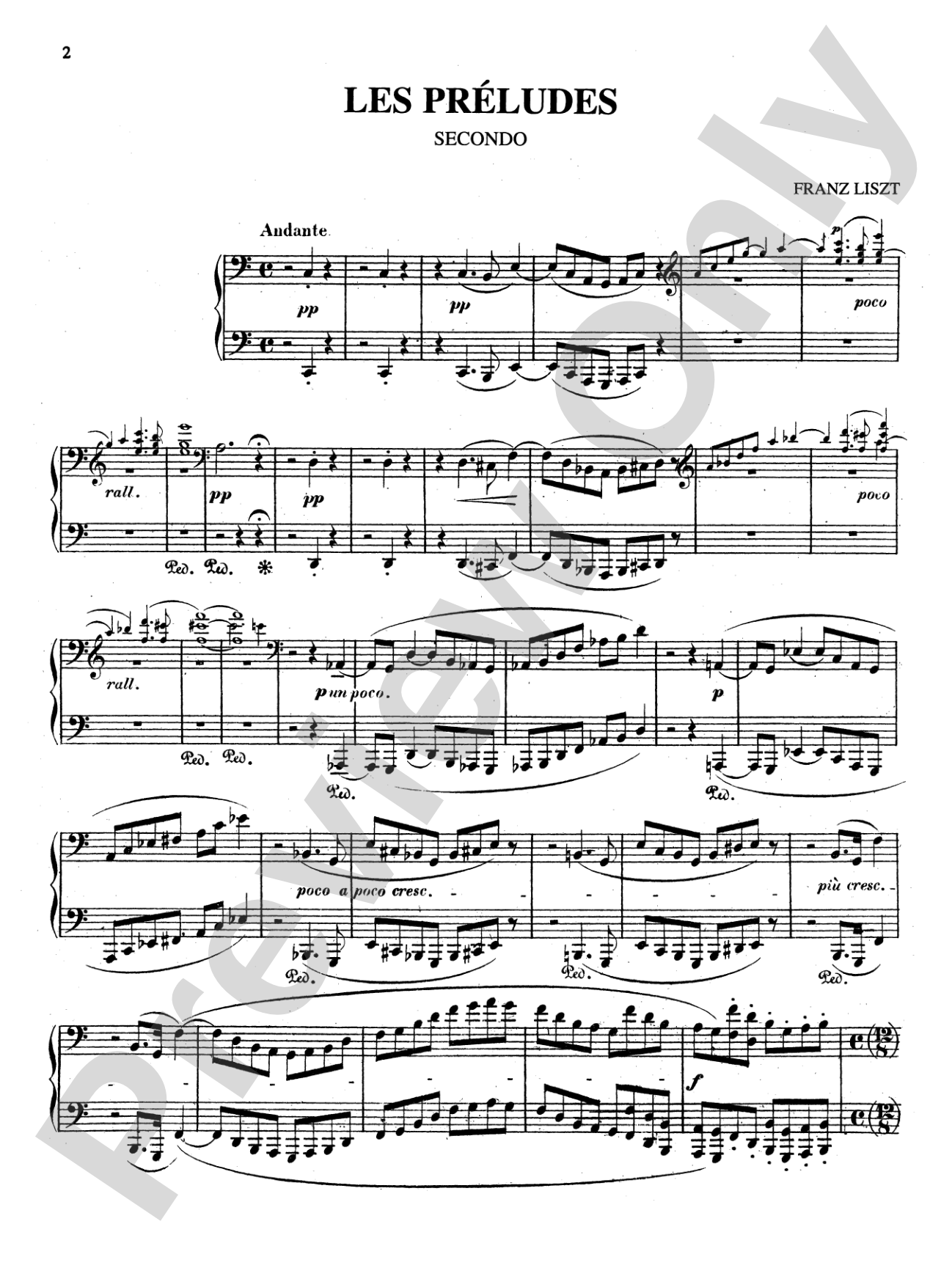
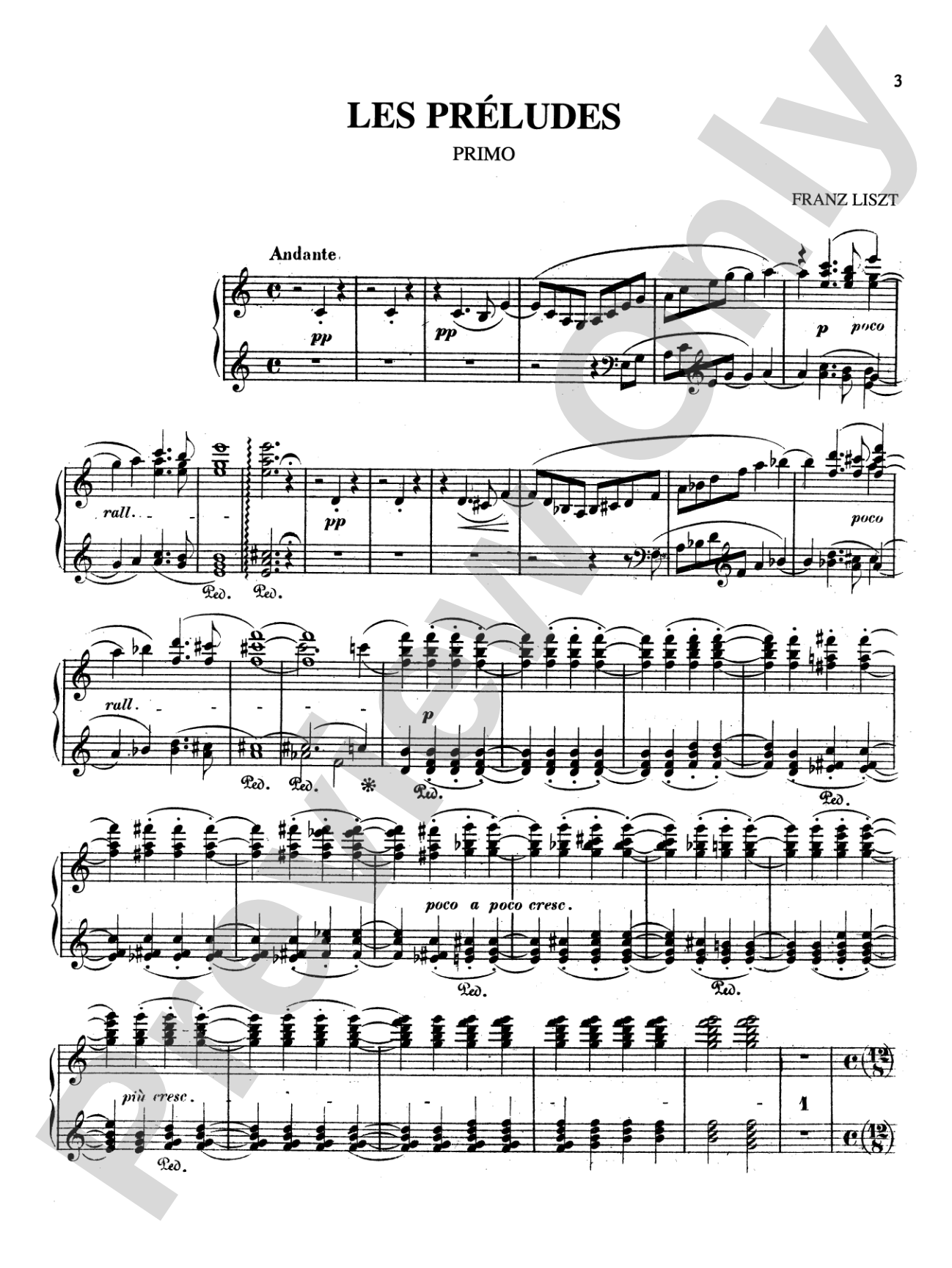
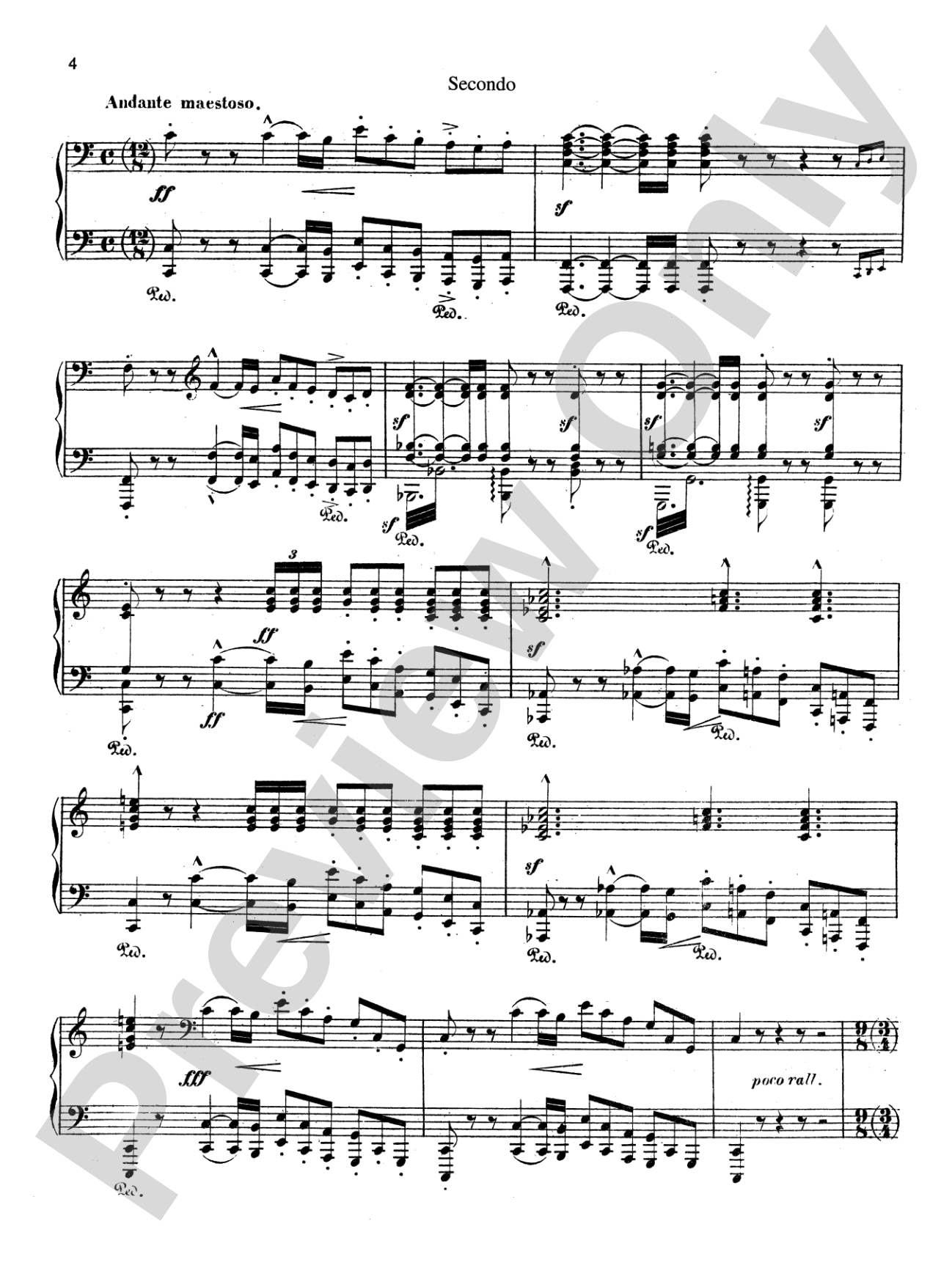
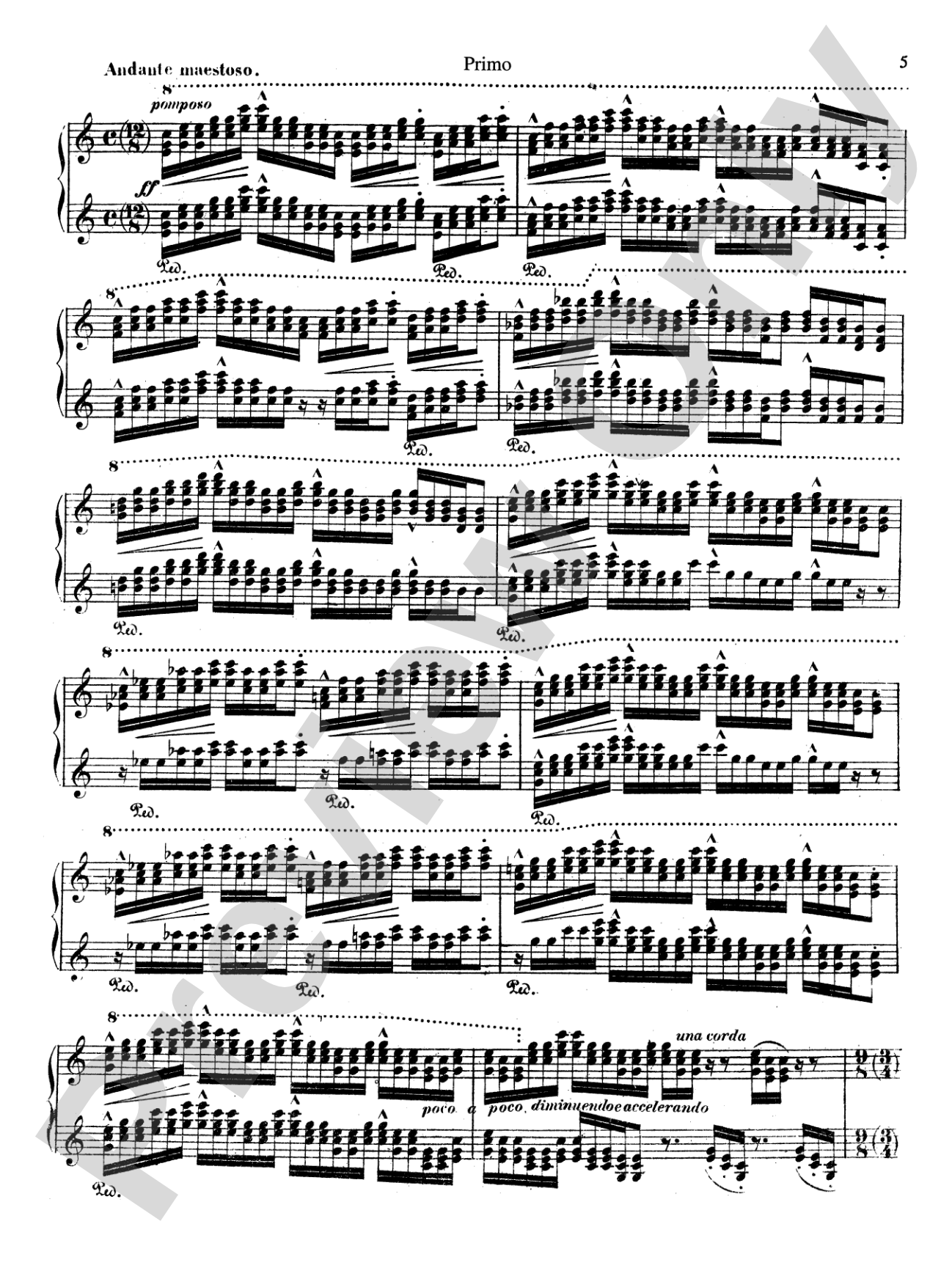
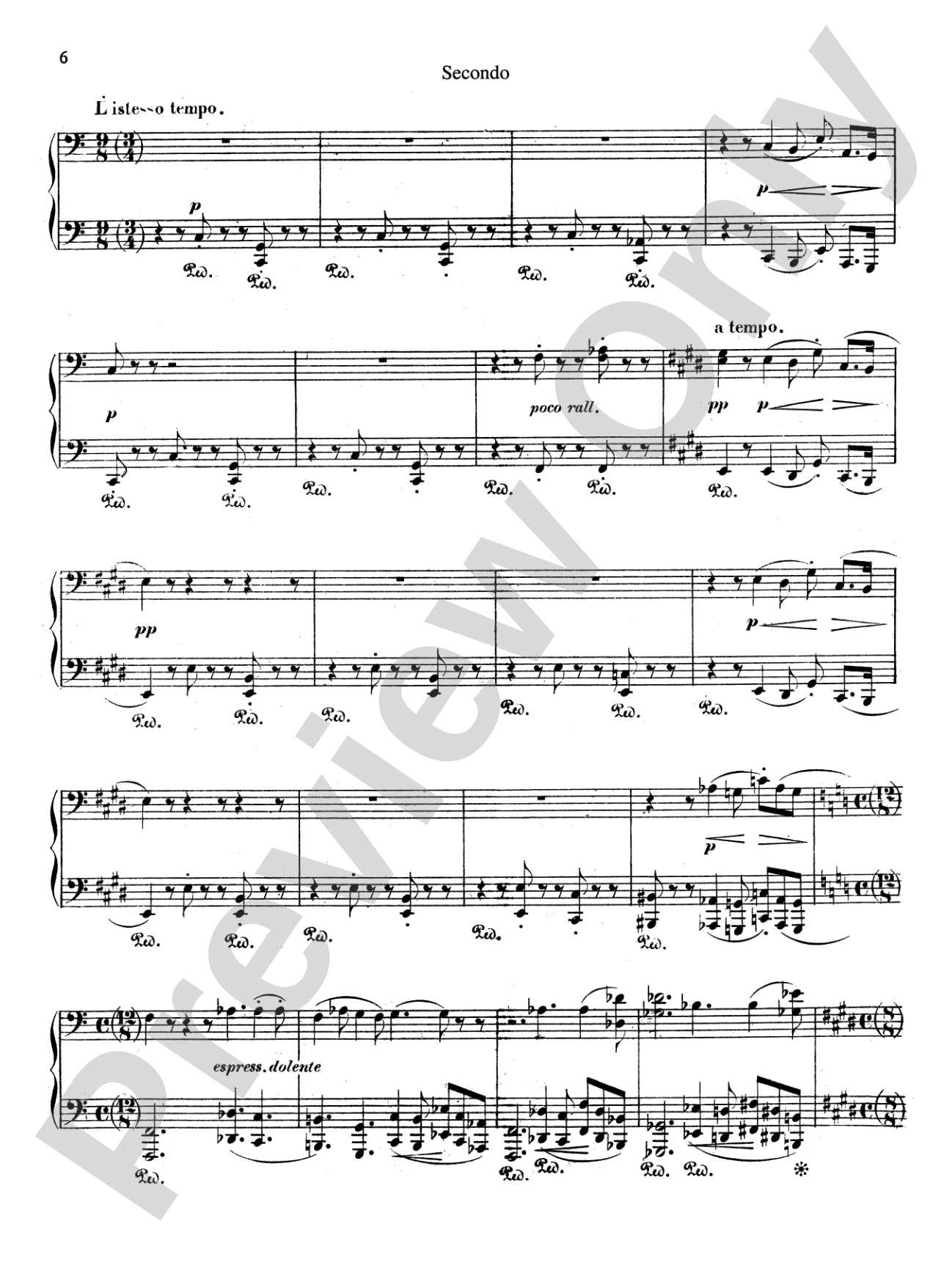
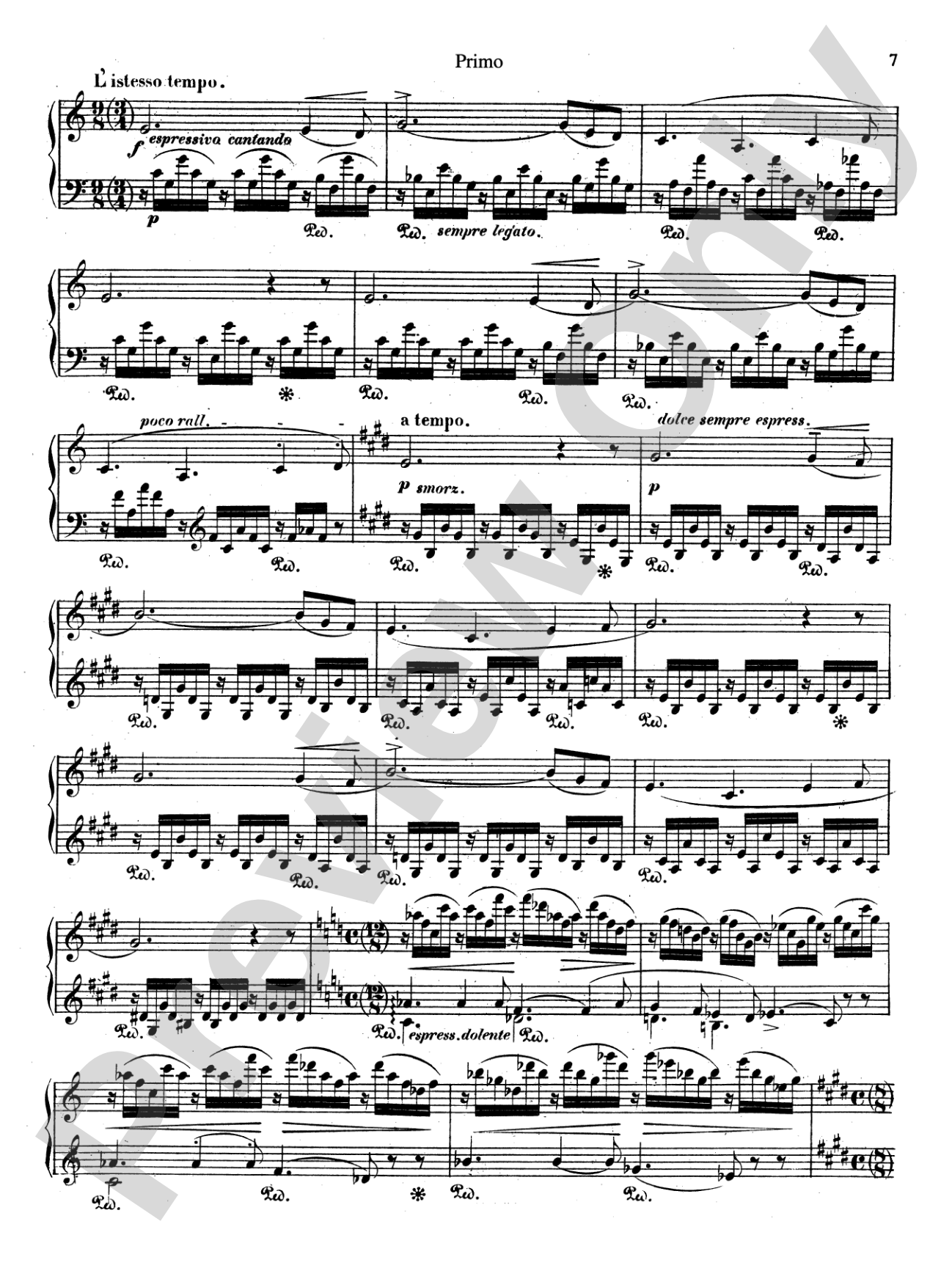
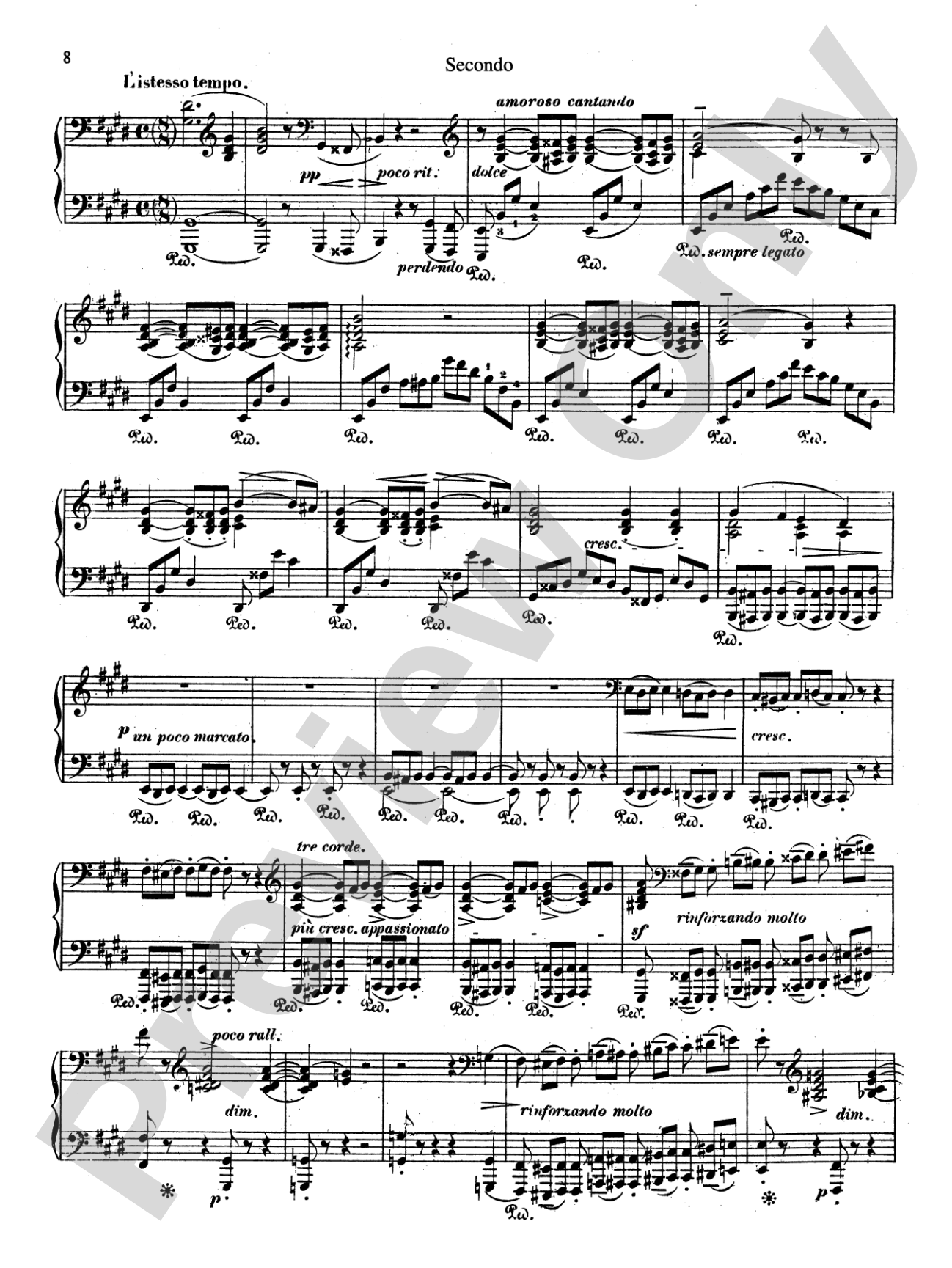
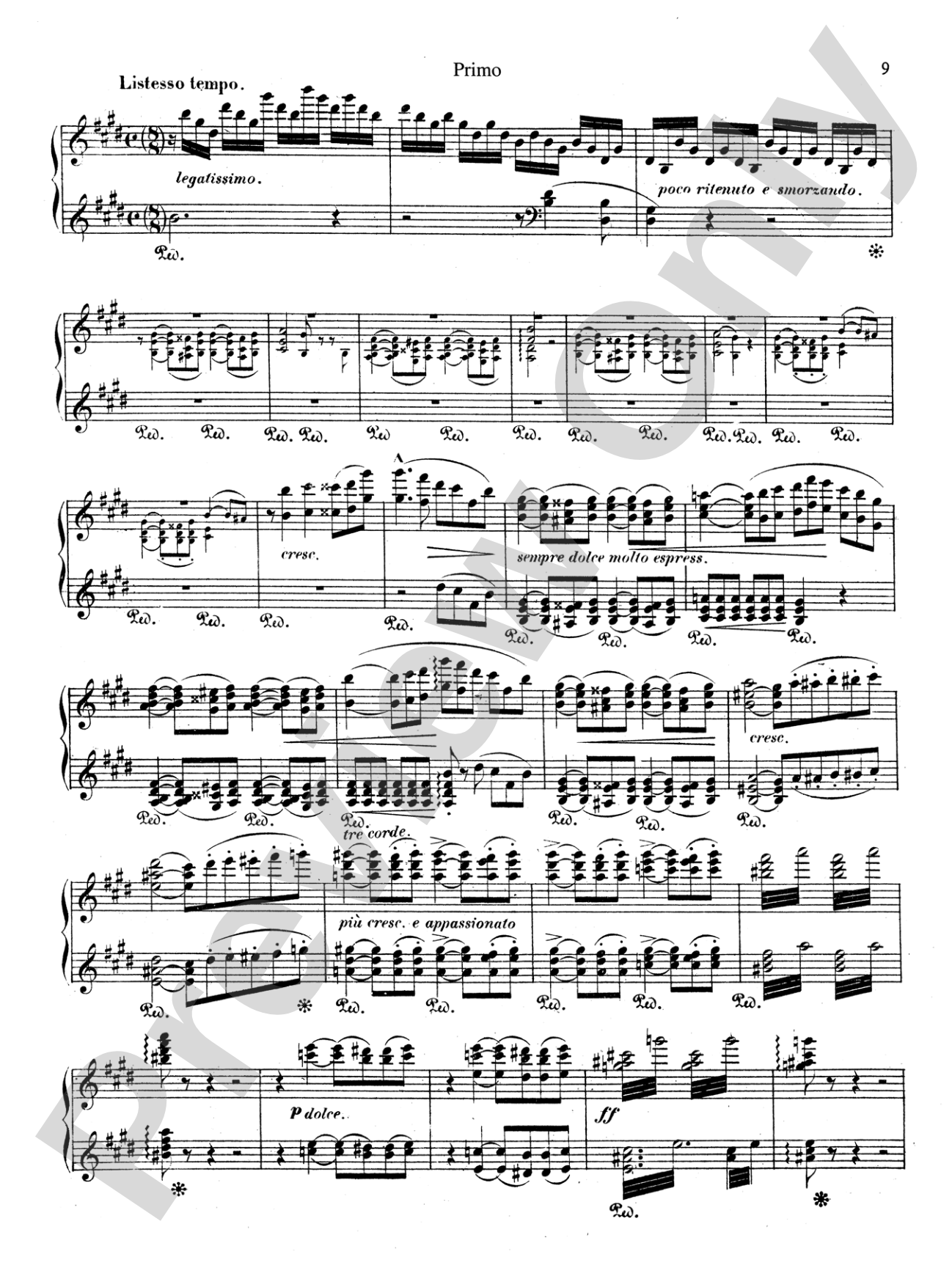
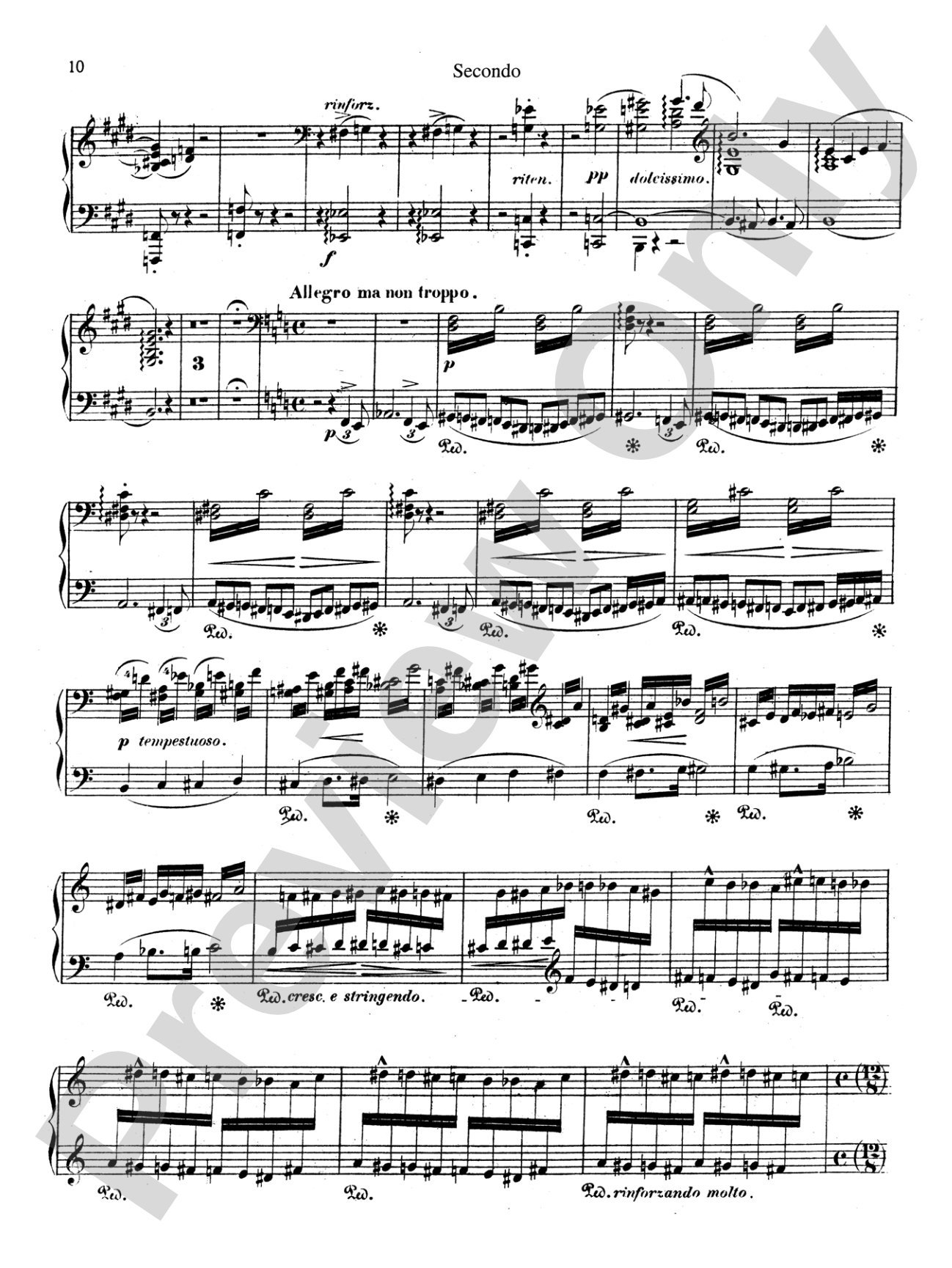
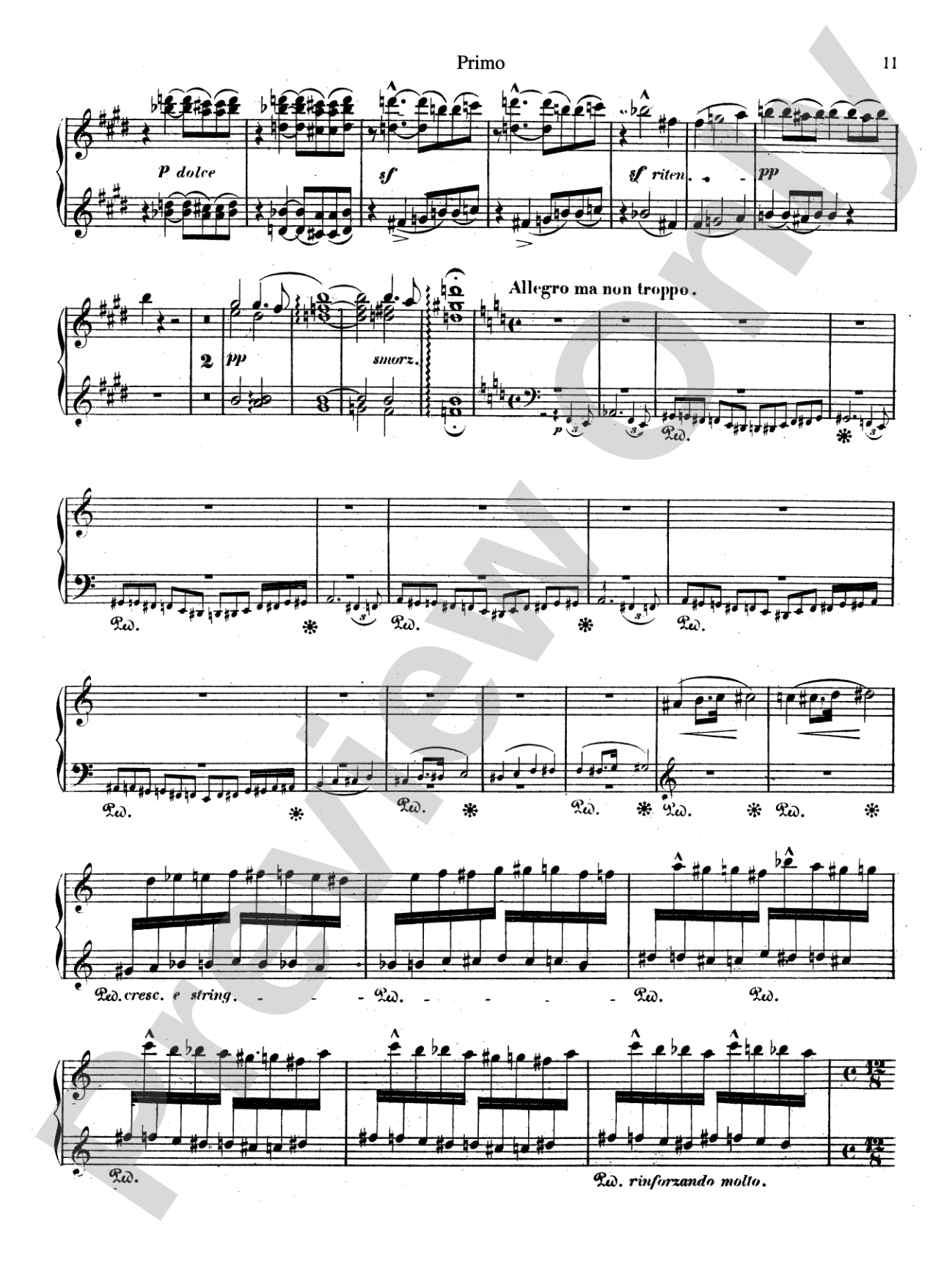
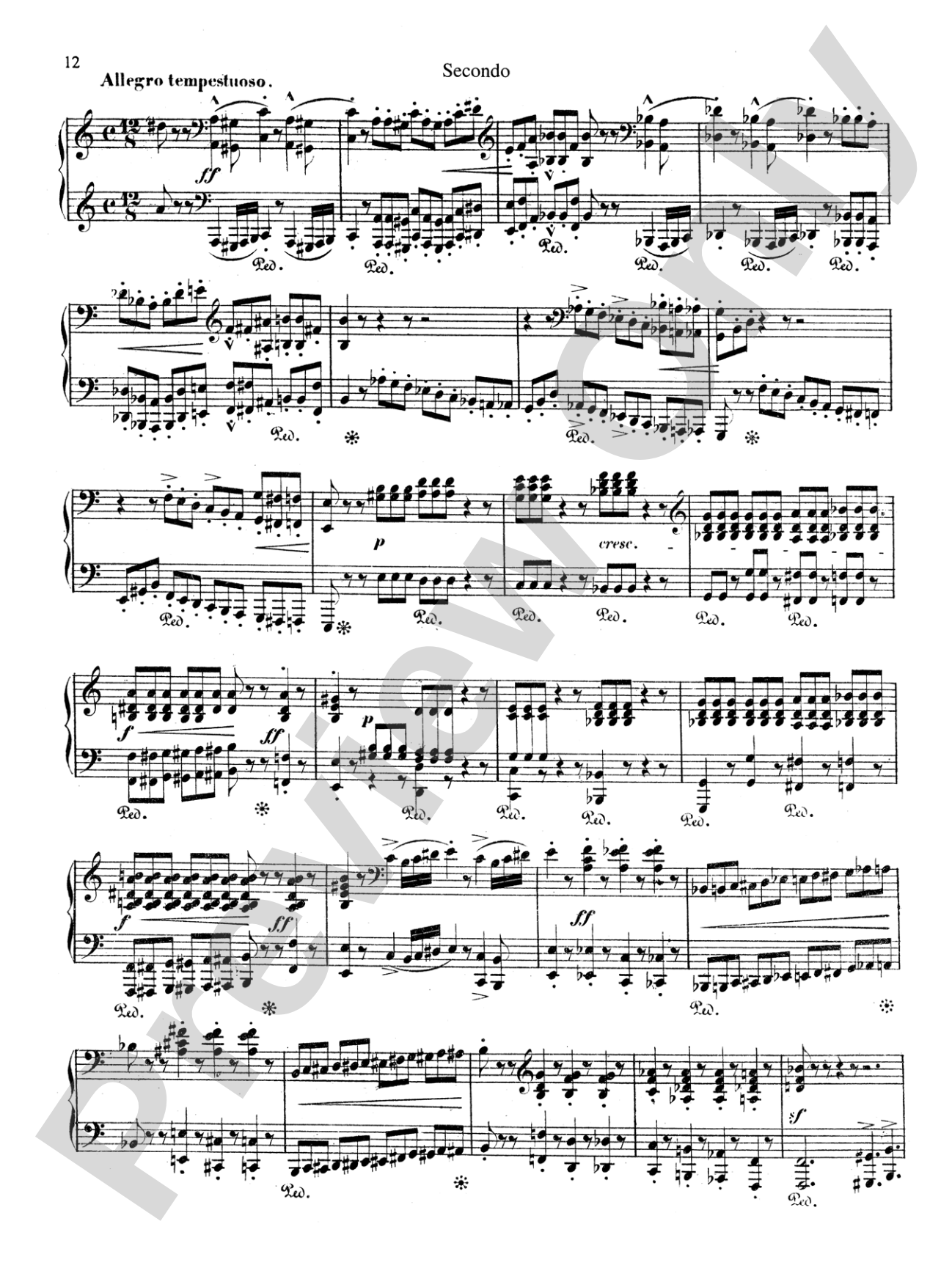
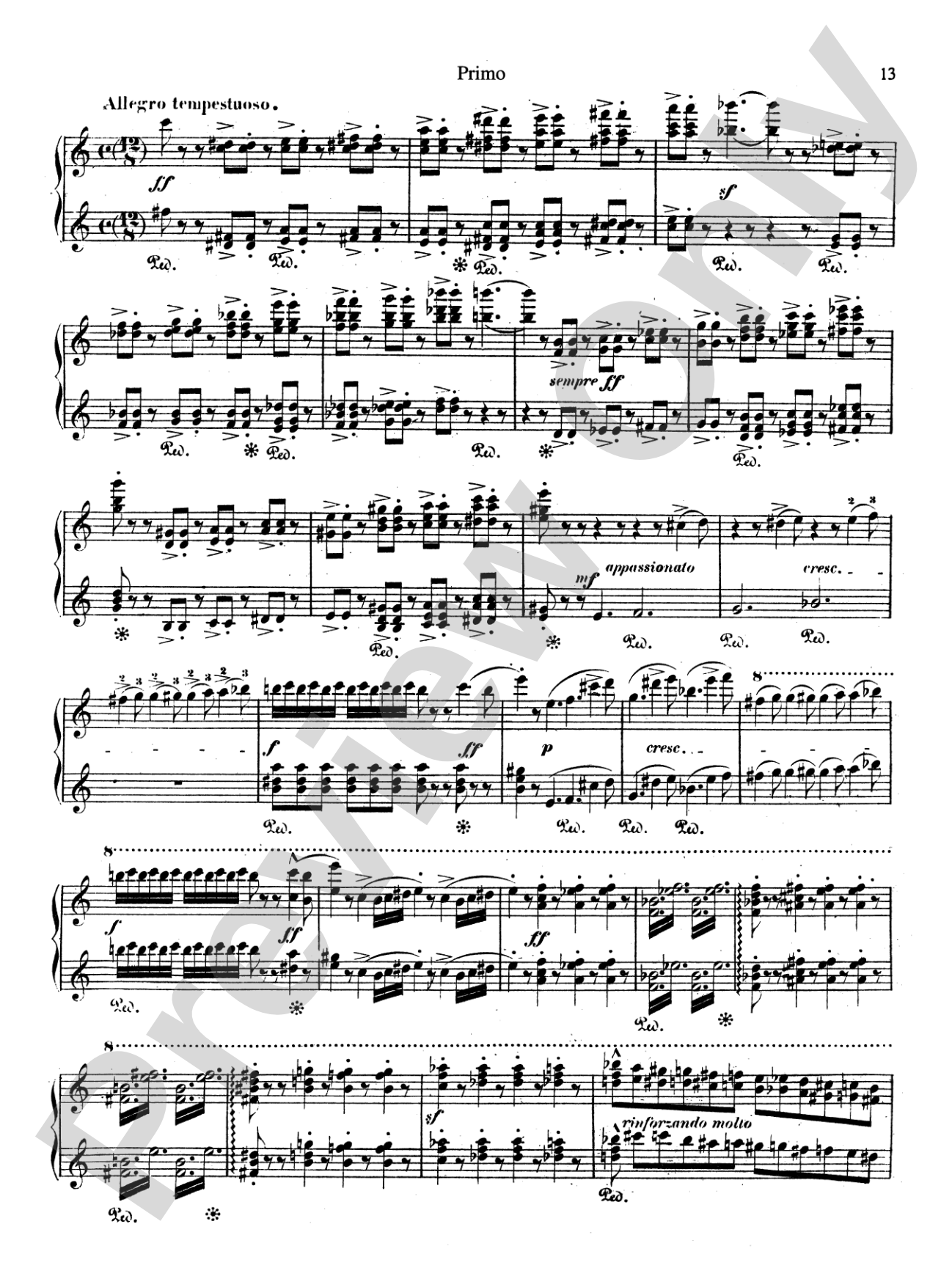
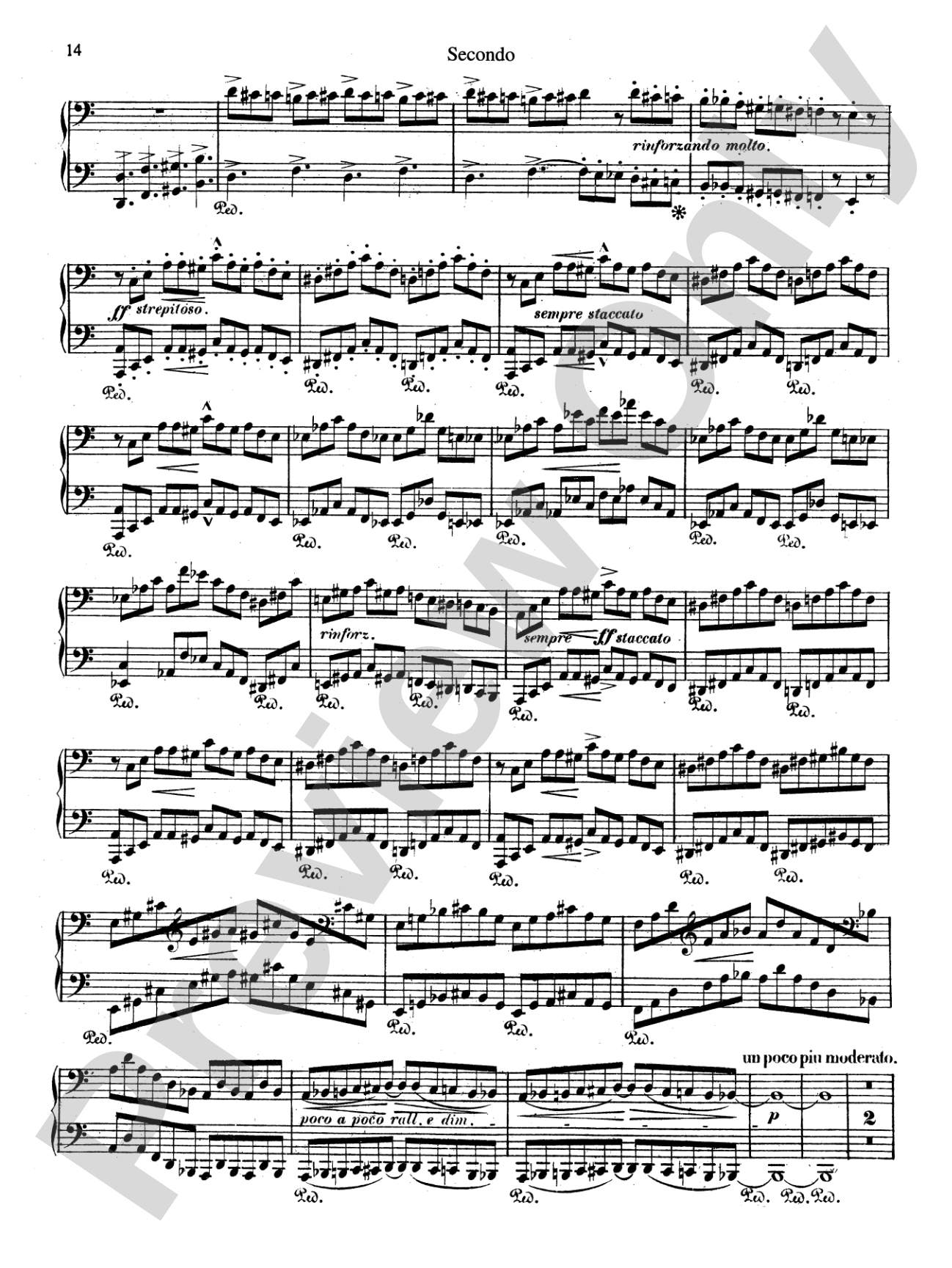
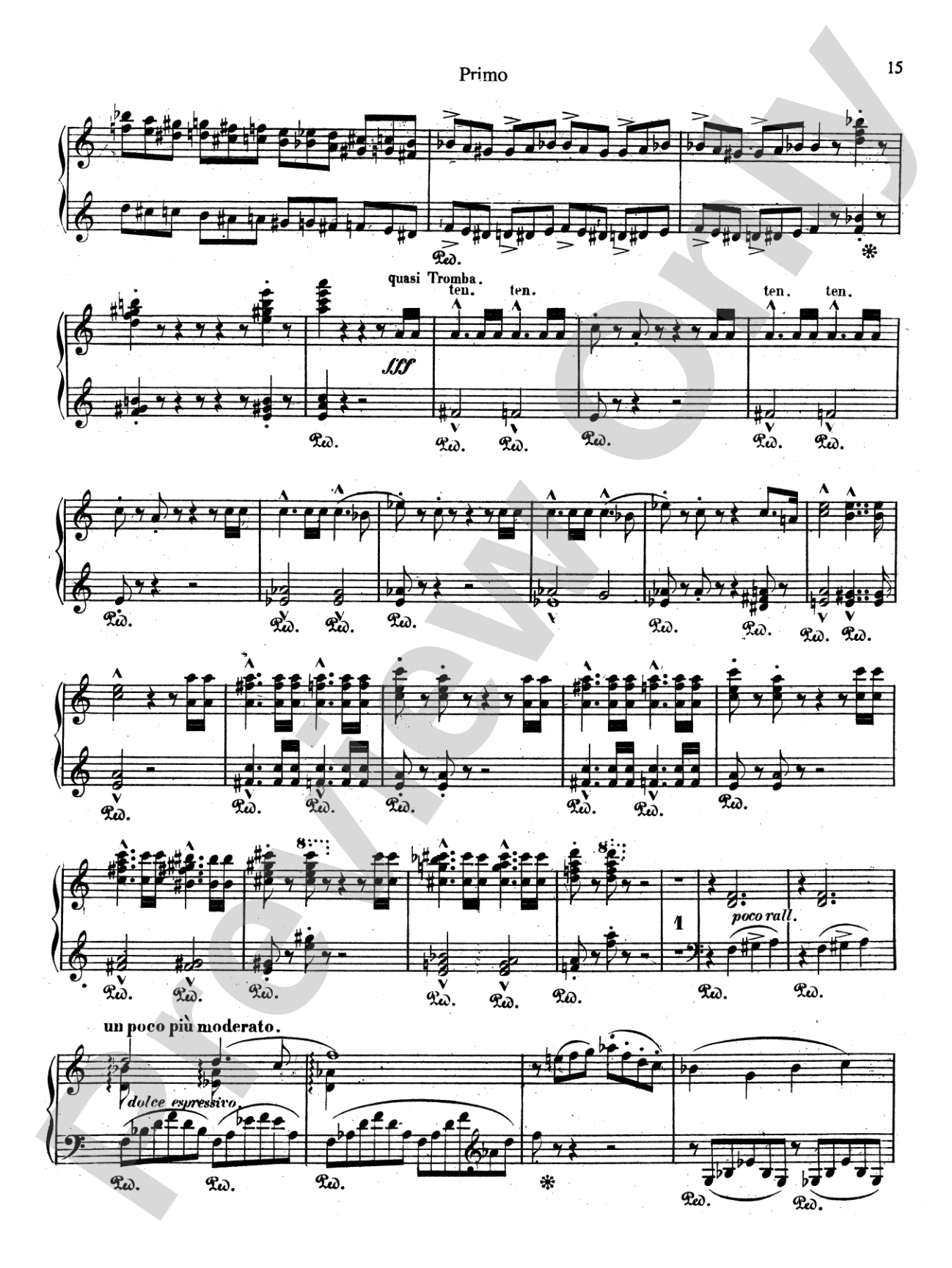
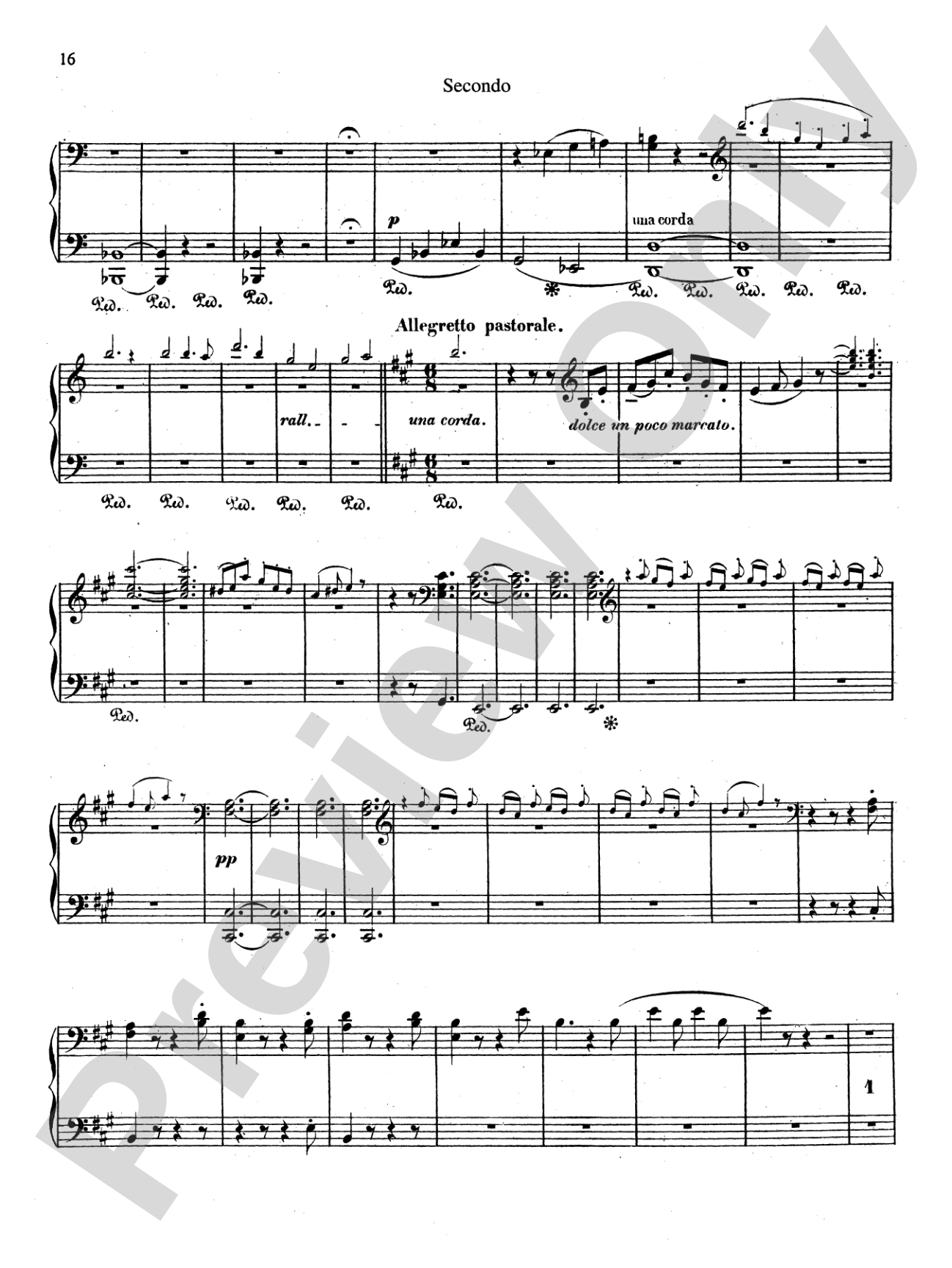
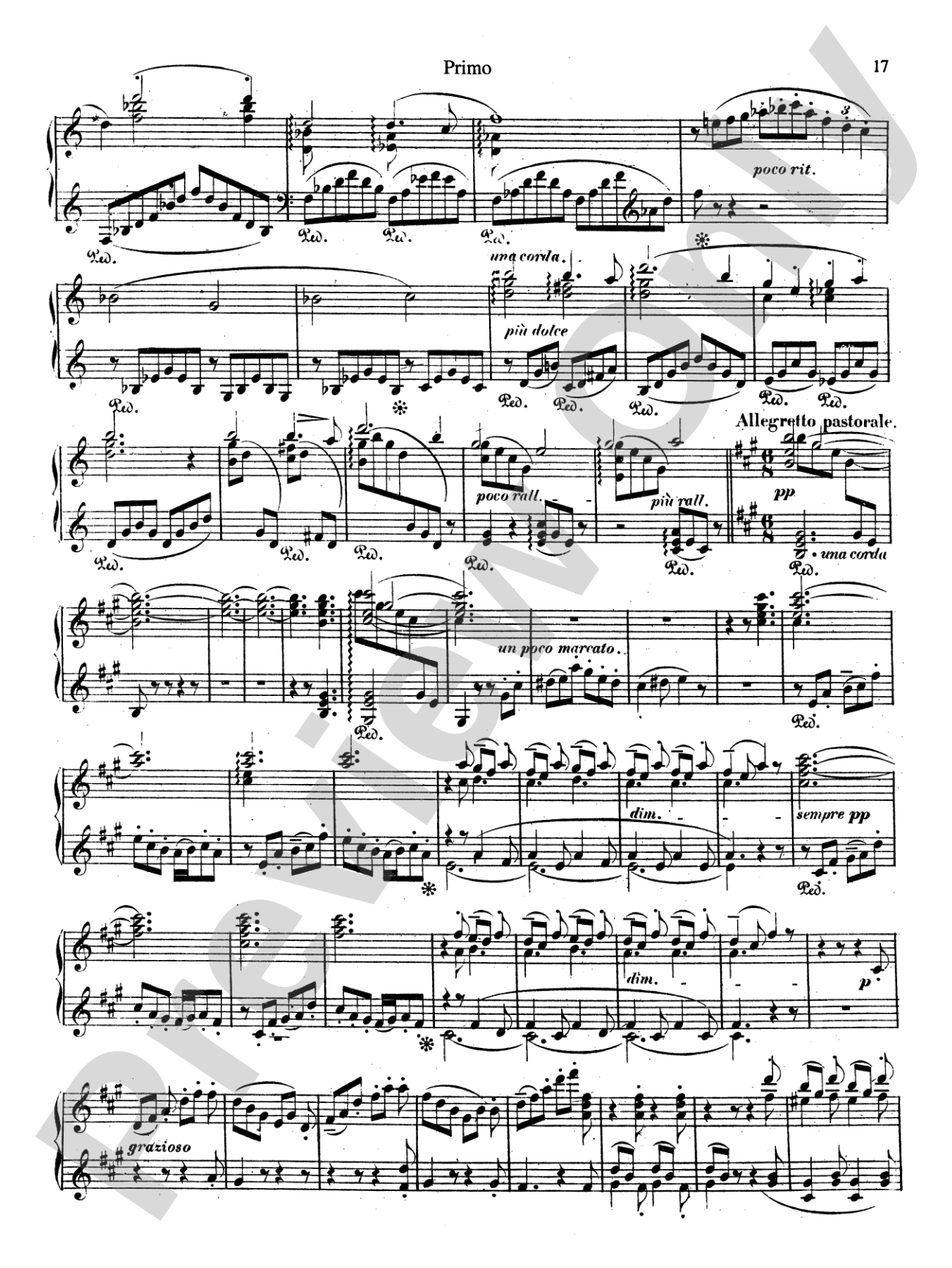
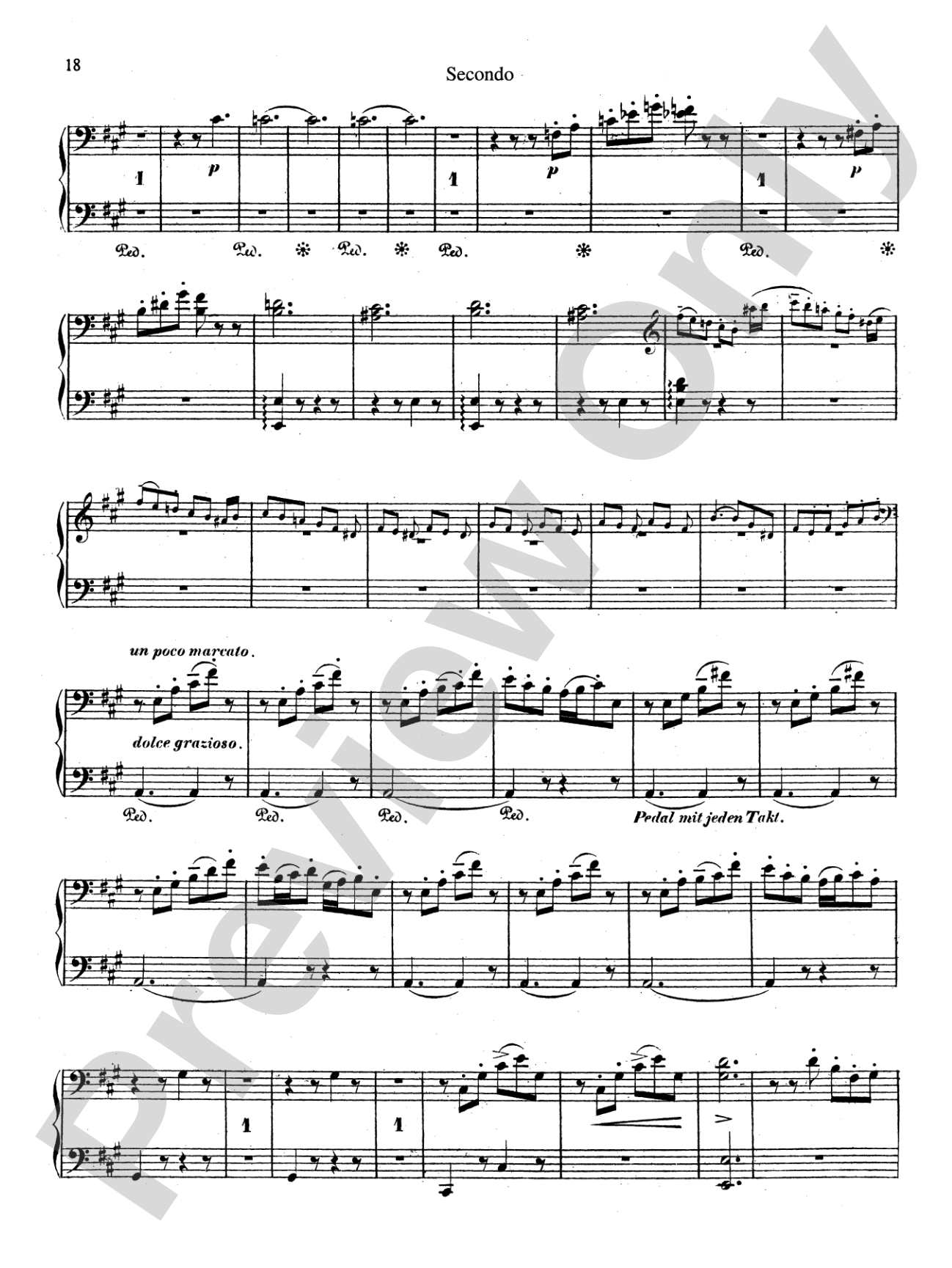
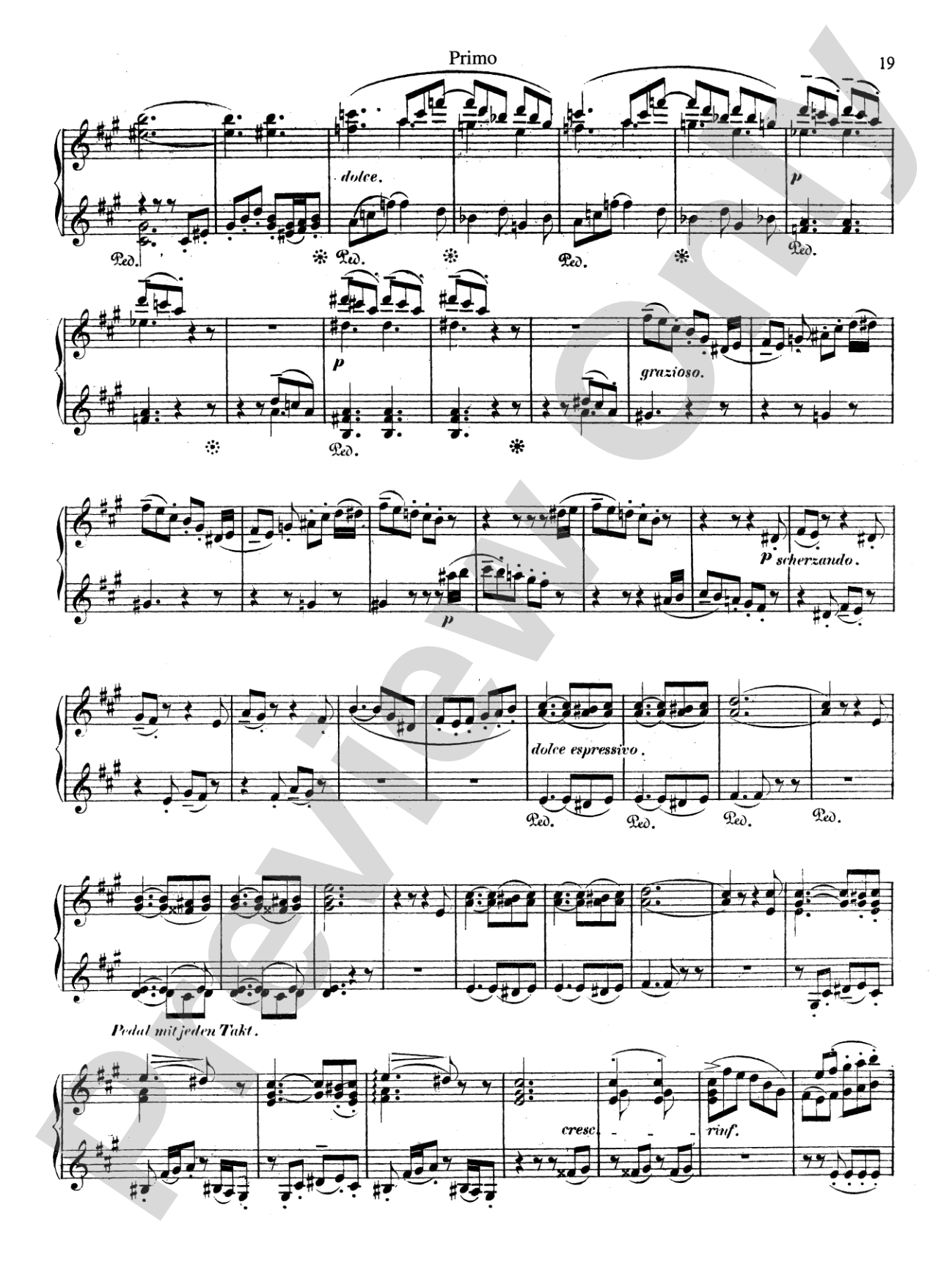
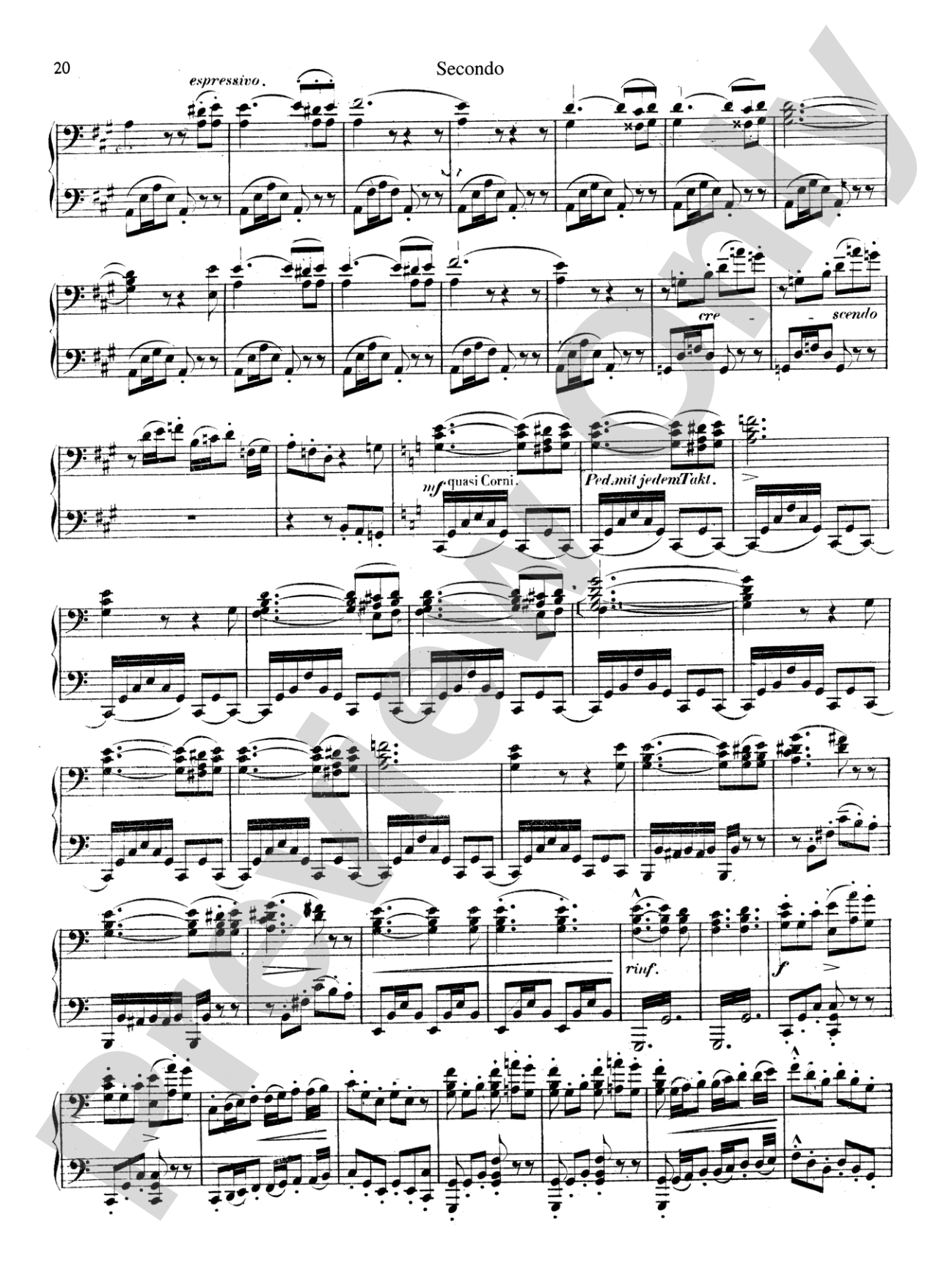
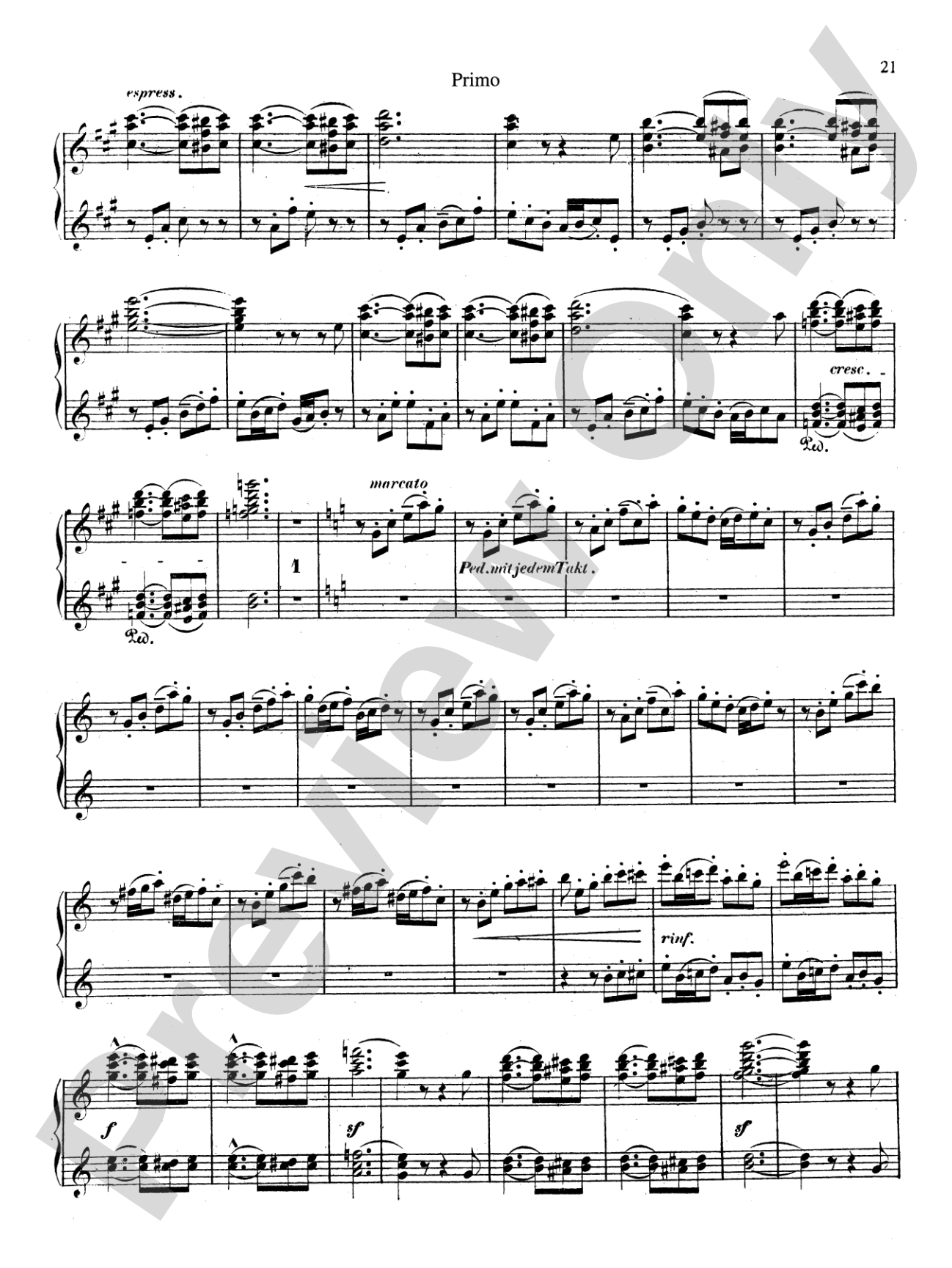
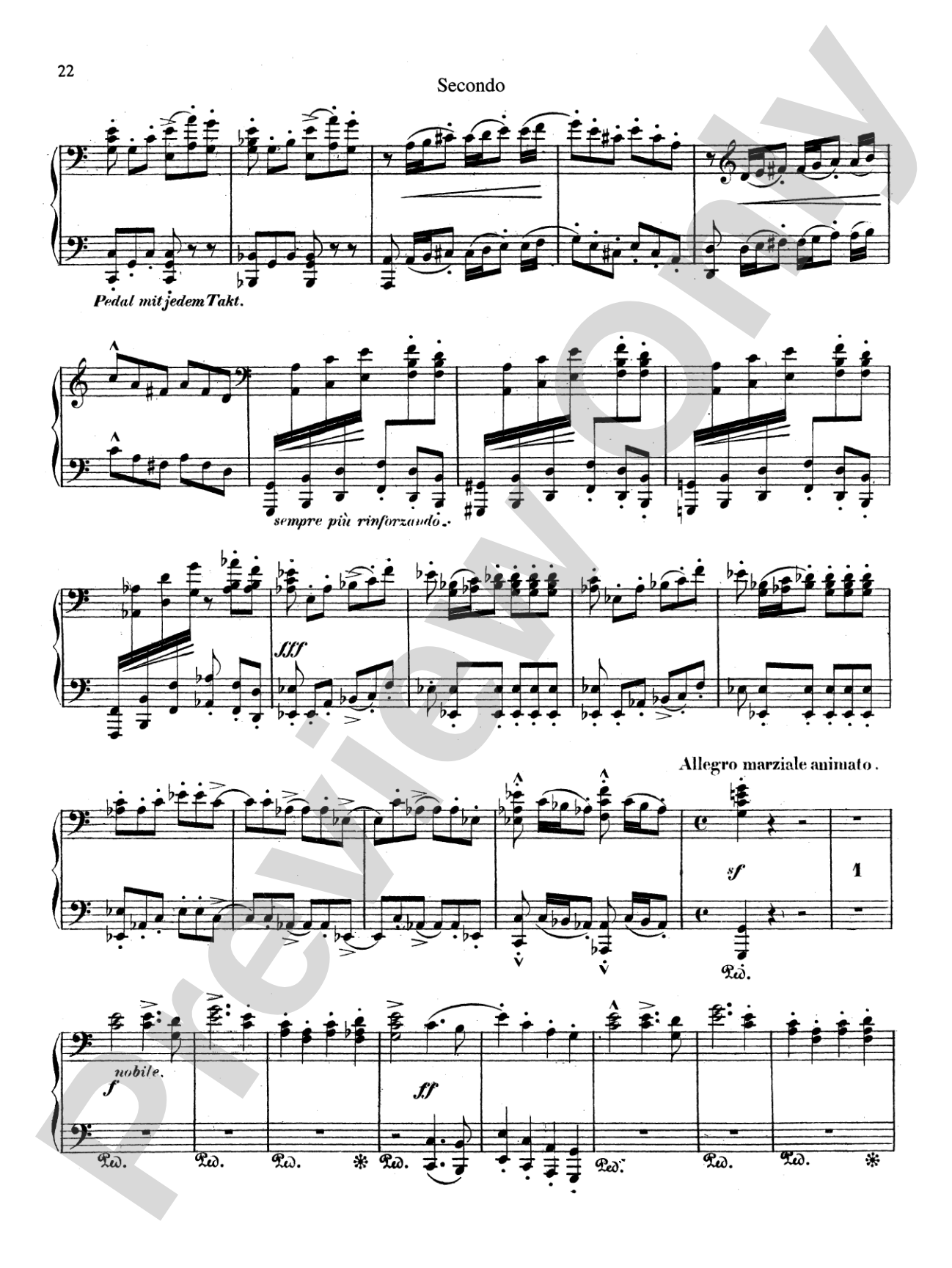
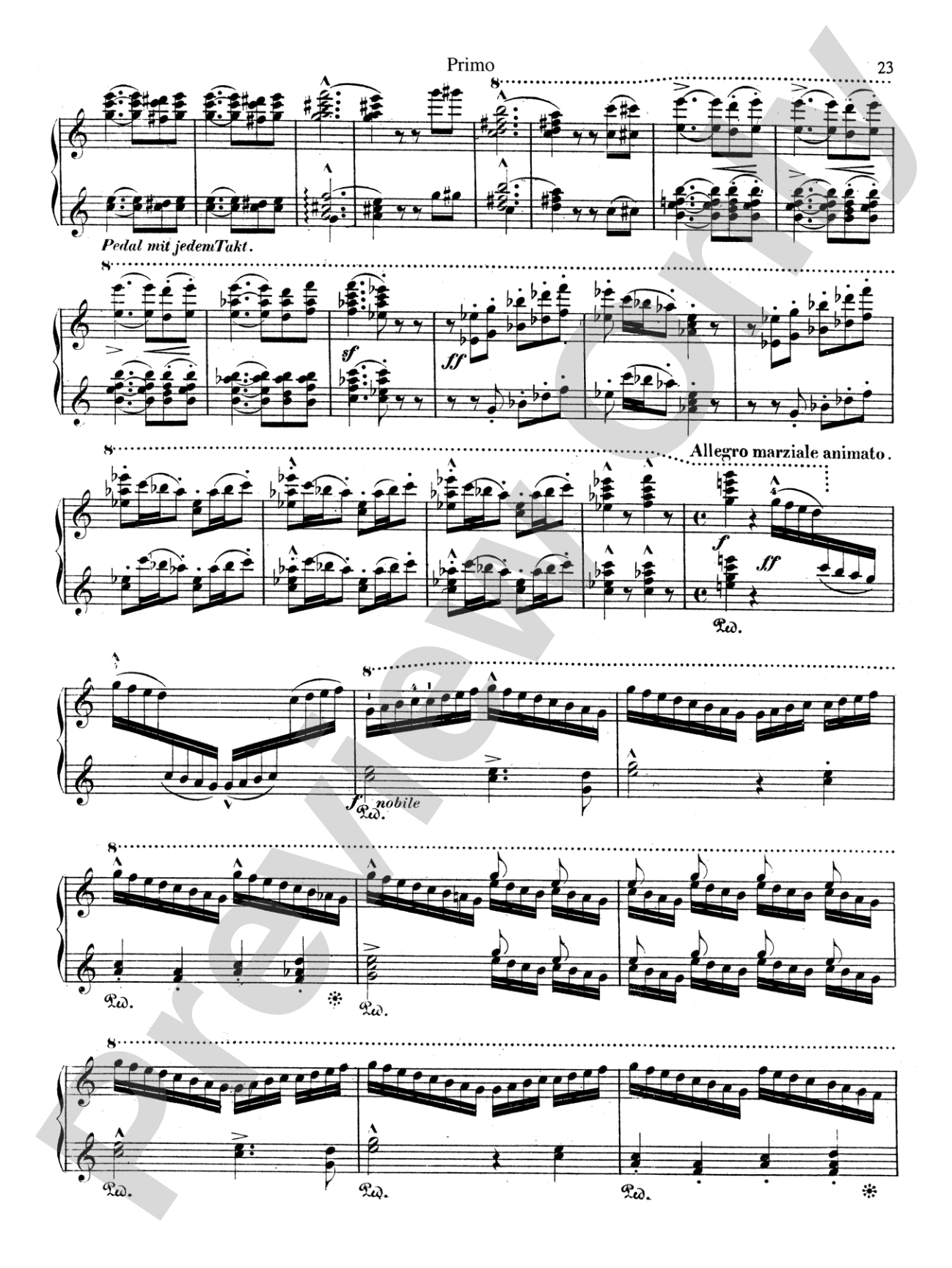
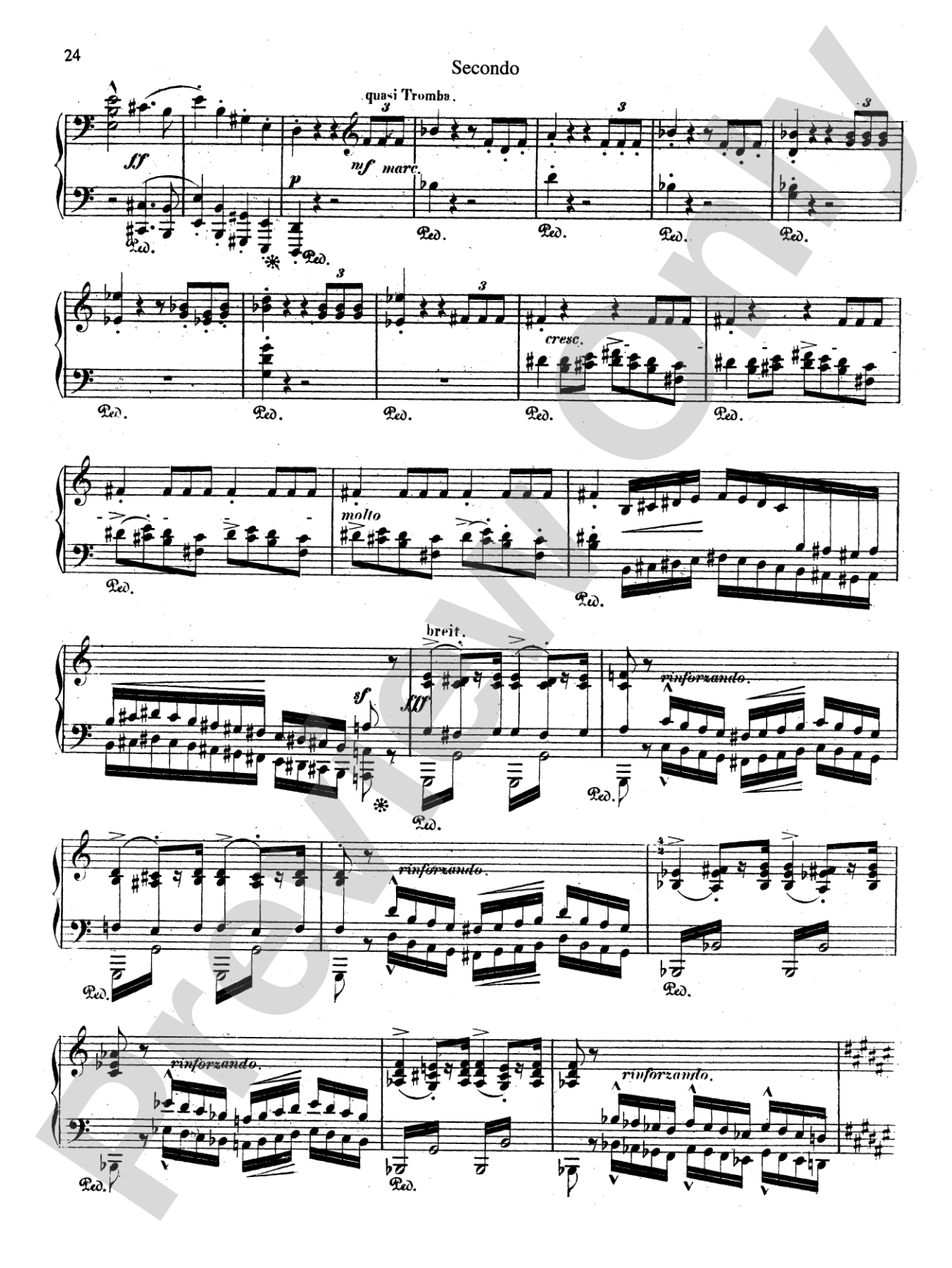
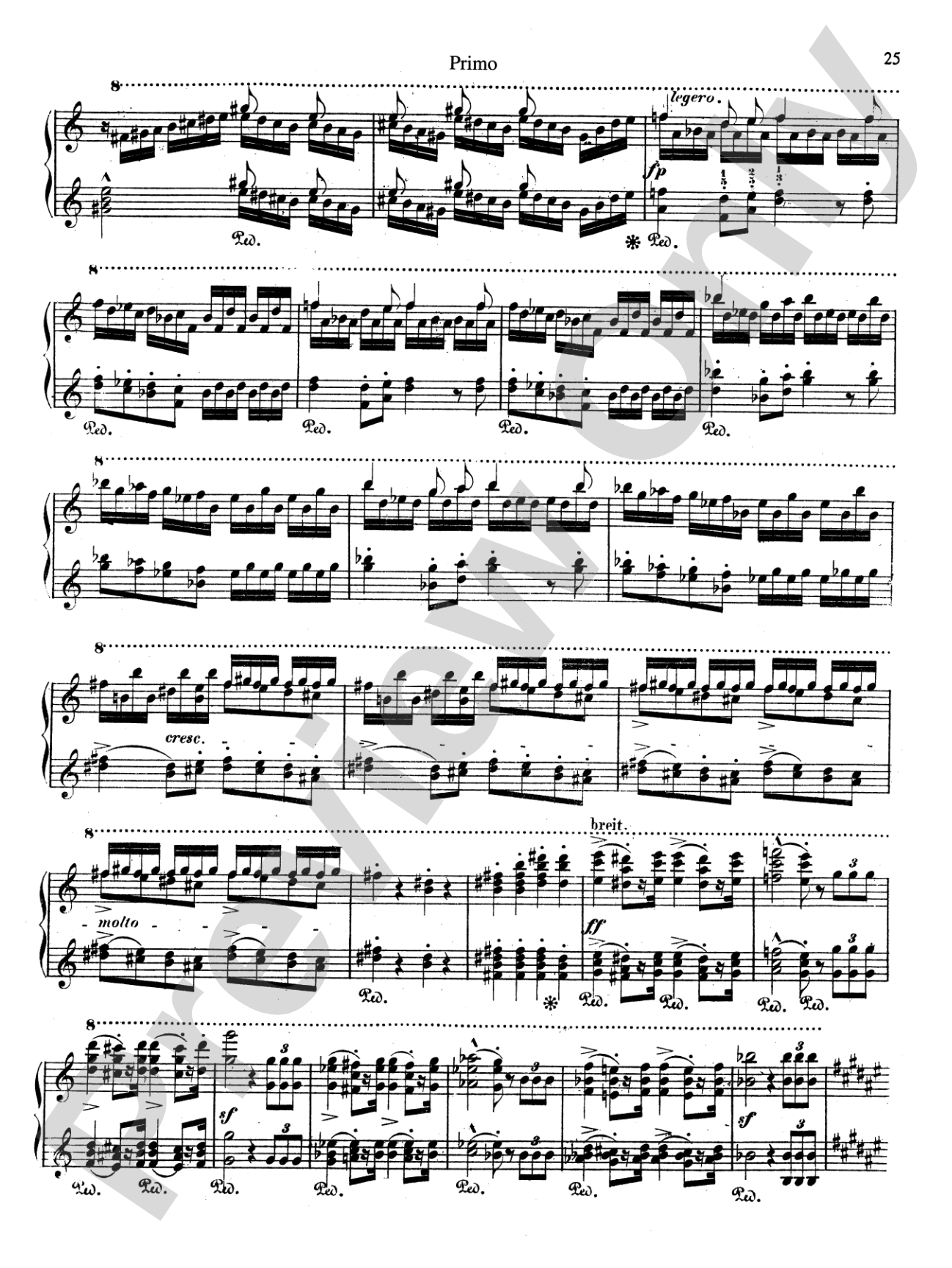
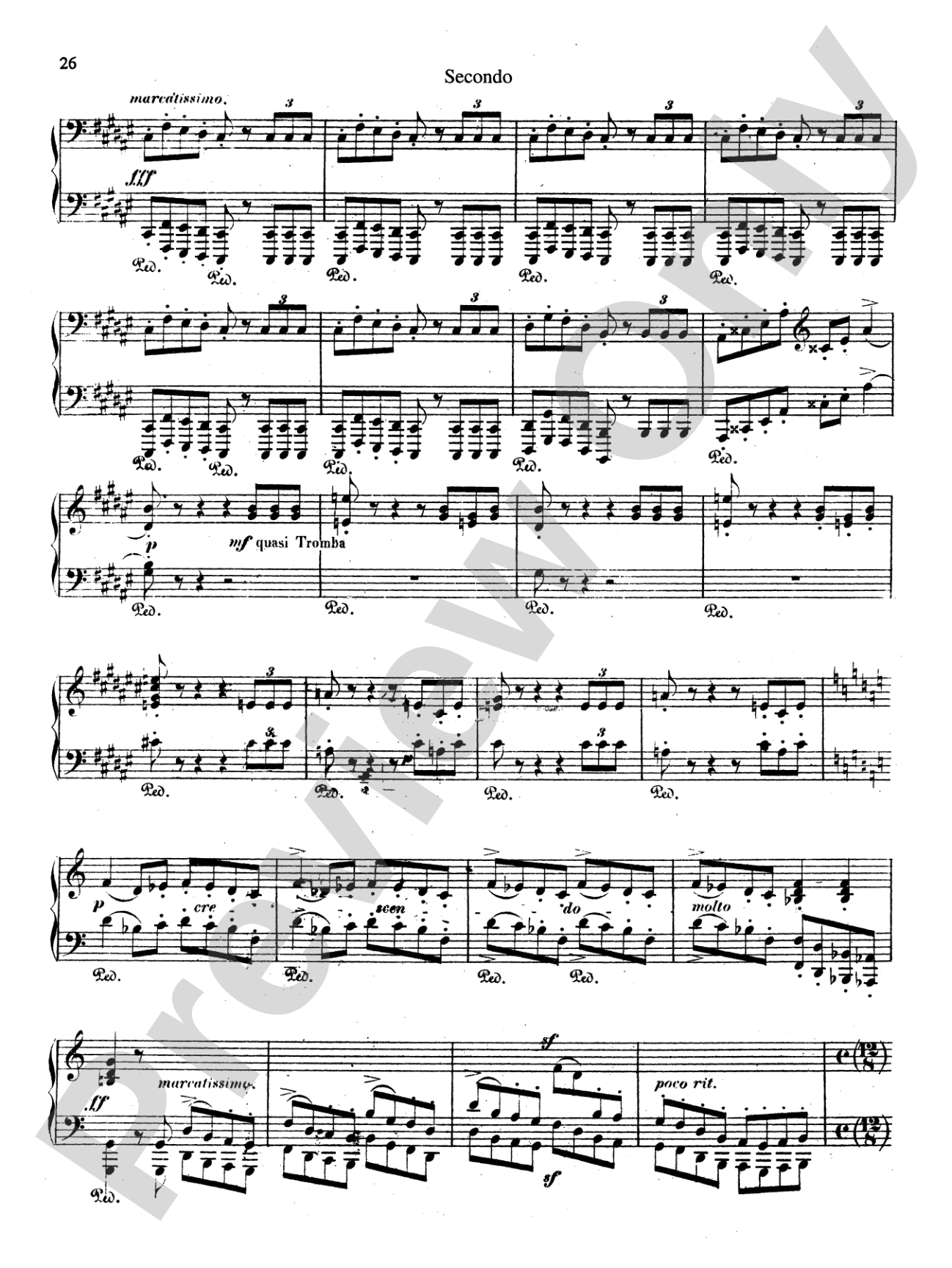
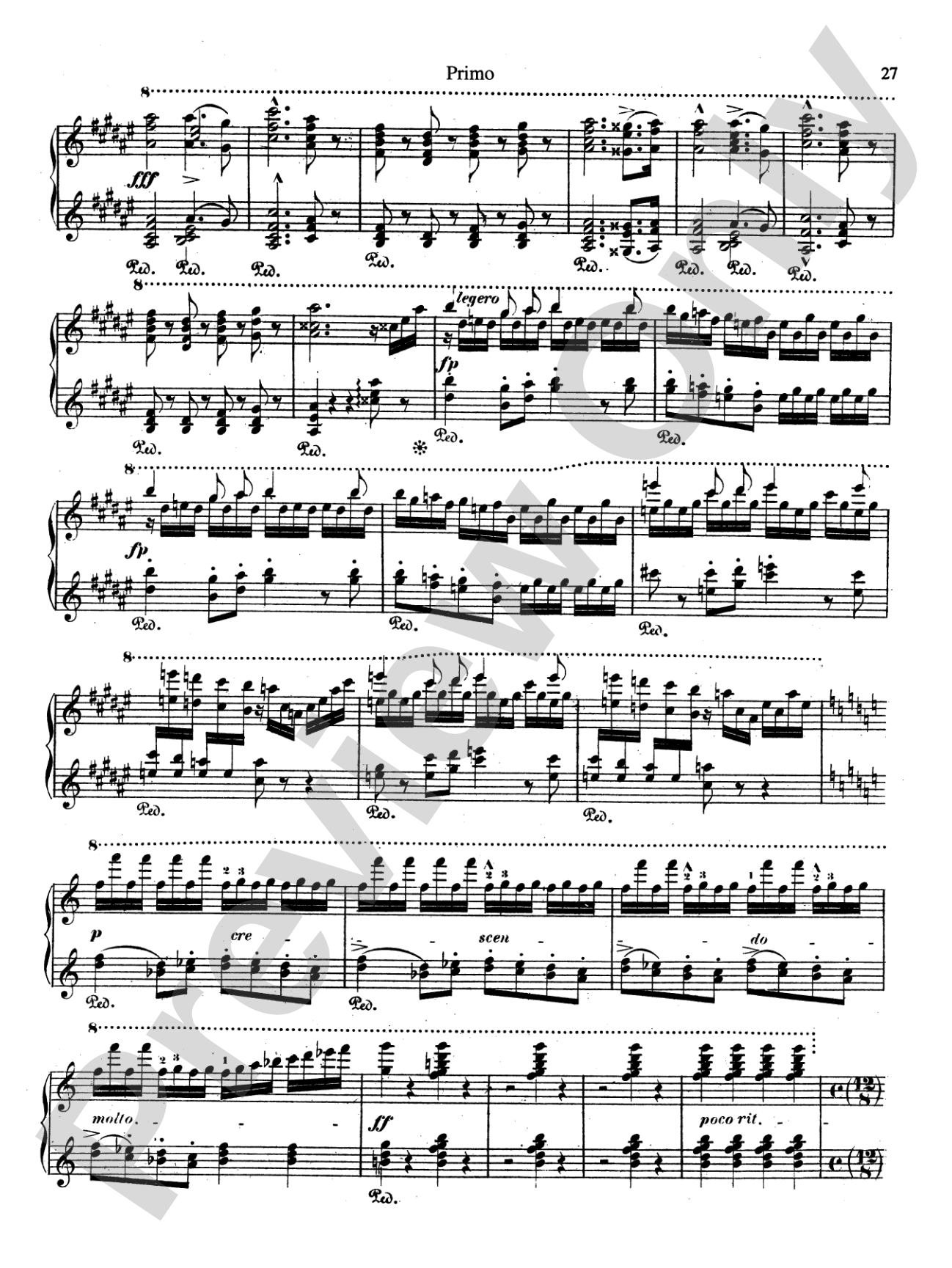
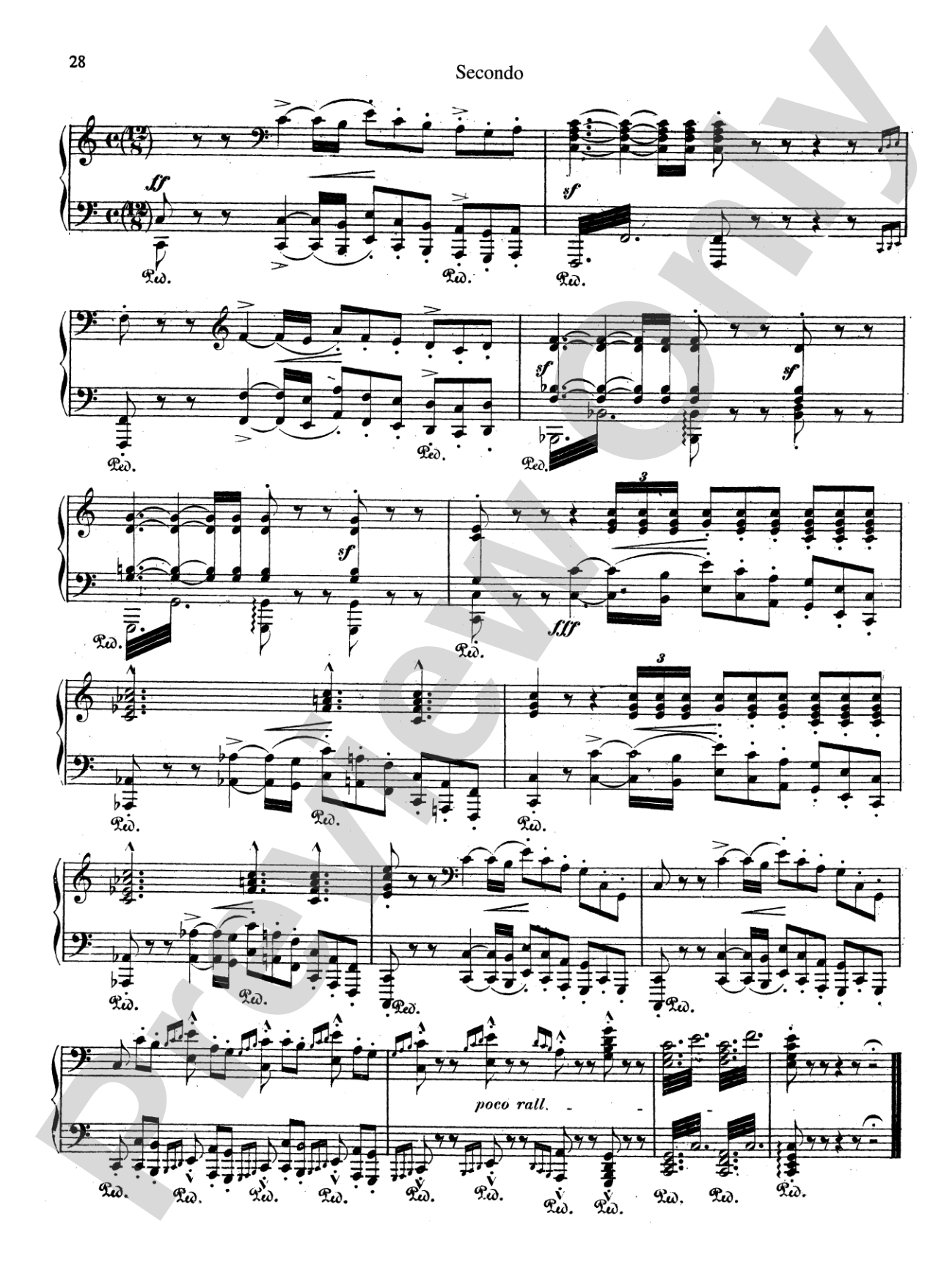
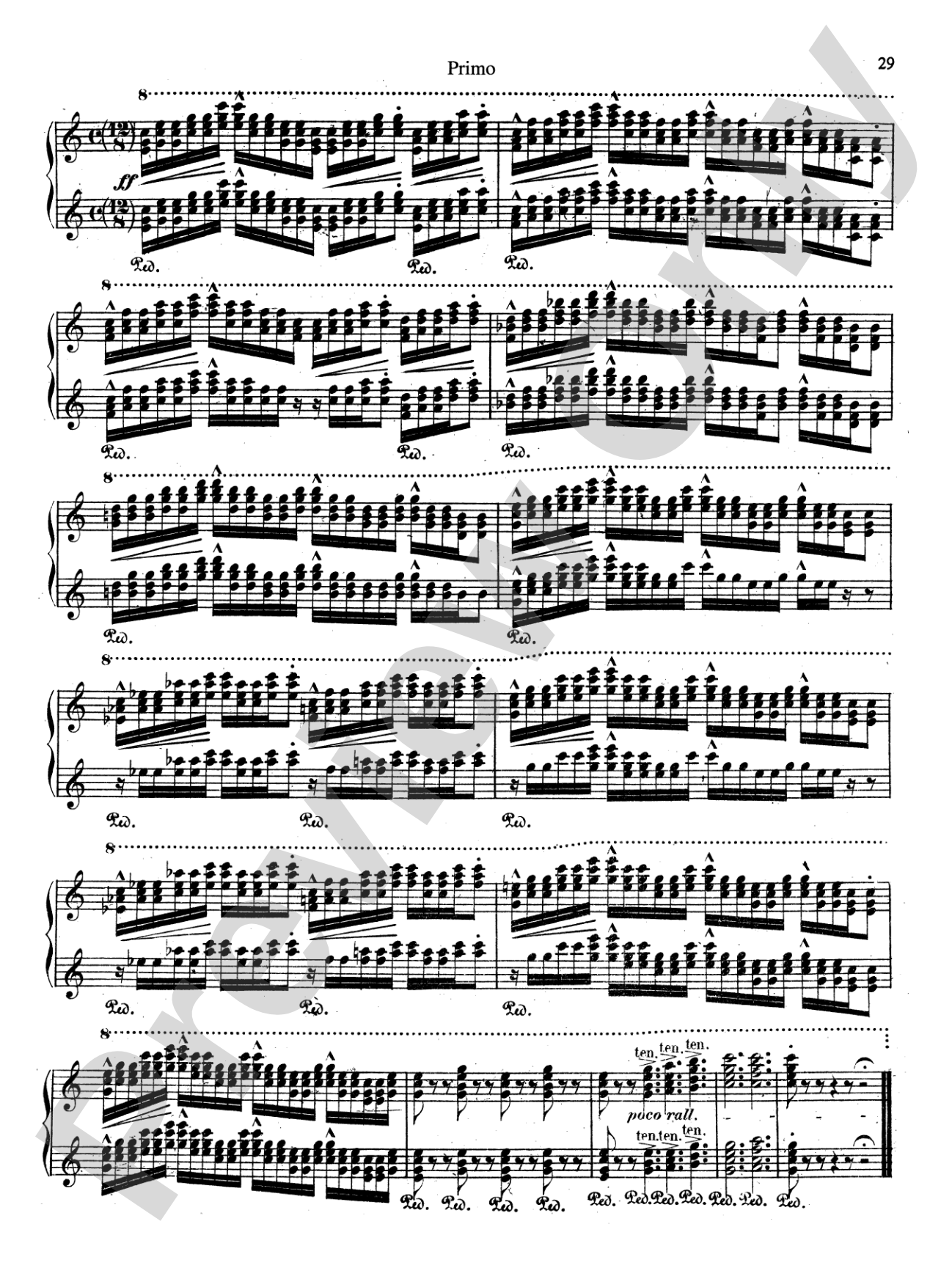
Piano duet teams will thrill at this new collection of Liszt's own duet transcriptions of five of his most popular orchestral works. Titles include: Le Preludes * Orpheus * Prometheus * Ce qu' on entend sur la Montagne * Mazeppa.


Don't just read it, hear it, play along with it, and watch your students grow with it. In MakeMusic Cloud, Liszt: Transcriptions of Orchestral Works: Piano Duet (1 Piano, 4 Hands) Book comes alive with professional accompaniment, adjustable tempo, and built-in practice tools that turn solo practice into real progress.
Open in the Player
Jump straight in and assign it today.
Start Your Free Trial
Open this title and explore the full library in minutes.
Sample Audio
No sample audio found.
Sample Video
No sample videos found.
Additional Details
Series:
Kalmus Edition
Publisher:
Alfred Music
Page Count:
136
SKU:
00-PK-0002797
More about this title
About the Composer: Franz Liszt
Franz Liszt (1811, 1886) was a Hungarian virtuoso pianist and composer whose technical innovations and ambitious harmonic language reshaped nineteenth-century music. His mastery of the piano was legendary, but Liszt's reach extended far beyond the instrument itself; he conducted orchestras, championed the work of other composers, and created an enormous catalog that spans nearly every genre. His symphonic poems redefined orchestral narrative and established him as a bridge between Romantic ideology and musical modernism.
Liszt's gift for transcription was inseparable from his musical vision. When he arranged orchestral works for piano duet, he did not simply reduce them; he reimagined them, preserving their grandeur and architectural sweep while exploiting the piano's full range. These arrangements offer both performers and audiences access to his most ambitious orchestral conceptions in an intimate setting.
Why we love this
This collection gives duet teams access to some of Liszt's most compelling symphonic poems in arrangements he himself created. The orchestral grandeur and architectural ambition of these works remain intact, while the four-hand format creates a conversation between pianists that mirrors the sectional exchanges of the original orchestrations. It's repertoire that challenges both partners equally and rewards careful ensemble preparation with genuinely moving performances.
What to expect
Transcendent and architectural. These symphonic poems move between introspective lyricism and sweeping, climactic drama, with Liszt's characteristically rich harmonies creating an almost orchestral sonority across the keyboard. The four-hand format multiplies the textural possibilities, allowing both pianists to paint in bold strokes or delicate detail depending on the passage.
Who it's for
Duet partnerships at the intermediate-to-advanced level who want to explore Romantic-era repertoire of real substance and who are ready for the interpretive demands of Liszt's harmonic language. This collection works well for collaborative pianists preparing for recital programming or for studio teachers seeking duet repertoire that stretches both students equally.
How to get the most out of it
- Balance the voices across both parts carefully during the first rehearsals. Mark the score to indicate which hand or pianist carries the primary melodic line in each section, then practice those passages in isolation before bringing them together.
- Pay attention to the pedal markings and changes. Liszt's pedal indications are essential to the sonority and clarity of his harmonic language; coordinate pedal changes between both pianists to maintain the intended resonance.
- Shape the longer symphonic lines with attention to phrase architecture, not just note-to-note execution. These transcriptions demand the same structural awareness you would bring to a full orchestral score.
How to use it
Frame these transcriptions as centerpieces in a duet recital, perhaps pairing two or three works from the collection in a program devoted entirely to Liszt's orchestral reimaginings. They also work exceptionally well in a broader Romantic program alongside solo piano works and chamber music, offering a chance to showcase duet teams alongside other collaborators.
Skills your students will build
- Reading complex harmonic language and Romantic-era notation conventions
- Coordinating ensemble balance and voice leading across two pianists
- Interpreting large-form symphonic structures from the keyboard
- Managing pedal coordination and sustain in a four-hand setting
- Executing rapid passage work and crossing hand positions at tempo