
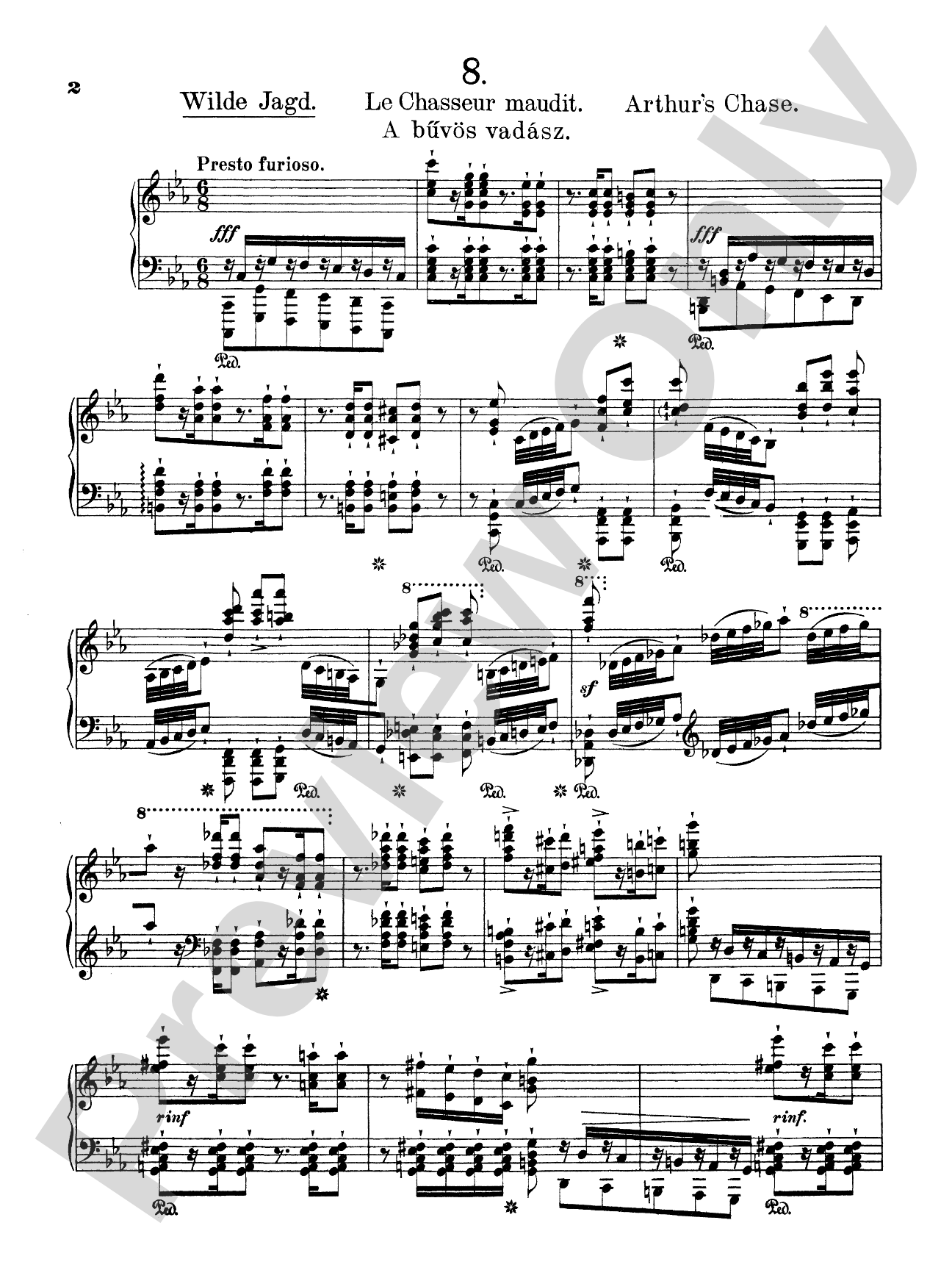
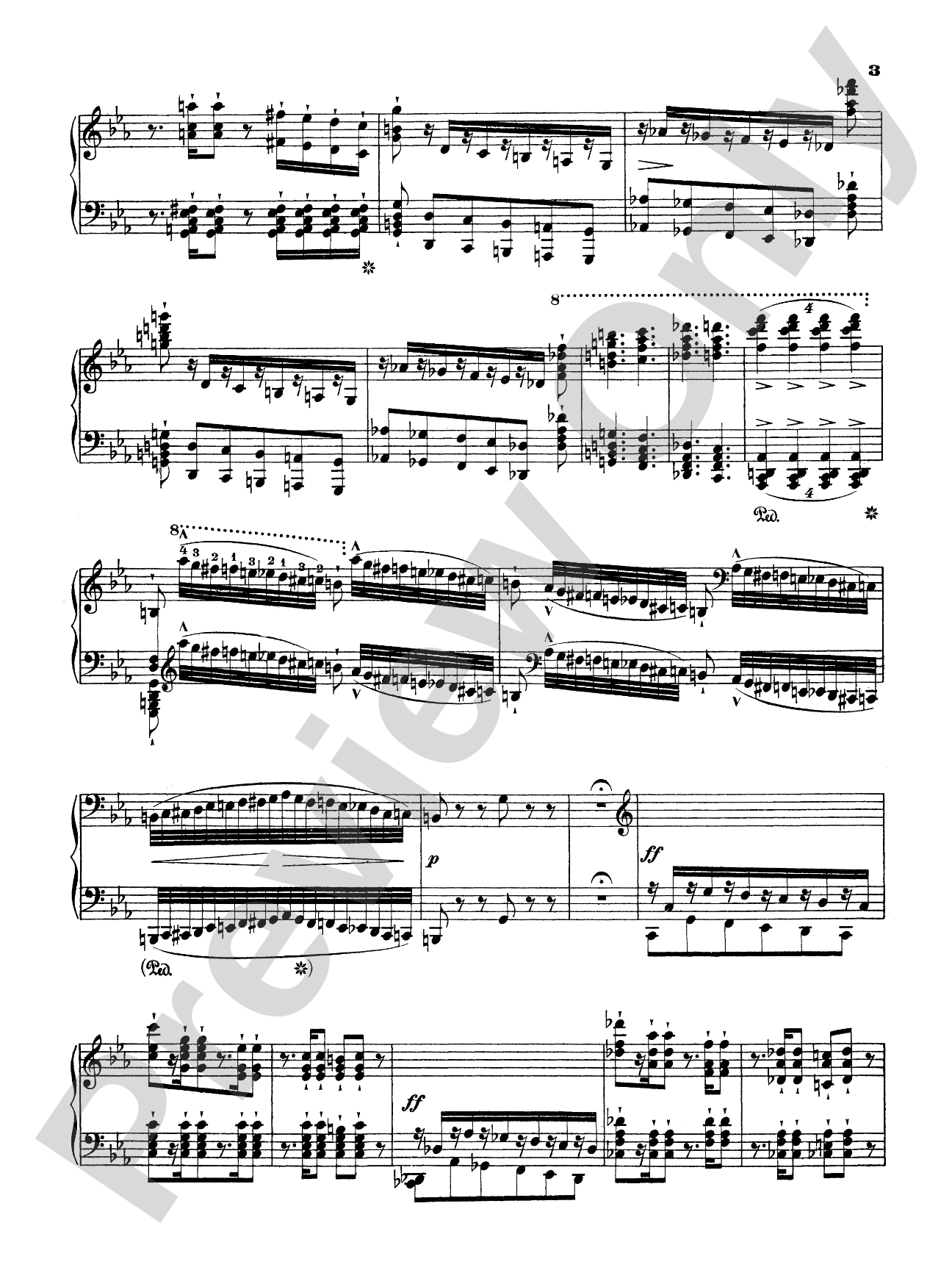
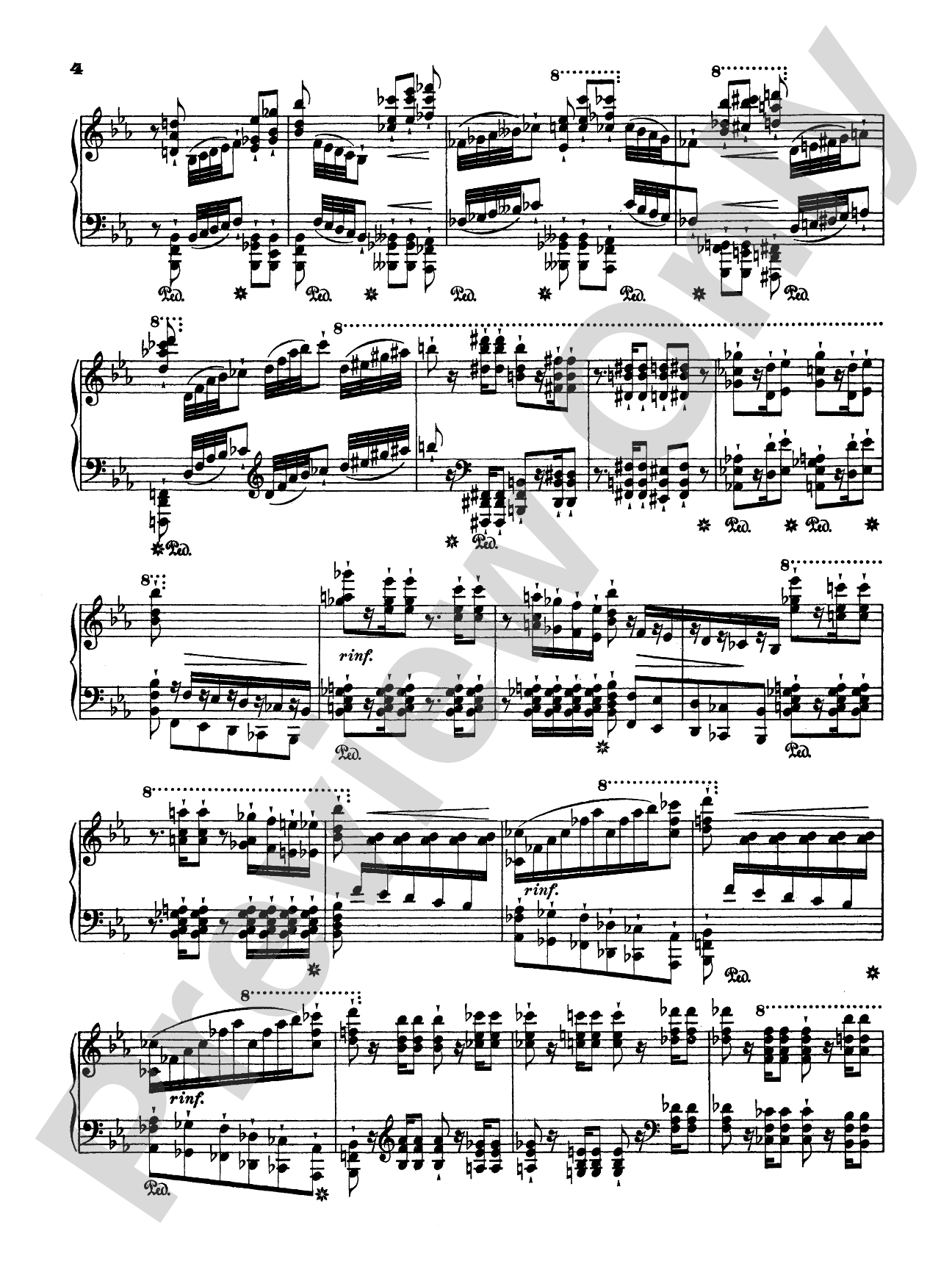
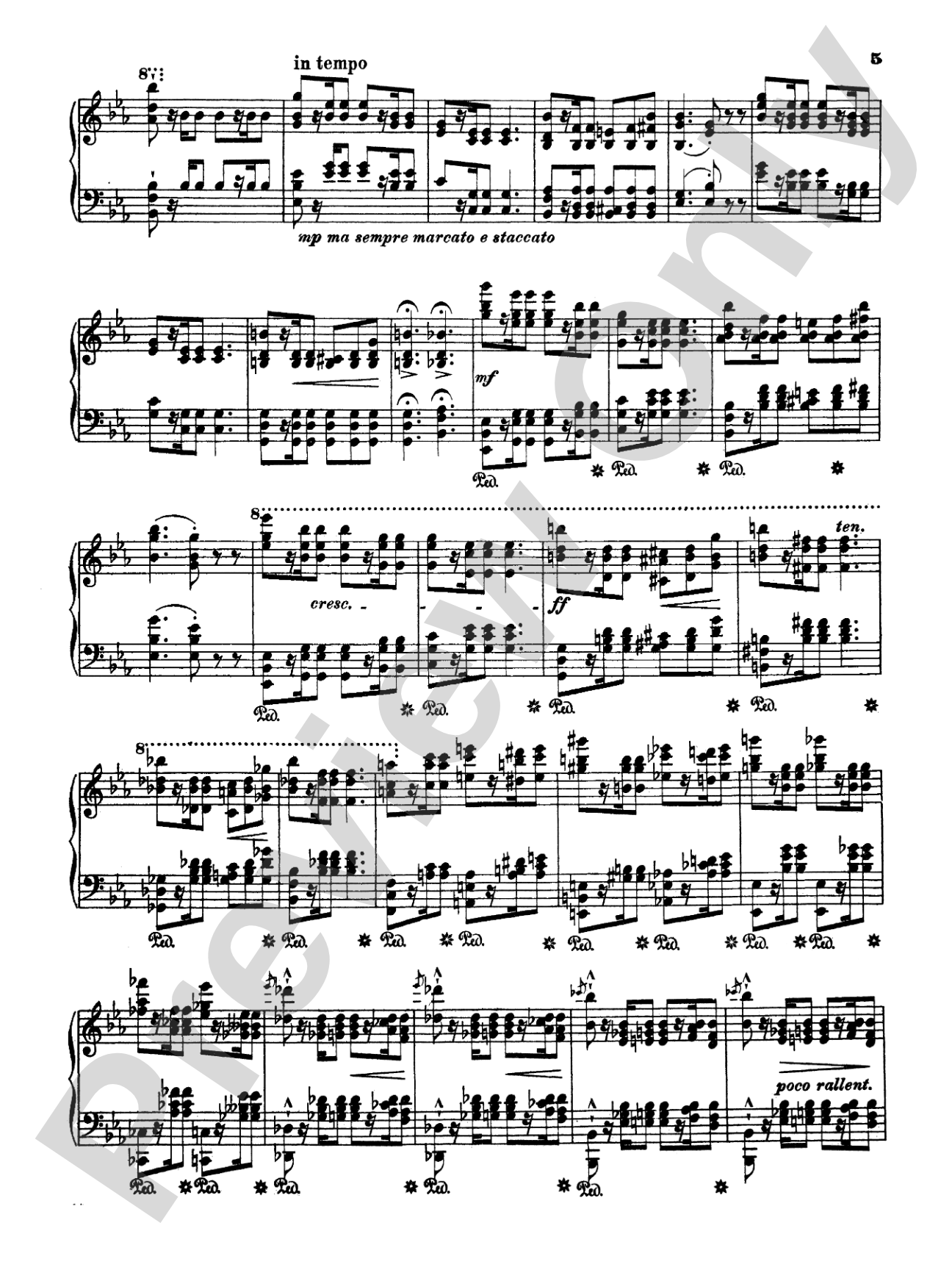
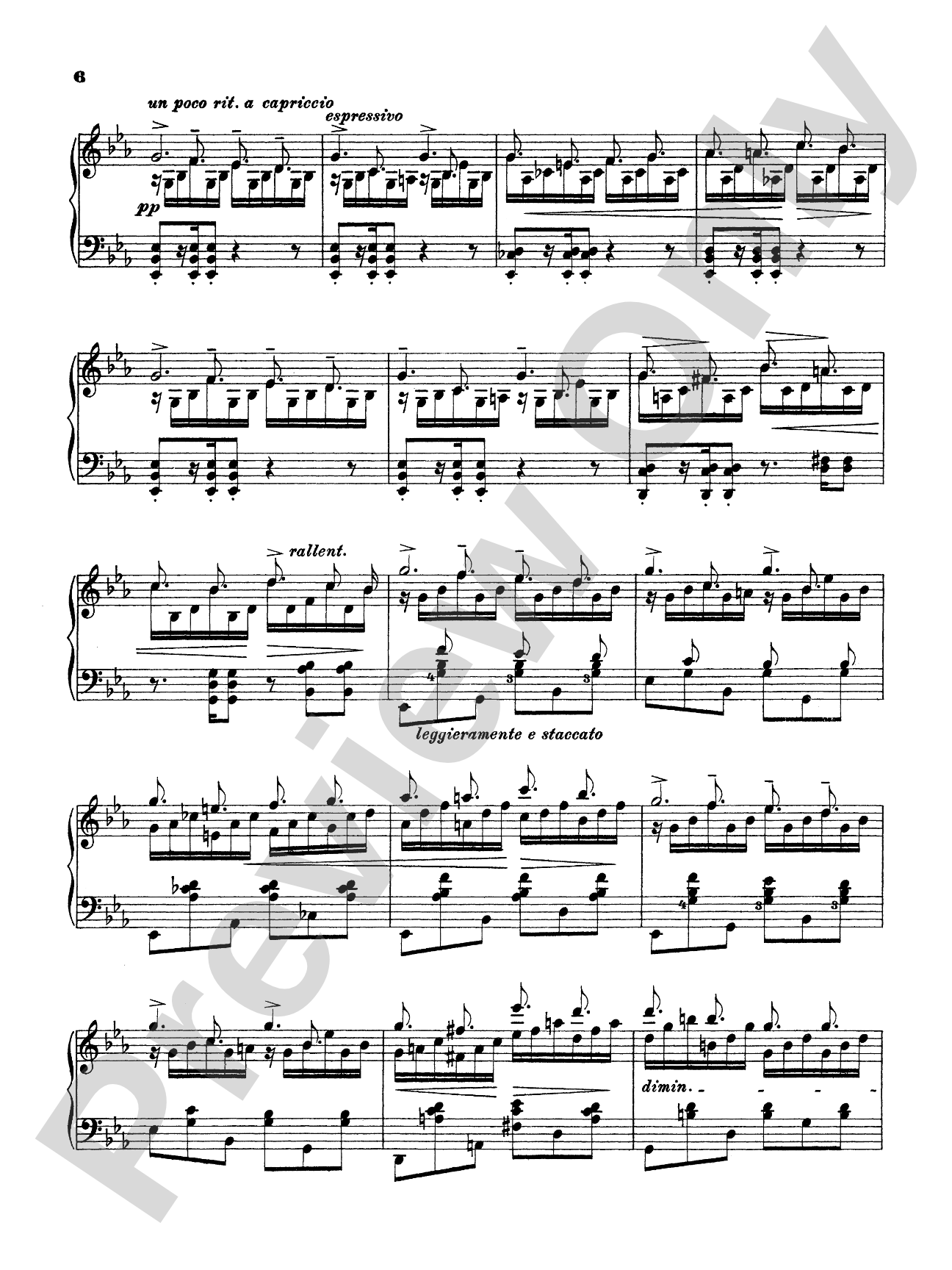
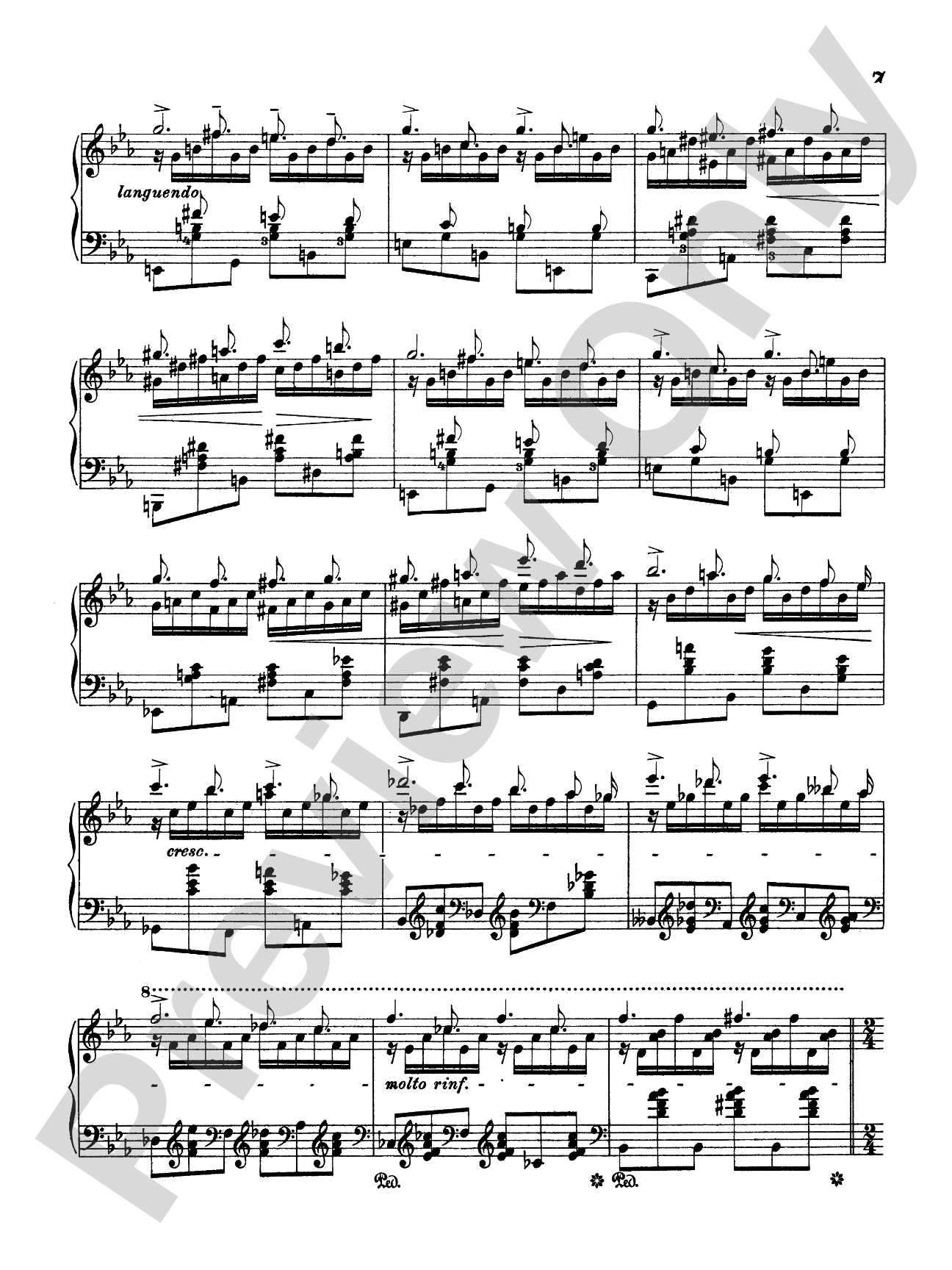
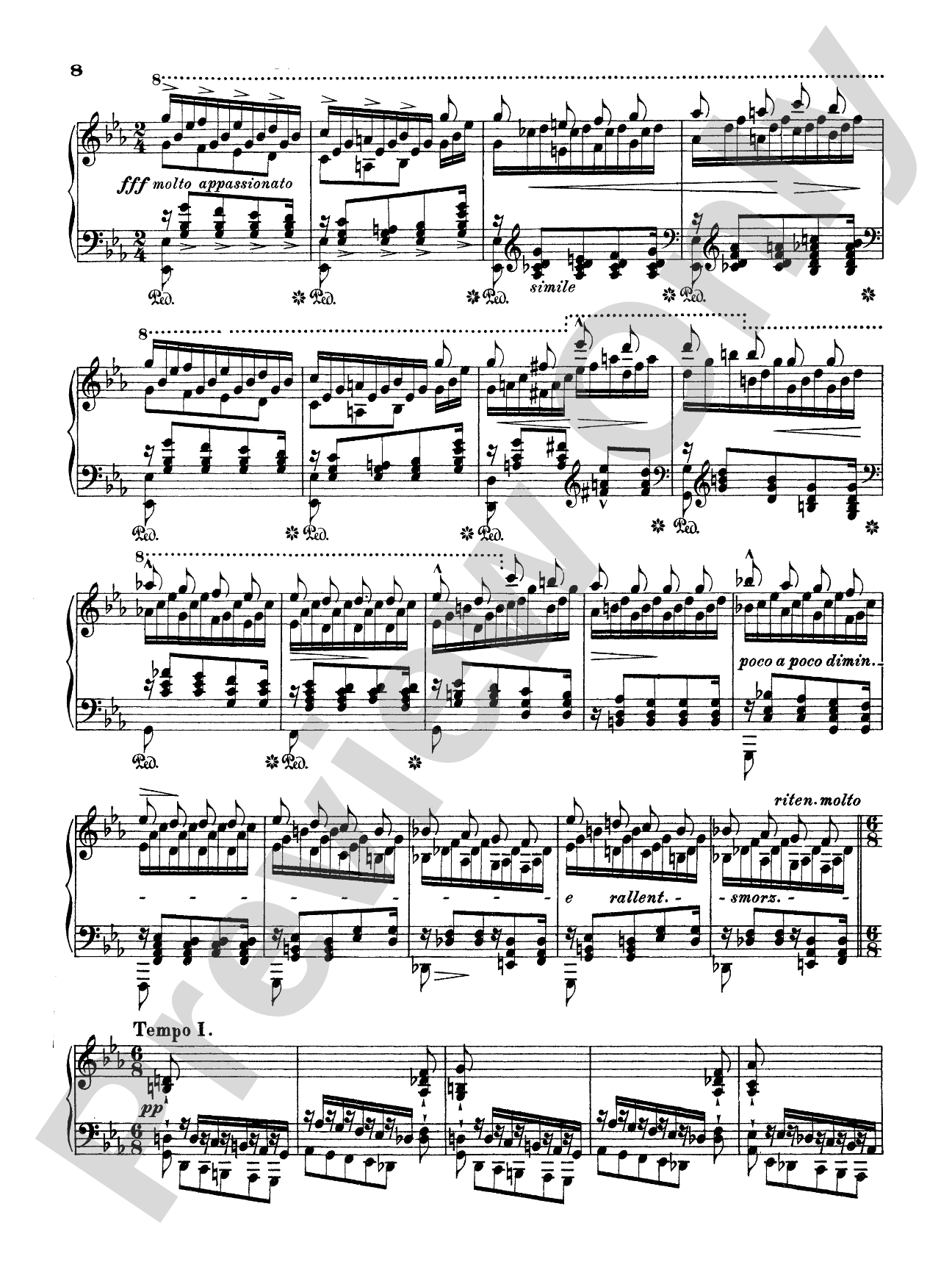
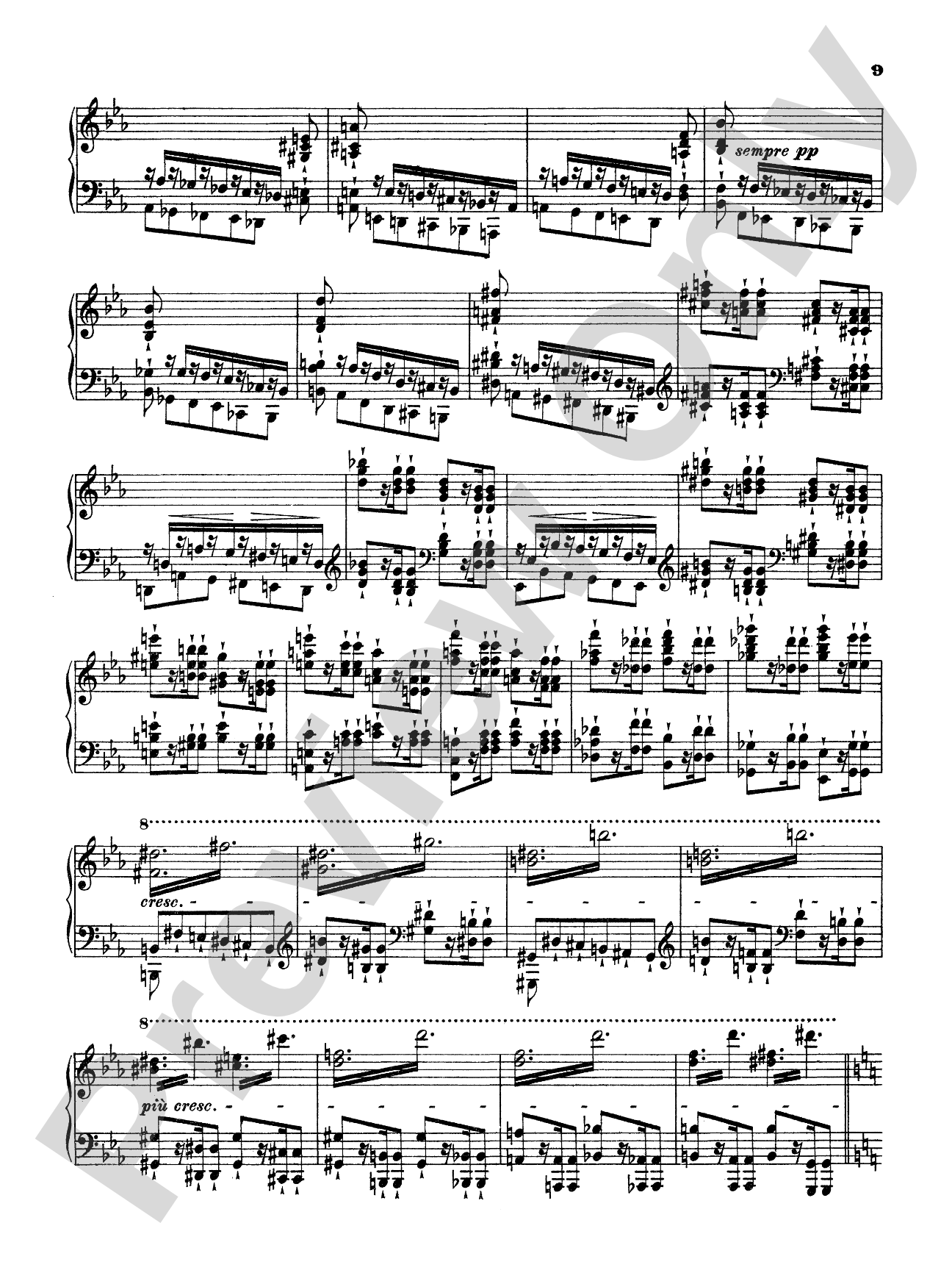
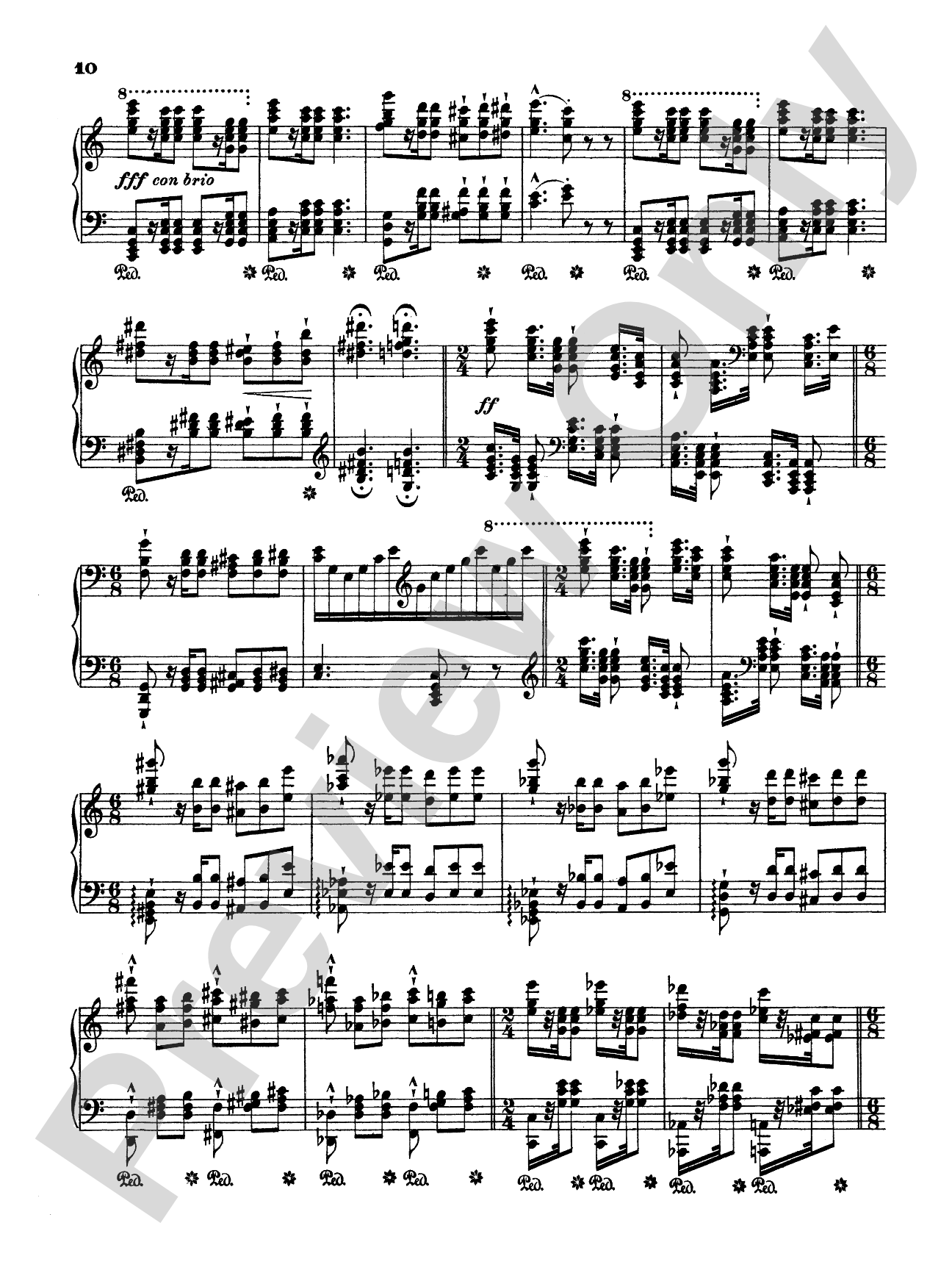
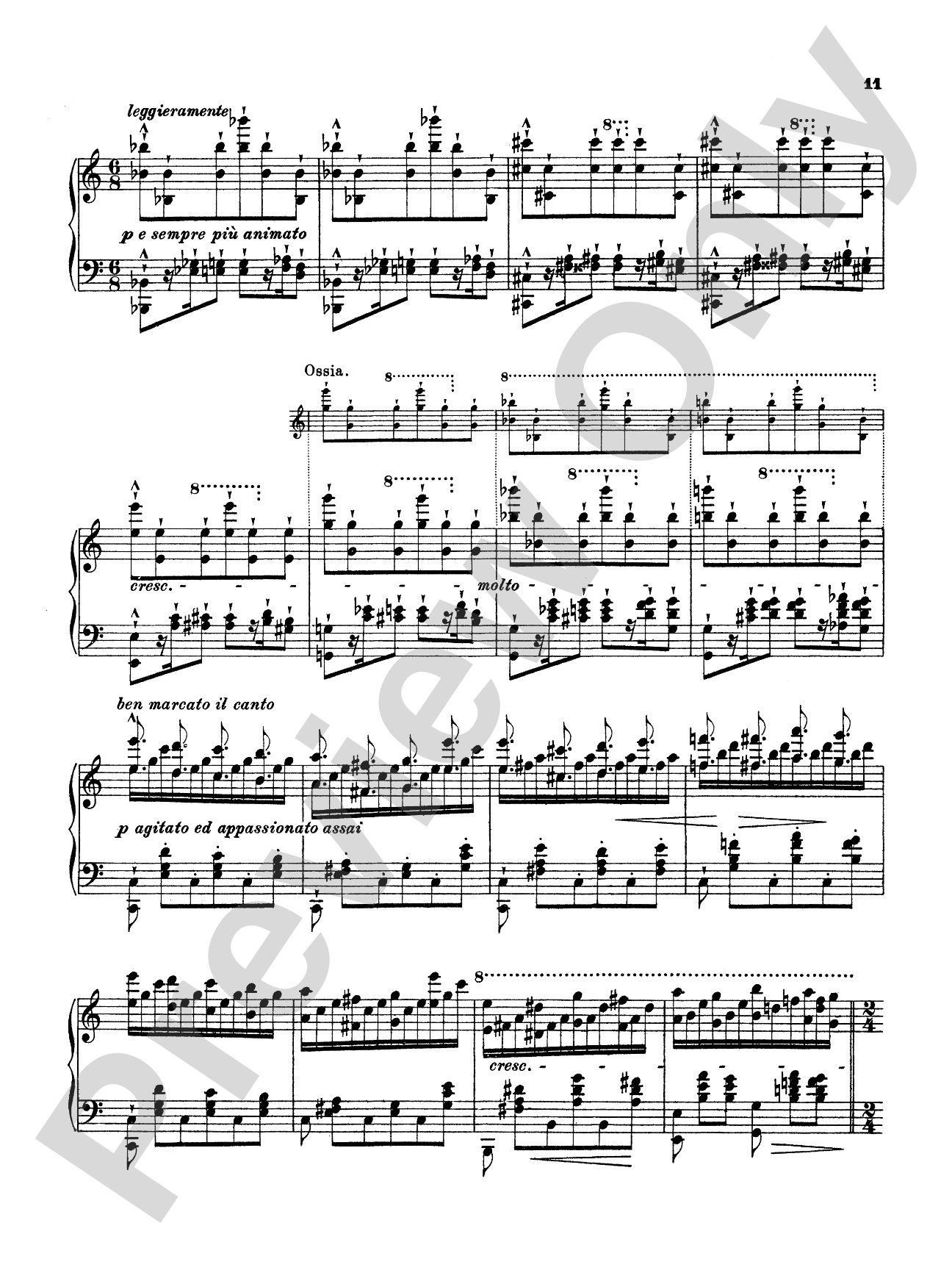
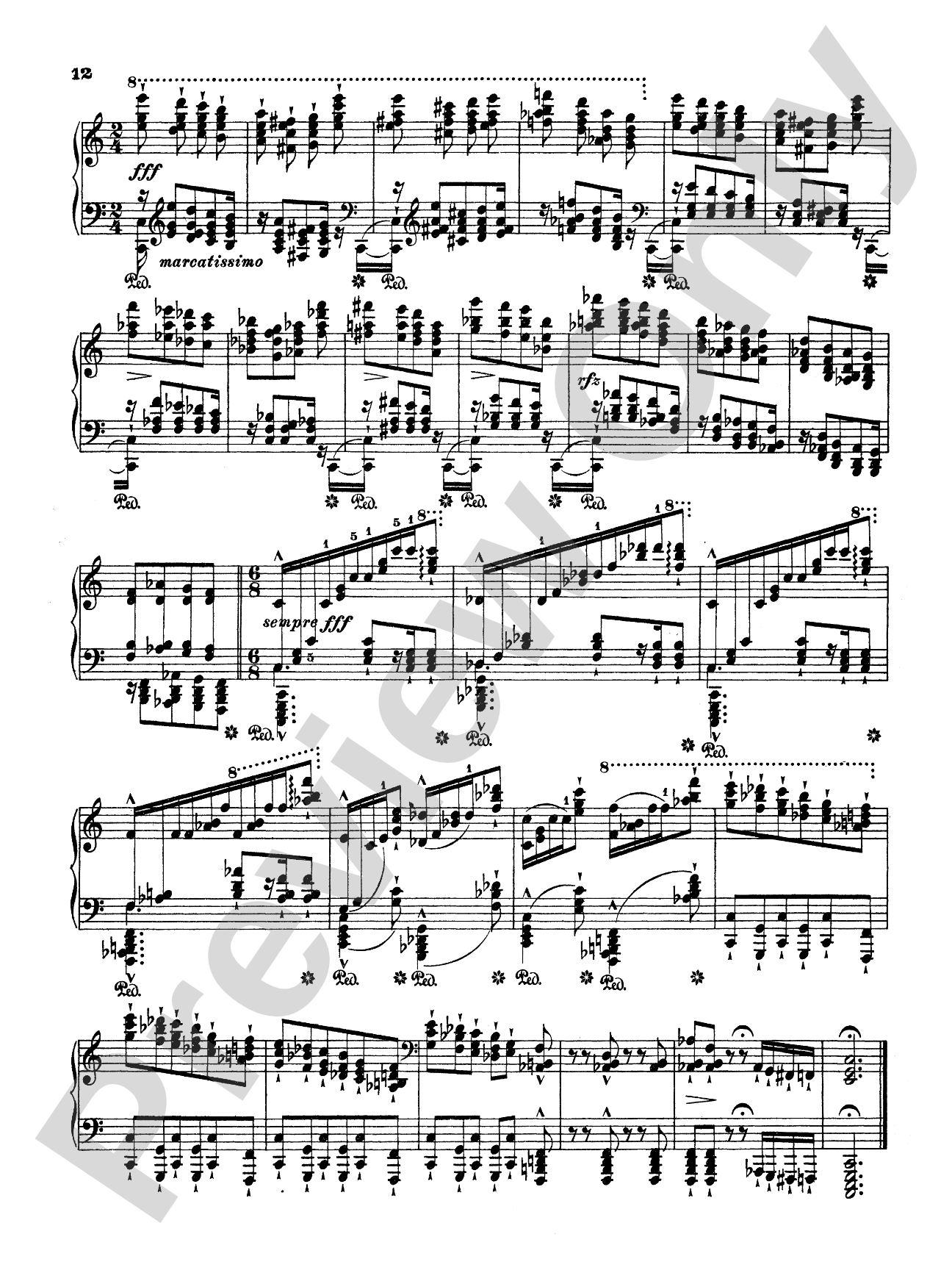

Liszt: Transcendental Etudes (Volume II): Piano Book
By Franz Liszt
Level: Advanced
Item: 00-PK-0003188

$12.99
Pickup currently not available
Buy Extra Parts (Digital PDF Download)
| Product | Price | Quantity |
|---|---|---|
| Liszt: Transcendental Etudes (Volume II) | $1.99 | |
| Liszt: Transcendental Etudes (Volume II) | $1.99 | |
| Liszt: Transcendental Etudes (Volume II) | $1.99 | |
| Liszt: Transcendental Etudes (Volume II) | $1.99 | |
| Liszt: Transcendental Etudes (Volume II) | $1.99 |
Parts Added to Cart!
Related Items
Transcendental Etudes, Volume II: Piano Book |
$12.95
|
View |
Description
A collection of advanced piano solos.


Don't just read it, hear it, play along with it, and watch your students grow with it. In MakeMusic Cloud, Liszt: Transcendental Etudes (Volume II): Piano Book comes alive with professional accompaniment, adjustable tempo, and built-in practice tools that turn solo practice into real progress.
Open in the Player
Jump straight in and assign it today.
Start Your Free Trial
Open this title and explore the full library in minutes.
Sample Audio
No sample audio found.
Sample Video
No sample videos found.
Additional Details
Series:
Kalmus Edition
Publisher:
Alfred Music
Page Count:
52
SKU:
00-PK-0003188
More about this title
About the Composer: Franz Liszt
Franz Liszt (1811-1886) stands as one of the nineteenth century's most influential pianists and composers. His technical innovations fundamentally expanded what the piano could express, and his pedagogical approach to the instrument shaped how generations of advanced students learned to master complex virtuosic writing. Liszt's Transcendental Etudes represent the apex of his compositional ambition for solo piano, combining unprecedented technical demands with profound musical substance.
Why we love this
These studies refuse to separate technical mastery from musical depth. Each etude demands solutions to genuine performance problems while maintaining the integrity of Liszt's romantic vision, making them essential repertoire for pianists serious about understanding how technique and artistry intersect. Advanced students who tackle this collection gain not just finger facility but insight into how a composer thinks about the instrument's possibilities.
What to expect
These pieces inhabit a world of virtuosic passion and architectural brilliance. Whether stormy and propulsive or introspective and lyrical, each study radiates the intensity of someone pushing both instrument and performer toward artistic transformation. The physical exhilaration and emotional weight combine to create an unforgettable experience of romantic piano writing at its most ambitious.
Who it's for
Advanced pianists preparing for conservatory study, competitions, or recital careers will find these studies indispensable. Teachers working with mature students ready to confront the romantic era's most rigorous technical and musical challenges should consider these a cornerstone of the advanced repertoire.
How to get the most out of it
- Study the pedal markings deliberately. Liszt's pedal notation carries harmonic and textural weight beyond sustain; experimenting with half-pedaling and judicious releases will clarify voices that can otherwise blur together.
- Break down the most intricate figurations by isolating rhythmic patterns rather than treating them as undifferentiated runs. This transforms overwhelming passages into navigable musical shapes.
- Establish stable tempo relationships between sections before attempting the written tempo. Many etudes shift character dramatically, and understanding the proportion between speeds prevents disorientation in performance.
- Record yourself regularly and listen with the score in hand. The ear catches balance and voice clarity issues that the hands alone cannot perceive while executing the technical demands.
How to use it
Feature an individual etude as a recital centerpiece that demonstrates a student's technical command and interpretive maturity. These works also serve as the capstone of a developmental sequence, showing where rigorous study and serious musicianship converge. Programming a single etude alongside contemporary works or earlier keyboard literature can highlight the revolutionary leap Liszt represented in piano composition.
Skills your students will build
- Navigating rapid scalar and arpeggionic figurations at advanced tempos
- Voicing chords distinctly while maintaining legato across the keyboard
- Coordinating complex pedal work with harmonic structure
- Reading and executing dense chromatic and enharmonic writing
- Sustaining musical narrative through technically demanding passages
- Interpreting romantic-era expressive notation and tempo flexibility