

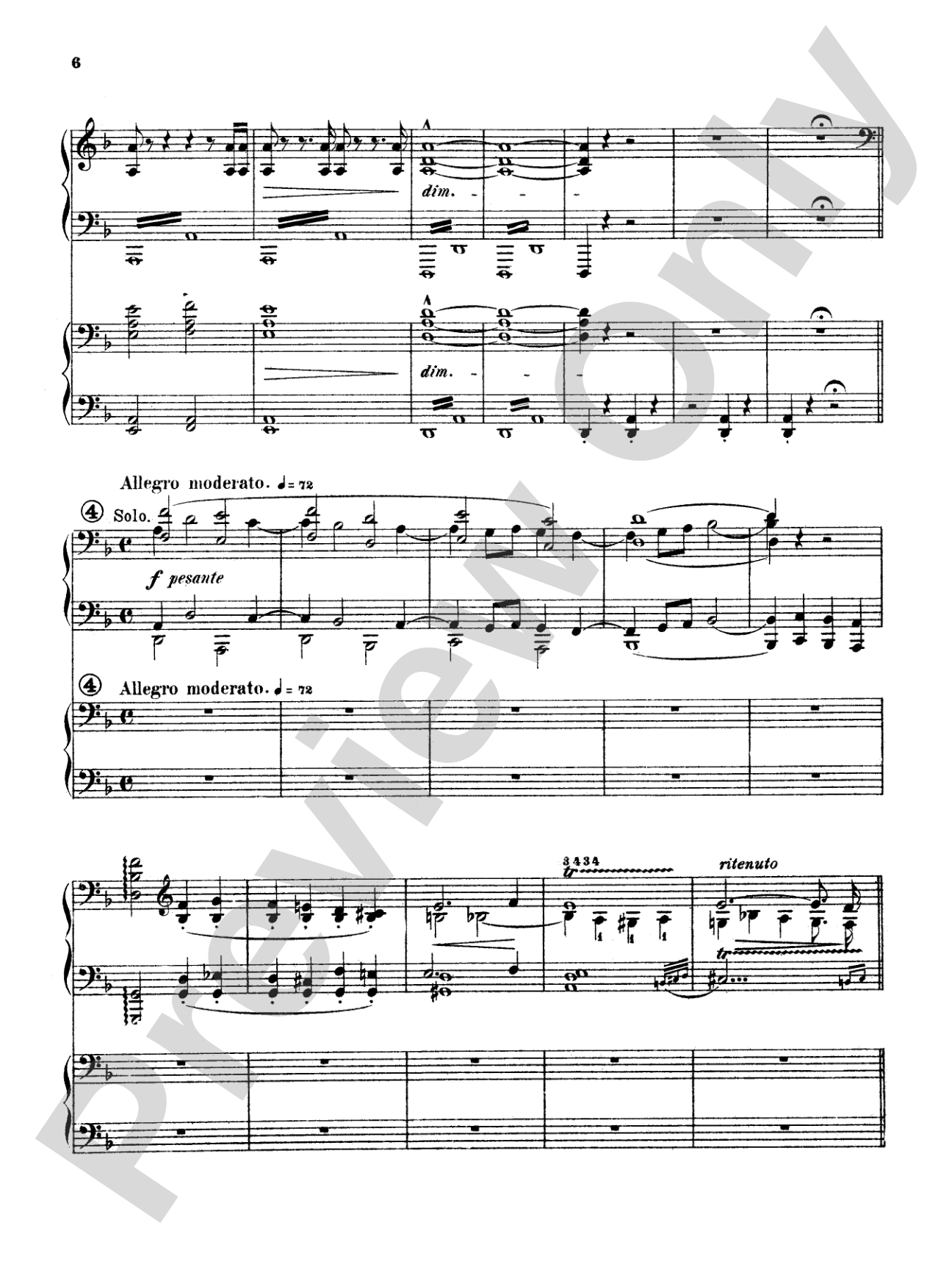
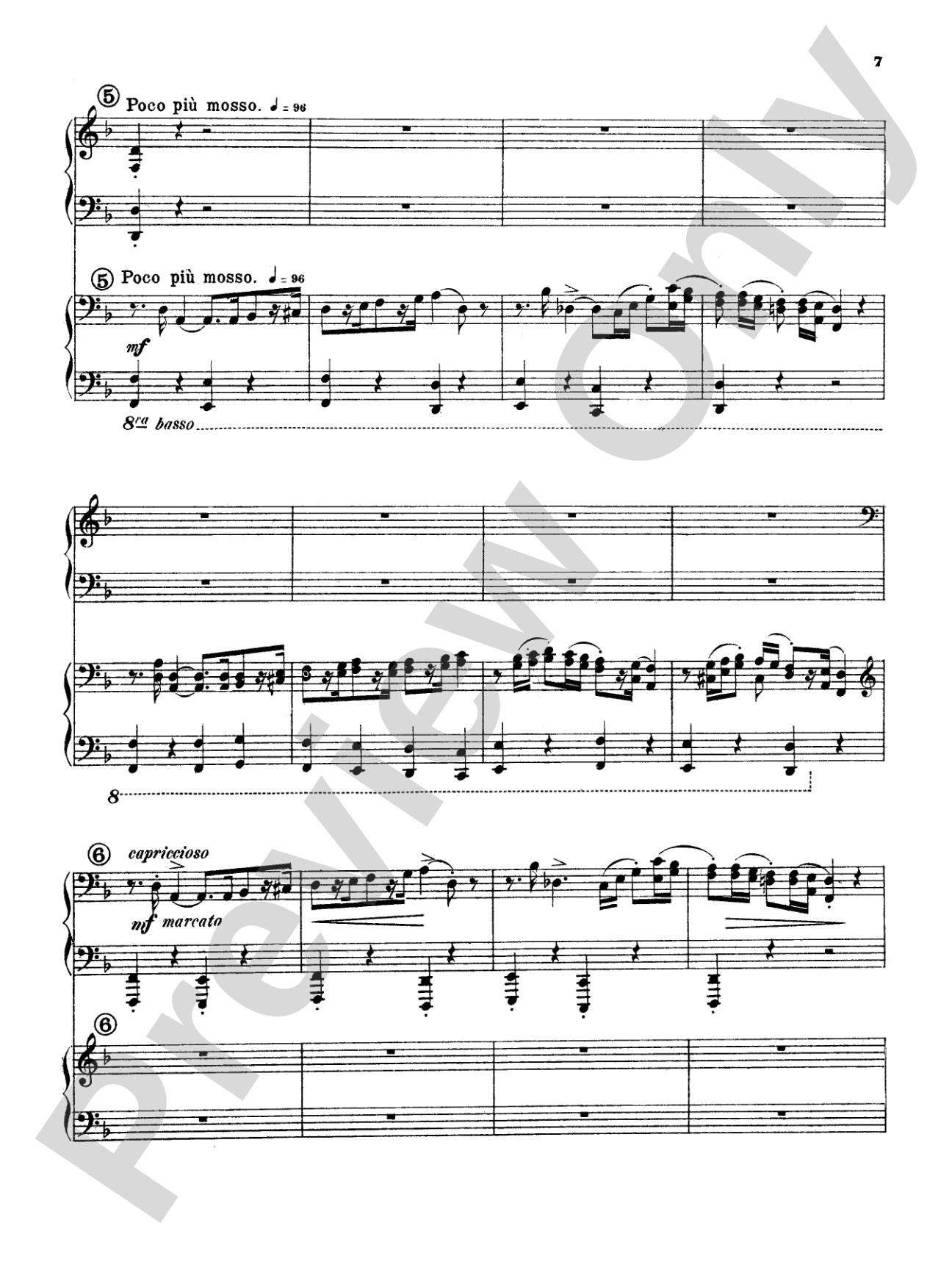
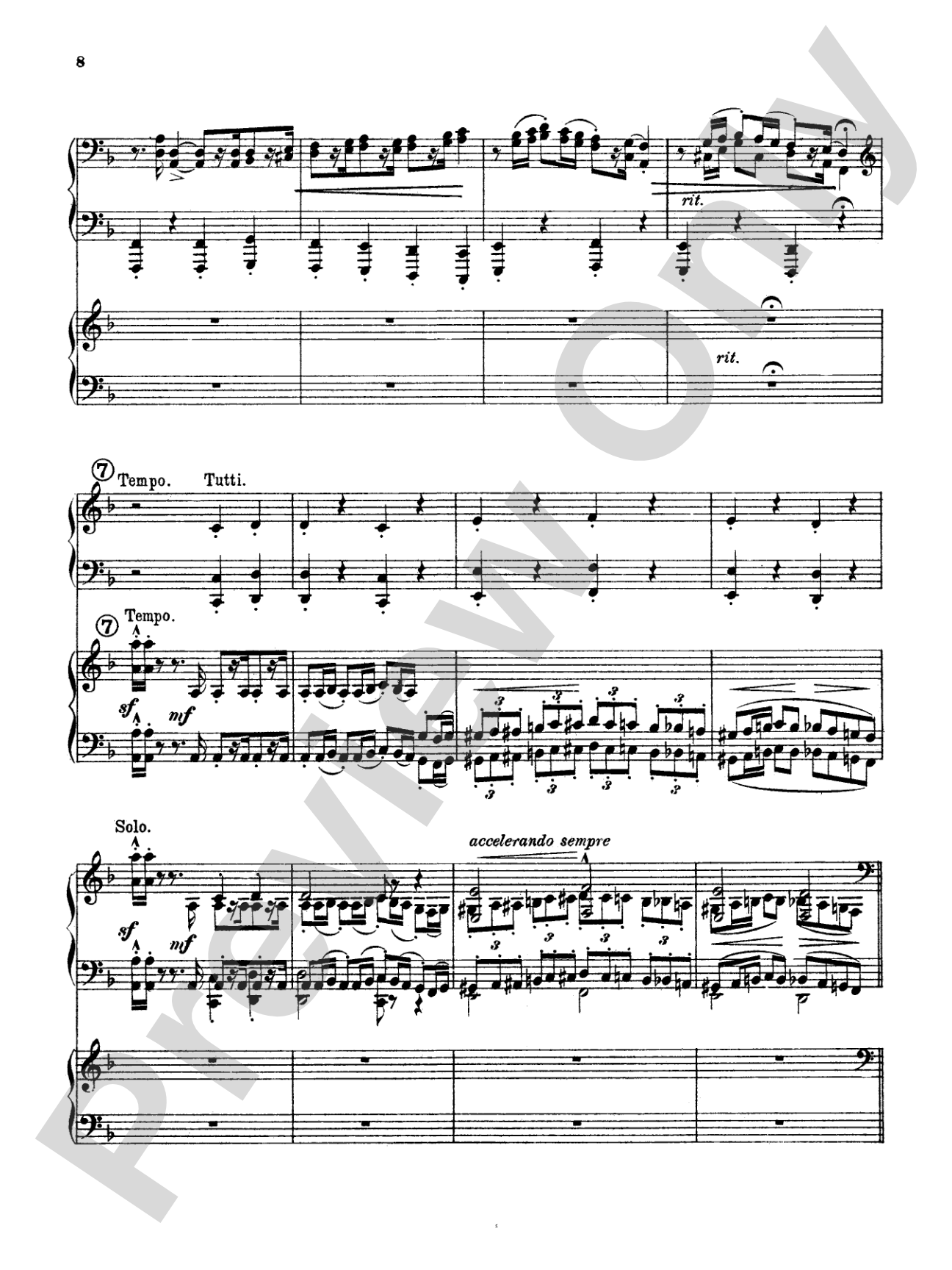
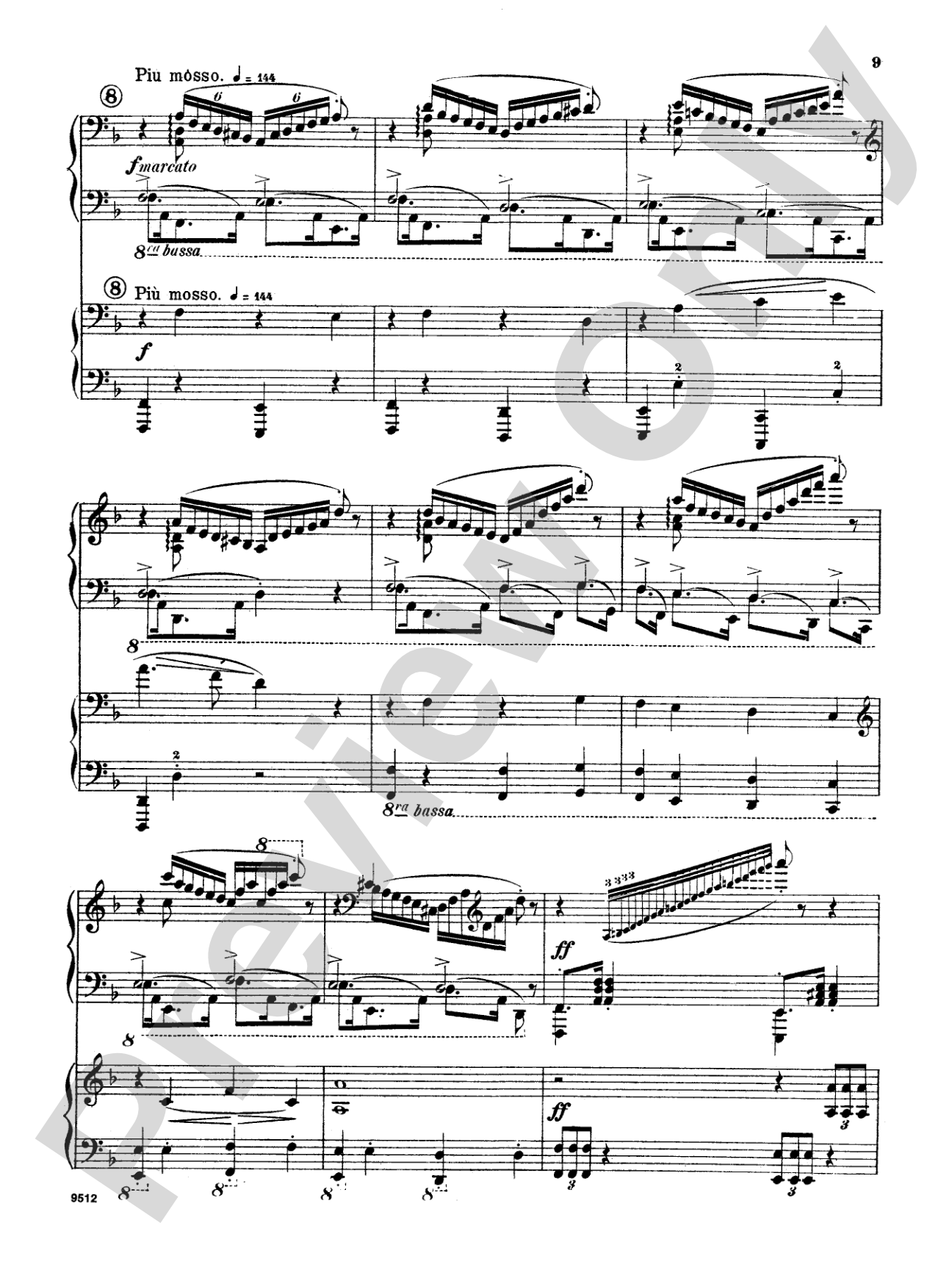

Liszt: Totentanz (Danse Macabre)
By Franz Liszt / ed. Alexander Siloti
Level: Advanced
Item: 00-PC-0012730
$8.95
Pickup currently not available
Description
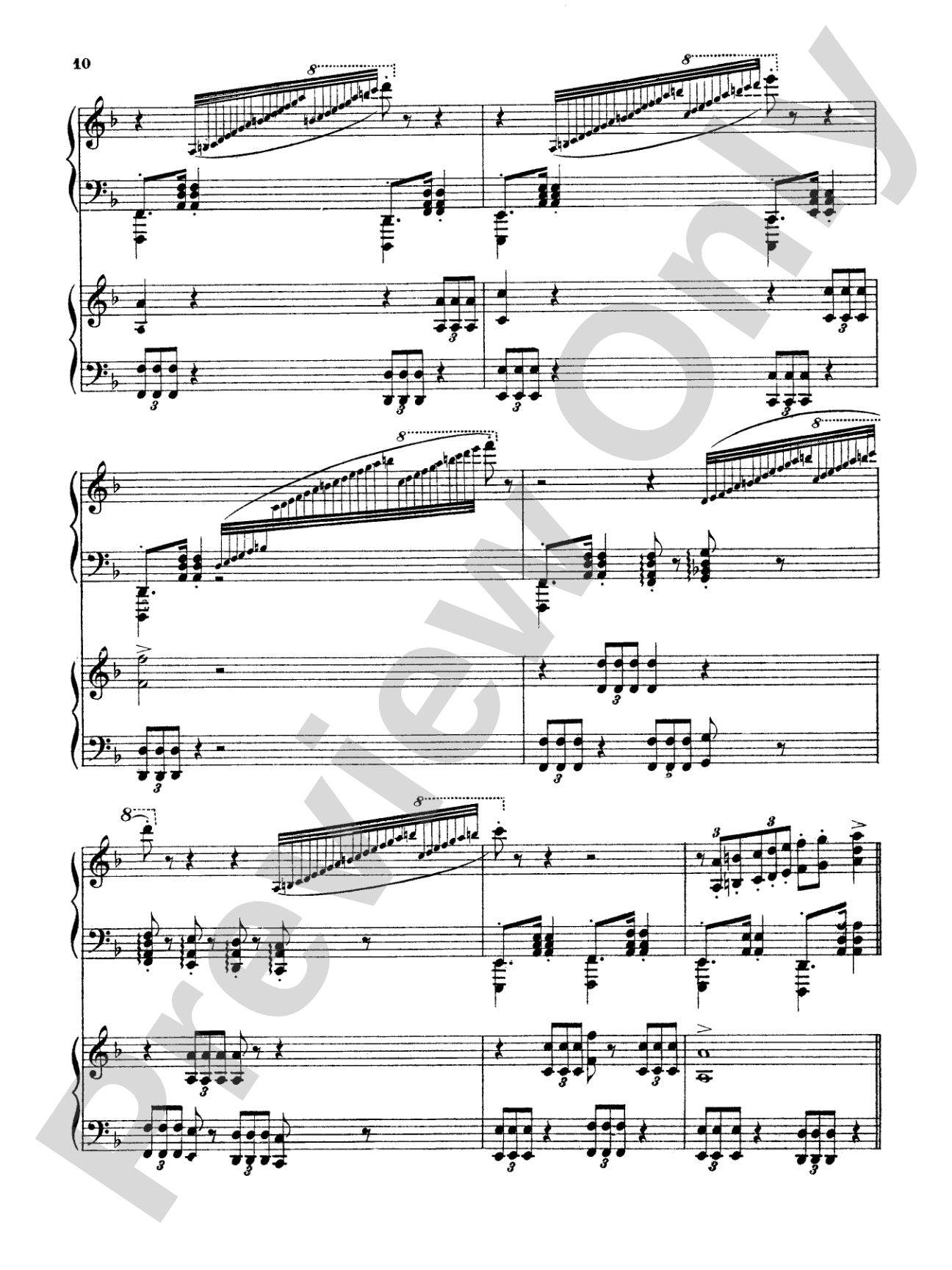
Expertly arranged Piano Duet by Franz Liszt from the Kalmus Edition series. This Advanced Piano Duet (2 Pianos, 4 Hands) is from the Romantic era. 2 copies are required for performance.


Don't just read it, hear it, play along with it, and watch your students grow with it. In MakeMusic Cloud, Liszt: Totentanz (Danse Macabre) comes alive with professional accompaniment, adjustable tempo, and built-in practice tools that turn solo practice into real progress.
Open in the Player
Jump straight in and assign it today.
Start Your Free Trial
Open this title and explore the full library in minutes.
Sample Audio
No sample audio found.
Sample Video
No sample videos found.
Additional Details
Series:
Kalmus Edition
Publisher:
Alfred Music
Page Count:
48
SKU:
00-PC-0012730
More about this title
About the Composer: Franz Liszt
Franz Liszt (1811-1886) revolutionized piano performance and composition in the nineteenth century, expanding the instrument's technical and expressive possibilities beyond what his predecessors imagined. A virtuoso performer of legendary skill, Liszt channeled his own dazzling technique into works that demand absolute command of the keyboard, unusual harmonic language, and deep interpretive maturity from those who play them.
Why we love this
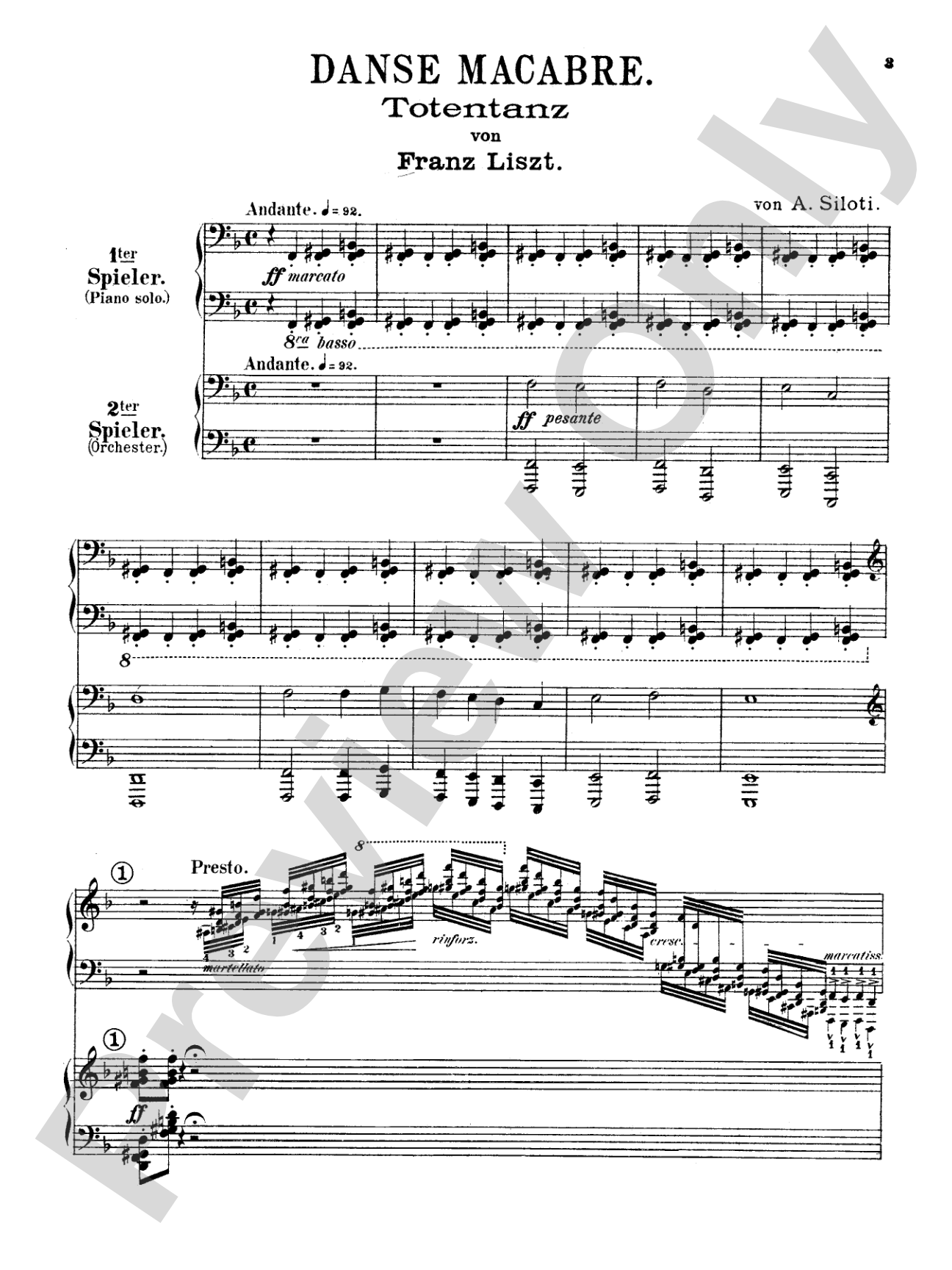
Totentanz stands as one of Liszt's most gripping and dramatically cohesive works, built on the plainsong Dies irae with relentless inventiveness. In this two-piano arrangement, the work's symphonic scope becomes immediately accessible to advanced pianists, allowing two players to share the technical and musical demands while preserving the piece's full theatrical power and complex counterpoint.
What to expect
Liszt's Totentanz is a pilgrimage through darkness and obsession. The Dies irae melody emerges from churning accompaniment like a bell tolling across a vast landscape, transforming and reappearing in increasingly distorted forms. The piece builds relentless momentum and dramatic intensity, alternating between moments of stark simplicity and passages of such technical brilliance they shimmer with danger.
Who it's for
Advanced pianists seeking a substantial duet that rivals the technical and interpretive challenges of solo concert repertoire. This work rewards pianists who have already mastered Liszt's solo writing and wish to experience his orchestral ambitions in a two-piano setting.
How to get the most out of it
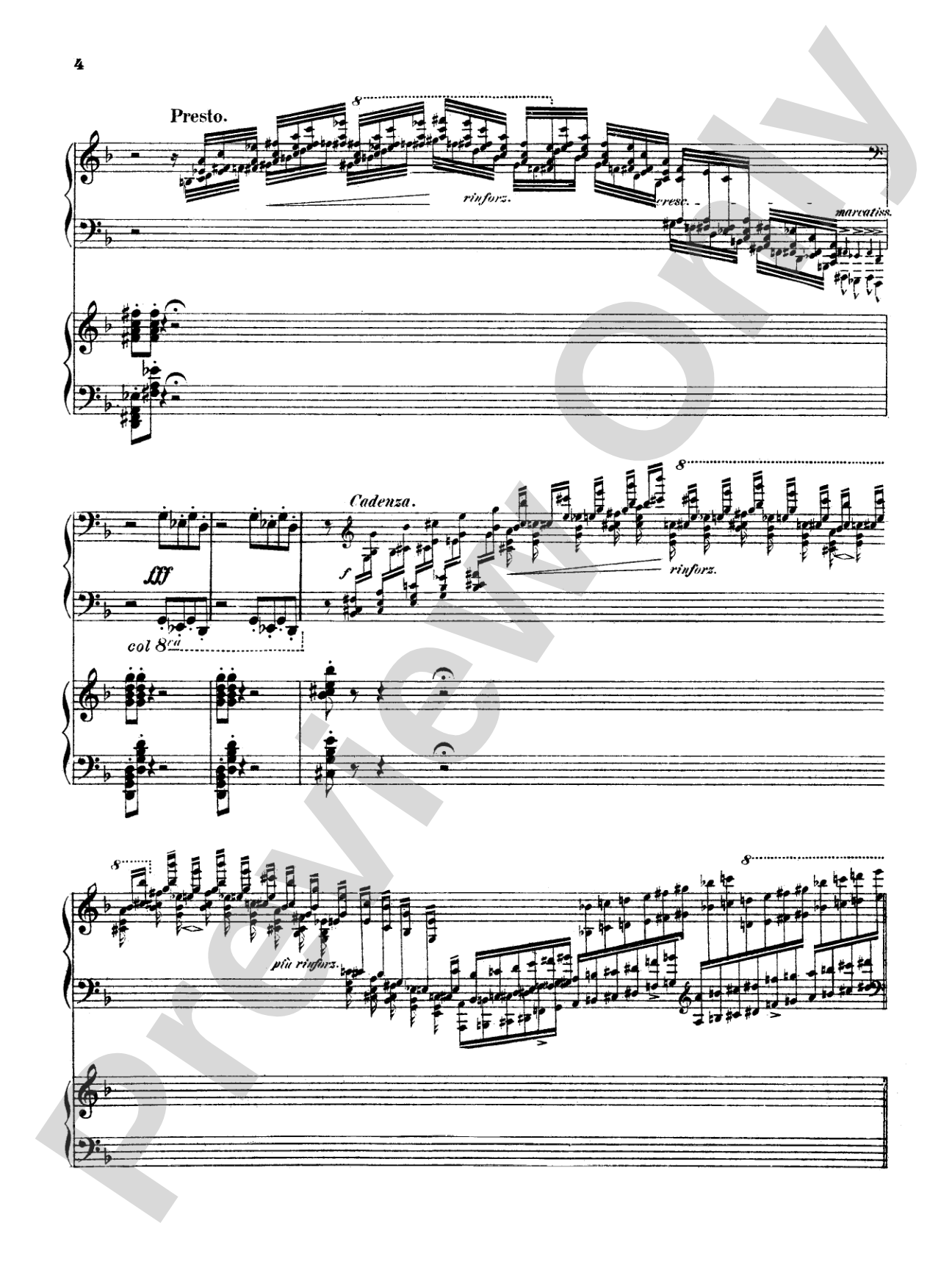
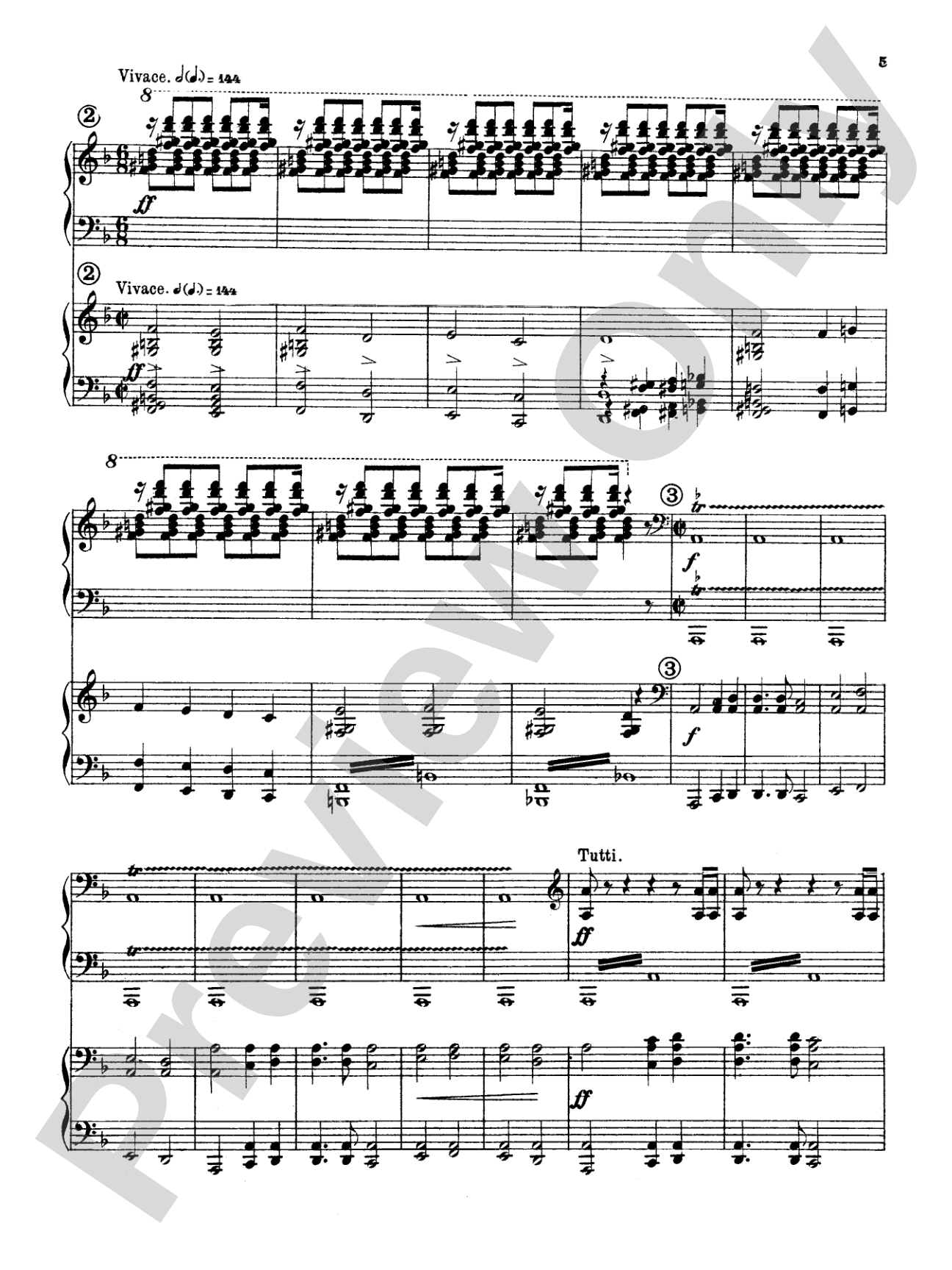
- Establish a shared rhythmic foundation between the two pianos from your first rehearsals; the syncopated and intricate rhythmic interplay requires absolute ensemble precision.
- Explore the piece's harmonic language carefully during practice; Liszt's chromatic voice-leading and unconventional resolutions create the unsettling character, so honor them rather than smoothing them out.
- Balance the two keyboard parts so that motivic material remains audible regardless of which piano carries it; avoid allowing either player to dominate simply because of higher register or louder dynamic marking.
- Shape the Dies irae quotations as distinct structural landmarks; each appearance should feel both familiar and transformed by its new harmonic context.
How to use it
Program this work as a centerpiece for an advanced piano duo concert or as a standout number on a recital devoted to Romantic keyboard literature. Its gothic atmosphere and extraordinary technical display make it compelling as either an opening statement or a climactic second-half moment, depending on the surrounding repertoire.
Skills your students will build
- Mastery of chromatic voice-leading and harmonic analysis in advanced tonal contexts
- Ensemble synchronization and independence between two pianos performing complex rhythmic patterns
- Interpretation of leitmotiv transformation across a large-scale formal structure
- Technical facility in octave work, rapid passagework, and dramatic dynamic control
- Understanding of orchestration principles through two-piano texture and doubling strategies