
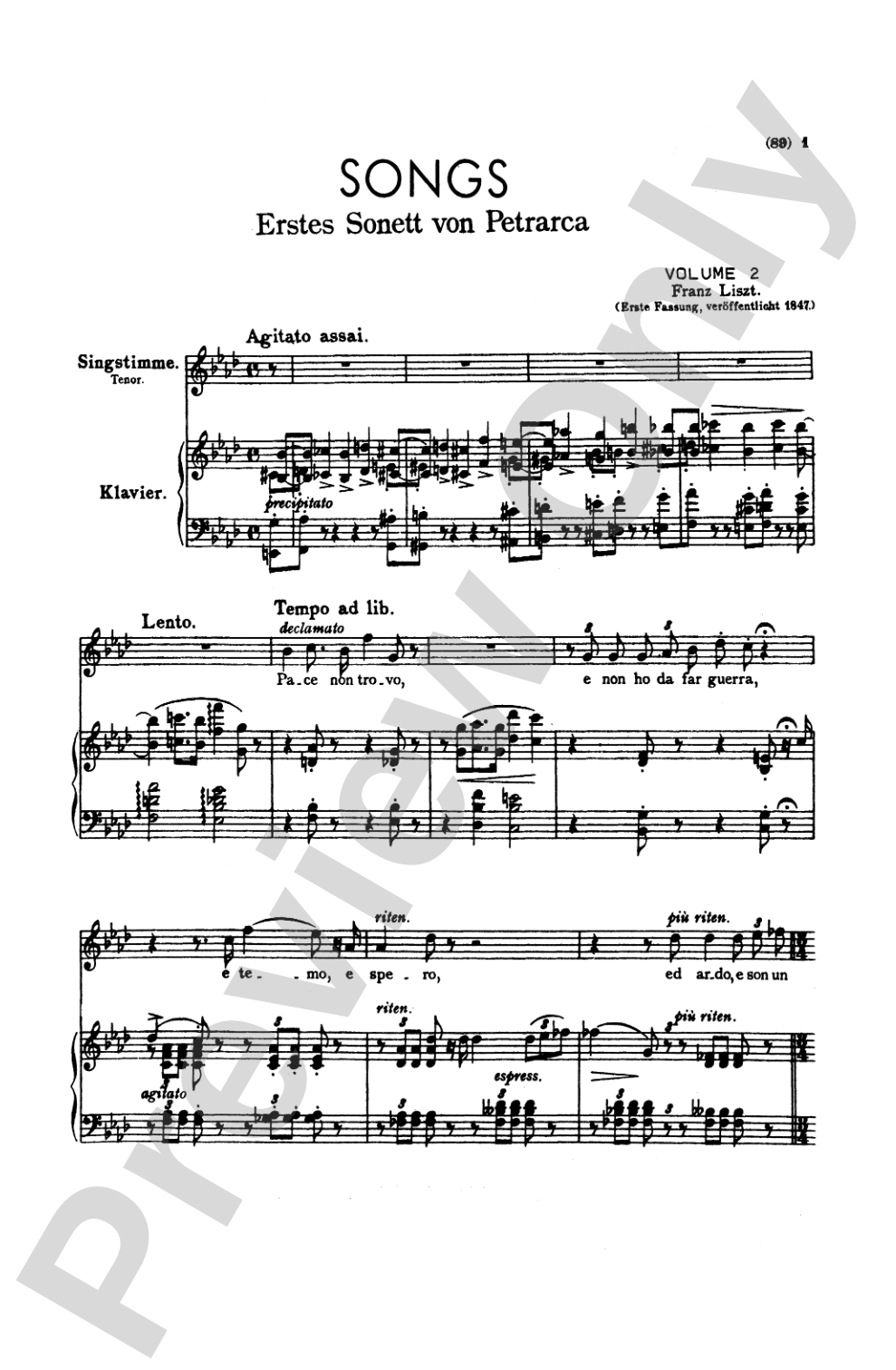
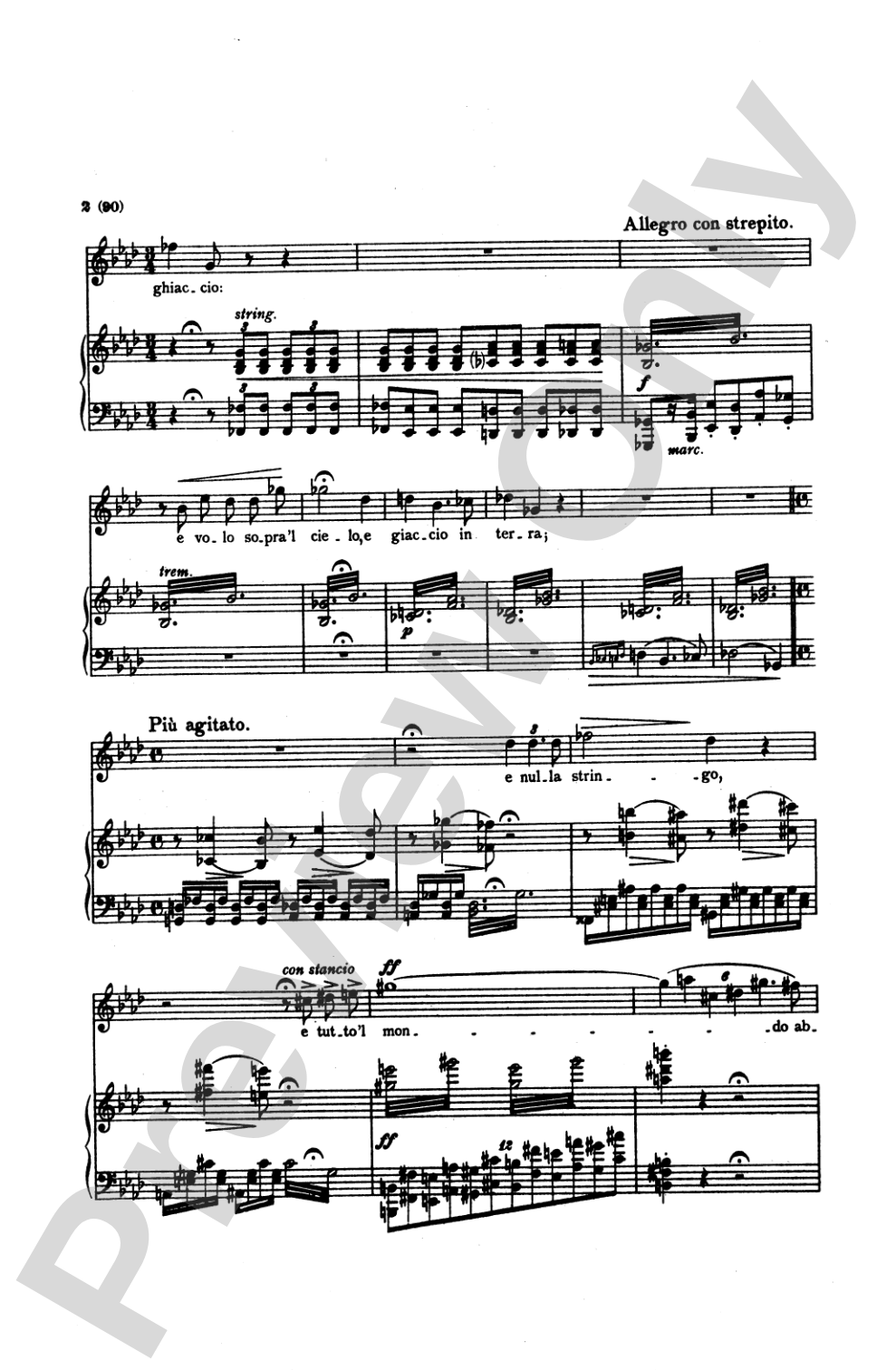
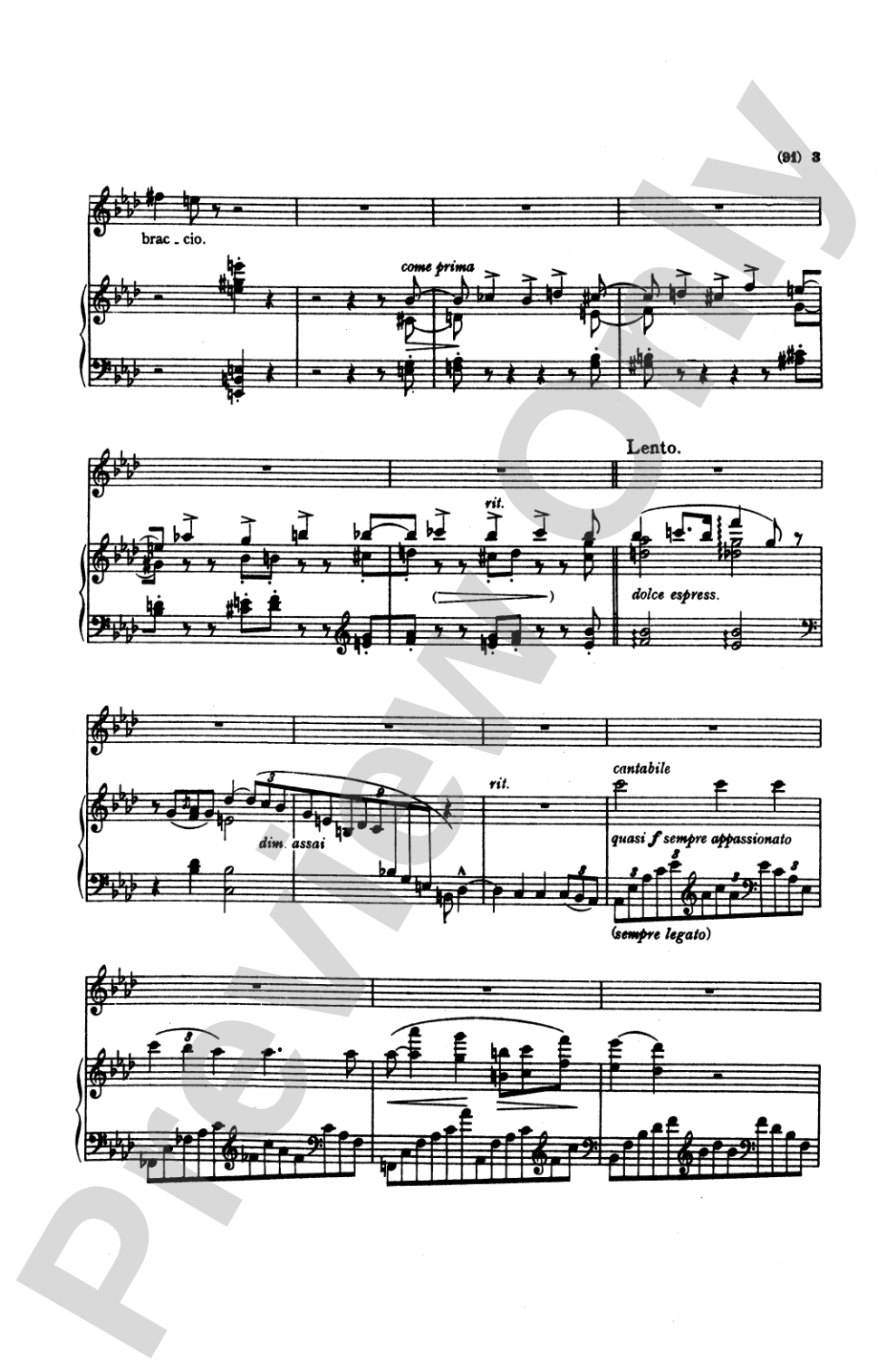
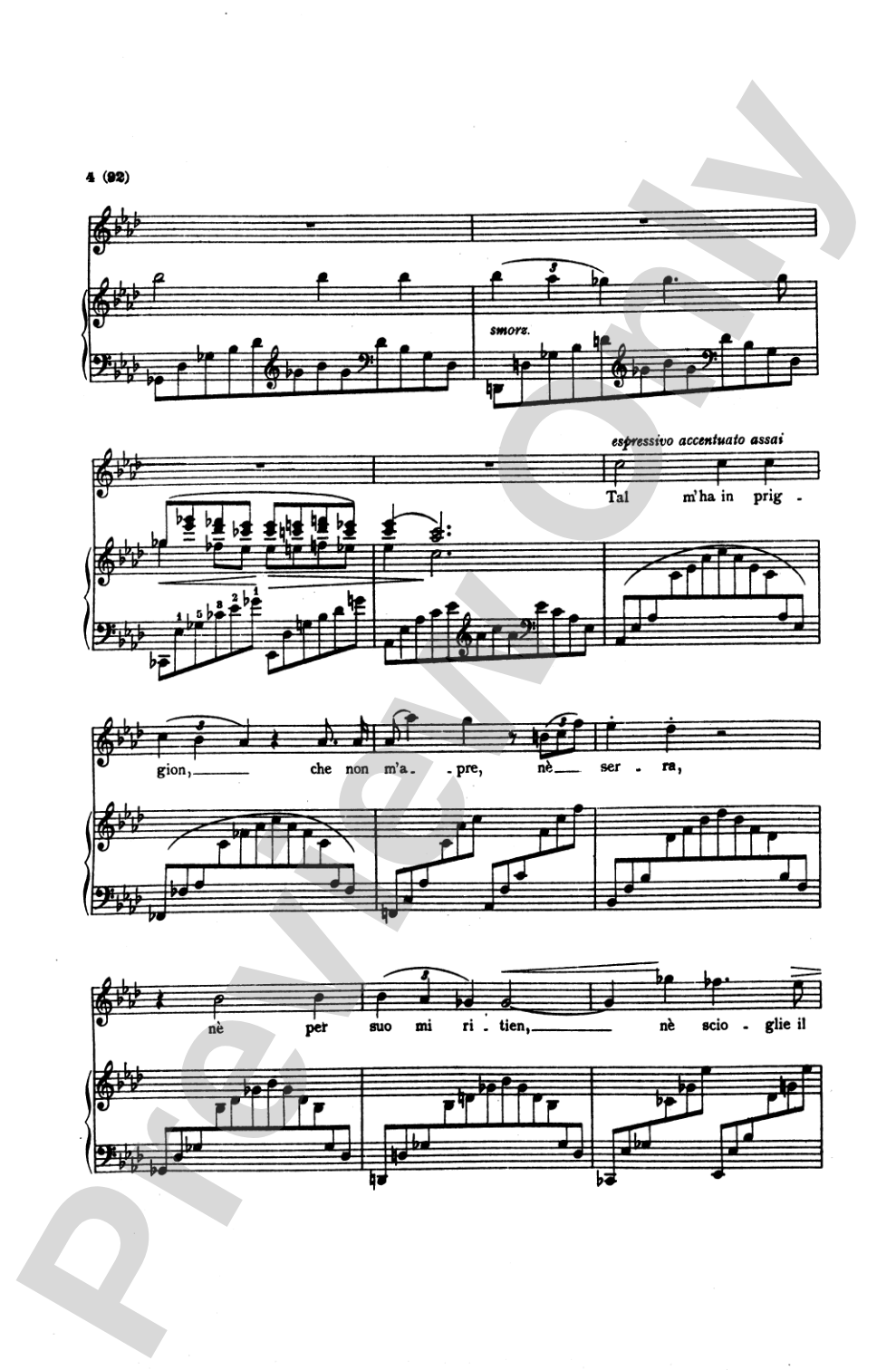
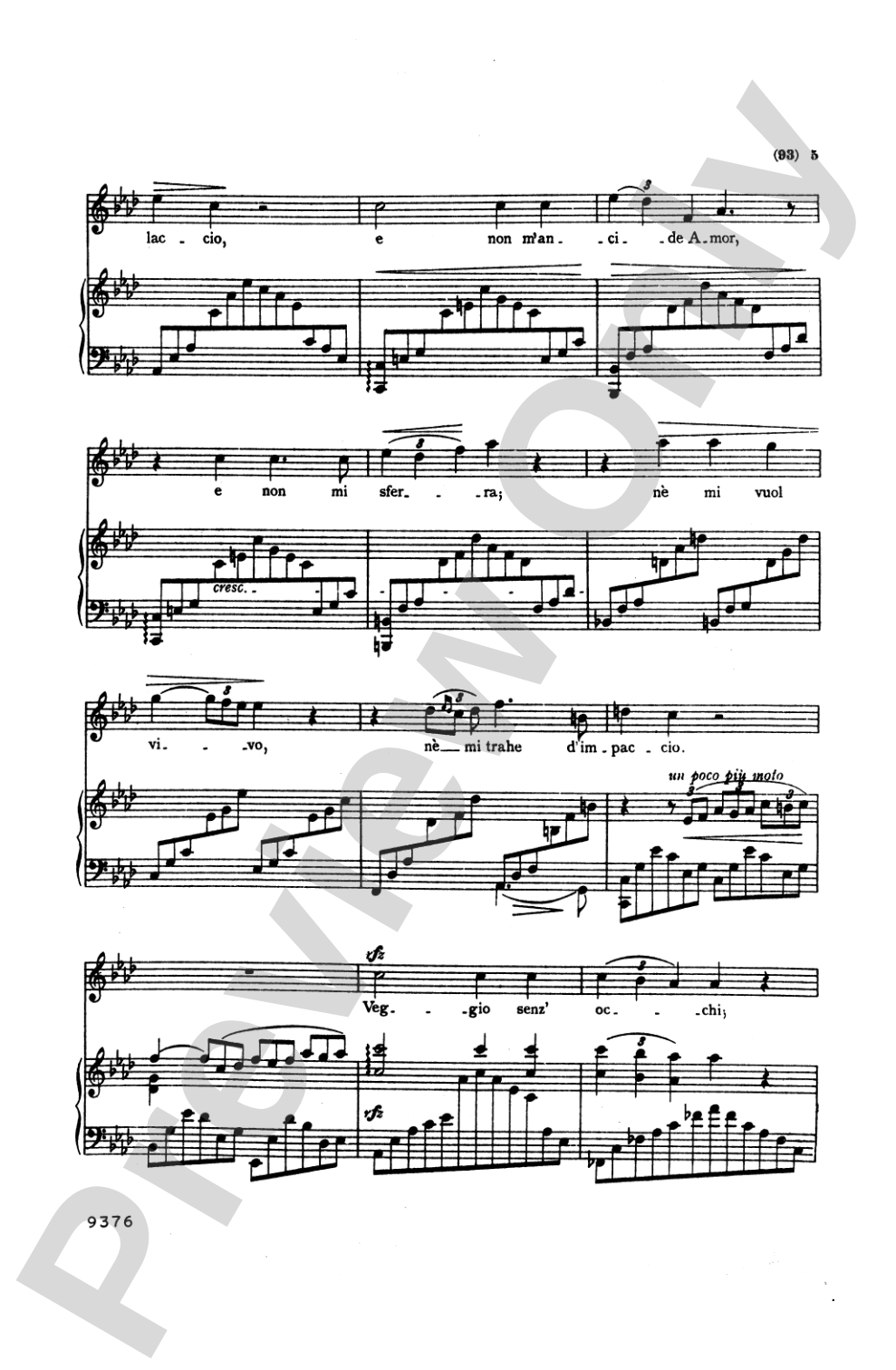
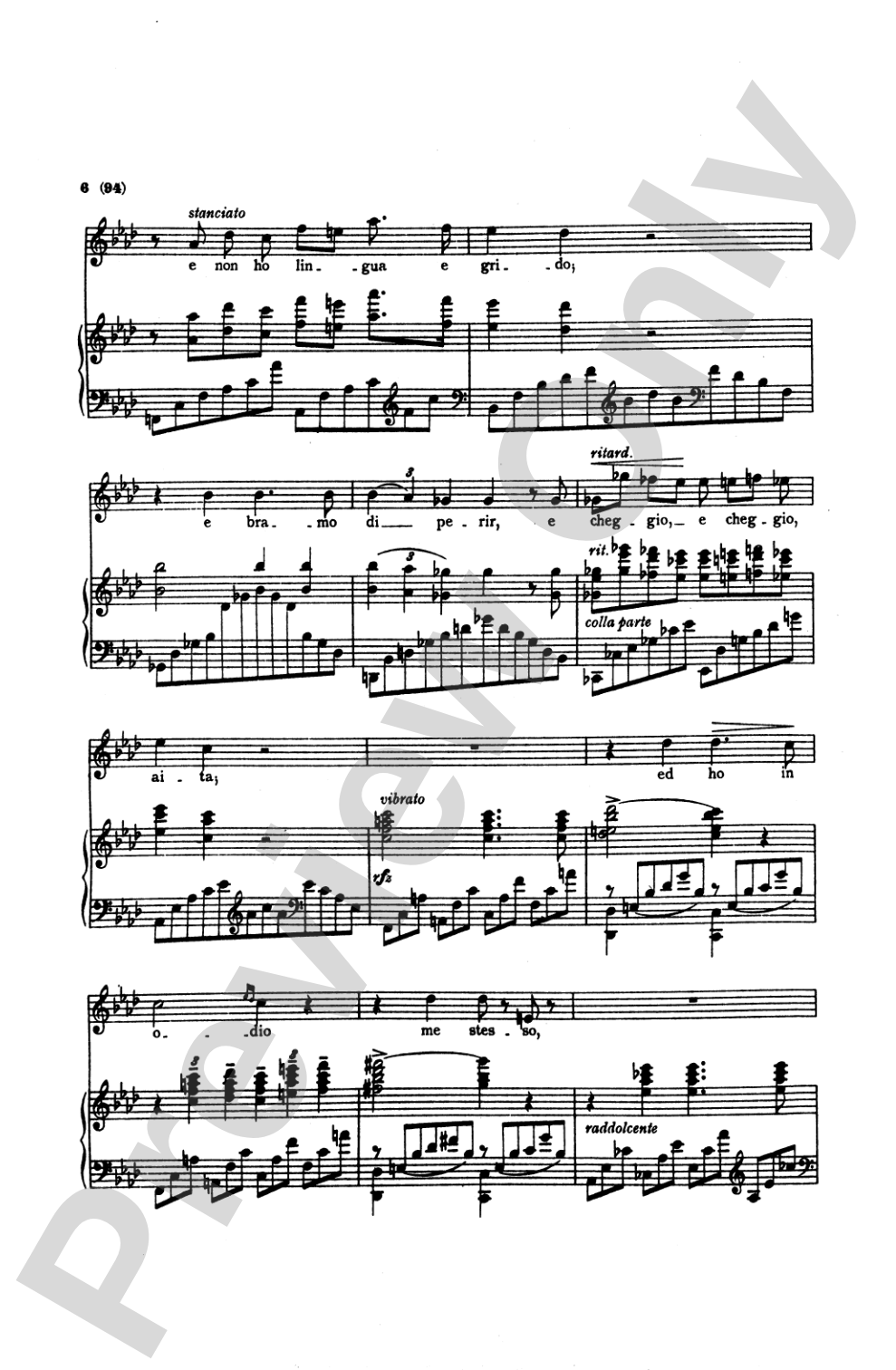
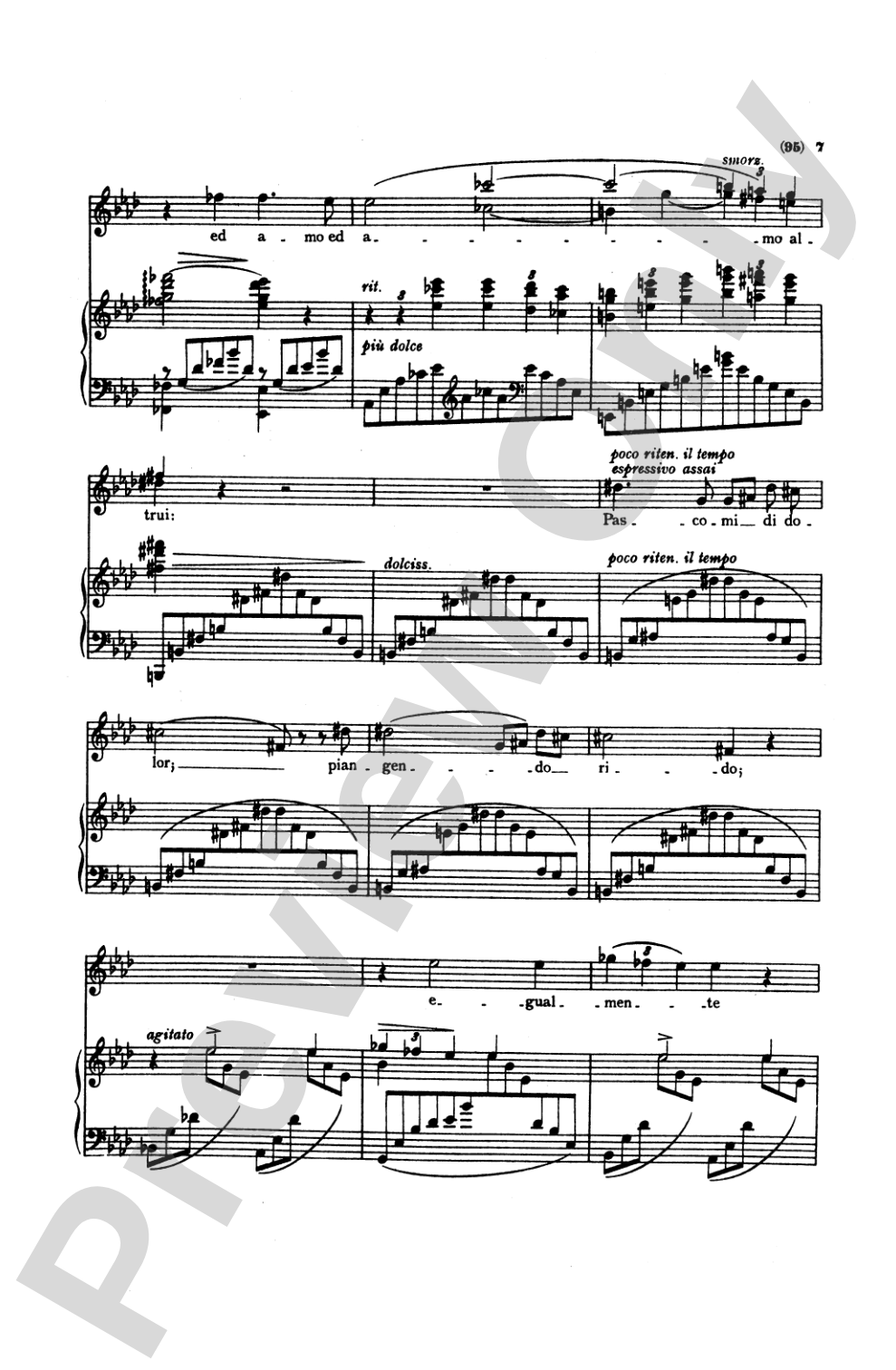
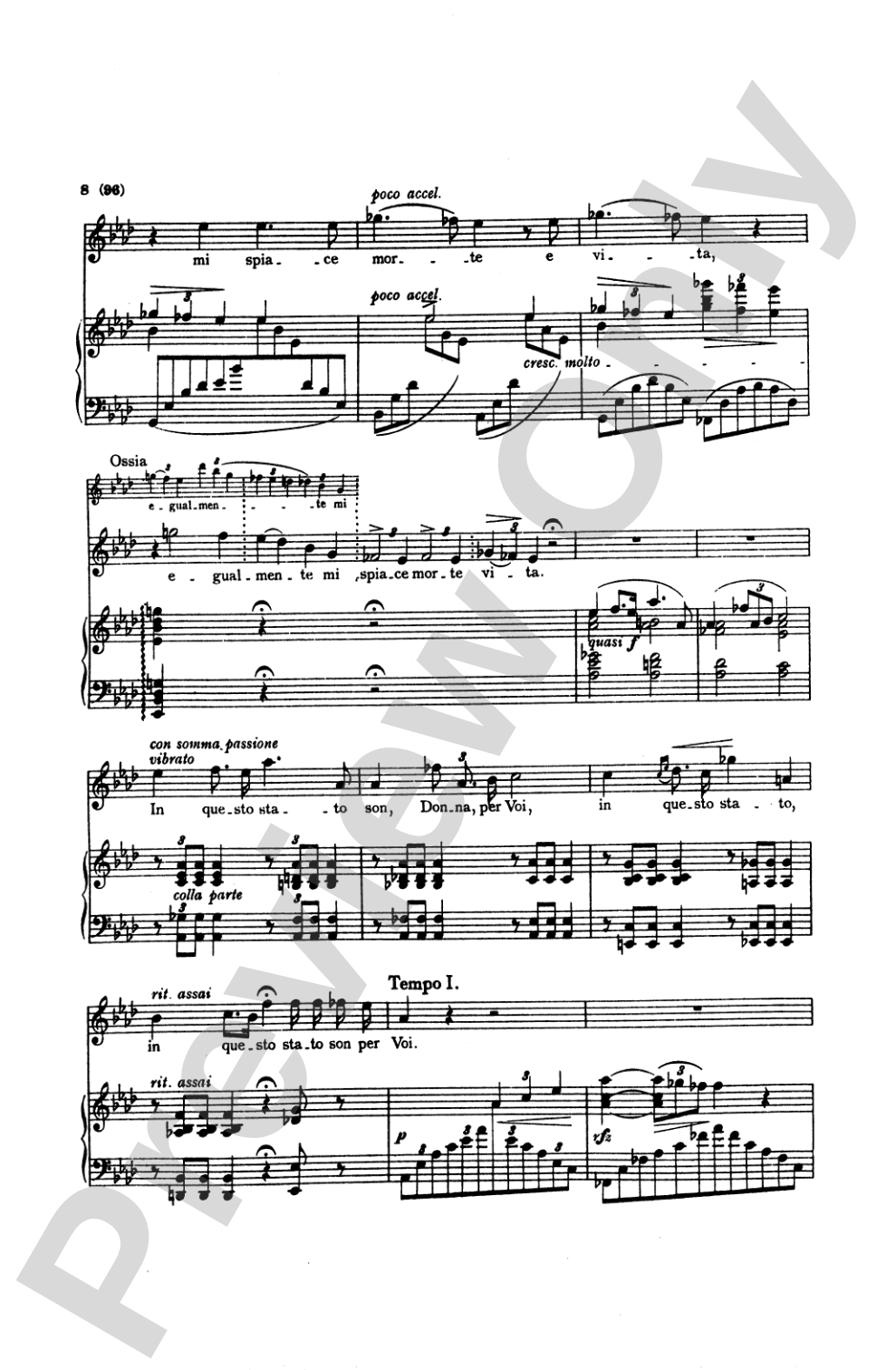
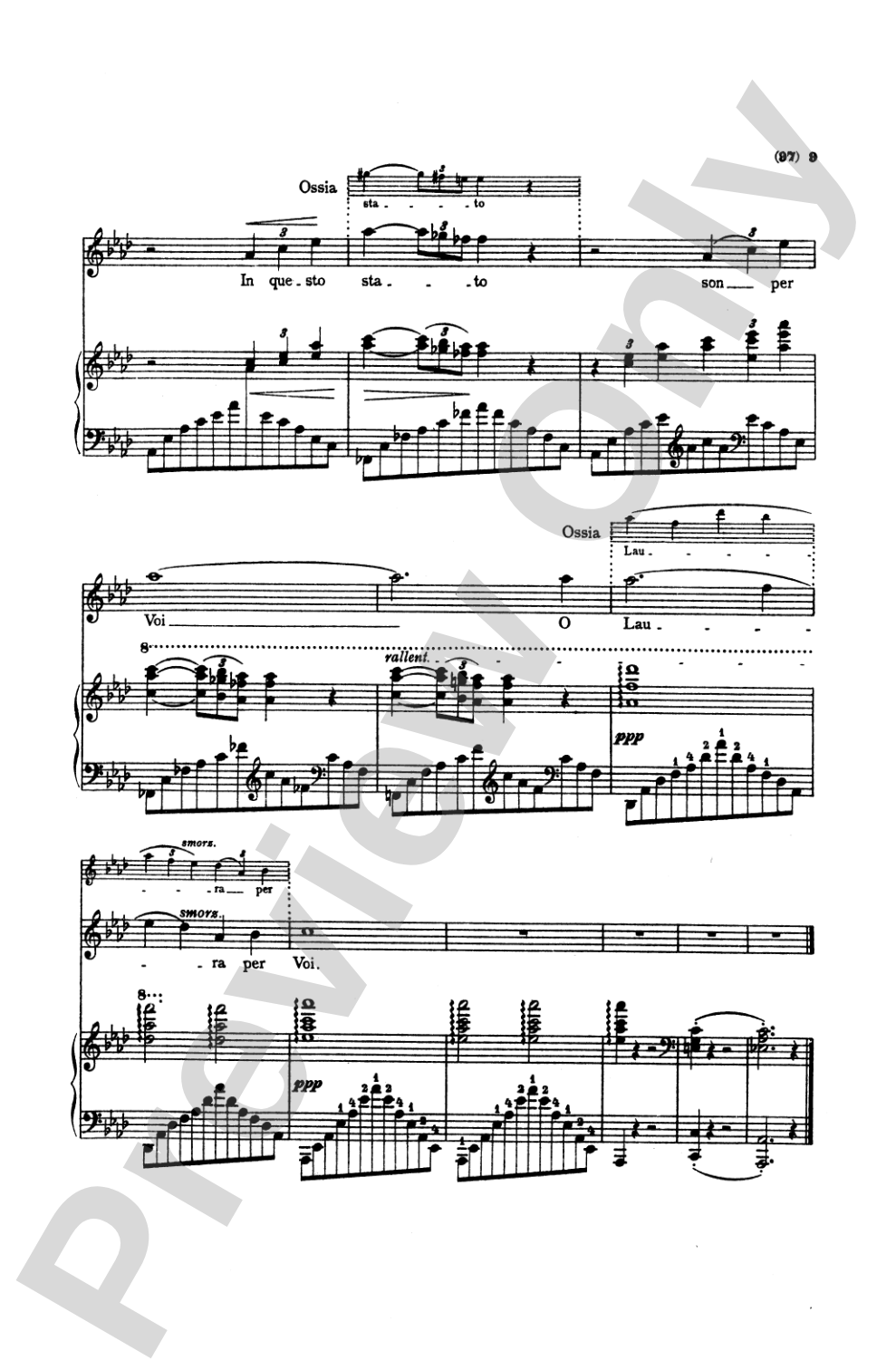

Liszt: Songs, Volume II, Nos. 14-25 (Italian or German): Vocal Book
By Franz Liszt
Item: 00-PK-0003732

$14.99
Pickup currently not available
Buy Extra Parts (Digital PDF Download)
Parts Added to Cart!
Related Items
Songs, Volume II (Nos. 14-25): Vocal Book |
$14.95
|
View |
Description
Eleven Songs from 1847-1849, including one in two settings. Eight songs to German texts, and the first versions of the three Petrarch Sonnets with Italian text.


Don't just read it, hear it, play along with it, and watch your students grow with it. In MakeMusic Cloud, Liszt: Songs, Volume II, Nos. 14-25 (Italian or German): Vocal Book comes alive with professional accompaniment, adjustable tempo, and built-in practice tools that turn solo practice into real progress.
Open in the Player
Jump straight in and assign it today.
Start Your Free Trial
Open this title and explore the full library in minutes.
Sample Audio
No sample audio found.
Sample Video
No sample videos found.
Additional Details
Series:
Kalmus Edition
Publisher:
Alfred Music
Page Count:
96
SKU:
00-PK-0003732
More about this title
About the Composer: Franz Liszt
Franz Liszt (1811-1886) was a virtuoso pianist and prolific composer whose innovations shaped Romantic music across multiple genres. His output ranged from dazzling keyboard works to ambitious symphonic poems, but his songs reveal a more intimate side of his genius: sophisticated harmonic language applied to poetry by Goethe, Heine, Petrarch, and other major European writers. Late in life, Liszt took minor orders in the Catholic Church and continued composing until his death, producing works of increasing spiritual depth alongside technically demanding concert pieces.
Listz's vocal writing demonstrates mastery of text-setting and emotional nuance. He understood how to balance the demands of virtuoso pianism with the primacy of the singer's line, creating accompaniments that illuminate rather than overshadow the poetry. His settings of German Romantic texts and Italian sonnets from this period (1847-1849) stand among the finest examples of nineteenth-century art song, rewarding singers who approach them with both technical security and interpretive maturity.
Why we love this
These eleven songs showcase Liszt at a compositional crossroads, moving toward greater harmonic freedom and emotional directness. The collection balances German Lied tradition with Italian text settings, offering singers substantive material that rewards deep musical preparation. Voices that can navigate Liszt's melodic contours and harmonic sophistication gain access to repertoire that sits comfortably between the standard nineteenth-century art song canon and rarely performed gems.
What to expect
These songs inhabit a richly chromaticized harmonic world where Romantic passion meets intellectual rigor. The Italian sonnets shimmer with lyrical warmth; the German settings often grapple with darker emotional terrain, supported by piano writing that ranges from intimate to rhapsodic.
Who it's for
Advanced amateur and professional singers preparing art song recitals or exploring Romantic vocal literature beyond the most frequently programmed composers. Voice students with secure technique and musical maturity can use these songs as a bridge between familiar German Lieder and more challenging twentieth-century repertoire.
How to get the most out of it
- Study the harmonic language carefully before rehearsing with piano; Liszt's chromaticism and unexpected chord progressions need secure grounding in understanding, not just ear training.
- Shape long phrases through textual meaning rather than breathing alone; let the poetry's argument carry the line across potential rest points.
- Balance projection with intimacy; these songs were composed for accomplished singers in chamber settings, not concert halls requiring constant volume.
- Work with the pianist on the relationship between vocal melody and accompaniment; Liszt's piano parts are never subordinate and often contain essential material that frames the voice's entrance.
How to use it
Build a recital around this volume by pairing it with other nineteenth-century song cycles or by presenting the three Petrarch Sonnets as a standalone group within a larger program. Alternatively, draw individual songs to complement thematic programming alongside works by Goethe-setting composers like Schubert and Brahms.
Skills your students will build
- Reading and interpreting complex harmonic progressions with chromatic voice leading
- Navigating extended vocal lines across multiple phrases without sacrificing textual clarity
- Communicating contrasting emotional content within a single song cycle
- Coordinating with a sophisticated piano part that demands equal interpretive engagement
- Applying knowledge of German and Italian prosody to shape musical phrasing