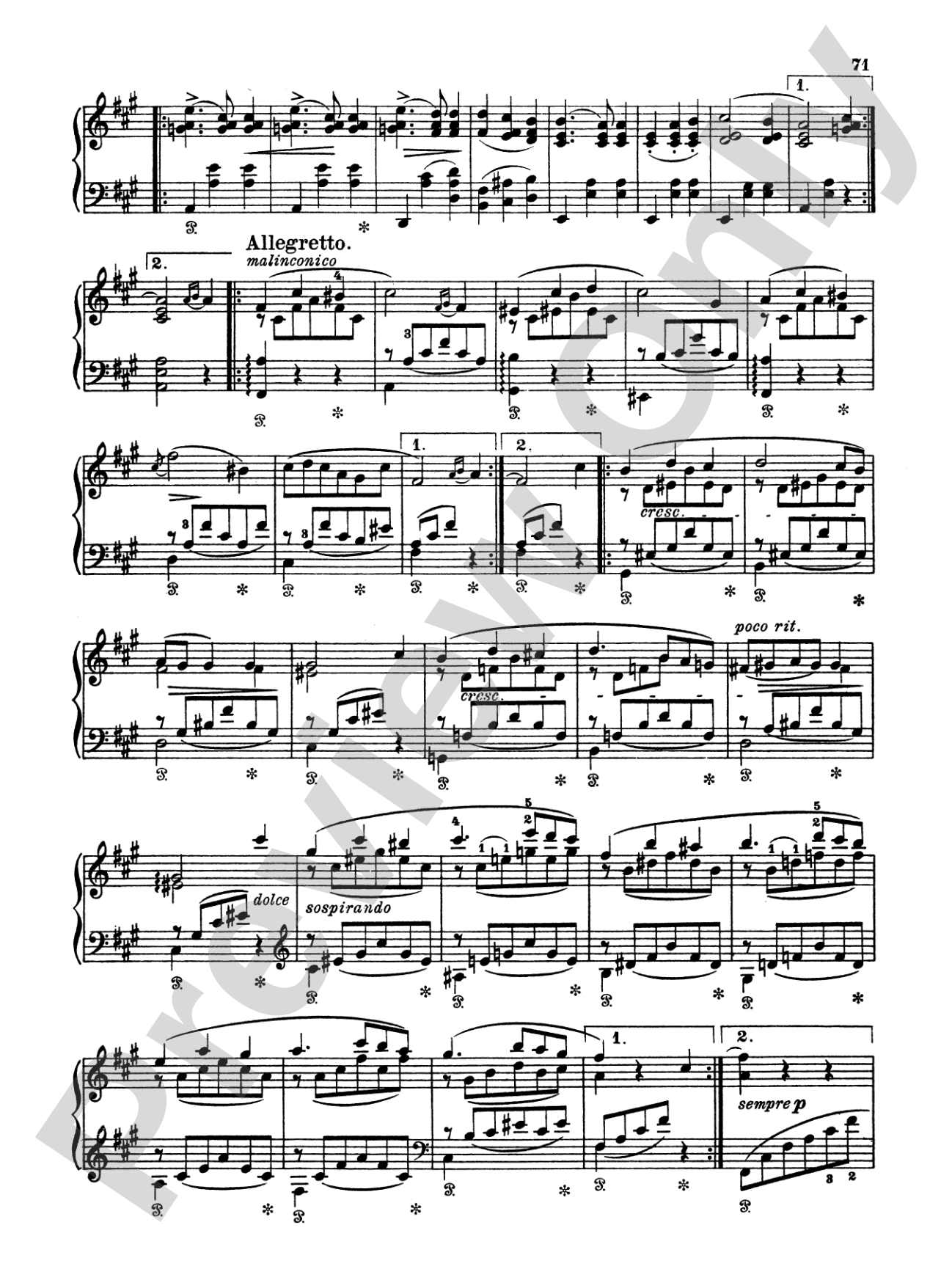
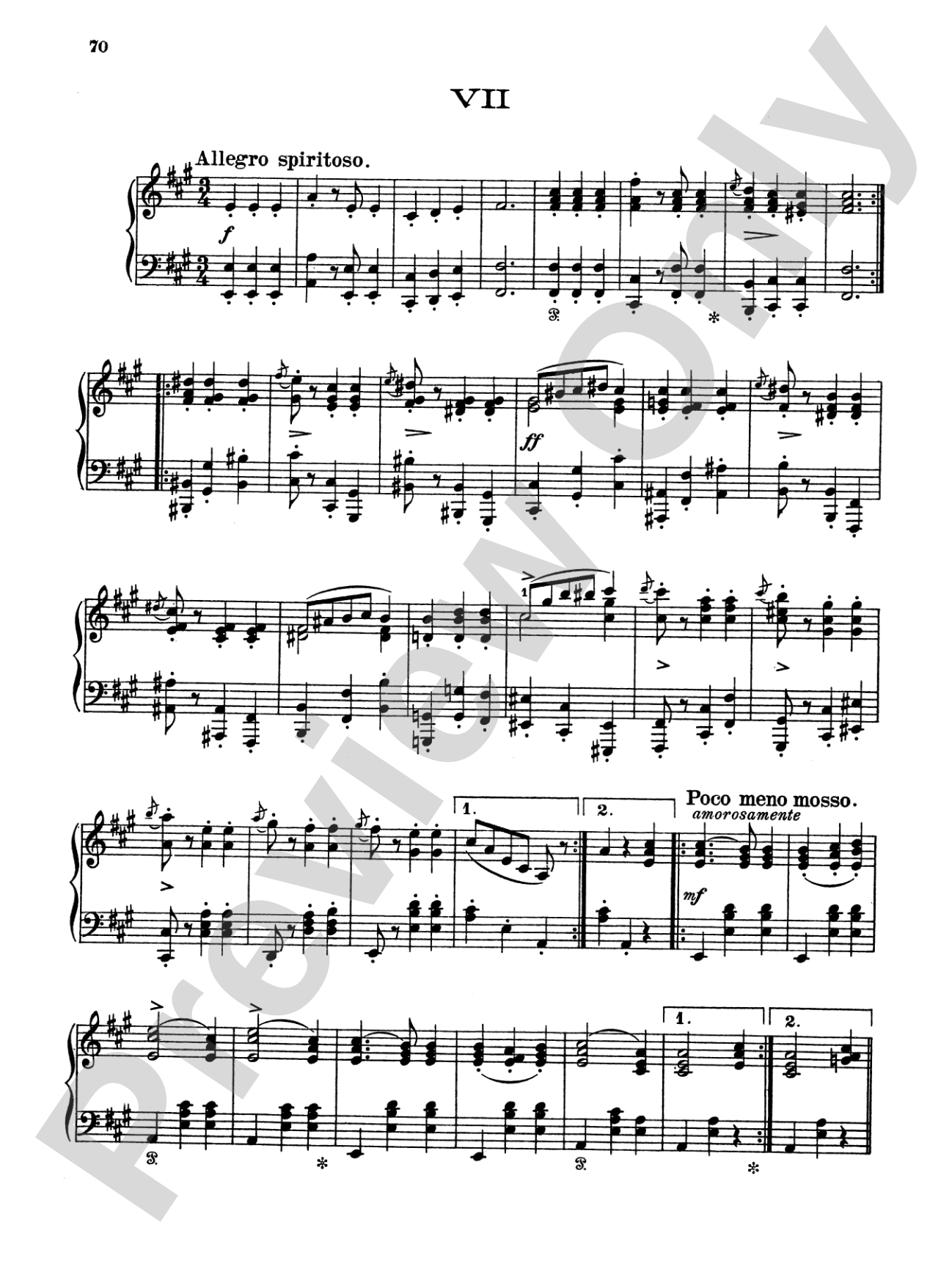
Liszt: Soirees de Vienne Sheet Music Preview

Liszt: Soirees de Vienne

By Franz Liszt

Level: Advanced

Item: 00-PC-0008292

Digital Download
$0.99
Description
Expertly arranged Piano Solo by Franz Liszt from the Kalmus Edition series. This Advanced Piano Solo is from the Romantic era.

Don't just read it, hear it, play along with it, and watch your students grow with it. In MakeMusic Cloud, Liszt: Soirees de Vienne comes alive with professional accompaniment, adjustable tempo, and built-in practice tools that turn solo practice into real progress.

Sample Audio
No sample audio found.
Sample Video
Additional Details
Series: Kalmus Edition
Publisher: Alfred Music
Page Count: 100
SKU: 00-PC-0008292

More about this title

About the Composer: Franz Liszt

Franz Liszt (1811-1886) transformed the piano from a supporting instrument into a vehicle for orchestral color and virtuosic expression. A Hungarian composer, conductor, and pianist, he pioneered the symphonic poem, advanced harmonic language, and techniques that pushed pianists to their technical and interpretive limits. His work bridged Romanticism and modernism, influencing generations of composers and establishing the modern piano repertoire.

Liszt's legacy in music education extends beyond his compositions. His willingness to explore unconventional harmonies, cross-rhythmic structures, and programmatic content opened doors for later composers and continues to challenge advanced pianists to develop both technical mastery and musical sophistication.

Why we love this

Soirees de Vienne captures Liszt at his most pianistically imaginative, transforming Viennese dance material into a showcase for color, texture, and virtuosity. The collection demonstrates how advanced pianists can extract concert-hall drama from salon music, making it an ideal choice for recitals that demand technical brilliance without sacrificing elegance.

What to expect

Liszt's Soirees de Vienne blend aristocratic elegance with unbridled pianistic flair. Waltzes and other social dances shimmer and spiral through ornate figuration, sudden key shifts, and dramatic dynamic contrasts, creating a world of Viennese glamour filtered through a virtuoso's imagination.

Who it's for

Advanced pianists preparing recital programs that showcase Romantic virtuosity and compositional sophistication. This collection appeals to students who have mastered technical fundamentals and are ready to engage with Liszt's harmonic language, textural innovations, and interpretive demands.

How to get the most out of it

  • Attend to Liszt's pedal markings as structural devices; they shape color and harmonic resonance, not merely sustain. Experiment with half-pedal and flutter-pedal techniques to achieve the crystalline textures Liszt intended.
  • Balance rhetorical timing with rhythmic precision. These pieces thrive on rubato, but the underlying pulse must remain audible to listeners; record yourself to verify the architecture remains clear beneath expressive freedom.
  • Develop independence between the hands. Liszt frequently writes intricate figuration that demands one hand to maintain steady rhythmic movement while the other shapes lyrical or decorative material above it.
  • Distinguish between passages marked for brilliance and those calling for intimacy. The collection shifts emotional registers frequently; make these transitions audible through changes in tone production and articulation.

How to use it

These pieces excel in all-Liszt recitals or as centerpieces in programs exploring Romantic piano literature. They work equally well as showpieces that display a student's technical achievement or as deeper repertoire in a recital built around the theme of dance and salon culture.

Skills your students will build

  • Pedal control as a compositional and coloristic tool
  • Rapid passage work and finger independence across multiple registers
  • Rubato and rhetorical phrasing within structured harmonic progressions
  • Interpretation of Romantic-era notation and expressive markings
  • Hand coordination in texturally complex passages
  • Character distinction across multiple contrasting movements

You May Also Like