
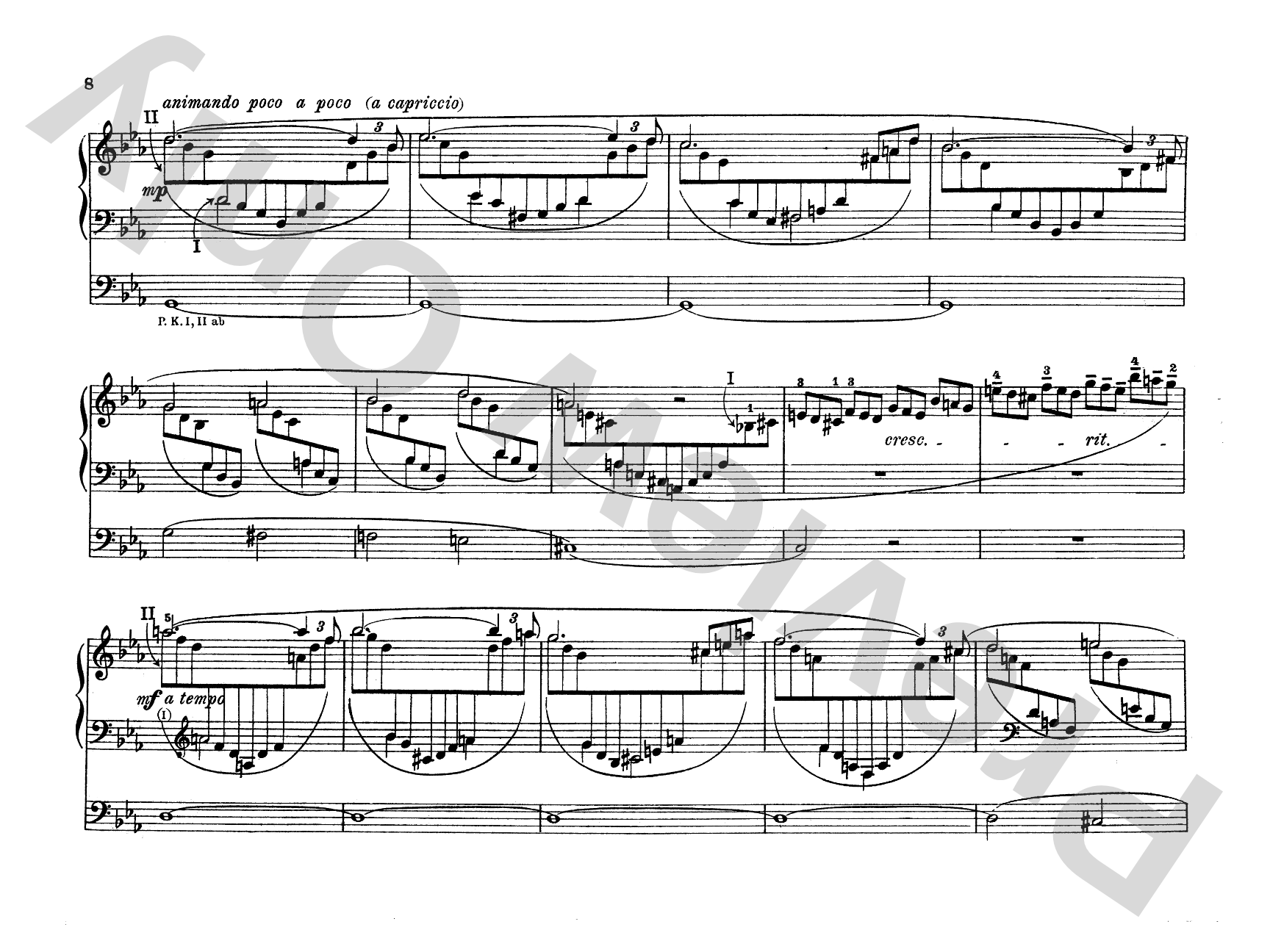
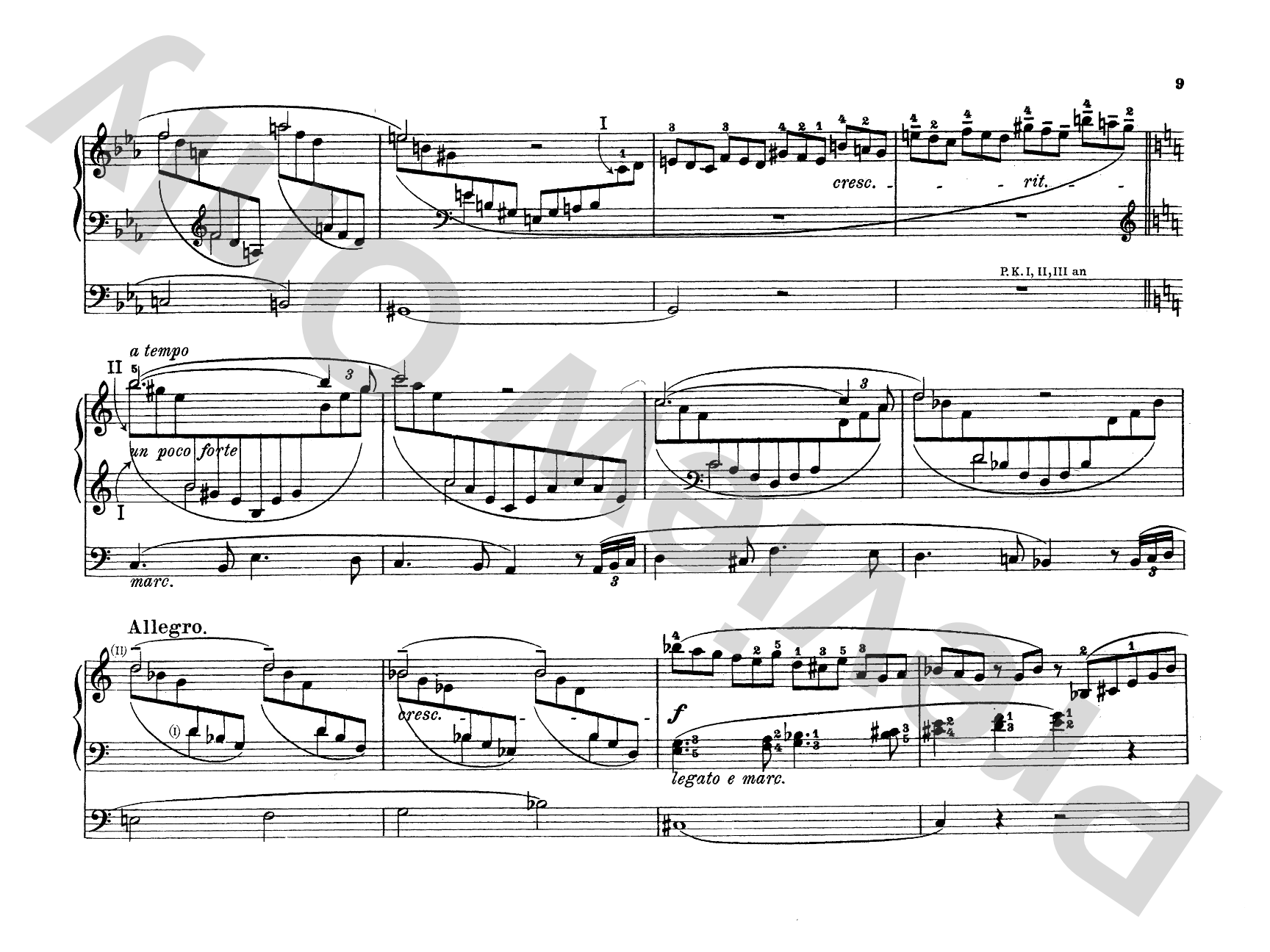
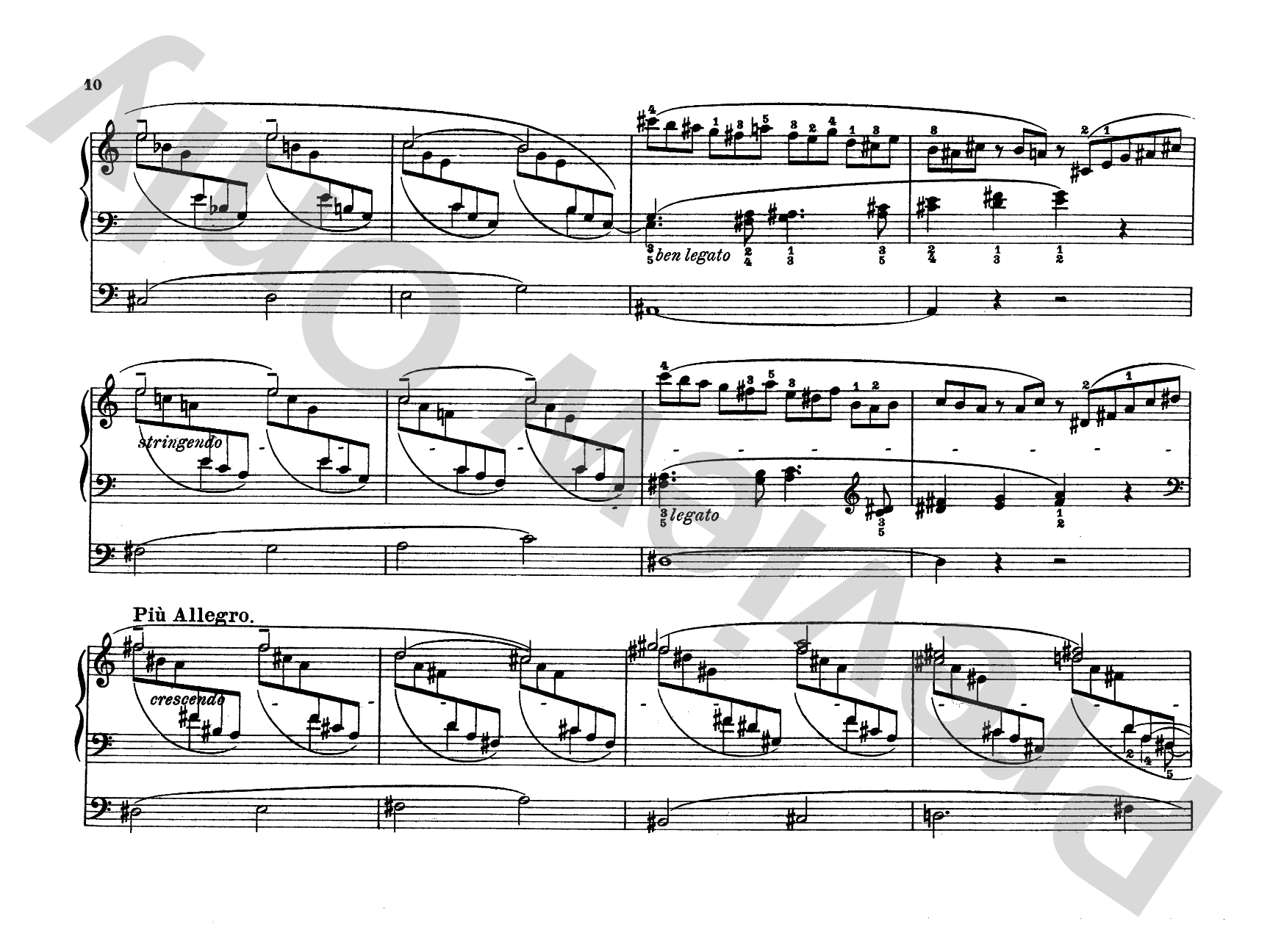
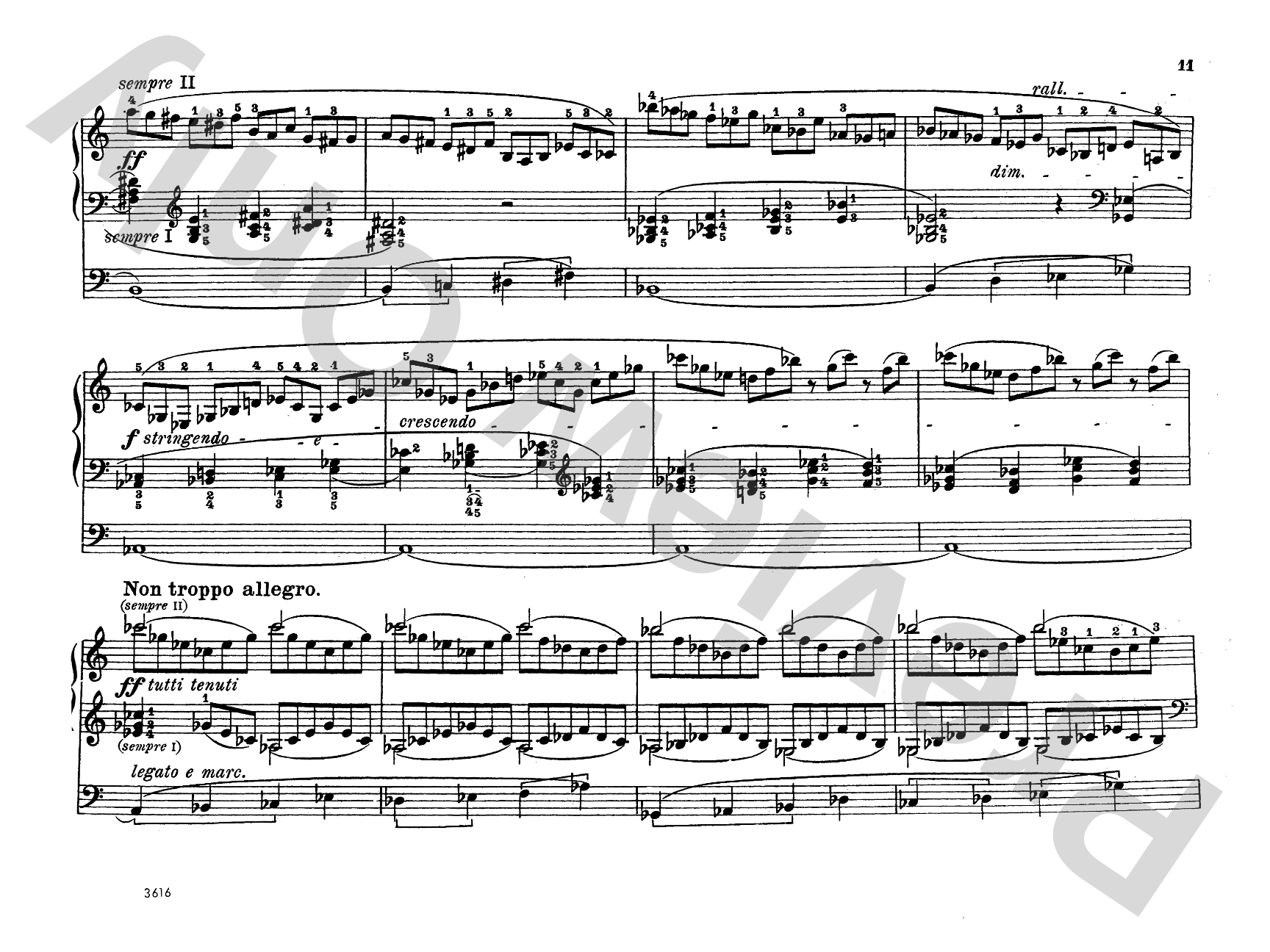

Liszt: Organ Works, Volume II
By Franz Liszt
Item: 00-PC-0008209
$1.95
Pickup currently not available
Description
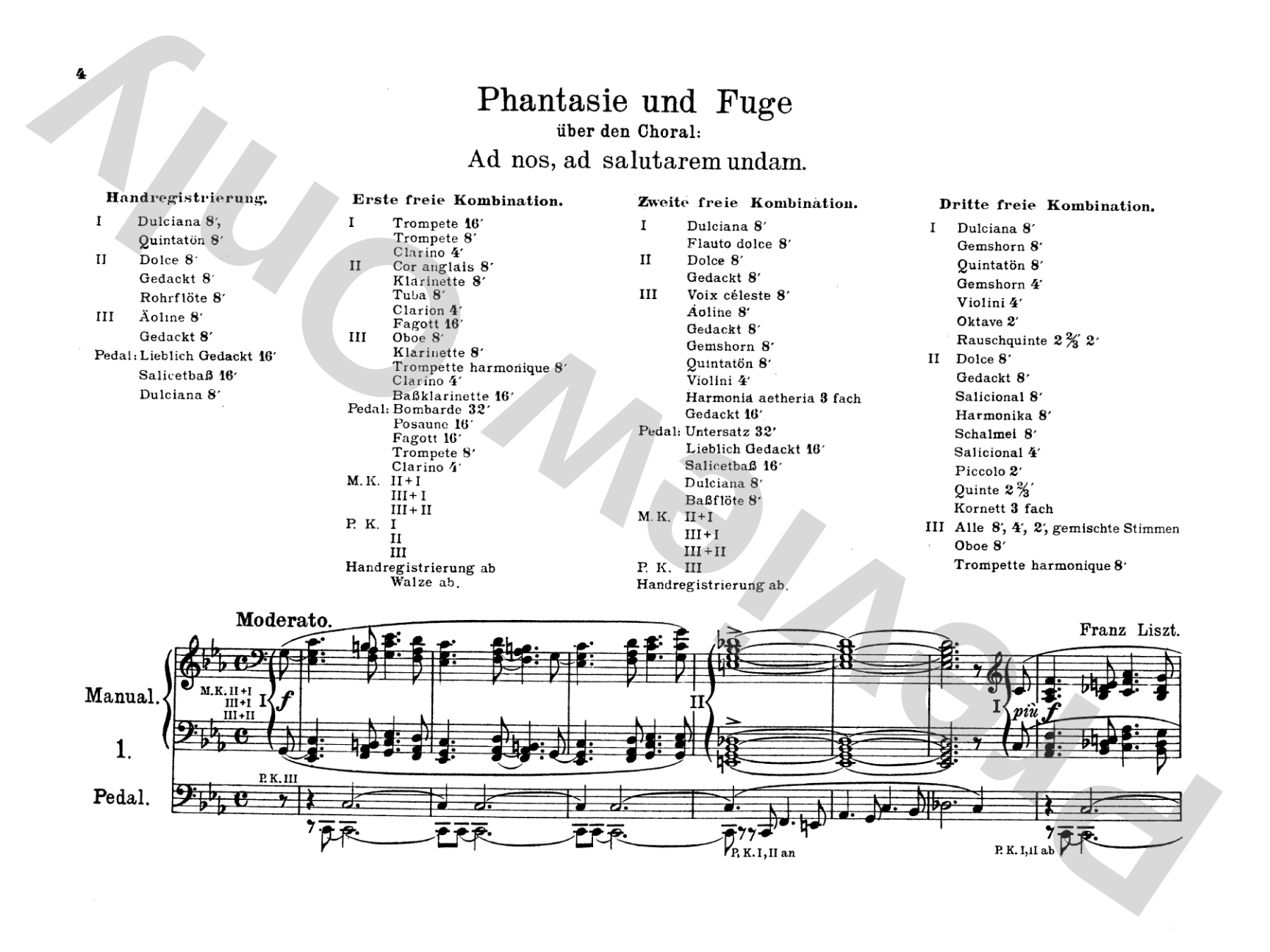
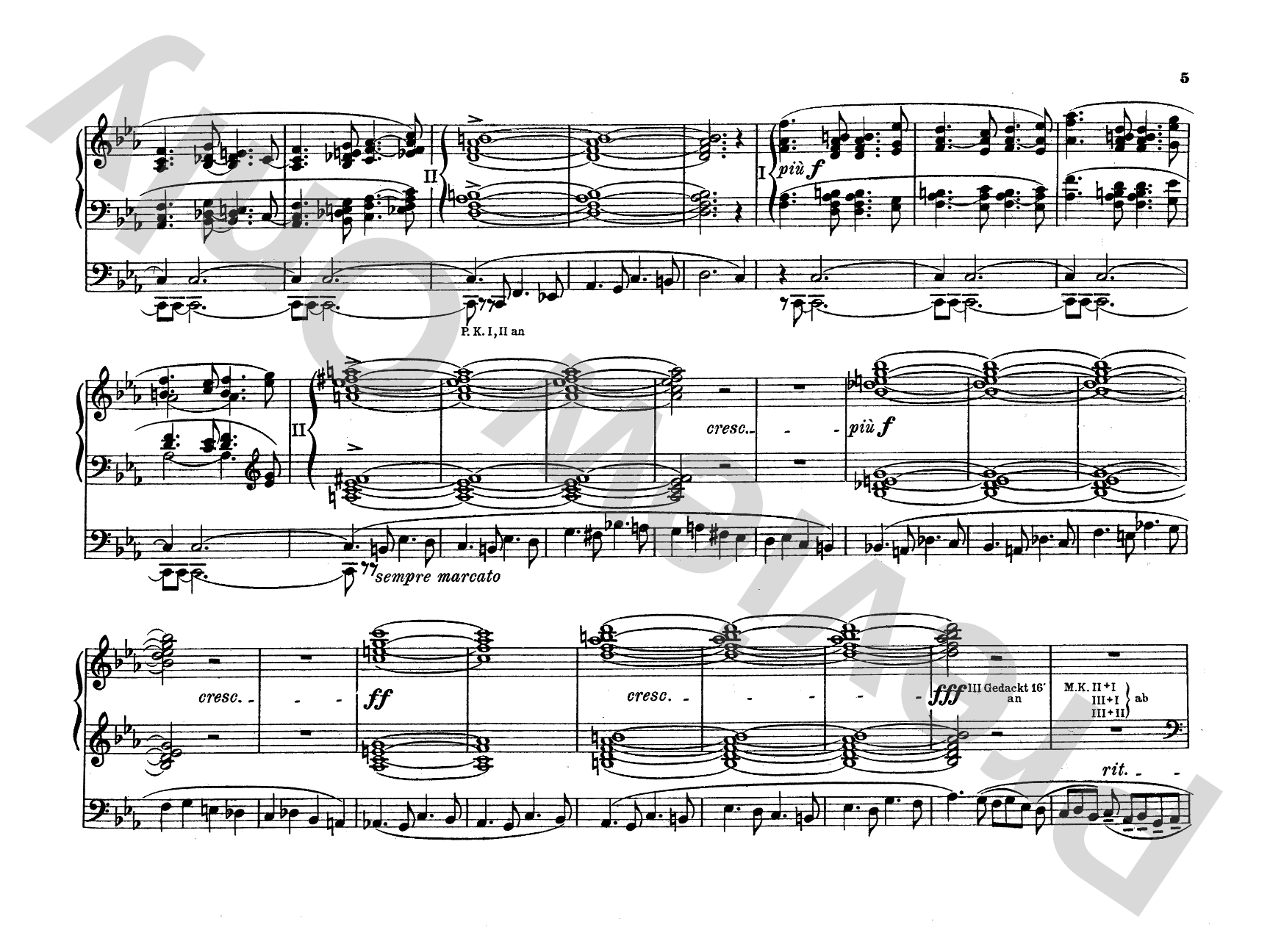
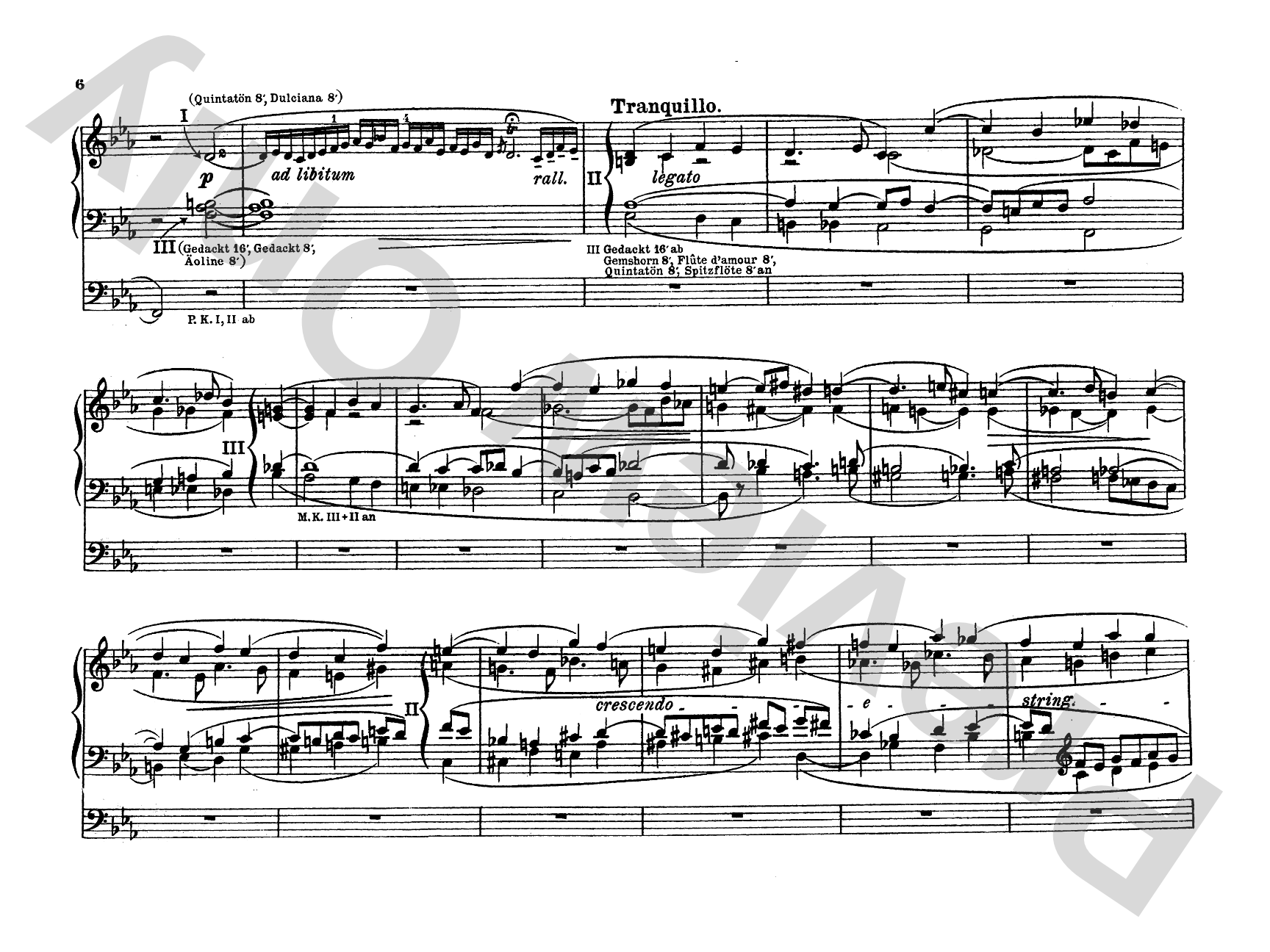
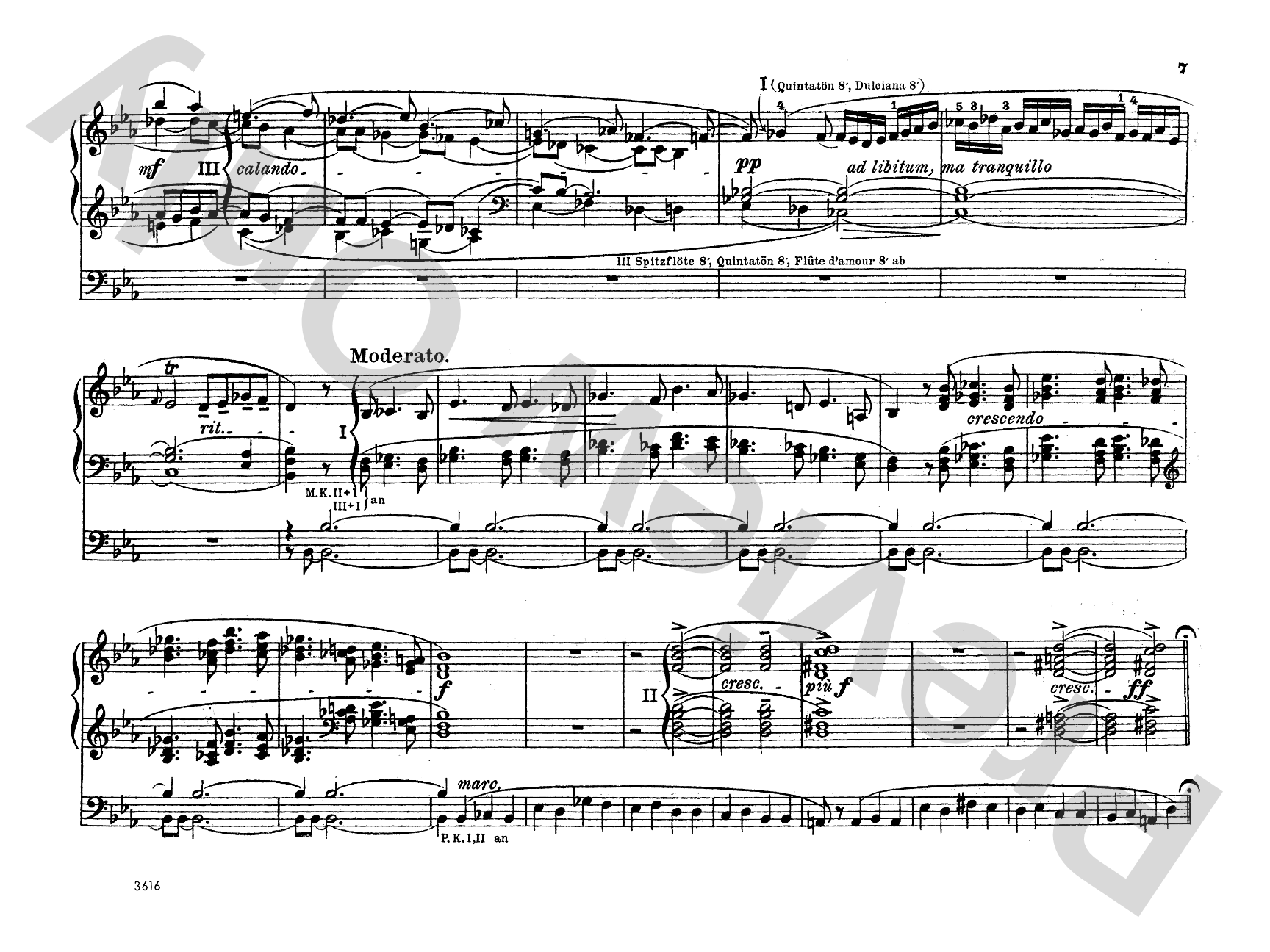
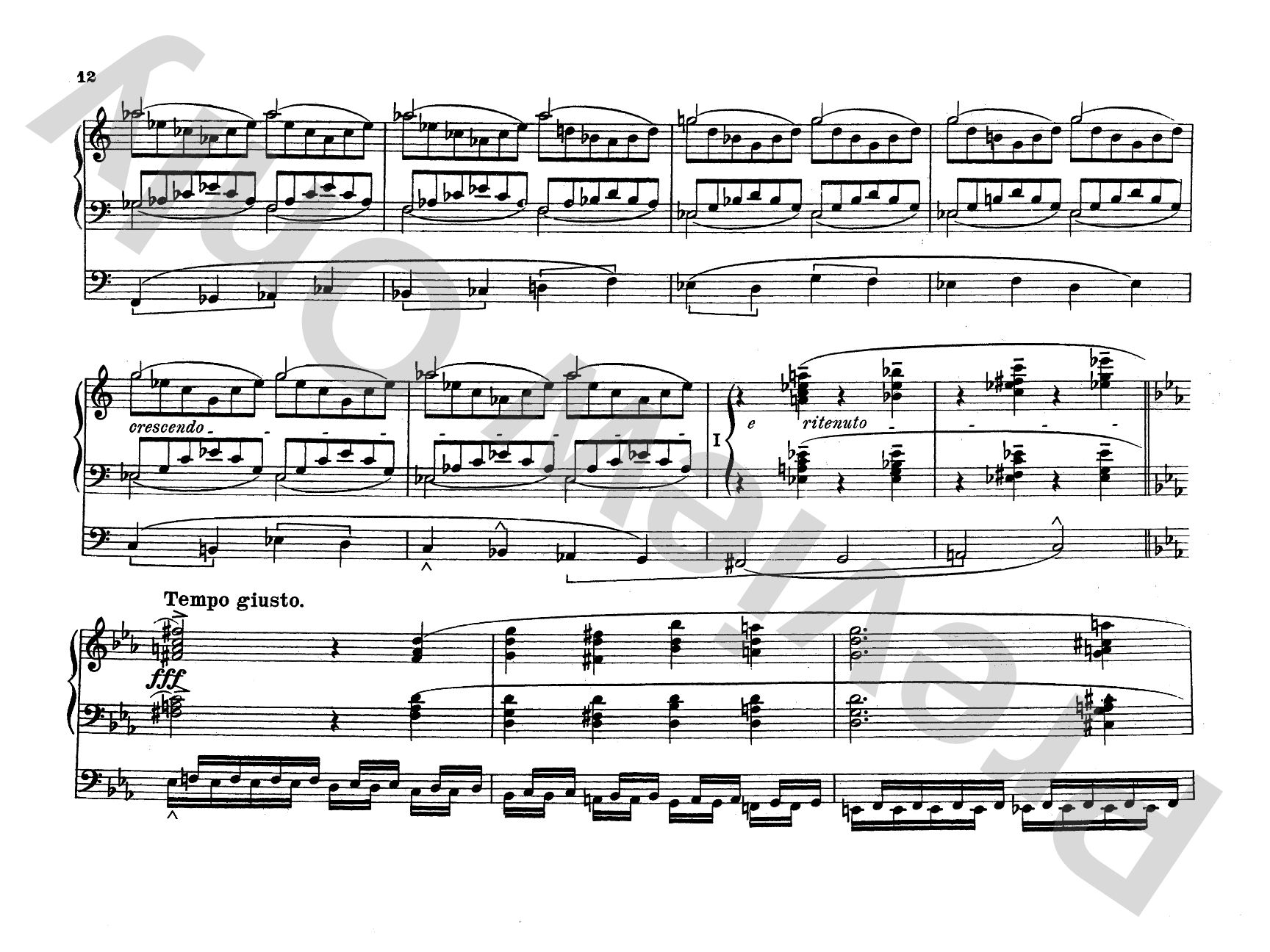
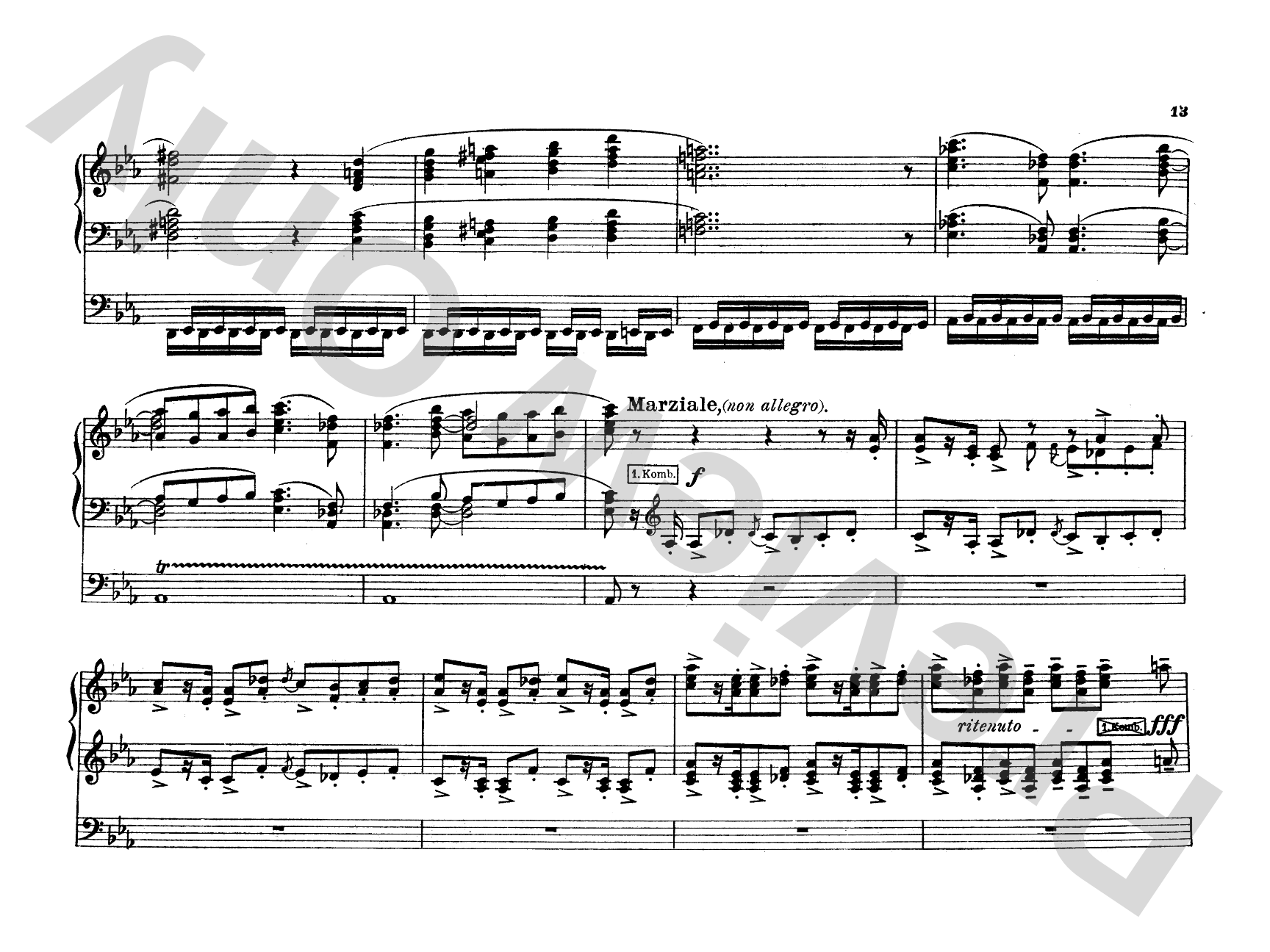
Titles: Phantasie und Fuge * Praeludium und Fuge über B-A-C-H * Adagio * Kirchen-Hymne: Salve Regina * Kirchen-Hymne: Ave maris stella * Mess * Requiem * Zur Trauung.


Don't just read it, hear it, play along with it, and watch your students grow with it. In MakeMusic Cloud, Liszt: Organ Works, Volume II comes alive with professional accompaniment, adjustable tempo, and built-in practice tools that turn solo practice into real progress.
Open in the Player
Jump straight in and assign it today.
Start Your Free Trial
Open this title and explore the full library in minutes.
Sample Audio
No sample audio found.
Sample Video
No sample videos found.
Additional Details
Series:
Kalmus Edition
Publisher:
Alfred Music
Page Count:
108
SKU:
00-PC-0008209
More about this title
About the Composer: Franz Liszt
Franz Liszt (1811-1886) was a Hungarian composer and pianist whose technical innovations and harmonic experimentation reshaped nineteenth-century music. Beyond his legendary virtuosity at the keyboard, Liszt composed across virtually every genre, from symphonic poems to choral works to sacred music, often blending Romantic drama with spiritual depth.
Listzt's organ compositions represent a vital but sometimes overlooked dimension of his output. Written across different periods of his life, these works demand both technical command and interpretive maturity, making them essential study for organists seeking to expand their repertoire beyond the Baroque and German Romantic traditions.
Why we love this
This collection gathers Liszt's most significant organ works in a single, practical score, eliminating the need to hunt for individual publications scattered across different editions. The range spans from the architecturally ambitious Praeludium und Fuge über B-A-C-H to intimate sacred hymn settings, offering organists genuine variety in style and technical demand. These pieces reward the performer who brings both virtuosity and contemplative sensitivity to the bench.
What to expect
Liszt's organ writing balances Romantic excess with structural rigor, creating soundscapes that shift between intimate devotion and overwhelming grandeur. These pieces evoke medieval spiritual architecture one moment and surge with nineteenth-century harmonic daring the next, demanding an organist who can navigate both reverence and virtuosity.
Who it's for
Organists with solid technical facility and intermediate-to-advanced interpretive experience will find this collection both rewarding and challenging. These works suit recital programming, liturgical settings, and competition preparation for players ready to move beyond standard pedagogical repertoire.
How to get the most out of it
- Study the harmonic language carefully before tackling tempo. Liszt's chromaticism and unexpected modulations require secure harmonic grounding; rushing through these pieces obscures their structural logic.
- Balance registrational variety with textural clarity. The organ's possibilities for color tempt players to constantly change stops, but restraint often serves Liszt's architecture better than constant mutation.
- Treat the pedal parts as independent melodic voices rather than accompaniment. These works often demand equal weight between hands and feet; neglecting the pedal undermines the compositional design.
- Approach the hymn settings with restraint. Despite Liszt's reputation for grandeur, pieces like Ave maris stella benefit from transparent, almost modal simplicity in registration and tempo.
How to use it
The sacred works (Salve Regina, Ave maris stella, Requiem, Zur Trauung) integrate naturally into liturgical or memorial concerts, while the more ambitious Praeludium und Fuge über B-A-C-H and Phantasie und Fuge serve as centerpieces for recitals showcasing advanced organ writing. Pairing these with contemporary organ composers or with other Liszt keyboard works creates compelling thematic programming.
Skills your students will build
- Managing complex harmonic language and chromatic voice-leading unique to mid-nineteenth-century organ composition
- Coordinating independent melodic lines across manual and pedal divisions
- Developing sensitivity to registrational color as a structural and emotional tool
- Navigating contrasting formal designs from tightly structured fugues to freely developed rhapsodic passages
- Interpreting liturgical and devotional contexts with appropriate reverence and musical architecture