
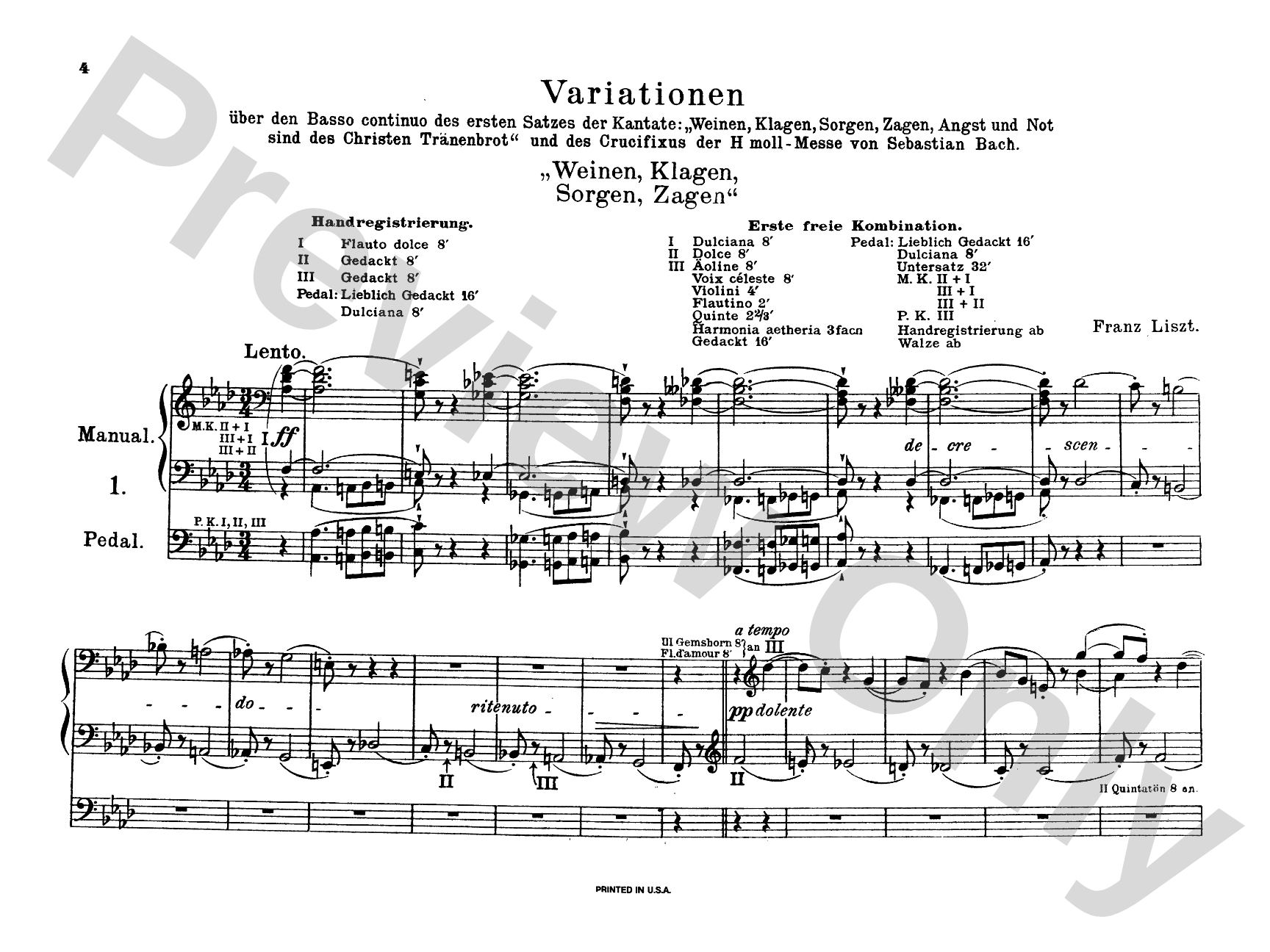
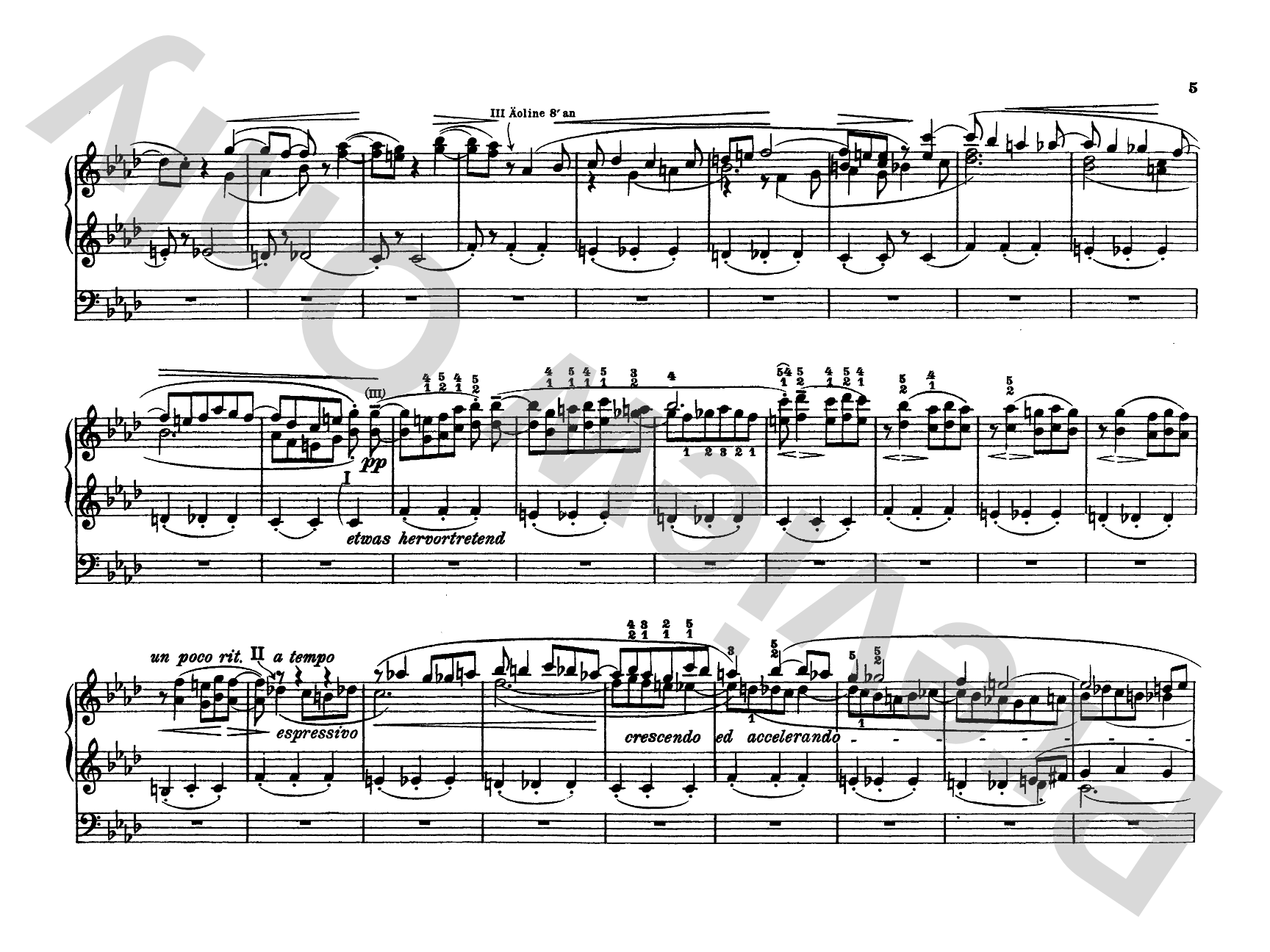
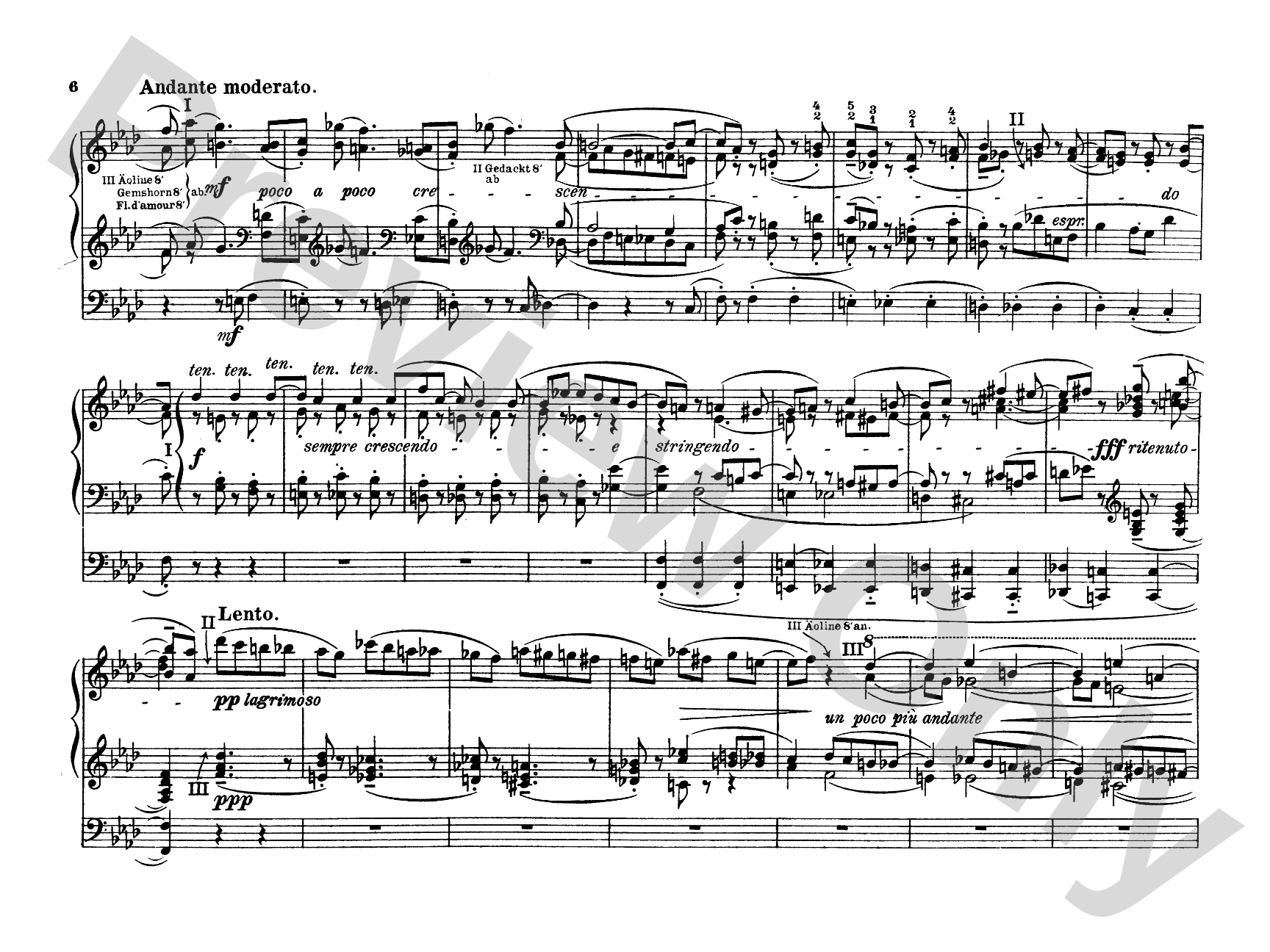
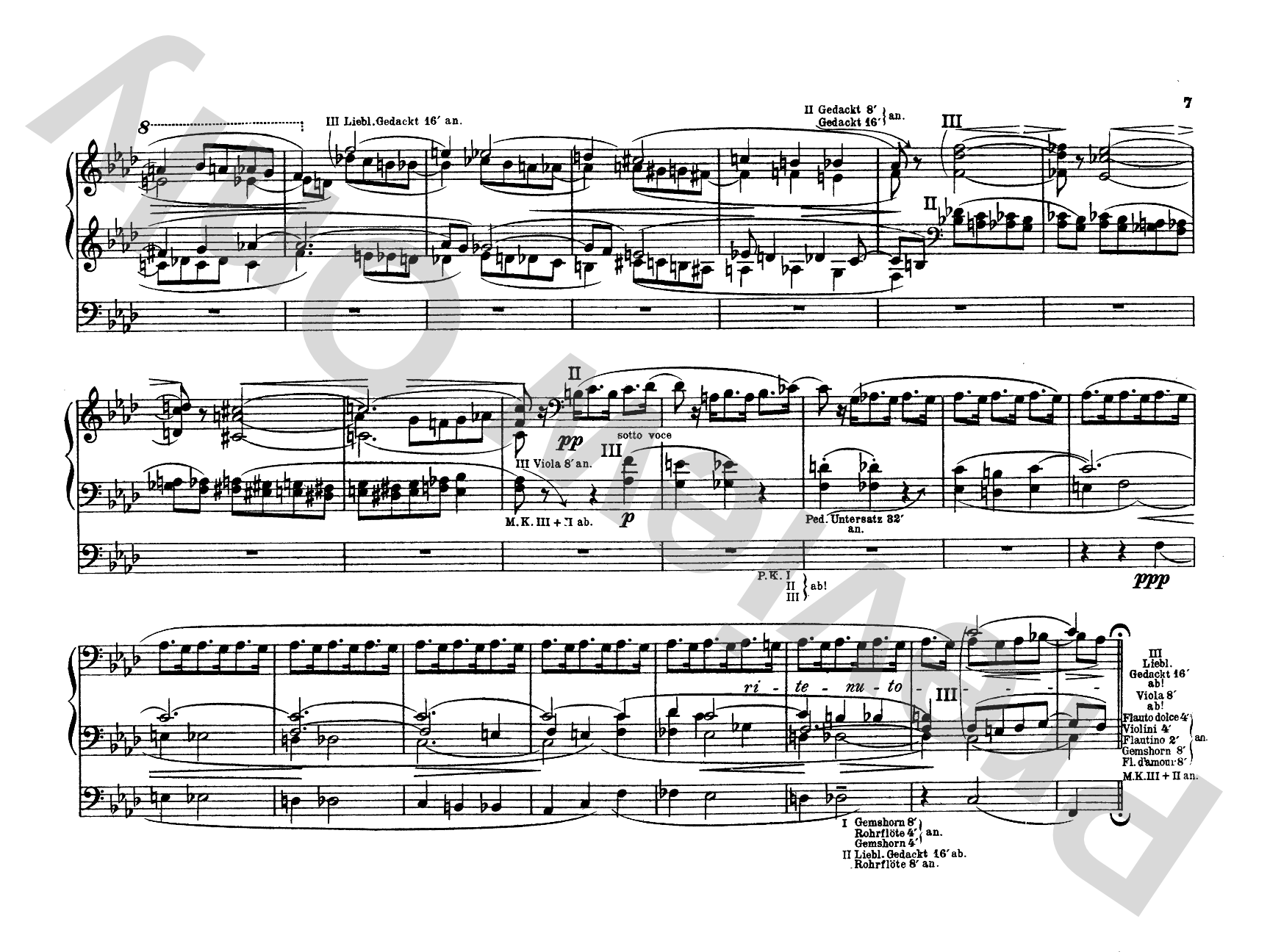
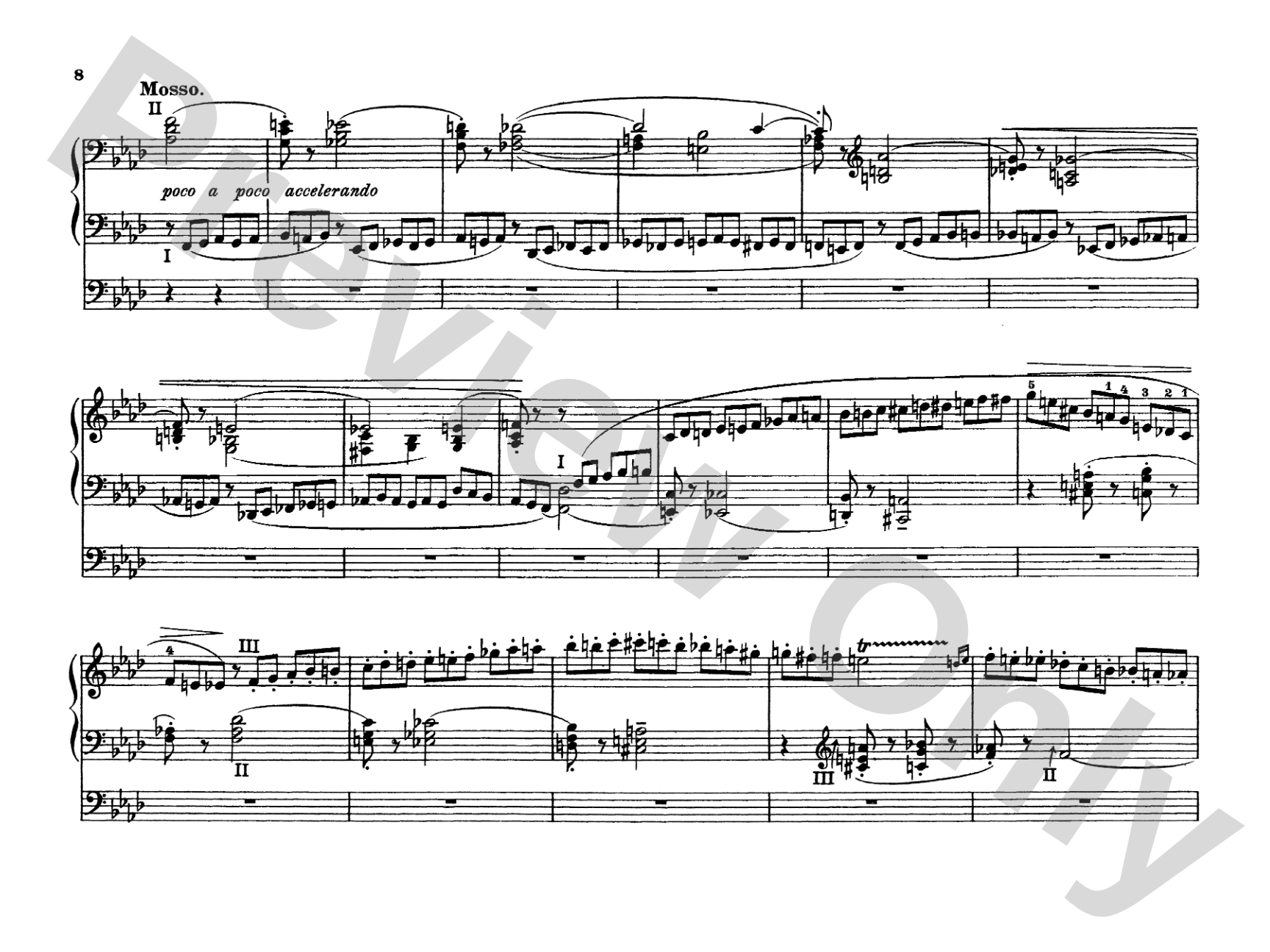
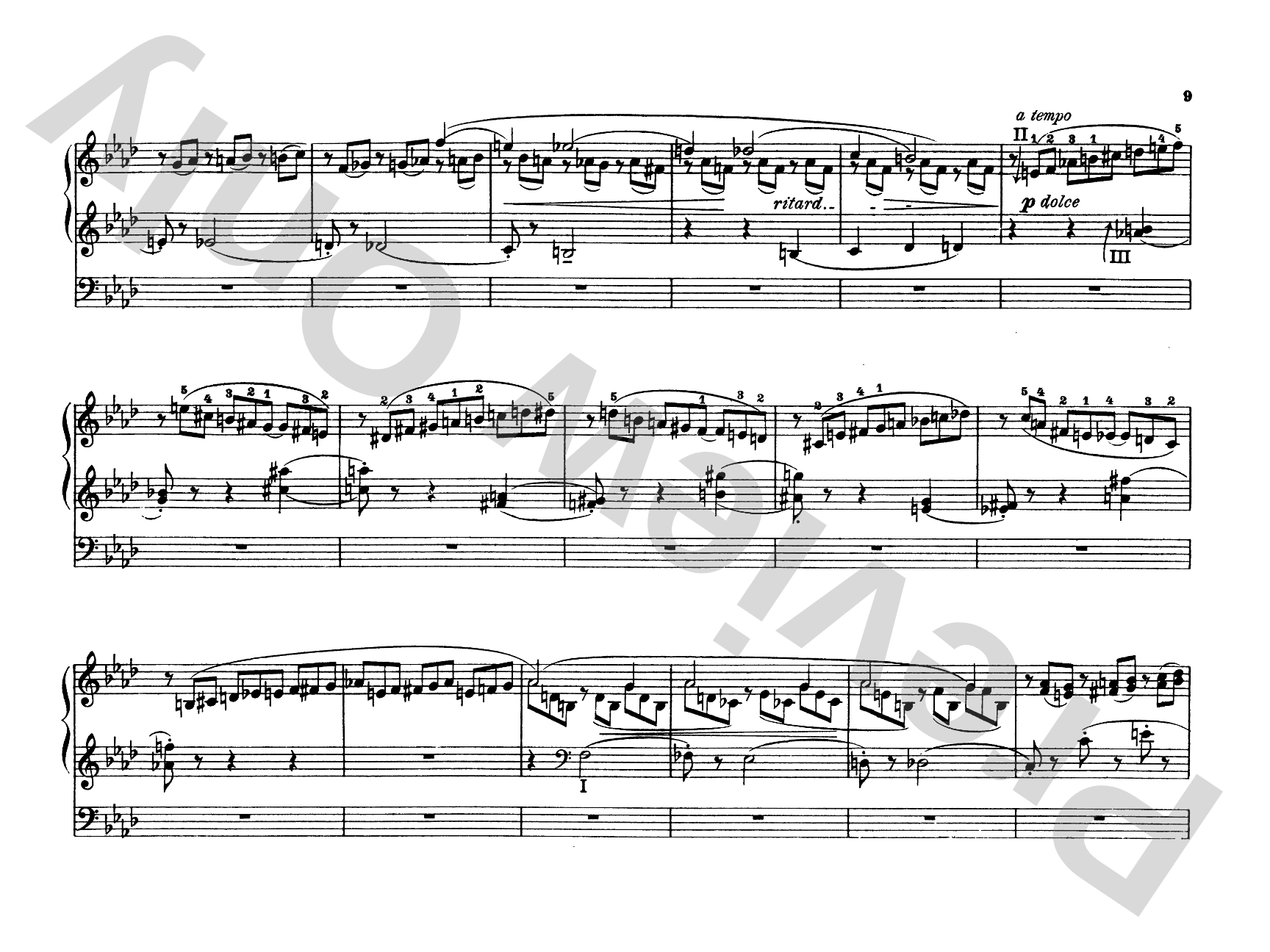
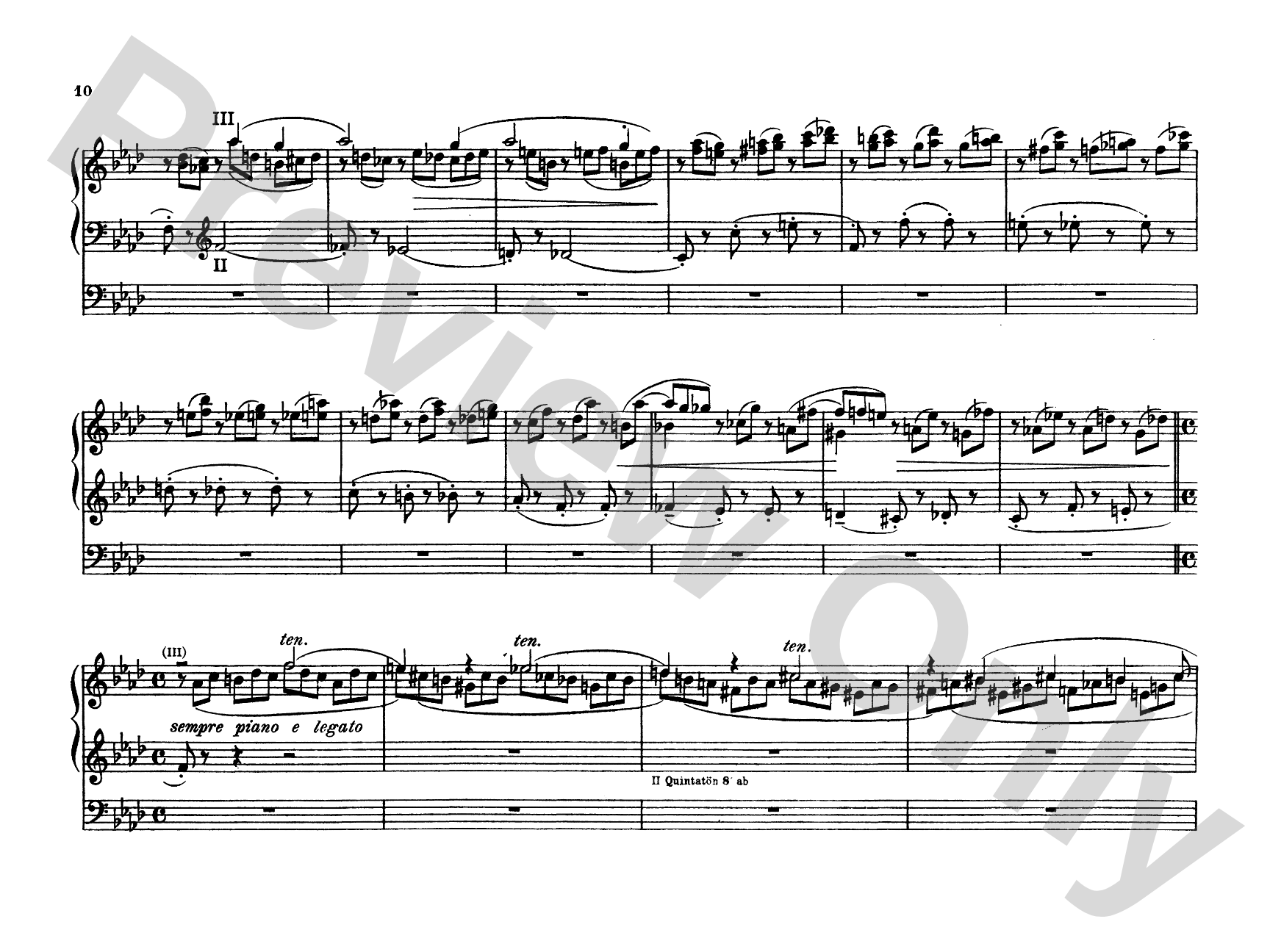
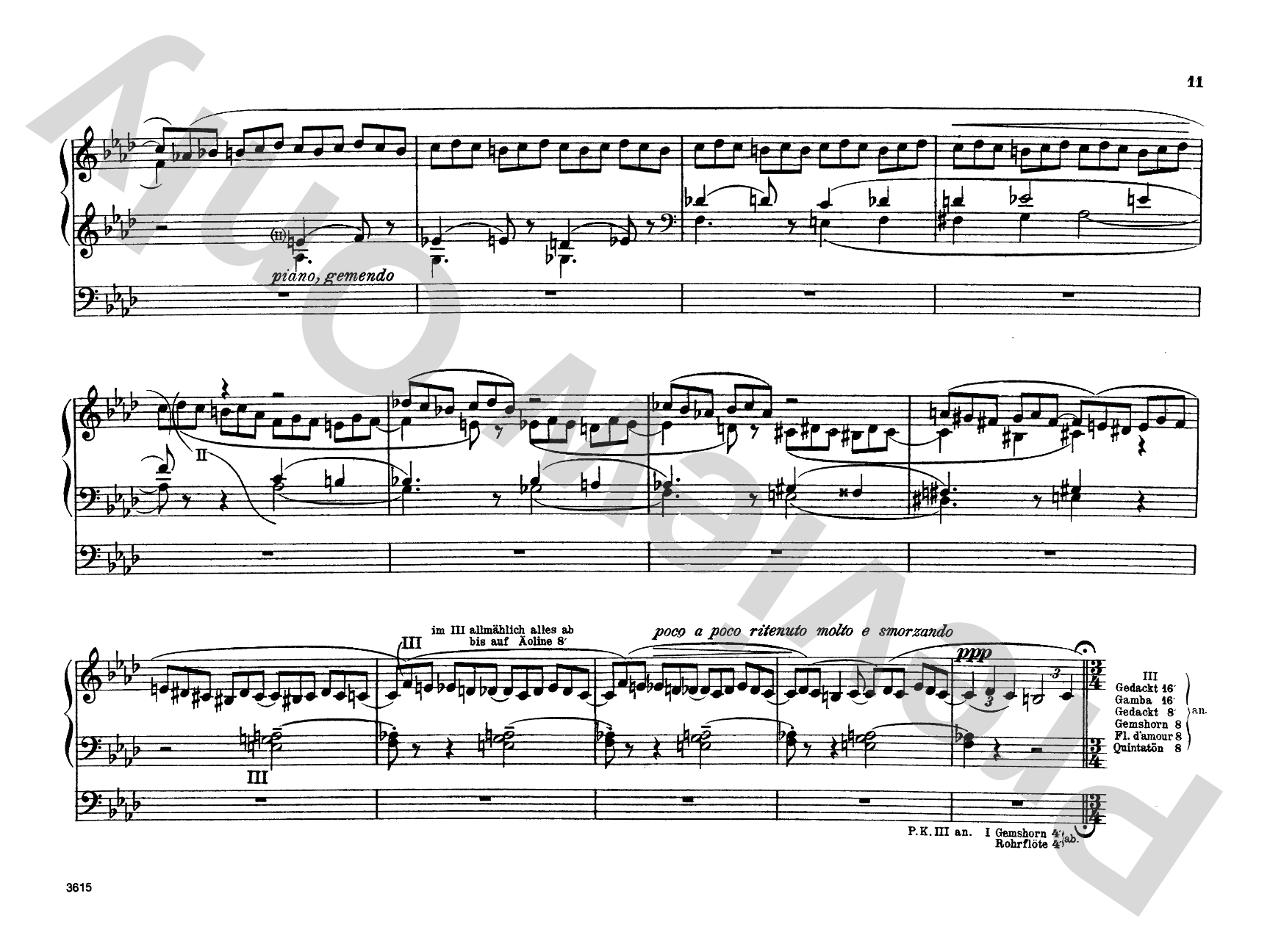
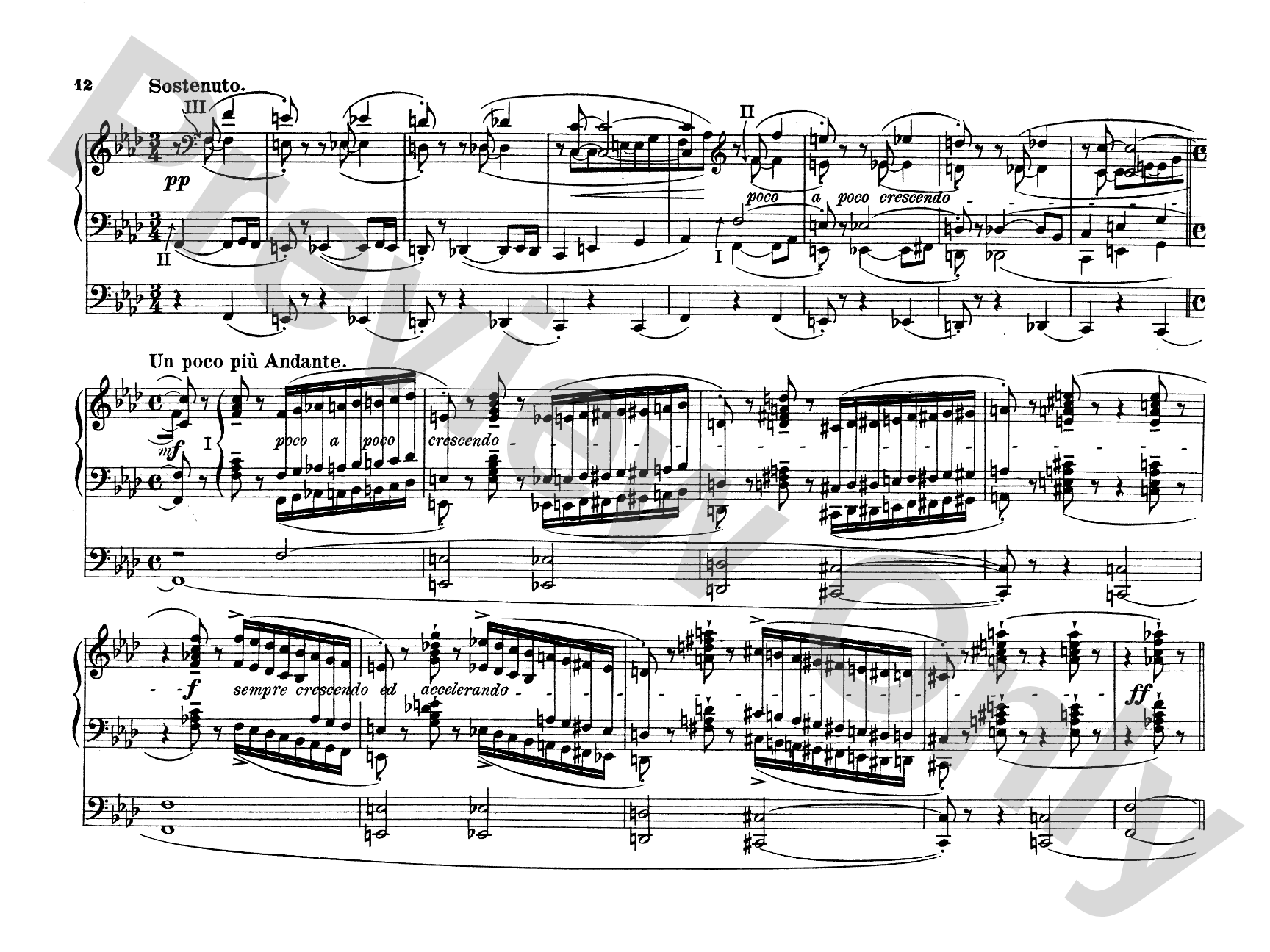
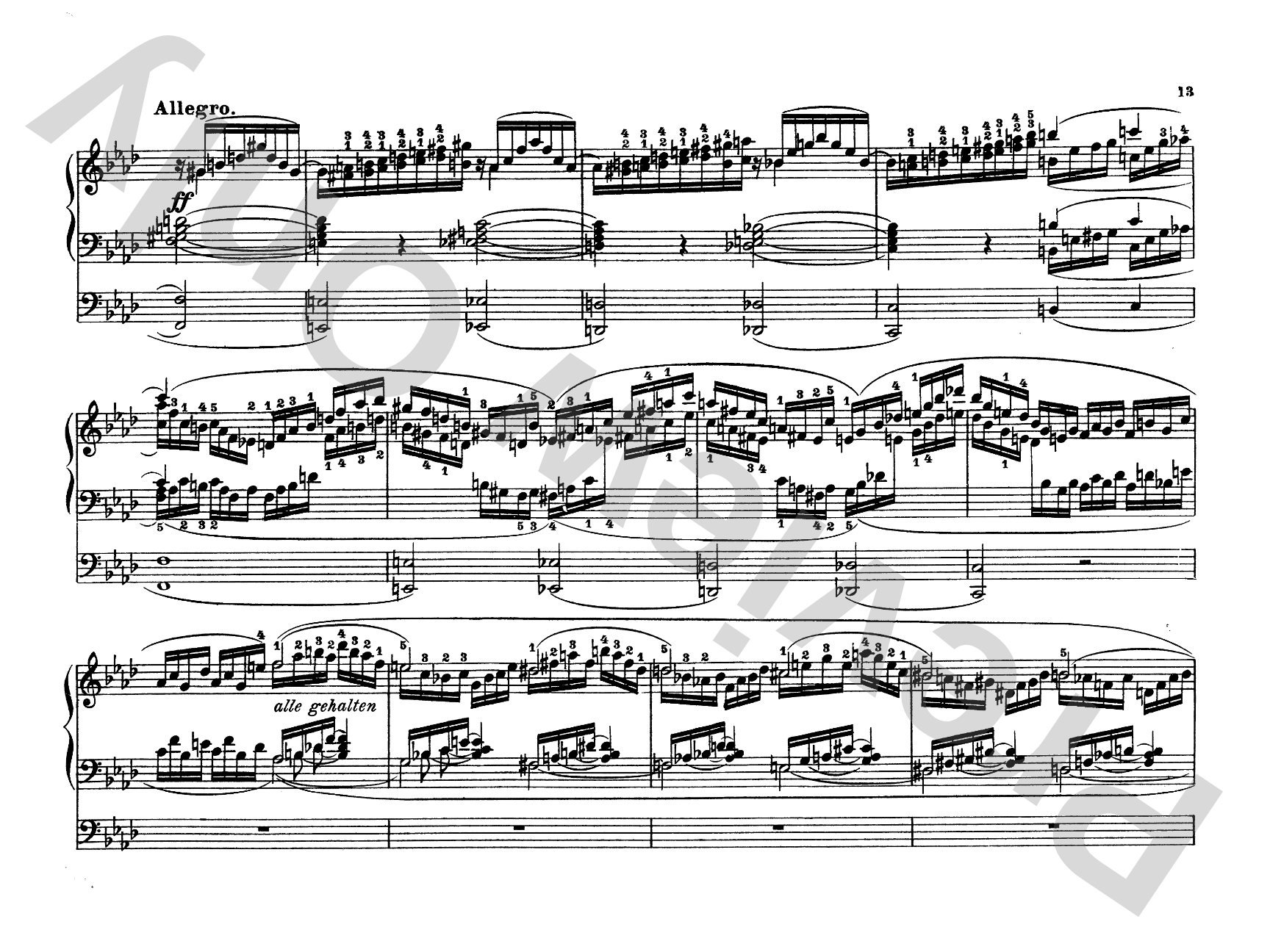
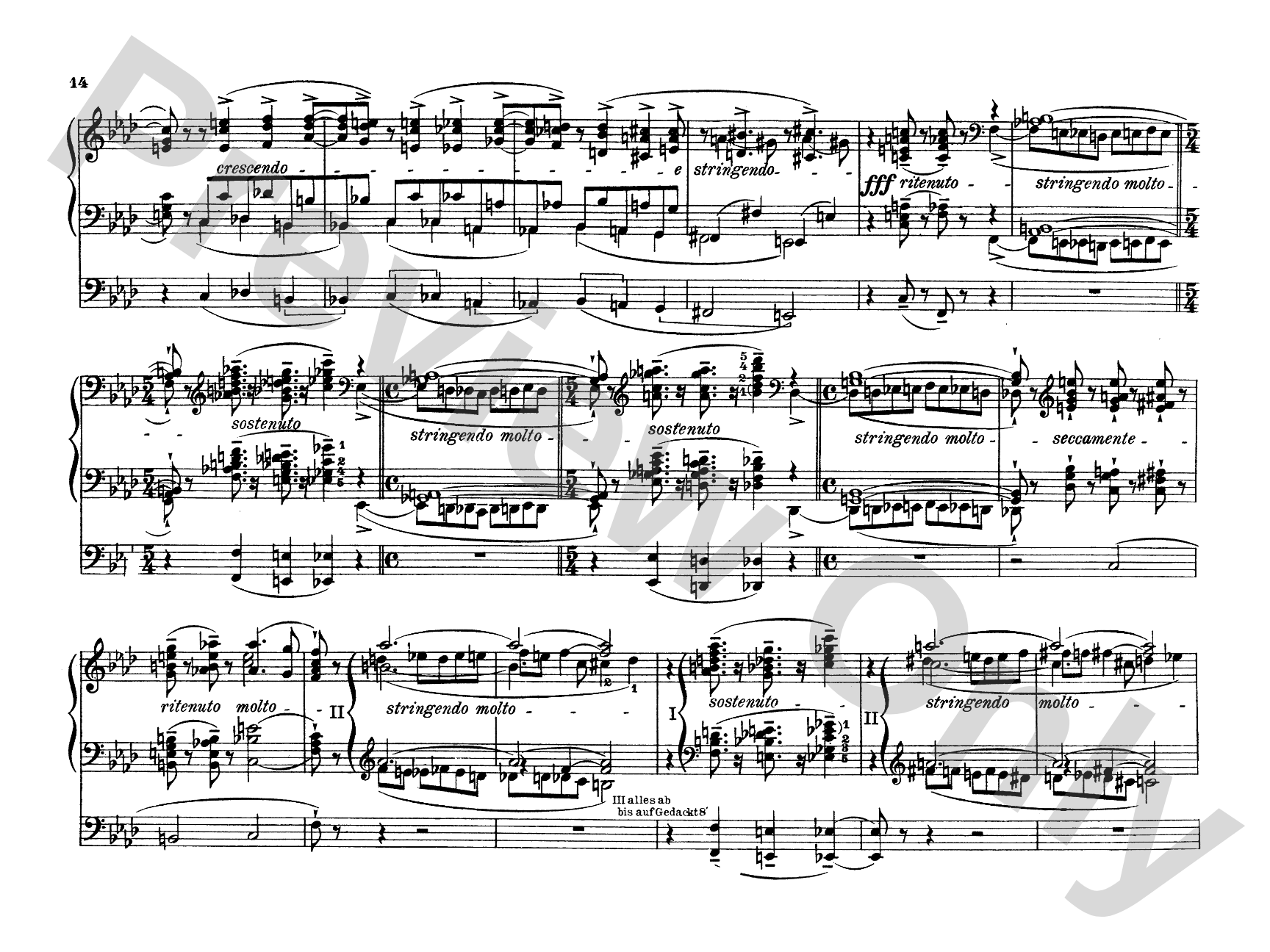
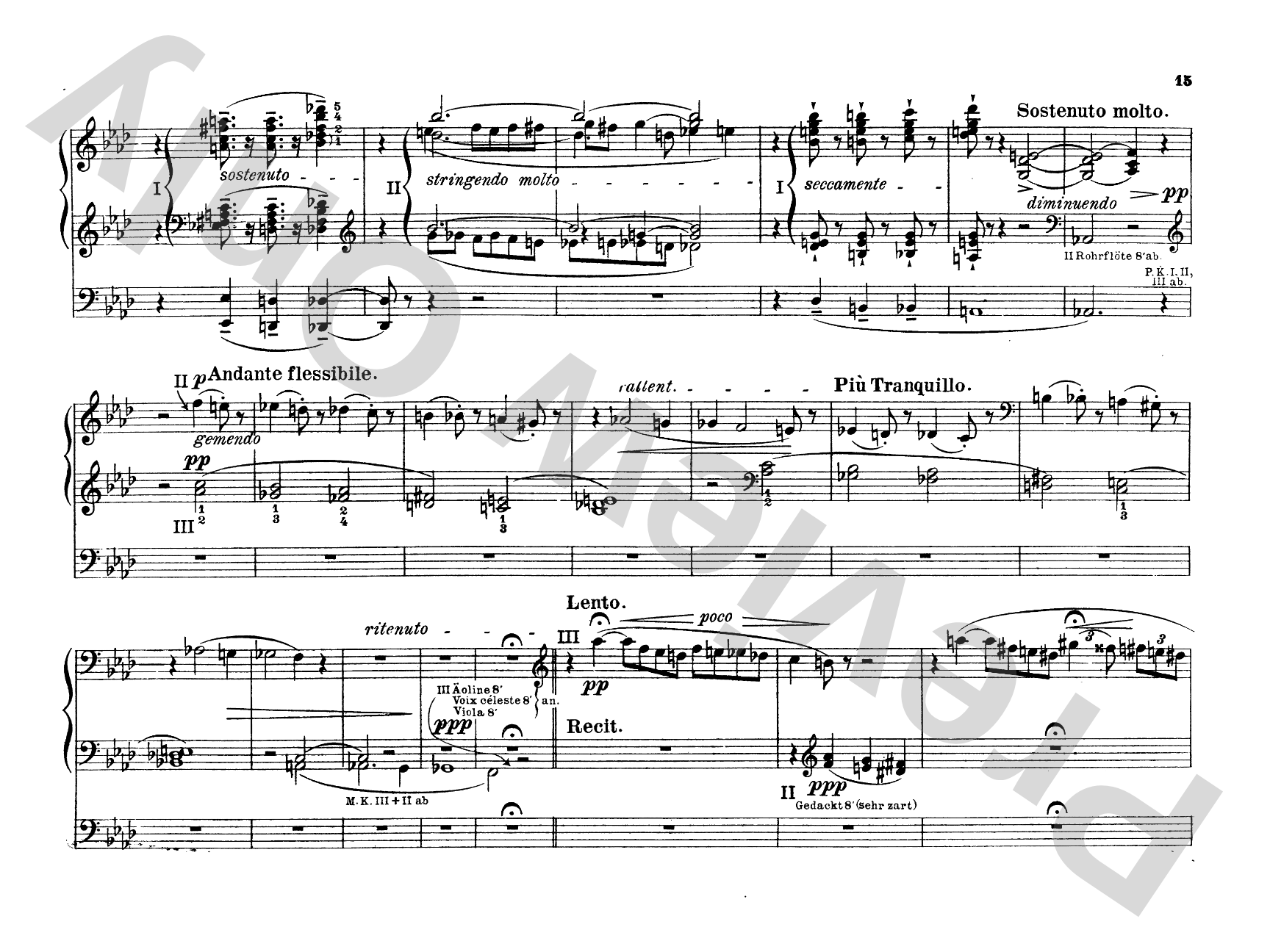
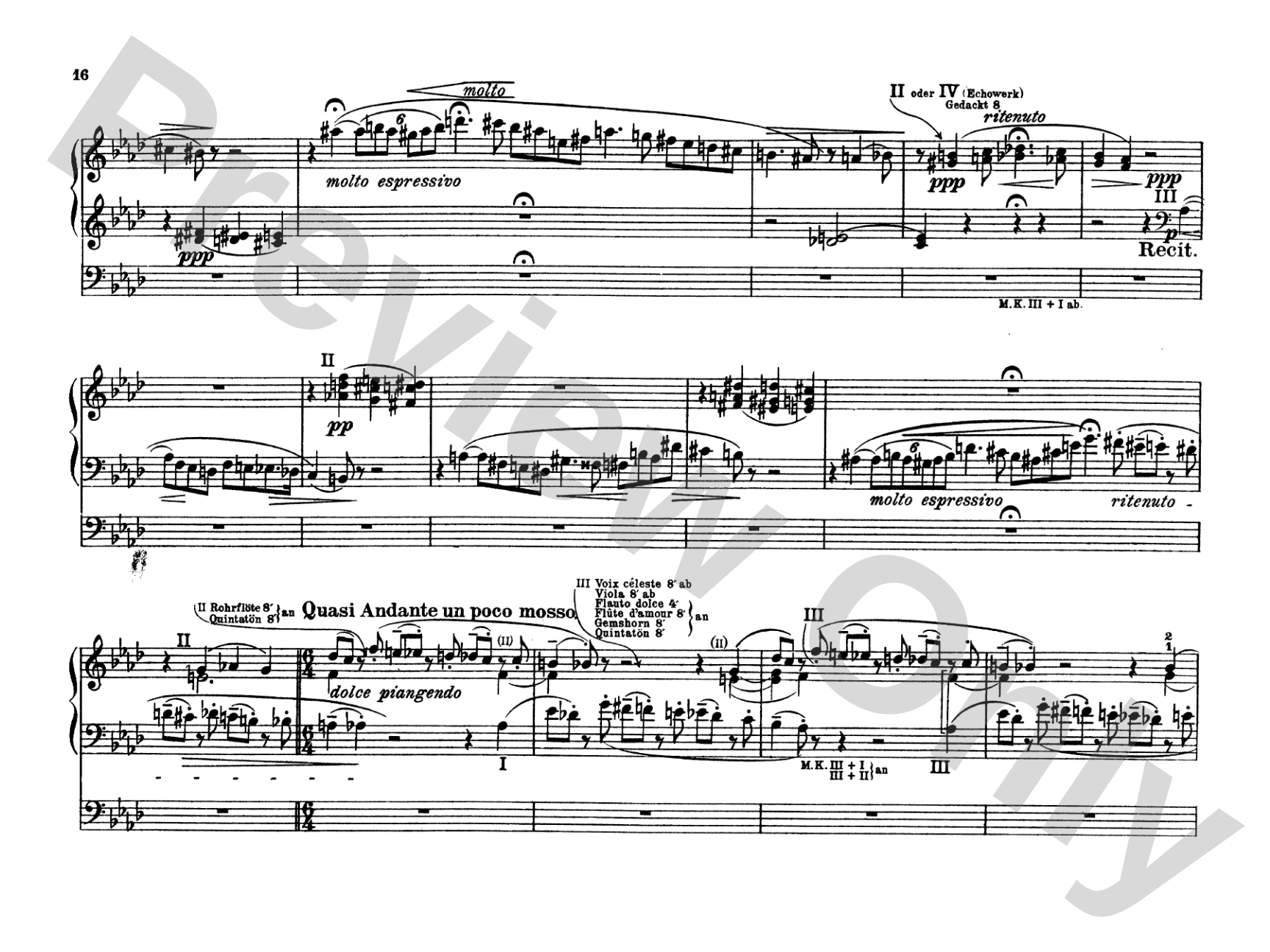
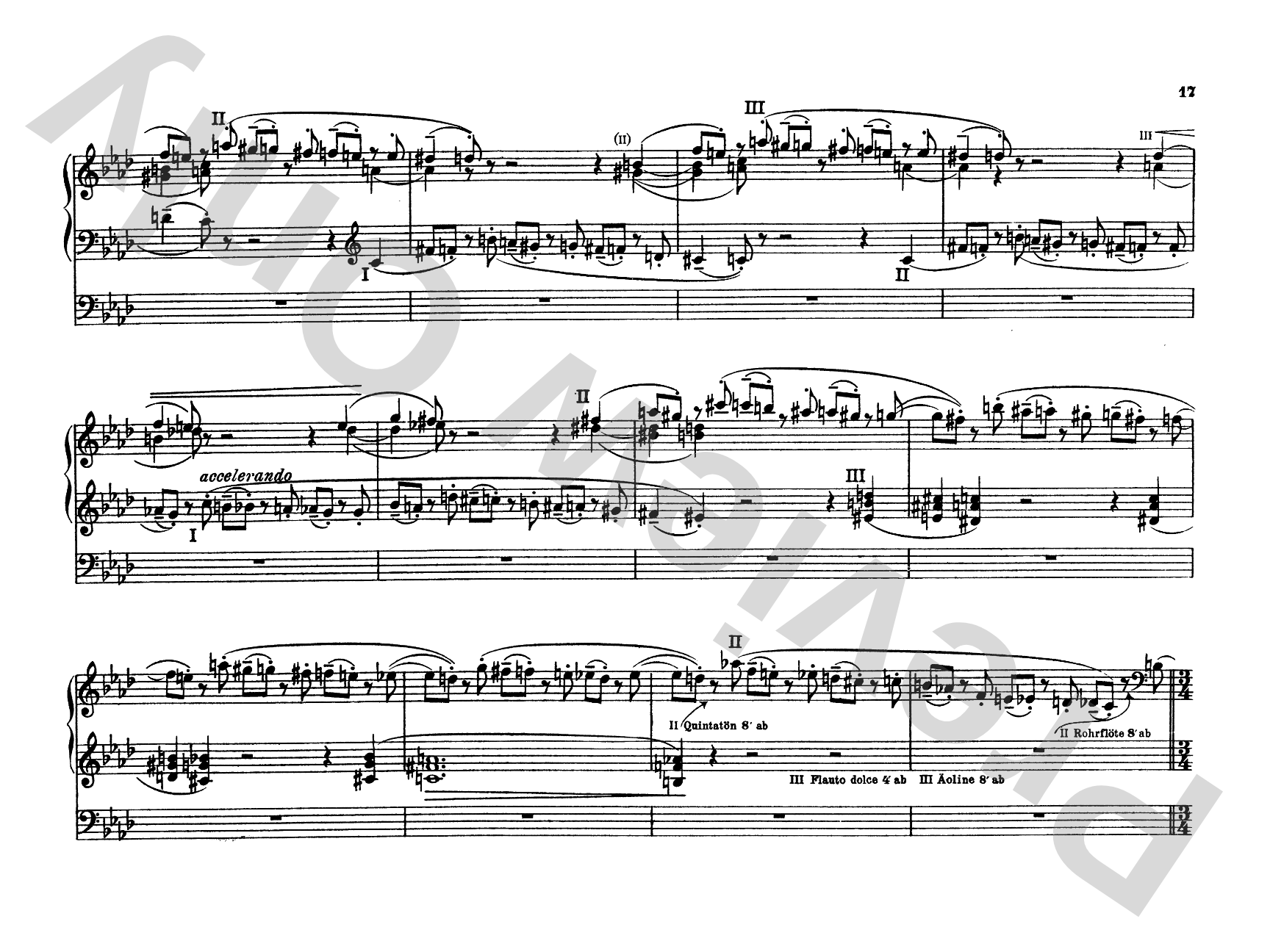
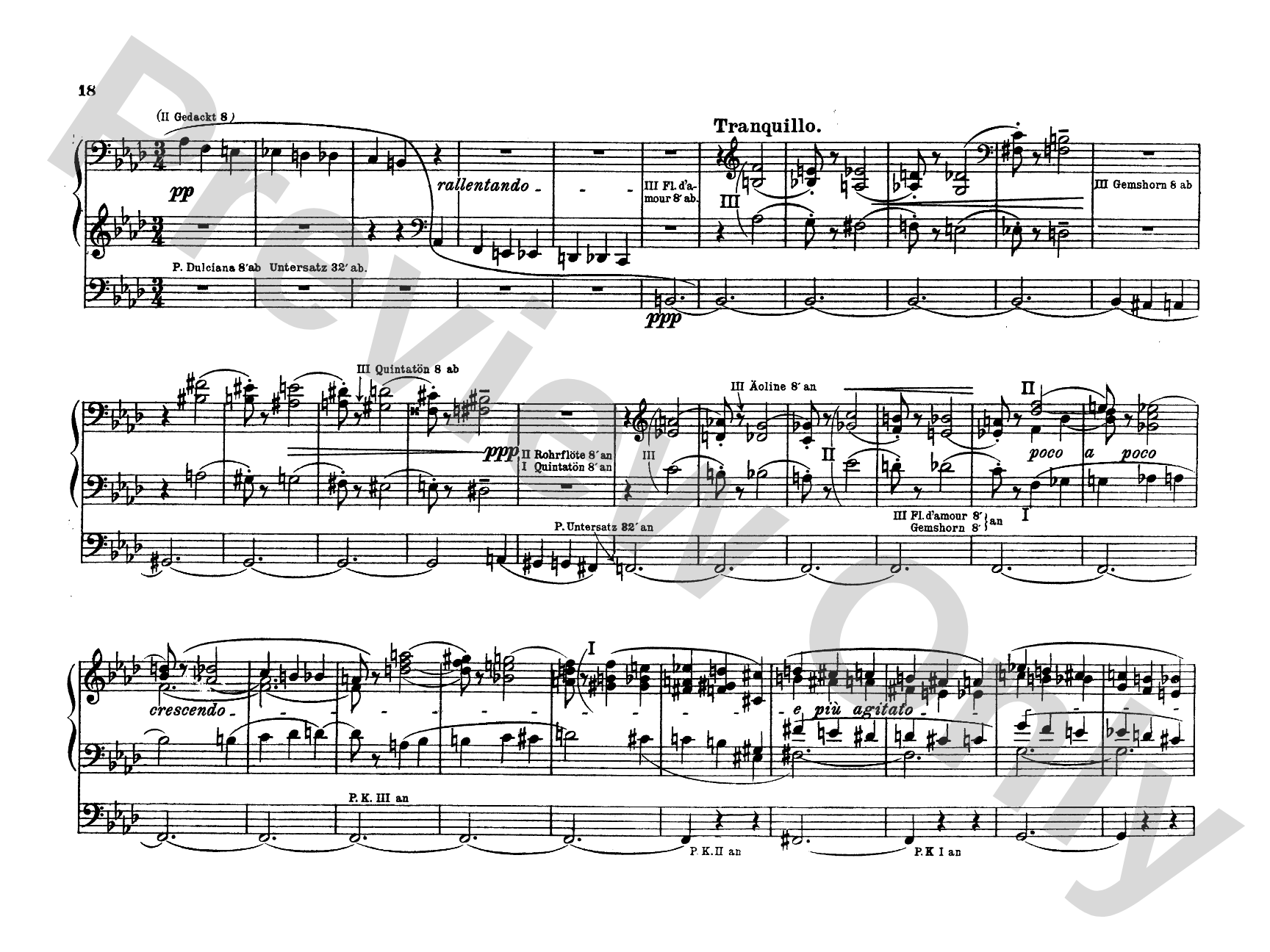
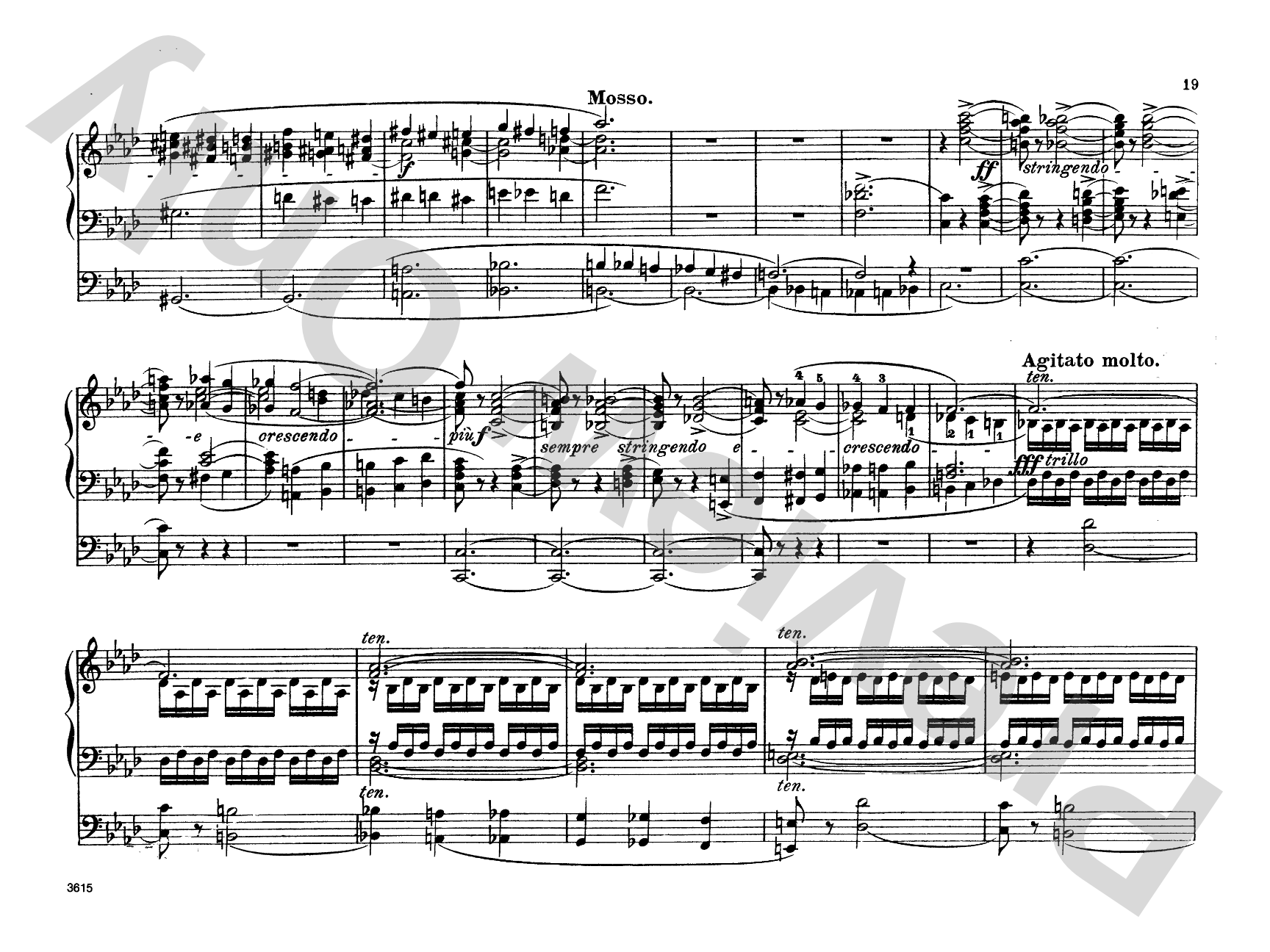
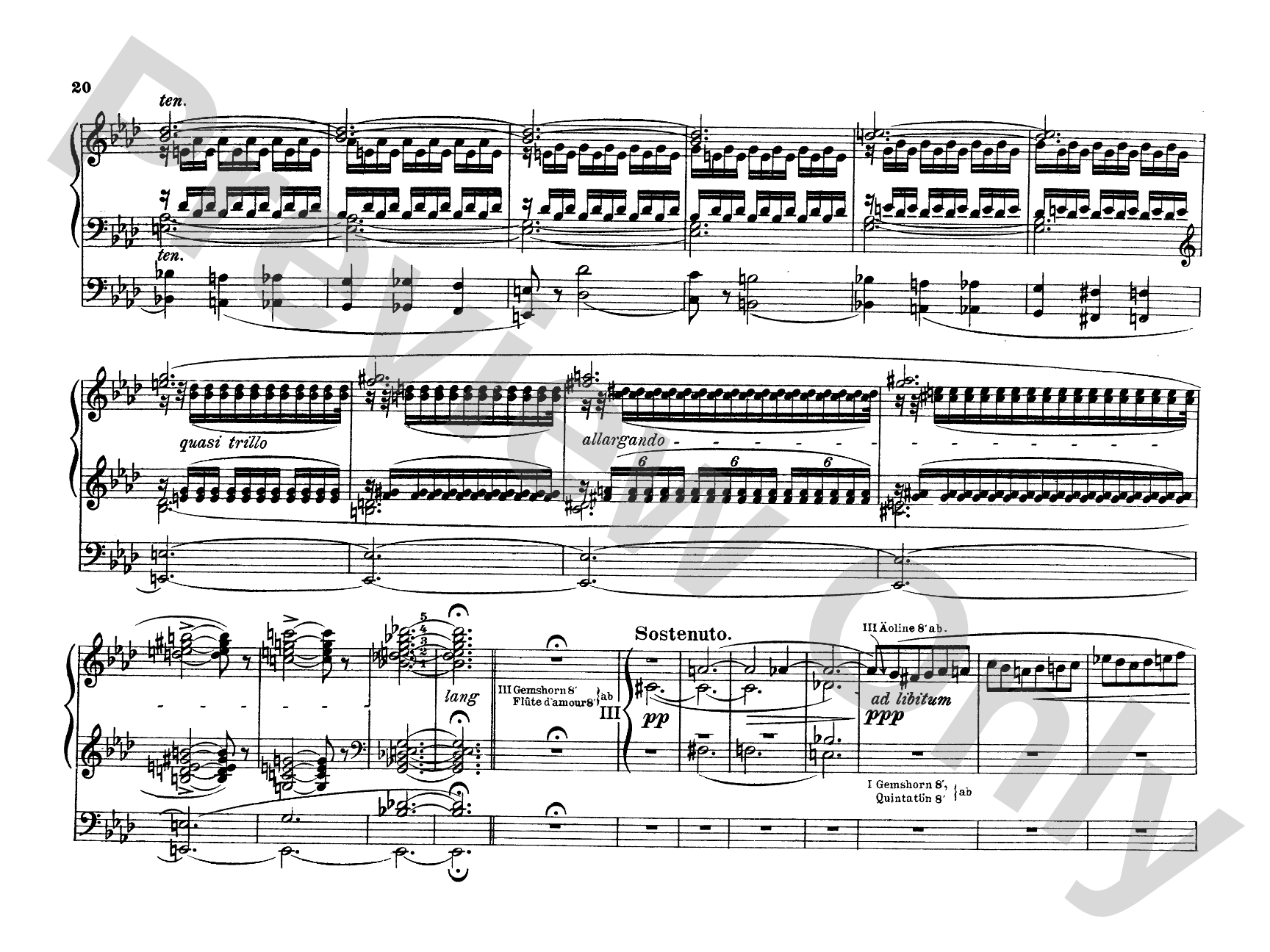
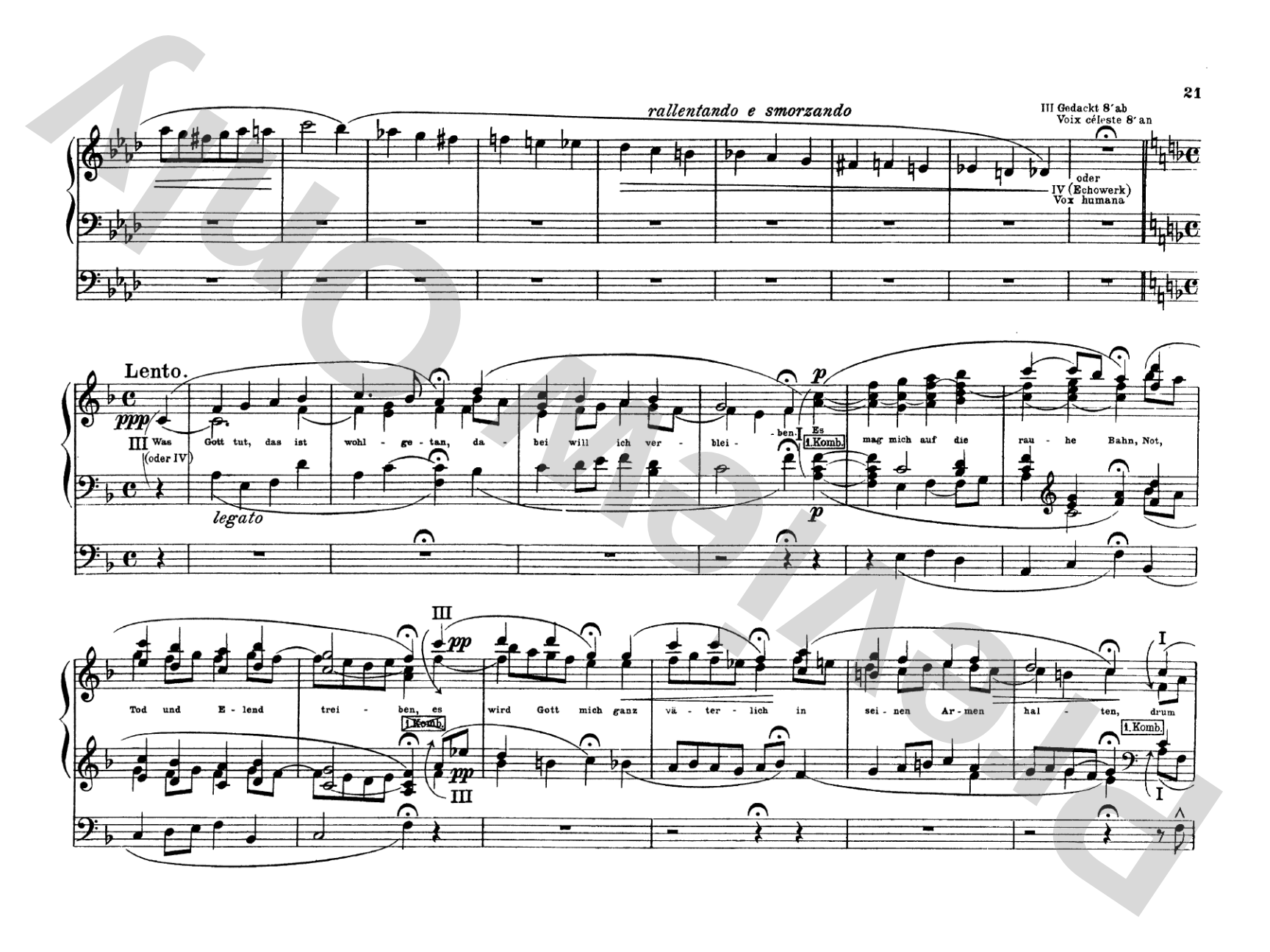
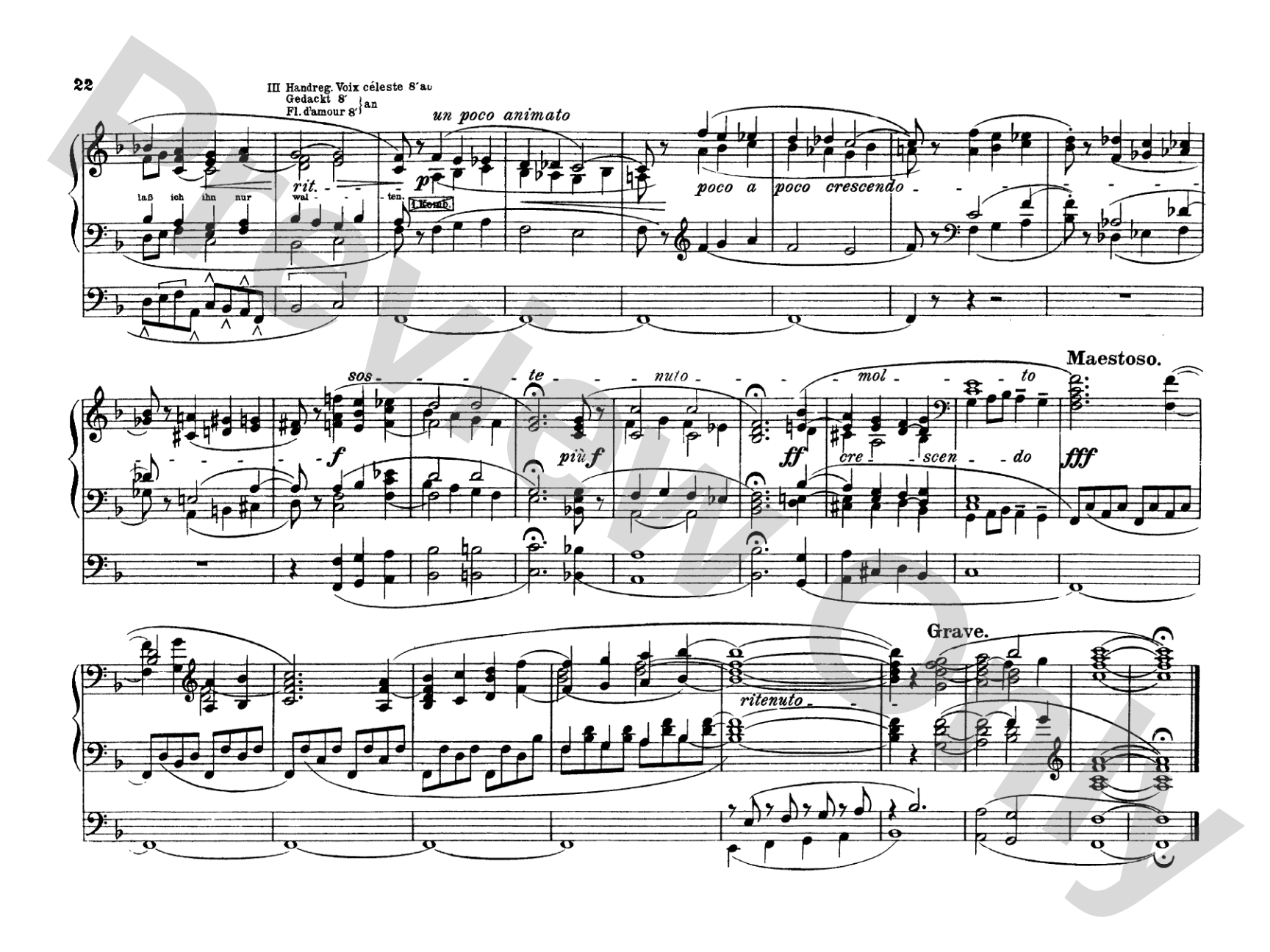

Liszt: Organ Works, Volume I: Organ Comb Bound Book
By Franz Liszt
Item: 00-PK-0003181

$14.99
Pickup currently not available
Buy Extra Parts (Digital PDF Download)
| Product | Price | Quantity |
|---|---|---|
| Liszt: Organ Works, Volume I | $0.99 | |
| Liszt: Organ Works, Volume I | $0.99 | |
| Liszt: Organ Works, Volume I | $0.99 | |
| Liszt: Organ Works, Volume I | $0.99 | |
| Liszt: Organ Works, Volume I | $0.99 | |
| Liszt: Organ Works, Volume I | $0.99 | |
| Liszt: Organ Works, Volume I | $0.99 | |
| Liszt: Organ Works, Volume I | $0.99 |
Parts Added to Cart!
Related Items
Organ Works, Volume I: Organ Comb Bound Book |
$14.95
|
View |
Description
Expertly arranged organ method or collection from our Kalmus Edition.


Don't just read it, hear it, play along with it, and watch your students grow with it. In MakeMusic Cloud, Liszt: Organ Works, Volume I: Organ Comb Bound Book comes alive with professional accompaniment, adjustable tempo, and built-in practice tools that turn solo practice into real progress.
Open in the Player
Jump straight in and assign it today.
Start Your Free Trial
Open this title and explore the full library in minutes.
Sample Audio
No sample audio found.
Sample Video
No sample videos found.
Additional Details
Series:
Kalmus Edition
Publisher:
Alfred Music
Page Count:
68
SKU:
00-PK-0003181
More about this title
About the Composer: Franz Liszt
Franz Liszt (1811, 1886) was a Hungarian virtuoso pianist and composer whose technical innovations fundamentally reshaped what keyboard instruments could do. Beyond his legendary concert career, Liszt was a serious composer of sacred and orchestral works, and his organ writing demonstrates the same visionary approach he brought to the piano. His organ compositions marry Romantic harmonic language with the instrument's full architectural range, creating works that demand both technical facility and interpretive maturity from performers.
Why we love this
Liszt's organ works demand serious musicianship while remaining genuinely performable by accomplished players. This collection gives you access to substantial Romantic repertoire that showcases the instrument's full range of color and power without requiring the extended techniques of later 20th-century avant-garde writing.
What to expect
Liszt's organ writing crackles with Romantic urgency and theatrical drama. You'll encounter sweeping harmonic progressions, brilliant passagework, and moments of intimate lyricism that feel transported from the piano; the challenge is making every gesture sing naturally on the organ.
Who it's for
Organists working at the intermediate-to-advanced level who want to expand beyond Bach and early Romantic staples into more ambitious, virtuosic territory. Church musicians and recitalists will find substantial works that deserve a place in concert and liturgical settings alike.
How to get the most out of it
- Study the harmonic progression carefully; Liszt's chromatic language requires precise voice leading and pedal technique to avoid muddiness in thick textures.
- Use the full range of the instrument's stops to realize the dynamic and timbral contrasts Liszt marks throughout the score.
- Shape the longer lines with structural clarity so that ornamental passages and rapid figuration serve the larger musical argument rather than overshadow it.
How to use it
Include these works in organ recitals to demonstrate the instrument's capabilities beyond its traditional repertoire, or program individual pieces to bridge Bach and later Romantic composers. They also serve well as concert openers or intermission offerings in mixed chamber or sacred music events.
Skills your students will build
- Romantic-era harmonic language and chromatic voice leading
- Advanced pedal technique and coordination with manual textures
- Timbral registration and stop control for dynamic contrast
- Virtuosic passagework and rapid finger work on the manual keyboards
- Structural phrasing across longer, multi-section forms