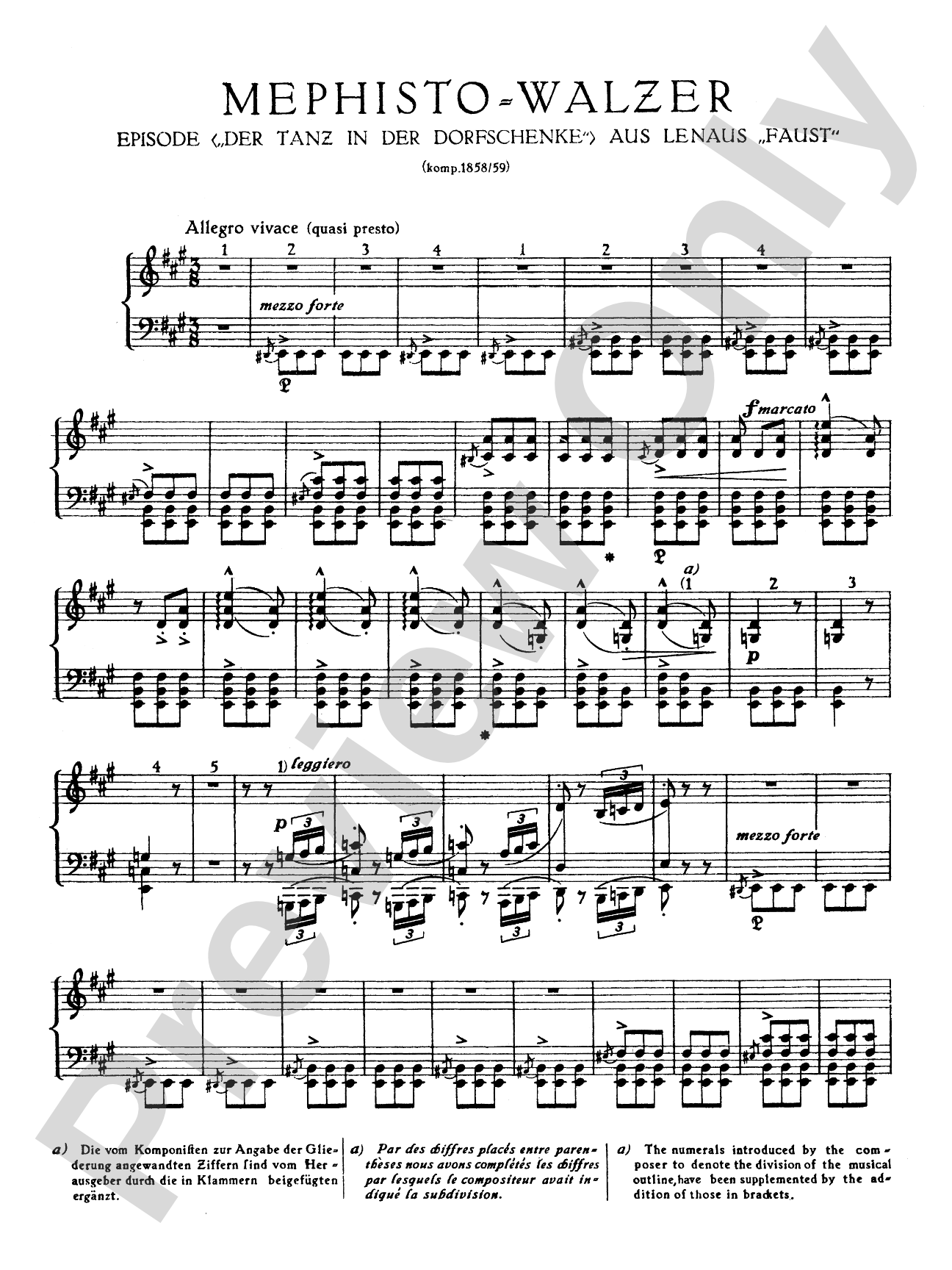
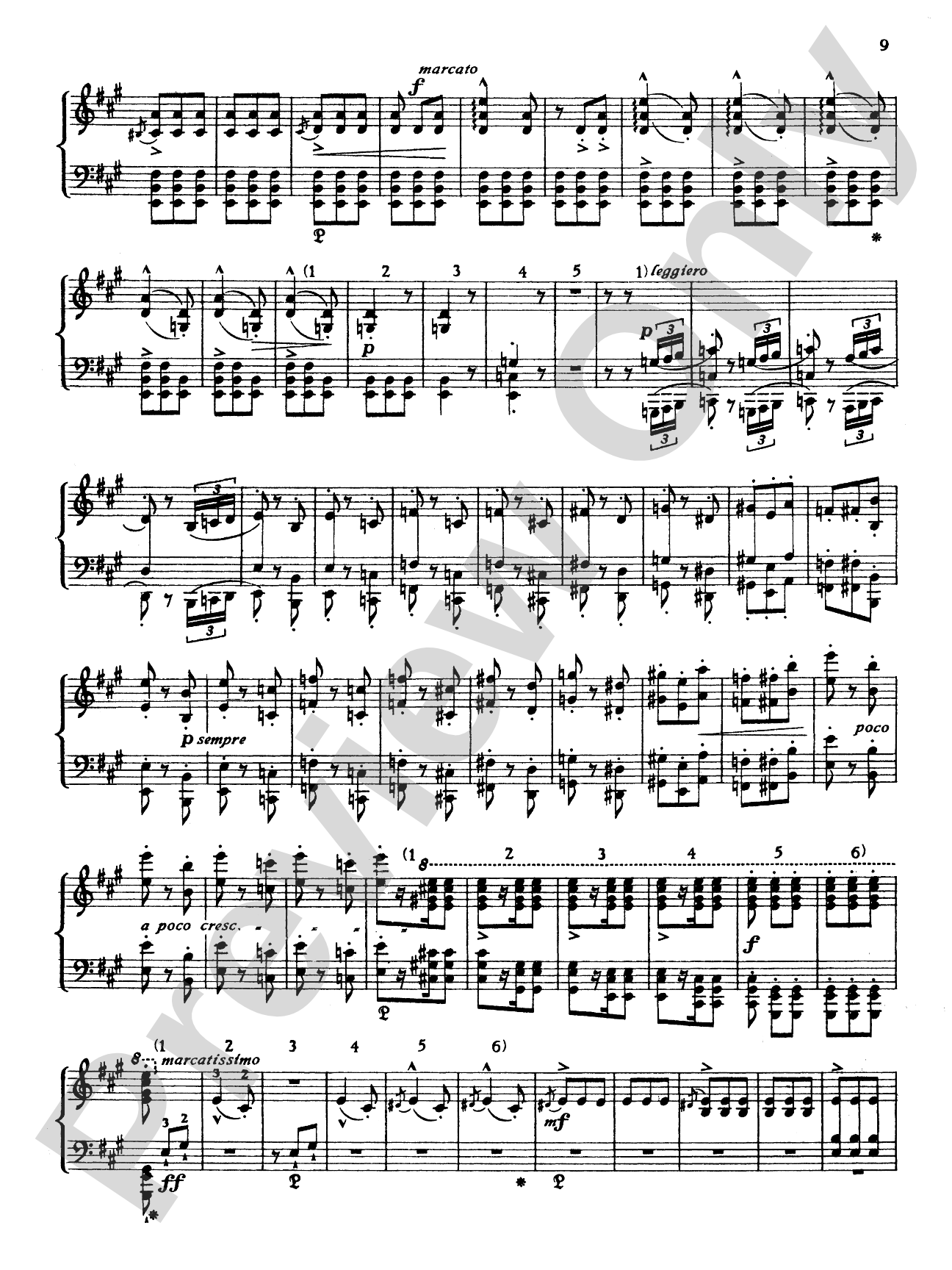
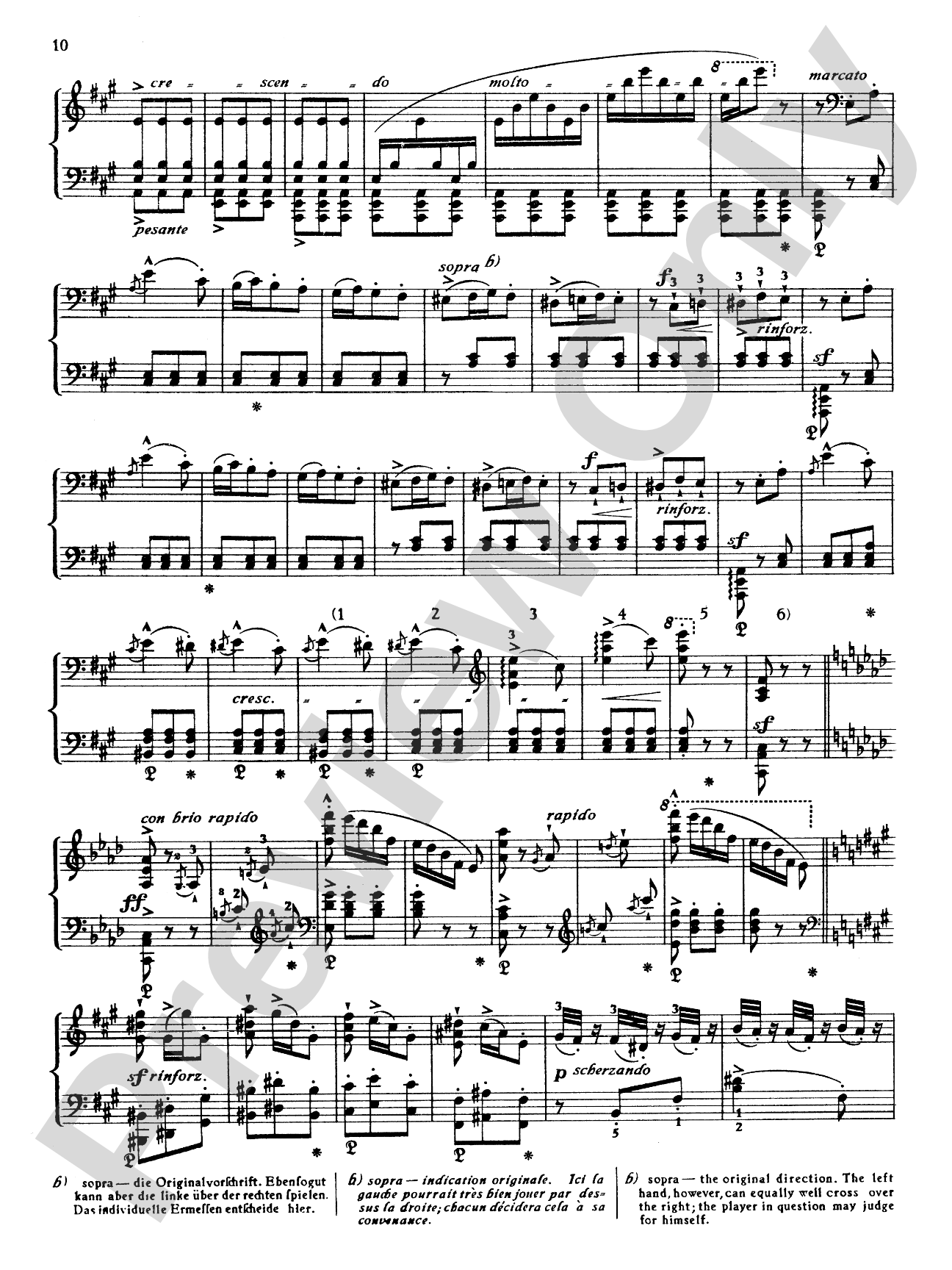
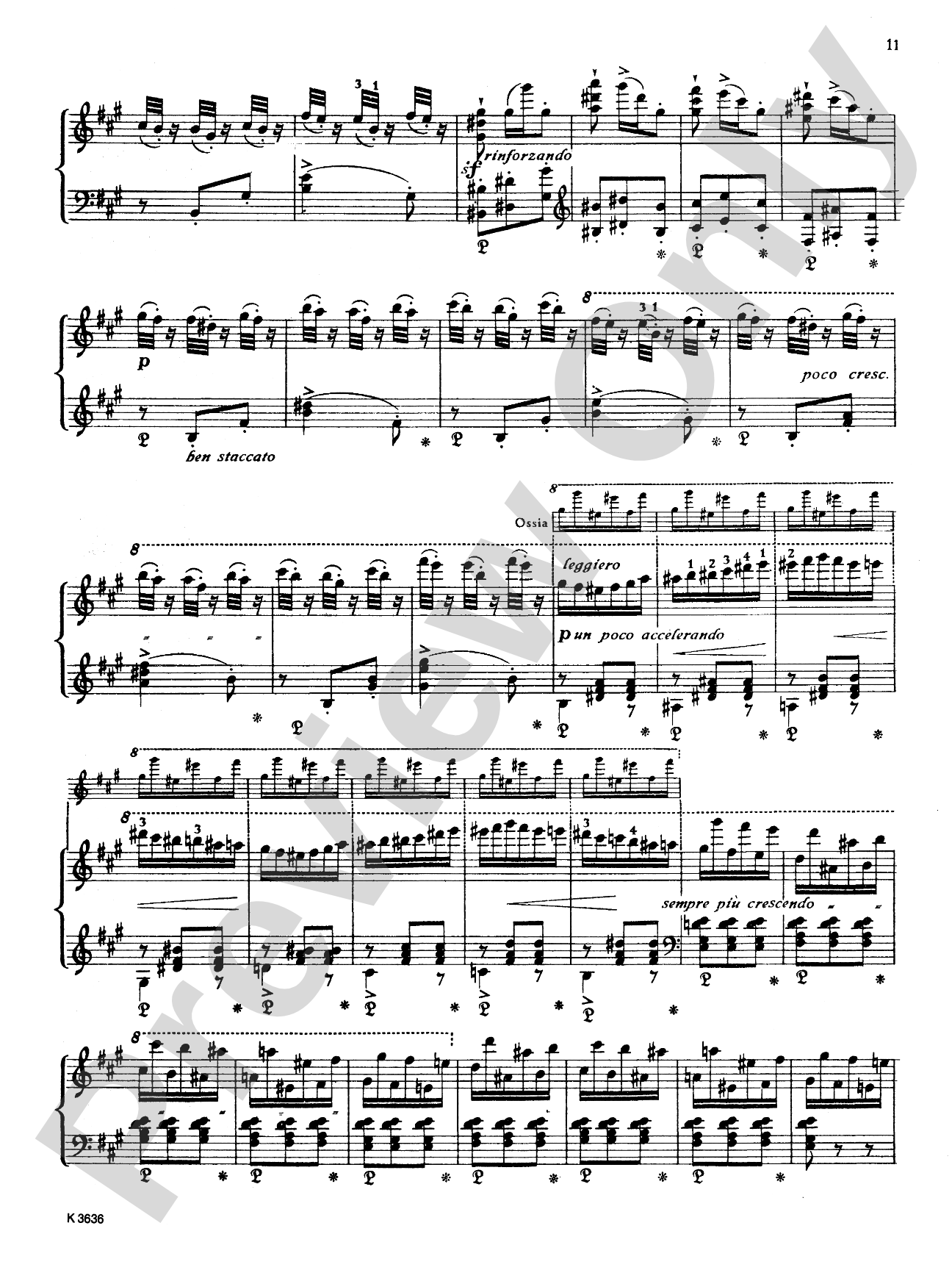
Liszt: Mephisto Valse Sheet Music Preview

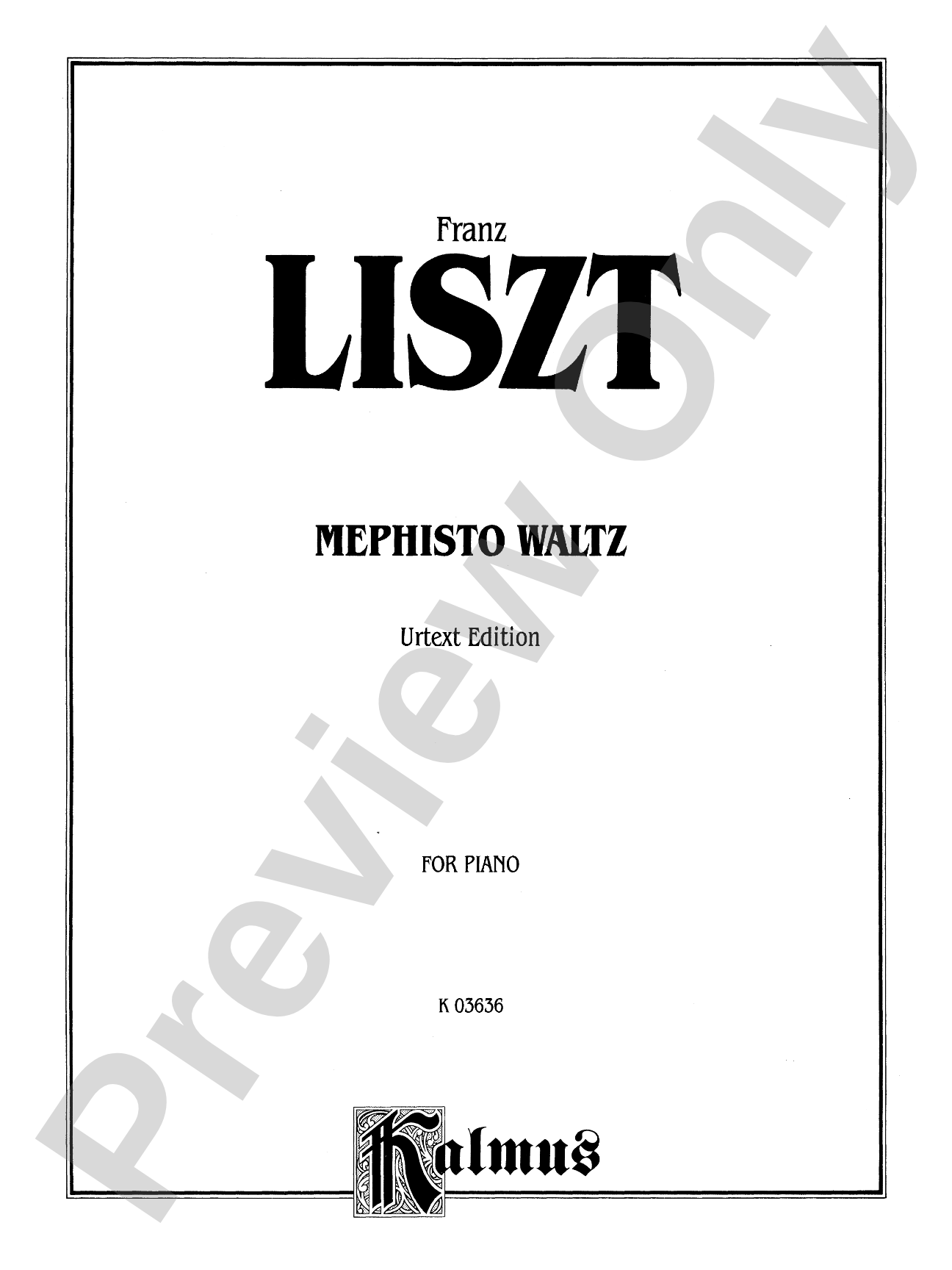
Liszt: Mephisto Valse

By Franz Liszt

Level: Advanced

Item: 00-PC-0008278

Digital Download
$11.95
Description
Expertly arranged piano solo from our Kalmus Edition.

Don't just read it, hear it, play along with it, and watch your students grow with it. In MakeMusic Cloud, Liszt: Mephisto Valse comes alive with professional accompaniment, adjustable tempo, and built-in practice tools that turn solo practice into real progress.

Sample Audio
No sample audio found.
Sample Video
Additional Details
Series: Kalmus Edition
Publisher: Alfred Music
Page Count: 24
SKU: 00-PC-0008278

More about this title

About the Composer: Franz Liszt

Franz Liszt (1811-1886) was a Hungarian composer and pianist whose virtuosic writing and harmonic innovations shaped Romantic music. His keyboard works demand technical mastery and musical sophistication, combining pyrotechnic display with genuine emotional depth and structural imagination.

Why we love this

Mephisto Valse stands apart as a showpiece that balances technical fireworks with genuine character. The waltz form gives it architectural clarity while the devilish energy and chromatic passages make it an enduring favorite for pianists seeking to demonstrate both command and musicality at the highest level.

What to expect

Mephisto Valse crackles with demonic energy and theatrical flair, wrapping a devilishly clever melody in glittering accompaniment figures. The work pivots between moments of swagger and genuine beauty, creating a vivid character study that feels both virtuosic and dramatically satisfying.

Who it's for

Advanced pianists preparing for recitals, competitions, or degree repertoire exams will find this Kalmus Edition a clean, reliable score of this signature Romantic work. The piece demands secure command of octaves, arpeggios, and rapid passagework alongside genuine musical interpretation.

How to get the most out of it

  • Shape the opening melody with clear phrasing and control the tempo relationships between sections so the faster passages feel inevitable rather than rushed.
  • Balance the left hand accompaniment figures with the right hand lines; the waltz momentum depends on maintaining textural clarity even at demanding tempos.
  • Attend to Liszt's dynamic markings and harmonic color shifts as structural signposts, using them to build dramatic shape across the entire work rather than treating sections as isolated virtuosic passages.

How to use it

Program this as a recital centerpiece or encore when you need a work that showcases technical virtuosity without sacrificing artistic substance. It pairs well with other Romantic keyboard works and stands effectively as a standalone statement of pianistic command.

Skills your students will build

  • Fast octave passage work and double-note technique
  • Waltz rhythm and tempo flexibility within Classical forms
  • Chromatic voice leading and harmonic color manipulation
  • Large-scale structural thinking across multi-section forms
  • Balance between technical display and sustained musical phrasing

You May Also Like