

Liszt: Late Piano Works: Piano Book
By Franz Liszt
Level: Advanced
Item: 00-PK-0003199

$12.99
Pickup currently not available
Buy Extra Parts (Digital PDF Download)
| Product | Price | Quantity |
|---|---|---|
| Liszt: Late Piano Works | $0.99 | |
| Liszt: Late Piano Works | $0.99 | |
| Liszt: Late Piano Works | $0.99 | |
| Liszt: Late Piano Works | $0.99 | |
| Liszt: Late Piano Works | $0.99 | |
| Liszt: Late Piano Works | $0.99 | |
| Liszt: Late Piano Works | $0.99 | |
| Liszt: Late Piano Works | $0.99 | |
| Liszt: Late Piano Works | $0.99 | |
| Liszt: Late Piano Works | $0.99 |
Parts Added to Cart!
Description
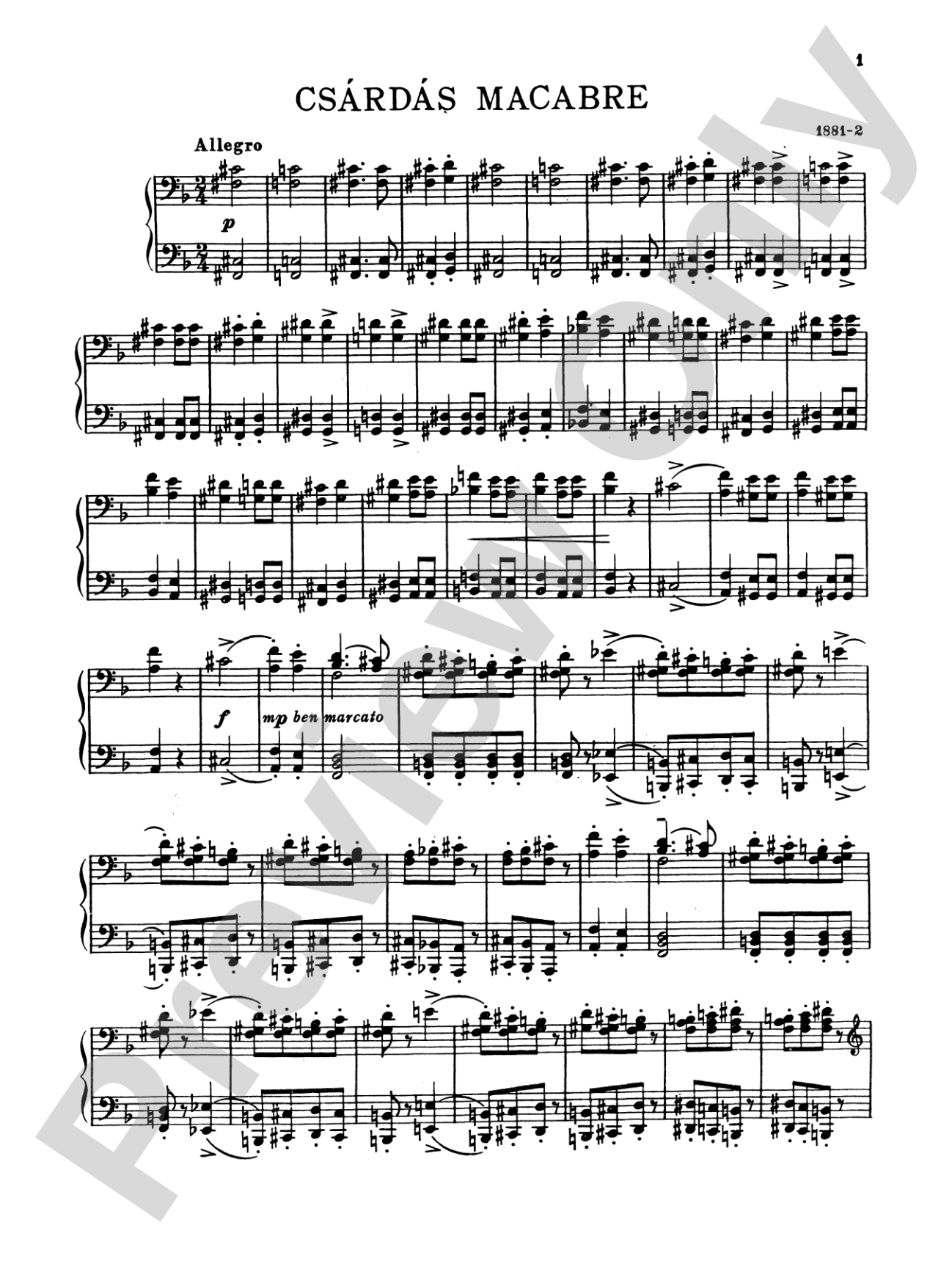
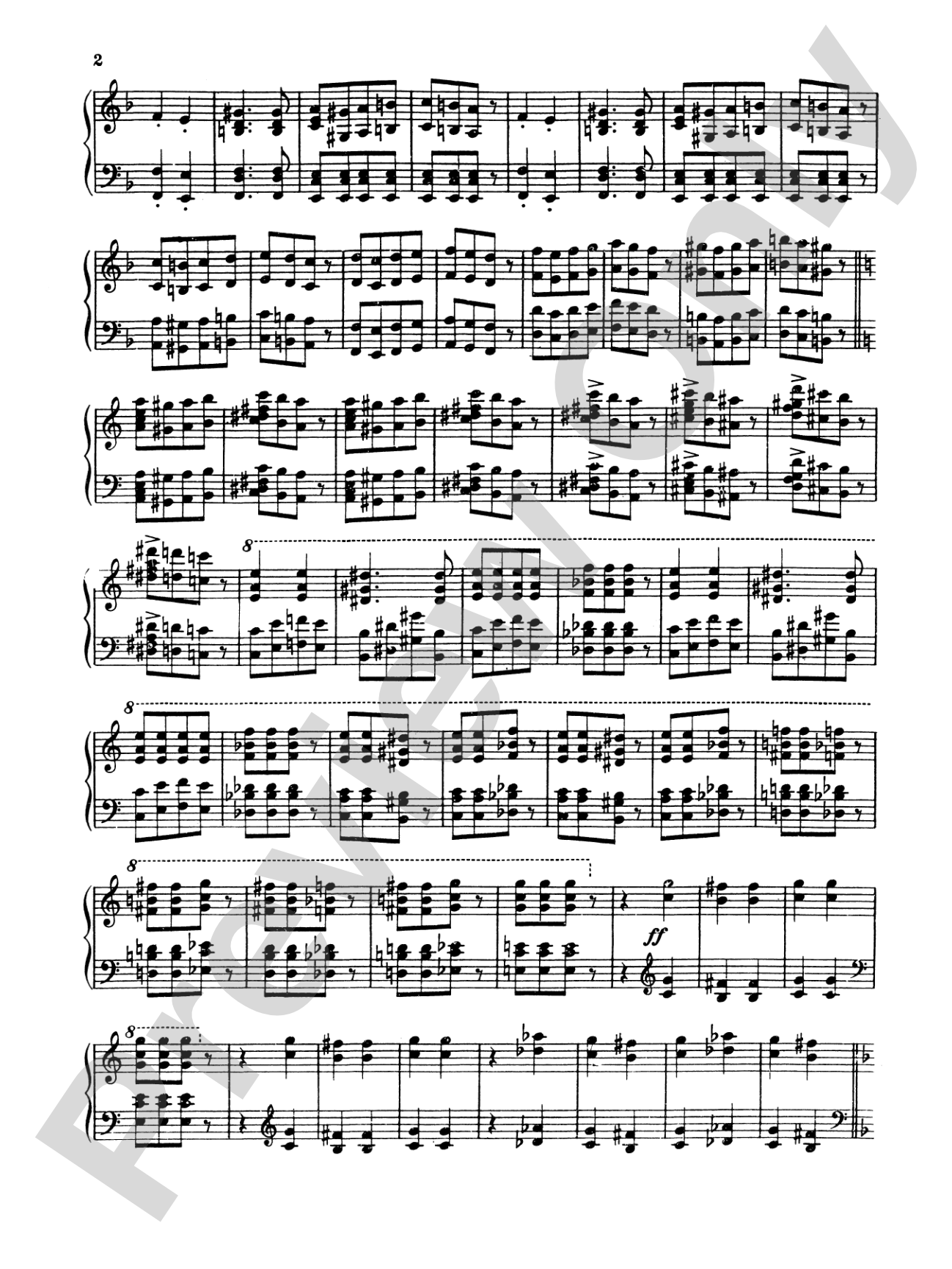
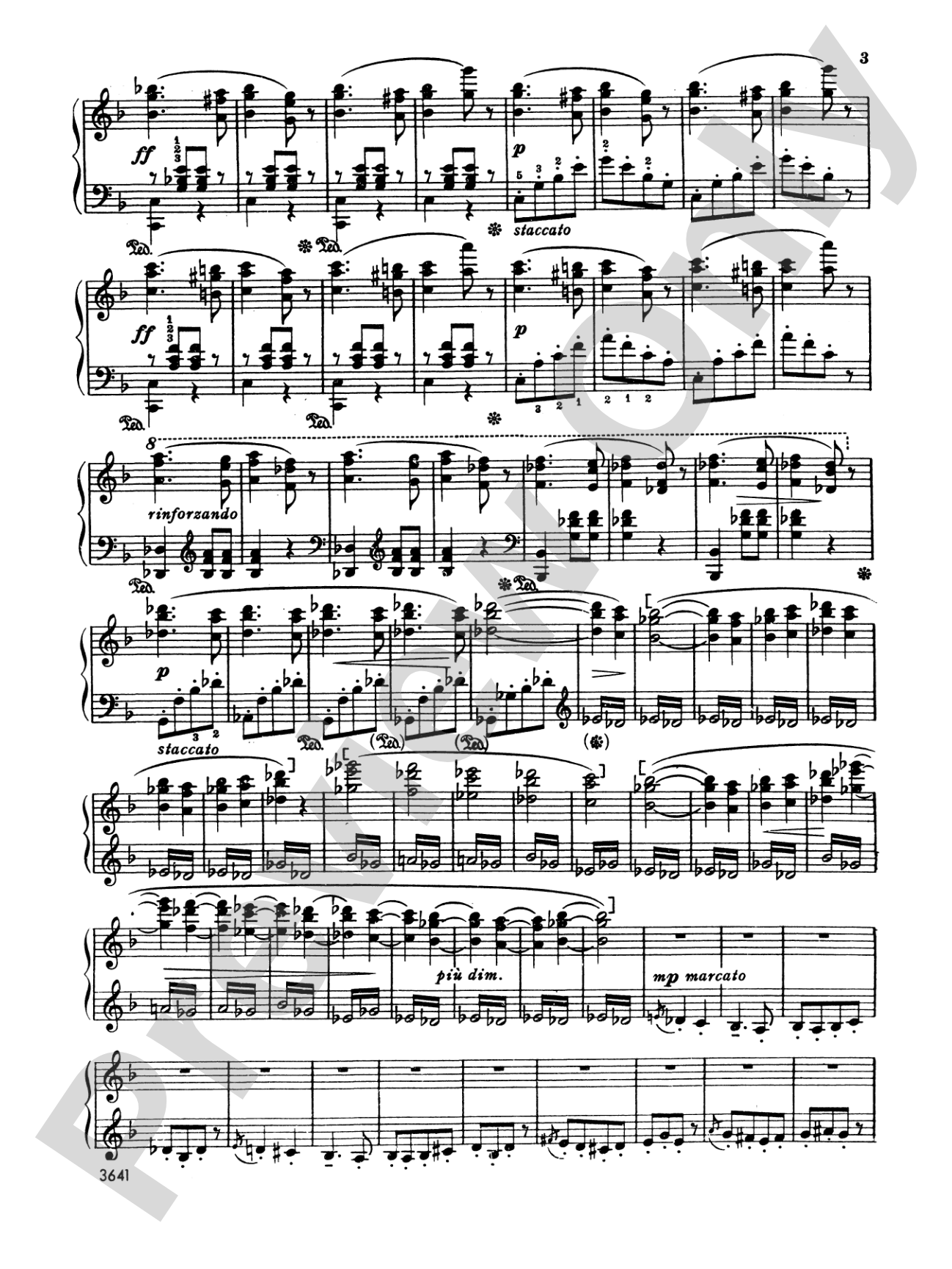
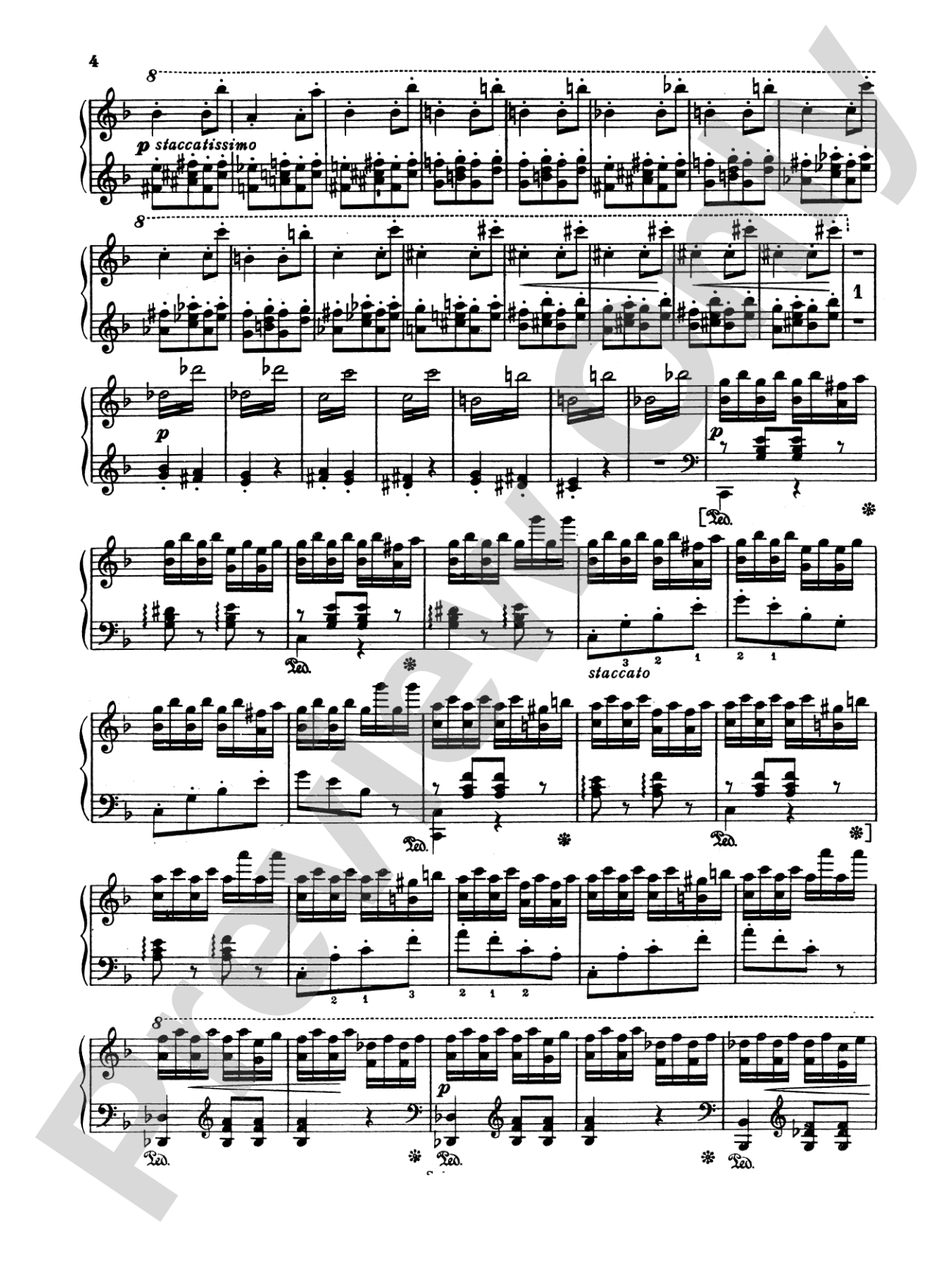
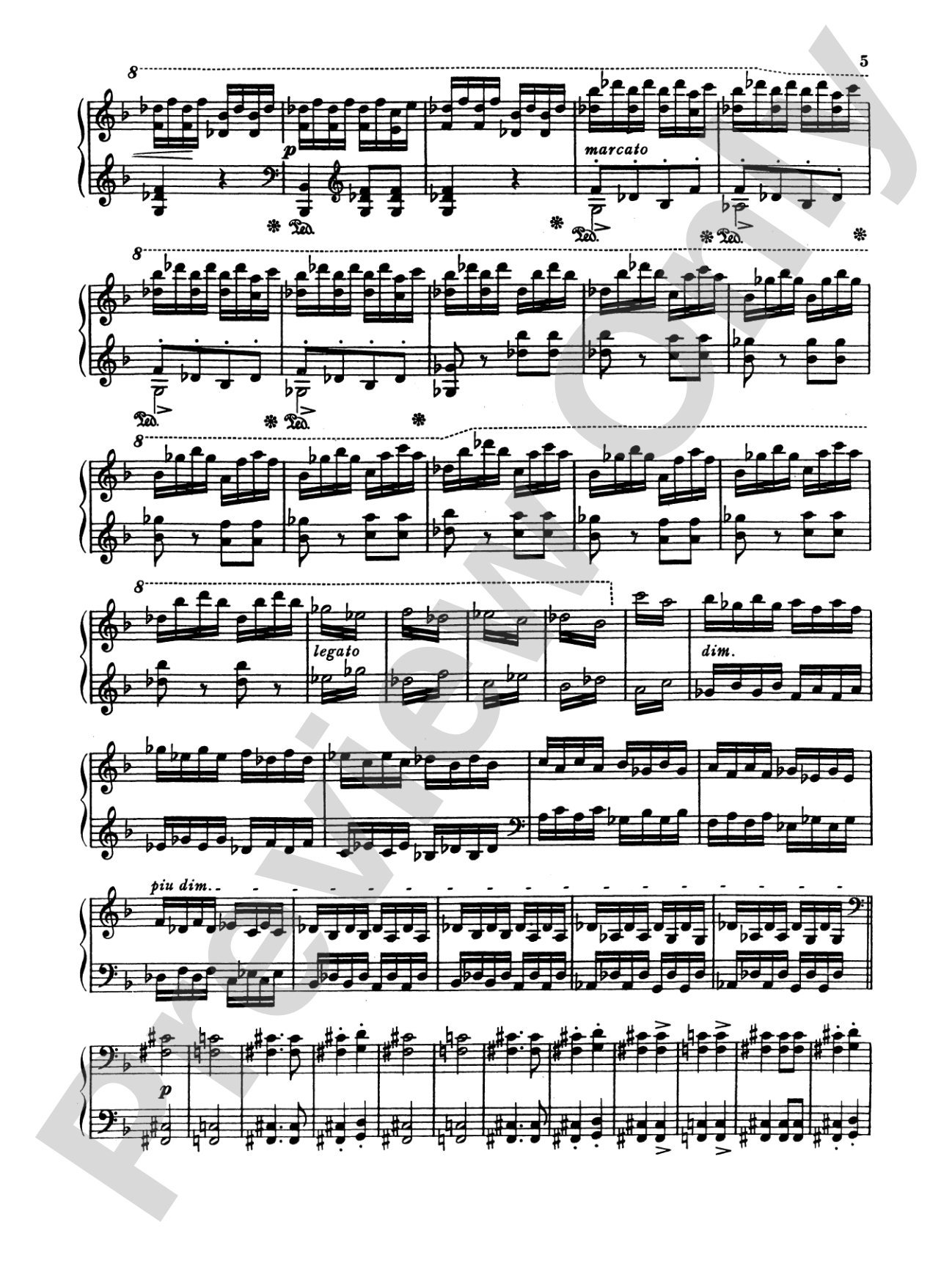
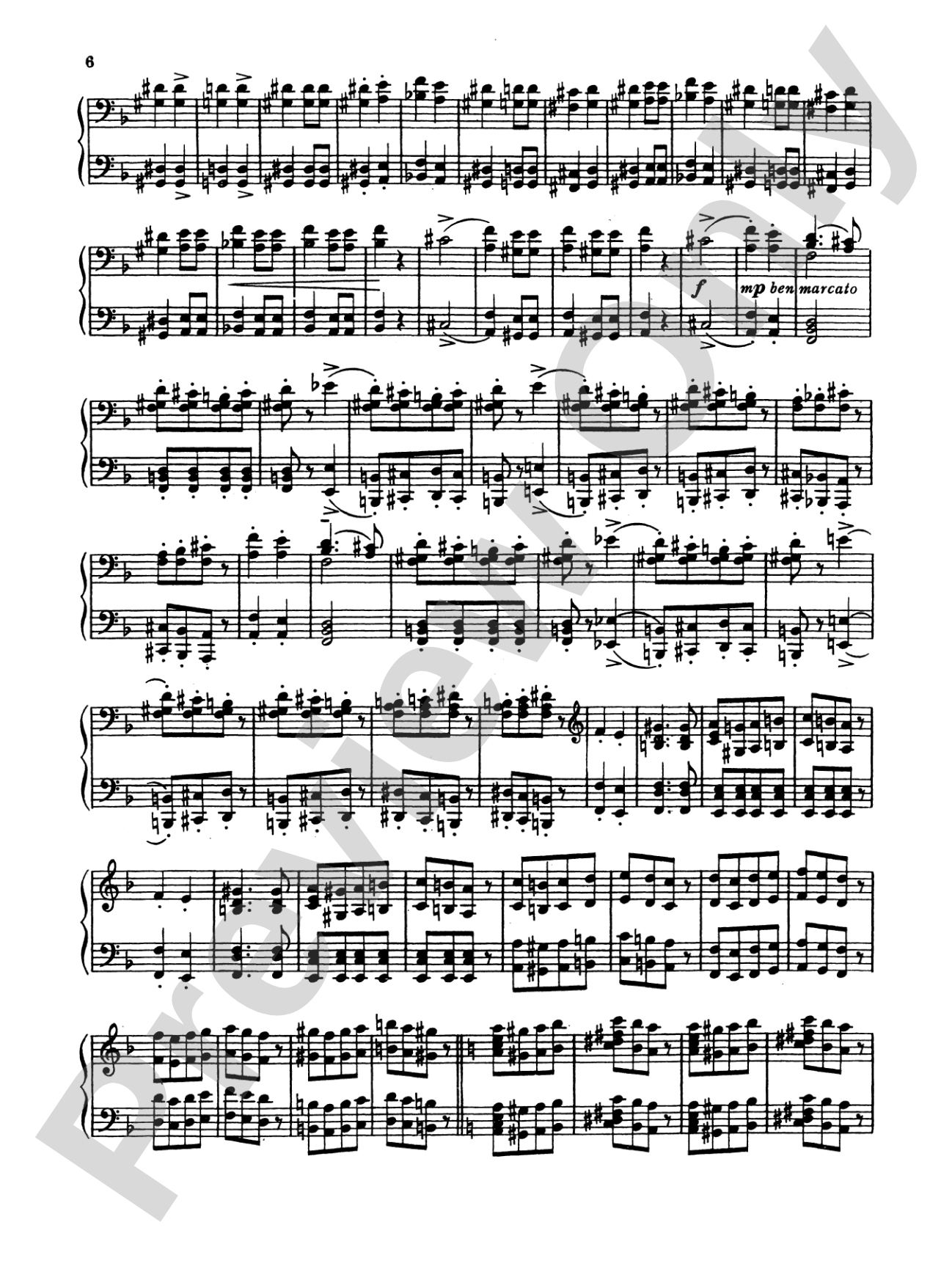
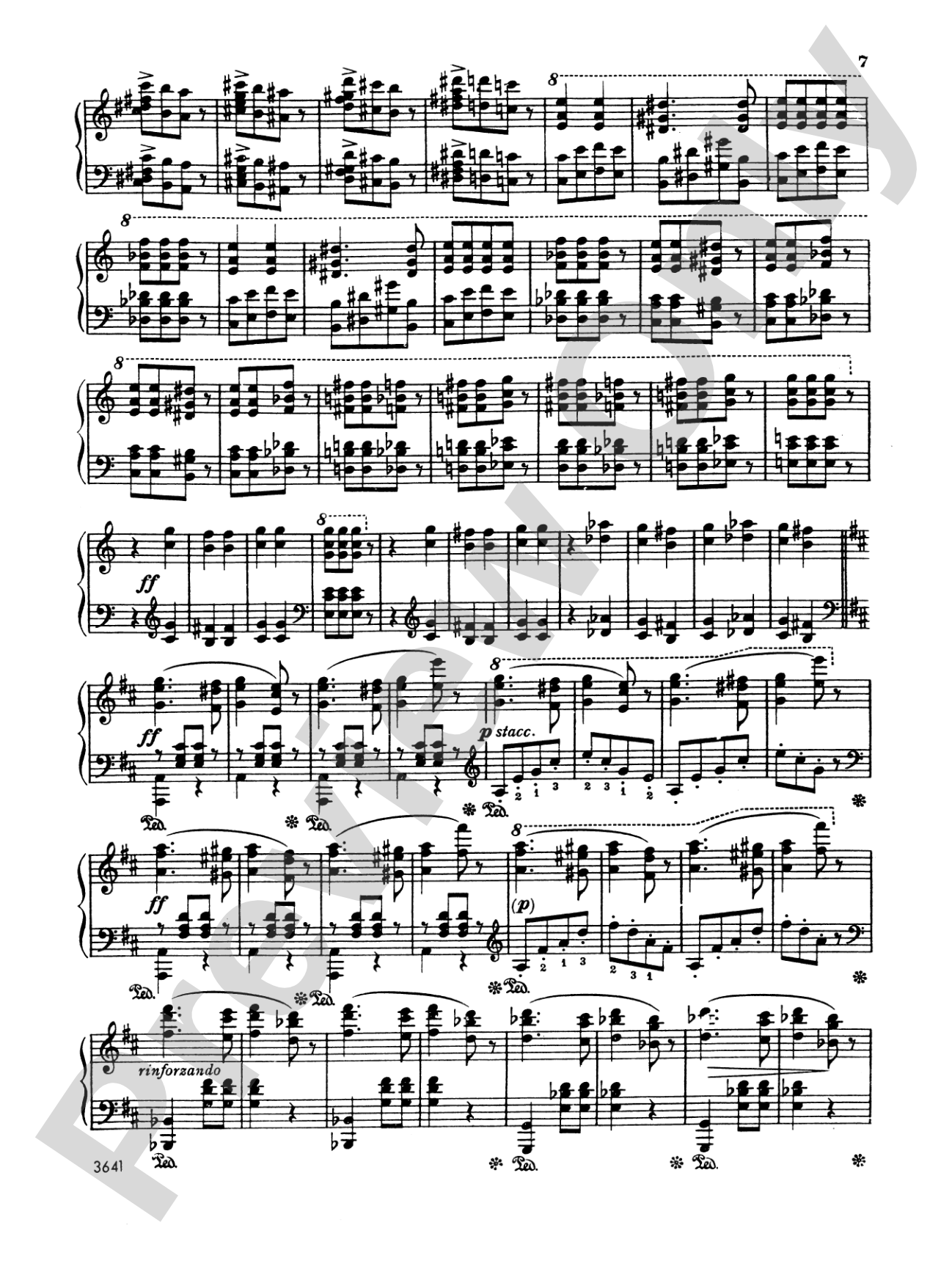
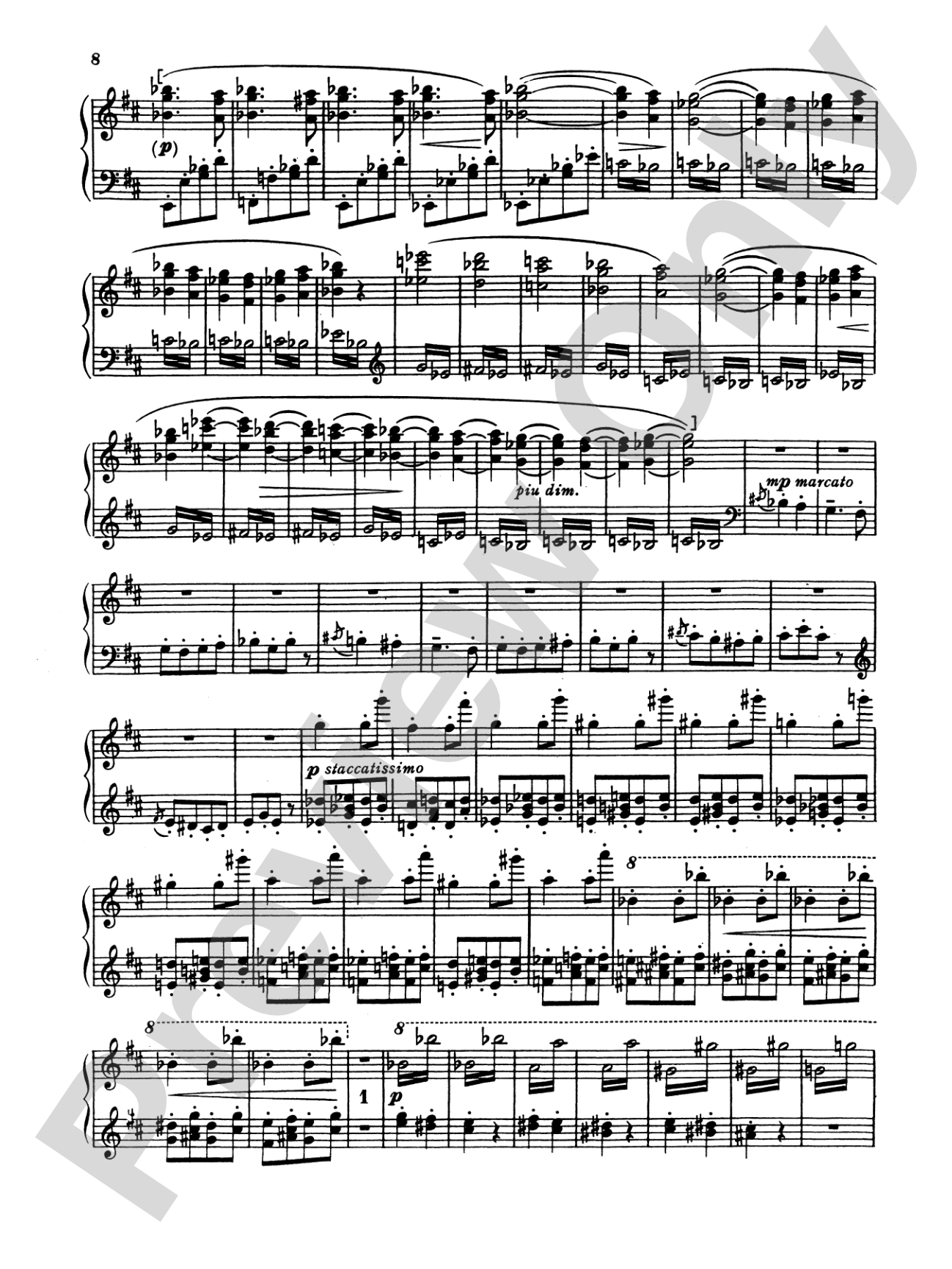
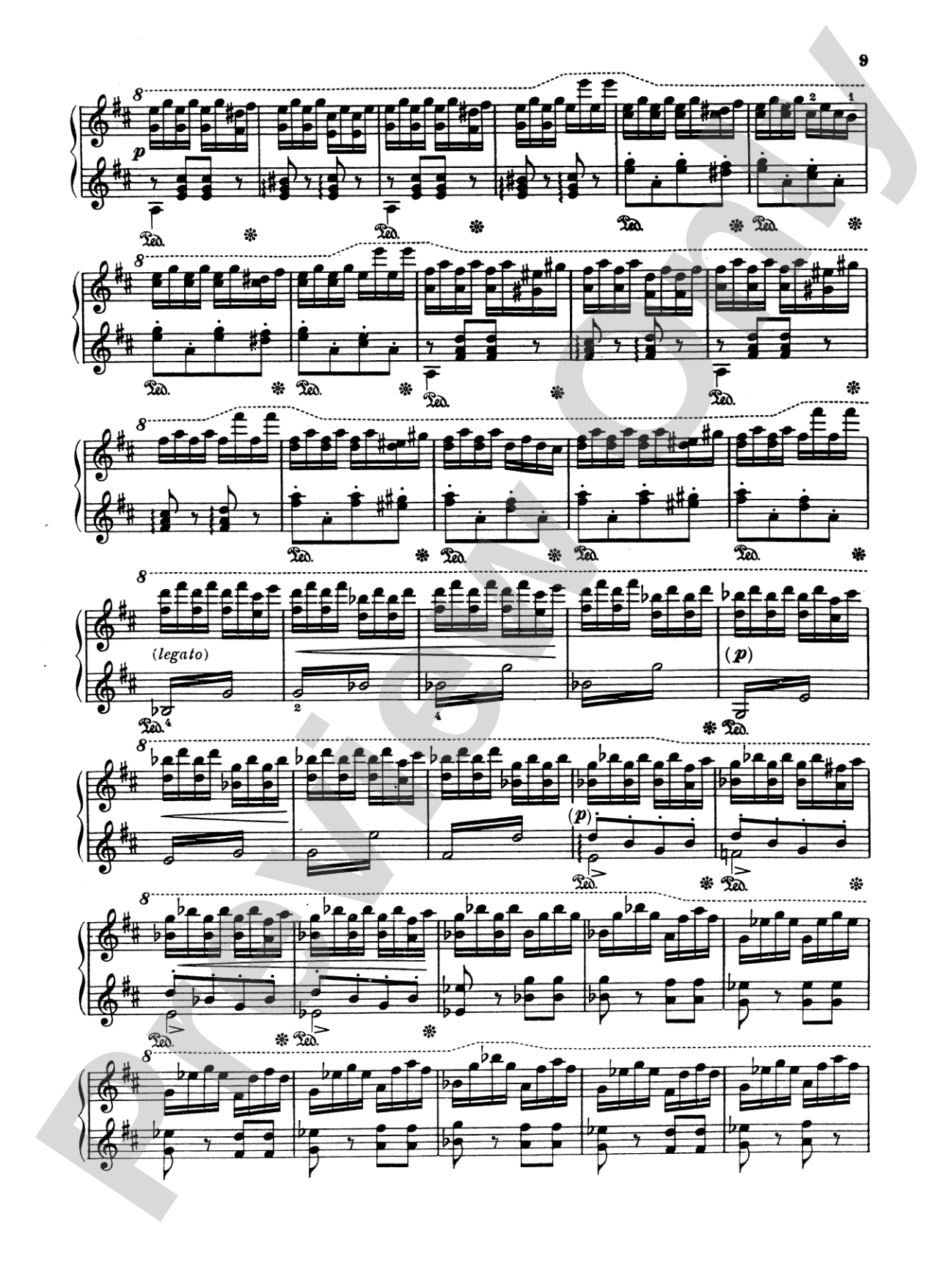
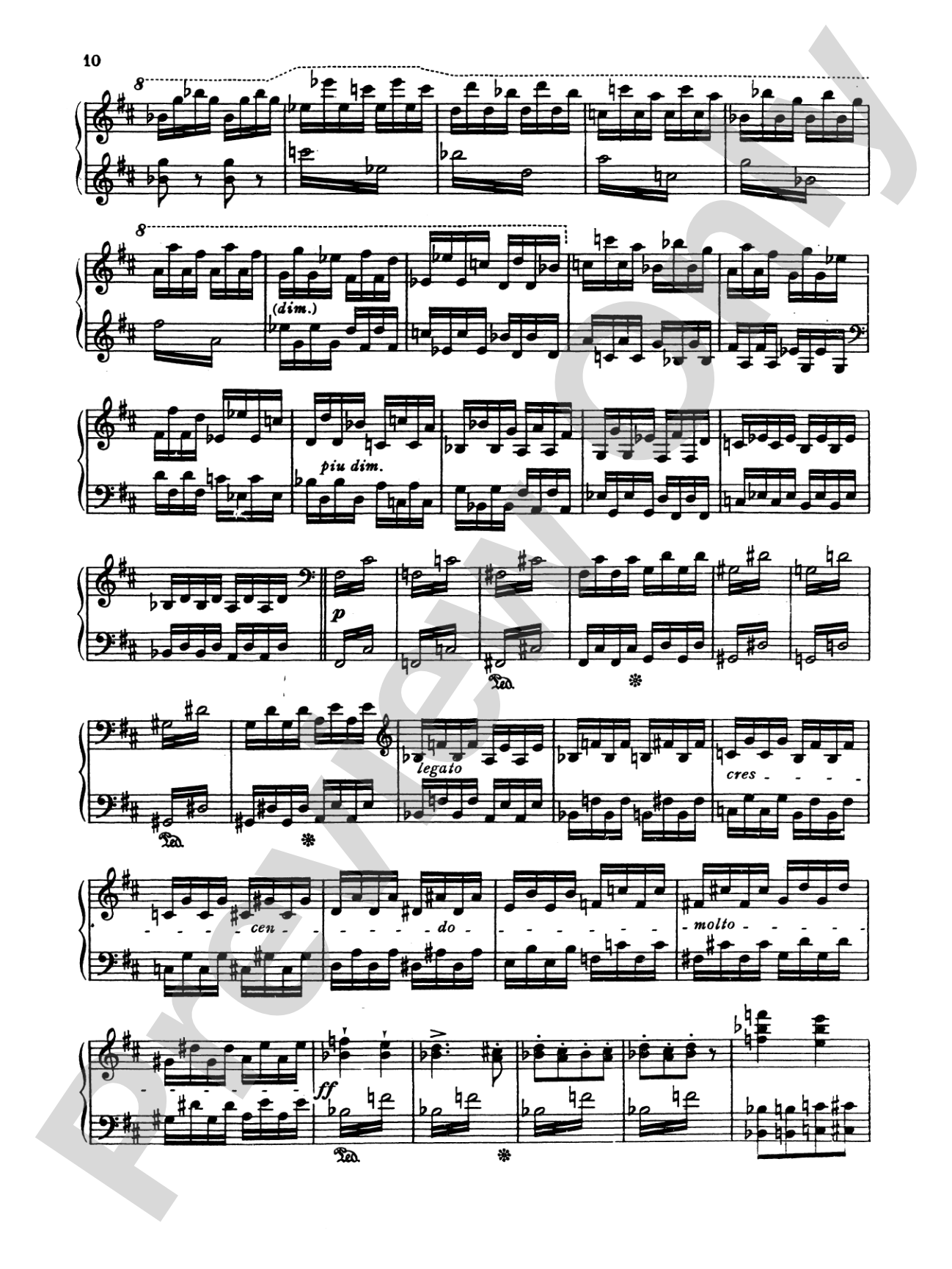
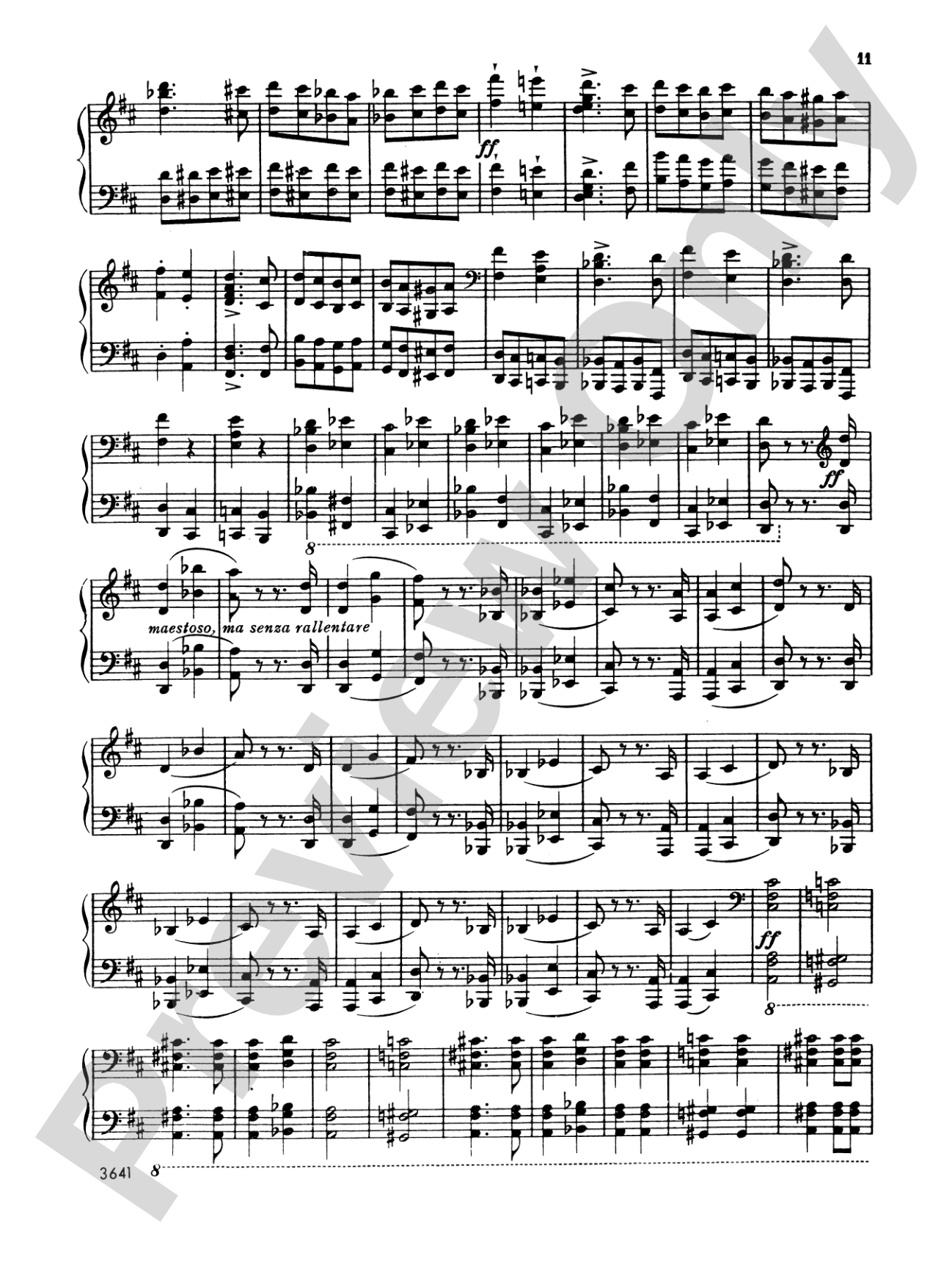
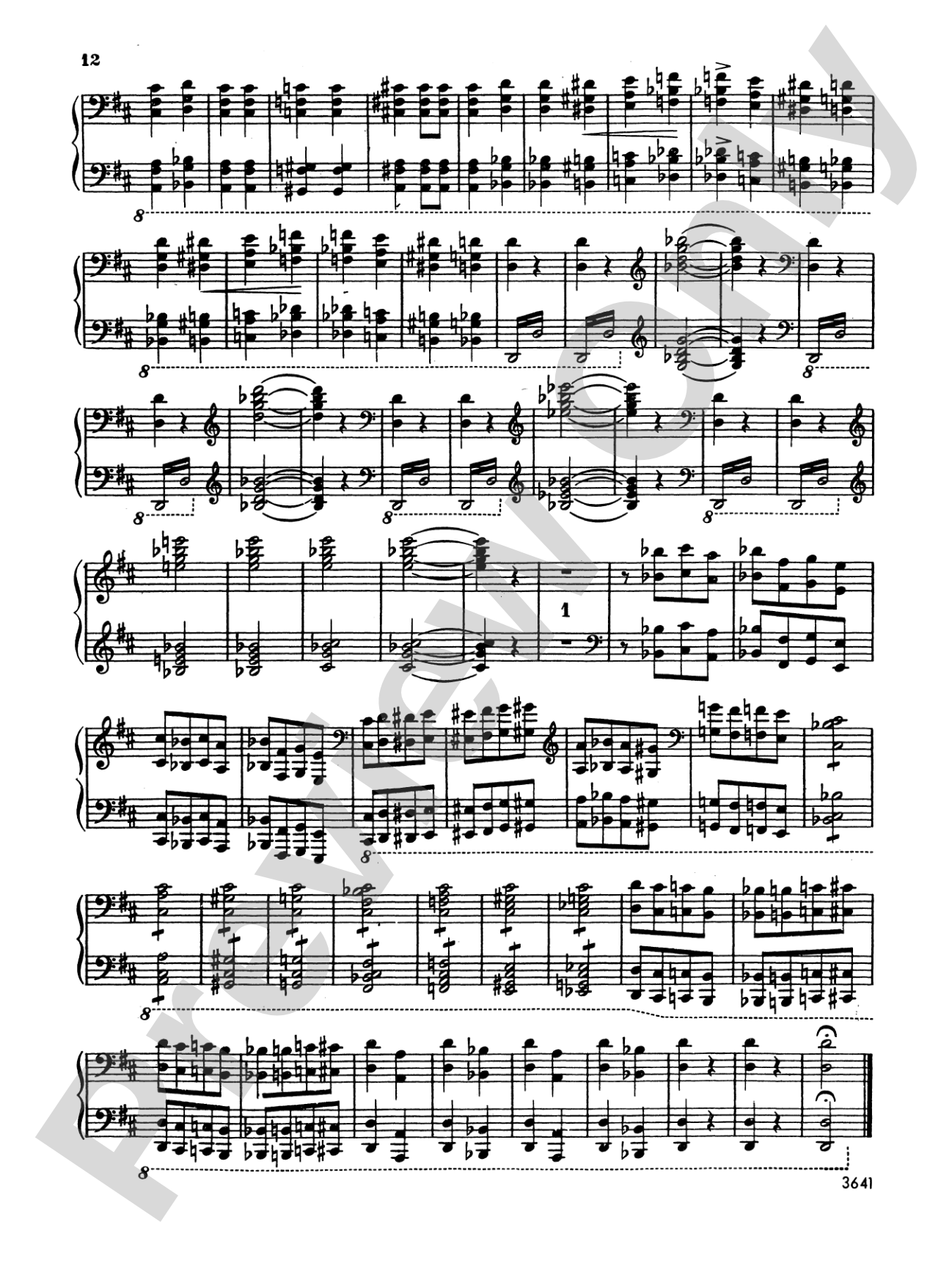
A collection of Advanced piano solos composed by Franz Liszt.


Don't just read it, hear it, play along with it, and watch your students grow with it. In MakeMusic Cloud, Liszt: Late Piano Works: Piano Book comes alive with professional accompaniment, adjustable tempo, and built-in practice tools that turn solo practice into real progress.
Open in the Player
Jump straight in and assign it today.
Start Your Free Trial
Open this title and explore the full library in minutes.
Sample Audio
No sample audio found.
Sample Video
No sample videos found.
Additional Details
Series:
Kalmus Edition
Publisher:
Alfred Music
Page Count:
64
SKU:
00-PK-0003199
More about this title
About the Composer: Franz Liszt
Franz Liszt (1811, 1886) revolutionized piano technique and expanded the instrument's expressive range like no composer before him. His late works, written after he took minor orders in the Catholic Church, reveal a composer stripped of virtuosic display, instead exploring harmonic innovation, structural freedom, and spiritual introspection that influenced modernists decades later.
Why we love this
Liszt's late piano works occupy a singular space in the advanced repertoire: they demand technical command while rewarding interpretive maturity and structural awareness. These pieces reveal a composer uninterested in pleasing audiences through spectacle alone; instead, they invite pianists into complex harmonic and formal territories that feel genuinely modern despite their nineteenth-century origin. Programming these works signals artistic ambition and gives accomplished students genuine artistic challenges.
What to expect
Late Liszt inhabits a landscape of restlessness and spiritual searching. These works move beyond the flashy heroism of his earlier compositions into something more introspective and searching, full of harmonic surprises and unexpected silences. There's an otherworldly quality to much of this music, as if Liszt is reaching toward something just beyond conventional tonality.
Who it's for
Advanced pianists seeking works that challenge both technical facility and interpretive sophistication. These pieces reward performers who have already mastered the Romantic virtuoso repertoire and are ready to engage with Liszt's more experimental, harmonically daring writing.
How to get the most out of it
- Study the harmonic language closely before diving into technical passages. Liszt's late works often obscure traditional tonal centers, and understanding the underlying structure transforms how you shape phrasing and voicing.
- Approach pedal usage with deliberation rather than habit. The sonorities Liszt creates demand precise control of resonance; experiment with half-pedal and selective sustain rather than relying on continuous depression.
- Allow silence and space to breathe. Late Liszt often works with sparse textures and dramatic pauses. Resist the impulse to fill these moments; let them create architectural weight.
- Balance technical precision with interpretive freedom. These works sit somewhere between strict classical form and improvisatory exploration. Secure the technical demands thoroughly so you have liberty to shape tempo and color expressively.
How to use it
These works command their own recital programs or standalone concert slots rather than functioning as supporting repertoire. They work powerfully as closing statements in an all-Liszt program or as the centerpiece of a recital exploring Romantic-era harmonic innovation. A solo recitalist performing these pieces signals serious artistic intent.
Skills your students will build
- Advanced pedaling techniques and nuanced resonance control
- Navigating chromatic harmony and extended tonality
- Interpreting sparse textures and dramatic silence
- Large-scale structural awareness across complex formal designs
- Balancing technical demands with interpretive expression
- Voicing and balance in polyphonic passages without dense accompaniment patterns