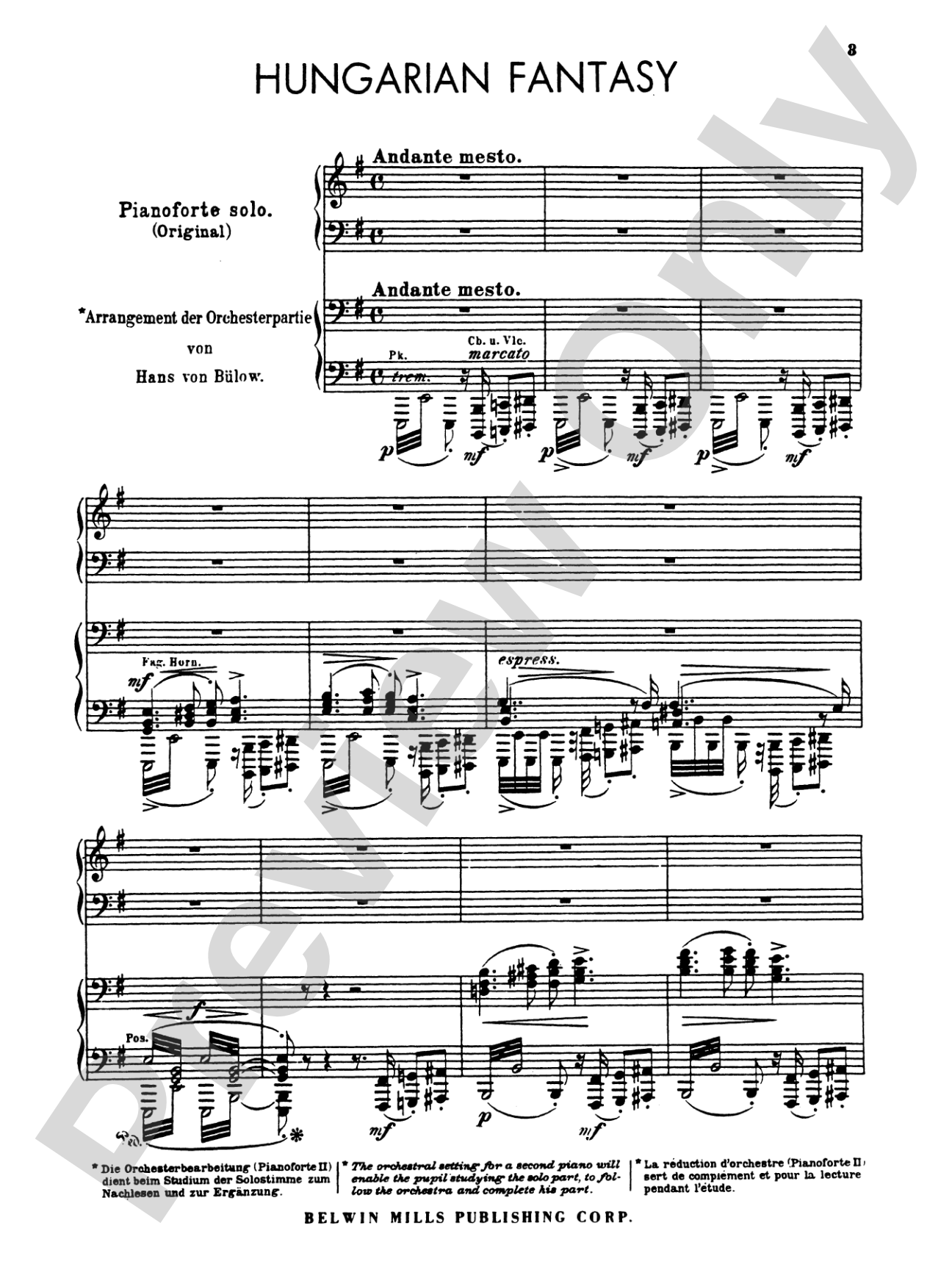
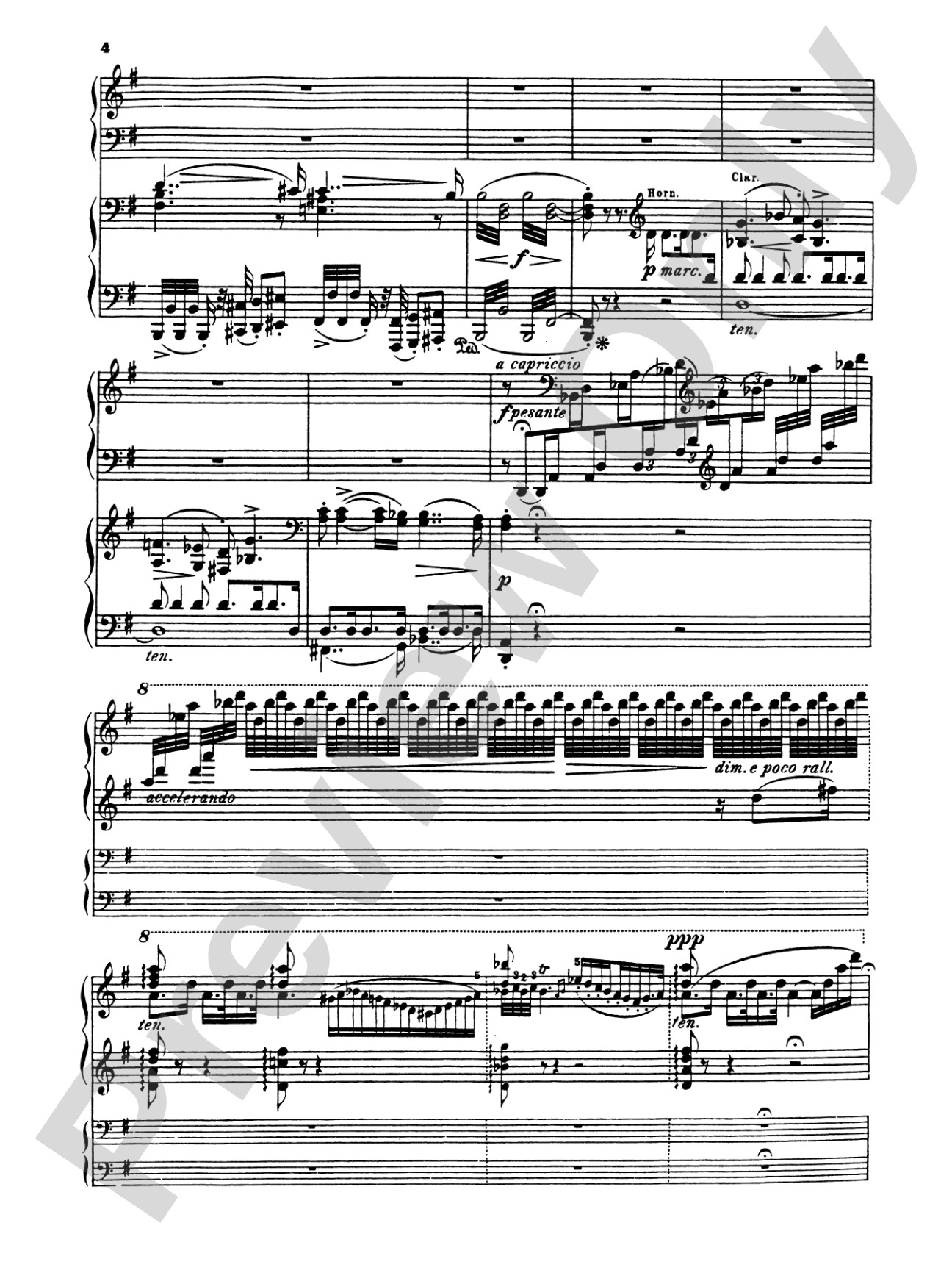
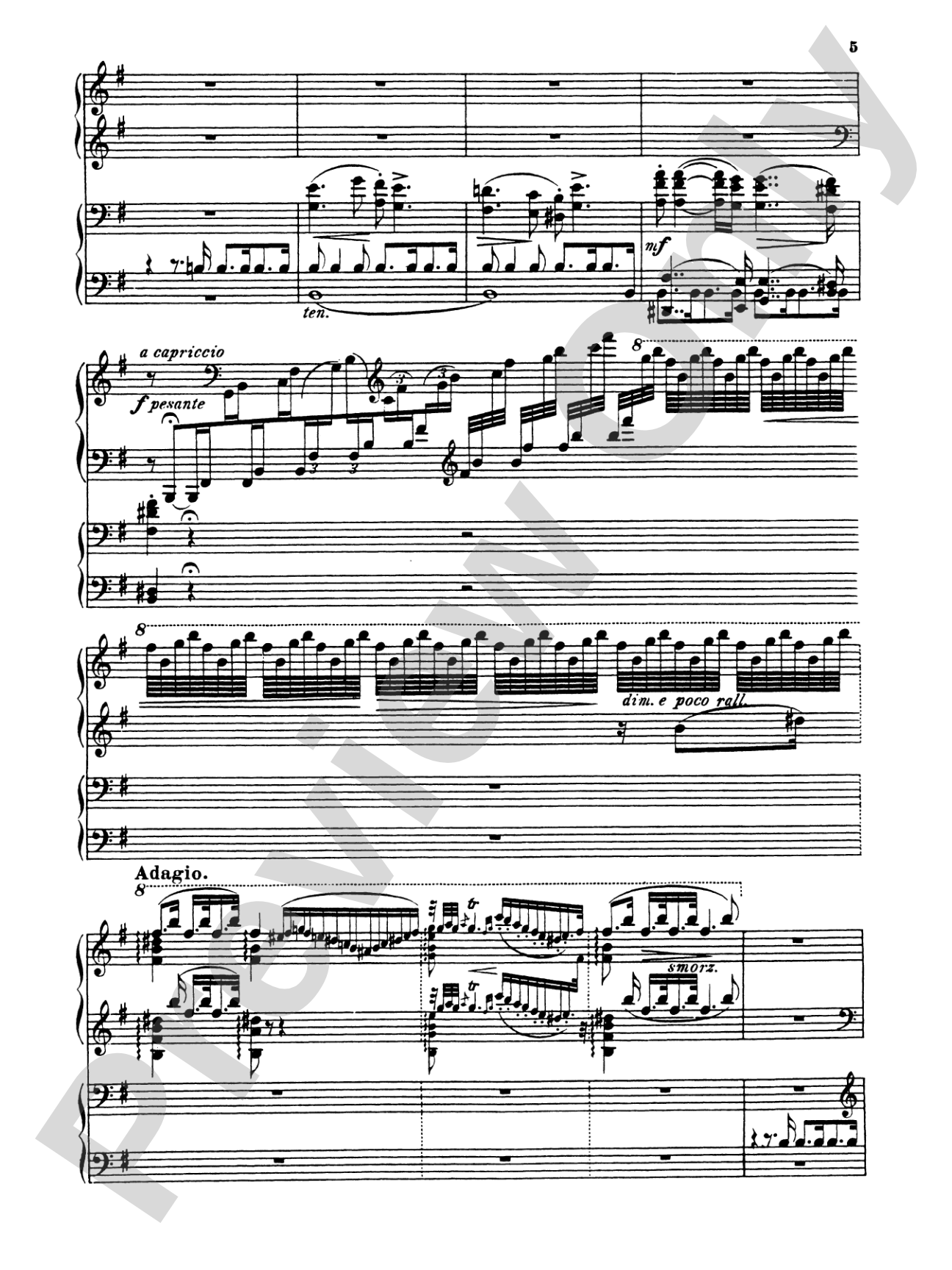
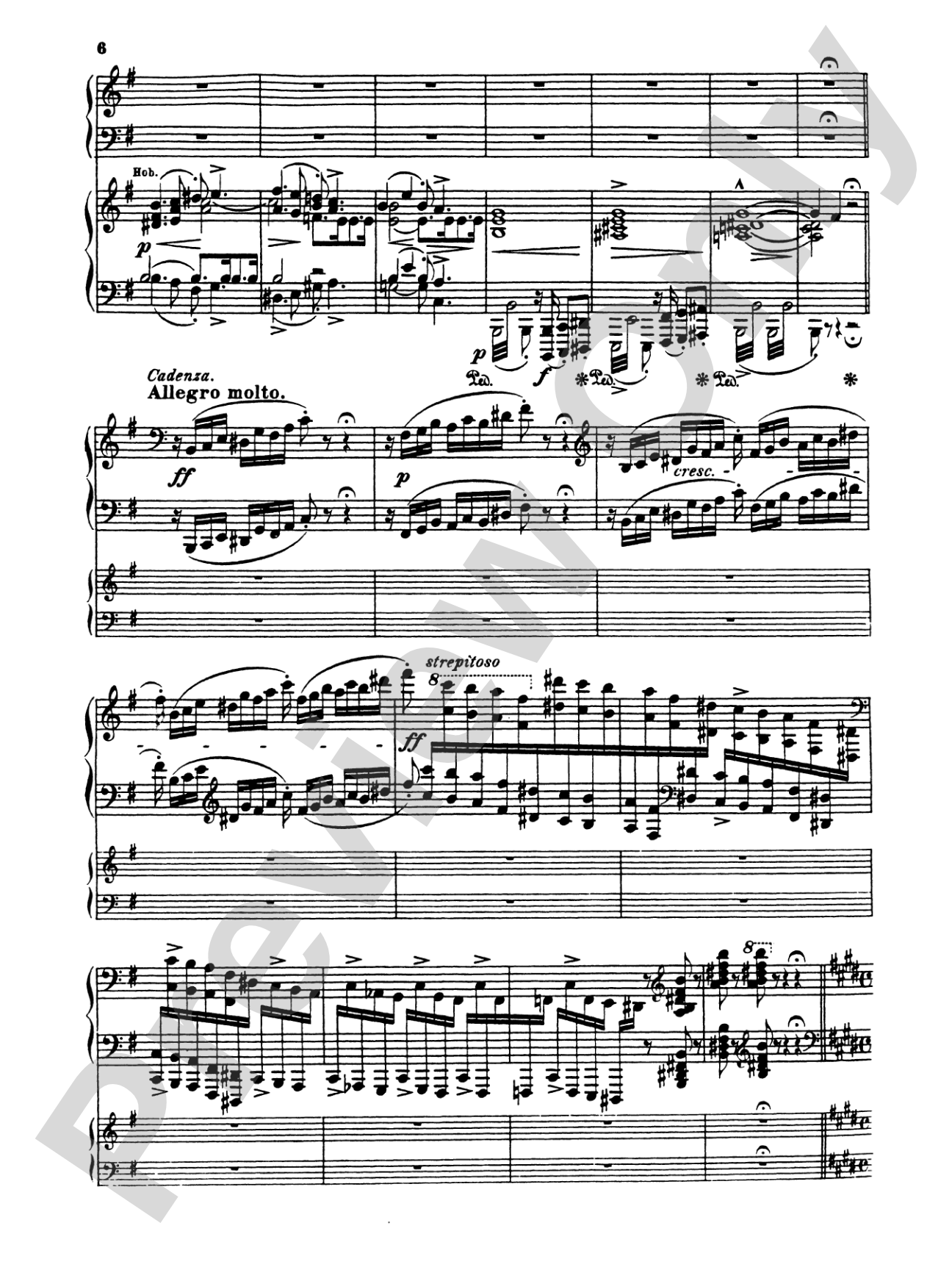
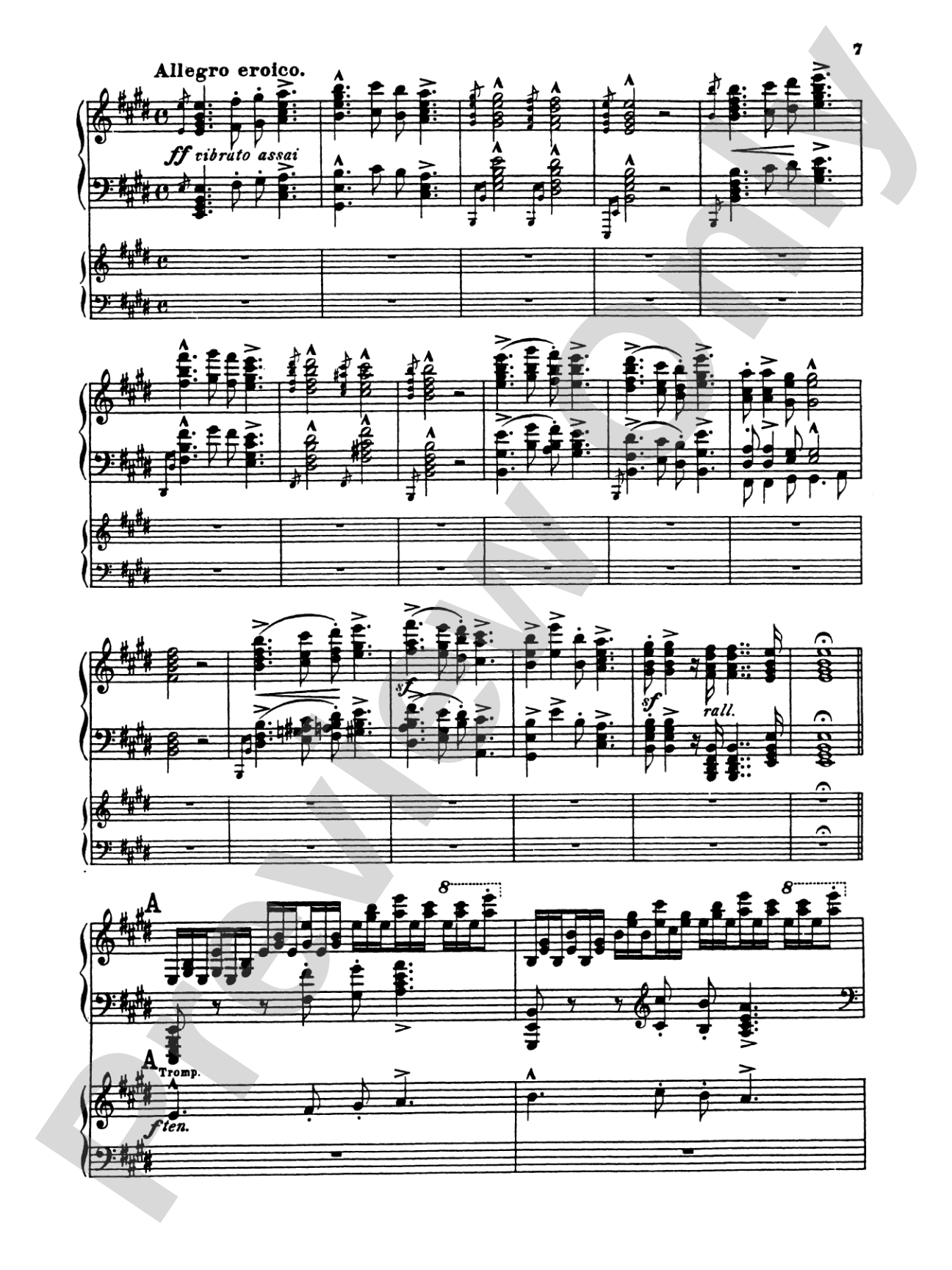
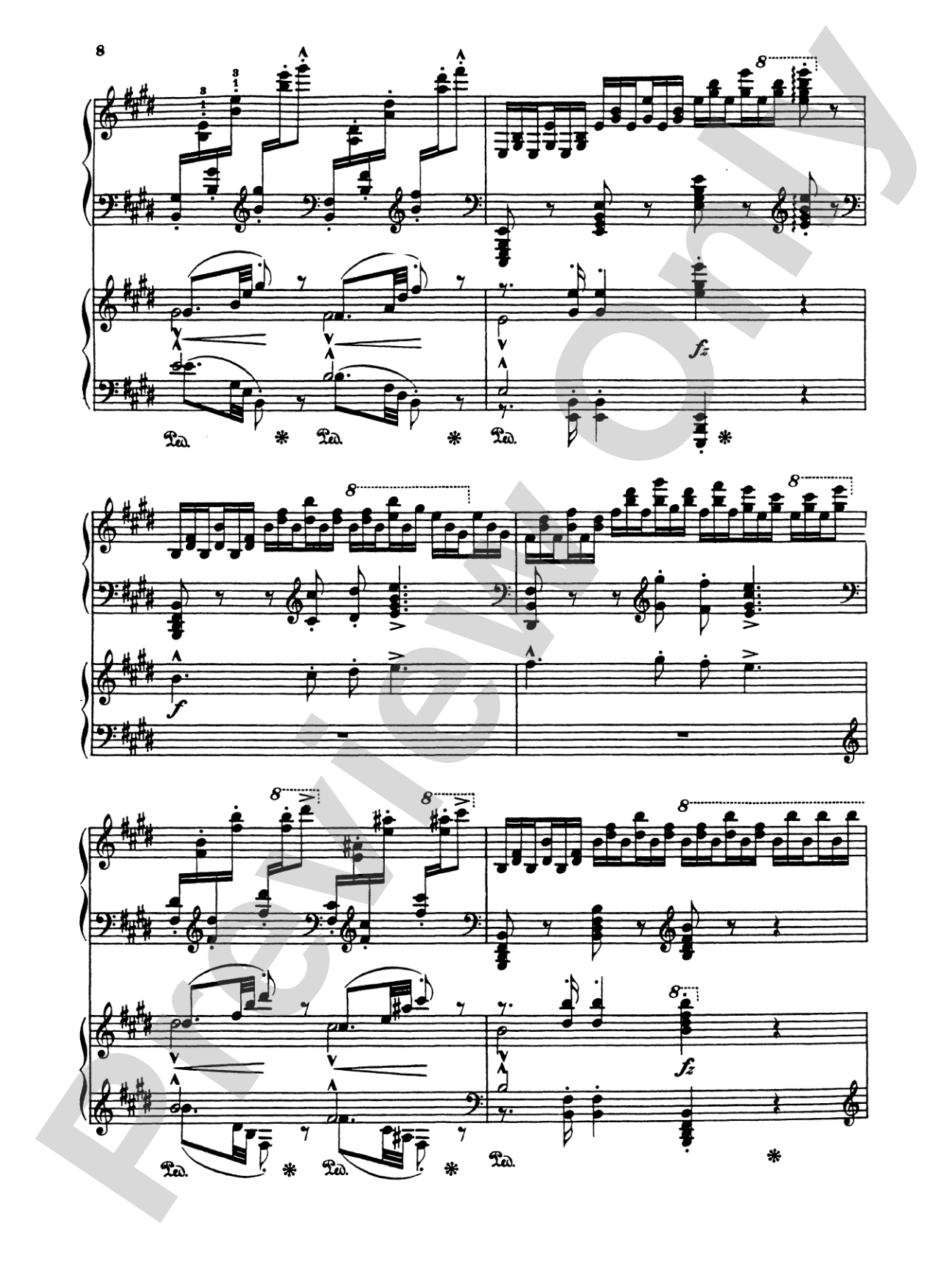
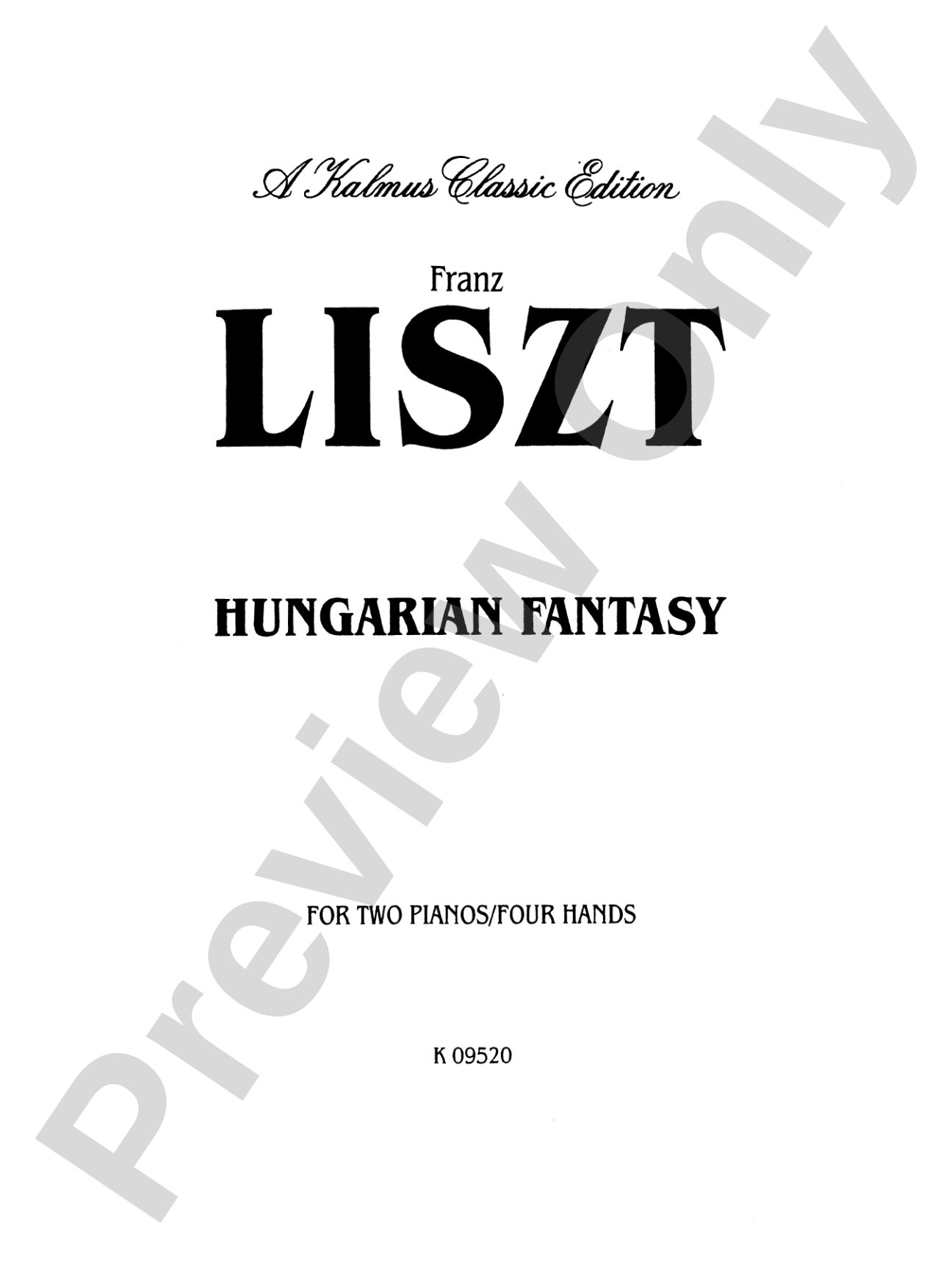
Liszt: Hungarian Fantasy Sheet Music Preview

Liszt: Hungarian Fantasy

By Franz Liszt

Item: 00-PC-0012740

Digital Download
$9.95
Description
Expertly arranged Piano Duet by Franz Liszt from the Kalmus Edition series. This Piano Duet (2 Pianos, 4 Hands) is from the Romantic era. 2 copies are required for performance.

Don't just read it, hear it, play along with it, and watch your students grow with it. In MakeMusic Cloud, Liszt: Hungarian Fantasy comes alive with professional accompaniment, adjustable tempo, and built-in practice tools that turn solo practice into real progress.

Sample Audio
No sample audio found.
Sample Video
Additional Details
Series: Kalmus Edition
Publisher: Alfred Music
Page Count: 40
SKU: 00-PC-0012740

More about this title

About the Composer: Franz Liszt

Franz Liszt (1811-1886) was a Hungarian composer and virtuoso pianist whose technical innovations and romantic sensibility defined nineteenth-century keyboard music. His works range from transcendental showpieces to intimate character pieces, and he was equally committed to advancing the art form through composition, performance, and mentorship. Liszt's harmonic daring and orchestral thinking at the piano influenced generations of composers and remain central to the advanced repertoire.

Why we love this

The Hungarian Fantasy sits at the intersection of virtuosity and authenticity, drawing on genuine folk idioms while demanding serious musicianship from both players. Programming this work signals artistic ambition and gives advanced duet partnerships an opportunity to explore Romantic fervor and technical brilliance at the same time. It's a piece that rewards the time invested in learning it.

What to expect

The Hungarian Fantasy pulses with excitement and romantic fire, moving from lyrical, sweeping passages to driving, percussive dance rhythms rooted in Hungarian folk tradition. The writing captures both the intimacy of salon performance and the grandeur of concert hall virtuosity. Beneath the brilliance runs a current of genuine emotion and cultural character that lifts the piece beyond pure display.

Who it's for

This arrangement is designed for advanced piano duet partnerships with substantial technical facility and collaborative experience. Pianists preparing for upper-level recitals or seeking substantial four-hand repertoire will find this both musically rewarding and technically engaging. Two performers comfortable with Romantic-era keyboard writing and willing to invest significant rehearsal time will get the most from it.

How to get the most out of it

  • Establish a clear hierarchy between the two pianos early in rehearsal. One player often carries thematic material while the other provides accompaniment; clarity here prevents muddiness and keeps the narrative audible.
  • Shape the Hungarian dance rhythms with rhythmic precision rather than rubato. The folk character depends on crisp articulation and exact ensemble timing, especially in the faster passages.
  • Balance the texture dynamically across both instruments. Test various seating arrangements and lid positions to ensure the accompanimental piano isn't buried when both players are playing at similar volumes.
  • Work the transition passages slowly at first. The key changes and modulations characteristic of Liszt's style require secure coordination between both performers.

How to use it

This work commands a substantial block of concert time and deserves prominent placement on a recital. Consider pairing it with contrasting duet repertoire from the Classical era or contemporary works to highlight Liszt's Romantic innovations. It also makes a strong standalone feature for an advanced student showcase or collaborative piano recital.

Skills your students will build

  • Coordinating ensemble balance and texture across two pianos
  • Maintaining rhythmic precision in Hungarian dance idioms and folk-influenced material
  • Navigating Liszt's harmonic language and chromatic voice leading
  • Managing rapid passagework and technical figuration with clarity
  • Building stamina through forty pages of sustained musical engagement

You May Also Like