
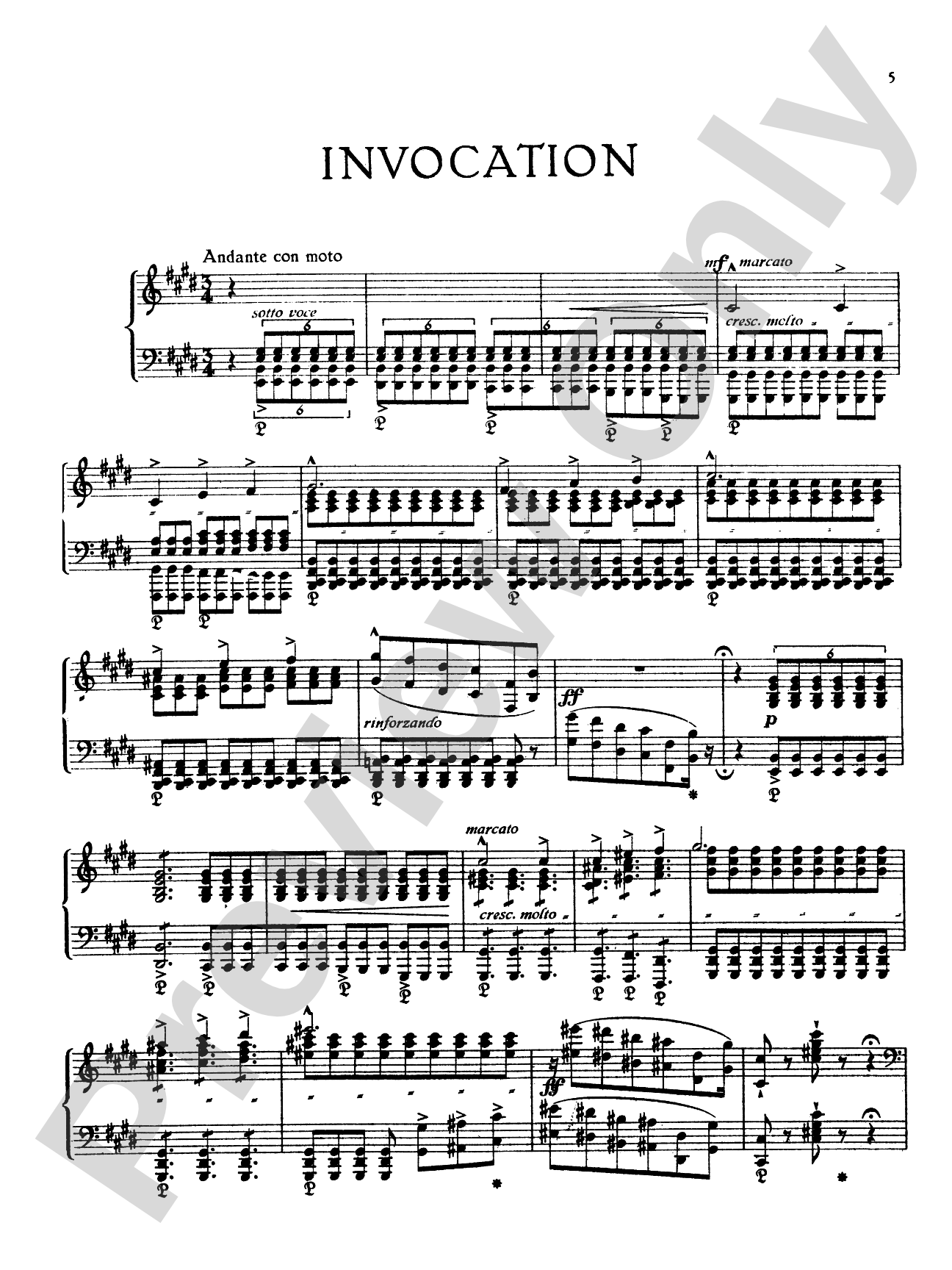
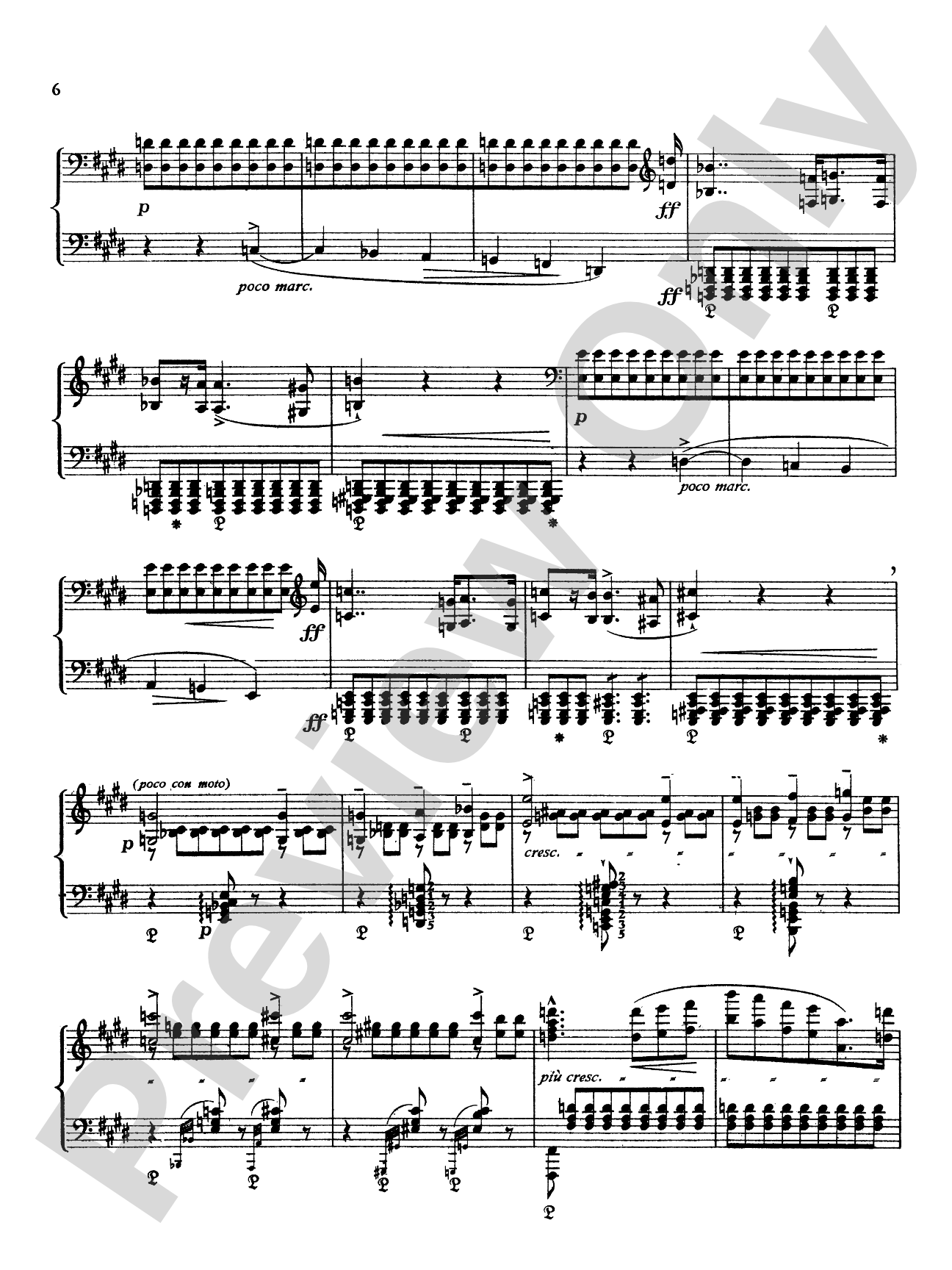
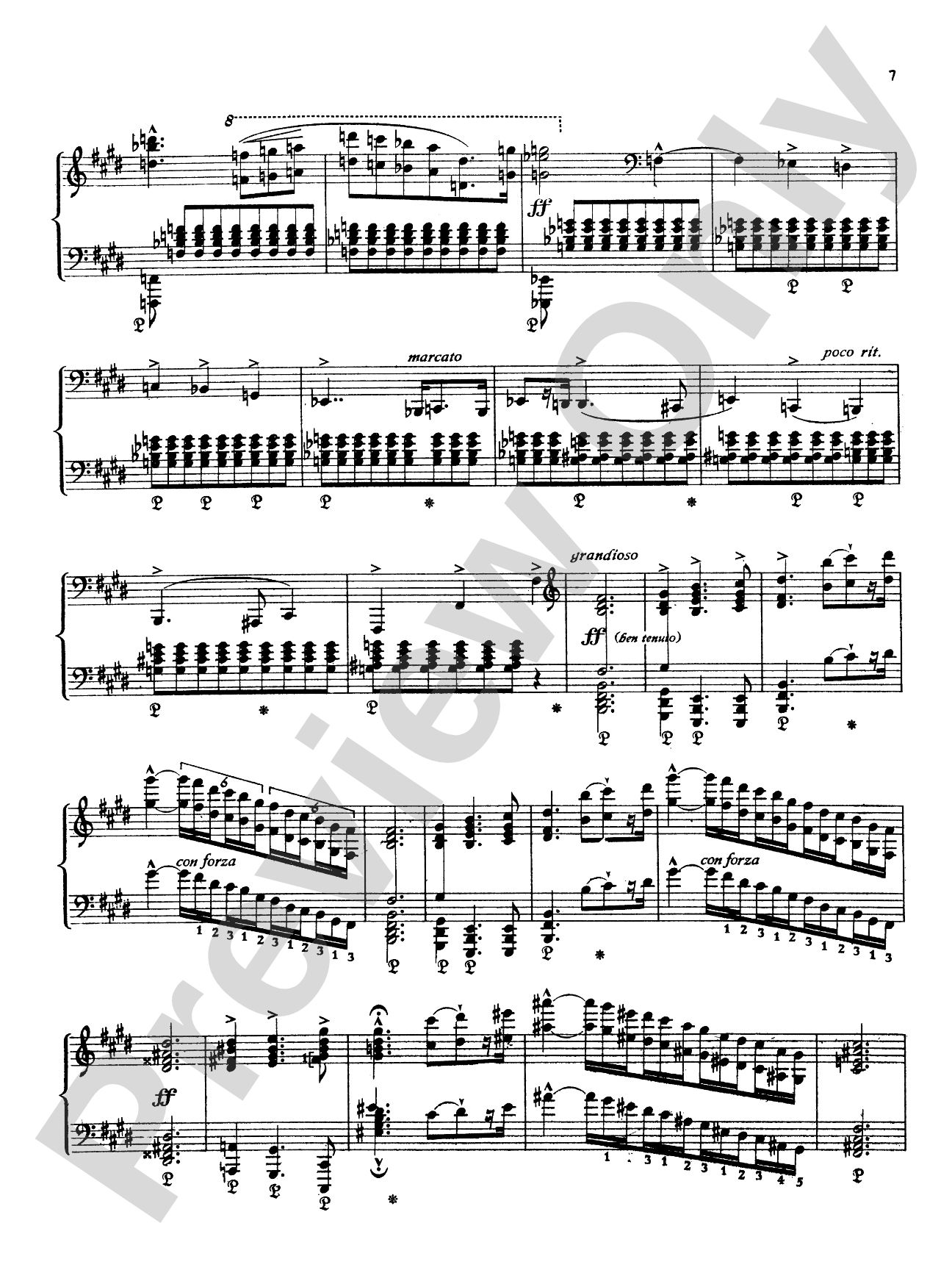
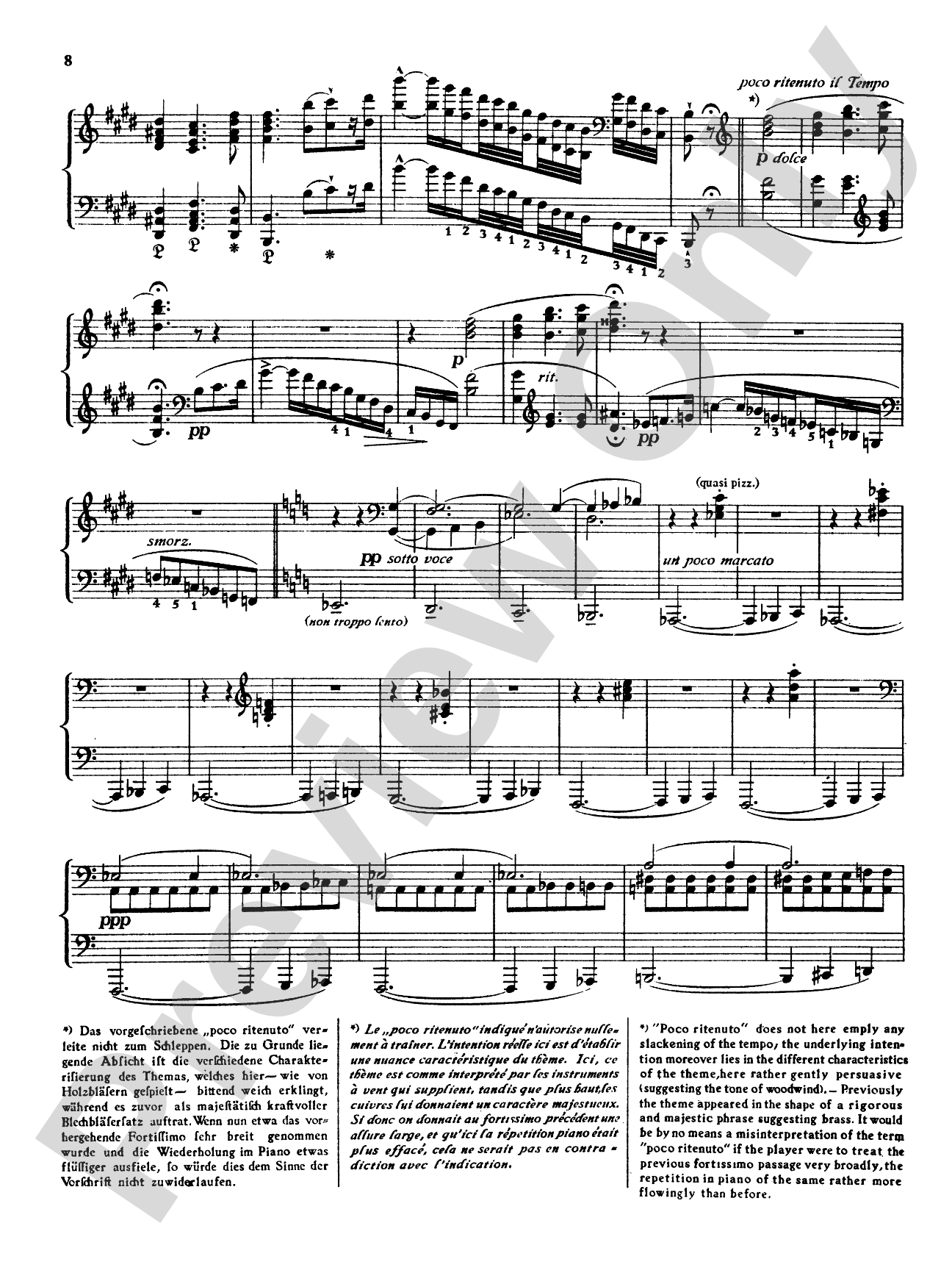
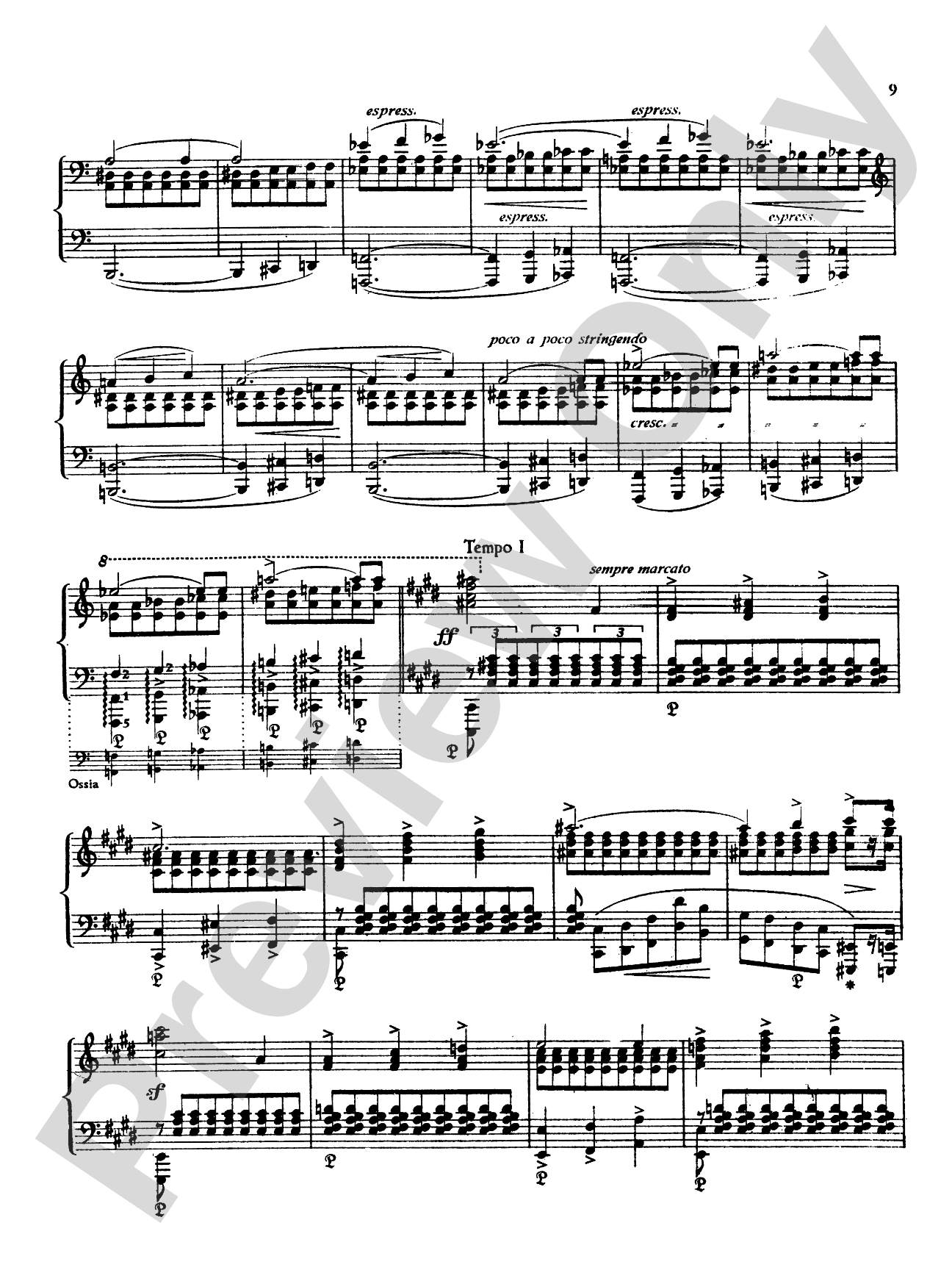
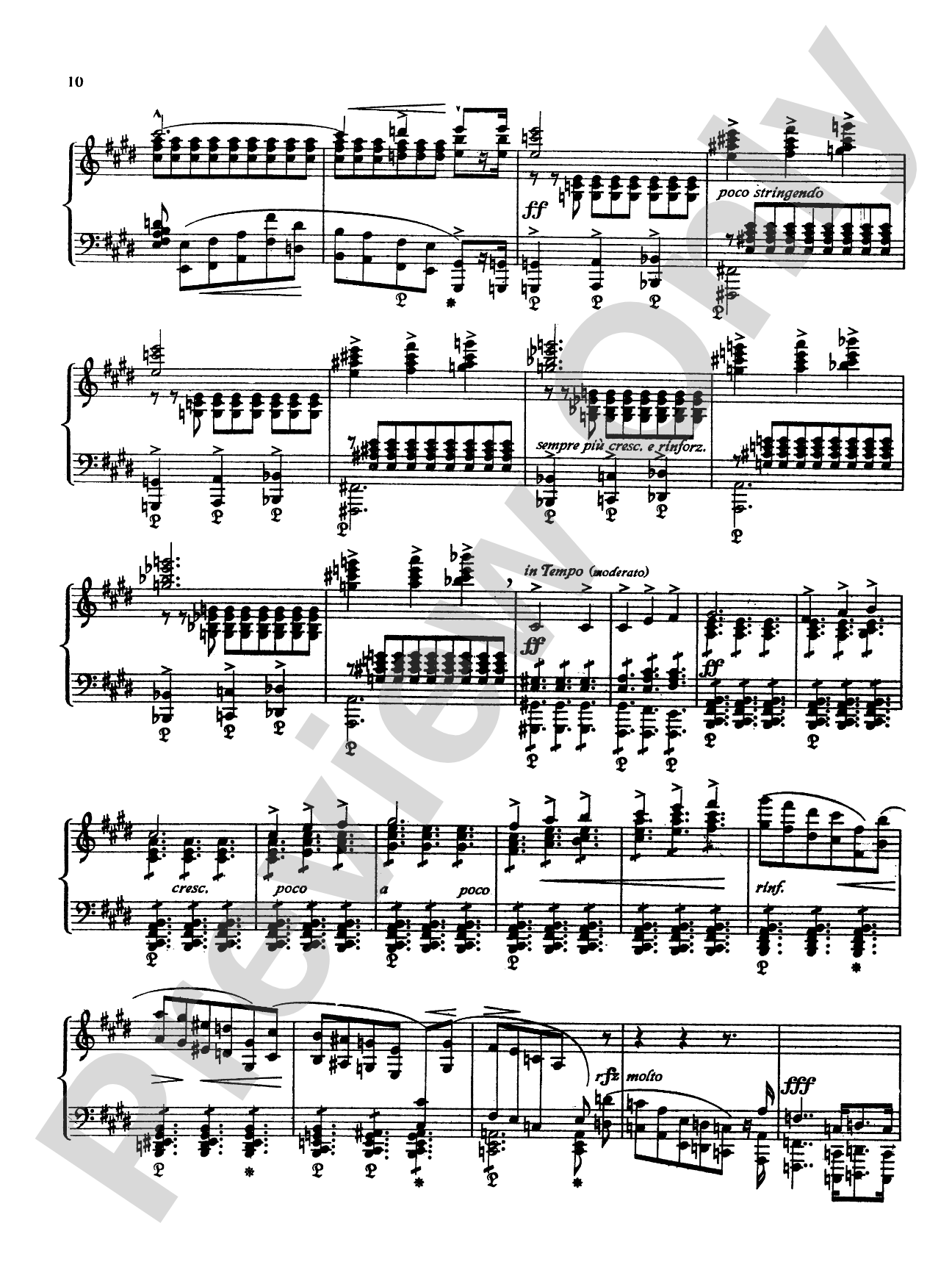
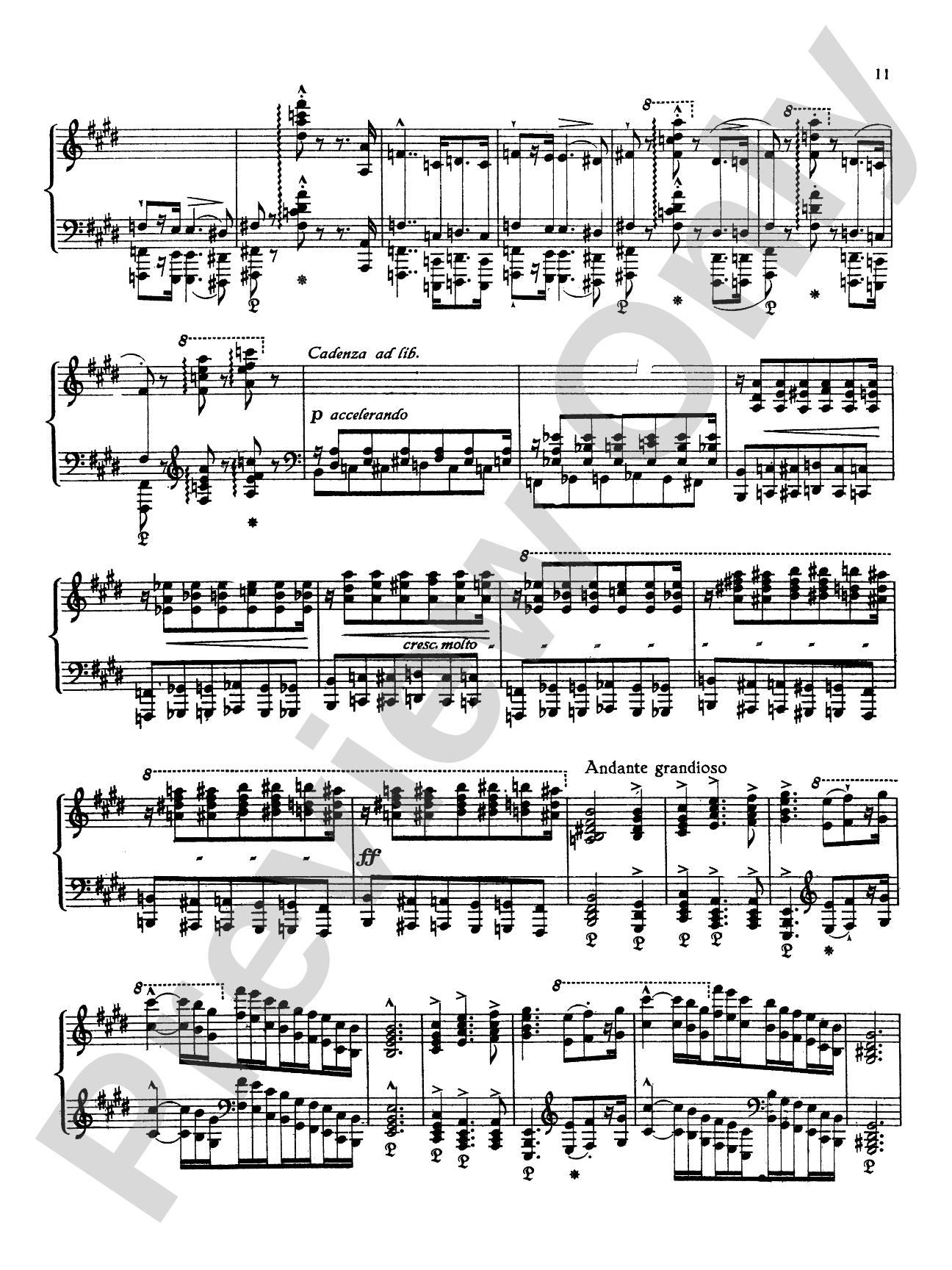
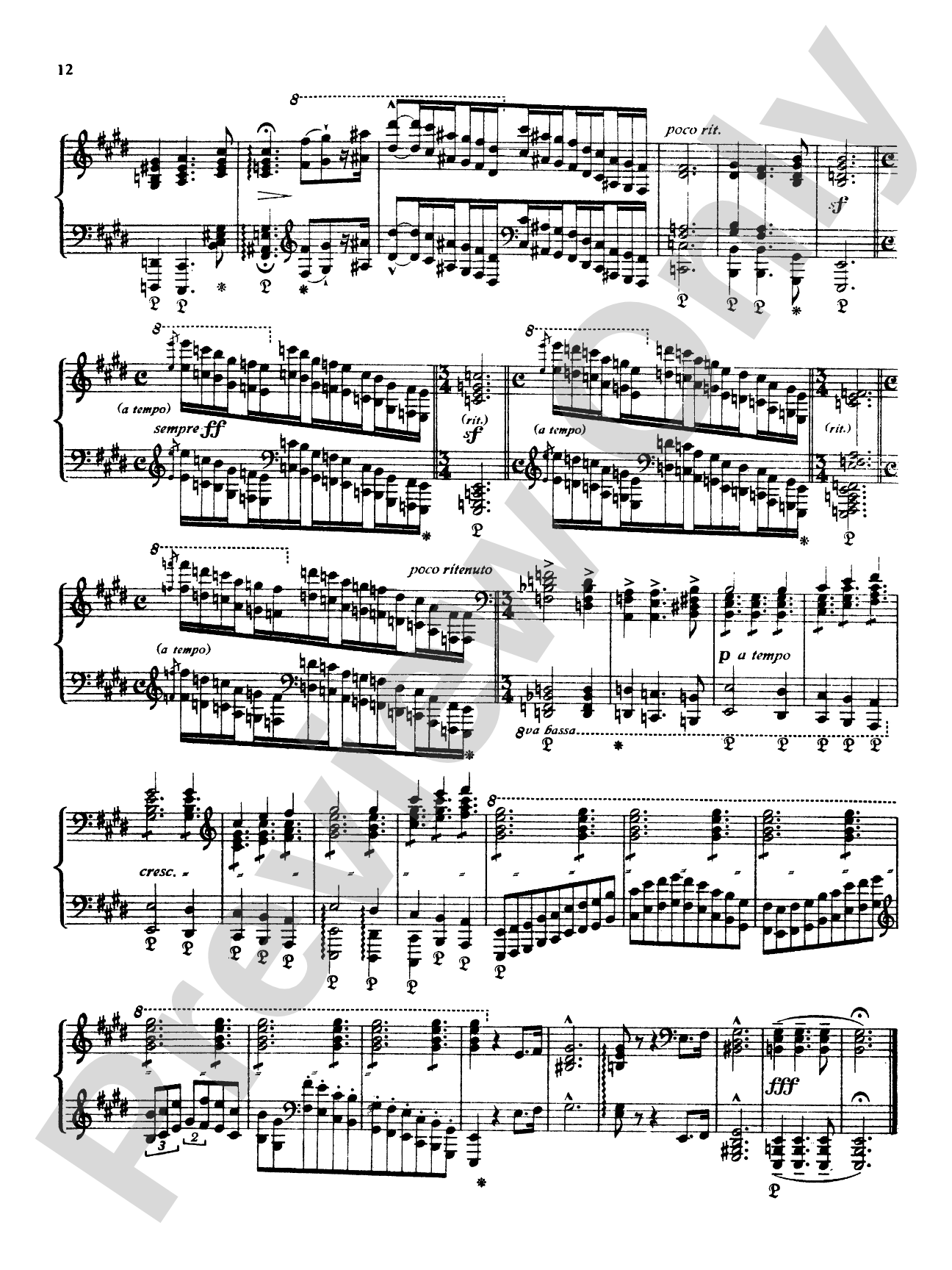

Liszt: Harmonies Poétiques and Réligieuses: Piano Book
By Franz Liszt
Level: Advanced
Item: 00-PK-0003190

$12.99
Pickup currently not available
Buy Extra Parts (Digital PDF Download)
Parts Added to Cart!
Description
A collection of Advanced piano solos composed by Franz Liszt.


Don't just read it, hear it, play along with it, and watch your students grow with it. In MakeMusic Cloud, Liszt: Harmonies Poétiques and Réligieuses: Piano Book comes alive with professional accompaniment, adjustable tempo, and built-in practice tools that turn solo practice into real progress.
Open in the Player
Jump straight in and assign it today.
Start Your Free Trial
Open this title and explore the full library in minutes.
Sample Audio
No sample audio found.
Sample Video
No sample videos found.
Additional Details
Series:
Kalmus Edition
Publisher:
Alfred Music
Page Count:
84
SKU:
00-PK-0003190
More about this title
About the Composer: Franz Liszt
Franz Liszt (1811, 1886) was a Hungarian virtuoso pianist and composer who fundamentally expanded the technical and expressive possibilities of the keyboard. His innovations in harmony, orchestration, and structural form influenced generations of composers who followed. Beyond his role as a performer and innovator, Liszt was deeply invested in music education and mentorship, making his published works essential study for advanced pianists seeking to understand Romantic-era pianism and harmonic language.
Why we love this
Harmonies Poétiques et Religieuses stands apart because Liszt balances virtuosic display with genuine introspection. These pieces reward pianists who have mastered technical command and are ready to excavate the spiritual and poetic content beneath the surface—a rare combination at this level.
What to expect
These works shift between intimate prayer and ecstatic vision, often within a single piece. Liszt's piano writing creates an almost orchestral richness, with dense textures and soaring melodies that feel both deeply personal and dramatically expansive.
Who it's for
Advanced pianists preparing for recitals, competitions, or graduate-level study will find this collection essential. Teachers working with accomplished students seeking to deepen their engagement with Romantic literature will value the variety of moods and technical challenges across the pieces.
How to get the most out of it
- Approach the harmonic language with patience. Liszt's chromaticism and unexpected modulations create their intended effect only when heard as carefully considered gestures, not rushed passages.
- Study the pedal markings as compositional voice. Liszt writes pedal changes deliberately to shape resonance and color; neglecting them flattens the harmonic architecture.
- Build stamina systematically. The collection demands sustained concentration and physical endurance; break practice sessions by piece rather than by duration to maintain interpretive clarity.
- Listen to multiple interpretations before settling on your own. These works have attracted pianists across generations, and contrasting approaches reveal different layers of the writing.
How to use it
Select individual pieces from this collection for recital contexts where program depth matters more than thematic unity. A single Harmonies Poétique can anchor a Romantic program, or pair complementary pieces from the set to explore Liszt's range from devotional to virtuosic.
Skills your students will build
- Advanced pedal technique and harmonic color control
- Reading and interpreting Liszt's chromatic harmony and unconventional modulations
- Left-hand independence and octave technique
- Lyrical cantabile playing across rapid figurations
- Structural navigation of extended forms with multiple tempo and character shifts